Skincare Tips for Teenage Boys: Sweat, Shaving and Acne
A straightforward teen routine for acne, sports sweat, shaving irritation and sunscreen, based on skin needs rather than gendered marketing.

In this guide
Quick Answer
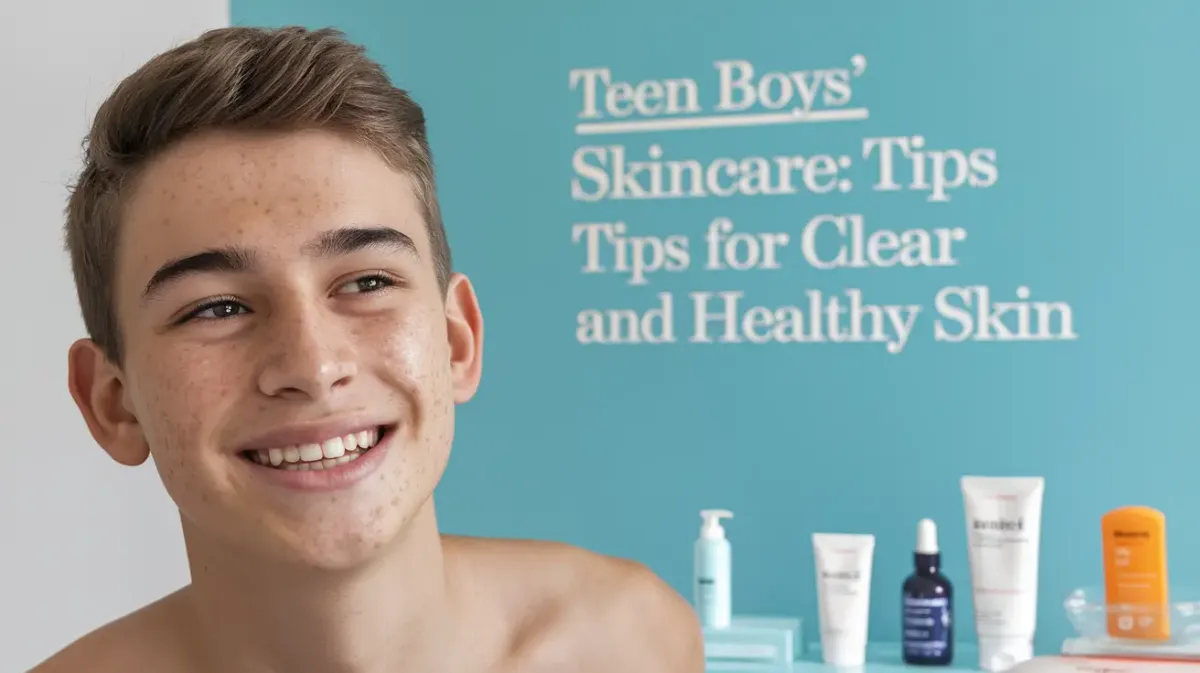
Teenage boys do not need a gender-specific skincare system. Use a gentle cleanser, moisturizer and SPF, then adapt the routine for shaving, sports sweat, helmet friction or acne with one targeted change at a time.
Quick Summary
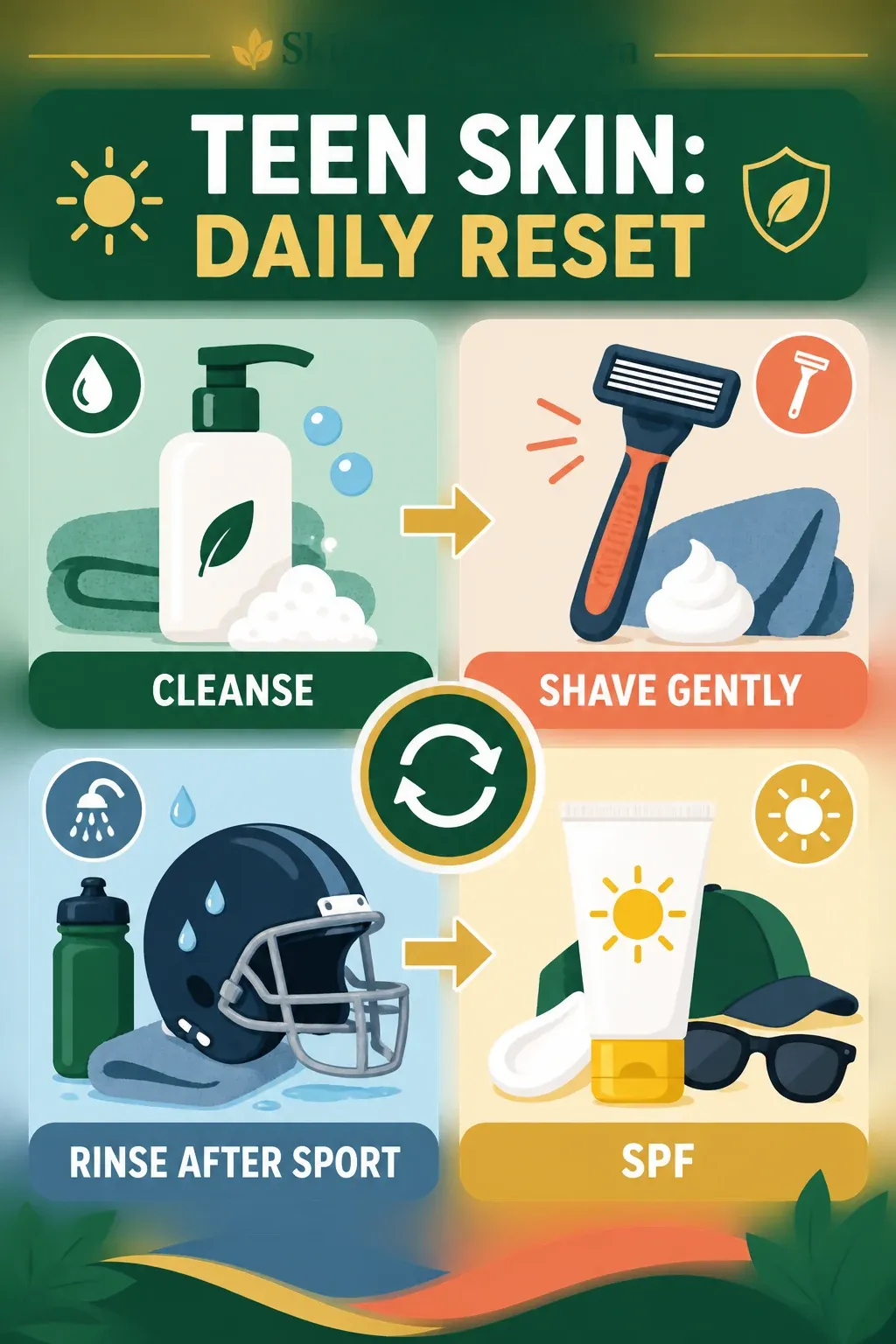
- Cleanse twice daily and rinse after heavy sweating.
- Shave with the grain and avoid passing repeatedly over inflamed acne.
- Clean helmet straps, chin guards and phone surfaces regularly.
- Choose acne treatment by breakout type, not by masculine branding.
Alright, let's talk about something that might seem a little daunting: skincare. If you're a teenage boy, you're probably dealing with a lot of changes, and your skin is no exception.
From sudden breakouts to that annoying oily sheen, it can feel like your face is constantly throwing curveballs. But here's the good news: taking care of your skin doesn't have to be complicated.
When a basic routine needs a moisturizer, our men's face moisturizer comparison includes light oil-free, fragrance-free post-shave, dry-skin, and SPF options with clear skip reasons.
In fact, with the right approach and a few simple habits, you can get your skin looking and feeling its best. This isn't about turning you into a beauty guru; it's about giving you the tools to manage your skin effectively and confidently.
So, let's dive into some essential skincare tips for teenage boys that are easy to follow and actually work.
Key Takeaways: Skincare Tips for Teenage Boys
- Consistency is Key: A simple, consistent routine is more effective than sporadic, complex ones.
- Gentle Cleansing: Wash your face twice daily with a gentle cleanser to remove dirt and excess oil.
- Hydration Matters: Use a lightweight, non-comedogenic moisturizer to keep your skin balanced.
- Sun Protection: Apply sunscreen daily to protect your skin from harmful UV rays.
- Targeted Treatments: Use spot treatments for acne as needed, but avoid picking at pimples.
Understanding the Basics of Teenage Skin
Teenage years are a rollercoaster for your skin. Hormonal changes are the main culprit, leading to increased oil production.
This excess oil, combined with dead skin cells and bacteria, can clog pores and cause acne. It's a common experience, but understanding what's happening beneath the surface can help you tackle it more effectively.

It's not just about washing your face; it's about understanding the delicate balance your skin needs. Think of your skin like a finely tuned engine – it needs the right care to run smoothly.
And just like an engine, neglecting it can lead to problems. So, let's get into the specifics of how to keep that engine purring.
During puberty, the sebaceous glands go into overdrive, producing more sebum. This is why many teenage boys experience oily skin and breakouts. The key is to manage this oil production without stripping your skin of its natural moisture.
This is where gentle cleansers and lightweight moisturizers come in. It's also crucial to understand that everyone's skin is different.
What works for your friend might not work for you, so it's important to pay attention to how your skin reacts to different products. This is a journey of discovery, and I’m here to guide you.
- Hormonal changes increase sebum production.
- Excess oil can lead to clogged pores and acne.
- Understanding your skin type is crucial for effective skincare.
- Gentle products help maintain skin balance.
The Essential Skincare Routine for Teenage Boys
Now, let's break down the core routine. It's simple, I promise.
You don't need a 10-step process; just four key steps that you can easily incorporate into your daily life. First up, cleansing.
Think of it as washing the day (and night) away. You need a gentle cleanser that won't strip your skin of its natural oils.
Next, moisturizing. Yes, even if you have oily skin, you need to moisturize.
It's about keeping your skin hydrated and balanced. Then, sunscreen.
This is non-negotiable. Sun damage is a real thing, and it's important to protect your skin from harmful UV rays.
Finally, spot treatments. When those pesky pimples pop up, you need a targeted approach.
This routine is your foundation, and once you get the hang of it, it will become second nature. And trust me, your skin will thank you.
Consistency is the secret sauce here. Doing this routine once in a while won't cut it.
It's about making it a daily habit, like brushing your teeth. Think of it as a small investment in your future self.
And remember, it's okay to start simple. You don't need to buy every product on the market.
- Cleansing: Wash your face twice daily (morning and night) with a gentle cleanser.
- Moisturizing: Apply a lightweight, non-comedogenic moisturizer.
- Sun Protection: Use a broad-spectrum sunscreen with at least SPF 30 daily.
- Spot Treatment: Apply acne treatments as needed.
For more information on a basic routine, check out this guide on beginners skincare routine for teens.
Choosing the Right Cleanser for Teenage Skin
The cleanser is the first line of defense in your skincare routine. It's what removes the dirt, oil, and grime that can clog your pores.
But not all cleansers are created equal. You need a gentle one that won't leave your skin feeling tight and dry.
Look for cleansers that are specifically designed for oily or acne-prone skin.
Ingredients like salicylic acid and tea tree oil can be very effective in combating breakouts. Avoid harsh bar soaps and alcohol-based products, as these can strip your skin of its natural oils and actually make the problem worse. Think of your cleanser as a gentle helper, not an aggressive scrub.
It's about cleaning your skin without causing irritation. And remember, less is often more. You don't need to use a lot of product to get the job done.
When choosing a cleanser, pay attention to the texture. Foaming cleansers are great for oily skin, while gel cleansers are a good option for combination skin. If you have sensitive skin, look for cleansers that are fragrance-free and hypoallergenic.
For more information on cleansers, check out this article on top cleansers for teenage skin.
- Look for gentle, foaming cleansers with salicylic acid or tea tree oil.
- Avoid bar soaps and alcohol-based products.
- Consider gel cleansers for combination skin.
- Choose fragrance-free options for sensitive skin.
Here's a quick comparison table of different types of cleansers:
The Importance of Moisturizing for Teenage Boys
I know what you might be thinking: "Moisturizer? But I have oily skin!" Trust me on this one.
Moisturizing is crucial, even if your skin feels like an oil slick. When you skip moisturizer, your skin can actually overproduce oil to compensate, leading to even more breakouts.
The key is to choose a lightweight, oil-free moisturizer that won't clog your pores. Look for products that are labeled "non-comedogenic," which means they won't cause acne.
Ingredients like hyaluronic acid and ceramides are great for hydrating your skin without making it feel greasy. Think of moisturizer as a shield that protects your skin and keeps it balanced. It's not about adding more oil; it's about maintaining the right level of hydration.
Applying moisturizer is like giving your skin a drink of water. It helps to keep it plump, smooth, and healthy.
And it's not just about preventing dryness; it's also about protecting your skin from environmental damage. The right moisturizer can also help to soothe irritation and reduce redness.
For more information on moisturizers, check out this article on essential moisturizing tips for darker skin.
- Choose lightweight, oil-free formulations.
- Look for non-comedogenic products.
- Consider products with hyaluronic acid or ceramides.
- Apply moisturizer after cleansing, both morning and night.
Sun Protection: A Must for Teenage Skin
Sunscreen is not just for the beach; it's an everyday essential, especially for teenage skin. The sun's harmful UV rays can cause long-term damage, including premature aging and an increased risk of skin cancer.
And let's be honest, nobody wants wrinkles before they're 30. So, make sunscreen a non-negotiable part of your daily routine.
Choose a broad-spectrum sunscreen with at least SPF 30. This means it protects against both UVA and UVB rays.
Look for non-comedogenic formulas that won't clog your pores. Apply it liberally to all exposed skin, including your face, neck, and ears.
And remember, reapply every two hours, especially if you're sweating or swimming. Sunscreen is your best friend when it comes to protecting your skin, and it's a habit that will benefit you for years to come.
I know that sunscreen can sometimes feel greasy or heavy, but there are many lightweight options available these days. You can even find sunscreens that are specifically designed for oily skin.
And don't think that you only need sunscreen on sunny days. UV rays can penetrate clouds, so it's important to wear sunscreen every day, regardless of the weather.
For more information on sunscreens, check out this article on best sunscreens for darker skin.
- Opt for non-comedogenic, broad-spectrum SPF 30 or higher.
- Apply sunscreen daily, even on cloudy days.
- Reapply every two hours, especially when sweating or swimming.
- Choose lightweight formulas for oily skin.
Targeted Spot Treatments for Acne
Let's face it, pimples happen. And when they do, you need a targeted approach.
Spot treatments are designed to address those pesky breakouts directly. Look for products that contain ingredients like salicylic acid, benzoyl peroxide, or topical retinoids.
These ingredients work by unclogging pores, reducing inflammation, or lowering acne-associated bacteria, depending on the ingredient.
But remember, spot treatments are not meant to be used all over your face. They're designed to be applied directly to the affected areas.
And don't overdo it. Using too much spot treatment can actually irritate your skin and make the problem worse.
Think of spot treatments as your secret weapon against breakouts, but use them wisely.
It's also important to resist the urge to pick at your pimples. I know it's tempting, but picking can lead to scarring and further inflammation. Instead, apply a spot treatment and let it do its job.
And remember, patience is key. It can take a few days for a spot treatment to work, so don't get discouraged if you don't see results right away.
And if you're struggling with severe acne, it's always a good idea to consult a dermatologist. They can recommend more advanced treatments and help you get your skin under control.
For more information on acne treatments, check out this article on teenage acne treatment options.
- Use products containing salicylic acid, benzoyl peroxide, or topical retinoids.
- Apply spot treatments directly to affected areas.
- Avoid picking at pimples to prevent scarring.
- Be patient and consistent with your treatment.
Additional Skincare Tips for Teenage Boys
Beyond the core routine, there are a few other things you can do to keep your skin healthy. First, avoid over-washing your face.
Washing too often can strip your skin of its natural oils and lead to dryness and irritation. Stick to washing twice a day, once in the morning and once at night.
Use lukewarm water instead of hot water, as hot water can also dry out your skin.
Consider using a gentle exfoliator once or twice a week to remove dead skin cells. But don't over-exfoliate, as this can irritate your skin.
And finally, pay attention to your diet. Eating a healthy diet and staying hydrated can have a positive impact on your skin.
It's all about taking a holistic approach to skincare.
These additional tips are like the extra credit in your skincare journey. They're not essential, but they can make a big difference in the overall health and appearance of your skin.
Think of them as fine-tuning your routine to get the best possible results. And remember, skincare is not just about what you put on your skin; it's also about how you treat your body from the inside out.
For more information on exfoliation, check out this article on essential exfoliation tips for darker skin.
- Keep the routine simple and consistent.
- Avoid over-washing, which can strip natural oils.
- Use lukewarm water instead of hot water.
- Consider using a gentle exfoliator 1-2 times per week.
- Don't pick at pimples.
- Pay attention to diet and stay hydrated.
Addressing Specific Skin Concerns
Every teenager's skin is unique, and you might be dealing with specific concerns like oily skin or acne-prone skin. If you have oily skin, focus on using oil-free, non-comedogenic products. Consider using a toner with natural ingredients like witch hazel to help control oil production.
If you have acne-prone skin, look for products with acne-fighting ingredients like salicylic acid and benzoyl peroxide. And don't just focus on your face; body acne is also common during the teenage years.
Make sure you're cleansing your neck, shoulders, and back as well. It's about tailoring your routine to address your specific needs.
And remember, it's okay to seek professional help if you're struggling to manage your skin on your own.
Addressing specific skin concerns is like customizing your skincare routine. It's about understanding what your skin needs and choosing products that target those needs.
And remember, it's okay to experiment a little to find what works best for you. And if you're unsure about what products to use, don't hesitate to ask a dermatologist for advice.
For related guidance, see skincare routine for acne-prone skin.
- Oily Skin: Use oil-free, non-comedogenic products and consider using a toner with natural ingredients.
- Acne-Prone Skin: Look for products with acne-fighting ingredients like salicylic acid and cleanse face, neck, shoulders, and back.
Here's a table summarizing how to address different skin concerns:
Shaving and Skincare for Teenage Boys
Shaving is another aspect of skincare that teenage boys need to consider. Improper shaving techniques can lead to skin irritation, ingrown hairs, and razor bumps.
So, it's important to use proper techniques and take care of your skin before and after shaving. Start by using a good quality shaving cream or gel.
This will help to lubricate your skin and prevent irritation.
Shave in the direction of hair growth to minimize ingrown hairs. And after shaving, apply an aftershave or moisturizer to soothe your skin and prevent dryness.
It's all about taking a gentle approach and treating your skin with care. And remember, shaving is not just about removing hair; it's also about maintaining healthy skin.
Shaving can be a bit of a learning curve, but with the right techniques and products, you can avoid many of the common problems. And don't be afraid to experiment a little to find what works best for you.
And if you're struggling with razor bumps or ingrown hairs, there are products available that can help. It's all about being proactive and taking care of your skin.
- Use proper shaving techniques to minimize skin irritation.
- Apply aftershave or moisturizer post-shaving.
- Shave in the direction of hair growth to prevent ingrown hairs.
- Use a good quality shaving cream or gel.
Conclusion
Taking care of your skin as a teenage boy doesn't have to be complicated. It's about understanding your skin's needs and establishing a simple, consistent routine. By following these skincare tips for teenage boys, you can effectively manage your skin health and boost your confidence.
Remember, consistency is key, and it's okay to start small and gradually add more products as you learn what works best for you. And if you're struggling with severe acne or other skin concerns, don't hesitate to seek professional help from a dermatologist. They can provide personalized advice and recommend treatments that are tailored to your specific needs.
Ultimately, skincare is a journey, and it's about finding what works best for you and your unique skin. And with the right approach, you can achieve healthy, clear, and confident skin.
Further Resources
Adapt the Routine to Real Exposures
Sweat itself is not dirty, but leaving sweat, sunscreen and friction under a helmet can aggravate acne-prone areas. Rinse promptly and wash reusable straps rather than scrubbing the face harder.
Shaving bumps can resemble acne but need a technique review. Use a clean sharp razor, soften hair, shave with the grain and avoid close repeated passes over inflamed skin.
- Sports day: rinse soon after activity and cleanse gently.
- Helmet or chin-strap acne: clean contact surfaces and reduce friction.
- Shaving bumps: change technique before adding more acne acid.
- Persistent acne: use an evidence-based treatment plan.
Compare the Options Before Changing the Routine
Use this table to match the intervention to the visible pattern and to identify the limit that should stop unnecessary escalation.
| Skin pattern or option | Best next step | Important limit |
|---|---|---|
| Daily baseline | Cleanser, moisturizer, SPF | Every day |
| After sport | Rinse or gentle cleanse | Avoid abrasive scrubbing |
| Shaving | Lubricate and shave with the grain | Do not shave over picked lesions |
| Acne | One matched active | Track irritation and trend |
Adjust the Plan to Real Teen Life
School mornings reward a short routine that works even when time is limited. Keep the required products visible and in order, and move optional steps out of the way until the base routine is automatic.
Sports, helmets and heavy sweating change the exposure, not the biology of the skin. Rinse or cleanse gently after activity, clean reusable contact surfaces, and avoid compensating with rough cloths or extra exfoliation.
Cold weather, indoor heating and air conditioning can lower tolerance even when the underlying concern has not changed. Reduce active frequency when tightness appears instead of assuming the treatment has stopped working.
Makeup and shaving should be treated as separate routine variables. Remove makeup completely without repeated rubbing, and review shaving technique before applying stronger acne products to irritated follicles.
Budget also affects treatment quality because an unaffordable routine will not be repeated. Prioritize cleanser, moisturizer, sunscreen and one evidence-based treatment before spending on masks, mists or overlapping serums.
Travel and weekends should not require a second routine. Use the same essentials in smaller containers and keep the treatment schedule unchanged unless the environment affects tolerance.
Stress about appearance can also drive picking and constant mirror checking. Use neutral weekly photos, reduce magnifying-mirror time and involve a trusted adult or professional when skin concerns affect school, sleep or confidence.
Finally, build a stop rule before starting. Persistent burning, swelling, rash, painful cracking or a rapid increase in deep lesions is a reason to pause the newest product and seek qualified advice when appropriate. Clear rules protect both skin and consistency.
How to Test the Routine Without Losing the Signal
Keep cleanser, moisturizer and sunscreen stable while testing one treatment variable. When several products change together, a breakout, sting or improvement cannot be assigned confidently.
Use the same amount and schedule unless the label or a qualified professional says otherwise. More product or more frequent application can increase irritation without shortening the biological treatment timeline.
Set the Baseline
Record the main concern, current products and two photos in consistent light.
Protect Tolerance
Track tightness, burning, peeling and whether the routine is easy enough to repeat.
Judge the Trend
Compare new lesions and comfort over weeks, not the appearance of one day.
| Check point | What to assess | Decision |
|---|---|---|
| First 48 hours | Burning, swelling, rash or painful cracking | Stop the newest product and get advice when symptoms are significant |
| Weeks 1-2 | Comfort, dryness and whether the schedule is realistic | Reduce frequency before adding another active |
| Weeks 6-8 | Fewer new lesions, calmer texture or a clearer pattern | Continue, adjust one variable or seek professional help |
| Any time | Deep pain, scars, rapid worsening or major distress | Escalate care rather than waiting for a retail product to solve it |
A routine is not successful merely because it feels active. The useful outcome is a gradual improvement that the skin can tolerate and the teenager can sustain.
Do not measure success by tingling, dryness or how many steps were completed. Those sensations can reflect irritation, while the meaningful measures are fewer new lesions, better comfort, less picking and a routine that remains consistent.
Use weekly rather than daily comparisons because acne and oil fluctuate. A single stressful day, sports session or menstrual-cycle shift should not trigger a complete product change.
Write the planned review date on a calendar before starting. That simple boundary reduces impulsive switching and makes the final decision more evidence-based.
Do not wait through deep pain, scarring, rapid worsening or significant emotional distress. Those are reasons to seek professional care even when the planned test period is not complete.
Frequently Asked Questions About Skincare Tips for Teenage Boys
Do teenage boys need different skincare products?
No. Product choice should follow oiliness, dryness, sensitivity, acne and exposure rather than gendered labels.
How should a teen wash after sports?
Rinse or cleanse gently soon after heavy sweating and remove occlusive gear. Avoid harsh scrubbing.
Can shaving make acne worse?
Repeated passes, dull blades and shaving over inflamed lesions can increase irritation. Technique and clean tools matter.
What is a simple routine for a teenage boy?
Use a gentle cleanser, moisturizer and broad-spectrum SPF 30 or higher, with one acne treatment only if needed.
When should shaving bumps or acne be checked?
Seek advice for painful deep bumps, spreading rash, infection signs, scars or persistent problems despite technique changes.