Best Face Moisturizers for Men in 2026: 5 Picks by Skin Type
Five current face moisturizers matched to oily, dry, sensitive, and freshly shaved skin—without the men-only marketing myths.

In this guide

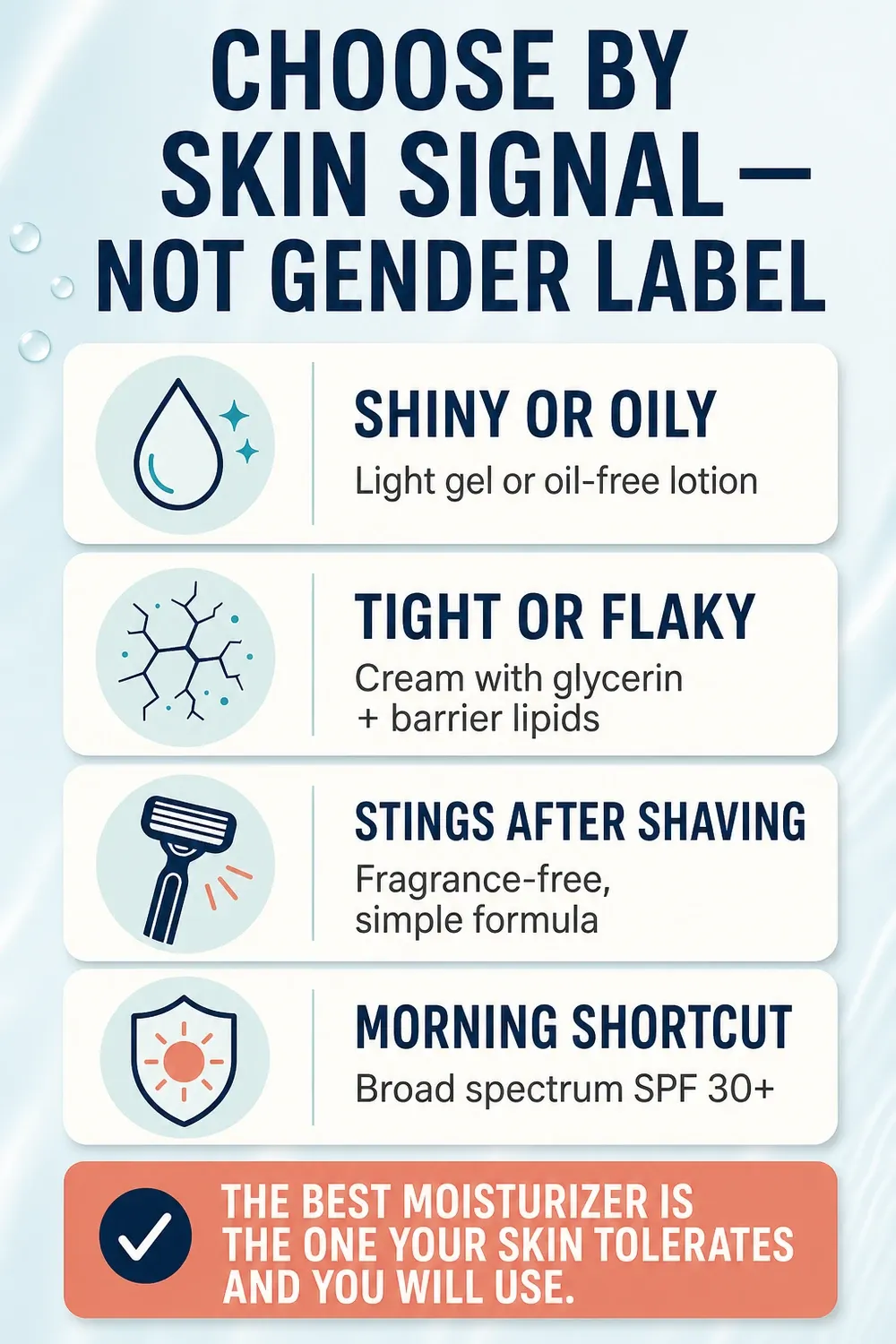
The best face moisturizer for a man is not defined by a men's label. Choose a light gel or oil-free lotion for shiny skin, a cream with glycerin and barrier lipids for tight or flaky skin, and a fragrance-free simple formula when shaving leaves skin reactive. CeraVe PM is our most versatile starting point; Vanicream is the simpler sensitive-skin option; La Roche-Posay Toleriane Matte suits oily skin; Kiehl's Ultra Facial Cream is richer for dry skin; and Clinique For Men SPF 35 is the convenient morning choice.
- Best overall: CeraVe PM Facial Moisturizing Lotion for light, fragrance-free barrier support.
- Best after shaving: Vanicream Daily Facial Moisturizer for a short, fragrance-free decision path.
- Best oily-skin finish: La Roche-Posay Toleriane Double Repair Matte.
- Best for dry skin: Kiehl's Ultra Facial Cream when a richer cream feels more comfortable.
- Best morning shortcut: Clinique For Men Daily Hydrator Broad Spectrum SPF 35.
Men's moisturizer shelves make a basic task look unnecessarily specialized. Matte black packaging, cooling fragrance, and words such as energizing or rugged do not tell you whether a formula will calm a freshly shaved jaw, sit comfortably under sunscreen, or keep a dry forehead from flaking. Skin type and routine do.
This refresh replaces an older ten-product roundup with five current options that solve different problems. It also removes the assumption that male skin requires male-branded skincare. Some men produce more oil or shave frequently, but that does not turn gender into a useful product filter. A universal fragrance-free moisturizer can be the smarter purchase.
If you already know your skin type, use our broader guide to choosing the right moisturizer. Readers dealing with persistent acne, eczema, rosacea, painful razor bumps, or a rash should seek personalized medical care rather than cycling through increasingly complicated products.
How to Choose a Face Moisturizer for Men
Start with how skin feels two or three hours after cleansing, not immediately after a hot shower. Shiny skin that becomes greasy across the forehead and nose usually benefits from a light lotion or gel. Tightness, rough patches, or visible flakes point toward a cream with humectants such as glycerin plus emollients and barrier lipids. Skin that stings after shaving needs fewer irritant opportunities: fragrance-free, essential-oil-free, and a restrained routine.
| Skin signal | Useful texture and claims | What to avoid first |
|---|---|---|
| Shiny or acne-prone | Gel or light lotion; oil-free; non-comedogenic | Very rich balms that feel occlusive and discourage use |
| Tight, rough, or flaky | Cream; glycerin; squalane; ceramides; dimethicone | High-fragrance gels that feel fresh but leave skin tight |
| Stings after shaving | Fragrance-free, simple lotion applied to damp skin | Alcohol-heavy aftershaves, scrubs, essential oils |
| Combination | Light lotion all over; extra cream only on dry zones | Forcing one thick layer across every area |
| Morning routine is often skipped | Broad-spectrum SPF 30+ moisturizer | A low-SPF product used as if it covers a long outdoor day |
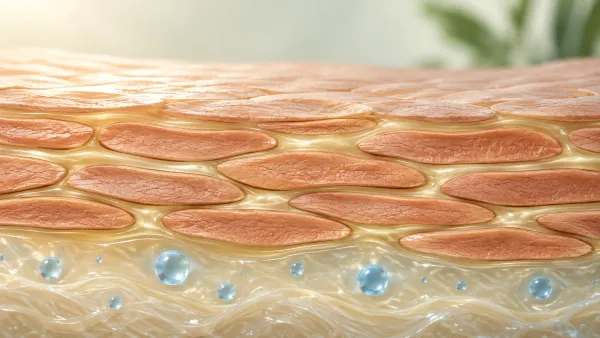
Ingredient categories are more useful than hero-ingredient hype. Humectants such as glycerin and hyaluronic acid attract water. Emollients such as squalane smooth gaps between surface cells. Occlusive ingredients such as dimethicone reduce water loss. Ceramides can support a barrier-focused formula, while niacinamide may contribute to barrier support and oil-balance goals. No single ingredient guarantees a result; the complete formula and consistent use matter.
“Non-comedogenic” is a helpful screening claim, not a promise. The AAD's acne moisturizer guidance explains that oily or acne-prone skin can still need moisturizer, especially when treatments cause dryness. If a product repeatedly worsens congestion, stop and reassess rather than assuming oily skin should go without hydration. Our oily-skin moisturizer guide offers more texture-specific options.
Best Face Moisturizers for Men: Quick Comparison
| Pick | Best fit | Texture | Main limitation |
|---|---|---|---|
| CeraVe PM | Normal, combination, simple night care | Light lotion | No SPF; niacinamide can bother a minority of users |
| Vanicream Daily Facial | Sensitive or post-shave skin | Light cream-lotion | May be too light for severe winter dryness |
| Toleriane Double Repair Matte | Oily and combination skin | Matte gel-lotion | Can feel insufficient on dry areas |
| Kiehl's Ultra Facial Cream | Dry, tight, or flaky skin | Richer cream | Premium price; may feel heavy on oily skin |
| Clinique For Men SPF 35 | Simple morning routine | Hydrating SPF lotion | Must be applied generously and reapplied outdoors |
How We Chose These Five
Each product needed a current official U.S. page, a distinct use case, and enough formula information to explain both fit and limitation. We checked texture, fragrance claims, oil-free or non-comedogenic language, highlighted hydrators, sunscreen labeling where relevant, and whether the product duplicated another pick. We favored formulas that can fit a short routine over products selling an elaborate masculine ritual.
We did not rank by review stars, celebrity endorsements, or the number of actives. We also did not treat “dermatologist tested” as proof that a product works for every person. Price and packaging were considered as adherence factors: a theoretically excellent moisturizer is not a practical recommendation if its cost, fragrance, or finish makes someone ration or avoid it.
Five Current Moisturizers Matched to Men's Skin Needs
1. CeraVe PM Facial Moisturizing Lotion
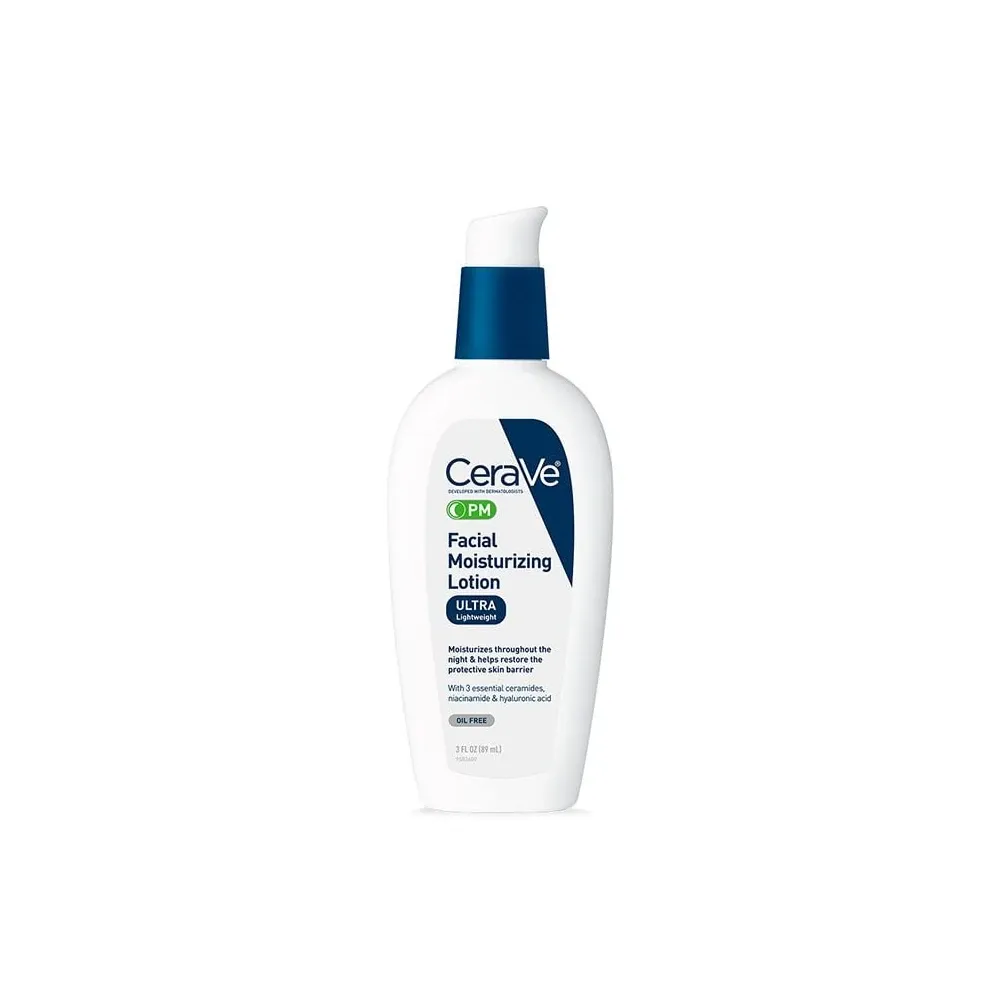
CeraVe PM is the most versatile starting point because it is a light, fragrance-free lotion rather than a heavy night cream. The current formula is positioned for all skin types and combines glycerin, niacinamide, hyaluronic acid, three ceramides, and dimethicone. It can work after an evening cleanse, after shaving, or beneath a separate morning sunscreen when skin needs more hydration.
The “PM” label does not mean the ingredients only work at night; it means the product contains no sunscreen. Niacinamide is useful for many people but can sting some reactive complexions. Apply a small amount first, especially immediately after shaving. Review the current CeraVe formula page.
Choose it if: you want a widely available, light barrier-supporting lotion. Skip it if: niacinamide has repeatedly caused flushing or your dry skin needs a richer seal.
Check CeraVe PM on AmazonAs an Amazon Associate, we earn from qualifying purchases.
2. Vanicream Daily Facial Moisturizer
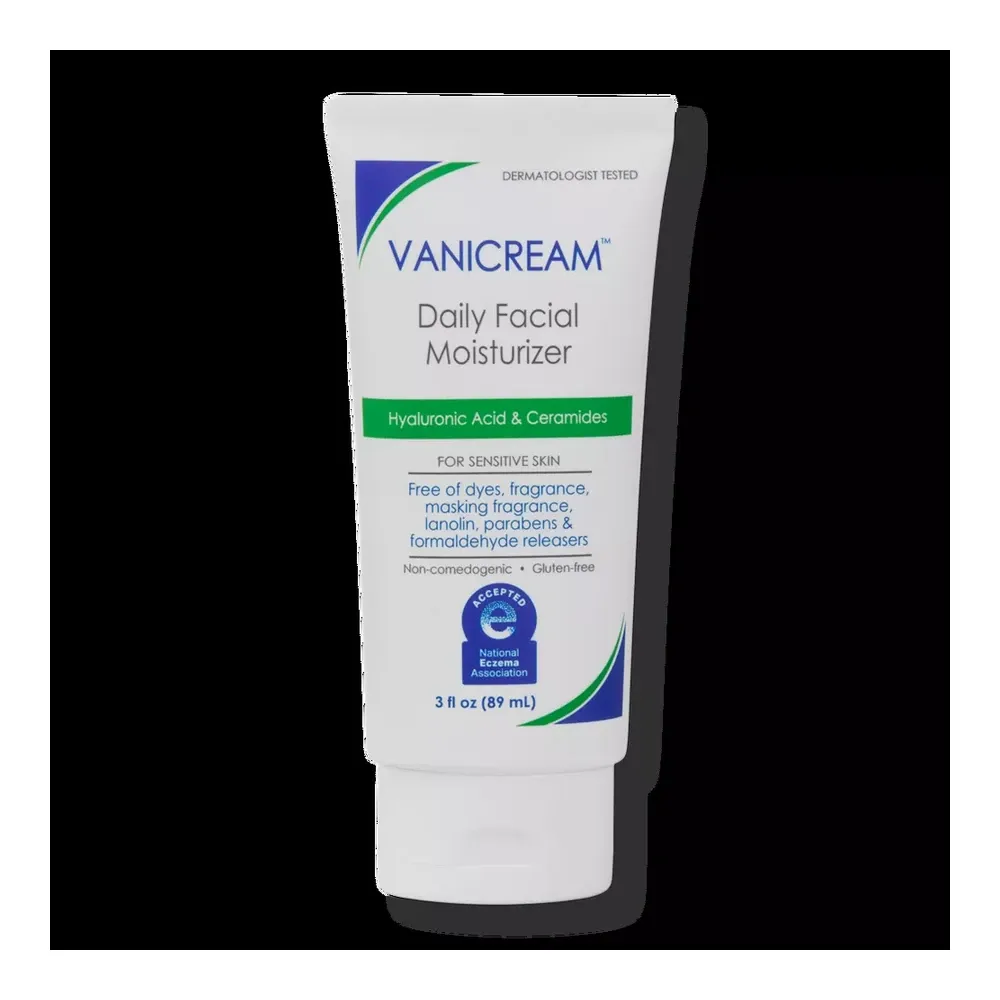
Vanicream is the sensitive-skin pick because the current facial moisturizer avoids fragrance, botanical extracts, and essential oils while using glycerin, squalane, hyaluronic acid, and five ceramides. The brand labels it non-comedogenic, and the light cream-lotion format is easier to spread over a freshly shaved face than a dense balm.
Simple does not mean reaction-proof, and the formula may not be occlusive enough for severely dry winter skin. Patch-test when your barrier is already irritated, and do not use moisturizer to mask a persistent rash or infected razor bumps. See the official Vanicream product details.
Choose it if: fragrance or botanical-heavy aftershaves tend to sting. Skip it if: you need a rich protective cream rather than a daily lotion.
Check Vanicream Daily Facial Moisturizer on Amazon3. La Roche-Posay Toleriane Double Repair Matte
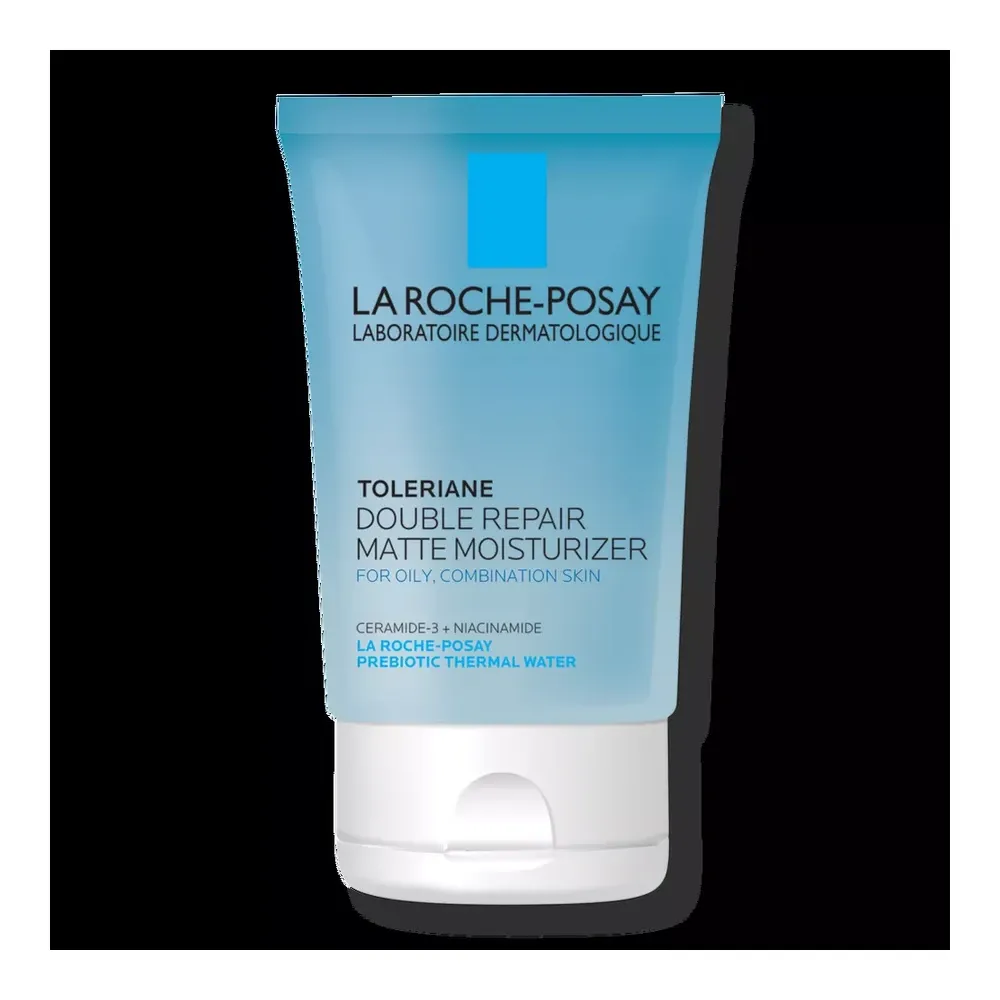
Toleriane Double Repair Matte targets oily and combination skin with an oil-free, fragrance-free, non-comedogenic gel-lotion. The current formula highlights glycerin, niacinamide, ceramide-3, and silica for hydration without the finish of a rich cream. It is the logical pick for someone who skips moisturizer because every traditional cream looks shiny by noon.
Matte is not automatically better. Dry cheek areas may need a second product, and repeated tightness means the oil-control goal has gone too far. Apply it thinly across oily zones and use a richer moisturizer only where needed. Confirm the current La Roche-Posay formula.
Choose it if: shine and heavy texture are your main barriers to daily use. Skip it if: your skin is flaky, treatment-dry, or uncomfortable after cleansing.
Check Toleriane Matte on Amazon4. Kiehl's Ultra Facial Cream With Squalane
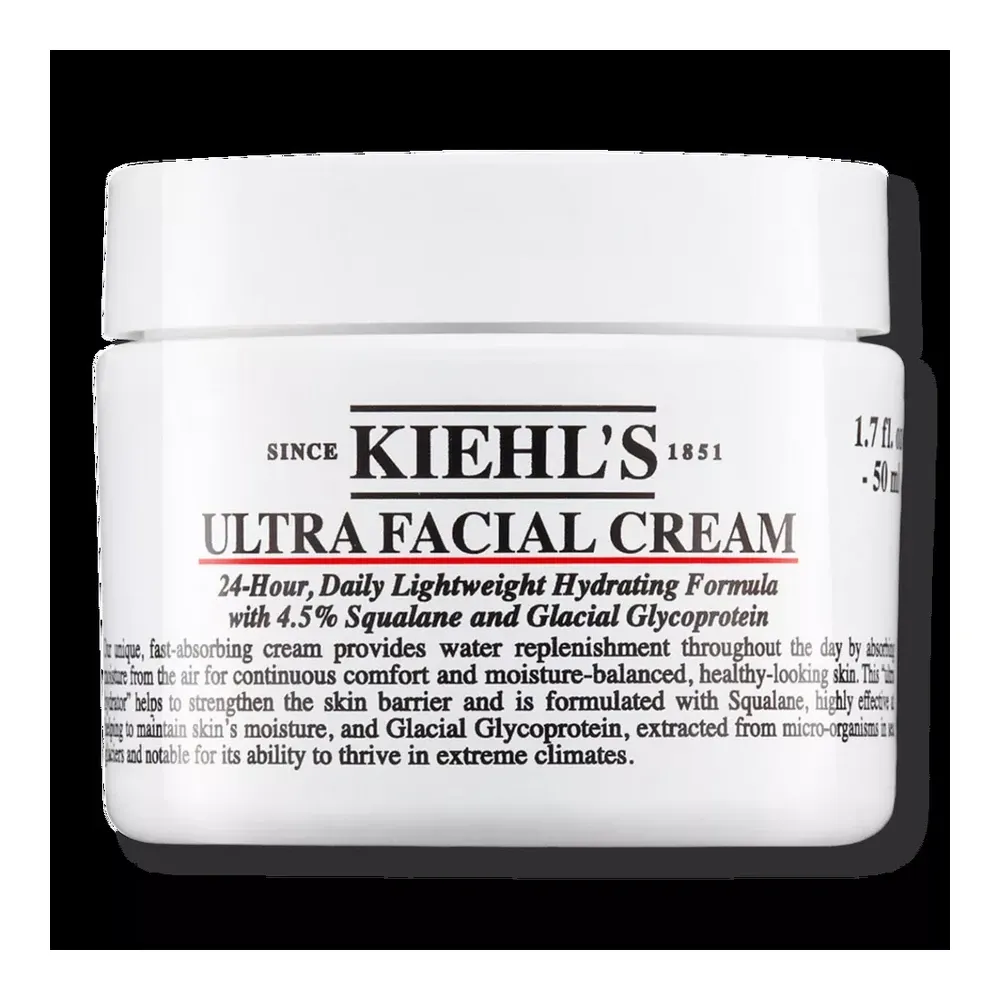
Kiehl's Ultra Facial Cream is the richer option for men whose skin feels tight after cleansing or flakes around the nose and beard line. The current fragrance-free formula highlights 4.5% squalane, glycerin, and emollients in a cream that remains spreadable rather than waxy. The brand lists it as non-comedogenic, and the product carries the National Eczema Association Seal of Acceptance.
The premium price is the obvious drawback, and very oily skin may find the finish excessive. A seal or non-comedogenic claim still does not guarantee personal tolerance. Start with a small amount on damp skin, especially beneath facial hair where cream can collect. Review the current Kiehl's details.
Choose it if: light lotions disappear without resolving tightness. Skip it if: price matters more than cosmetic elegance or rich creams make you shiny.
5. Clinique For Men Daily Hydrator Broad Spectrum SPF 35
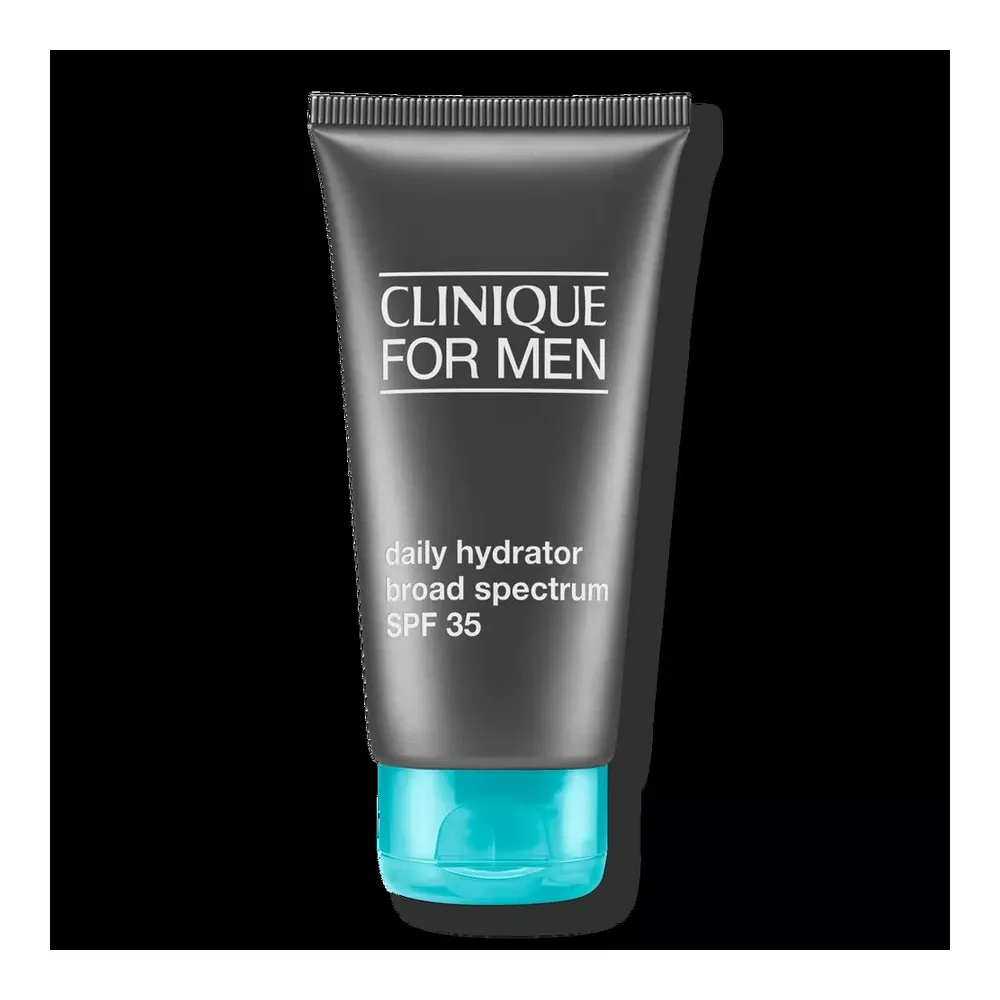
Clinique's SPF 35 hydrator earns the morning-shortcut position because it combines a moisturizer feel with broad-spectrum protection above the AAD's SPF 30 threshold. The current product is positioned for all skin types, including shaved facial skin, and the brand lists it as fragrance-free and non-acnegenic with glycerin and hyaluronic acid.
The men-specific name is not what makes it useful; the sunscreen label is. Apply it generously to the face, ears, neck, and other exposed areas. Reapply during outdoor exposure, and choose water-resistant sunscreen for sweating or swimming. A pea-size moisturizer amount should not be assumed to deliver the labeled SPF. See the current Clinique page.
Choose it if: combining hydration and daily SPF makes you more consistent. Skip it if: you dislike the correct generous amount or need a water-resistant outdoor sunscreen.
How to Moisturize After Shaving
Shaving removes hair and can disturb the outer skin surface, especially with a dull blade, repeated passes, or pressure against the grain. Rinse away shaving product with lukewarm water, pat lightly, and apply fragrance-free moisturizer while the skin remains slightly damp. Do not scrub, use an acid toner, and then splash on alcohol-heavy aftershave just because each step feels active.
- Shave after warm water has softened the hair, using a lubricating shave product.
- Use light pressure and minimize repeated passes over irritated areas.
- Rinse with lukewarm water and pat rather than rub.
- Apply a thin layer of fragrance-free moisturizer within a few minutes.
- Use broad-spectrum SPF 30+ before outdoor exposure.
Brief mild sensation can happen on compromised skin, but ongoing burning is not a sign that a product is working. Stop the product if stinging persists or a rash develops. Deep, painful bumps, pus, spreading redness, or scarring deserve professional evaluation. A moisturizer may reduce dryness; it cannot diagnose or treat every cause of razor bumps.
Moisturizer With a Beard: Less Product, Better Placement
Facial hair changes application, not the skin's need for care. Use fingertips to work a small amount down to the skin rather than coating the hair. Short stubble can take the same light lotion as the rest of the face. A full beard usually needs less facial moisturizer through dense areas, while exposed cheeks, forehead, neck, and the skin around the mouth still need complete coverage.
If beard skin flakes, distinguish dry skin from a persistent scaly, red, or greasy rash. More beard oil is not always the answer, and fragranced oils can worsen sensitivity. Start with gentle cleansing and a fragrance-free moisturizer; seek medical guidance when scaling or itching persists. For layering order, see our guide to serum and moisturizer.
Morning Versus Night: Keep the Routine Short
| Time | Minimum routine | Optional adjustment |
|---|---|---|
| Morning | Rinse or gentle cleanse, then broad-spectrum SPF 30+ | Add light moisturizer first only if sunscreen is not comfortable enough |
| After shaving | Rinse, pat, fragrance-free moisturizer | Skip strong acids or retinoids when the surface is irritated |
| Night | Gentle cleanse, moisturizer | Use richer cream only on dry zones |
A hydrating sunscreen can replace a separate morning moisturizer when it feels comfortable. Compare our moisturizers with SPF if you want more choices, or use our everyday sunscreen guide for dedicated protection. At night, use enough moisturizer to remove tightness without leaving a layer you dislike.
Gel textures are useful when conventional lotion feels too rich; our gel moisturizer comparison separates genuine lightweight options from products that are mostly marketed as cooling. Dry skin can instead use our dry-skin moisturizer guide, while reactive skin should begin with the simplified framework in our sensitive-skin guide.
Common Mistakes That Make Moisturizer Seem Ineffective
Applying only when skin is already flaky: consistency prevents the cycle better than occasional rescue layers. Using too much in beard areas: product sits on hair while exposed skin remains under-covered. Choosing fragrance for the post-shave burn: a sharp sensation is not evidence of repair. Skipping moisturizer because skin is oily: treatment-related dryness can make a light product useful.
Expecting moisturizer to replace sunscreen: only a product labeled broad-spectrum SPF protects against UV. Adding three new products at once: you cannot identify the cause of irritation or breakouts. Confusing hydration with oiliness: surface shine can coexist with tightness. Our guide to hydration versus moisturization explains why a light humectant lotion may suit that combination.
Frequently Asked Questions About Face Moisturizer for Men
Do men need a moisturizer made specifically for men?
No. Choose by skin type, sensitivity, texture preference, and the rest of your routine. A men-specific label does not make a formula more suitable for male skin. Universal fragrance-free moisturizers often offer the clearest path because they avoid unnecessary scent and can be assessed by ingredients and texture.
Should men moisturize after shaving?
Yes. Rinse away shaving product, pat lightly, and apply a fragrance-free moisturizer while skin is slightly damp. This can reduce post-shave tightness. Stop if burning persists, and seek professional advice for swelling, spreading redness, pus, deep painful bumps, or scarring.
What moisturizer is best for oily or acne-prone men's skin?
A light gel or oil-free lotion labeled non-comedogenic is a practical starting point. La Roche-Posay Toleriane Double Repair Matte is the most oil-focused pick here, while CeraVe PM is a more balanced lotion. Non-comedogenic lowers guesswork but cannot guarantee zero breakouts for every person.
How much face moisturizer should a man use?
Start with roughly a pea-size amount for the face and add a little more for the neck or unusually dry areas. Dense beard areas often need less, but work the product down to the skin. SPF moisturizer is different: apply it generously according to its sunscreen directions rather than using a small skincare amount.
Can a moisturizer with SPF replace sunscreen for men?
Yes, a broad-spectrum SPF 30 or higher moisturizer can be the morning sunscreen step when applied generously to every exposed area. Reapplication is still required during outdoor exposure, and swimming or heavy sweating calls for a water-resistant sunscreen. A small dab or missed ears and neck will not reliably deliver labeled protection.
Bottom Line
CeraVe PM is the best all-purpose starting point, but the right answer changes with the signal. Choose Vanicream when shaving and fragrance sensitivity dominate, Toleriane Matte when shine prevents consistent use, Kiehl's when tightness needs a richer cream, and Clinique SPF 35 when a combined morning step improves adherence. The winning moisturizer is the one your skin tolerates and you will actually use.
This content is for educational purposes only and is not a substitute for professional medical advice, diagnosis, or treatment. Always seek the advice of a qualified healthcare provider with questions about a medical condition.
The bottle does not need a gender label to fit male skin. Use the formula-first guide to men using women's skincare, compare price with evidence and cost per use, and place a treatment correctly with the serum and moisturizer layering guide.