Beginner Skincare Routine for Teens: Start With Three Steps
The three-step teen skincare routine to establish first, plus a safe method for adding one treatment without creating irritation.

In this guide
Quick Answer
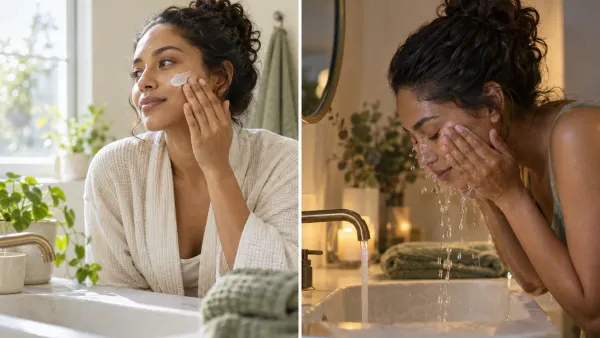
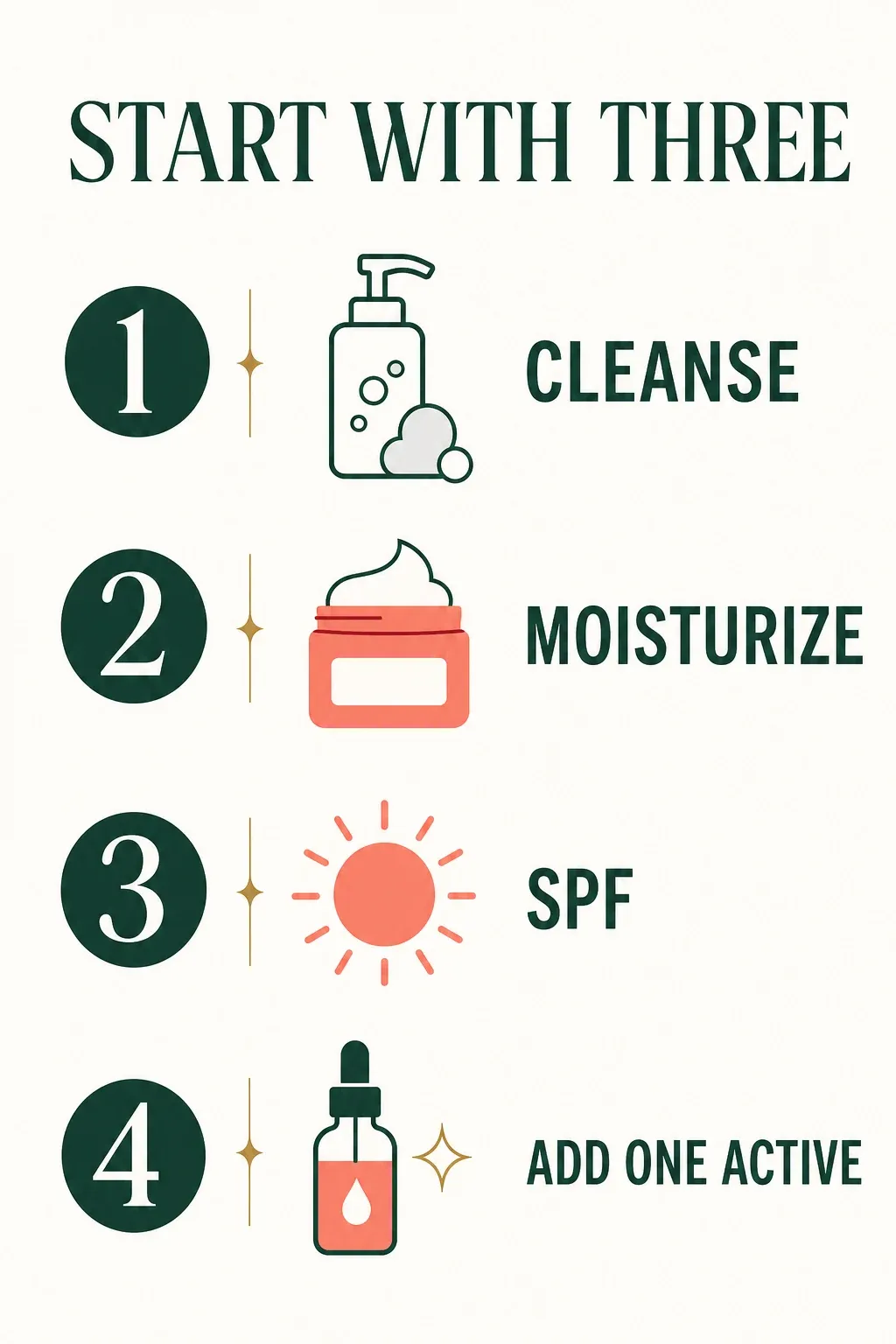
A beginner skincare routine for teens needs only a gentle cleanser, moisturizer and broad-spectrum SPF 30 or higher. Keep those steps stable for about two weeks, then add one treatment only if acne, clogged pores or another clear concern remains.
Quick Summary
- Morning: cleanse or rinse, moisturize, apply sunscreen.
- Night: cleanse and moisturize.
- Acne: add one ingredient matched to the breakout type.
- Change one product at a time so reactions can be traced.
Building a beginners skincare routine for teens sounds simple: wash your face, apply moisturizer, wear sunscreen. But if you have spent any time on TikTok, you know the reality is different. Twelve-step routines, retinol serums marketed to twelve-year-olds, and harsh exfoliants are pushing young skin into irritation, breakouts, and barrier damage before most teens have even learned what their skin type is.
If your skin stings easily, start with our teenage skincare for sensitive skin guide before adding acne actives or extra serums.
A 2025 paper in Clinics in Dermatology raised an important alarm: dermatologists are seeing a marked increase in adverse skin reactions among tweens and teens who follow social media skincare trends without understanding the ingredients they are using. The paper calls for better education around appropriate skincare for young skin. That is exactly what this guide provides.
This is a beginners skincare routine for teens built on dermatological evidence, not TikTok virality. It explains why teenage skin is different, what ingredients actually support it, and how to build a routine that grows with you from age ten to nineteen.
TL;DR - Beginners Skincare Routine for Teens
- Three steps are enough. Cleanser, moisturizer, SPF. That is all a beginner needs. Active treatments are optional additions, not requirements.
- Teen skin is structurally different. It loses more water, reacts more easily, and is more permeable than adult skin. Harsh products cause more harm than good.
- Age matters. A routine for a ten-year-old is not the same as a routine for a seventeen-year-old. This guide provides three age tiers.
- Ingredients matter more than brands. Look for ceramides, niacinamide, and zinc oxide SPF. Avoid retinol, high-percentage acids, and physical scrubs until late teens at the earliest.
Want the simple starter products first? Jump straight to the cleanser and moisturizer picks used in this routine.
Jump to product picks🧪 The Skin Insider
Current dermatology guidance and formulation data point to a consistent risk: teens can damage their barrier by starting too many products at once. This is an editorial synthesis of public sources, not a report of SkinOptimizer treating patients.
Why Teen Skin Is Different From Adult Skin
The skin barrier of an adolescent is not the same as an adult skin barrier. During puberty, sebaceous glands produce more oil in response to androgens, but the stratum corneum (the outermost protective layer) has not yet reached full maturity. This creates a paradox: teenage skin is simultaneously oilier and more fragile than adult skin.
A 2024 review published in the Journal of the European Academy of Dermatology and Venereology explained that variations in epidermal barrier function occur across different ages and that adolescent skin has higher transepidermal water loss compared to adult skin (Fluhr et al., 2024). This means teenage skin loses moisture more quickly, making it more prone to dryness, irritation, and sensitivity when exposed to harsh cleansers or active ingredients.
A foundational 2016 study on skin barrier mechanisms further illustrated that the stratum corneum depends on a delicate balance of lipids, natural moisturizing factors, and filaggrin proteins (Egawa & Kabashima, 2016). When this balance is disrupted by over-cleansing or over-exfoliating, the skin enters a cycle of inflammation that worsens acne rather than improving it.
Understanding these differences is the first step in building a beginners skincare routine for teens that protects the barrier rather than breaking it down.
Common Teen Skin Concerns and Their Causes
An Age-Tiered Routine for Teens
A beginners skincare routine for teens should not look the same at age ten as it does at age eighteen. The skin changes significantly through puberty, and the routine should change with it. Below are three tiers based on developmental stage.
Ages 10 to 12: The Foundation Phase
At this stage, most skin does not need active ingredients. The priority is building a healthy habit of cleansing and protecting the skin without disrupting its natural barrier.
- Morning: Rinse with water or use an ultra-gentle cleanser. Apply a lightweight, fragrance-free moisturizer with SPF 30+.
- Evening: Gentle cleanser, same lightweight moisturizer (without SPF).
- Do not use: Any active ingredients. No salicylic acid, no benzoyl peroxide, no retinol. The skin barrier is still developing.
Ages 13 to 15: The Treatment Introduction Phase
Acne often appears during this stage. If breakouts are mild, start with one active ingredient, not multiple.
- Morning: Gentle cleanser, niacinamide serum (optional, for oil control), oil-free moisturizer, SPF 30+.
- Evening: Gentle cleanser. If acne is present, apply salicylic acid 2% (for blackheads and whiteheads) or benzoyl peroxide 2.5% (for inflamed pimples). Follow with oil-free moisturizer.
- Key rule: Start with one active ingredient. Use it every other night for two weeks before increasing to nightly use.
Ages 16 to 19: The Advanced Phase
By this stage, the skin barrier is more resilient. OTC retinoids (adapalene 0.1%) can be introduced for persistent acne. More targeted serums can address specific concerns.
- Morning: Gentle cleanser, vitamin C serum (optional, for brightness), moisturizer, SPF 30+.
- Evening: Gentle cleanser. If using adapalene, apply a pea-sized amount to the entire face every other night using the sandwich method (moisturizer, adapalene, moisturizer). If not, use salicylic acid or benzoyl peroxide as needed.
- Important: If you are using adapalene, do not use any other active ingredients in the same routine. Adapalene alone is enough.
For a more detailed breakdown of treating teenage acne at each severity level, see our complete guide to teenage acne treatment options.
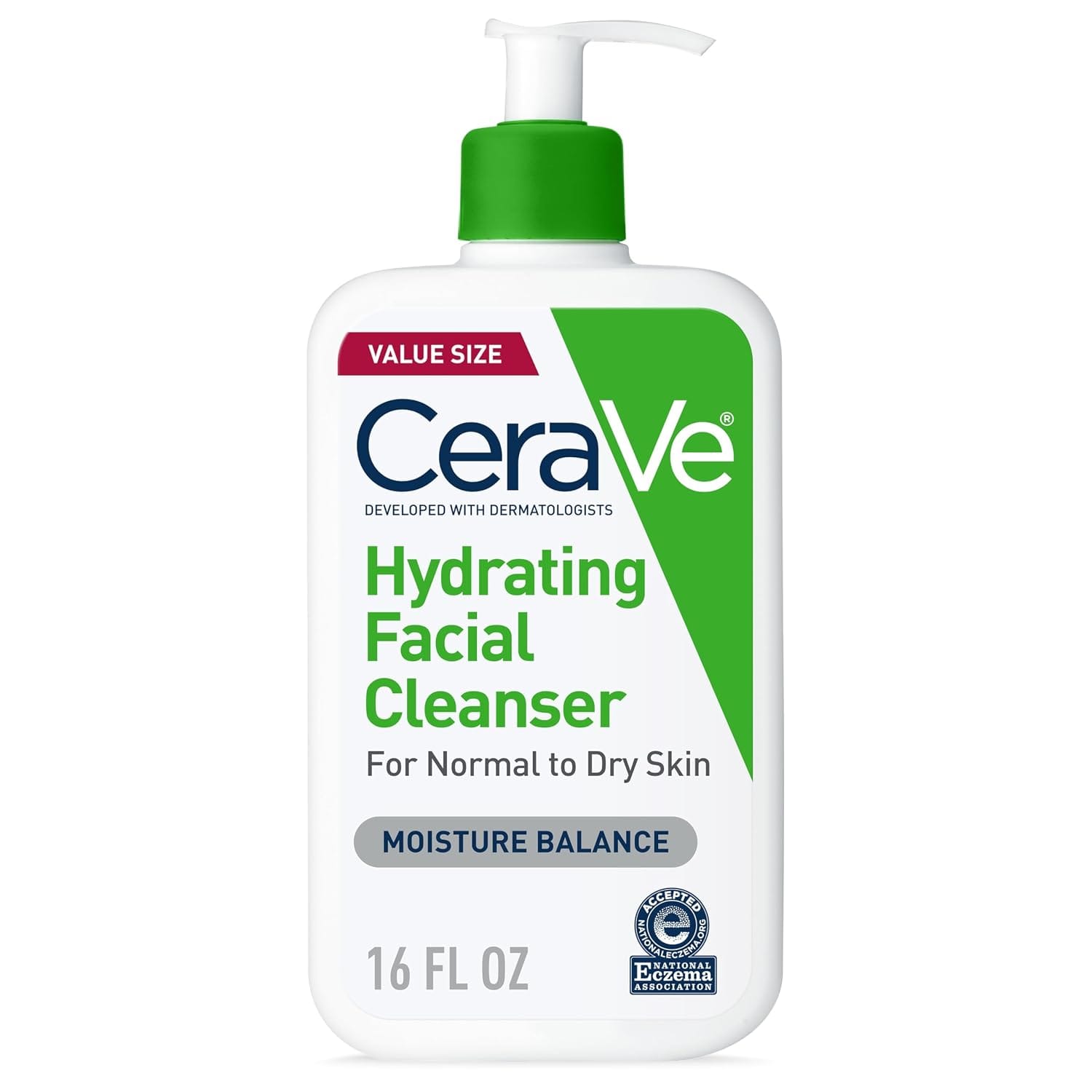
Best for the first cleanser
CeraVe Hydrating Facial Cleanser
Why it fits: A fragrance-free, non-foaming cleanser for normal to dry or sensitive teen skin. It makes sense when the goal is to remove sweat and sunscreen without making the face feel tight.
Watch-out: It is not an acne treatment. If clogged pores and oil are the main issue, keep this as the gentle base and add one targeted treatment separately.
View Product on AmazonAs an Amazon Associate, we earn from qualifying purchases.
Ingredients to Use and Ingredients to Avoid
Knowing which ingredients support teenage skin is as important as knowing which ones to avoid. The table below summarizes the most evidence-based choices for a beginners skincare routine for teens.
Understanding ingredient timing is also critical. Salicylic acid and retinoids increase photosensitivity, so morning SPF becomes non-negotiable when using either. For safe sunscreen options that do not clog pores, see our guide to the best sunscreens for teens.
💡 The Optimizer's Edge
Most articles about teenage skincare treat all teens as a single group. They recommend the same routine for a ten-year-old and an eighteen-year-old, which makes no physiological sense.
The teenage skin barrier matures gradually through puberty, and the routine should reflect this progression. A pre-teen needs only protection.
An older teen may need targeted treatment. Applying a fourteen-year-old's acne routine to an eleven-year-old can damage developing skin.
Applying a twelve-year-old's gentle routine to an eighteen-year-old with cystic acne leaves inflammation untreated. Age-tiering is not a marketing gimmick.
It is dermatologically necessary.
Beyond Acne: Other Teen Skin Concerns
Teenage skin concerns extend well beyond acne. Many teens struggle with conditions that are overlooked because the conversation focuses so heavily on breakouts.
Sensitive Skin From Over-Treatment
The most common non-acne concern I encounter in teen skin is sensitivity caused by over-treatment. Teens who use multiple active ingredients simultaneously often develop redness, stinging, and a feeling of tightness after washing.
The solution is to stop everything and return to a three-step baseline: cleanser, moisturizer, SPF. Once the barrier has healed (typically two to four weeks), one active ingredient can be reintroduced slowly.
For detailed guidance on barrier recovery, read our science-backed walkthrough on how to restore your skin barrier .
Keratosis Pilaris
Keratosis pilaris (KP) appears as small, rough bumps on the upper arms, thighs, and sometimes cheeks. It is caused by a buildup of keratin in the hair follicles and is very common during adolescence.
While there is no cure, consistent use of a moisturizer containing urea or lactic acid can significantly improve the texture. Avoid physical exfoliation, which worsens KP.
Fungal Acne (Malassezia Folliculitis)
Fungal acne is often mistaken for bacterial acne but requires completely different treatment. It appears as small, itchy, uniform bumps on the forehead, chest, and back.
If your breakouts are itchy and do not respond to salicylic acid or benzoyl peroxide, you may be dealing with fungal acne. A dandruff shampoo containing ketoconazole used as a face mask for five minutes, three times per week, can help.
If symptoms persist, consult a dermatologist.
Eczema Flares
Teens with a history of eczema may experience flares during puberty due to hormonal changes and increased stress. Stick to fragrance-free, ceramide-rich moisturizers and avoid all active ingredients during flares. If itching disrupts sleep, a dermatologist may recommend a prescription treatment.
For targeted treatment of active breakouts within a gentle routine, our guide to the best spot treatments for teenage acne can help you match the right ingredient to the right pimple type.
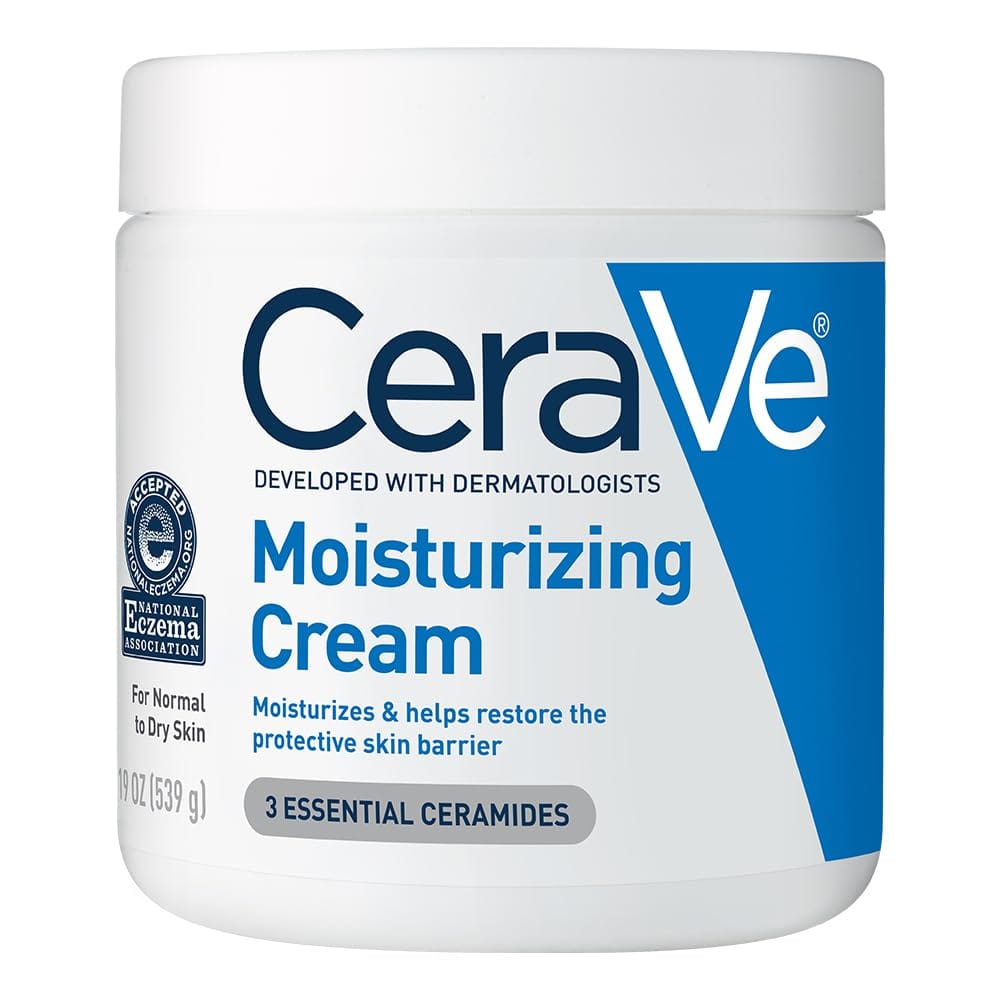
Best barrier-support moisturizer
CeraVe Moisturizing Cream
Why it fits: A fragrance-free cream with ceramides and hyaluronic acid for teens whose skin feels dry, tight, or irritated from over-cleansing.
Watch-out: The texture is rich. Oily teens may prefer using a smaller amount or choosing a lighter lotion during humid weather.
View Product on AmazonAs an Amazon Associate, we earn from qualifying purchases.
Common Mistakes in a Beginners Skincare Routine for Teens
Avoiding these five mistakes is as important as choosing the right products.
- Using too many products at once. Start with three products. Add one active ingredient at a time, waiting at least two weeks between additions.
- Skipping sunscreen. Sunscreen is not optional. Acne treatments increase photosensitivity, and UV exposure darkens post-acne marks. SPF 30+ every morning is required.
- Using adult-strength products on teen skin. Teen skin is not adult skin. Products designed for mature skin often contain concentrations of active ingredients that are too high for adolescent skin.
- Following TikTok trends without research. The 2025 Clinics in Dermatology paper specifically links the rise in teen skin reactions to social media trends. A product that works for a twenty-five-year-old influencer may damage a fourteen-year-old's barrier.
- Not patch testing. Before using any new product, apply a small amount behind your ear or on your inner arm for three to five days. If no reaction occurs, it is likely safe for your face.
Conclusion
A beginners skincare routine for teens does not need to be complicated. Three steps (cleanser, moisturizer, SPF) form the foundation.
Acne treatments can be added carefully and one at a time, starting at the appropriate age. The most important thing is to listen to your skin: if it feels tight, stings, or looks red after a product, that product is too harsh for your current barrier state.
Teenage skin is capable of healing quickly when treated with respect. The goal is not to eliminate every imperfection overnight.
It is to build habits that keep your skin healthy through puberty and into adulthood. If you are ever unsure, a dermatologist is the best resource for personalized advice.
For further reading on building a complete teen skincare wardrobe, explore our guide to the best science-backed serums for teenage skin and our breakdown of effective solutions for hormonal acne. And always remember: when using any active ingredient on teenage skin, a patch test is not optional.
Earn the Fourth Step
The fourth step should solve a problem that the first three cannot. Blackheads may justify salicylic acid, inflamed pimples may justify benzoyl peroxide, and recurring acne may call for adapalene or professional care.
A toner, essence, mist, eye cream and facial oil are optional categories. They should not delay sunscreen or make the routine too expensive to repeat.
- Comfortable and clear: keep the three-step routine.
- Clogged pores: add one pore-active gradually.
- Inflamed pimples: choose one appropriate acne treatment.
- Painful, scarring or persistent acne: get professional help.
Compare the Options Before Changing the Routine
Use this table to match the intervention to the visible pattern and to identify the limit that should stop unnecessary escalation.
| Skin pattern or option | Best next step | Important limit |
|---|---|---|
| Morning | Gentle cleanse or rinse | Remove overnight oil without stripping |
| Morning | Moisturizer and SPF 30+ | Support comfort and UV protection |
| Evening | Cleanser and moisturizer | Remove the day and support recovery |
| Optional | One targeted active | Only for a defined concern |
Adjust the Plan to Real Teen Life
School mornings reward a short routine that works even when time is limited. Keep the required products visible and in order, and move optional steps out of the way until the base routine is automatic.
Sports, helmets and heavy sweating change the exposure, not the biology of the skin. Rinse or cleanse gently after activity, clean reusable contact surfaces, and avoid compensating with rough cloths or extra exfoliation.
Cold weather, indoor heating and air conditioning can lower tolerance even when the underlying concern has not changed. Reduce active frequency when tightness appears instead of assuming the treatment has stopped working.
Makeup and shaving should be treated as separate routine variables. Remove makeup completely without repeated rubbing, and review shaving technique before applying stronger acne products to irritated follicles.
Budget also affects treatment quality because an unaffordable routine will not be repeated. Prioritize cleanser, moisturizer, sunscreen and one evidence-based treatment before spending on masks, mists or overlapping serums.
Travel and weekends should not require a second routine. Use the same essentials in smaller containers and keep the treatment schedule unchanged unless the environment affects tolerance.
Stress about appearance can also drive picking and constant mirror checking. Use neutral weekly photos, reduce magnifying-mirror time and involve a trusted adult or professional when skin concerns affect school, sleep or confidence.
Finally, build a stop rule before starting. Persistent burning, swelling, rash, painful cracking or a rapid increase in deep lesions is a reason to pause the newest product and seek qualified advice when appropriate. Clear rules protect both skin and consistency.
How to Test the Routine Without Losing the Signal
Keep cleanser, moisturizer and sunscreen stable while testing one treatment variable. When several products change together, a breakout, sting or improvement cannot be assigned confidently.
Use the same amount and schedule unless the label or a qualified professional says otherwise. More product or more frequent application can increase irritation without shortening the biological treatment timeline.
Set the Baseline
Record the main concern, current products and two photos in consistent light.
Protect Tolerance
Track tightness, burning, peeling and whether the routine is easy enough to repeat.
Judge the Trend
Compare new lesions and comfort over weeks, not the appearance of one day.
| Check point | What to assess | Decision |
|---|---|---|
| First 48 hours | Burning, swelling, rash or painful cracking | Stop the newest product and get advice when symptoms are significant |
| Weeks 1-2 | Comfort, dryness and whether the schedule is realistic | Reduce frequency before adding another active |
| Weeks 6-8 | Fewer new lesions, calmer texture or a clearer pattern | Continue, adjust one variable or seek professional help |
| Any time | Deep pain, scars, rapid worsening or major distress | Escalate care rather than waiting for a retail product to solve it |
A routine is not successful merely because it feels active. The useful outcome is a gradual improvement that the skin can tolerate and the teenager can sustain.
Do not measure success by tingling, dryness or how many steps were completed. Those sensations can reflect irritation, while the meaningful measures are fewer new lesions, better comfort, less picking and a routine that remains consistent.
Use weekly rather than daily comparisons because acne and oil fluctuate. A single stressful day, sports session or menstrual-cycle shift should not trigger a complete product change.
Write the planned review date on a calendar before starting. That simple boundary reduces impulsive switching and makes the final decision more evidence-based.
Do not wait through deep pain, scarring, rapid worsening or significant emotional distress. Those are reasons to seek professional care even when the planned test period is not complete.
Frequently Asked Questions About Beginner Skincare Routine for Teens
What skincare products does a teenager actually need?
A gentle cleanser, suitable moisturizer and broad-spectrum SPF 30 or higher cover the basic routine. Treatment products are optional and problem-specific.
At what age should a teen start skincare?
There is no fixed age. A simple routine can begin when cleansing, dryness, sunscreen or acne becomes relevant.
Can a beginner teen use salicylic acid?
Yes when clogged pores justify it, but start one product at low frequency and monitor dryness.
Do teenagers need toner?
No. Toner is optional and should solve a clear problem rather than exist as a mandatory step.
How long should a teen test a new routine?
Give the basic routine about two weeks for comfort, and give acne treatment several consistent weeks unless significant irritation requires stopping sooner.