Best Anti-Aging Ingredients: Evidence-Based Guide to What Actually Works
Evidence-based guide to the top 10 anti-aging ingredients. Compare retinoids, vitamin C, peptides, niacinamide, hyaluronic acid, and more by clinical evidence and efficacy.
In this guide
Not all anti-aging ingredients are created equal. Some have decades of peer-reviewed clinical research behind them. Others rely primarily on marketing budgets. Understanding the difference between evidence-backed ingredients and overhyped additives is the key to building an anti-aging routine that actually delivers visible results.
This evidence-based guide examines the top 10 anti-aging ingredients by clinical strength, explains how each one works, how to use them effectively, and how to layer them into a cohesive routine. For a complete overview of treatments beyond topical ingredients, explore our complete guide to anti-aging skincare.
TL;DR - Best Anti-Aging Ingredients
- Sunscreen prevents 80% of photoaging - the single most effective anti-aging product
- Retinoids have the strongest clinical evidence for collagen synthesis and wrinkle reduction
- Vitamin C provides antioxidant protection, collagen support, and brightening - use mornings
- Peptides signal collagen without irritation - ideal for sensitive skin
- Niacinamide supports barrier function and reduces hyperpigmentation with minimal risk
- Hyaluronic Acid hydrates and plumps - pairs well with all other actives
- AHAs exfoliate and improve texture - retinoids address deeper structural concerns
- Build in order: SPF > retinoid > vitamin C > peptides > niacinamide > HA > AHAs
The Skin Insider
The ingredient hierarchy in anti-aging skincare is not flat. Marketing wants you to believe all actives are equal. The clinical evidence shows that sunscreen, retinoids, and vitamin C produce the majority of visible results. Peptides, niacinamide, and hyaluronic acid play important supporting roles. AHAs, antioxidants, resveratrol, and CoQ10 are beneficial additions but should never replace the core three.
Use the anti-aging serum guide to choose between vitamin C, a retinoid and supportive peptides without stacking every active at once.
The collagen-boosting skincare evidence guide compares sunscreen, retinoids, vitamin C, peptides and topical collagen by their real job.
If peptides fit your supporting routine, our comparison of the best peptide serums for firmness, hydration, and sensitive skin explains which formulas are worth considering and which claims deserve caution.
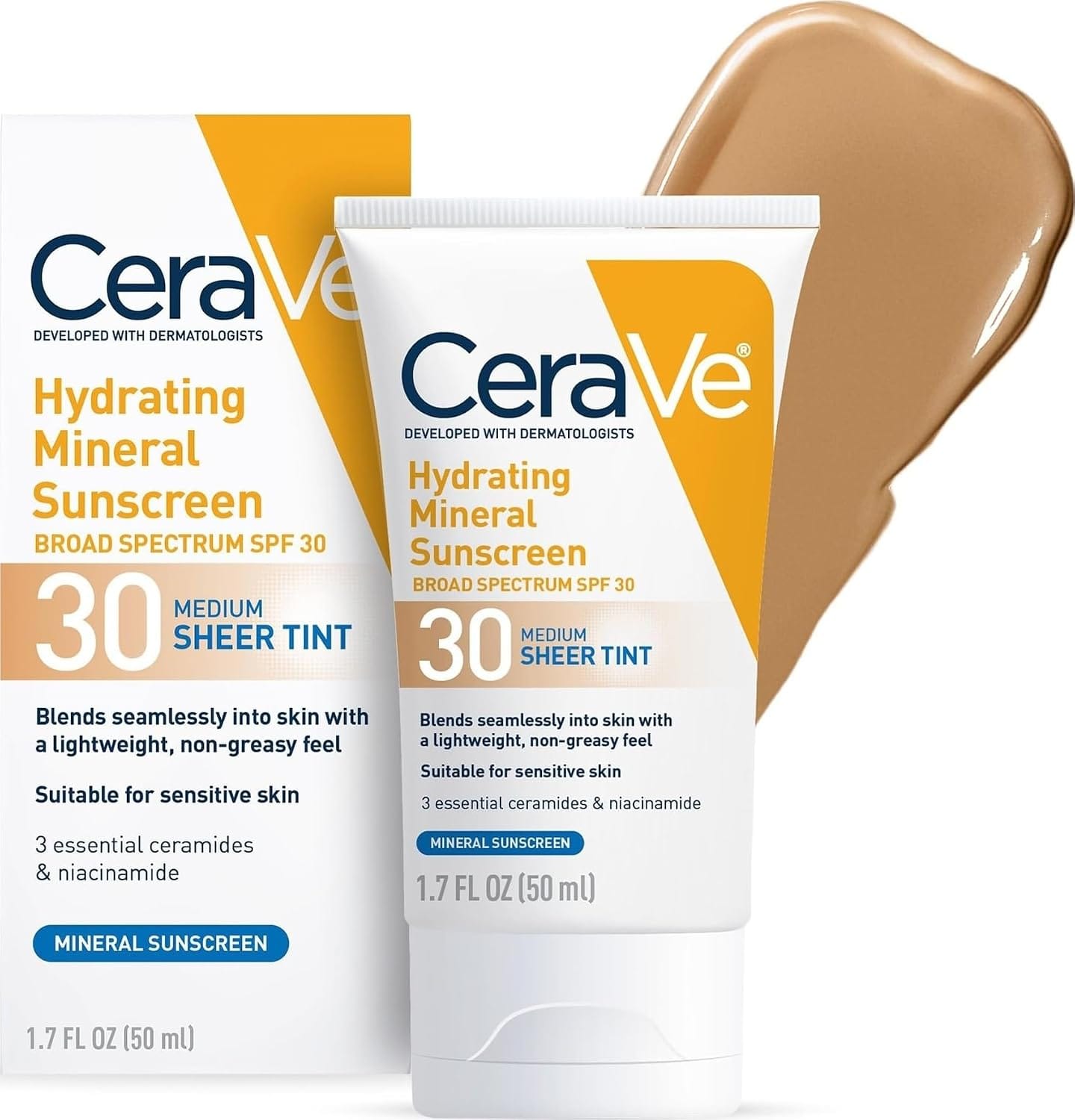
1. Sunscreen (SPF 30+)
Sunscreen is the single most effective anti-aging product. A landmark 2013 study in the Annals of Internal Medicine found that daily sunscreen users showed 24% less skin aging over 4.5 years compared to discretionary users. Ultraviolet radiation is responsible for up to 80% of visible facial aging, including wrinkles, laxity, and pigmentation changes.
For pigmentation, the evidence-based age spot treatment guide explains what sunscreen, gradual topicals and in-office procedures can and cannot do.
How it works: Sunscreen absorbs, reflects, or scatters UV radiation before it penetrates the skin. UVA rays cause collagen degradation and photoaging. UVB rays cause sunburn and DNA damage. Broad-spectrum SPF 30+ blocks approximately 97% of UVB rays. Mineral filters (zinc oxide, titanium dioxide) also reflect UVA.
- SPF 30 blocks ~97% of UVB rays - SPF 50 blocks ~98%
- Broad-spectrum protection covers both UVA and UVB
- Reapply every 2 hours when exposed to direct sunlight
- Mineral sunscreens with zinc oxide are less likely to irritate sensitive skin
The American Academy of Dermatology recommends daily broad-spectrum SPF 30+ as the foundation of any anti-aging routine. No active ingredient can reverse photoaging as effectively as sunscreen prevents it.
2. Retinoids (Retinol / Tretinoin)
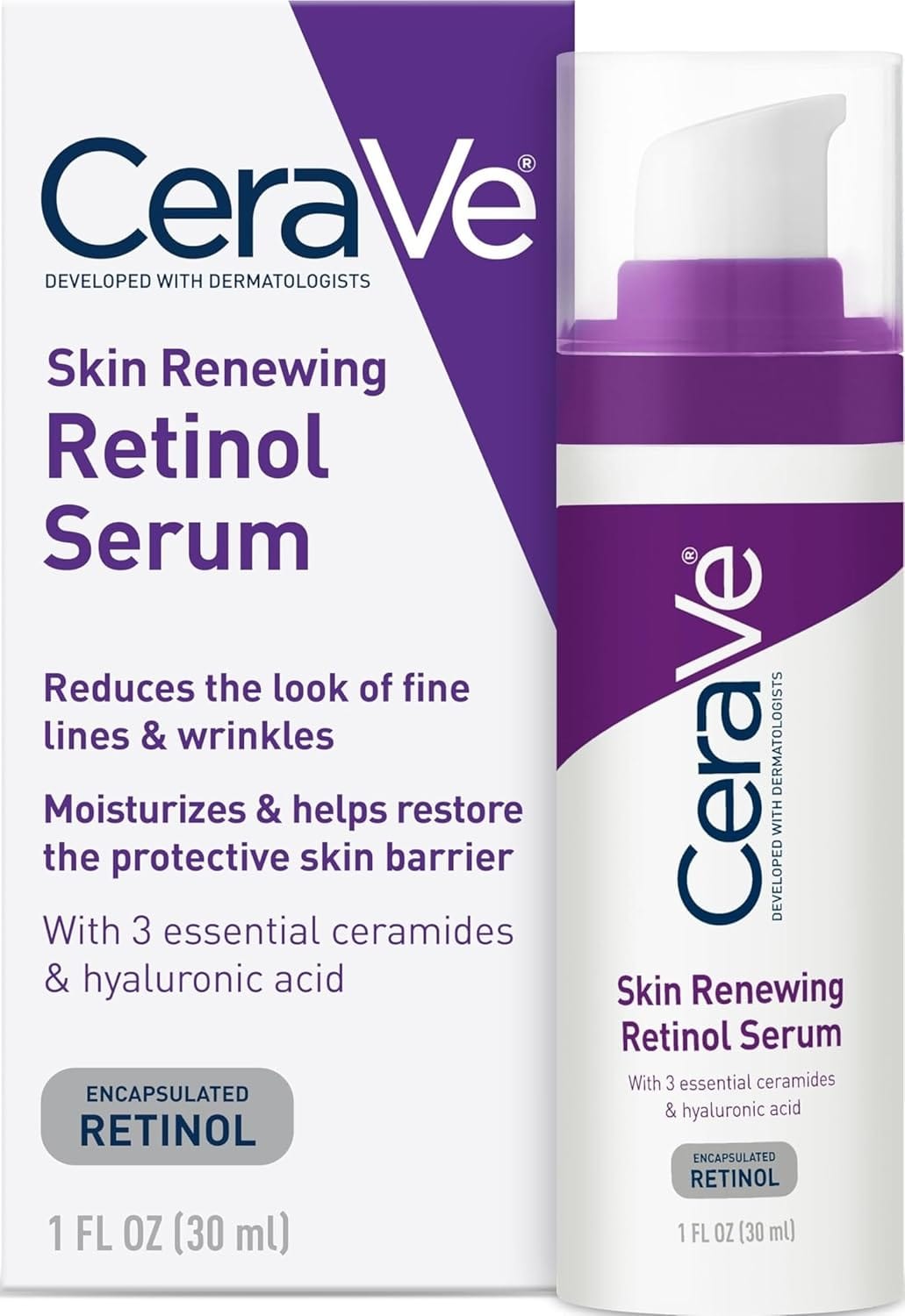
Retinoids are vitamin A derivatives and the most clinically proven topical anti-aging ingredients. A focused review published in PubMed confirms that retinoids stimulate collagen synthesis, accelerate cell turnover, and reduce fine lines, wrinkles, and pigmentation with consistent use over 8-12 weeks. Tretinoin (prescription) has the strongest evidence, while retinol (OTC) shows comparable efficacy at higher concentrations.
Use the fine-lines routine to translate these ingredients into one controlled morning and evening plan.
How it works: Retinoids bind to retinoic acid receptors in the skin, signaling fibroblasts to produce more collagen and elastin. They also normalize cell turnover, which improves texture and reduces clogged pores.
- Tretinoin (prescription): Most potent. Visible results in 8-12 weeks. Higher irritation potential.
- Retinol (OTC): Slower conversion to retinoic acid. Effective at 0.25-1%. Lower irritation.
- Bakuchiol: Plant-derived alternative. Clinical studies show comparable photoaging improvement to retinol with significantly better tolerability.
- Granactive Retinoid: Newer ester form. Mild but limited long-term data.
Start with a low concentration (0.1-0.3% retinol) 2-3 times per week and gradually increase. Apply to dry skin at night. Moisturize afterward. For a detailed breakdown of retinol products, see our guide to retinol for anti-aging and dermatologist-tested retinol serum recommendations.
3. Vitamin C (L-Ascorbic Acid)
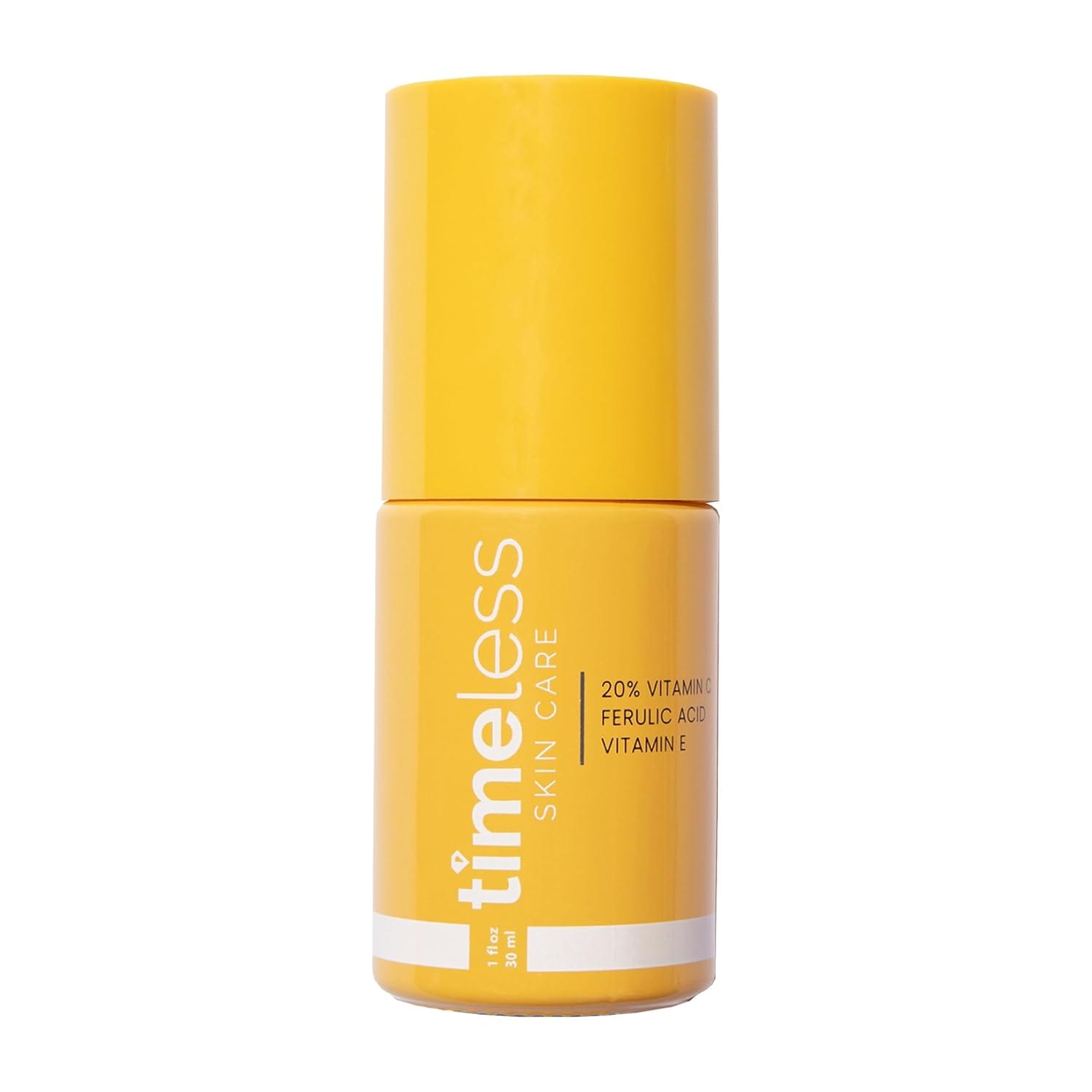
Vitamin C is a potent antioxidant that supports collagen synthesis, protects against UV-induced free radical damage, and inhibits melanin production to fade hyperpigmentation. A review in PubMed confirms that topical vitamin C stimulates collagen synthesis, provides photoprotection, and lightens hyperpigmentation when used consistently.
How it works: L-ascorbic acid donates electrons to neutralize free radicals generated by UV exposure and pollution. It also serves as a cofactor for prolyl hydroxylase, the enzyme that stabilizes collagen molecules during synthesis.
- Concentration: 10-20% L-ascorbic acid is the clinically effective range
- pH: Formulations at pH 3.5 or lower penetrate more effectively
- Pairing: Vitamin E and ferulic acid stabilize vitamin C and increase photoprotection 8-fold
- Stability: Look for anhydrous formulations or opaque, airless packaging
Apply vitamin C in the morning to clean, dry skin before sunscreen. For a comprehensive overview, see our vitamin C guide.
4. Peptides
Peptides are short chains of amino acids that act as signaling molecules, telling skin cells to produce more collagen and elastin. Unlike retinoids, which stimulate collagen synthesis indirectly through cell turnover, peptides provide direct signaling without irritation. Matrixyl and copper peptides have the strongest clinical evidence supporting their anti-aging efficacy.
How it works: Signal peptides (e.g., Matrixyl, palmitoyl pentapeptide) mimic natural collagen fragments that trigger fibroblasts to produce new collagen. Copper peptides promote wound healing and angiogenesis. Carrier peptides deliver trace minerals (copper, manganese) needed for enzymatic collagen synthesis.
- Matrixyl (Palmitoyl Pentapeptide-4): Most studied. Clinically shown to reduce wrinkle depth over 8 weeks
- Copper Peptides (GHK-Cu): Promote wound healing and collagen remodeling
- Syn-Ake: A peptide analog that mimics the wrinkle-smoothing effect of a neurotoxin
- Layering: Peptides are water-based. Apply after cleansing, before oils and moisturizers
Peptides are safe for sensitive skin and can be used morning and evening. For more detail, explore our peptides guide.
Comparing peptides with PDRN? The PDRN skincare evidence guide separates small topical studies from injection research.
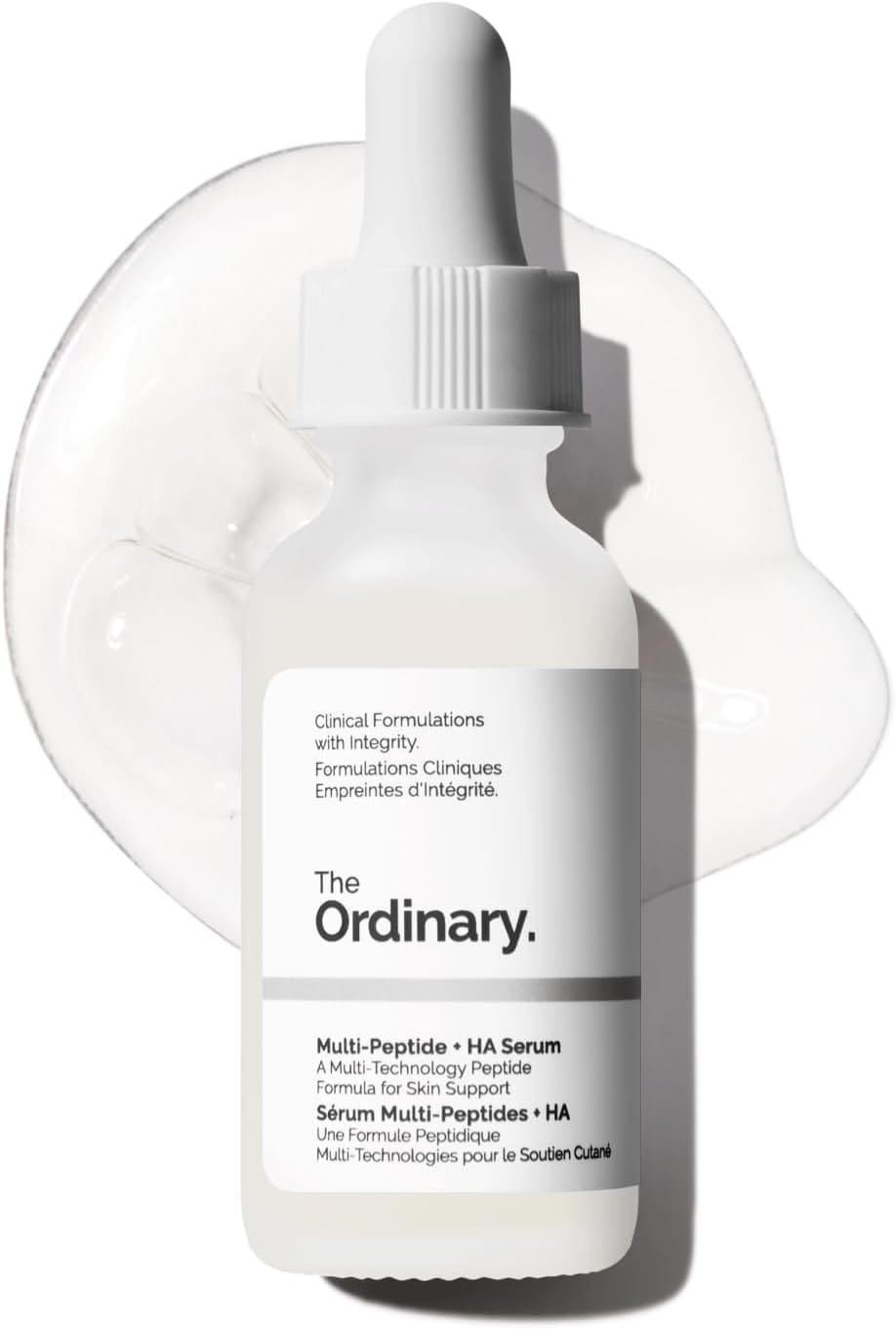
5. Niacinamide (Vitamin B3)
Niacinamide improves barrier function, reduces hyperpigmentation, decreases inflammation, and supports collagen production. A 2004 study demonstrated that 5% niacinamide improved fine lines and wrinkles over 12 weeks. It is one of the most versatile and best-tolerated anti-aging ingredients across all skin types.
For muscle-driven expression lines, see the preventative Botox evidence guide. It separates temporary dynamic-line reduction from broader photoaging prevention and rejects birthday-based treatment rules.
How it works: Niacinamide boosts NAD+ production, which fuels cellular energy metabolism and DNA repair. It inhibits melanosome transfer, reducing hyperpigmentation. It stimulates ceramide synthesis, strengthening the skin barrier and reducing transepidermal water loss.
- Effective range: 2-10% concentration. 5% is the most studied
- Compatibility: Pairs well with retinoids, vitamin C, and peptides
- Benefits: Minimizes pores, regulates oil, reduces redness, and improves texture
- Best time: AM or PM. Can be used twice daily
For product recommendations, see our guides to best niacinamide serums and The Ordinary Niacinamide review.
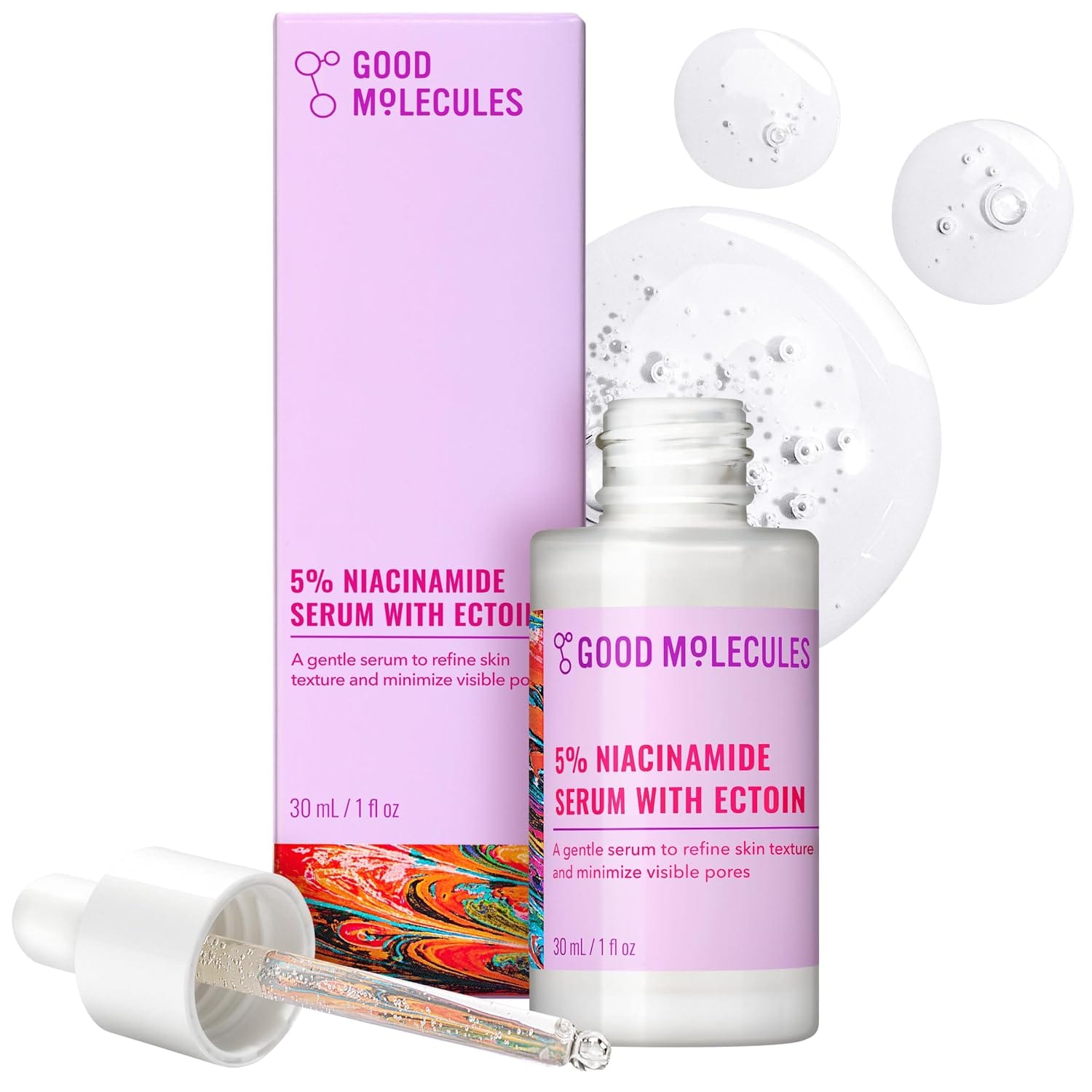
6. Hyaluronic Acid
Hyaluronic acid (HA) is a glycosaminoglycan naturally found in skin that holds up to 1,000 times its weight in water. It provides deep hydration, plumps fine lines temporarily, and supports a healthy skin barrier. While HA does not directly stimulate collagen, its hydrating effect makes fine lines less visible and creates an optimal environment for other active ingredients.
How it works: HA binds water molecules in the extracellular matrix, increasing skin hydration and volume. Different molecular weights penetrate to different depths: high-molecular-weight HA hydrates the surface, while low-molecular-weight HA penetrates deeper for sustained hydration.
- Application: Apply to damp skin for maximum absorption
- Layering: Follow with a moisturizer to seal hydration in
- Multi-weight formulas: Products with multiple molecular weights provide surface and deep hydration
- Compatibility: Pairs with every ingredient - no known negative interactions
7. Antioxidants (Vitamin E, Ferulic Acid, Green Tea)
Antioxidants neutralize free radicals generated by UV exposure, pollution, and metabolic processes. While vitamin C is the most studied antioxidant, vitamin E, ferulic acid, and green tea polyphenols provide complementary protection. The combination of vitamin C + E + ferulic acid is widely considered the gold standard antioxidant formulation.
How it works: Antioxidants donate electrons to stabilize free radicals before they can damage cellular DNA, collagen, and elastin fibers. Vitamin E is lipid-soluble and protects cell membranes. Ferulic acid stabilizes vitamin C and doubles its photoprotection. Green tea polyphenols reduce UV-induced inflammation.
- Vitamin E (Tocopherol): Lipid-soluble antioxidant. Stabilizes vitamin C. Protects cell membranes
- Ferulic Acid: Plant-derived antioxidant. Enhances vitamin C stability and photoprotection by 8x
- Green Tea (EGCG): Reduces UV-induced inflammation and oxidative stress
- Best use: Apply antioxidant serums in the morning under sunscreen
8. Resveratrol
Resveratrol is a polyphenol antioxidant found in grapes, berries, and Japanese knotweed. It activates sirtuins - proteins linked to cellular longevity - and stimulates fibroblasts to produce collagen. While oral resveratrol has been extensively studied for systemic health, topical resveratrol shows promising but less robust anti-aging evidence compared to retinoids or vitamin C.
How it works: Resveratrol activates SIRT1, a protein that regulates cellular stress responses and mitochondrial function. It also inhibits melanogenesis (pigment production) and reduces oxidative stress in skin cells. However, its large molecular size limits skin penetration in standard formulations.
- Stability: Resveratrol is photosensitive. Use in nighttime formulations for best results
- Pairing: Works synergistically with vitamin C and E for broad antioxidant coverage
- Concentration: Effective concentrations range from 0.1-1% in topical formulations
- Limitations: Penetration is limited. Liposomal or encapsulated formulations improve delivery
9. Coenzyme Q10 (Ubiquinone)
Coenzyme Q10 (CoQ10) is a naturally occurring antioxidant found in mitochondrial membranes. It plays a critical role in cellular energy production and declines with age. Topical CoQ10 supplementation can help restore antioxidant levels and support energy metabolism in aging skin cells.
How it works: CoQ10 facilitates electron transport in mitochondria, producing ATP - the energy currency of cells. As skin ages, CoQ10 levels drop, reducing cellular energy available for collagen synthesis and repair processes. Topical CoQ10 replenishes these levels and provides antioxidant protection.
- Evidence: Studies show CoQ10 reduces periorbital wrinkles and improves skin smoothness
- Penetration: Nanostructured liposomal formulations improve delivery significantly
- Combination: Often combined with vitamin E for synergistic antioxidant protection
- Best use: Serums or creams applied in the morning under sunscreen
10. Alpha Hydroxy Acids (AHAs)
Alpha hydroxy acids (AHAs) exfoliate the outer layer of dead skin cells, revealing smoother, brighter skin underneath. Glycolic acid and lactic acid are the most studied AHAs for anti-aging. Regular use improves texture, reduces fine lines, enhances hydration, and boosts collagen production.
How it works: AHAs dissolve the intercellular bonds that hold dead skin cells together, allowing them to slough off. This process stimulates epidermal renewal and signals fibroblasts to produce glycosaminoglycans (like hyaluronic acid) for increased hydration.
- Glycolic Acid: Smallest molecular size. Most potent. Best for photodamaged, thick, or oily skin
- Lactic Acid: Hydrating. Gentler. Better for dry, sensitive, or beginner skin
- Mandelic Acid: Largest molecular weight. Slowest penetration. Ideal for sensitive or darker skin tones
- Frequency: 2-3 times per week. Over-exfoliation damages the skin barrier
- Safety: Use only at night. Mandatory SPF in the morning - AHAs increase photosensitivity
For a comprehensive approach that combines ingredients with professional treatments, explore our guides to professional anti-aging facials by age and anti-aging face masks.
Ingredient Comparison Table
| Ingredient | Evidence Strength | Best Time | Results Timeline | Skin Type |
|---|---|---|---|---|
| Sunscreen SPF 30+ | Strongest | Morning | Immediate | All |
| Retinoids | Strongest | Night | 8-12 weeks | Normal to oily |
| Vitamin C | Strong | Morning | 4-8 weeks | All |
| Peptides | Moderate-Strong | AM or PM | 8-12 weeks | All, especially sensitive |
| Niacinamide | Moderate | AM or PM | 4-8 weeks | All |
| Hyaluronic Acid | Moderate | AM or PM | Immediate | All |
| Antioxidants | Moderate | Morning | 4-8 weeks | All |
| Resveratrol | Limited | Night | 8-12 weeks | All |
| Coenzyme Q10 | Limited | AM or PM | 8-12 weeks | Mature skin |
| AHAs | Moderate | Night (2-3x/week) | 4-8 weeks | Normal to dry |
How to Build Your Anti-Aging Routine
Building an effective anti-aging routine requires prioritizing ingredients by clinical impact and understanding when and how to layer them. Here is the recommended priority order:
- Priority 1: Broad-spectrum SPF 30+ every morning - non-negotiable
- Priority 2: Retinoid at night - the most evidence-backed anti-aging active
- Priority 3: Vitamin C serum in the morning - antioxidant protection + collagen support
- Priority 4: Peptides, niacinamide, or HA - supporting actives for barrier and hydration
- Priority 5: AHA exfoliation 2-3 times per week - texture refinement
For oily or combination skin types, see also our guide to anti-aging facial oils for how to incorporate oil-based actives.
Ingredient Layering Guide
Correct layering maximizes efficacy and minimizes irritation. Apply products from thinnest to thickest consistency:
Morning Routine:
- Cleanser → Vitamin C serum → Niacinamide → Moisturizer → Sunscreen SPF 30+
Evening Routine:
- Cleanser → Peptide serum → Hyaluronic acid → Retinoid (2-3x/week, not nightly) → Moisturizer
- On non-retinoid nights: Cleanser → AHA (2-3x/week) → Peptide serum → Moisturizer
What Not to Mix
Some ingredient combinations can reduce efficacy or cause irritation:
- Retinoids + AHAs: Do not use on the same night. Use AHA on non-retinoid nights
- Vitamin C + Retinoid: Use at opposite times of day (vitamin C AM, retinoid PM)
- Benzoyl Peroxide + Vitamin C: Can oxidize and neutralize each other. Use at separate times
- Multiple exfoliants: Do not layer AHAs, BHAs, and retinoids simultaneously
The Optimizer's Edge
The clinical hierarchy is clear: sunscreen prevents photoaging, retinoids repair existing damage, and vitamin C provides antioxidant protection. Peptides and niacinamide play important supporting roles for barrier function and texture. AHAs, resveratrol, CoQ10, and general antioxidants are valuable additions but should never replace the core three. Build your routine in that order - SPF > retinoid > vitamin C > supporting actives - and you will see more progress than someone using ten products in random order.
⏱ What to Expect
Individual results vary. This is a general reference, not a guarantee of specific outcomes.
Your Clear Skin Checklist
- Step 1: Start with broad-spectrum SPF 30+ every single morning - this alone prevents 80% of photoaging.
- Step 2: Add a retinoid at night, starting 2-3 times per week at low concentration. Increase gradually.
- Step 3: Incorporate vitamin C in the morning, peptides or niacinamide in supporting layers, and AHAs 2-3 times per week on non-retinoid nights.
Conclusion
The anti-aging ingredient hierarchy is backed by decades of clinical research. Sunscreen is the foundation - no active ingredient can match its preventative power. Retinoids are the gold standard for treating existing signs of aging. Vitamin C provides critical daily antioxidant protection and collagen support.
Peptides, niacinamide, and hyaluronic acid play important supporting roles. AHAs, antioxidants, resveratrol, and CoQ10 offer additional benefits but should be considered secondary to the core three. Build your routine in order of clinical impact, layer correctly, and be consistent.
Explore our complete guide to professional anti-aging facials, our guide to anti-aging face masks, and our breakdown of anti-aging facial oils for complementary treatments that enhance your topical routine.
Anti-Aging Ingredient Hierarchy - Visual Guide
Frequently Asked Questions About Anti-Aging Ingredients
Which anti-aging ingredient works fastest?
Can I use retinol and vitamin C together?
What anti-aging ingredient is best for sensitive skin?
Do I need all 10 anti-aging ingredients?
Can I skip moisturizer if I use hyaluronic acid?
This article is for informational purposes only and does not replace professional dermatological advice. If you have persistent skin concerns, consult a board-certified dermatologist.