Skincare Pilling: What Causes It and How to Fix It — A Complete Guide
Skincare pilling is a formulation problem, not a skin problem. Learn what causes pilling, which ingredients to avoid, and how to build a pill-free routine with the right layering order.

In this guide
Skincare pilling is not a skin problem. It is a formulation problem. When two or more products in your routine have incompatible bases, they stop cooperating and start clumping. Those little balls of product rolling off your face are chemically incompatible ingredients fighting for space on your skin.
Looking for the product picks?
Jump to product picksThe good news is that pilling is almost always fixable without changing your entire routine. In most cases, adjusting the order of application or waiting a few extra seconds between layers eliminates the problem entirely. In other cases, switching one product to a different formulation base is all it takes.
This guide explains exactly why pilling happens, which ingredients cause it, and how to build a routine that stays smooth from the first layer to the last. If you have ever wondered why your $80 serum leaves your face covered in white flakes, the answer is not the quality of the serum. It is the chemistry of the combination.
⏹ TL;DR — Skincare Pilling: What You Need to Know
- Pilling is a formulation incompatibility, not a sign of bad skin or bad products. Your products are fighting each other, not your face.
- Silicones are the #1 cause. Dimethicone and other film-forming agents create a water-repellent layer that causes subsequent water-based products to ball up.
- The thin-to-thick rule prevents 90% of pilling. Apply water-based products first, then oils and silicones last. Reverse this order and you invite pilling.
- Wait times matter — but not the way you think. Let each layer dry down until it is tacky, not wet. This usually takes 30 to 60 seconds.
- Less product = less pilling. Using half the recommended amount of serum or moisturizer often eliminates pilling entirely.
🧪 The Skin Insider
Formulation and layering guidance shows that pilling often occurs when a water-based serum is layered over a silicone-rich or film-forming base, especially when too much product is used or layers are rubbed before setting.
What Is Skincare Pilling?
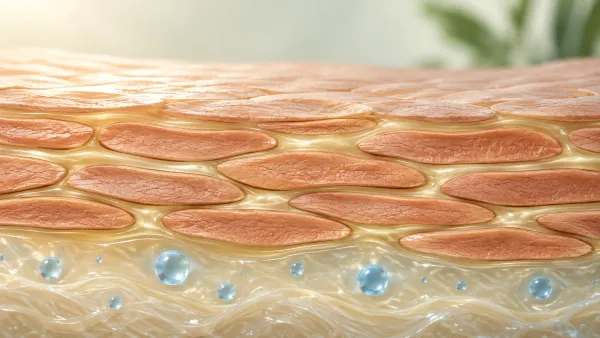
Skincare pilling occurs when the film-forming agents in one product interact with the base of another product in a way that causes solid particles to form. As DermNet explains, the skin barrier function depends on the proper arrangement of lipids and the absence of incompatible topical agents (DermNet, Emollients and Moisturisers). These particles are visible to the naked eye and feel like small balls, flakes, or crumbs on the skin.
There are two types of pilling. Surface pilling occurs when products interact on top of the skin without any deeper mixing. This is the most common type and the easiest to fix. Interlayer pilling happens when a product that has partially absorbed meets a new layer and forms clumps within the upper layers of the stratum corneum. This type is harder to fix because the clumps are trapped between absorbed layers rather than sitting on the surface.
Pilling is most common in routines that combine:
- Water-based serums over silicone-based moisturizers
- Polymer-rich gels (carbomer, acrylates) over oil-based creams
- Multiple layers of silicone-heavy products that compete for the same surface film
- Excessive product amounts that exceed what the skin can absorb
The 3 Main Causes of Pilling
1. Silicone Incompatibility
Silicones like dimethicone, cyclopentasiloxane, and dimethiconol are film-forming agents. A 2022 study confirmed that silicone-based emulsions are safe for topical use and function primarily as non-greasy occlusive agents (PMC, Silicone vs. Silicone-Free Emulsions). They create a smooth, water-repellent layer on the skin. This is why they are popular in primers and moisturizers: they make the skin feel silky and provide a base for makeup.
The problem arises when you apply a water-based product on top of a silicone layer. Water and silicone do not mix. The water-based formula cannot penetrate the silicone film. Instead, it forms droplets that sit on the surface and roll off as pills.
- Common culprits: Silicone-based primers, silicone-heavy moisturizers, certain sunscreens
- The fix: Apply silicone-based products last. If your moisturizer contains dimethicone, apply all water-based serums first and let them absorb fully before the moisturizer.
- Alternative: Switch to a silicone-free moisturizer if you frequently layer serums underneath.
2. Polymer Interactions
Carbomer, acrylates copolymer, xanthan gum, and polyacrylamide are thickening agents that give gels and creams their texture. When two products containing different polymer systems are layered, the polymers can form insoluble complexes. These appear as white flakes or balls on the skin.
This type of pilling is more common with gel-based products than with cream-based products. Gel cleansers followed by gel moisturizers, or gel serums followed by gel sunscreens, are the most frequent combinations that trigger polymer pilling.
- Common culprits: Gel-based cleansers, gel moisturizers, gel sunscreens, some hydrating serums with high carbomer content
- The fix: Space out polymer-rich products. Apply one, wait 60 seconds for the film to stabilize, then apply the next.
- Alternative: If pilling persists, use a cream-based moisturizer instead of a gel, or reduce the number of gel products in your routine.
3. Product Overload
Your skin has a finite absorption capacity. When you apply more product than the skin can absorb, the excess sits on the surface. As you apply additional layers, the excess mixes with fresh product and forms pills. This is especially common with concentrated serums and rich night creams.
A single layer of skin can absorb approximately 0.5 to 1 milliliter of product per application depending on skin condition. Applying 3 to 4 milliliters of product across multiple steps can easily exceed this capacity, leaving visible residue that pills under the next layer.
- Common culprits: Applying multiple pumps of serum, generous amounts of eye cream, thick night cream over a fully saturated face
- The fix: Use half the amount you think you need. A pea-sized amount of serum and a nickel-sized amount of moisturizer is sufficient for most faces.
- Pro tip: Press excess product into the neck and d�colletage instead of adding more to the face.
Ingredients That Pill vs. Ingredients That Layer Well
Not all ingredients are equal when it comes to layering compatibility. This table shows which formulation types are most likely to pill and which alternatives are safe to use together.
| Product Type | High Pilling Risk | Low Pilling Risk |
|---|---|---|
| Serums | High-viscosity gels, carbomer-heavy formulas | Watery/glycerin-based, low-viscosity |
| Moisturizers | Multiple silicones, polymer-rich gels | Lightweight gel-creams, squalane-based |
| Sunscreens | High-silicone chemical SPF, spray formulas | Mineral SPF, light lotion-texture |
| Primers | Silicone blurring primers, powder primers | Water-based hydrating primers |
If you are looking for a lightweight moisturizer that layers well under sunscreen, see our guide to gel moisturizers for every skin type.
Products That Never Pill
The best way to avoid pilling is to choose products formulated with compatible bases. Below are product categories and specific formulations that are known to layer well.
Silicone-Free Hydrating Serum
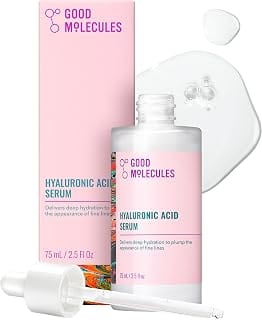
Water-based serums with glycerin or hyaluronic acid as the primary humectant rarely cause pilling. They absorb quickly and leave no film for subsequent products to ball up against.
Product pick
Water-Based Hydrating Serum
Why it fits: A simple water-based hyaluronic acid serum that works best in thin layers before moisturizer. Let it dry down before SPF or makeup.
Watch-out: Check the ingredient list and introduce it slowly if your skin is reactive.
Shop on Amazon →As an Amazon Associate, we earn from qualifying purchases.
✦ As an Amazon Associate, we earn from qualifying purchases.
💧
Gel Moisturizer (Non-Pilling)
Gel and gel-cream moisturizers have a simple polymer base that layers well under sunscreen and makeup. They are the safest choice for pilling-prone routines.
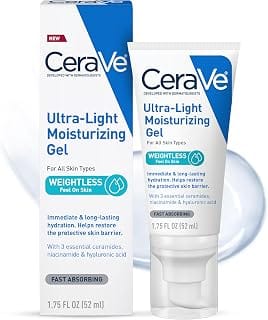
Product pick
Gel Moisturizer
Why it fits: A lightweight gel moisturizer for routines where heavy creams pill under sunscreen. Use a smaller amount and give it time to set.
Watch-out: Check the ingredient list and introduce it slowly if your skin is reactive.
Shop on Amazon →As an Amazon Associate, we earn from qualifying purchases.
✦ As an Amazon Associate, we earn from qualifying purchases.
🌼
Sunscreen That Layers Smoothly
Mineral sunscreens (zinc oxide, titanium dioxide) are less likely to pill than chemical sunscreens because they sit on the skin surface rather than needing to absorb. However, the base formulation matters more than the filter type. Look for sunscreens labeled "primer-like" or "makeup-friendly."
One common mistake is applying sunscreen too quickly after moisturizer. If the moisturizer has not had time to form a stable film, the sunscreen will mix with it and both products will pill. Giving your moisturizer 60 to 90 seconds to dry before applying sunscreen can eliminate this problem entirely.
For a detailed breakdown of SPF formulations that work well together, read our guide to how to choose the right SPF for your skin type and lifestyle.
💡 The Optimizer's Edge
The conventional advice says to wait 5 to 10 minutes between layers to prevent pilling. What nobody tells you is that waiting too long can actually cause more pilling. When a layer is fully dry, the next product has nothing to bind to. The ideal window is 30 to 60 seconds per layer — long enough for the product to become tacky but not dry. At that tacky stage, the next layer can still integrate with the previous one rather than sitting on top of it. This is called the tack window, and it is the most underrated variable in preventing pilling.
Real-World Pilling Scenarios and How to Fix Them
Here are the three most common pilling scenarios readers report, along with the specific fix for each.
- Scenario 1: HA serum pills under moisturizer. Your hyaluronic acid serum is water-based and your moisturizer contains dimethicone. The HA creates a water film that the silicone moisturizer cannot grip. Fix: Apply the HA serum first, wait 60 seconds for it to become tacky, then apply a thin layer of moisturizer. If it still pills, switch to a silicone-free moisturizer or use a gel-cream instead.
- Scenario 2: Sunscreen pills under foundation. Your sunscreen is silicone-heavy and your foundation is water-based, or vice versa. Fix: Check the first three ingredients of both products. If one starts with dimethicone or cyclopentasiloxane and the other with water or aqua, you have a base mismatch. Switch one product so both have the same primary base.
- Scenario 3: Night cream pills by morning. You apply a rich night cream and wake up with flaky residue that was not there the night before. Fix: You are using too much cream. Reduce the amount by half and apply it 30 minutes before bed to allow full absorption before your head hits the pillow.
How to Build a Pill-Free Routine
The Correct Layering Order
- Cleanser → rinse and pat dry
- Water-based serum (hyaluronic acid, niacinamide, vitamin C) → wait 30-60s
- Treatment (retinoid, acid) → wait 60s
- Moisturizer → gel first, cream second if layering two
- Sunscreen → wait 60s after moisturizer
- Makeup primer → only if needed
The Role of Skin Preparation
How you prepare your skin before applying products also affects pilling. Skin that is properly cleansed and slightly damp provides the best surface for product absorption. Skin that has residual cleanser, hard water minerals, or dead skin cells will cause products to sit on the surface rather than absorbing.
Using a toner or essence after cleansing removes any remaining residue and adjusts the skin pH for optimal absorption. This single step can reduce pilling significantly, especially in hard water areas where mineral deposits can interfere with product adhesion.
What to Avoid
- Two silicone-based products in a row. If your moisturizer contains dimethicone, your sunscreen should not also be silicone-heavy.
- Oil over water. If your serum is water-based and your moisturizer is oil-based, the oil will sit on top and may separate.
- More than 5 layers. Every additional layer increases pilling risk. Keep your routine to 4-5 steps maximum.
For a detailed guide on the ideal skincare layering sequence, see our guide to layering moisturizer and serum.
✔ Your Clear Skin Checklist
- Step 1: Check your moisturizer and sunscreen ingredient lists for dimethicone. If both contain it, switch one to a silicone-free alternative.
- Step 2: Apply serums to damp skin, not dry. This improves absorption and reduces excess product on the surface.
- Step 3: Wait 30-60 seconds between each layer. The goal is tacky, not wet and not dry.
- Step 4: Use half the amount of serum you currently use. Most people over-apply by 2x to 3x.
- Step 5: If pilling still occurs, patch-test two products by mixing them on your hand. If they ball up there, they will ball up on your face.
- Step 6: Switch to a gel moisturizer. Gel textures are the most compatible across different product bases.
If products pill after a location change, do not assume mineral buildup automatically; use the hard water skin check alongside the layering and product-amount tests above.
Frequently Asked Questions About Skincare Pilling
Does pilling mean my products are bad?
No. Pilling is a sign of formulation incompatibility, not product quality. Two excellent products from reputable brands can still pill when layered incorrectly. The ingredients are fighting each other, not failing individually.
Can exfoliation help prevent pilling?
Yes, but only if pilling is caused by dead skin cells trapping product on the surface. Regular exfoliation (1-2 times per week with a gentle chemical exfoliant) keeps the skin surface smooth and improves product absorption. However, most pilling is caused by formulation issues, not dead skin.
Does sunscreen always pill under makeup?
No, but it is common. Sunscreens with high silicone content are more likely to pill under water-based foundations. The fix is to choose a sunscreen and foundation with similar bases. If your sunscreen is silicone-based, use a silicone-based foundation. If it is water-based, use a water-based foundation.
How do I fix pilling that has already happened?
Gently wipe the pills away with a damp cloth or cotton pad. Do not rub or scrub, as this can disturb the layers underneath. Once removed, apply a single layer of a lightweight moisturizer or sunscreen. Do not reapply the products that caused the pilling.
Do I need to wait 10 minutes between layers?
No. Waiting 10 minutes can make pilling worse because the layer becomes fully dry and the next product has no binding surface. Wait 30 to 60 seconds per layer. The skin should feel tacky, not wet and not bone-dry. This is the tack window, and it is the optimal point for the next application.
This article is for informational purposes only and does not replace professional dermatological advice.
How we research and correct content: Editorial Policy.