The Complete Science-Backed Guide to Teenage Skincare: From Puberty to Clear Skin
Science-backed guide to teenage skincare from puberty to clear skin. Evidence-based routine, acne treatments, product picks, and dermatologist advice for ages 13-18.
In this guide

The teenage years bring more than academic pressure and social changes - they also bring skin changes that can feel impossible to navigate. Between fluctuating hormones, increased oil production, and the constant pressure of school, sports, and social life, skincare often becomes an afterthought. Until acne shows up.
Teenage skin is fundamentally different from adult skin. It produces more sebum, turns over cells faster, and responds more dramatically to hormonal shifts. Understanding these biological differences is the key to building a routine that actually works - without overspending, over-treating, or damaging the skin barrier in the process.
This evidence-based guide covers everything from the science of teenage skin to building a simple, effective routine, managing breakouts, choosing the right products, and knowing when to see a dermatologist. It connects to dedicated deep-dives on each topic so you can explore what matters most for your skin.
TL;DR - Teenage Skincare at a Glance
- ✦ Teen skin produces more oil and turns over faster than adult skin - this is normal and manageable
- ✦ A three-step foundation (gentle cleanser, lightweight moisturizer, daily SPF) covers 90% of needs
- ✦ Choose one acne active at a time - salicylic acid, benzoyl peroxide, or niacinamide - never all at once
- ✦ Over-cleansing and harsh products make acne worse by damaging the skin barrier
- ✦ If OTC treatments show no improvement after 8-12 weeks, see a board-certified dermatologist
Want the product picks first? Jump to the acne cleanser and acne treatment with direct Amazon links.
Jump to product picks🧪 The Skin Insider
After reviewing dozens of teen skincare routines in editorial consultations, the most common mistake we see is not the absence of a routine - it is an overcomplicated one. Teenagers are using adult-strength actives, stacking acids, and skipping moisturizer because they think oil is the enemy. The irony is that this approach creates more oil and more breakouts. A calm, consistent three-step routine outperforms a ten-step collection of harsh products every time.
Understanding Teenage Skin: What Changes During Puberty
Puberty triggers a cascade of hormonal changes that directly affect the skin. Androgens like testosterone increase sebum production, making the skin oilier and more prone to clogged pores. At the same time, the skin barrier is still maturing, which means it can be more reactive to products and environmental stressors.
Teenage skin also turns over skin cells faster than adult skin. This accelerated shedding, combined with excess oil, creates the perfect environment for clogged pores, blackheads, and inflammatory acne. Understanding this biological process helps explain why certain ingredients work and others backfire.
For a deeper dive into the hormonal mechanisms behind teenage breakouts, our guide to hormonal changes and teen skin explains the science of androgen-driven oil production and how to manage it.
Building a Beginner-Friendly Skincare Routine
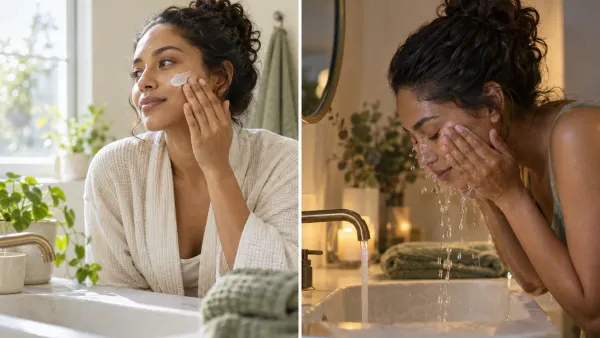
Every teenage skincare routine should start with three essential steps. These form the foundation that everything else builds upon. No expensive serums, no complicated layering - just the basics done consistently.
The Morning Routine
- Cleanse: Use a gentle, pH-balanced cleanser. Splash with lukewarm water if your skin is very dry in the morning.
- Moisturize: Apply a lightweight, oil-free moisturizer to damp skin to seal in hydration.
- Protect: Finish with a broad-spectrum SPF 30+ sunscreen. This is the most important step for long-term skin health.
The Evening Routine
- Double cleanse (if wearing makeup or sunscreen): Start with an oil-based cleanser, follow with a water-based one.
- Treat (if needed): Apply a targeted treatment for acne or other concerns.
- Moisturize: Use a slightly richer moisturizer at night to support skin repair during sleep.
For a step-by-step walkthrough, our complete beginner's skincare routine for teens covers the morning and evening sequence in detail, including product recommendations for every skin type.
Choosing the Right Products for Teen Skin
Product selection matters more than brand names. Teen skin needs gentle, non-comedogenic formulas with targeted active ingredients at appropriate concentrations. Here is what to look for in each category.
Cleansers
A good cleanser removes dirt, oil, and sunscreen without stripping the skin barrier. Avoid foaming cleansers with sulfates that leave the skin feeling tight or squeaky. Look for gel or cream-based cleansers with gentle surfactants instead. Our roundup of the top cleansers for teenage skin breaks down the best options for oily, dry, and sensitive teen skin.
Moisturizers
Even oily teenage skin needs moisturizer. When the skin is dehydrated, it compensates by producing even more oil. A lightweight, oil-free moisturizer with ceramides, hyaluronic acid, or niacinamide provides hydration without clogging pores. The best moisturizers for teenage skin guide covers formulas for every skin type and budget.
Serums
Most teenagers do not need serums. The three-step foundation (cleanse, moisturize, SPF) is sufficient for the majority of teen skin. If a serum is desired, niacinamide 2-5% is the safest starting option. Our guide to serums for teenage skin explains which ingredients are appropriate and which to avoid until later years.
Eye Creams
Dark circles and puffiness are common teen concerns, often caused by sleep deprivation, allergies, or screen time rather than aging. A gentle eye cream with caffeine or hyaluronic acid can help. The best eye creams for teenagers guide focuses on hydration and depuffing rather than anti-aging ingredients.
Managing Acne and Breakouts
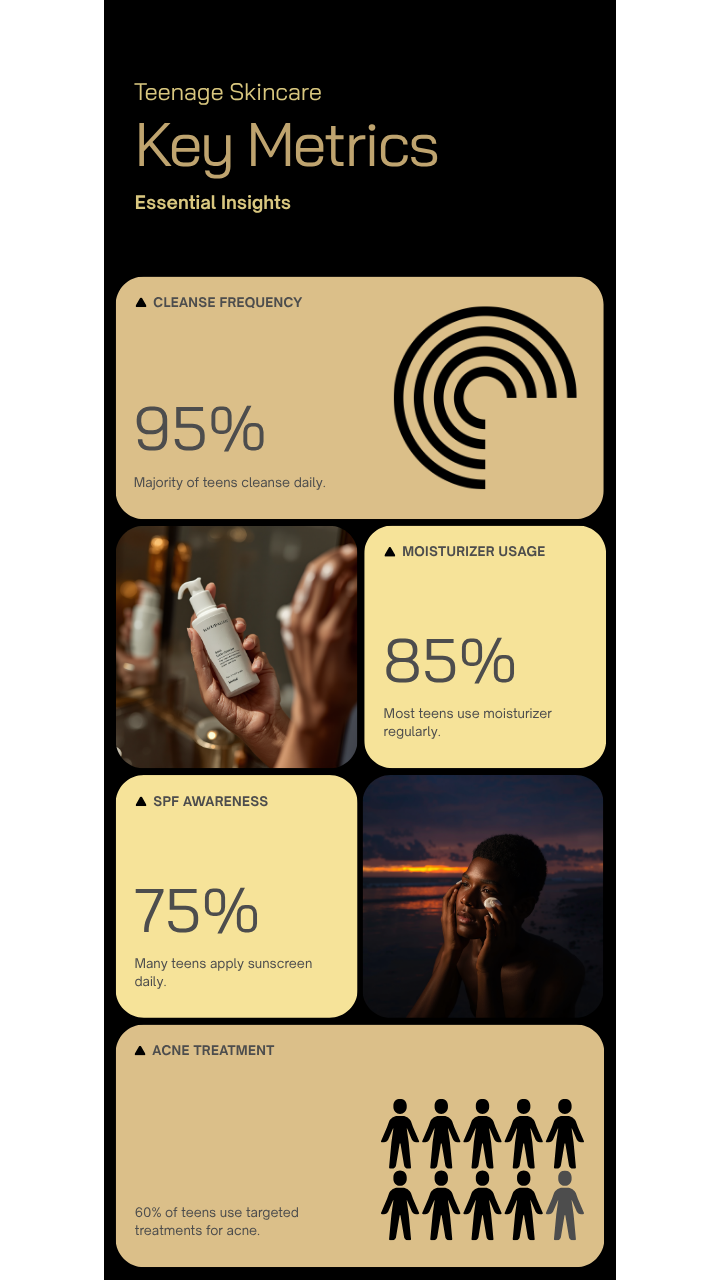
Acne is the most common skin concern for teenagers, affecting up to 85% of adolescents. It ranges from occasional whiteheads to persistent inflammatory acne. The key is matching the treatment to the type and severity of breakouts.
Types of Teenage Acne
| Acne Type | Appearance | Best Treatment |
|---|---|---|
| Blackheads (open comedones) | Dark, flat spots on nose, chin, forehead | Salicylic acid 0.5-2% or adapalene 0.1% |
| Whiteheads (closed comedones) | Small, skin-colored bumps | Salicylic acid or retinoid (adapalene) |
| Papules / Pustules | Red, inflamed bumps with or without pus | Benzoyl peroxide 2.5-5% or prescription retinoid |
| Nodules / Cysts | Large, painful, deep bumps | Dermatologist-prescribed treatment |
OTC Acne Ingredients That Work
- Salicylic acid (0.5-2%): Oil-soluble beta hydroxy acid that penetrates pores and exfoliates from within. Best for blackheads and whiteheads.
- Benzoyl peroxide (2.5-5%): Kills acne-causing bacteria and reduces inflammation. Higher concentrations do not work better - they just irritate more.
- Niacinamide (2-5%): Reduces oil production, calms redness, and supports barrier function. Safe to use daily.
- Adapalene 0.1% (OTC): A third-generation retinoid that normalizes cell turnover and prevents clogged pores. Available without prescription.
Our detailed guide to spot treatments for teenage acne explains how to use each ingredient, what concentration to start with, and how to avoid common mistakes like over-application.
For more severe or persistent acne, teenage acne treatment options covers the full spectrum from OTC to prescription treatments including antibiotics, hormonal therapy, and isotretinoin.
Skincare for Different Teen Skin Types
Not all teenage skin is the same. While oiliness is the most common concern, many teenagers experience dryness, sensitivity, or a combination of both. Matching your routine to your skin type prevents unnecessary irritation and improves results.
Oily Skin
Oily teenage skin produces excess sebum due to androgen stimulation. The instinct is to strip the oil away with harsh cleansers and alcohol-based toners, but this backfires - dehydrated skin produces more oil to compensate. Our science-backed guide to teenage oily skin explains how niacinamide and salicylic acid regulate oil production without damaging the barrier.
Sensitive Skin
Teenage skin can be reactive, especially when exposed to harsh acne treatments, fragrances, or physical exfoliants. Fragrance-free, minimal-ingredient routines work best. The guide to teenage skincare for sensitive skin covers ingredient safety, patch testing, and barrier repair strategies specifically for reactive teen skin.
The Role of Exfoliation
Exfoliation removes dead skin cells that can clog pores and make the skin look dull. For teenagers, gentle chemical exfoliation is safer than physical scrubs, which can cause micro-tears and worsen acne.
Start with salicylic acid 2-3 times per week. Never exfoliate on the same night as retinoid use. Our comprehensive guide to exfoliation for teenage skin explains the difference between chemical and physical exfoliation, which acids are safe for teen skin, and how to build exfoliation into your weekly routine without overdoing it.
Sun Protection: The Non-Negotiable Step
Daily sunscreen use is the single most important skincare habit a teenager can develop. Sun exposure not only increases the risk of skin cancer later in life, but it also darkens acne marks (post-inflammatory hyperpigmentation) and slows the healing of active breakouts.
Choose a broad-spectrum mineral or chemical sunscreen with SPF 30 or higher. Mineral sunscreens (zinc oxide, titanium dioxide) are less likely to irritate sensitive or acne-prone skin. The American Academy of Dermatology recommends daily SPF as part of every skincare routine, regardless of age or skin type.
Our guides to the best sunscreens for teens and how to start using sunscreen as a teen cover product recommendations, application tips, and answers to common questions about sunscreen and acne-prone skin.
Lifestyle, Diet, and Teenage Skin
What you eat and how you live affects your skin. Research shows that high-glycemic diets (sugary drinks, white bread, processed snacks) can exacerbate acne by increasing insulin-like growth factor (IGF-1), which stimulates oil production. Dairy consumption has also been linked to acne in some studies, though the connection varies by individual.
Hydration, sleep, and stress management also play significant roles. Chronic stress raises cortisol levels, which can increase oil production and inflammation. The connection between diet and teenage skin is explored in more detail in our dedicated guide, which explains which foods may trigger breakouts and which support clear skin.
Teenage Skincare for Boys and Girls
While the fundamentals of skincare are the same for all teenagers, there are some differences worth noting.
For Boys
Teenage boys typically have thicker skin, larger pores, and higher sebum production due to higher testosterone levels. Shaving adds an additional layer of complexity - it can irritate acne and spread bacteria. Using a sharp, clean razor and shaving in the direction of hair growth minimizes irritation. Our skincare tips for teenage boys covers shaving with acne, choosing the right cleanser, and building a simple routine that fits an active lifestyle.
For Girls
Makeup and skincare interactions are a common concern for teenage girls. Non-comedogenic, fragrance-free makeup is less likely to clog pores. Removing makeup thoroughly before bed is non-negotiable - sleeping in makeup traps oil and bacteria against the skin. The guide to skincare tips for teenage girls covers makeup-safe routines, ingredient layering, and how to balance acne treatment with cosmetic use.
Common Teenage Skincare Mistakes
Most teenage skincare problems are not caused by doing too little - they are caused by doing the wrong things. Here are the most common mistakes we see.
- Over-cleansing: Washing more than twice a day strips the barrier and triggers more oil production.
- Skipping moisturizer: Every skin type needs hydration. Oiliness is not a reason to skip this step.
- Using too many actives at once: Stacking benzoyl peroxide, salicylic acid, and retinoids on the same night causes irritation that looks and feels like worsening acne.
- Popping pimples: This pushes bacteria deeper, increases inflammation, and causes scarring.
- Neglecting sunscreen: UV exposure darkens acne marks and damages skin long-term.
Our full guide to teenage skincare mistakes to avoid breaks down each error with practical solutions and a simple checklist to keep your routine on track.
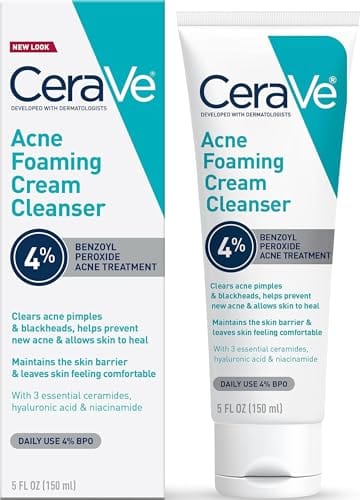
Best acne cleanser
CeraVe Acne Foaming Cream Cleanser
Why it fits: A 4% benzoyl peroxide cleanser for teen breakouts when inflamed pimples are the main issue and a rinse-off active makes more sense than another leave-on step.
Watch-out: Benzoyl peroxide can dry skin and bleach towels. Start a few times weekly, rinse well, moisturize, and avoid stacking with too many other acne actives.
View Product on AmazonAs an Amazon Associate, we earn from qualifying purchases.
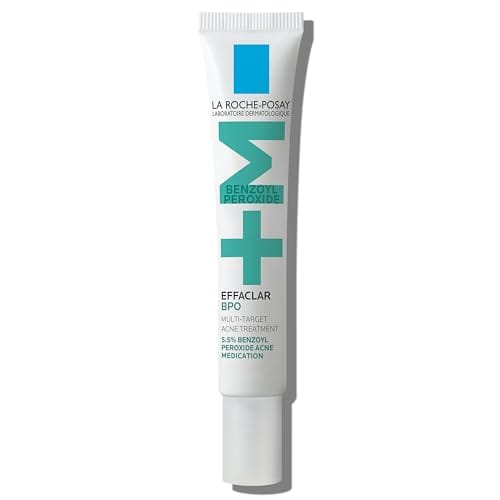
Best acne treatment
La Roche-Posay Effaclar BPO Multi-Target Acne Treatment
Why it fits: A leave-on benzoyl peroxide acne treatment for blackheads, pimples, and recurring oily-skin breakouts when a cleanser alone is not enough.
Watch-out: Use a thin layer and introduce slowly. Do not pair aggressively with retinoids or exfoliating acids until the skin barrier is calm.
View Product on AmazonAs an Amazon Associate, we earn from qualifying purchases.
💡 The Optimizer's Edge
Most teenage skincare guides recommend the same three-step routine and stop there. What they miss is the escalation pathway - a clear framework for knowing when to move from gentle cleanser to targeted treatment to professional care. We recommend an 8-12 week trial period for any OTC acne treatment. If there is no significant improvement after three months, a board-certified dermatologist can offer prescription options like tretinoin, clindamycin, or spironolactone that are far more effective than anything available over the counter. Waiting too long before seeking help is the single biggest missed opportunity in teenage skincare.
When to See a Dermatologist
OTC treatments work for mild to moderate acne, but some situations require professional help. See a board-certified dermatologist if:
- OTC treatments show no improvement after 8-12 weeks of consistent use
- Acne is painful, cystic, or leaving dark marks or scars
- Acne is affecting self-esteem, social life, or mental health
- You have a skin condition like eczema, rosacea, or severe sensitivity that complicates treatment
The Cleveland Clinic notes that early dermatologist intervention for teenage acne can prevent long-term scarring and reduce the emotional impact of breakouts.
✅ Your Clear Skin Checklist
- Step 1: Switch to a gentle, pH-balanced cleanser and stop using harsh foaming washes
- Step 2: Add a lightweight, non-comedogenic moisturizer to your AM and PM routine
- Step 3: Start daily SPF 30+ and never skip it - even on cloudy days
- Step 4: Introduce one acne active (salicylic acid or benzoyl peroxide) 2-3 times per week
- Step 5: Track progress for 8-12 weeks. If no improvement, book a dermatologist appointment
- Step 6: Be patient and consistent. Clear skin is a gradual process, not an overnight transformation
Frequently Asked Questions About Teenage Skincare
At what age should teenagers start a skincare routine?
Can teenagers use retinol or retinoids?
How long does it take for acne treatments to work?
Is sunscreen really necessary for teenagers every day?
When should a teenager see a dermatologist for acne?
This article is for informational purposes only and does not replace professional dermatological advice.
Make sun protection the stable morning endpoint with the teen sunscreen habit plan. The year-round UV guide explains when school, sport, winter and cloud still create meaningful exposure.