Hormonal Changes and Teen Skin: What Changes the Routine
How puberty-related hormone signals affect oil and acne, what skincare can change, and when a clinician-led plan is appropriate.
In this guide
Quick Answer
Hormonal changes can increase oil production and contribute to clogged pores and inflammation, but skincare cannot switch puberty off. Use a stable base, match one acne active to the lesion type, track patterns over time and seek care for deep, scarring or persistent acne.
Quick Summary
- Hormones influence oil glands; acne is not a hygiene failure.
- Patterns can shift across puberty and menstrual cycles.
- Treatment still depends on lesion type and severity.
- Deep, painful or scarring acne needs early professional care.
Over 85% of teenagers experience acne. If your skin has changed since puberty started, you are not alone - and it is not your fault. Hormonal shifts during adolescence directly trigger breakouts, but understanding the science behind it is the first step to clearer skin.
This evidence-based guide explains how hormonal changes affect teen skin, what ingredients actually work, and how to build a simple routine that fits your life. No hype, no guesswork - just what the research supports.
TL;DR - Hormonal Changes and Teen Skin
- ✦ Puberty hormones (androgens) trigger excess oil production, which clogs pores and causes acne
- ✦ A simple 4-step routine - cleanse, treat, moisturize, protect - is all most teens need
- ✦ Benzoyl peroxide and salicylic acid are the first-line OTC ingredients with the strongest evidence
- ✦ Most treatments need 8-12 weeks of consistent use before significant improvement appears
- ✦ Severe or painful acne should be evaluated by a dermatologist - prescription options exist
Want the product picks first? Jump to the acne cleanser and OTC retinoid with direct Amazon links.
Jump to product picksThe Science: How Hormones Cause Acne
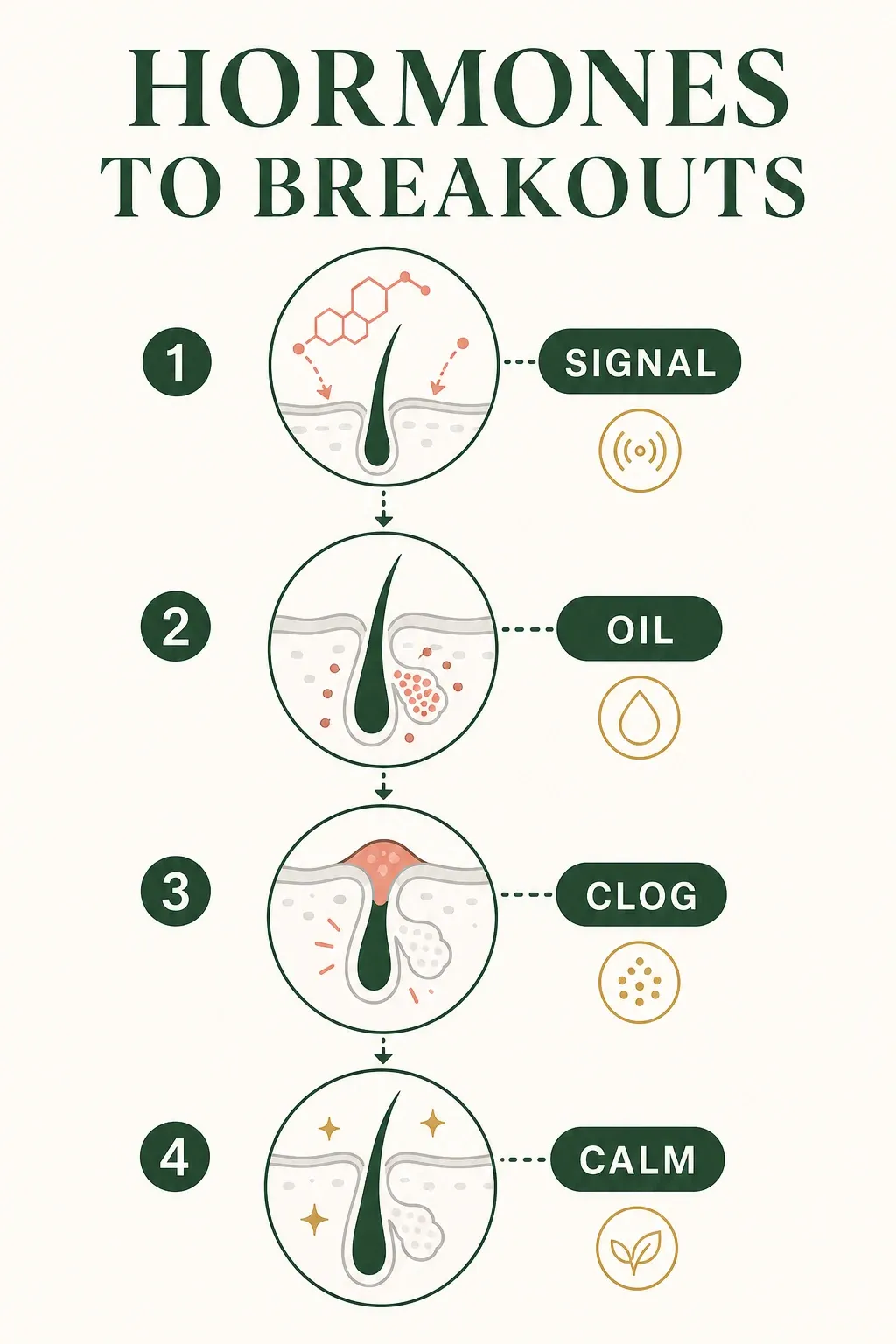
During puberty, the body increases production of hormones called androgens. These include testosterone and its more potent form, dihydrotestosterone (DHT). Androgens bind to receptor sites on the sebaceous glands and instruct them to produce more sebum (skin oil).
This excess oil mixes with dead skin cells inside the pore, creating a sticky plug. Bacteria called Cutibacterium acnes thrive in this environment, triggering inflammation that turns into red, swollen pimples. The American Academy of Pediatrics explains that this process is a normal part of development, not a sign of poor hygiene.
Male vs. Female Teen Acne
Acne affects both sexes, but there are differences worth understanding:
- Boys often have more severe acne because testosterone levels rise significantly during puberty. Breakouts tend to appear on the face, chest, and back.
- Girls may notice cyclical breakouts tied to their menstrual cycle, typically flaring in the week before their period. The jawline and chin are common areas.
- Both experience the same underlying mechanism: androgens stimulate oil production, and that oil clogs pores.
For a deeper breakdown of how to manage oily teenage skin, our guide to managing teenage oily skin covers targeted ingredient advice and product recommendations.
The 4-Step Routine for Teen Skin
You do not need a 12-step routine. The most effective approach is simple and consistent:
Step 1: Gentle Cleanser
- Wash morning and evening with a gentle, non-stripping cleanser
- Look for benzoyl peroxide (2.5-5%) if you have inflammatory acne, or salicylic acid (2%) for blackheads and whiteheads
- Avoid harsh scrubs - they irritate skin and make acne worse
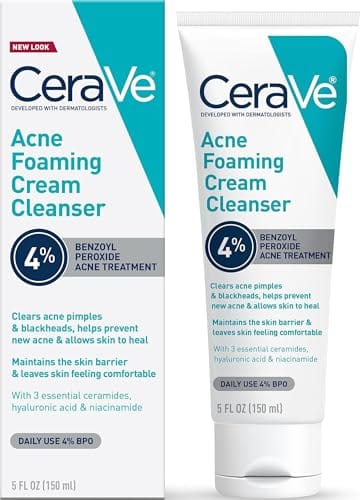
The CeraVe Acne Foaming Cream Cleanser with 4% benzoyl peroxide is a good starting point. It helps reduce acne-associated bacteria, while ceramides support the barrier.
Step 2: Treatment
- Adapalene (Differin 0.1%) is the only OTC retinoid - it unclogs pores and prevents new breakouts. Start every other night to limit dryness.
- Niacinamide regulates oil production and calms redness. A 10% serum can be used daily.
- Salicylic acid exfoliates inside the pore and is best for non-inflammatory acne.
For a detailed comparison of niacinamide options, our review of The Ordinary Niacinamide Serum explains why zinc adds extra benefit for acne-prone skin.
Step 3: Oil-Free Moisturizer
- Even oily skin needs barrier support - excessive dryness makes treatment harder to tolerate
- Choose non-comedogenic, oil-free, gel-based formulas
- Look for glycerin, hyaluronic acid, and ceramides
Our guide to the best face moisturizers for dry skin also covers lightweight options that work for acne-prone skin when treatments cause dryness.
Step 4: SPF 30+
- Acne treatments increase photosensitivity - sunscreen is non-negotiable
- Mineral sunscreens (zinc oxide) are less likely to irritate active acne
- Matte-finish formulas help control shine during the day
For teen-friendly sunscreen options, our guide to the best sunscreens for acne-prone skin covers non-comedogenic picks that work for oily, breakout-prone skin.
OTC Ingredients at a Glance
Best acne cleanser
CeraVe Acne Foaming Cream Cleanser 4% BP
Why it fits: A 4% benzoyl peroxide cleanser fits teens whose main issue is red, inflamed pimples and who want a rinse-off active instead of adding another leave-on treatment.
Watch-out: Benzoyl peroxide can dry skin and bleach towels or pillowcases. Start a few times weekly, rinse well, moisturize, and reduce use if skin gets tight or raw.
View Product on AmazonAs an Amazon Associate, we earn from qualifying purchases.
Best OTC retinoid
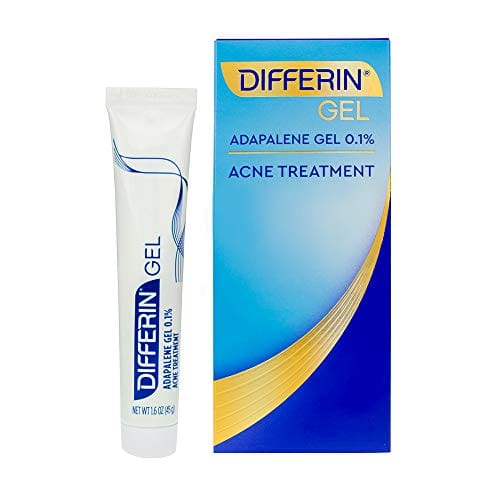
Differin Adapalene Gel 0.1%
Why it fits: Adapalene is useful when clogged pores and recurring breakouts keep coming back, because it helps normalize skin-cell turnover instead of only drying current pimples.
Watch-out: Introduce slowly, usually every other night at first, and use sunscreen daily. Pause and ask a qualified professional if irritation becomes painful, widespread, or swollen.
View Product on AmazonAs an Amazon Associate, we earn from qualifying purchases.
For more spot treatment options, our guide to the best spot treatments for teenage acne covers benzoyl peroxide gels, salicylic acid patches, and sulfur treatments with clinical context.
Lifestyle Factors That Affect Teen Skin
- Sleep - poor sleep increases cortisol, which triggers more oil production. Aim for 8-10 hours.
- Stress - stress hormones directly worsen acne. Exercise, hobbies, and talking about it help.
- Diet - high-glycemic foods (chips, soda, white bread) may worsen acne in some teens.
- Phone screens - hold your phone away from your face. Bacteria and oil transfer from screens.
- Pillowcases - change pillowcases weekly. Oil, bacteria, and product residue build up fast.
- Hands off - picking and popping causes scarring and spreads bacteria. Use spot treatment instead.
Treatment Timeline: What to Expect
- Weeks 0-2 - monitor tolerance. Do not dismiss significant worsening, pain or irritation as purging.
- Weeks 4-6 - inflammation should start decreasing. Fewer new pimples forming.
- Weeks 8-12 - significant improvement visible. Most OTC treatments take this long.
- After 12 weeks - if no improvement or acne is severe, see a dermatologist.
For more on cleansers and exfoliants, our guide to the best AHA/BHA exfoliants explains how to incorporate gentle exfoliation.
When to See a Dermatologist
The Cleveland Clinic recommends teens with moderate to severe acne see a dermatologist, especially if OTC treatments have not worked after 3 months.
Conclusion
Hormonal changes during puberty are the number one cause of teen acne. It is normal, temporary, and manageable with the right approach. A simple 4-step routine, consistent use of evidence-based ingredients, and healthy lifestyle habits can make a significant difference.
If your acne is moderate to severe, or if OTC products have not helped after 12 weeks, see a dermatologist. For more on retinol-based treatments, our guide to the best retinol serums covers what to expect when starting retinoids.
Track the Pattern, Then Choose the Intervention
Jawline flares, forehead congestion and sports-related breakouts can coexist. Location alone does not diagnose the cause, so combine pattern tracking with lesion type and routine exposure.
Skincare can reduce clogging and inflammation, but prescription hormonal treatments require a clinician. Do not use supplement or medication advice from social media as a substitute.
- Mostly blackheads: choose a pore-focused pathway.
- Mostly inflamed pimples: consider benzoyl peroxide or medical advice.
- Cycle-linked flares: track timing and discuss persistent cases.
- Deep nodules or scars: arrange professional treatment early.
Compare the Options Before Changing the Routine
Use this table to match the intervention to the visible pattern and to identify the limit that should stop unnecessary escalation.
| Skin pattern or option | Best next step | Important limit |
|---|---|---|
| Puberty oil increase | Shine and congestion | Gentle base; pore-active if needed |
| Menstrual pattern | Recurring pre-cycle flares | Track dates; discuss persistent acne |
| Stress and sleep disruption | Variable inflammation and adherence | Protect routine consistency |
| Deep or scarring pattern | Painful lumps or lasting scars | Professional assessment |
Adjust the Plan to Real Teen Life
School mornings reward a short routine that works even when time is limited. Keep the required products visible and in order, and move optional steps out of the way until the base routine is automatic.
Sports, helmets and heavy sweating change the exposure, not the biology of the skin. Rinse or cleanse gently after activity, clean reusable contact surfaces, and avoid compensating with rough cloths or extra exfoliation.
Cold weather, indoor heating and air conditioning can lower tolerance even when the underlying concern has not changed. Reduce active frequency when tightness appears instead of assuming the treatment has stopped working.
Makeup and shaving should be treated as separate routine variables. Remove makeup completely without repeated rubbing, and review shaving technique before applying stronger acne products to irritated follicles.
Budget also affects treatment quality because an unaffordable routine will not be repeated. Prioritize cleanser, moisturizer, sunscreen and one evidence-based treatment before spending on masks, mists or overlapping serums.
Travel and weekends should not require a second routine. Use the same essentials in smaller containers and keep the treatment schedule unchanged unless the environment affects tolerance.
Stress about appearance can also drive picking and constant mirror checking. Use neutral weekly photos, reduce magnifying-mirror time and involve a trusted adult or professional when skin concerns affect school, sleep or confidence.
Finally, build a stop rule before starting. Persistent burning, swelling, rash, painful cracking or a rapid increase in deep lesions is a reason to pause the newest product and seek qualified advice when appropriate. Clear rules protect both skin and consistency.
How to Test the Routine Without Losing the Signal
Keep cleanser, moisturizer and sunscreen stable while testing one treatment variable. When several products change together, a breakout, sting or improvement cannot be assigned confidently.
Use the same amount and schedule unless the label or a qualified professional says otherwise. More product or more frequent application can increase irritation without shortening the biological treatment timeline.
Set the Baseline
Record the main concern, current products and two photos in consistent light.
Protect Tolerance
Track tightness, burning, peeling and whether the routine is easy enough to repeat.
Judge the Trend
Compare new lesions and comfort over weeks, not the appearance of one day.
| Check point | What to assess | Decision |
|---|---|---|
| First 48 hours | Burning, swelling, rash or painful cracking | Stop the newest product and get advice when symptoms are significant |
| Weeks 1-2 | Comfort, dryness and whether the schedule is realistic | Reduce frequency before adding another active |
| Weeks 6-8 | Fewer new lesions, calmer texture or a clearer pattern | Continue, adjust one variable or seek professional help |
| Any time | Deep pain, scars, rapid worsening or major distress | Escalate care rather than waiting for a retail product to solve it |
A routine is not successful merely because it feels active. The useful outcome is a gradual improvement that the skin can tolerate and the teenager can sustain.
Do not measure success by tingling, dryness or how many steps were completed. Those sensations can reflect irritation, while the meaningful measures are fewer new lesions, better comfort, less picking and a routine that remains consistent.
Use weekly rather than daily comparisons because acne and oil fluctuate. A single stressful day, sports session or menstrual-cycle shift should not trigger a complete product change.
Write the planned review date on a calendar before starting. That simple boundary reduces impulsive switching and makes the final decision more evidence-based.
Do not wait through deep pain, scarring, rapid worsening or significant emotional distress. Those are reasons to seek professional care even when the planned test period is not complete.
Use a monthly calendar to separate cycle-linked flares from reactions to new products. Record when a product starts, where breakouts appear, and whether burning or peeling occurs. A repeating pattern is more useful than assuming every flare is hormonal.
Frequently Asked Questions About Hormonal Changes and Teen Skin
Why does puberty cause oily skin and acne?
Androgen signaling can increase sebaceous-gland activity. Oil then interacts with pore clogging and inflammation in individual patterns.
Is all teenage acne hormonal?
Hormones are part of puberty, but friction, products, medication, stress and the specific acne pathway can also affect breakouts.
Can a skincare routine balance hormones?
No. Skincare can reduce oil, clogging and inflammation at the skin level, but it does not regulate systemic hormones.
Why does acne flare before a period?
Hormonal shifts can influence oil and inflammation. Tracking several cycles helps show whether the pattern is consistent.
When does hormonal teen acne need a doctor?
Seek care for deep painful acne, scarring, persistent cycle-linked flares, rapid worsening or major emotional impact.