Teenage Oily Skin: A Simple Routine That Controls Shine
Why teenage skin gets oily, how to reduce shine without stripping it, and which routine changes are worth trying first.

In this guide

Quick Answer
Teenage oily skin usually needs consistency, not aggressive degreasing. Cleanse gently twice daily, moisturize with a light formula, use SPF, and add one pore-focused active only when clogged pores or acne justify it.
Quick Summary
- Oil is not dirt, so extra washing does not switch off sebaceous glands.
- Tightness after cleansing is a warning, not proof that the cleanser worked.
- Salicylic acid can fit clogged pores; it is optional when shine is the only concern.
- Blotting removes surface oil without adding another active to the routine.
If you have ever checked a mirror at 2 PM and felt like your face was melting, you know the frustration of teenage oily skin. It is heavy, shiny, and often feels completely out of your control.
Ready to compare product picks?
Jump to product picksThis cycle is not a hygiene failure. It is a biological misunderstanding.
Teenage oily skin is not "dirty" skin. It is skin receiving loud, chaotic instructions from your hormones.
Treating it like an enemy to be destroyed makes the problem worse.
If you are using harsh cleansers that leave your skin feeling tight, read our guide to early signs of a damaged skin barrier before continuing with this routine.
⏹ TL;DR — Teenage Oily Skin: The Core Strategy
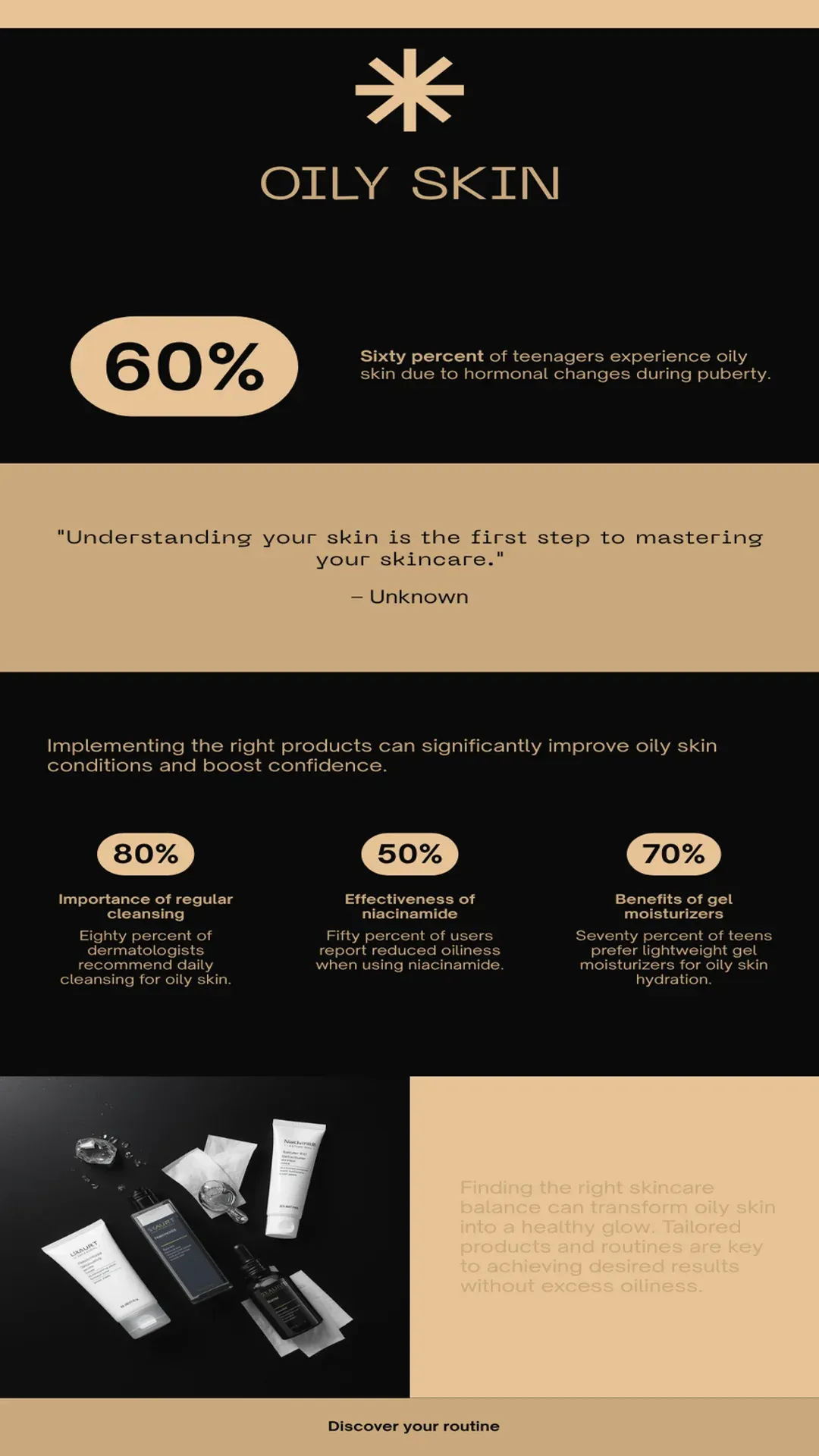
- It is hormonal, not hygiene. Puberty enlarges oil glands. You cannot wash this away with harsh cleansers.
- Stop stripping your skin. Harsh cleansers can leave oily skin tight, irritated and harder to treat consistently.
- Hydration is non-negotiable. Oily skin can be dehydrated. Skipping moisturizer can reduce comfort and make acne treatments harder to tolerate.
- Niacinamide can support barrier function and visible shine; salicylic acid fits clogged pores. Alcohol and harsh scrubs just cause chaos and irritation.
- Blotting papers are your friend. Press gently to remove excess oil without stripping your barrier throughout the day.
🧪 The Skin Insider
The single biggest mistake I see teens make is aiming for "Squeaky Clean" skin. If your skin squeaks after washing, you have stripped away the acid mantle - your skin's first line of defense.
That "clean" feeling is actually the sound of barrier damage. Switch to a pH-balanced cleanser and your skin will thank you within a week.
Evidence and safety boundaries
Acne is a medical condition with different lesion types and causes. The American Academy of Dermatology acne-care guidance supports gentle cleansing, avoiding picking and giving treatment time to work. Its diagnosis and treatment overview explains why treatment is not one-size-fits-all.
Introduce one active at a time and follow the product or prescription label. Stop and seek professional care for severe burning, swelling or rash.
Painful deep acne, spreading inflammation, scarring, sudden onset or acne that persists after a consistent over-the-counter trial deserves assessment by a qualified clinician. Prescription retinoids, antibiotics and hormonal therapy require individualized guidance.
The Biological Trigger: Why You Are So Shiny
To fix the issue, you must understand the engine driving it. Your skin contains pilosebaceous units - tiny factories consisting of a hair follicle and a sebaceous gland. In childhood, these glands are relatively dormant.
Then comes puberty. Your body begins producing higher levels of androgens, specifically testosterone.
These hormones physically enlarge your sebaceous glands. This is why teenage oily skin is fundamentally different from adult oily skin; the factory itself has expanded.
Sebum itself is not the villain. It is a complex mixture of lipids designed to protect your skin. The problem arises when the volume of oil produced exceeds the pore's ability to drain it, leading to the shine, blackheads, and congestion you are fighting.
The Dehydration Trap: Oily vs Dehydrated Skin
This is the most critical concept: oil is not water. You can have abundant oil on your surface while your skin cells are starving for water. This is called dehydration.
When your skin detects a lack of moisture, it triggers a survival mechanism: it produces more oil. This is "Rebound Sebum." By skipping moisturizer or using drying alcohols, you train your skin to be oilier.
The Ingredient Strategy: Regulation Over Destruction
Niacinamide (Vitamin B3): If there is one ingredient every teen with oily skin should know, it is this. Studies show that niacinamide can lower sebum excretion rates while strengthening the skin barrier.
Salicylic Acid (BHA): Oil-soluble, it dives inside the pore, dissolves the debris, and clears the "traffic jam." It is the gold standard for treating blackheads and congestion.
Clay (Kaolin or Bentonite): Excellent for absorbing excess surface oil. A clay mask once a week is a treatment; a clay cleanser twice a day is usually too drying.
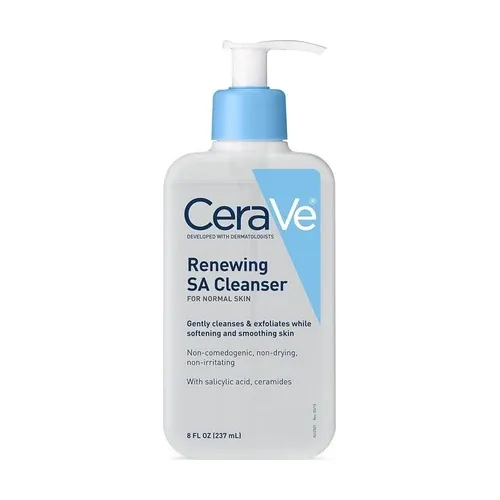
Best Oily Skin Cleanser
CeraVe Renewing SA Cleanser
Salicylic acid helps with oily, clogged texture while ceramides support the barrier. Use once daily at first if teen skin gets tight or irritated.
Watch-out: Do not stack it with a leave-on BHA every night at the beginning. If skin feels tight, reduce frequency and use a bland cleanser.
Check on AmazonAs an Amazon Associate, we earn from qualifying purchases.
What to Avoid
- Denatured Alcohol (Alcohol Denat): Often found in teen toners. Gives a quick "matte" finish but causes massive irritation and rebound oiliness.
- Coconut Oil: Highly comedogenic (pore-clogging). For teenage skin struggling with congestion, this makes things worse.
- Physical Scrubs: Walnut shell and apricot scrubs create microtears and inflame the skin. Stick to chemical exfoliation with BHA.
💡 The Optimizer's Edge
The "School Air" Blotting Hack: Many teens use powder compacts to matify shine during the school day. But layering powder over oil and bacteria creates a paste that clogs pores.
The fix: Use a blotting paper first to lift the liquid oil, then apply a light dusting of powder. Never powder directly over a greasy T-zone.
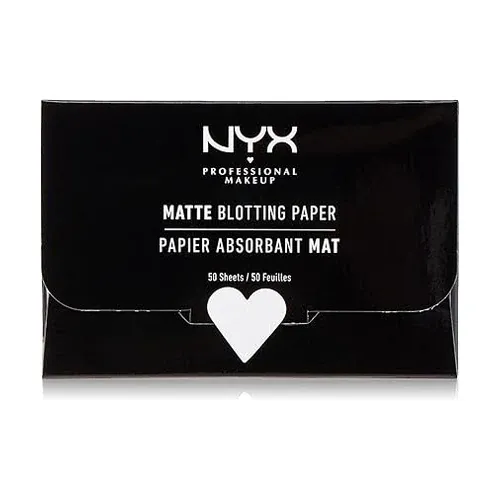
School Bag Essential
NYX Matte Blotting Paper for T-Zone
Lifts oil during the school day without adding more cleanser or powder. Press gently on the T-zone; do not rub across active breakouts.
Watch-out: Blotting papers manage shine, but they do not treat acne. Use them as a low-irritation helper alongside a consistent routine.
Check on AmazonAs an Amazon Associate, we earn from qualifying purchases.
How to Build an Oily Skin Routine
Morning
- Gentle foaming cleanser (with 2% Salicylic Acid if very oily, or a simple gel cleanser if sensitive)
- Niacinamide serum (lightweight, regulates oil throughout the day)
- Oil-free gel moisturizer (hydrates without heaviness - see our best gel moisturizers guide)
- Matte-finish SPF 30+ (UV rays thicken skin and trap oil - see best sunscreen for oily skin)
Evening
- Oil-based cleanser or micellar water (dissolves SPF and excess oil)
- Water-based cleanser (gentle foaming)
- BHA exfoliant (2-3x per week, leave-on, not rinse-off)
- Oil-free moisturizer (slightly richer than AM for overnight repair)
✔ Your Clear Skin Checklist
- Step 1: Check your cleanser. If it makes your skin feel tight, switch to a pH-balanced gel cleanser.
- Step 2: Add a niacinamide serum to your morning routine to regulate oil production over time.
- Step 3: Wash your pillowcase weekly. Oily skin leaves residue that you rub back into your face every night.
- Step 4: Use blotting papers before powder during the day. Never powder directly over oil.
- Step 5: Hydrate from within. Drinking water prevents the dehydration that triggers rebound sebum.
- Step 6: Be consistent. Skipping your routine "just for tonight" can set you back several days.
Separate Shine, Clogged Pores and Irritation
Shine alone is a cosmetic concern. Blackheads, whiteheads and recurring inflamed pimples are treatment concerns, while burning and flaky patches point toward an irritated barrier.
A cleanser can remove surface oil, but a leave-on routine determines most of the day. A light moisturizer may reduce the urge to over-cleanse, and sunscreen matters when acne treatments increase sensitivity.
- Comfortable shine: keep the base routine and blot as needed.
- Shine plus blackheads: consider low-frequency salicylic acid.
- Shine plus inflamed acne: choose an acne plan, not a harsher cleanser.
- Stinging or rawness: pause the newest active and simplify.
Compare the Options Before Changing the Routine
Use this table to match the intervention to the visible pattern and to identify the limit that should stop unnecessary escalation.
| Skin pattern or option | Best next step | Important limit |
|---|---|---|
| Midday shine, no irritation | Gentle cleanse, light moisturizer, blotting | Adding several drying actives |
| Blackheads and oily texture | One salicylic-acid step | Scrubs and pore strips as the main plan |
| Red pimples | Match one acne active to the pattern | Treating all oil as acne |
| Tight, flaky, shiny skin | Barrier reset first | Foaming more often |
Adjust the Plan to Real Teen Life
School mornings reward a short routine that works even when time is limited. Keep the required products visible and in order, and move optional steps out of the way until the base routine is automatic.
Sports, helmets and heavy sweating change the exposure, not the biology of the skin. Rinse or cleanse gently after activity, clean reusable contact surfaces, and avoid compensating with rough cloths or extra exfoliation.
Cold weather, indoor heating and air conditioning can lower tolerance even when the underlying concern has not changed. Reduce active frequency when tightness appears instead of assuming the treatment has stopped working.
Makeup and shaving should be treated as separate routine variables. Remove makeup completely without repeated rubbing, and review shaving technique before applying stronger acne products to irritated follicles.
Budget also affects treatment quality because an unaffordable routine will not be repeated. Prioritize cleanser, moisturizer, sunscreen and one evidence-based treatment before spending on masks, mists or overlapping serums.
Travel and weekends should not require a second routine. Use the same essentials in smaller containers and keep the treatment schedule unchanged unless the environment affects tolerance.
Stress about appearance can also drive picking and constant mirror checking. Use neutral weekly photos, reduce magnifying-mirror time and involve a trusted adult or professional when skin concerns affect school, sleep or confidence.
Finally, build a stop rule before starting. Persistent burning, swelling, rash, painful cracking or a rapid increase in deep lesions is a reason to pause the newest product and seek qualified advice when appropriate. Clear rules protect both skin and consistency.
How to Test the Routine Without Losing the Signal
Keep cleanser, moisturizer and sunscreen stable while testing one treatment variable. When several products change together, a breakout, sting or improvement cannot be assigned confidently.
Use the same amount and schedule unless the label or a qualified professional says otherwise. More product or more frequent application can increase irritation without shortening the biological treatment timeline.
Set the Baseline
Record the main concern, current products and two photos in consistent light.
Protect Tolerance
Track tightness, burning, peeling and whether the routine is easy enough to repeat.
Judge the Trend
Compare new lesions and comfort over weeks, not the appearance of one day.
| Check point | What to assess | Decision |
|---|---|---|
| First 48 hours | Burning, swelling, rash or painful cracking | Stop the newest product and get advice when symptoms are significant |
| Weeks 1-2 | Comfort, dryness and whether the schedule is realistic | Reduce frequency before adding another active |
| Weeks 6-8 | Fewer new lesions, calmer texture or a clearer pattern | Continue, adjust one variable or seek professional help |
| Any time | Deep pain, scars, rapid worsening or major distress | Escalate care rather than waiting for a retail product to solve it |
A routine is not successful merely because it feels active. The useful outcome is a gradual improvement that the skin can tolerate and the teenager can sustain.
Do not measure success by tingling, dryness or how many steps were completed. Those sensations can reflect irritation, while the meaningful measures are fewer new lesions, better comfort, less picking and a routine that remains consistent.
Use weekly rather than daily comparisons because acne and oil fluctuate. A single stressful day, sports session or menstrual-cycle shift should not trigger a complete product change.
Write the planned review date on a calendar before starting. That simple boundary reduces impulsive switching and makes the final decision more evidence-based.
Do not wait through deep pain, scarring, rapid worsening or significant emotional distress. Those are reasons to seek professional care even when the planned test period is not complete.
Frequently Asked Questions About Teenage Oily Skin
Why is teenage skin so oily?
Puberty-related hormone changes can increase sebum production. Genetics, climate, product texture and irritation also affect how oily skin looks and feels.
Should a teenager with oily skin skip moisturizer?
No. A light non-comedogenic moisturizer can support comfort and reduce dryness from cleansing or acne treatments.
How often should oily teenage skin be washed?
Twice daily is a practical default, plus a gentle rinse after heavy sweating. More washing can increase irritation without changing the biological oil signal.
Is salicylic acid necessary for oily skin?
No. It is most useful when oil comes with blackheads, whiteheads or clogged texture, and it should be introduced gradually.
When does oily teen skin need professional care?
Seek help for deep painful acne, scarring, rapid worsening, persistent distress or acne that does not improve after a consistent over-the-counter plan.