Nighttime Skincare Routine for Teens: Simple Steps That Work
A simple teen night routine that removes the day, supports the barrier and adds acne treatment only when it has a clear purpose.

In this guide
Quick Answer
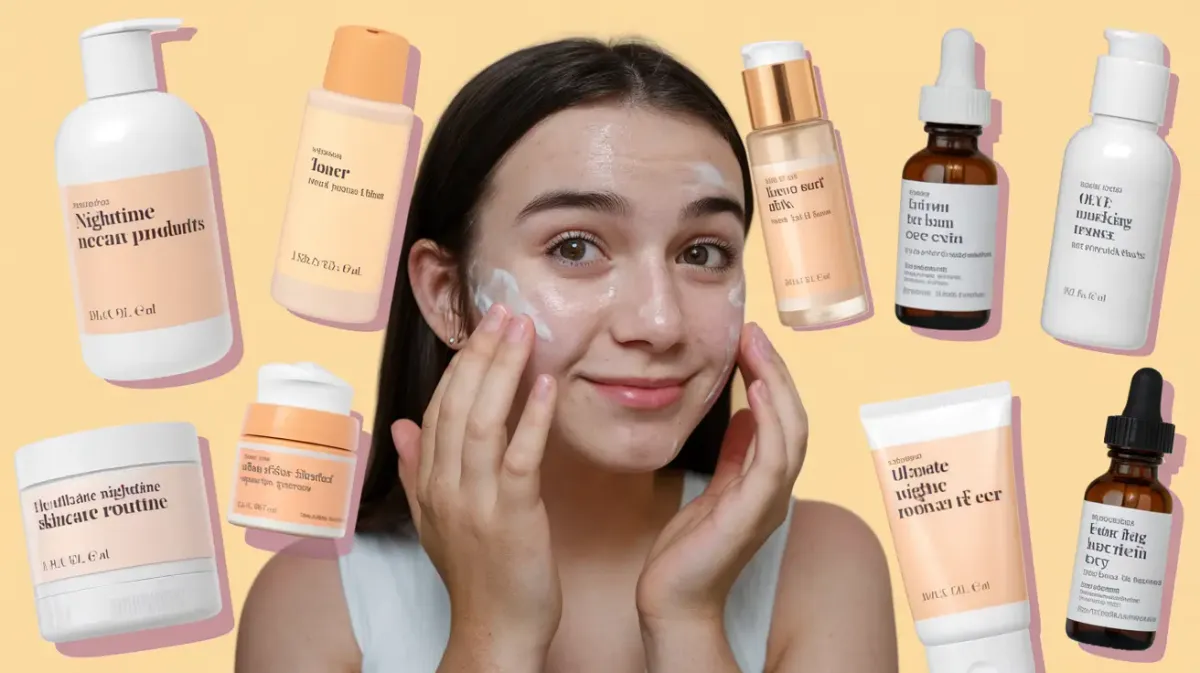
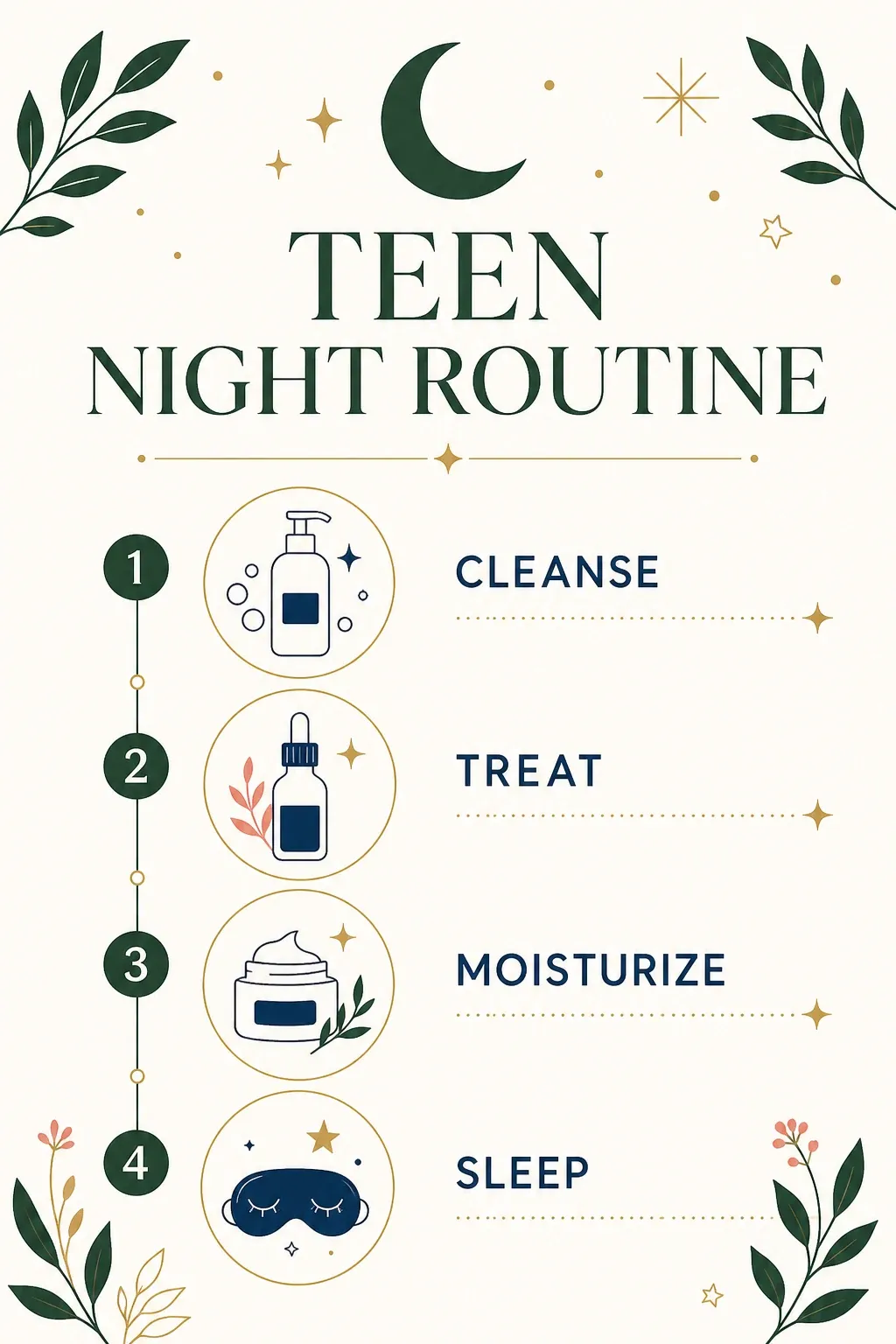
A useful nighttime skincare routine for teens has two required steps: cleanse and moisturize. Add one acne treatment between them only when the breakout type supports it, and avoid turning every night into an exfoliation night.
Quick Summary
- Remove sunscreen, makeup, sweat and surface oil gently.
- Use one targeted acne active, not a treatment stack.
- Moisturize every night, including oily-skin routines.
- Use a weekly schedule when daily actives cause confusion or irritation.
Ever wondered why some teens seem to have that effortless glow?
It’s not magic, it's often a consistent and effective nighttime skincare routine. As a teenager, your skin is going through a lot – hormonal changes, increased oil production, and maybe even a few pesky breakouts.
But don't worry, you're not alone! I've been there, battling teenage skin myself. The key is to understand what your skin needs and to develop a simple yet powerful routine that works for you.
Think of it like this, your skin is like a plant, and at night, it's time to water it and give it the nutrients it needs to grow and thrive. This guide will walk you through exactly how to do that, no complicated steps, just pure, simple, and effective skincare.
Key Takeaways: Nighttime Skincare Routine for Teens
- Double Cleansing is Crucial: Start with micellar water to remove makeup, followed by a gentle cleanser to remove impurities.
- Toning is Essential: Use a toner to balance your skin's pH and prepare it for other products.
- Treat Specific Concerns: Apply targeted treatments for acne, hyperpigmentation, or other issues.
- Retinoids for Cell Turnover: Introduce a low-strength retinoid to promote smoother skin.
- Moisturize to Hydrate: Use a suitable moisturizer to keep your skin hydrated overnight.
- Consistency is Key: Stick to your routine for the best results.
- Sunscreen is a Must: Always use sunscreen in the morning, especially when using acne treatments.
1. The Power of Double Cleansing in Your Nighttime Skincare Routine
Let's talk about the foundation of any good skincare routine: cleansing. But not just any cleansing, we're talking about double cleansing .
Think of it as a two-step process to ensure your skin is squeaky clean before you hit the pillow. The first step involves using a micellar water on a soft cotton round.
This is your makeup remover, your first line of defense against the day's grime. It gently lifts away makeup, sunscreen, and surface-level impurities.
Use one new step at a time, follow age-appropriate product directions and stop if burning, swelling or persistent rash develops. Personal anecdotes cannot predict a teen's result.
For teens with acne-prone skin, a cleanser with salicylic acid is a fantastic choice. It helps to unclog pores and fight those pesky breakouts. For those with sensitive skin, a gentle cleanser without harsh chemicals is the way to go.
For a product-aware routine that stays age-appropriate, use our complete teenage skincare guide to match cleanser, moisturizer, sunscreen and one optional acne step.
Remember, the goal is to clean your skin thoroughly without stripping it of its natural oils. It's a delicate balance, but with the right products, you can achieve it.
Choosing the right cleanser is the first step to clear skin.
- Micellar Water: Removes makeup and surface impurities.
- Foaming Cleanser: Cleanses deeper, removing dirt and oil.
- Salicylic Acid Cleansers: Ideal for acne-prone skin.
- Gentle Cleansers: Best for sensitive skin.
2. Toning and Exfoliation: Balancing Your Skin's pH
After cleansing, your skin is ready for the next step: toning. Now, toners have come a long way.
They're not just about removing the last traces of cleanser anymore. Modern toners are packed with active ingredients that can do wonders for your skin.
Think of them as a prep step, getting your skin ready to absorb all the goodness from your other skincare products.
A good toner helps to restore your skin's pH balance, which can be disrupted by cleansing. This is crucial for maintaining a healthy skin barrier. Many toners today contain ingredients like AHAs (alpha hydroxy acids), hyaluronic acid, and vitamins.
AHAs are great for exfoliation, helping to remove dead skin cells and reveal brighter skin underneath. Hyaluronic acid is a hydration powerhouse, attracting moisture to your skin.
And vitamins, well, they're just good for everything! For teens, a toner with a blend of these ingredients can be incredibly beneficial.
However, it's important to be mindful of your skin type. If you have sensitive skin, opt for a toner with gentle ingredients and avoid those with high concentrations of acids. Remember, skincare is not a one-size-fits-all approach; it's about finding what works best for your unique skin.
3. Treating Skin Concerns: Targeted Nighttime Solutions
Nighttime is prime time for treating specific skin concerns. This is when your skin is in repair mode, making it the perfect time to apply targeted treatments.
If you're dealing with acne, this is where products with salicylic acid or benzoyl peroxide come into play. These ingredients work to reduce inflammation, unclog pores, and kill acne-causing bacteria.
For hyperpigmentation, which can be caused by sun exposure or acne scars, serums containing brightening agents like arbutin, glycolic acid, azelaic acid, or lactic acid are your best friends. These ingredients help to fade dark spots and even out your skin tone.
Use one new step at a time, follow age-appropriate product directions and stop if burning, swelling or persistent rash develops. Personal anecdotes cannot predict a teen's result.
Explore your acne treatment options to find the best fit for your skin.
Remember, every skin is different, so what works for one person may not work for another. It's all about understanding your skin and finding the right products to address your specific concerns.
- Acne Treatments: Salicylic acid, benzoyl peroxide.
- Hyperpigmentation Treatments: Arbutin, glycolic acid, azelaic acid, lactic acid.
- Consistency: Regular use is key for seeing results.
4. The Role of Retinol in Your Nighttime Skincare Routine
Let's talk about the powerhouse ingredient: retinol. Retinoids, which are derivatives of vitamin A, are like the superheroes of skincare.
They work by promoting cell turnover, which means they help your skin shed old, dead cells and replace them with new, healthy ones. This process can lead to smoother, tighter skin with fewer fine lines and wrinkles.
Now, I know what you're thinking, "I'm a teen, why do I need to worry about wrinkles?" Well, the truth is, starting retinol early can be a great way to prevent future skin issues. It's also effective for treating acne and hyperpigmentation. However, retinol can be potent, so it's crucial to start with a low-strength product and gradually increase the strength as your skin becomes more tolerant.
Use one new step at a time, follow age-appropriate product directions and stop if burning, swelling or persistent rash develops. Personal anecdotes cannot predict a teen's result.
It's all about finding the right balance and listening to your skin. If you experience any irritation, reduce the frequency of use or switch to a lower strength.
Retinol is a long-term game, and the results are well worth the effort. It's one of those ingredients that I wish I had started using earlier in my life.
- Start Low: Begin with a low-strength retinoid.
- Gradual Increase: Increase strength as your skin tolerates it.
- Cell Turnover: Promotes healthy skin cell renewal.
- Acne and Hyperpigmentation: Effective for treating these conditions.
5. Moisturizing: The Key to Hydrated Skin
Moisturizing is an absolute must, no matter your skin type. Even if you have oily skin, you still need to moisturize.
The key is to choose the right moisturizer for your skin type. For oily or acne-prone skin, an oil-free moisturizer or oil control emulsion is ideal.
These provide hydration without adding extra oil to your skin. For dry skin, a thicker, richer moisturizer is recommended.
Skipping moisturizer can make acne treatments harder to tolerate. Choose a texture that leaves skin comfortable rather than greasy or tight.
Adding a hydrating serum before your moisturizer can further enhance moisture retention without adding any oil. This is especially helpful during the colder months when your skin tends to get drier.
The goal is to keep your skin hydrated and balanced throughout the night. Remember, hydrated skin is healthy skin, and healthy skin is happy skin.
Find the best moisturizer for your skin type.
6. Additional Tips for a Successful Nighttime Skincare Routine
Now that we've covered the main steps, let's talk about some additional tips that can make a big difference in your nighttime skincare routine.
First, always pat your face dry with a towel instead of rubbing. Rubbing can irritate your skin and cause redness. Think of it like drying a delicate flower; you want to be gentle.
Third, and this is super important, always use sunscreen in the morning. This is especially crucial if you're using acne treatments or retinoids, as these can make your skin more sensitive to the sun.
Broad-spectrum sunscreen belongs in the morning routine, especially when acne treatments increase sensitivity. Consistent daily use matters more than an anti-aging claim.
It's the best anti-aging product you can use, and it's never too early to start. These small changes can make a huge difference in the overall health and appearance of your skin.
Remember, consistency is key. Stick to your routine, and you'll start seeing results.
- Pat Dry: Avoid rubbing your face with a towel.
- Non-Comedogenic: Use products that won't clog pores.
- Sunscreen: Always use sunscreen in the morning.
7. The Importance of Consistency in Your Skincare Routine
Okay, let's talk about consistency. You can have the best skincare products in the world, but if you're not consistent with your routine, you won't see the results you're hoping for.
Think of it like going to the gym; you can't expect to see results after just one workout. It takes time and consistent effort.
The same goes for your skin. It's about building a habit and sticking to it, even when you're tired or busy.
I know it can be tempting to skip your routine when you're exhausted, but trust me, your skin will thank you for it. I've been there, too, wanting to just crash into bed after a long day.
A routine becomes easier to repeat when it is attached to an existing evening habit, such as brushing your teeth.
And the more you do it, the easier it becomes. It's like building a muscle; the more you use it, the stronger it gets.
So, commit to your routine, be patient, and you'll start seeing the positive changes in your skin. It's a journey, not a race, and the rewards are definitely worth it. Start your skincare journey slowly and build the habit.
- Build a Habit: Make your routine a part of your daily life.
- Be Patient: Results take time and consistent effort.
- Don't Skip: Even when you're tired, stick to your routine.
8. Addressing Common Teenage Skin Concerns
Teenage skin can be a rollercoaster ride. One day it's clear, the next day it's a breakout city.
It's all part of the hormonal changes that come with being a teenager. But don't worry, there are ways to manage these common skin concerns.
Acne is probably the most common issue, and it's often caused by increased oil production and clogged pores.
The key is to use gentle, non-comedogenic products and avoid picking at your skin. Picking can lead to scarring and make breakouts worse. Blackheads and whiteheads are also common, and they're essentially clogged pores.
Exfoliating regularly can help to remove dead skin cells and prevent these from forming. Another common issue is oily skin, which can make your face look shiny and greasy. Using an oil-free cleanser and moisturizer can help to control oil production.
Use one new step at a time, follow age-appropriate product directions and stop if burning, swelling or persistent rash develops. Personal anecdotes cannot predict a teen's result.
- Acne: Use gentle, non-comedogenic products.
- Blackheads/Whiteheads: Exfoliate regularly.
- Oily Skin: Use oil-free products.
- Avoid Picking: Picking can lead to scarring and make breakouts worse.
9. The Impact of Diet and Lifestyle on Your Skin
Your skin is a reflection of what's going on inside your body. So, it's not just about what you put on your skin, but also what you put in your body.
A balanced diet rich in fruits, vegetables, and whole grains can do wonders for your skin. Processed foods, sugary drinks, and unhealthy fats can contribute to inflammation and breakouts.
Use one new step at a time, follow age-appropriate product directions and stop if burning, swelling or persistent rash develops. Personal anecdotes cannot predict a teen's result.
Stress can also have a negative impact on your skin, so finding ways to manage stress is essential. This could be through exercise, meditation, or spending time doing things you enjoy.
It's all about taking a holistic approach to skincare, considering not just the products you use, but also your overall lifestyle. Remember, healthy skin starts from within.
Learn how diet affects your skin .
- Balanced Diet: Eat plenty of fruits, vegetables, and whole grains.
- Hydration: Drink plenty of water.
- Sleep: Get enough sleep for skin repair.
- Stress Management: Find healthy ways to manage stress.
10. Practical Guidance and Safety Limits
Teen skin changes over time, so judge a routine by a consistent trend rather than comparisons with another person's skin.
Trend-driven routines often add too many variables. Improvement is easier to judge when the routine is simplified and changed one product at a time.
It's also important to be gentle with your skin. Avoid harsh products and over-exfoliating, as this can damage your skin barrier.
A short routine is easier to tolerate and evaluate. Add a product only when it has one clear job.
Don't feel pressured to use a million different products; focus on the basics and find what works for you. And most importantly, be kind to yourself.
Your skin is just one part of who you are, and it doesn't define your worth. Embrace your unique beauty, and remember that everyone has their own skin journey.
"The most beautiful makeup of a woman is passion.
But cosmetics are easier to buy." - Yves Saint Laurent. This is a quote that always reminds me that true beauty comes from within, but a little skincare can definitely help boost your confidence. Skincare tips for teenage girls can help you navigate these challenges.
- Be Patient: Results take time.
- Listen to Your Skin: Find products that work for you.
- Be Gentle: Avoid harsh products and over-exfoliating.
- Be Kind to Yourself: Your skin doesn't define your worth.
Conclusion
Developing a solid nighttime skincare routine for teens doesn't have to be complicated. It's about understanding your skin's needs, choosing the right products, and being consistent with your routine.
Remember, it's a journey, and there will be ups and downs. But with patience and persistence, you'll achieve healthy, glowing skin.
Don't be afraid to experiment and find what works best for you. And most importantly, be kind to yourself.
Your skin is just one part of who you are, and it doesn't define your worth. Embrace your unique beauty, and remember that everyone has their own skin journey.
The key is to be consistent, patient, and kind to your skin. With the right routine and a little self-love, you'll be well on your way to achieving the radiant skin you deserve. So, go ahead, start your journey to healthier skin tonight!
Further Resources
How we research and correct content: Editorial Policy.
Build the Night Around Tolerance
Cleansing should leave skin ready for moisturizer, not squeaky or tight. If one cleanse does not remove heavy makeup or water-resistant sunscreen, use a separate removal step followed by a gentle cleanser.
Acne treatment belongs on dry skin unless the label says otherwise. Moisturizer can follow, and sensitive beginners can ask a professional whether buffering is appropriate.
- No acne: cleanse and moisturize.
- Clogged pores: add one pore-active on selected nights.
- Inflamed acne: match one treatment to the pattern.
- Stinging or peeling: use recovery nights and reassess.
Compare the Options Before Changing the Routine
Use this table to match the intervention to the visible pattern and to identify the limit that should stop unnecessary escalation.
| Skin pattern or option | Best next step | Important limit |
|---|---|---|
| Basic night | Cleanser, moisturizer | Daily |
| Makeup or resistant SPF | Removal step, cleanser, moisturizer | As needed |
| Acne-treatment night | Cleanser, one active, moisturizer | Start a few nights weekly |
| Recovery night | Gentle cleanse, moisturizer only | Whenever tolerance drops |
Adjust the Plan to Real Teen Life
School mornings reward a short routine that works even when time is limited. Keep the required products visible and in order, and move optional steps out of the way until the base routine is automatic.
Sports, helmets and heavy sweating change the exposure, not the biology of the skin. Rinse or cleanse gently after activity, clean reusable contact surfaces, and avoid compensating with rough cloths or extra exfoliation.
Cold weather, indoor heating and air conditioning can lower tolerance even when the underlying concern has not changed. Reduce active frequency when tightness appears instead of assuming the treatment has stopped working.
Makeup and shaving should be treated as separate routine variables. Remove makeup completely without repeated rubbing, and review shaving technique before applying stronger acne products to irritated follicles.
Budget also affects treatment quality because an unaffordable routine will not be repeated. Prioritize cleanser, moisturizer, sunscreen and one evidence-based treatment before spending on masks, mists or overlapping serums.
Travel and weekends should not require a second routine. Use the same essentials in smaller containers and keep the treatment schedule unchanged unless the environment affects tolerance.
Stress about appearance can also drive picking and constant mirror checking. Use neutral weekly photos, reduce magnifying-mirror time and involve a trusted adult or professional when skin concerns affect school, sleep or confidence.
Finally, build a stop rule before starting. Persistent burning, swelling, rash, painful cracking or a rapid increase in deep lesions is a reason to pause the newest product and seek qualified advice when appropriate. Clear rules protect both skin and consistency.
How to Test the Routine Without Losing the Signal
Keep cleanser, moisturizer and sunscreen stable while testing one treatment variable. When several products change together, a breakout, sting or improvement cannot be assigned confidently.
Use the same amount and schedule unless the label or a qualified professional says otherwise. More product or more frequent application can increase irritation without shortening the biological treatment timeline.
Set the Baseline
Record the main concern, current products and two photos in consistent light.
Protect Tolerance
Track tightness, burning, peeling and whether the routine is easy enough to repeat.
Judge the Trend
Compare new lesions and comfort over weeks, not the appearance of one day.
| Check point | What to assess | Decision |
|---|---|---|
| First 48 hours | Burning, swelling, rash or painful cracking | Stop the newest product and get advice when symptoms are significant |
| Weeks 1-2 | Comfort, dryness and whether the schedule is realistic | Reduce frequency before adding another active |
| Weeks 6-8 | Fewer new lesions, calmer texture or a clearer pattern | Continue, adjust one variable or seek professional help |
| Any time | Deep pain, scars, rapid worsening or major distress | Escalate care rather than waiting for a retail product to solve it |
A routine is not successful merely because it feels active. The useful outcome is a gradual improvement that the skin can tolerate and the teenager can sustain.
Do not measure success by tingling, dryness or how many steps were completed. Those sensations can reflect irritation, while the meaningful measures are fewer new lesions, better comfort, less picking and a routine that remains consistent.
Use weekly rather than daily comparisons because acne and oil fluctuate. A single stressful day, sports session or menstrual-cycle shift should not trigger a complete product change.
Write the planned review date on a calendar before starting. That simple boundary reduces impulsive switching and makes the final decision more evidence-based.
Do not wait through deep pain, scarring, rapid worsening or significant emotional distress. Those are reasons to seek professional care even when the planned test period is not complete.
Frequently Asked Questions About Nighttime Skincare Routine for Teens
What is a good night routine for a teenager?
Cleanse gently, use one needed treatment, and moisturize. The treatment step is optional when there is no acne or other defined concern.
Should teens double cleanse every night?
Only when a separate removal step is needed for makeup or resistant sunscreen. Repeated cleansing should not leave tightness or burning.
Can a teen exfoliate every night?
Daily exfoliation is often unnecessary and can irritate the barrier. Start less often and avoid overlapping acids and retinoids.
Should moisturizer go before or after acne treatment?
Many treatments are applied before moisturizer, but labels differ. Sensitive users should follow product directions or clinician guidance.
What if the night routine suddenly stings?
Pause the newest active, use a gentle cleanser and bland moisturizer, and seek advice for swelling, rash, pain or persistent burning.