How to Treat Teenage Breakouts: A Calm 8-Week Reset
An eight-week breakout reset that matches one active to the acne type, protects the barrier and sets clear escalation points.
In this guide
Quick Answer
Treat teenage breakouts with a stable cleanser-moisturizer-SPF base and one acne active matched to the dominant lesion. Judge the trend over six to eight weeks, but seek professional care sooner for deep pain, scarring, rapid worsening or major distress.
Quick Summary
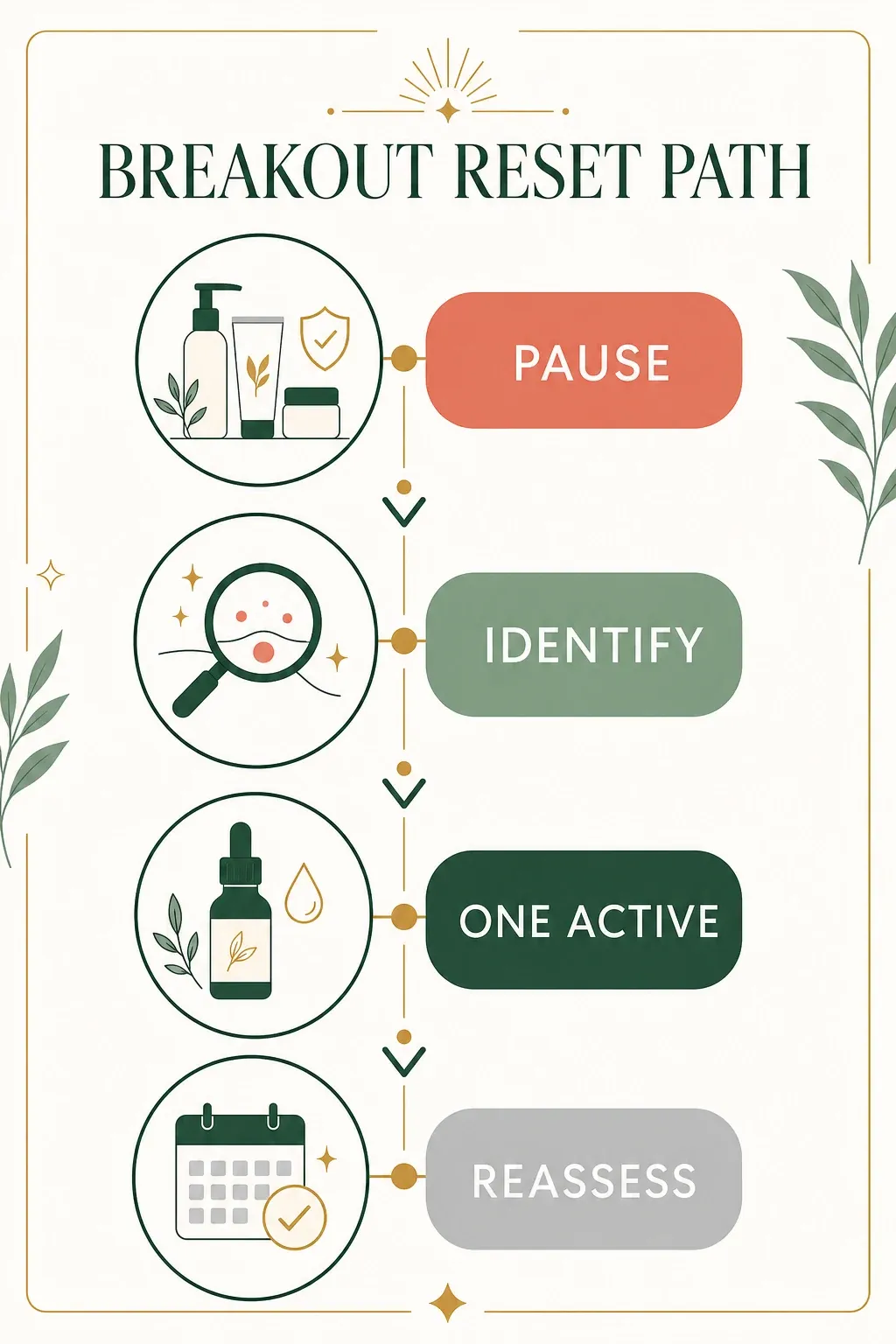
- Week 0: simplify and identify the dominant breakout type.
- Weeks 1-2: introduce one active at a tolerable frequency.
- Weeks 3-6: improve consistency before adding strength.
- Weeks 6-8: compare photos and decide whether to continue or escalate.
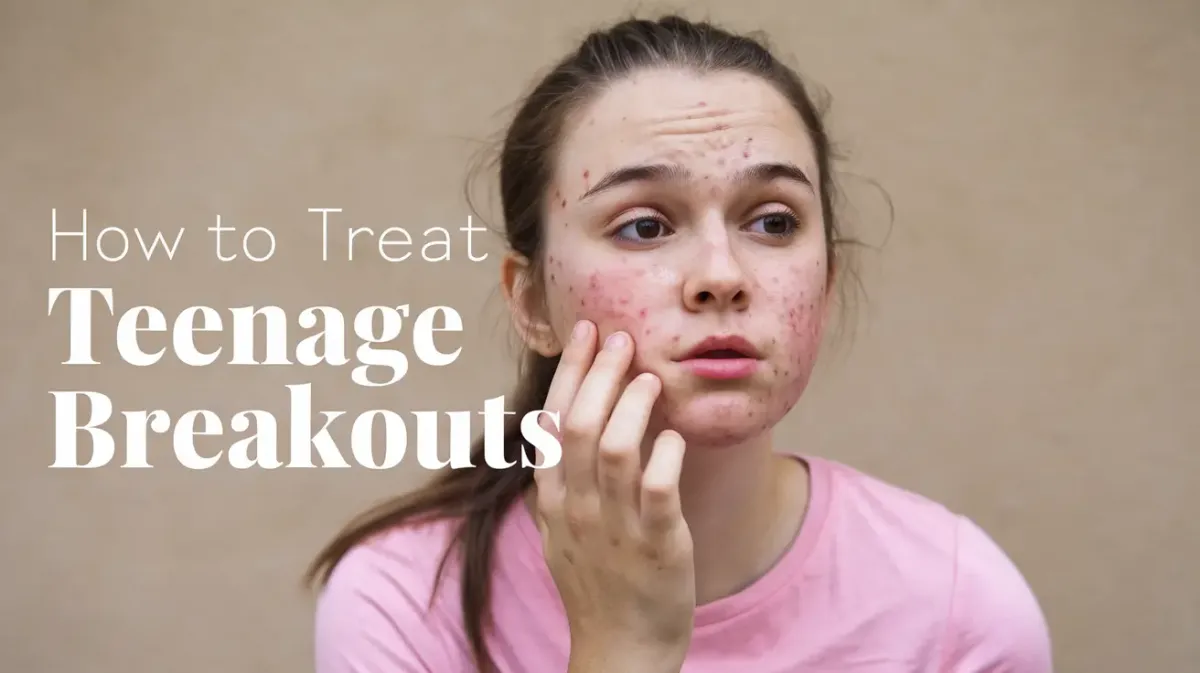
Ever felt like your face is a battleground, with new invaders popping up just when you thought you had it under control?
If you're a teenager, you're not alone. Those pesky pimples, blackheads, and whiteheads – collectively known as acne – are a rite of passage for many. But just because it's common doesn't mean you have to suffer through it.
Understanding how to treat teenage breakouts effectively can make a huge difference in your confidence and overall well-being. Let's dive into the world of teenage acne and learn how to conquer it.
Key Takeaways: How to Treat Teenage Breakouts
- Consistent Skincare is Key: A daily routine with gentle cleansers, targeted treatments, and lightweight moisturizers is the foundation for clear skin.
- Over-the-Counter (OTC) Options Work: Products containing benzoyl peroxide and salicylic acid can be effective for mild to moderate acne.
- Prescription Treatments Are Available: For more severe cases, topical and oral medications prescribed by a doctor may be necessary.
- Hormones Play a Role: Hormonal treatments like birth control pills or spironolactone can help manage acne in females.
- Lifestyle Matters: Diet, hydration, and stress management can impact acne, alongside professional support.
Understanding the Basics of Teenage Acne
Teenage acne isn't just about having a few pimples; it's a complex issue influenced by various factors.
The main culprit is hormonal changes during puberty, which cause an increase in sebum (oil) production. This excess oil can clog pores, leading to the formation of comedones (blackheads and whiteheads).
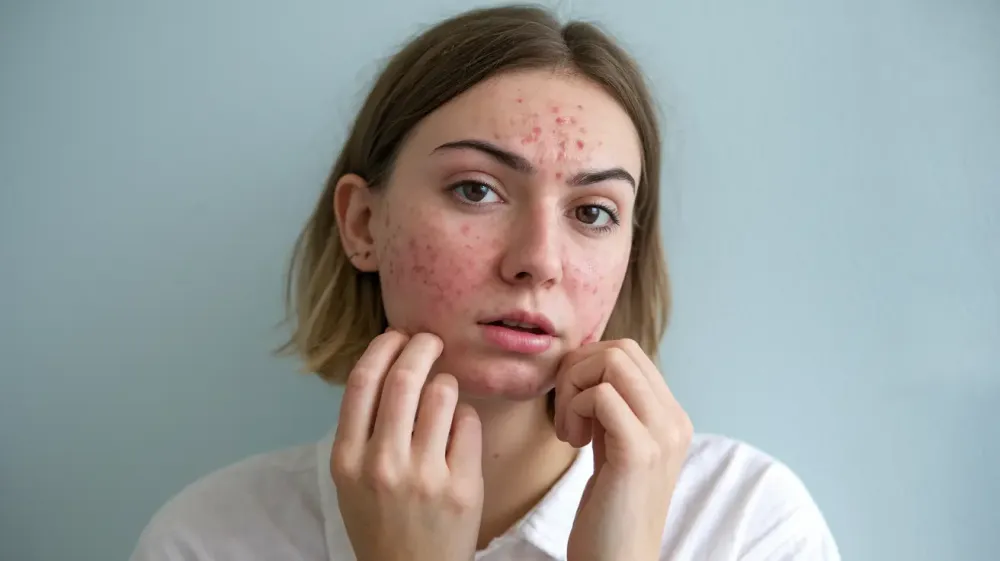
When bacteria, specifically Propionibacterium acnes (P. acnes), get involved, inflammation occurs, resulting in those red, painful pimples we all dread.
It's like a perfect storm of oil, dead skin cells, and bacteria. Understanding this process is the first step in effectively treating and preventing breakouts.
It's not just about washing your face more; it's about using the right products and techniques to address the root causes of acne. Think of your skin as a garden – you need to tend to it carefully to keep it healthy and blooming.
- Hormonal Fluctuations: Puberty triggers increased sebum production.
- Clogged Pores: Excess oil and dead skin cells block follicles.
- Bacterial Growth: P. acnes bacteria contribute to inflammation.
- Inflammation: Leads to red, painful pimples.
Individual acne outcomes cannot be predicted from an anecdote. Use consistent, evidence-based treatment and seek qualified care for painful, scarring, persistent or sudden acne.
For age-appropriate product options, our teenage acne treatment guide compares benzoyl peroxide, salicylic acid, adapalene and hydrocolloid patches by breakout type.
Understanding the science behind acne is crucial in finding the right treatment. It's not just about surface-level solutions; it's about addressing the underlying causes. This knowledge empowers you to make informed decisions about your skincare routine and seek the right help when needed.
If you are struggling with acne, it's always a good idea to consult a dermatologist who can provide you with a personalized treatment plan.
The Foundation: A Consistent Skincare Routine
A solid skincare routine is the bedrock of any effective acne treatment plan. It's not about using a million products; it's about consistency and using the right ones for your skin type.
Think of it like brushing your teeth – you do it every day, and it's essential for your health. The same goes for your skin.
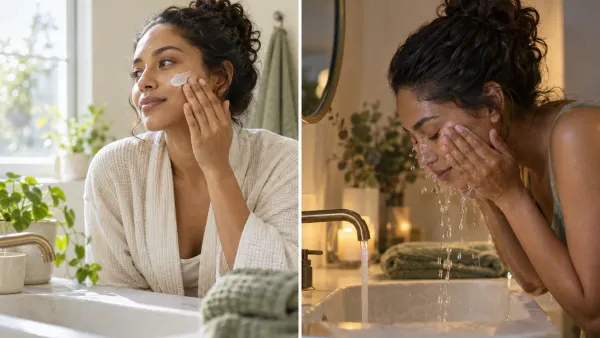
Start with a gentle, non-comedogenic cleanser to remove dirt, oil, and makeup without stripping your skin. Look for cleansers containing ingredients like salicylic acid or benzoyl peroxide, which can help unclog pores and reduce bacteria.
Next, apply a treatment product, such as a serum or spot treatment, to target specific skin concerns. Topical retinoids are excellent for unplugging pores and promoting cell turnover.
Finally, always moisturize with a lightweight, non-comedogenic moisturizer to keep your skin hydrated and balanced. This routine should be done twice a day, morning and night. Remember, consistency is key – skipping steps or using harsh products can actually worsen acne.
- Gentle Cleansing: Use a non-comedogenic cleanser twice daily.
- Targeted Treatments: Apply serums or spot treatments with retinoids.
- Lightweight Moisturizing: Hydrate skin without clogging pores.
Harsh soap and scrubbing can worsen irritation. Use a gentle cleanser, moisturizer and evidence-based acne treatment rather than treating tightness as proof of cleanliness.
Skipping moisturizer because skin is oily can make acne treatment harder to tolerate. A suitable light moisturizer supports comfort without switching off oil glands.
Also, don't forget to consider your skin type when choosing products. If you have oily skin, look for gel-based or lightweight moisturizers. If you have dry skin, you might need a richer cream.
The key is to listen to your skin and adjust your routine as needed. And remember, patience is crucial. It takes time to see results, so don't get discouraged if you don't see changes overnight.
You can also explore our article on beginners skincare routine for teens for more information on how to start a routine.
Over-the-Counter (OTC) Treatments: Your First Line of Defense
Before jumping into prescription medications, many teenagers find relief with over-the-counter (OTC) treatments. These products are readily available at drugstores and can be quite effective for mild to moderate acne. Two of the most common and effective ingredients to look for are benzoyl peroxide and salicylic acid.
Benzoyl peroxide works by killing acne-causing bacteria and helping to unclog pores. It's available in various forms, such as cleansers, creams, and gels.
Salicylic acid, on the other hand, helps to exfoliate the skin, unclog pores, and reduce inflammation. It's often found in cleansers and treatment gels.
When using these products, it's important to start slowly and gradually increase usage to avoid irritation.
For example, start with a low concentration and apply it only once a day, then gradually increase to twice a day as your skin tolerates it. It's also crucial to use these products consistently for the best results.
- Benzoyl Peroxide: Helps reduce acne-associated bacteria and inflammation.
- Salicylic Acid: Exfoliates, unclogs pores, and reduces inflammation.
- Start Slowly: Gradually increase usage to avoid irritation.
- Consistency is Key: Use products regularly for best results.
Starting benzoyl peroxide too frequently can cause dryness and irritation. Begin conservatively, follow the label and ask a clinician about persistent, painful or scarring acne.
Begin conservatively and follow the product label. Apply the treatment as directed, moisturize, and ask a clinician about persistent, painful or scarring acne.
OTC treatments are a great starting point for managing teenage breakouts. They are accessible, affordable, and can be very effective when used correctly. However, if your acne doesn't improve with OTC treatments, it might be time to consult a dermatologist for prescription options.
You can also check out our article on benzoyl peroxide for acne treatment for more information.
Prescription Treatments: When OTC Isn't Enough
When over-the-counter treatments aren't cutting it, prescription options can be a game-changer. These treatments are typically stronger and require a doctor's prescription.
They include topical treatments like topical antibiotics, topical retinoids, and topical anti-androgens, as well as oral medications like oral antibiotics and isotretinoin. Topical antibiotics can reduce acne-associated bacteria and inflammation, but they require clinician guidance and an antibiotic-resistance strategy.
Topical retinoids, like adapalene, tretinoin, and tazarotene, are derived from vitamin A and help to unplug follicles, allowing other medicines to work better. Topical anti-androgens, like clascoterone, target the hormones that trigger acne outbreaks. Oral antibiotics, such as doxycycline or minocycline, are used for moderate to severe acne and are typically prescribed for a limited period.
Isotretinoin, often known by the brand name Accutane, is a powerful retinoid used for severe acne that doesn't respond to other treatments. It reduces oil production, reduces sebaceous gland activity, helps prevent follicular plugging, and suppresses inflammation. However, it requires close monitoring due to potential side effects, especially during pregnancy.
- Topical Antibiotics: Reduce acne-associated bacteria and inflammation under clinician guidance.
- Topical Retinoids: Unplug follicles and promote cell turnover.
- Topical Anti-androgens: Target hormones that trigger acne.
- Oral Antibiotics: Used for moderate to severe acne.
- Isotretinoin: Powerful retinoid for severe acne, requires close monitoring.
Individual acne outcomes cannot be predicted from an anecdote. Use consistent, evidence-based treatment and seek qualified care for painful, scarring, persistent or sudden acne.
After consulting with a dermatologist and starting a course of isotretinoin, her skin cleared up dramatically. It was a long and challenging process, but the results were life-changing.
It's important to remember that prescription treatments are not a one-size-fits-all solution. A dermatologist will assess your specific situation and recommend the best course of action for you.
Prescription treatments are a powerful tool in the fight against acne, but they should be used under the guidance of a healthcare professional. Don't be afraid to seek help if your acne is not improving with OTC options. Early intervention can prevent scarring and improve your overall skin health.
You can also explore our article on retinoids for acne treatment for more information.
Hormonal Treatments: A Special Consideration for Females
Hormones play a significant role in acne, especially for females. Fluctuations in hormones during the menstrual cycle can trigger breakouts, and hormonal imbalances can exacerbate acne.
For female patients, hormonal treatments can be an effective way to manage acne. Certain contraceptive pills can help block the effect of hormones in the skin, reducing oil production and acne. These pills contain estrogen and progestin, which work together to regulate hormone levels.
Spironolactone is another medication that can be prescribed to block the effect of hormones in the skin. It's particularly useful for females with hormonal acne, often characterized by breakouts around the chin and jawline. These treatments are not typically used as a first-line approach but can be very effective when other treatments have failed.
It's important to discuss these options with a doctor, as they can have side effects and may not be suitable for everyone.
- Contraceptive Pills: Regulate hormones and reduce oil production.
- Spironolactone: Blocks the effect of hormones in the skin.
- Effective for Hormonal Acne: Especially useful for breakouts around the chin and jawline.
- Discuss with a Doctor: Consider side effects and suitability.
Individual acne outcomes cannot be predicted from an anecdote. Use consistent, evidence-based treatment and seek qualified care for painful, scarring, persistent or sudden acne.
After consulting with her doctor, she started taking a low-dose birth control pill, and her skin cleared up significantly. It was a game-changer for her, not just for her skin but also for her self-esteem. It's important to remember that hormonal acne is a real issue, and there are effective treatments available.
Hormonal treatments are a valuable option for females struggling with acne, but it's essential to have a thorough discussion with a healthcare provider to determine the best course of action. These treatments can be very effective when used appropriately and can make a significant difference in managing hormonal acne.
You can also explore our article on effective hormonal acne solutions for more information.
Lifestyle and Support: The Holistic Approach
Treating acne isn't just about what you put on your skin; it's also about how you live your life. Lifestyle factors like diet, hydration, and stress can all impact your skin.
While there's no magic food that will cure acne, maintaining a healthy diet rich in fruits, vegetables, and whole grains can support overall skin health. Staying hydrated is also crucial for keeping your skin plump and healthy. Stress can trigger acne breakouts, so finding healthy ways to manage stress, such as exercise, meditation, or spending time in nature, can be beneficial.
In addition to these lifestyle changes, professional support is essential. Consulting a doctor or dermatologist is crucial for developing a personalized treatment plan, especially for severe or persistent acne.
Support from friends, family, and healthcare providers is also important for teens' self-esteem and confidence. It's not just about treating the acne; it's about supporting the whole person.
- Healthy Diet: Fruits, vegetables, and whole grains support skin health.
- Hydration: Drink plenty of water to keep skin plump.
- Stress Management: Exercise, meditation, and nature can help.
- Professional Support: Consult a doctor or dermatologist for personalized treatment.
- Emotional Support: Friends, family, and healthcare providers are crucial for self-esteem.
Individual acne outcomes cannot be predicted from an anecdote. Use consistent, evidence-based treatment and seek qualified care for painful, scarring, persistent or sudden acne.
It's not always easy to manage stress, but finding healthy coping mechanisms is essential for overall well-being, including skin health. Also, remember that you are not alone in this journey.
Many teenagers struggle with acne, and there is support available. Don't hesitate to reach out to friends, family, or a healthcare professional for help.
Taking a holistic approach to acne treatment involves addressing not just the physical symptoms but also the emotional and lifestyle factors that can contribute to breakouts. This approach can lead to more sustainable results and improved overall well-being.
You can also explore our article on how diet and acne are interconnected for more information.
The Role of Specific Ingredients: A Deeper Dive
Let's take a closer look at some of the key ingredients that are frequently used in acne treatments. Benzoyl peroxide, as we've discussed, is a powerful antibacterial agent that helps to kill acne-causing bacteria. It's available in various concentrations, so it's important to start with a lower concentration and gradually increase as your skin tolerates it.
Salicylic acid is a beta-hydroxy acid (BHA) that helps to exfoliate the skin and unclog pores. It's particularly effective for treating blackheads and whiteheads.
Topical retinoids, such as adapalene, tretinoin, and tazarotene, are derived from vitamin A and work by increasing cell turnover and unplugging follicles. They are effective for treating all types of acne, including comedonal and inflammatory acne.
Azelaic acid is another ingredient that can help to reduce inflammation and block the growth of bacteria. It's often used as an alternative to benzoyl peroxide or salicylic acid for those with sensitive skin.
Sulfur-based treatments can also be effective for reducing swelling and blocking the growth of bacteria. Understanding how these ingredients work can help you make informed decisions about your skincare routine.
Ingredient names can be confusing. Salicylic acid, benzoyl peroxide, azelaic acid and retinoids have different roles and risks, so introduce one treatment at a time and follow the label or prescriber's directions.
Acids are not interchangeable. Salicylic acid fits clogged pores and azelaic acid can support acne and post-inflammatory discoloration, but each should have a clear role.
Understanding the specific ingredients in your skincare products is crucial for effective acne management. By knowing how each ingredient works, you can tailor your routine to address your specific needs and achieve the best results.
You can also explore our article on salicylic acid for acne for more information.
The Importance of Non-Comedogenic Products
When dealing with acne, it's crucial to use products that are labeled as non-comedogenic. This means that the products are formulated to not clog pores, which is a major contributing factor to acne breakouts.
Many skincare and makeup products contain ingredients that can clog pores, leading to the formation of blackheads, whiteheads, and pimples. Non-comedogenic products are specifically designed to avoid this issue. When choosing cleansers, moisturizers, sunscreens, and makeup, always look for the non-comedogenic label.
This is especially important for those with oily or acne-prone skin. Using non-comedogenic products can make a significant difference in preventing breakouts and keeping your skin clear.
- Non-Clogging Formula: Prevents pores from getting blocked.
- Essential for Acne-Prone Skin: Reduces the risk of breakouts.
- Look for the Label: Choose products specifically labeled as non-comedogenic.
- Apply to All Products: Cleansers, moisturizers, sunscreens, and makeup.
Individual acne outcomes cannot be predicted from an anecdote. Use consistent, evidence-based treatment and seek qualified care for painful, scarring, persistent or sudden acne.
Once she switched to a lightweight, non-comedogenic moisturizer, her skin started to clear up. It's a simple change, but it can make a huge difference.
It's also important to remember that just because a product is labeled as "natural" or "organic" doesn't mean it's non-comedogenic. Always check the label carefully and do your research.
Using non-comedogenic products is a simple yet effective way to prevent acne breakouts. It's a fundamental step in any acne treatment plan and can significantly improve the overall health and appearance of your skin.
You can also explore our article on non-comedogenic products for acne prone skin for more information.
Myths and Misconceptions About Teenage Acne
There are many myths and misconceptions surrounding teenage acne, and it's important to separate fact from fiction.
One common myth is that acne is caused by poor hygiene. While it's important to keep your skin clean, over-washing or scrubbing too hard can actually irritate your skin and make acne worse. Another myth is that popping pimples will make them go away faster.
In reality, popping pimples can lead to scarring and infection. It's also a myth that only teenagers get acne.
While it's more common during adolescence, adults can also experience acne. Additionally, some people believe that certain foods, like chocolate or greasy foods, cause acne.
While diet can play a role, it's not the sole cause of acne.
Finally, some people think that tanning will clear up acne. While the sun can temporarily dry out pimples, it can also cause long-term skin damage and increase the risk of skin cancer. It's important to be aware of these myths and to rely on accurate information from trusted sources.
- Myth: Acne is caused by poor hygiene.
- Fact: Over-washing can irritate skin.
- Myth: Popping pimples makes them go away faster.
- Fact: Popping can cause scarring and infection.
- Myth: Only teenagers get acne.
- Fact: Adults can also experience acne.
- Myth: Certain foods cause acne.
- Fact: Diet can play a role, but it's not the sole cause.
- Myth: Tanning clears up acne.
- Fact: Sun can cause long-term skin damage.
I've heard so many myths about acne over the years, and it's frustrating to see people following advice that can actually harm their skin.
Individual acne outcomes cannot be predicted from an anecdote. Use consistent, evidence-based treatment and seek qualified care for painful, scarring, persistent or sudden acne.
It's important to be critical of the information you find online and to consult with a healthcare professional for accurate advice.
Understanding the truth about acne myths and misconceptions is crucial for making informed decisions about your skincare routine. By debunking these myths, you can avoid harmful practices and focus on effective strategies for managing acne.
You can also explore our article on teenage skincare mistakes to avoid for more information.
Conclusion: Taking Control of Your Skin
Dealing with teenage breakouts can be challenging, but it's not something you have to endure without hope. By understanding the causes of acne and implementing a consistent, well-informed skincare routine, you can take control of your skin.
Remember, it's not just about using the right products; it's also about adopting a healthy lifestyle and seeking professional support when needed. Whether you're starting with a simple routine or exploring prescription treatments, the key is to be patient and persistent. Don't get discouraged by setbacks; instead, learn from them and adjust your approach as needed.
Your skin is unique, and finding the right combination of treatments may take time. But with the right knowledge and support, you can achieve clear, healthy skin and feel more confident in your own skin.
Remember, you are not alone in this journey, and there is help available. Don't hesitate to reach out to a healthcare professional or a trusted friend or family member for support. You've got this!
Further Resources
- WebMD: Teen Acne Prescription Treatments
- CeraVe: Teenage Acne Skincare Routine
- HealthyChildren.org: What Causes Acne?
How we research and correct content: Editorial Policy.
Run an Eight-Week Treatment Experiment
The experiment changes one treatment variable while keeping cleanser, moisturizer and sunscreen stable. That structure makes irritation, adherence and improvement easier to interpret.
Eight weeks is not a requirement to tolerate worsening deep acne. Pain, scars and emotional distress justify earlier medical assessment.
- Blackheads and whiteheads: consider salicylic acid or adapalene.
- Red inflamed pimples: consider benzoyl peroxide.
- Mixed mild acne: start one pathway, then reassess.
- Deep painful or scarring acne: seek professional care.
Compare the Options Before Changing the Routine
Use this table to match the intervention to the visible pattern and to identify the limit that should stop unnecessary escalation.
| Skin pattern or option | Best next step | Important limit |
|---|---|---|
| Week 0 | Simplify and photograph baseline | Stop stacking new products |
| Weeks 1-2 | Introduce one active | Track dryness and adherence |
| Weeks 3-6 | Maintain a tolerable schedule | Do not chase daily fluctuation |
| Weeks 6-8 | Compare trend and decide | Escalate if not improving |
Adjust the Plan to Real Teen Life
School mornings reward a short routine that works even when time is limited. Keep the required products visible and in order, and move optional steps out of the way until the base routine is automatic.
Sports, helmets and heavy sweating change the exposure, not the biology of the skin. Rinse or cleanse gently after activity, clean reusable contact surfaces, and avoid compensating with rough cloths or extra exfoliation.
Cold weather, indoor heating and air conditioning can lower tolerance even when the underlying concern has not changed. Reduce active frequency when tightness appears instead of assuming the treatment has stopped working.
Makeup and shaving should be treated as separate routine variables. Remove makeup completely without repeated rubbing, and review shaving technique before applying stronger acne products to irritated follicles.
Budget also affects treatment quality because an unaffordable routine will not be repeated. Prioritize cleanser, moisturizer, sunscreen and one evidence-based treatment before spending on masks, mists or overlapping serums.
Travel and weekends should not require a second routine. Use the same essentials in smaller containers and keep the treatment schedule unchanged unless the environment affects tolerance.
Stress about appearance can also drive picking and constant mirror checking. Use neutral weekly photos, reduce magnifying-mirror time and involve a trusted adult or professional when skin concerns affect school, sleep or confidence.
Finally, build a stop rule before starting. Persistent burning, swelling, rash, painful cracking or a rapid increase in deep lesions is a reason to pause the newest product and seek qualified advice when appropriate. Clear rules protect both skin and consistency.
How to Test the Routine Without Losing the Signal
Keep cleanser, moisturizer and sunscreen stable while testing one treatment variable. When several products change together, a breakout, sting or improvement cannot be assigned confidently.
Use the same amount and schedule unless the label or a qualified professional says otherwise. More product or more frequent application can increase irritation without shortening the biological treatment timeline.
Set the Baseline
Record the main concern, current products and two photos in consistent light.
Protect Tolerance
Track tightness, burning, peeling and whether the routine is easy enough to repeat.
Judge the Trend
Compare new lesions and comfort over weeks, not the appearance of one day.
| Check point | What to assess | Decision |
|---|---|---|
| First 48 hours | Burning, swelling, rash or painful cracking | Stop the newest product and get advice when symptoms are significant |
| Weeks 1-2 | Comfort, dryness and whether the schedule is realistic | Reduce frequency before adding another active |
| Weeks 6-8 | Fewer new lesions, calmer texture or a clearer pattern | Continue, adjust one variable or seek professional help |
| Any time | Deep pain, scars, rapid worsening or major distress | Escalate care rather than waiting for a retail product to solve it |
A routine is not successful merely because it feels active. The useful outcome is a gradual improvement that the skin can tolerate and the teenager can sustain.
Do not measure success by tingling, dryness or how many steps were completed. Those sensations can reflect irritation, while the meaningful measures are fewer new lesions, better comfort, less picking and a routine that remains consistent.
Use weekly rather than daily comparisons because acne and oil fluctuate. A single stressful day, sports session or menstrual-cycle shift should not trigger a complete product change.
Write the planned review date on a calendar before starting. That simple boundary reduces impulsive switching and makes the final decision more evidence-based.
Do not wait through deep pain, scarring, rapid worsening or significant emotional distress. Those are reasons to seek professional care even when the planned test period is not complete.
Frequently Asked Questions About How to Treat Teenage Breakouts
How long do teenage breakouts take to improve?
Many over-the-counter plans need six to eight weeks before a trend is visible, and fuller improvement can take longer.
What is the best first ingredient for teen breakouts?
It depends on the lesion: salicylic acid or adapalene fits clogged pores, while benzoyl peroxide fits inflamed pimples.
Should a teen pop pimples?
No. Picking increases inflammation, skin injury and the risk of marks or scars.
Can diet cause every teenage breakout?
No single food explains all acne. Patterns vary, and treatment should not depend on restrictive dieting without qualified advice.
When should teenage breakouts be seen by a dermatologist?
Seek help for deep painful acne, scarring, rapid worsening, significant distress or lack of improvement after a consistent appropriate plan.