How to Protect Your Skin From UV Rays: A Practical 2026 Plan
Build a practical UV protection plan with the UV Index, shade, clothing, SPF 30+ and reapplication steps for everyday life and outdoor activity.
In this guide
How do you protect your skin from UV rays?
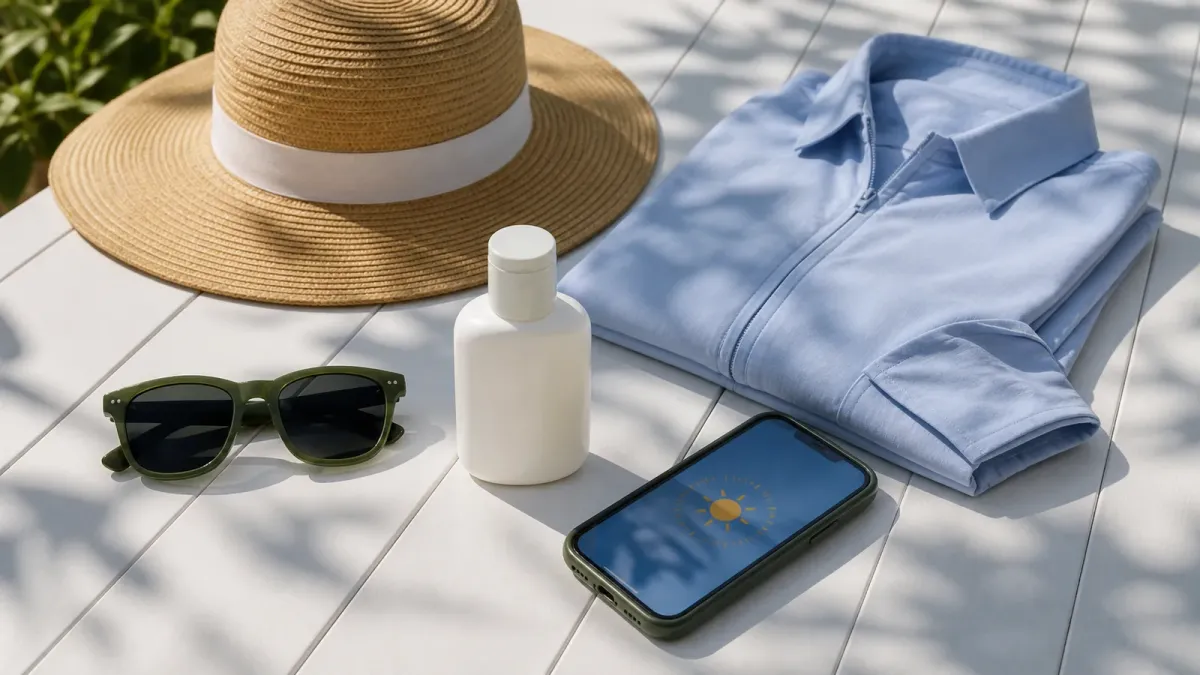
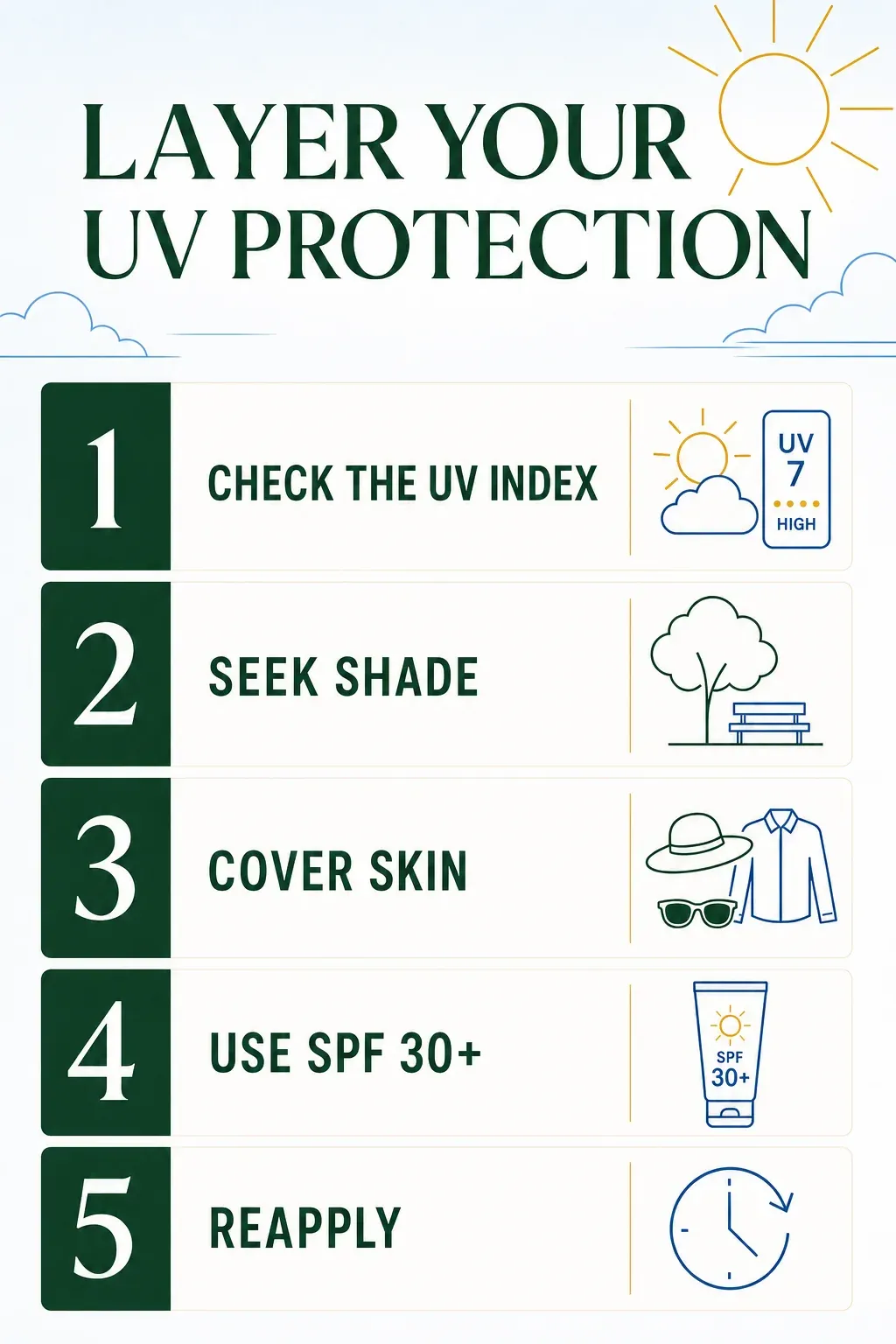
The strongest everyday plan is layered: check the UV Index, seek shade, cover exposed skin, wear sunglasses and a broad-brimmed hat, then use broad-spectrum, water-resistant SPF 30 or higher on skin that remains exposed. Reapply according to the label and after swimming, sweating or towel drying. Sunscreen is important, but it should not carry the entire job alone.
Five actions that matter most
- Plan first: use the UV Index to decide when protection needs to be stronger.
- Reduce exposure: move into shade and avoid unnecessary time in intense midday sun.
- Cover strategically: choose clothing, a broad-brimmed hat and UV-protective sunglasses.
- Protect exposed skin: apply broad-spectrum SPF 30+ generously and evenly.
- Maintain the layer: reapply during ongoing exposure and after water, sweat or toweling.
UV protection often fails because it is reduced to one question: which sunscreen should I buy? That skips the larger decision. The amount of radiation reaching your skin depends on the time of day, season, location, altitude, cloud cover, reflective surfaces, duration and what you wear. A practical plan adjusts several layers instead of demanding perfection from one cream.
The American Academy of Dermatology recommends shade, sun-protective clothing and broad-spectrum, water-resistant SPF 30 or higher. The CDC sun-safety guidance similarly treats sunscreen as one part of a broader routine. That layered approach is the organizing principle of this guide.
What UVA, UVB and the UV Index Actually Tell You
Ultraviolet A and ultraviolet B both matter. UVB is strongly associated with sunburn and is a major contributor to skin cancer. UVA penetrates more deeply, contributes to photoaging and pigmentation changes, and can pass through ordinary window glass more readily than UVB. A broad-spectrum label indicates protection across both portions of the spectrum.
SPF mainly describes tested protection against sunburn-producing UVB under standardized conditions. It does not tell you that a product lasts all day, that a thin layer is enough or that shade is unnecessary. For a closer comparison, read our guide to whether SPF 30 is enough and our explanation of chemical versus mineral sunscreen.
How to Use the UV Index
The UV Index is a forecast of expected ultraviolet intensity at a specific place and time. The U.S. Environmental Protection Agency uses a scale that begins at 0 and can exceed 11. A higher number means unprotected skin can be damaged more quickly.
Use the index as a planning trigger, not a timer for how long you can safely tan. Skin tone, medication, altitude, reflection, clothing and previous exposure change individual risk. When the index is 3 or higher, protection should become an intentional part of outdoor plans.
| UV Index | What it means | Practical response |
|---|---|---|
| 0-2 | Low, but exposure is not zero | Use protection for prolonged exposure, reflective environments or photosensitizing conditions |
| 3-5 | Moderate | Add shade, clothing and SPF 30+ before extended outdoor time |
| 6-7 | High | Limit intense midday exposure and keep reapplication planned |
| 8-10 | Very high | Prioritize shade, dense coverage and short unprotected transitions |
| 11+ | Extreme | Reschedule avoidable exposure and use every protective layer |
Clouds, temperature and UV are different signals
A cool or overcast day can still carry meaningful UV. Heat describes temperature, not radiation. Thin cloud can allow substantial UV through, while snow, water, pale concrete and sand can reflect radiation toward the face and other exposed areas. Check the forecast instead of relying on how the weather feels.
Altitude and travel change the equation
UV generally becomes stronger at higher elevation because there is less atmosphere to filter it. A mountain trip, ski day or long flight by a bright window deserves more planning than the same clock time spent indoors away from windows. Pack protection around the exposure you will actually have.
A Daily UV Protection Plan That Fits Real Life
Begin with the forecast and your schedule. A short early commute, office day away from windows and evening walk creates a different need from gardening at noon or spending hours at the beach. The goal is not to create fear around every ray; it is to make high-value decisions before exposure starts.
| Situation | Protection plan | Common miss |
|---|---|---|
| Short commute | Daily facial SPF, sunglasses and coverage for hands or arms when exposed | Forgetting cumulative driving exposure |
| Bright window desk | Move back, use blinds and consider facial SPF for sustained direct light | Assuming all glass blocks all UVA |
| Outdoor lunch | Seek shade, wear a hat and refresh exposed areas before going out | Treating a morning layer as indestructible |
| Sport or beach | Water-resistant SPF, protective clothing, shade breaks and timed reapplication | Using a non-water-resistant cosmetic SPF |
| Snow or altitude | Cover face, lips and neck; use goggles or sunglasses and high-SPF water-resistant sunscreen | Underestimating reflection and elevation |
| Reactive routine | Use a tolerated simple sunscreen and increase shade and clothing | Adding several new actives after irritation begins |
Morning application
Apply sunscreen after skincare and before makeup. Use enough to cover the face, ears, neck and any exposed chest evenly. Hairlines, eyelids, lips, the tops of feet and the backs of hands are easy to miss. If the correct amount feels impossible, change the formula rather than quietly reducing the dose.
A simple everyday routine is usually more reliable than a shelf full of products. Compare wearable options in our everyday sunscreen guide. Readers managing breakouts can use the narrower acne-prone sunscreen guide, while reactive skin may benefit from our sensitive-skin SPF picks.
Reapplication
Reapplication should follow the label and the exposure. During continued outdoor time, a common direction is at least every two hours and after swimming, heavy sweating or towel drying. Water-resistant sunscreen is labeled for either 40 or 80 minutes in water; it is not waterproof.
For an office day, focus on meaningful exposure transitions such as outdoor lunch, a long drive or exercise after work. Avoid endlessly stacking thick layers for no reason, but do not assume the morning film survived rubbing, sweating or toweling. Our step-by-step guide explains how to reapply sunscreen without treating makeup powder as complete coverage.
Shade, Clothing, Hats and Sunglasses
Shade reduces direct exposure, but it is not an invisible wall. Open-sided shade still receives scattered and reflected UV, especially near water, sand, concrete or snow. Choose dense structures or trees, move as the sun changes and continue to protect exposed skin.
Clothing can be the most consistent layer because it does not need reapplication. Dense weave, darker color, more coverage and fabrics designed with an ultraviolet protection factor can improve protection. The DermNet guide to sun-protective clothing explains that stretch, moisture, wear and fabric construction affect how much UV passes through.
Choose coverage that stays in place
A broad-brimmed hat protects more of the ears, neck and face than a baseball cap. Long sleeves, collars and longer hems reduce the amount of sunscreen needed. For swimming or sport, rash guards and fitted technical clothing can remain more reliable than loose fabric that shifts.
Protect the eyes and surrounding skin
Choose sunglasses labeled for UV protection and a shape that limits light entering from the sides. A hat adds another layer. Do not stare at the sun through sunglasses, and use purpose-built eye protection for high-glare snow environments.
How to Choose and Apply Sunscreen
Look for broad-spectrum SPF 30 or higher. Add water resistance for sweat or water. Then choose a finish, tint and filter system that you can apply generously without persistent eye sting, burning or an unacceptable cast. No single mineral, organic or hybrid category is automatically best for every person.
Tinted sunscreen can improve cosmetic wear and may help people concerned about visible-light-related pigmentation, but shade matching matters. If dark marks are a major concern, compare our anti-aging sunscreen picks and the dedicated guide to tinted sunscreen benefits.
Do not mix sunscreen into moisturizer
Mixing can dilute the film and change how it sets. Apply skincare in separate layers, allow comfortable settling time and put sunscreen on as the final skincare step. If layers pill, simplify the routine instead of rubbing harder.
Patch test reactive skin without creating false confidence
A small-area test can identify obvious irritation, but it cannot predict every breakout or guarantee full-face tolerance. Introduce one new product at a time. Persistent burning, swelling, blistering or a spreading rash needs medical advice rather than repeated experimentation.
Common UV Protection Myths
“Darker skin does not burn, so it does not need sunscreen”
Melanin reduces some UV sensitivity but does not create immunity. People with deeper skin tones can develop sunburn, uneven pigmentation, photoaging and skin cancer. A sunscreen that avoids obvious cast can improve consistent application, but clothing and shade remain equally useful.
“A base tan protects the skin”
A tan is a response to injury, not a protective treatment. Indoor tanning devices expose skin to ultraviolet radiation and should not be used as preparation for a holiday. Sunless tanner changes color but normally does not provide meaningful UV protection unless the product separately carries an SPF label.
“Antioxidants, hydration or makeup replace sunscreen”
Vitamin C, moisturizers and makeup can support a routine, but they do not replace a labeled broad-spectrum sunscreen. Powder and foundation with SPF are easy to underapply when used at normal cosmetic amounts. Treat them as supplemental layers, not the foundation of protection.
“SPF 100 lasts longer than SPF 30”
SPF describes a tested protection level, not a clock extension. Rubbing, sweat, water and application gaps still matter. A high number can provide useful margin, but it should never be used to justify longer unprotected exposure.
What to Do After Too Much Sun
Move out of the sun, cool the skin gently, drink fluids and avoid further exposure while the area recovers. Do not apply ice directly or use harsh scrubs, acids, retinoids or fragranced DIY masks on burned skin. Our after-sun skincare guide covers a calm routine without pretending a cream can reverse UV injury.
Seek medical help for extensive blistering, severe pain, fever, confusion, faintness, dehydration, eye symptoms or a burn affecting a very young child. A changing, bleeding or suspicious mole also deserves professional assessment; sunscreen is prevention, not a diagnosis or treatment.
Three Optional Products for a Practical Sun Kit
You do not need three sunscreens for an ordinary routine. Choose the role that is missing: a wearable daily face formula, a water-resistant face-and-body lotion for outdoor time or a mineral option for a known preference. The products below are direct Amazon links, not evidence that one brand works for every skin type.
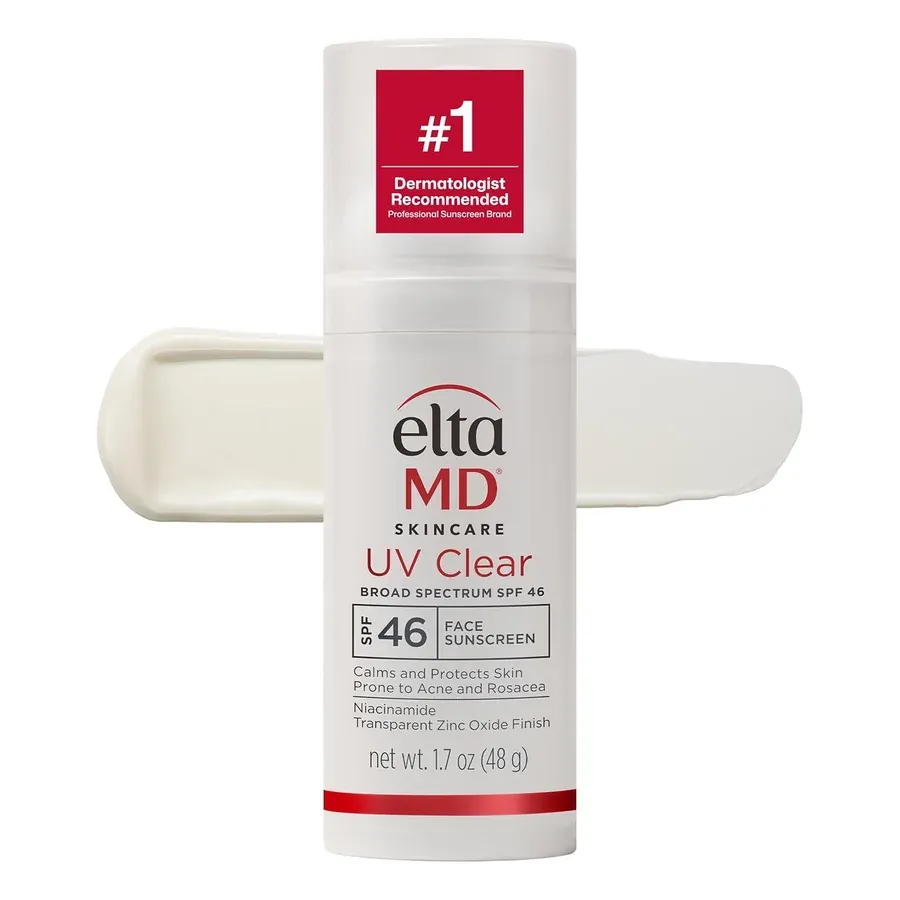
1. EltaMD UV Clear Broad-Spectrum SPF 46
Why it fits: This oil-free facial sunscreen is a practical everyday layer when a heavy finish makes consistent use difficult. It combines zinc oxide with an organic filter and includes niacinamide, but its main value in this guide is the wearable facial texture.
Watch-out: It is not water resistant and is not the right single product for swimming or heavy sweat. Confirm the selected tint and size before ordering.
- Best for: Daily facial protection, acne-prone routines and lightweight wear
- Role: One layer in a shade, clothing and sunscreen plan.
EltaMD UV Clear Broad-Spectrum SPF 46
Best for: Daily facial protection, acne-prone routines and lightweight wear.
Before you buy: It is not water resistant and is not the right single product for swimming or heavy sweat. Confirm the selected tint and size before ordering.
View EltaMD UV Clear on AmazonAs an Amazon Associate, SkinOptimizer may earn from qualifying purchases.
2. Supergoop! PLAY Everyday Lotion SPF 50
Why it fits: PLAY is a face-and-body sunscreen format intended for generous use. Its SPF 50 and 80-minute water-resistance labeling make it more suitable than a small cosmetic face bottle for long walks, sport, travel and beach exposure.
Watch-out: It uses organic UV filters and may sting sensitive eyes. Water resistance does not mean waterproof, and the label still requires reapplication.
- Best for: Outdoor days, larger exposed areas and water-resistant coverage
- Role: One layer in a shade, clothing and sunscreen plan.
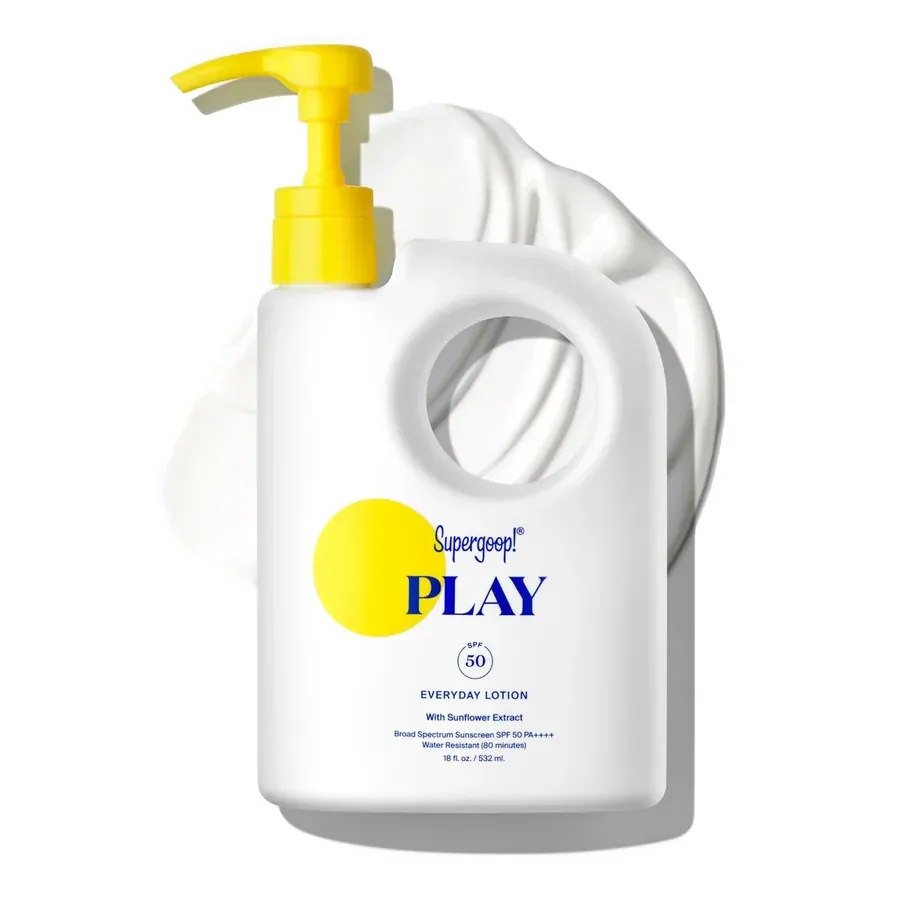
Supergoop! PLAY Everyday Lotion SPF 50
Best for: Outdoor days, larger exposed areas and water-resistant coverage.
Before you buy: It uses organic UV filters and may sting sensitive eyes. Water resistance does not mean waterproof, and the label still requires reapplication.
View Supergoop! PLAY on AmazonAs an Amazon Associate, SkinOptimizer may earn from qualifying purchases.
3. Blue Lizard Sensitive Mineral Sunscreen SPF 50+
Why it fits: Blue Lizard Sensitive provides a zinc-oxide mineral option in a practical lotion format. It is fragrance-free and carries 80-minute water-resistance labeling, so it can fill the outdoor role for people who prefer to avoid organic sunscreen filters.
Watch-out: Mineral lotion can leave a visible cast and may feel heavier than a facial fluid. Patch test reactive skin and verify the exact bottle and seller.
- Best for: Mineral-filter preference, sensitive skin and face-and-body use
- Role: One layer in a shade, clothing and sunscreen plan.
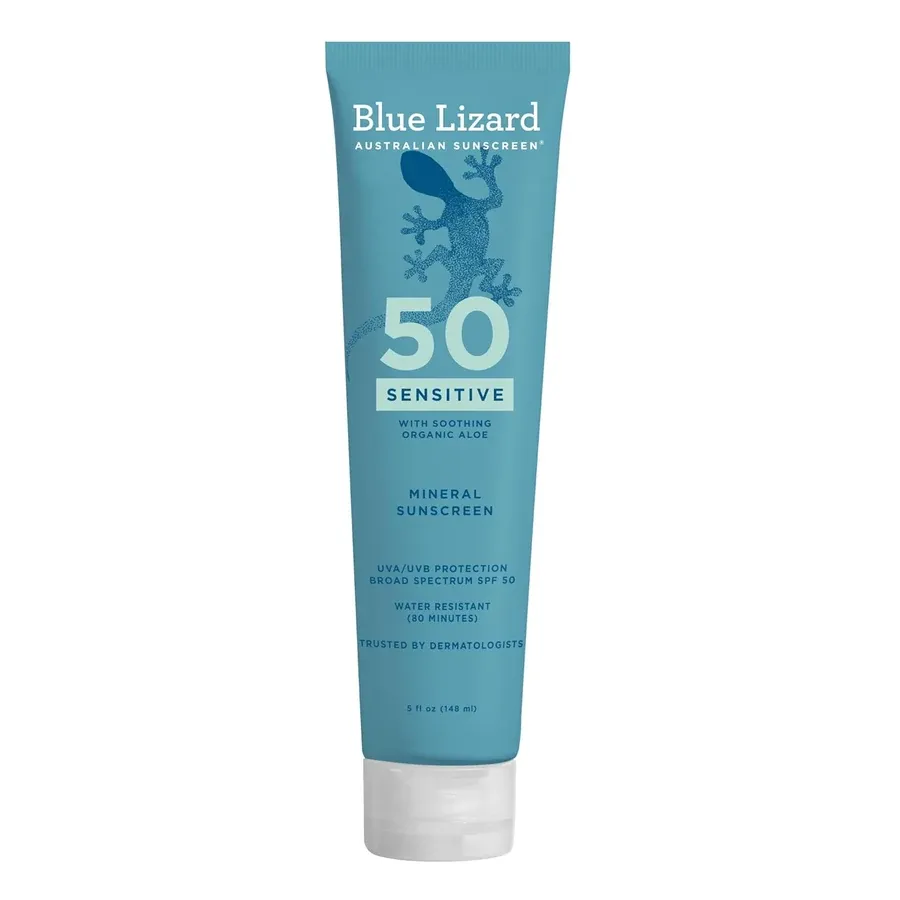
Blue Lizard Sensitive Mineral Sunscreen SPF 50+
Best for: Mineral-filter preference, sensitive skin and face-and-body use.
Before you buy: Mineral lotion can leave a visible cast and may feel heavier than a facial fluid. Patch test reactive skin and verify the exact bottle and seller.
View Blue Lizard Sensitive on AmazonAs an Amazon Associate, SkinOptimizer may earn from qualifying purchases.
Before you step outside
- Check the local UV Index and expected duration.
- Choose shade and schedule intense activity outside peak exposure when practical.
- Cover skin with clothing, a broad-brimmed hat and UV-protective sunglasses.
- Apply broad-spectrum SPF 30+ to every exposed area.
- Pack enough product for reapplication and follow the water-resistance label.
- Use lip protection and remember ears, neck, hands and feet.
Frequently Asked Questions About UV Protection
Can UV rays damage skin on cloudy days?
Yes. Clouds can reduce visible brightness without eliminating ultraviolet radiation. Check the local UV Index and use protection when exposure is expected instead of judging risk only by heat or sunshine.
Do I need sunscreen indoors or through windows?
It depends on exposure. Window glass blocks most UVB but can transmit some UVA. Sunscreen is reasonable when you spend meaningful time beside bright windows or drive regularly; shade and distance from the glass also reduce exposure.
Is SPF 30 or SPF 50 better?
Both can be useful when they are broad spectrum and applied correctly. SPF 50 offers a higher tested level of UVB protection, but it does not last longer or replace shade, clothing and reapplication.
How often should sunscreen be reapplied?
Follow the product label. A common direction is at least every two hours during continued outdoor exposure and after swimming, sweating or towel drying. Water-resistant products are tested for either 40 or 80 minutes, not all day.
Does darker skin need UV protection?
Yes. Melanin provides some natural protection but does not prevent sunburn, photoaging, uneven pigmentation or skin cancer. A suitable tint can reduce white cast and make full application easier.