How to Reapply Sunscreen Properly in Real Life
A real-life sunscreen reapplication guide for outdoor time, water, sweat, windows and makeup, with clear label-based rules.
In this guide
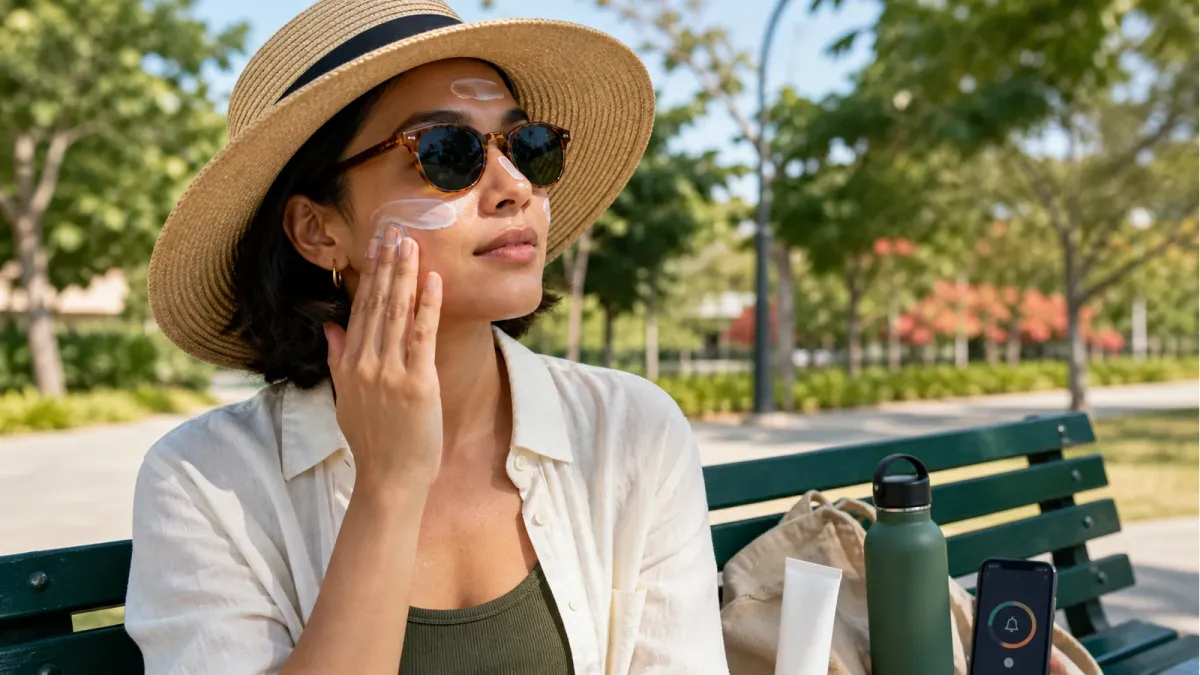
Reapply sunscreen at least every two hours during ongoing outdoor exposure and immediately after swimming, heavy sweating or towel drying. Follow the exact product's 40- or 80-minute water-resistance label, rebuild an even layer and cover missed areas. Indoors, reapply before renewed meaningful exposure rather than following a context-free two-hour alarm.
Keep the formula reliable between applications with the skincare storage guide, including hot-car, beach and sunscreen-expiry rules.
Quick Summary
- The two-hour rule is for ongoing outdoor exposure, not every indoor day.
- Water, sweat and toweling can require an earlier refresh.
- Lotion or fluid makes a full reapplication easier to measure.
- Powder, mist and one stick swipe are not reliable sole coverage.
The Reapplication Rule Changes With Exposure
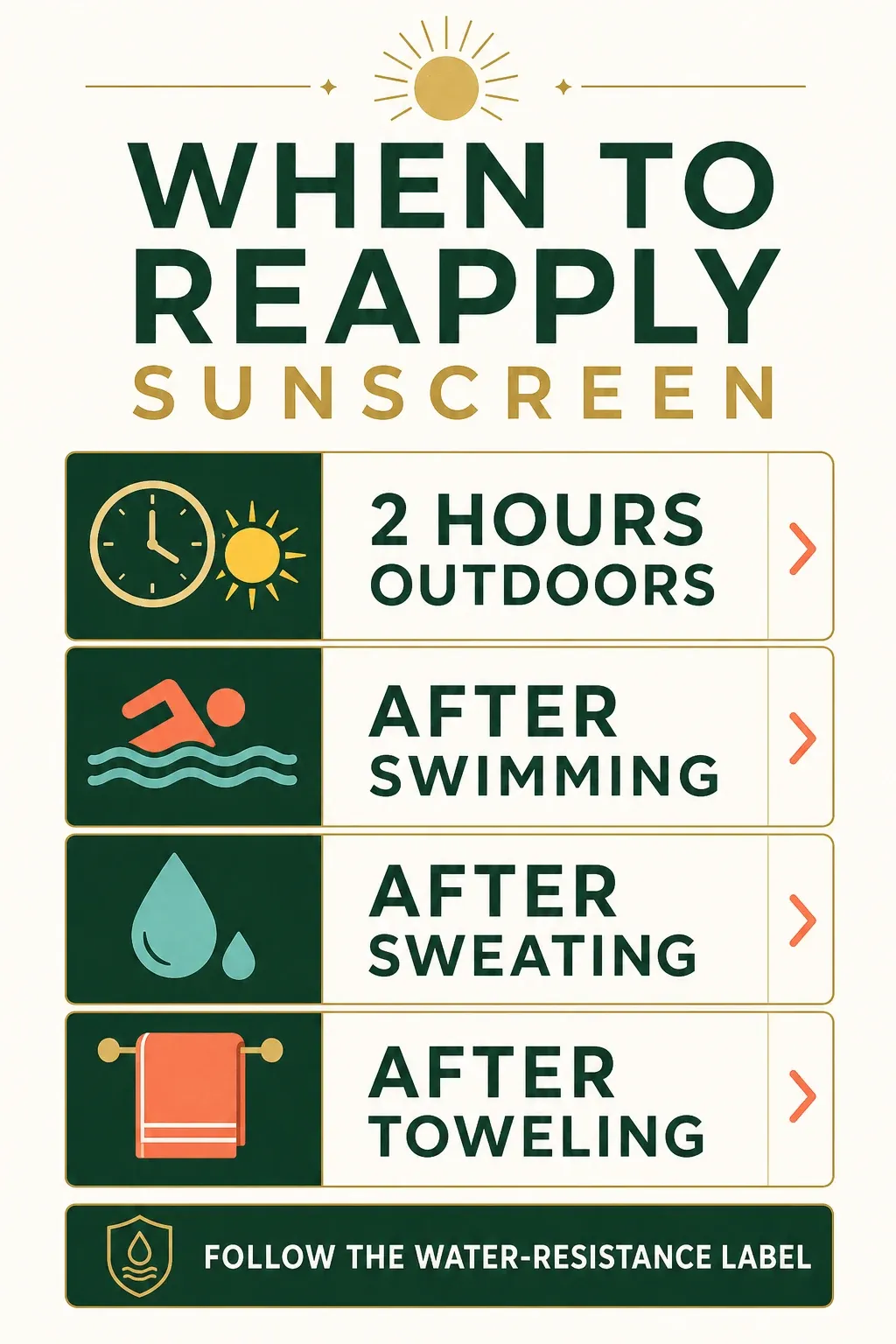
The familiar two-hour rule applies during ongoing outdoor exposure. It is not a promise that sunscreen remains perfect for two hours of swimming, heavy sweat or toweling, and it is not a command to wake up at an indoor desk every two hours. Start with the current label and the exposure that actually happened.
The American Academy of Dermatology recommends reapplying about every two hours outdoors and after swimming or sweating. The FDA advises following the Drug Facts directions because water resistance, use and warnings differ by product.
| Situation | When to reapply | Best method |
|---|---|---|
| Continuous outdoor time | At least every two hours | Generous lotion or fluid layer |
| Swimming | After water exposure and by the 40/80-minute label | Water-resistant lotion |
| Heavy sweating | After sweating and toweling | Water-resistant formula |
| Indoor office day | Before renewed meaningful outdoor exposure | Refresh exposed areas |
| Makeup day | Before outdoor exposure; use enough product | Fluid/lotion, then repair makeup |
FDA labeling guidance limits tested water-resistance claims to 40 or 80 minutes. The label directions call for reapplication after swimming, sweating and towel drying as well as at least every two hours. “Waterproof” and “sweatproof” are not valid all-day promises.
Check the exact bottle you own. A daily facial SPF may have no water-resistance claim, while a sport sunscreen may state 80 minutes. Similar names and packaging do not guarantee identical directions.
How to Reapply Sunscreen Properly
Start with enough sunscreen
A thin morning application cannot be repaired perfectly by a tiny afternoon dab. The AAD advises approximately one ounce for an adult body and enough to cover all exposed skin. For the face, many dermatologists use a two-finger visual guide, but face size and product texture vary, so follow the label and ensure an even layer.
Apply before exposure rather than waiting for redness. Cover ears, hairline, neck, chest, shoulders, backs of hands, tops of feet and the edges around clothing or swimwear. Lip balm with SPF needs its own repeated application because eating, drinking and licking remove it quickly.
Pat sweat or water before adding the new layer
Applying lotion over streaming sweat creates gaps and encourages wiping. Move into shade, pat rather than rub, then apply the fresh layer. If the label says to apply 15 minutes before sun exposure or water, respect that setting time.
Towel drying removes part of the film even when the water-resistance clock has not expired. Reapply after toweling instead of assuming the remaining minutes still apply. A dry towel and shade break make the process easier.
For younger children, our guide to choosing sunscreen for kids explains age limits, lotion and stick options, and the need for adult coverage checks.
Use a method that allows a real amount
Lotion, cream or fluid is the easiest format for a full-face and body refresh because the amount is visible. A stick can be convenient for ears, nose and hands, but one light swipe is not equivalent to a tested lotion layer. Make several slow passes and rub in when the product directions require it.
Powder sunscreen can reduce shine or cover a small missed area, but the amount needed to reach labeled SPF is difficult to judge in ordinary use. Do not rely on powder as the only full reapplication before strong or prolonged exposure. Use it as a cosmetic supplement after a more dependable layer.
How to Reapply Sunscreen Over Makeup
Makeup makes reapplication inconvenient, but it does not suspend UV exposure. The most reliable method is to use a compatible fluid or lotion in sections, press it gently over the skin and repair concealer, blush or powder afterward. This protects the sunscreen amount instead of preserving every cosmetic layer at the expense of coverage.
Test the combination at home before an event. Silicone-rich makeup, heavy powder and a wet sunscreen can pill when rubbed together. Pressing with clean fingers or a washable cushion puff often disturbs less than repeated circular rubbing.
| Method | Useful role | Main limitation |
|---|---|---|
| Lotion or fluid | Most dependable full refresh | May disturb base makeup |
| Cushion puff | Presses fluid in controlled sections | Puff must be clean and enough product used |
| Sunscreen stick | Portable zones and touch-ups | Several passes are needed |
| Mist or spray | Can reach body or scalp part lines | Wind and inhalation make face use difficult |
| SPF powder | Shine control after a real layer | Hard to apply enough for sole protection |
Do not spray aerosol sunscreen directly into the face. Apply to hands in a sheltered area and spread, following the current label and avoiding inhalation. Keep sprays away from heat, flames and enclosed spaces.
If makeup must remain immaculate, reduce exposure with shade, a broad-brimmed hat and indoor timing. The layered UV-protection guide explains why clothing and shade reduce the pressure on a cosmetic sunscreen film.
Indoor Days, Windows and Commutes
There is no evidence-based universal indoor alarm that fits every room. A person working away from windows with a short commute has different exposure from someone beside a bright window, driving for hours or eating lunch outdoors. Reapply before the next meaningful exposure rather than following a clock disconnected from the day.
UVA can pass through ordinary window glass more readily than UVB, but dose depends on distance, orientation, glass, duration and sunlight. Move away from direct light or use blinds when practical. Reapply facial sunscreen before a long bright drive or outdoor commute.
Check the local UV Index and schedule. The World Health Organization explains that UV intensity varies with time, location, cloud, altitude and reflection. A cool cloudy day can still carry meaningful UV, while indoor temperature tells you nothing about radiation.
Our indoor sunscreen guide helps match the decision to windows and actual exposure. Use it to avoid both extremes: ignoring hours of direct light or treating every minute indoors as a beach day.
Two Portable Sunscreens for Different Refresh Jobs
These products are examples of two routine roles, not universal winners. EltaMD UV Clear SPF 46 is a facial option for acne-prone or redness-prone readers who want a light layer, while Cetaphil Daily Facial Moisturizer SPF 35 combines morning moisturization and broad-spectrum protection. Neither should be assumed water resistant unless the current label says so.
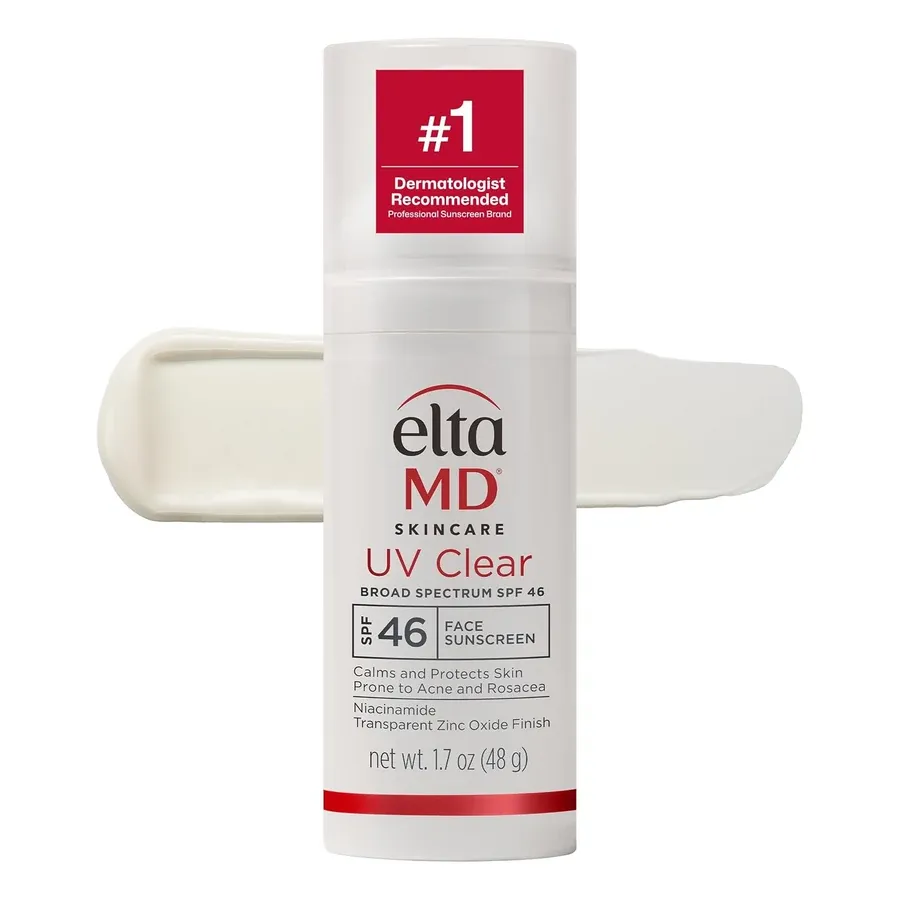
EltaMD UV Clear Broad-Spectrum SPF 46
Acne-prone or redness-prone facial skin that wants a lightweight sunscreen for ordinary daily exposure.
The formula is positioned for sensitive and acne-prone faces and layers more easily than a heavy sport lotion for many users.
Watch-out: It is not a substitute for a water-resistant sport sunscreen. Verify the current label, seller and formula before ordering.
View on AmazonAs an Amazon Associate, SkinOptimizer may earn from qualifying purchases. Prices, sellers and availability can change.
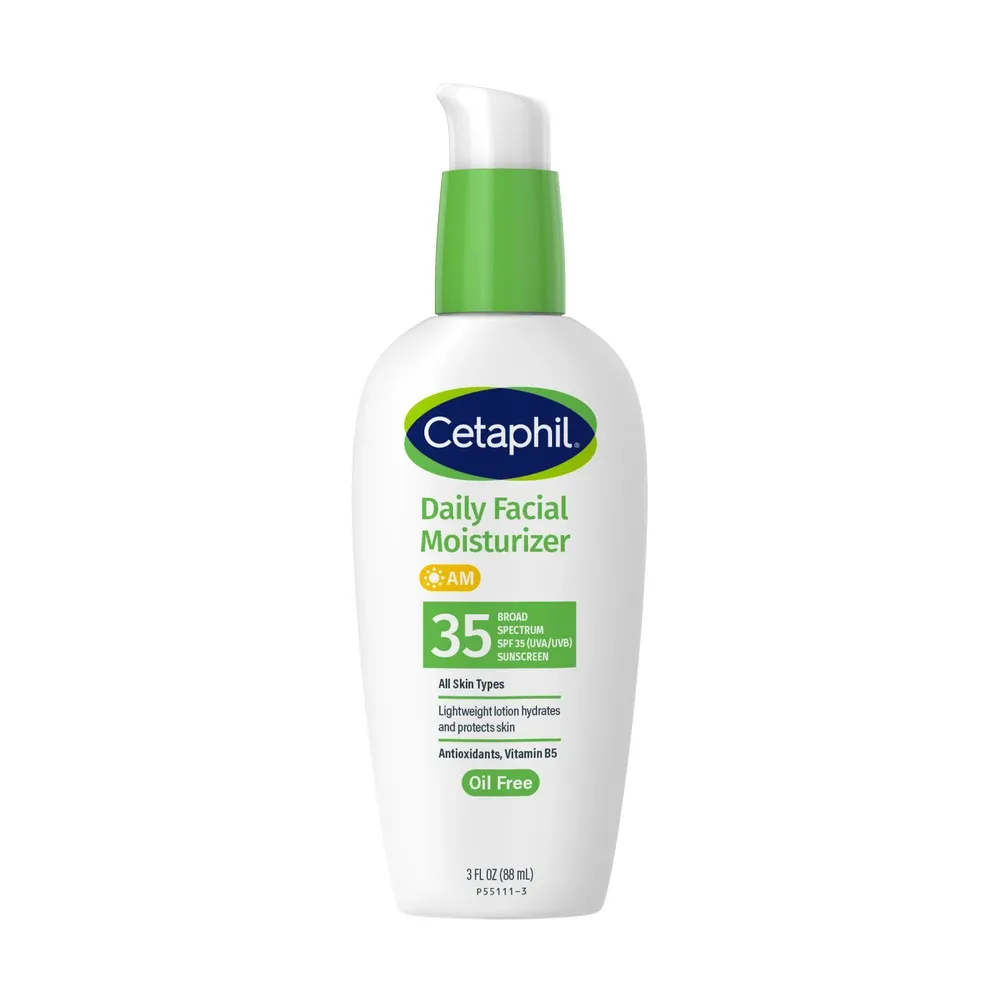
Cetaphil Daily Facial Moisturizer SPF 35
Normal, combination or sensitive skin that wants one fragrance-free morning moisturizer and sunscreen step.
Cetaphil describes it as a lightweight oil-free broad-spectrum SPF 35 moisturizer with niacinamide and panthenol.
Watch-out: A moisturizer-SPF still needs a full sunscreen amount. Choose a water-resistant product for swimming or heavy sweat.
View on AmazonAs an Amazon Associate, SkinOptimizer may earn from qualifying purchases. Prices, sellers and availability can change.
Current product roles were checked against the EltaMD UV Clear page and the Cetaphil SPF 35 page. Marketplace sellers, packages and formulas can change, so compare the item you receive with the official directions.
Swimming, Sport and High-Sweat Days
Choose a broad-spectrum SPF 30 or higher that states 40 or 80 minutes of water resistance. Apply before activity according to the label, then reapply after the tested interval, after towel drying and whenever the film has been rubbed away. Do not extend the clock because the skin still looks dry.
Use clothing to protect large areas. A rash guard, dense-weave shirt, hat and shade break reduce the amount of exposed skin and make reapplication more realistic. The CDC recommends combining shade, clothing, hats, sunglasses and sunscreen.
Scalp parts, ears, shoulders and feet are common misses. A stick or lotion can cover the part line when hair is dry, but hats provide more reliable coverage for long exposure. Reapply around straps and swimwear edges after changing clothes.
For product selection, compare the water-resistant sunscreen guide. The label's tested duration matters more than words such as sport, beach or active on the front of the package.
Common Reapplication Mistakes
- Waiting for redness: sunburn is a late signal, not an application reminder.
- Using one swipe of a stick: a thin pass may leave gaps and underdose the label.
- Counting makeup SPF: most people do not apply foundation at the tested sunscreen amount.
- Trusting powder alone: visible powder coverage does not guarantee an even labeled dose.
- Ignoring towel drying: rubbing physically removes the sunscreen film.
- Applying over streaming sweat: move to shade, pat dry and rebuild the layer.
- Forgetting the body: hands, ears, neck, feet and shoulders receive real exposure.
SPF 50 does not last longer than SPF 30. The number describes tested sunburn protection at the proper amount, not hours of wear. Read whether SPF 30 is enough for a practical comparison of protection level, amount and behavior.
Do not mix sunscreen with moisturizer or foundation in your palm. Mixing can create an uneven film and changes the tested application. Layer compatible products separately and let each settle.
Troubleshooting Pilling, Stinging and Breakouts
| Problem | Likely reason | Adjustment |
|---|---|---|
| Pilling | Too many layers or rubbing | Use less skincare and press sunscreen in sections |
| Eye sting | Migration, sweat or filter sensitivity | Keep distance from eyes and try a tolerated mineral option |
| Dry patches | Matte formula or irritated barrier | Use moisturizer and a less drying sunscreen |
| Breakouts | Occlusion, removal or another routine change | Change one variable and cleanse gently |
| White cast | Mineral film or under-rubbing | Use tinted/sheerer formula without reducing amount |
A sunscreen that cannot be reapplied comfortably is a poor practical match. Change texture, not amount. Our acne-prone sunscreen guide and sensitive-skin sunscreen guide compare formulas by routine obstacle.
Persistent burning, swelling, hives or blistering is not a normal adjustment. Remove the product, rinse gently and seek qualified advice when symptoms are significant. A damaged barrier may make previously comfortable filters sting.
Build a Reapplication Kit You Will Actually Carry
A useful kit solves the exposures in your schedule. Keep one face sunscreen, one body format when larger areas are exposed, SPF lip balm and a hat in the bag. Add a small clean mirror or reusable cushion puff only when makeup makes application harder.
Flying with that sun kit? The plane skincare packing guide covers TSA, EU and airport-specific liquid limits plus aerosol and leak precautions.
Do not buy five miniature formats for one job. A comfortable lotion can cover face, neck and hands, while clothing covers the body. Fewer products also make it easier to notice which formula caused stinging, pilling or clogged texture.
Store sunscreen away from excessive heat and direct sun. Do not leave it for long periods on a hot dashboard or beach towel, and replace a bottle that has separated, changed smell or passed its expiration date. Check the package for storage directions because formula stability is product-specific.
Use a calendar reminder to inspect the kit monthly, not to reapply blindly every two hours indoors. Confirm that caps close, labels remain readable and enough product remains for the planned trip. A nearly empty travel tube can create false confidence when it cannot cover the exposed area.
For mature or dry skin, finish and comfort may determine whether a full amount is realistic. The anti-aging sunscreen guide compares hydration, tint and daily wear without treating sunscreen as a wrinkle eraser. Choose the texture you can maintain rather than the most elaborate claims.
Practice once before a long outdoor day. Apply the real amount, wait for it to set, then test sunglasses, hat and makeup. A rehearsal exposes eye migration, white cast or pilling while there is still time to change the routine.
The Bottom Line
Reapply sunscreen at least every two hours during ongoing outdoor exposure and immediately after swimming, heavy sweating or towel drying. Indoors, refresh before renewed meaningful exposure rather than obeying a context-free alarm. Use enough product, follow the exact label and combine sunscreen with shade and protective clothing.
Frequently Asked Questions
Do I need to reapply sunscreen every two hours indoors?
Not automatically. Reapply before renewed meaningful sun exposure, especially after direct window exposure or before a bright outdoor commute. Indoor context matters.
Can I reapply sunscreen over makeup?
Yes. A compatible fluid or lotion pressed in sections gives the most dependable amount, then makeup can be repaired. Powder is better treated as a supplement.
Do sunscreen sticks work for reapplication?
They can help with portable touch-ups, but one swipe is usually too little. Make several slow passes and follow the current label.
Should I reapply after swimming if sunscreen is water resistant?
Yes. Follow the 40- or 80-minute water-resistance label and reapply after swimming, sweating and towel drying. Water resistant does not mean waterproof.
Does SPF 50 last longer than SPF 30?
No. SPF describes tested sunburn protection at the correct amount, not hours of wear. Both need reapplication when exposure, water, sweat or rubbing disrupts the film.