Best Lip Balm With SPF: 3 Picks for Daily and Outdoor Use
A practical SPF lip balm guide for dry lips, daily wear, beach days and water exposure.
In this guide
What is the best lip balm with SPF?
Aquaphor Lip Repair Stick + Sunscreen SPF 30 is our best overall SPF lip balm for very dry lips and fragrance-free daily wear. COOLA Original Liplux SPF 30 is the stronger outdoor choice because its current label includes 80-minute water resistance, while Sun Bum Original SPF 30 suits readers who reliably reapply a flavored stick. Reapplication—not one morning swipe—determines practical protection.
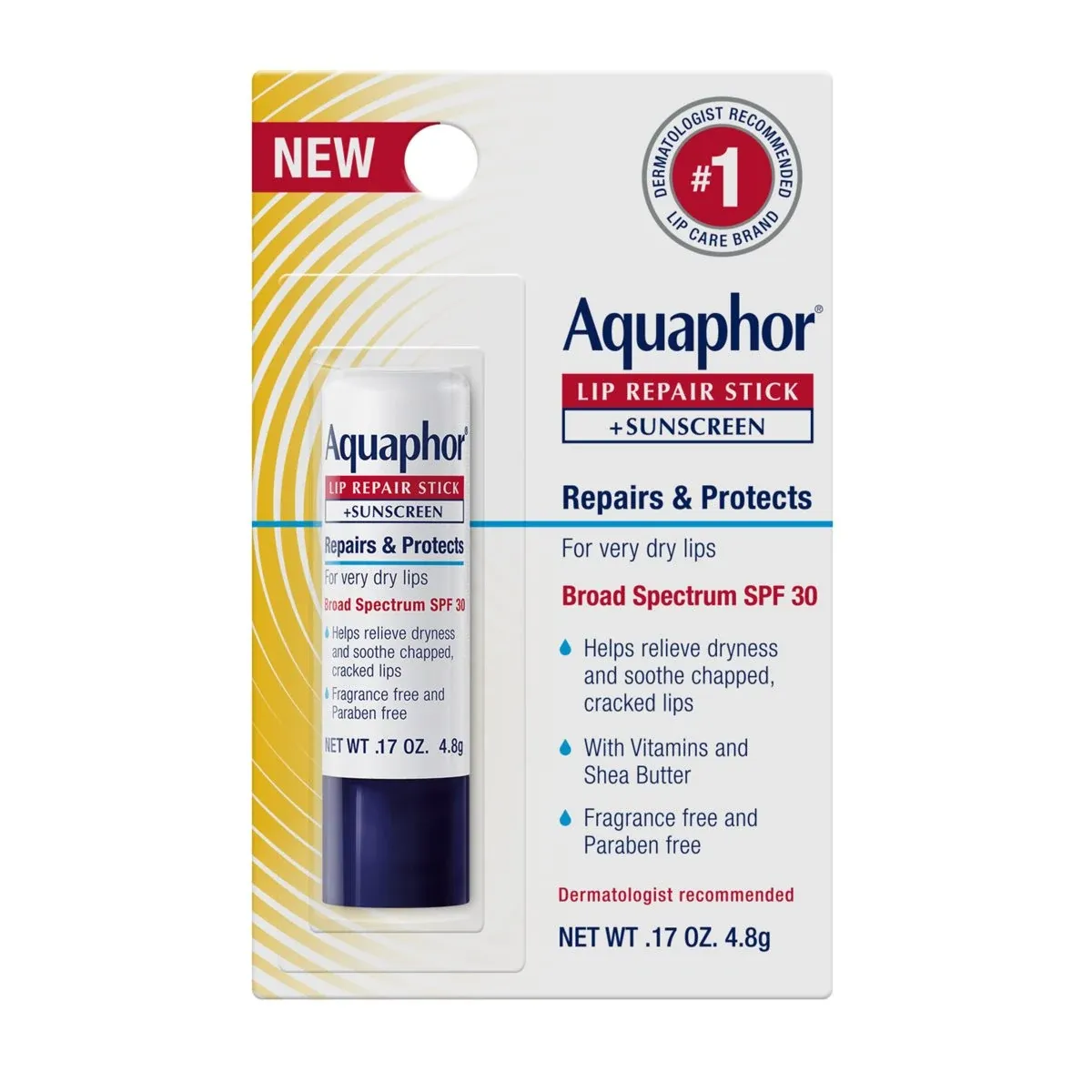
Aquaphor Lip Repair Stick + Sunscreen SPF 30
Best for: dry lips needing a fragrance-free SPF 30 stick Why it leads: it combines broad-spectrum SPF 30 labeling with a familiar occlusive lip-care format. Watch-out: it is not positioned as a water-resistant sport balm
Check current Amazon optionsAs an Amazon Associate, we earn from qualifying purchases. Price and availability can change.
Lips receive direct UV exposure but lip sunscreen is easily removed by eating, drinking, talking and wiping. The best purchase is the format and taste you can apply generously and replace throughout the day.
Quick Summary
- Aquaphor leads for dry, fragrance-sensitive lips.
- COOLA leads for water-resistant outdoor use.
- Sun Bum suits frequent flavored-stick users.
- Choose SPF 30 and read the current Drug Facts.
- Reapply after food, drink, wiping, swimming and at least as directed.
Taste is an adherence feature
A technically suitable balm fails when its flavor, scent or sunscreen taste makes you avoid reapplication. Buy one stick first before committing to a multipack.
This guide was prepared by the SkinOptimizer Editorial Team. Rankings reflect current formulas, active levels where disclosed, skin-type fit, use case, value, and meaningful tradeoffs. SkinOptimizer did not conduct a controlled product trial, and we do not claim medical credentials or undocumented hands-on testing. Product claims remain manufacturer claims unless an independent source is cited.
SPF lip balms compared
| Product | Best for | Main watch-out |
|---|---|---|
| Aquaphor Lip Repair Stick + Sunscreen SPF 30 | dry lips needing a fragrance-free SPF 30 stick | it is not positioned as a water-resistant sport balm |
| COOLA Original Liplux Lip Balm Sunscreen SPF 30 | outdoor days and water exposure | flavor and organic-filter taste may not suit sensitive lips |
| Sun Bum Original SPF 30 Sunscreen Lip Balm | readers who will reapply a flavored SPF stick consistently | flavor and sunscreen taste can irritate or discourage some users |
Water resistance is a labeled condition, not a synonym for all-day protection.
Our best SPF lip balm picks
Aquaphor Lip Repair Stick + Sunscreen SPF 30
Aquaphor Lip Repair Stick + Sunscreen SPF 30 earns the best for very dry lips position because it combines broad-spectrum SPF 30 labeling with a familiar occlusive lip-care format. This is a use-case judgment, not a claim that one product is universally superior.
The current official product information identifies broad-spectrum SPF 30 in a fragrance-free lip repair stick. That information helps define texture, routine fit, and obvious exclusions; it does not prove every marketing outcome or predict an individual reaction.
Routine fit: Apply generously before exposure and reapply according to Drug Facts, after eating, drinking or wiping. The main tradeoff is that it is not positioned as a water-resistant sport balm Check the current package and Drug Facts or ingredient list when it arrives because formulas and sizes can change.
Aquaphor Lip Repair Stick + Sunscreen SPF 30
Best for: dry lips needing a fragrance-free SPF 30 stick Why: it combines broad-spectrum SPF 30 labeling with a familiar occlusive lip-care format. Watch-out: it is not positioned as a water-resistant sport balm
Check current Amazon optionsAs an Amazon Associate, we earn from qualifying purchases.
Product facts checked against the current manufacturer or official product information. Formulas, packaging, availability, and prices can change.
COOLA Original Liplux Lip Balm Sunscreen SPF 30
COOLA Original Liplux Lip Balm Sunscreen SPF 30 earns the best water-resistant pick position because the current label combines SPF 30 with 80-minute water resistance. This is a use-case judgment, not a claim that one product is universally superior.
The current official product information identifies avobenzone, octisalate and octocrylene with 80-minute water-resistance labeling. That information helps define texture, routine fit, and obvious exclusions; it does not prove every marketing outcome or predict an individual reaction.
Routine fit: Reapply at least every two hours and immediately after swimming, sweating or towel drying as directed. The main tradeoff is that flavor and organic-filter taste may not suit sensitive lips Check the current package and Drug Facts or ingredient list when it arrives because formulas and sizes can change.
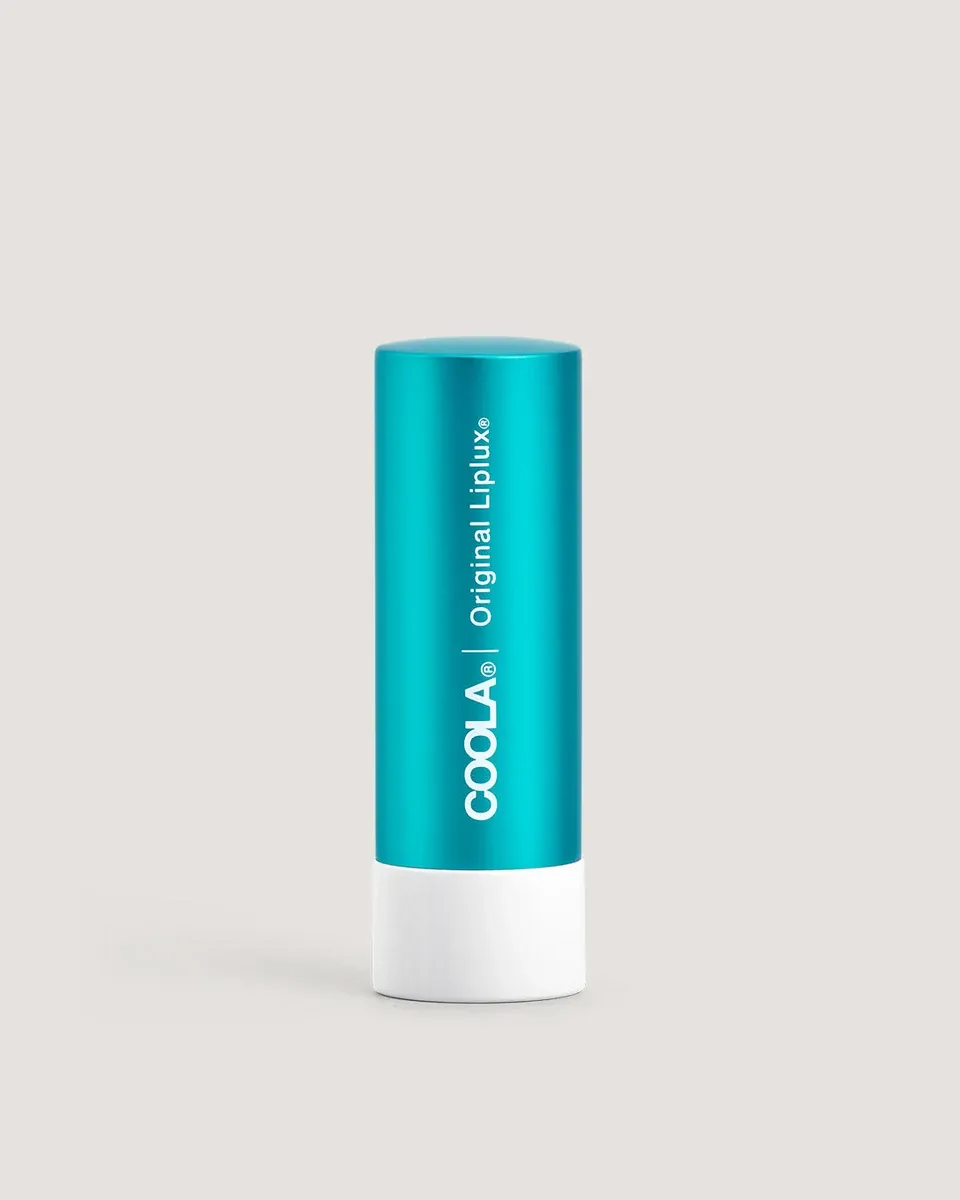
COOLA Original Liplux Lip Balm Sunscreen SPF 30
Best for: outdoor days and water exposure Why: the current label combines SPF 30 with 80-minute water resistance. Watch-out: flavor and organic-filter taste may not suit sensitive lips
Check current Amazon optionsAs an Amazon Associate, we earn from qualifying purchases.
Product facts checked against the current manufacturer or official product information. Formulas, packaging, availability, and prices can change.
Sun Bum Original SPF 30 Sunscreen Lip Balm
Sun Bum Original SPF 30 Sunscreen Lip Balm earns the best flavored everyday option position because its portable flavored format makes frequent use easy for people who enjoy the taste and glide. This is a use-case judgment, not a claim that one product is universally superior.
The current official product information identifies broad-spectrum SPF 30 in the current Original kiwi lip-balm format. That information helps define texture, routine fit, and obvious exclusions; it does not prove every marketing outcome or predict an individual reaction.
Routine fit: Carry it in a bag rather than a hot car and reapply after food, drink or wiping. The main tradeoff is that flavor and sunscreen taste can irritate or discourage some users Check the current package and Drug Facts or ingredient list when it arrives because formulas and sizes can change.
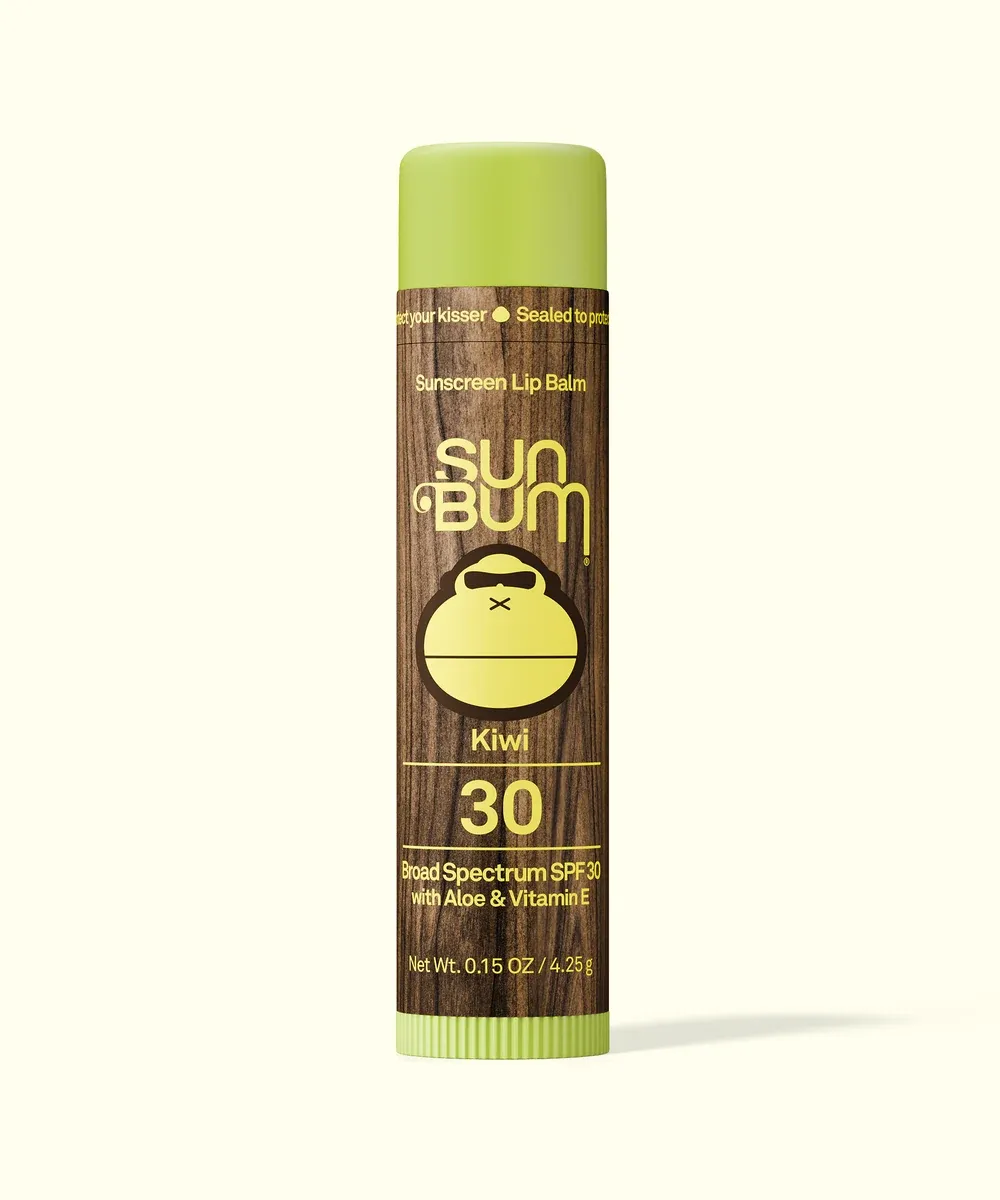
Sun Bum Original SPF 30 Sunscreen Lip Balm
Best for: readers who will reapply a flavored SPF stick consistently Why: its portable flavored format makes frequent use easy for people who enjoy the taste and glide. Watch-out: flavor and sunscreen taste can irritate or discourage some users
Check current Amazon optionsAs an Amazon Associate, we earn from qualifying purchases.
Product facts checked against the current manufacturer or official product information. Formulas, packaging, availability, and prices can change.
Do not let the ranking replace the fit check
The top-ranked option is the most balanced starting point, not a universal winner. Re-check the main watch-out, current label and your actual routine before buying; a lower-ranked product can be the better decision when its format removes a barrier to consistent use.
How to choose SPF lip balm
Use current Drug Facts rather than relying on front-label design. A useful pick should make this tradeoff explicit rather than hiding it behind a single overall score.
Beach and sport use call for a labeled water-resistant option. A useful pick should make this tradeoff explicit rather than hiding it behind a single overall score.
Taste, waxiness and shine directly affect reapplication. A useful pick should make this tradeoff explicit rather than hiding it behind a single overall score.
Occlusive comfort matters when lips are already chapped. A useful pick should make this tradeoff explicit rather than hiding it behind a single overall score.
Pick for the day ahead. A comfortable daily stick and a water-resistant beach stick can be a more useful pair than one compromise product.
Avoid applying over cracked, bleeding lips without addressing the cause. Persistent scaling or a nonhealing spot needs evaluation.
How to apply SPF lip balm
- Apply before exposure. Cover the full upper and lower lip, including the border.
- Use enough passes. A barely perceptible swipe is unlikely to form even coverage.
- Reapply frequently. Follow Drug Facts and replace product removed by food, drink or wiping.
- Use water-resistant labeling outdoors. Reapply immediately after swimming or towel drying as directed.
- Protect beyond balm. Add shade and a wide-brimmed hat for prolonged exposure.
Store sticks away from high heat that can soften or destabilize the package. Replace a product that smells, tastes or looks changed.
If every flavored or organic-filter balm stings, simplify and discuss persistent lip inflammation with a clinician instead of cycling through more flavors.
Before you keep the product
- The exact product shows broad-spectrum SPF 30.
- Water resistance matches the activity.
- Taste and texture encourage reapplication.
- The stick is not melted or expired.
- Persistent lip changes are not being masked.
What SPF lip balm does
SPF lip balm is an over-the-counter sunscreen product formulated for the lips. Broad-spectrum labeling addresses UVA and UVB protection, while water-resistance and reapplication directions define how it should be used during activity.
It also functions as lip care, but moisturization and UV protection are separate label questions. A glossy comfortable balm without tested SPF is not a sunscreen.
The buying question is therefore not simply “Which is strongest?” It is “Which option fits daily exposure, water activity, lip dryness and flavor tolerance without adding a tradeoff that makes consistent use unlikely?” A technically impressive formula or device has little value when the finish, sensation, schedule, or application burden causes it to be abandoned.
How we evaluated the shortlist
We ranked the shortlist around four decision axes: broad-spectrum spf, water resistance, flavor and feel, dry-lip support. Official product pages supplied current specifications and use directions. Independent editorial result pages were used to identify the questions shoppers repeatedly face, not as proof that a product works for every reader.
SkinOptimizer did not run a controlled head-to-head trial for this guide. We therefore do not award points for sensory observations we did not make, and we do not repeat retailer star ratings as efficacy evidence. Rankings can change when formulas, device specifications, packaging, or availability change.
We excluded options when the exact SPF product could not be distinguished from a non-SPF variant or current Drug Facts were unclear. We also avoided hard-coded prices because a temporary promotion can make a weak match look artificially attractive. Value here means that the product's format and role justify its place in a realistic routine.
What the evidence can—and cannot—promise
The FDA explains sunscreen labeling and reapplication. The Skin Cancer Foundation includes lips among areas that need sun protection.
An SPF value comes from standardized testing, but protection in use depends on amount and replenishment. Lip movement and contact remove product faster than a static marketing photograph suggests.
Our editorial threshold is practical: a claim must be traceable to current official labeling or an identified authority source, and the language must match the evidence. Expect a protective routine that requires repetition, not a once-daily seal. This is why the ranking emphasizes adherence, formulation or device specifications, and predictable tradeoffs instead of dramatic before-and-after promises.
Common SPF lip balm mistakes
One morning swipe: Lip product is removed throughout the day. Confusing hydration with SPF: A rich balm without tested SPF does not provide labeled UV protection. Ignoring water resistance: A daily balm may not suit swimming. Buying multipacks first: Unpleasant taste can turn value into waste.
Change one variable at a time and document the product, amount, frequency, and body or face area. A simple note after each use is more informative than trying to remember whether irritation began before or after several simultaneous changes.
Stop and reassess when swelling, blistering, hives, persistent burning or a nonhealing lip lesion develops A product that repeatedly causes a meaningful adverse reaction is not a better value because it was expensive or highly ranked.
How this decision fits the rest of your routine
A product decision works better inside a coherent routine. Start with our chapped-lips guide and hydrating lip balms when the surrounding cleanser or moisturizer is still unsettled. Those steps often determine tolerance more than switching between two similar products.
For the adjacent concern, use the focused guides to UV protection guide, everyday sunscreen, and water-resistant sunscreen. Each solves a different decision; stacking every active or tool at once makes it impossible to identify what helped or irritated.
If you need to simplify further, compare our sensitive-skin sunscreen, skin barrier repair, and sun-damage prevention guide. These internal references are deliberately specific so the guide remains useful after the purchase decision instead of ending at the checkout link.
When professional evaluation matters
Seek evaluation for a persistent rough or scaly patch, bleeding, ulceration, significant swelling, recurrent severe cheilitis or a lesion that does not heal. Lip balm is not a treatment for infection or suspected skin cancer.
Bring the product packaging, a complete ingredient list, and a short timeline of symptoms to an appointment. That is more useful than describing a product only as “gentle” or “clean,” terms that do not identify the ingredient, exposure, or condition involved.
Pregnancy, breastfeeding, prescription treatment, a recent procedure, photosensitizing medication, or a diagnosed skin or eye condition can change the safest choice. Product-label directions and advice from your own clinician take priority over a general shopping guide.
Use a 30-day decision log instead of guessing
Before the first use, photograph or describe the baseline under ordinary consistent conditions and write down the exact product, variant, application amount, body or face zone, and every other active used that day. For this decision, the most useful context is daily exposure, water activity, lip dryness and flavor tolerance. That record prevents a familiar shopping error: attributing a change to the newest purchase when the weather, shaving, makeup, medication, menstrual or menopausal transition, outdoor exposure, or another product changed at the same time.
During the first month, record comfort immediately after use and again several hours later. Use simple observations—comfortable, tight, itchy, burning, watery, pilling, heavy, or difficult to reapply—rather than inventing a numerical clinical score. Note whether the product was used at the intended amount and whether you skipped it because of texture, taste, fit, brightness, migration, or time. Those adherence failures are product-performance data because a theoretically ideal option cannot help when its format repeatedly prevents correct use.
Review the log once weekly, not after every mirror check. Keep the product when the intended role is clear, use is repeatable, and adverse effects remain absent or minor and transient. Reduce frequency or simplify surrounding layers when irritation or application conflict accumulates. Stop when the defined warning signs appear. At day 30, decide among three actions: continue unchanged, adjust one variable, or discontinue. Do not add a second new treatment merely because the first product has not produced a dramatic cosmetic change in four weeks.
Authority source trail
For independent context beyond brand pages, review the primary clinical or regulatory guidance source and the supporting authority source used for this guide. These sources define the safety and evidence boundaries; they do not endorse the commercial ranking or individual products.
Frequently asked questions
What SPF is best for lip balm?
Broad-spectrum SPF 30 is a practical starting point for daily use. Outdoor water activity also calls for current water-resistance labeling and frequent reapplication.
How often should I reapply SPF lip balm?
Follow the Drug Facts, commonly at least every two hours, and sooner after eating, drinking, licking, wiping, swimming or towel drying.
Can I put lipstick over SPF lip balm?
Yes, after an even SPF layer is applied, but lipstick can disturb or remove it. Reapplication remains necessary, and an SPF lipstick should not be assumed to replace adequate balm coverage.
Why does SPF lip balm taste bitter?
Some sunscreen actives and flavors are noticeable when product migrates into the mouth. Try a fragrance-free option and apply to the lip surface rather than far inside the mouth.
Is SPF lip balm enough at the beach?
It is one part of protection. Use a water-resistant label, reapply as directed, and add shade and a hat because balm is easily removed.
Final verdict
Aquaphor is the most practical dry-lip daily choice, COOLA is the clearest water-resistant outdoor pick, and Sun Bum works when flavor increases adherence. Keep the winning stick within reach and replace every layer the day removes.
This article is for informational purposes only and does not replace professional dermatological advice.