Best After-Sun Products in 2026: 5 Honest, Soothing Picks
Five current after-sun gels and lotions—with safe first aid, honest formula tradeoffs, and clear signs that a burn needs medical care.
In this guide
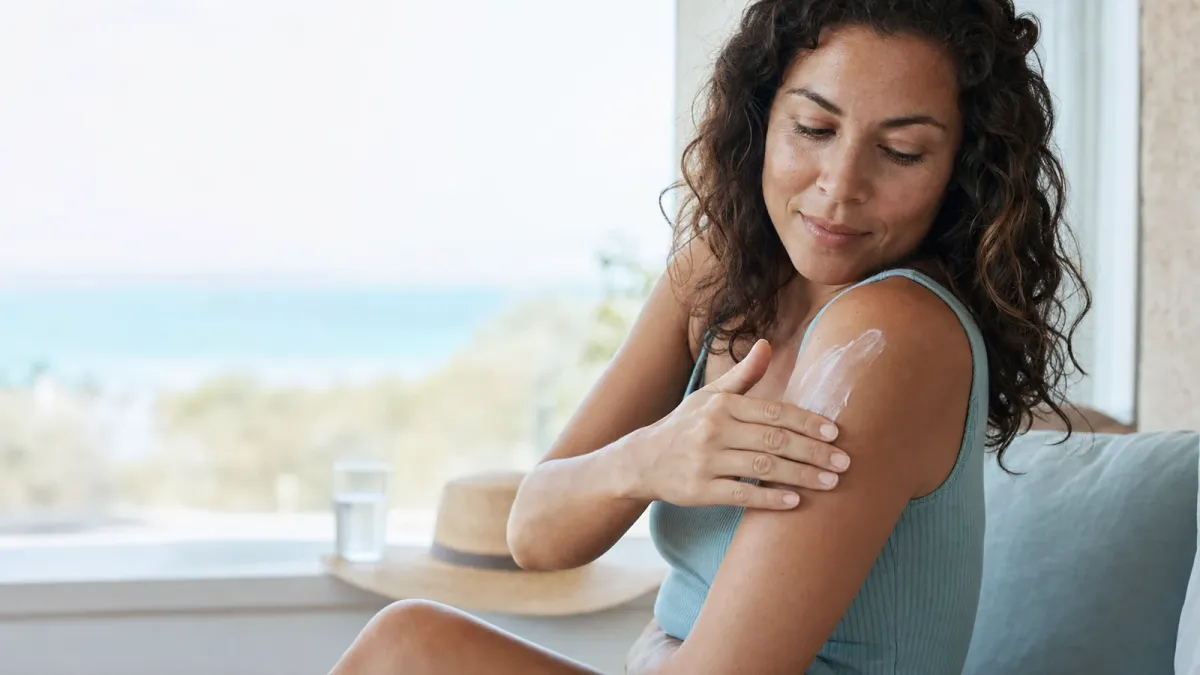
For mild sunburn, get out of the sun, cool the skin with a cool shower or damp towel, drink water, and apply a gentle unperfumed moisturizer or aloe gel while skin is slightly damp. CeraVe Daily Moisturizing Lotion is our best simple lotion; Innisfree Aloe Revitalizing Soothing Gel is the best fragrance- and alcohol-free gel. After-sun products can soothe and moisturize, but they cannot undo UV damage. Blisters, fever, confusion, severe pain, dehydration, or worsening symptoms need medical care.
- Best overall: CeraVe Daily Moisturizing Lotion for a light, fragrance-free face-and-body formula.
- Best aloe gel: Innisfree Aloe Revitalizing Soothing Gel without added fragrance or alcohol.
- Best scented gel: Vacation After Sun Gel, only when fragrance is not a sensitivity.
- Best fast-dry dedicated lotion: Eucerin Advanced Hydration After Sun, with important alcohol and fragrance caveats.
- Best for post-sun dryness: Sun Bum Cool Down Lotion after skin has cooled, not for fragrance-reactive burns.
After-sun marketing often promises “repair,” “recovery,” and “tan extension” as if a lotion can rewind ultraviolet injury. It cannot. Sunburn is an inflammatory response to UV damage, and the most important action is preventing more exposure. A product can make mild symptoms more comfortable and reduce dryness while the skin heals on its own.
This refresh replaces a padded 25-product list with five current formulas and a safer decision framework. Two are simple fragrance-free options. Three are popular dedicated after-sun products whose alcohol or fragrance makes them a poor match for some burned or reactive skin. Those limitations matter more than beachy packaging.
Prevention remains the better strategy. Start with our everyday sunscreen guide, or compare sensitive-skin sunscreens if sting and fragrance make consistent use difficult.
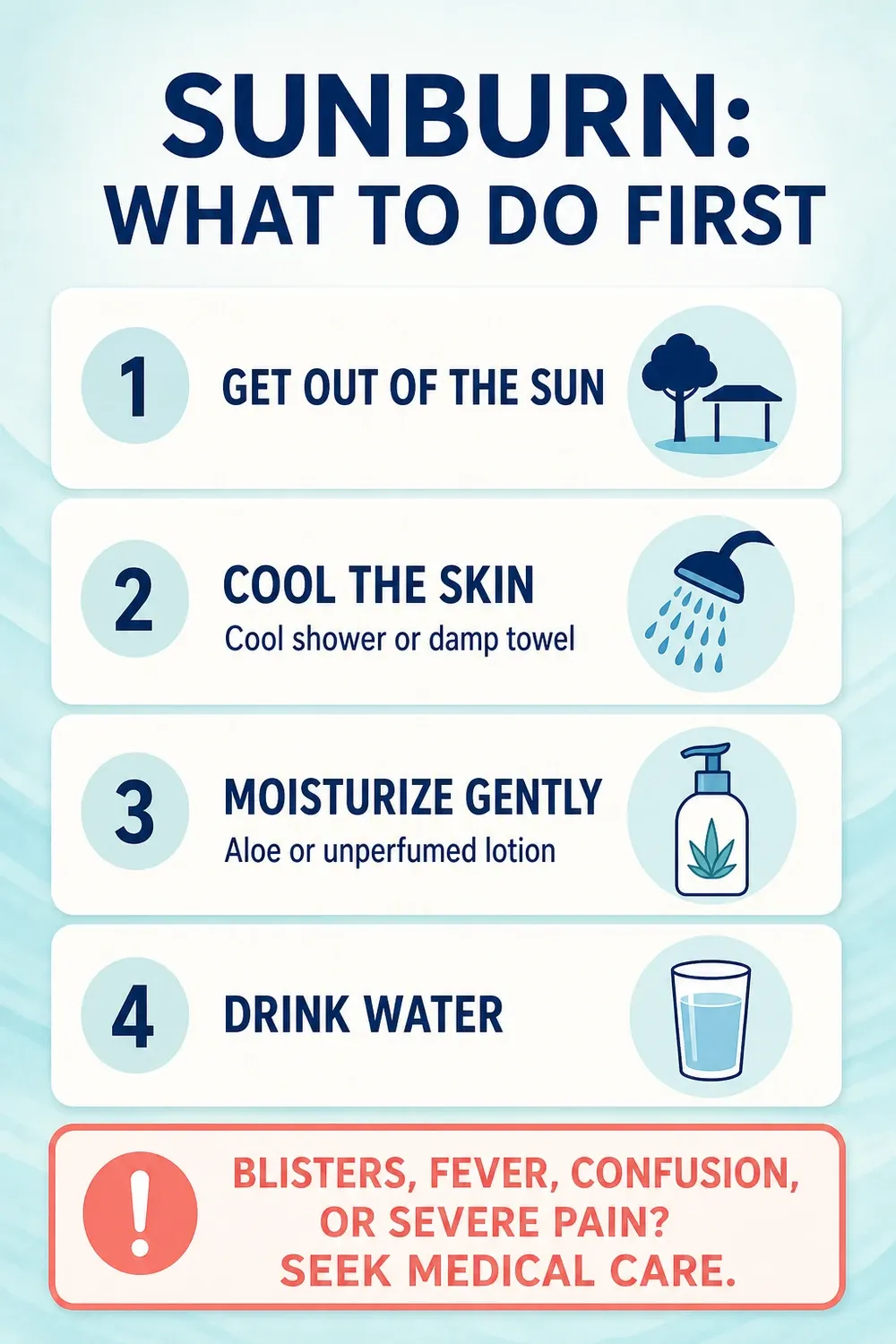
What to Do First for Mild Sunburn
- Leave the sun. Move indoors or into reliable shade and cover the area loosely.
- Cool the skin. Use a cool shower, bath, or damp towel. Do not press ice directly against burned skin.
- Moisturize gently. While skin is slightly damp, apply an unperfumed lotion or a well-tolerated aloe gel.
- Drink water. Sunburn draws fluid toward the skin surface and can accompany heat exposure.
- Avoid more UV. Keep the area protected until it heals; sunscreen alone is not permission to re-expose a fresh burn.
The Mayo Clinic's sunburn first aid likewise recommends cooling, moisturizer or aloe, hydration, and leaving intact blisters alone. The NHS sunburn guidance specifically suggests after-sun or unperfumed moisturizer and warns against petroleum jelly on sunburn, ice, and popping blisters. Follow local medical guidance and product labels.
| Do | Avoid | Why |
|---|---|---|
| Cool shower or damp towel | Direct ice | Cooling helps comfort without adding cold injury |
| Gentle unperfumed lotion | Strong fragrance if skin stings | Inflamed skin has less tolerance for sensory extras |
| Leave blisters intact | Popping or peeling | The blister roof protects the healing surface |
| Loose clothing and shade | More intentional tanning | Additional UV adds damage before recovery |
| Water and rest | Ignoring heat-illness symptoms | Sunburn may occur alongside dehydration or overheating |
When Sunburn Needs Medical Care
A cosmetic after-sun product is not appropriate on open, infected, or extensively blistered skin unless a clinician advises it. Do not use a cooling sensation to judge severity. Menthol, alcohol, and evaporation can feel cold while the underlying injury remains. If symptoms worsen rather than gradually improve, stop self-treatment and get medical advice.
What Makes an After-Sun Formula Useful?
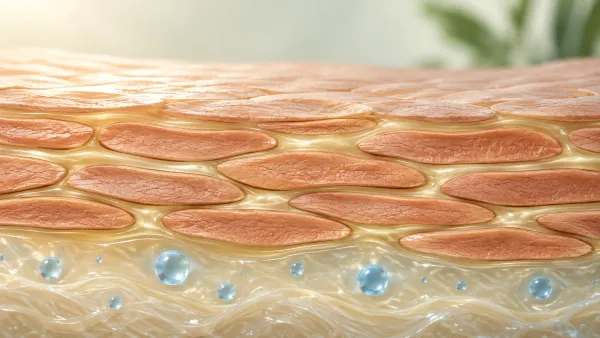
Water and humectants: glycerin, hyaluronic acid, and panthenol help hold water in the upper skin layers. Aloe: can feel cooling and soothing, but a bottle that says aloe may still contain alcohol, dyes, fragrance, or numbing drugs. Light emollients: fatty alcohols, triglycerides, dimethicone, and small amounts of plant oils reduce dryness once skin has cooled.
Fragrance: adds experience, not first-aid value. Denatured alcohol: creates a quick-dry cooling feel but can sting or feel drying to some people. Menthol or peppermint: sensory cooling is not the same as lower skin temperature. Benzocaine and lidocaine: topical numbing ingredients can irritate; the AAD specifically advises avoiding products ending in “-caine” for sunburn.
Best After-Sun Products: Quick Comparison
| Pick | Best use | Formula strength | Main limitation |
|---|---|---|---|
| CeraVe Daily Lotion | Mild burn after cooling; face/body | Fragrance-free; ceramides, glycerin, dimethicone | Not a cooling gel; ordinary moisturizer packaging |
| Innisfree Aloe Gel | Light cooling layer; oily or sticky-texture-averse skin | No synthetic fragrance, colorants, or alcohol | A gel may not seal very dry skin enough |
| Vacation After Sun Gel | Cooling cosmetic gel for fragrance-tolerant skin | Alcohol-free; aloe, glycerin, niacinamide, bisabolol | Contains fragrance and multiple botanical extracts |
| Eucerin Advanced Hydration After Sun | Fast-dry dedicated lotion on sun-stressed intact skin | Glycerin, panthenol, emollients | Alcohol denat. is second; also contains fragrance |
| Sun Bum Cool Down Lotion | Post-sun dryness after skin is cool | Light lotion with aloe, jojoba, cocoa butter | Fragrance; not our reactive-burn choice |
How We Chose These Five
We prioritized current U.S. availability, face/body usability, texture variety, and transparent ingredient tradeoffs. Every product had to represent a real decision: unperfumed lotion, unperfumed gel, fragranced premium gel, fast-dry dedicated lotion, or richer scented lotion. We checked official pages and current retailer ingredient lists rather than trusting “soothing” on the front label.
We did not rank products by how quickly a burn supposedly disappeared, because deliberately testing sunburn would be unethical and anecdotes cannot show reversal of UV injury. We also did not reward “prevents peeling” or “extends your tan” language. Peeling reflects damaged skin shedding; no cosmetic can guarantee that it will not occur.
Five Current After-Sun Options With Honest Tradeoffs
1. CeraVe Daily Moisturizing Lotion
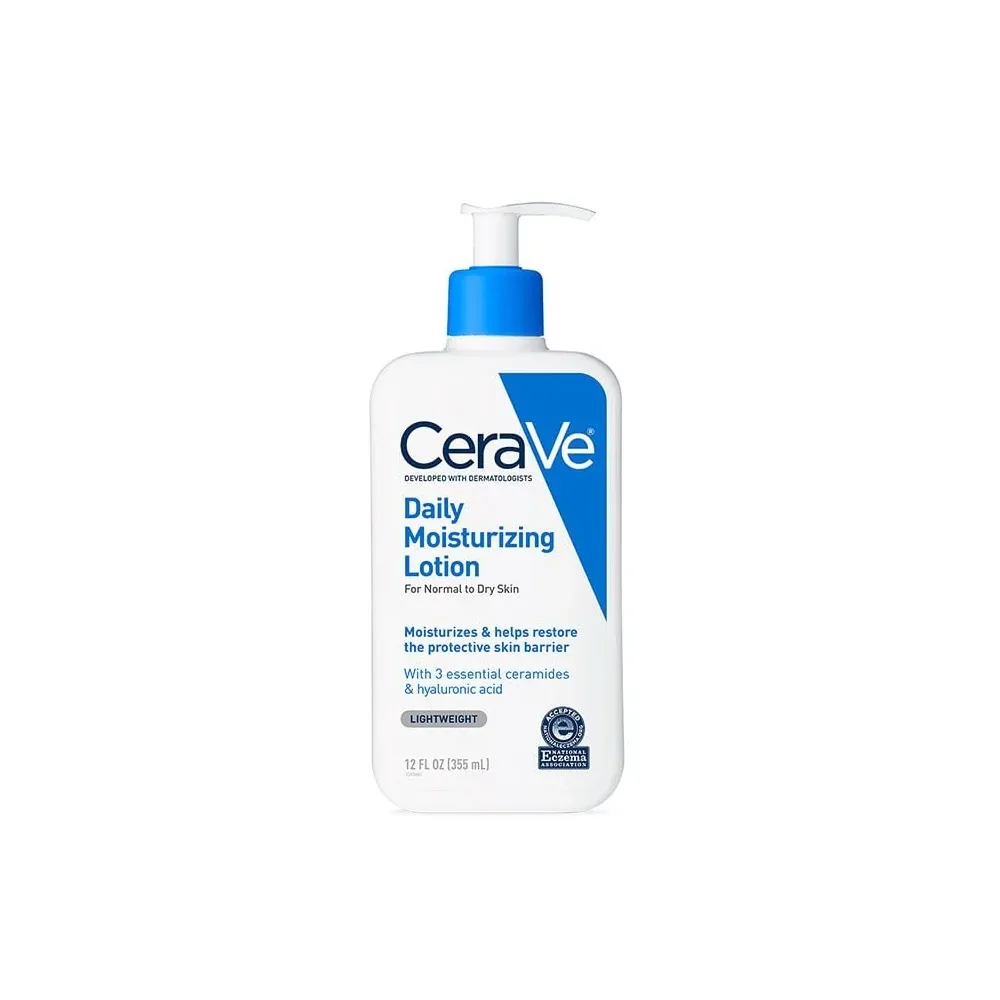
CeraVe wins because a mild sunburn does not require a special label. The current face-and-body lotion is lightweight, fragrance-free, oil-free, non-comedogenic, and formulated with glycerin, three ceramides, hyaluronic acid, cholesterol, and dimethicone. It adds water-binding and barrier-supporting ingredients without a cooling fragrance story.
Apply only after the skin has cooled, while it is slightly damp, and stop if it stings. A pump lotion cannot treat severe burns, broken blisters, infection, or heat illness. It is also not sunscreen. See the current CeraVe formula.
Choose it if: you want the simplest broadly useful face-and-body option. Skip it if: the skin is open or a clinician has told you not to moisturize the area.
Check CeraVe Daily Lotion on AmazonAs an Amazon Associate, we earn from qualifying purchases.
2. Innisfree Aloe Revitalizing Soothing Gel
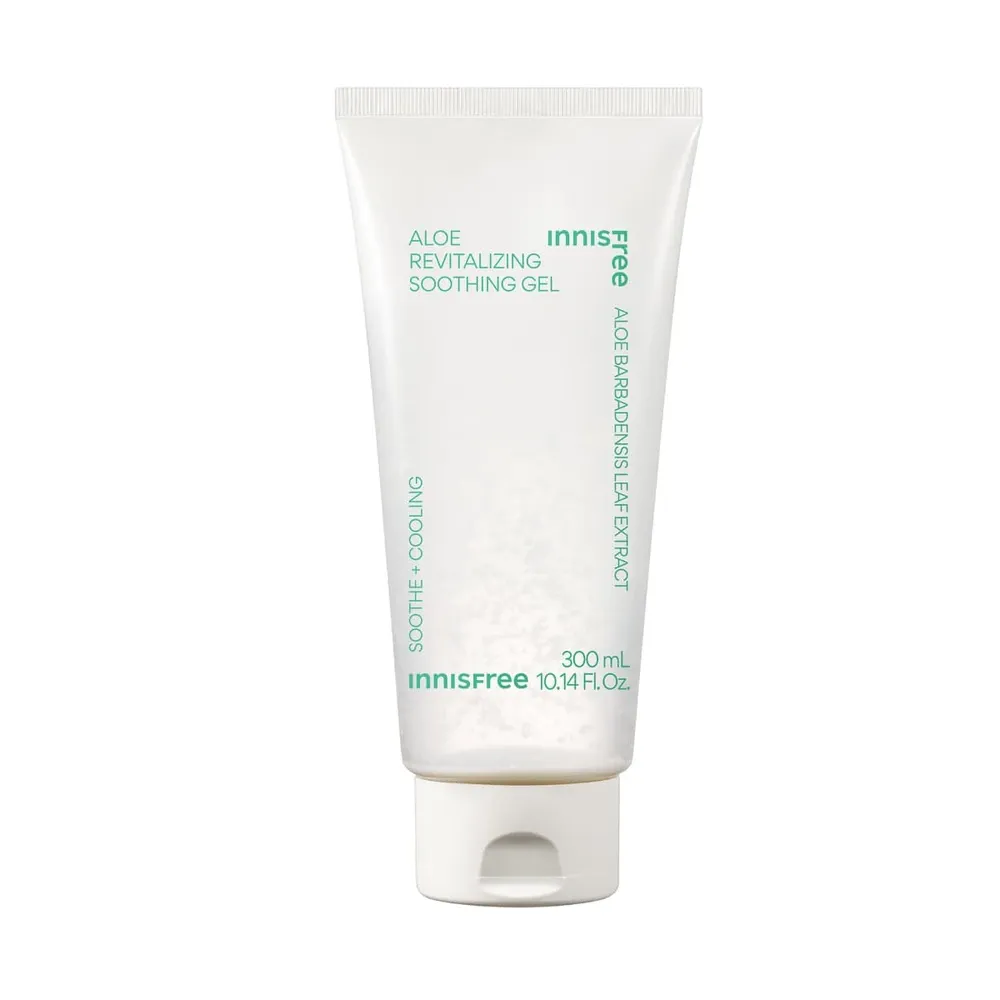
Innisfree is the best gel for someone who wants cooling spread without the standard green dye or perfume. The current U.S. product is formulated without synthetic fragrance, colorants, and alcohol, and uses aloe extract plus madecassoside in a large face-and-body tube. The gel texture is useful when lotion feels too warm or sticky.
Gel alone may not prevent tightness once water evaporates. If intact skin becomes dry after the gel settles, add a thin fragrance-free lotion rather than repeatedly applying thicker gel layers. “Organic aloe” remains a cosmetic ingredient claim, not proof of faster healing. Review the current Innisfree product page.
Choose it if: you want a light alcohol- and fragrance-free aloe texture. Skip it if: gel formulas have previously stung or your skin needs more emollient moisture.
Check Innisfree Aloe Gel on Amazon3. Vacation After Sun Gel
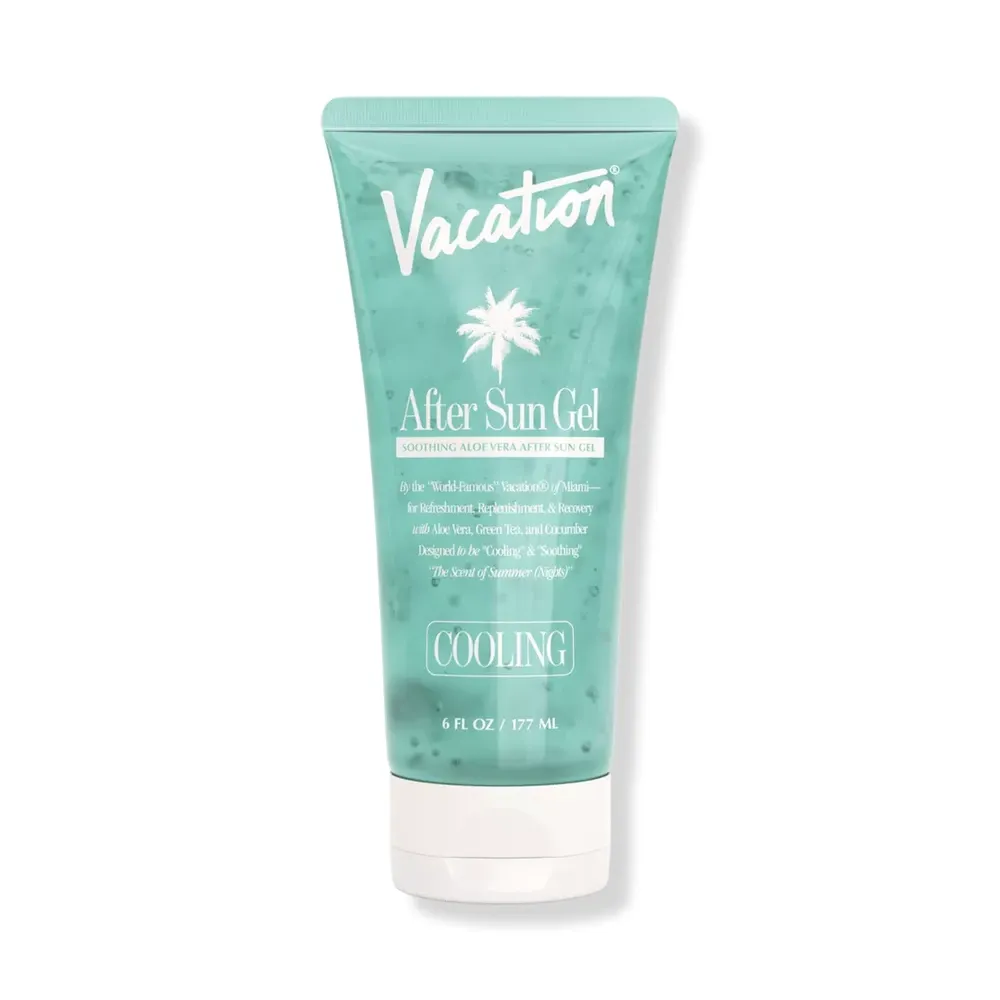
Vacation offers the most elegant cooling gel texture in this group. The alcohol-free formula starts with water and aloe, then adds niacinamide, glycerin, hyaluronic acid, bisabolol, cucumber, allantoin, vitamin E, and multiple botanical extracts. It is fast-absorbing and can be refrigerated for a cooler feel without putting ice on the skin.
The custom fragrance is part of the product's identity, not a minor footnote. Fragrance and the long botanical blend make it a poor first choice for reactive, blistered, or intensely stinging skin. Use it for mild intact sun-exposed skin only when you already tolerate scented body products. See the current Vacation ingredients.
Choose it if: sensory elegance helps you moisturize and fragrance is not a problem. Skip it if: your burn stings, blisters, or reacts to fragrance.
Check Vacation After Sun Gel on Amazon4. Eucerin Advanced Hydration After Sun Lotion
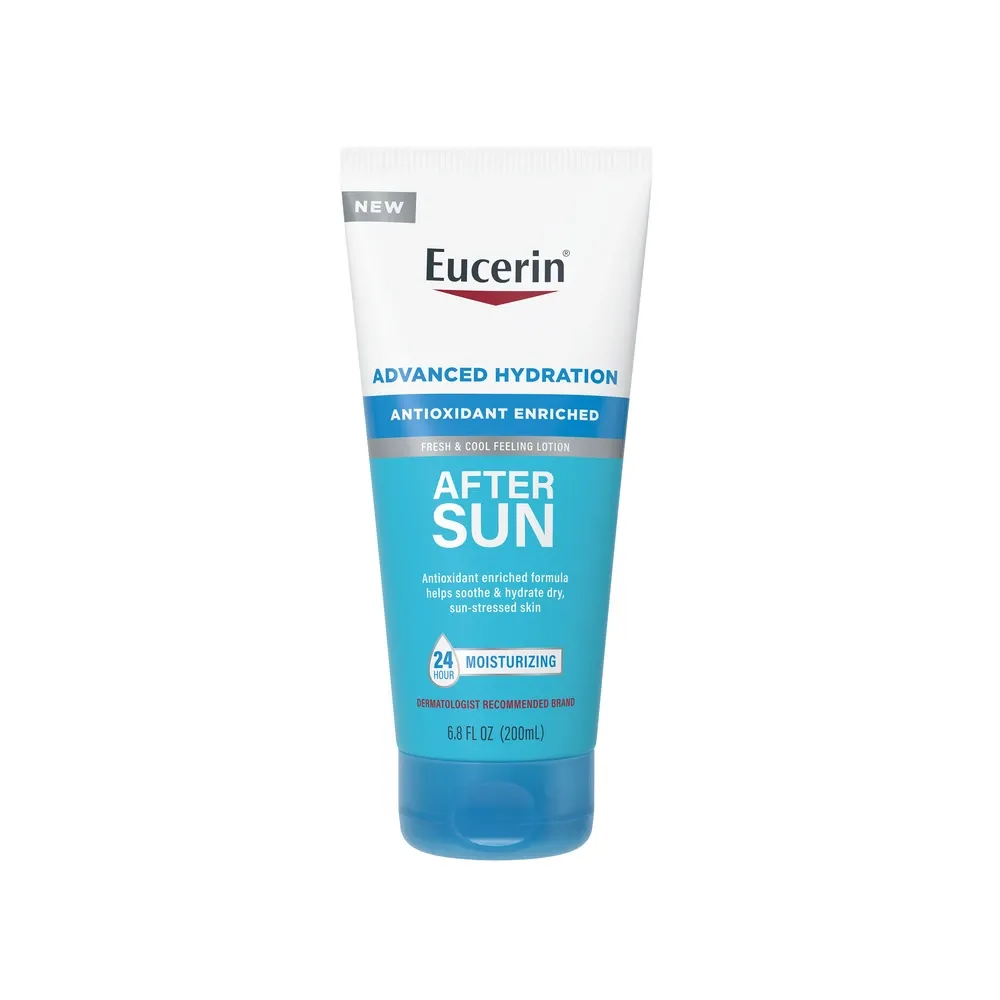
Eucerin is a dedicated face-and-body after-sun lotion with glycerin, panthenol, emollients, licorice-derived ingredients, vitamin E, and dimethicone. The official page positions it as a lightweight, non-sticky option for intact sun-stressed skin and lists it as hypoallergenic and non-comedogenic.
The current U.S. ingredient lists available through retailers place denatured alcohol second and also include fragrance. That explains the fast, cool dry-down but makes this a conditional pick, not our sensitive-burn winner. Hypoallergenic does not mean alcohol-free or fragrance-free. Verify your package because formulas change, and use CeraVe or Innisfree if alcohol or scent stings. See the current Eucerin page.
Choose it if: you want a thin dedicated after-sun lotion and already tolerate the formula. Skip it if: burned skin is reactive to alcohol or fragrance.
5. Sun Bum Cool Down Lotion
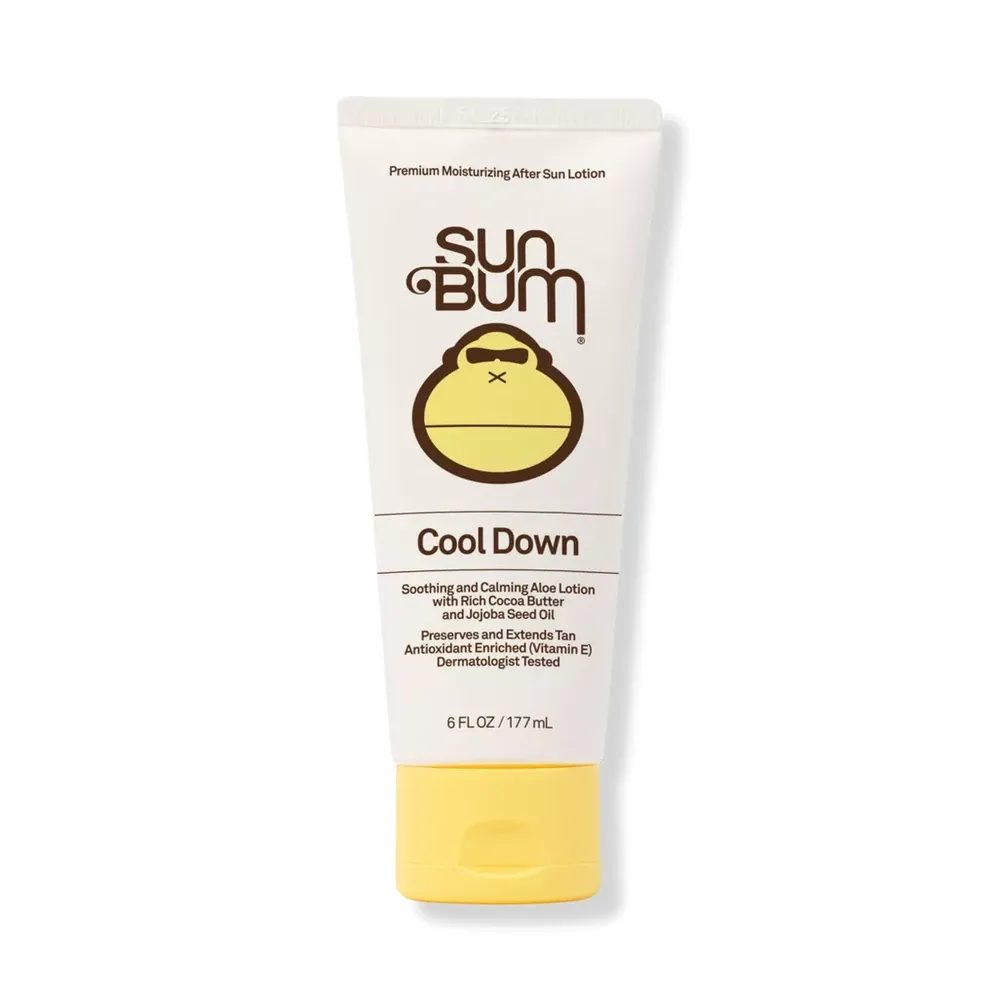
Sun Bum is the richer post-sun dryness option once the skin is cool and intact. The current lotion combines aloe extract with sorbitol, jojoba oil, cocoa butter, fatty ingredients, and vitamin E. It spreads more like a conventional body lotion than a watery gel and can suit someone whose skin feels dry after salt water, chlorine, and sunscreen removal.
Fragrance appears high in the current ingredient list, and cocoa butter adds richness that may feel unpleasant while a burn is still hot. We would not choose it for the face, open blisters, or fragrance-reactive skin. Its brand claims about easing pain or preventing peeling should not replace medical first aid. Review the current Sun Bum formula.
Choose it if: exposure left intact body skin dry rather than actively burning. Skip it if: scent stings, the area is hot, or blistering is present.
When to Restart Your Normal Skincare Routine
Keep the routine boring until heat, tenderness, and redness settle. Use a gentle cleanser only when needed, then a simple moisturizer. Pause scrubs, exfoliating acids, retinoids, strong vitamin C, fragranced masks, and at-home devices on the affected area. Restart one active at a time after skin feels normal and intact; there is no prize for returning on a fixed day.
For the face, our skin-barrier recovery guide explains how to simplify without diagnosing every sting as barrier damage. For body dryness after the acute heat has passed, compare our body moisturizer guide. Avoid picking or peeling shedding skin.
Prevent the Next Burn
Use broad-spectrum, water-resistant SPF 30 or higher, apply generously before exposure, and reapply at least every two hours outdoors and after swimming or sweating according to the label. The FDA sunscreen guidance also emphasizes shade, clothing, hats, and label directions. No after-sun product cancels cumulative exposure.
Choose a formula you can apply correctly. Our comparisons cover chemical versus mineral sunscreen, sunscreen for acne-prone skin, and sunscreens for dark skin without obvious cast. Shade and clothing reduce the amount of sunscreen doing all the work.
Frequently Asked Questions About After-Sun Care
What is the best product to put on mild sunburn?
After cooling the skin, apply a gentle unperfumed moisturizer or an aloe-containing gel that does not sting. CeraVe Daily Moisturizing Lotion and Innisfree Aloe Revitalizing Soothing Gel are the simplest choices here. Product comes after shade and cooling; severe or blistering burns need medical advice.
Does aloe vera heal sunburn faster?
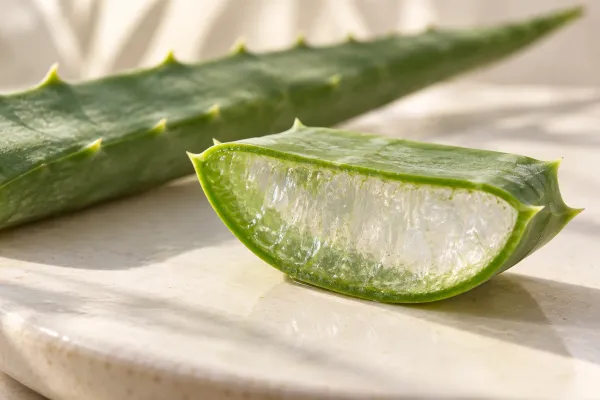
Aloe can feel cooling, soothing, and moisturizing, but it does not reverse ultraviolet damage or guarantee faster healing. Read the entire label: many green aloe gels contain denatured alcohol, fragrance, dyes, menthol, or topical numbing drugs that can sting inflamed skin.
Can I use regular moisturizer after sun exposure?
Yes. A lightweight unperfumed face-and-body moisturizer can be as useful as a bottle labeled after-sun. Apply it after a cool shower while intact skin is slightly damp. Stop if it causes persistent burning, and do not put cosmetic lotion over open or infected blisters without medical guidance.
What ingredients should I avoid on sunburn?
Avoid anything that stings, plus strong fragrance, exfoliating acids, retinoids, scrubs, direct ice, and topical numbing products ending in “-caine” unless a clinician directs otherwise. Alcohol and menthol may feel cool but can irritate some burns. Do not pop blisters or peel skin.
When does sunburn need medical care?
Seek care for widespread or large blisters, severe pain, worsening swelling, infection signs, fever, chills, nausea, confusion, fainting, dehydration, severe headache, eye symptoms, or heat illness. Burns involving babies, vulnerable people, the face, hands, or genitals deserve prompt professional advice.
Bottom Line
CeraVe and Innisfree are the safest starting points in this list because they avoid added fragrance and alcohol. Vacation offers a pleasant scented gel, while Eucerin and Sun Bum are conditional options with formula tradeoffs. The best after-sun routine is still shade, cool water, hydration, a non-stinging moisturizer, and no more UV while skin recovers.
This content is for educational purposes only and is not a substitute for professional medical advice, diagnosis, or treatment. Always seek the advice of a qualified healthcare provider with questions about a medical condition.