Best Sunscreens for Acne-Prone Skin in 2026: 8 Lightweight SPF Picks
Compare eight sunscreens for acne-prone skin by finish, sensitivity, water resistance and routine fit before choosing your daily SPF.
In this guide
Finding sunscreen for acne-prone skin should not require choosing between reliable UV protection and a face that feels coated. The useful question is not whether one filter family is universally better. It is which complete formula matches your oil level, sensitivity, treatment routine, skin tone and time outdoors.
What is the best sunscreen for acne-prone skin?
Choose a broad-spectrum SPF 30 or higher that feels light enough to apply generously. EltaMD UV Clear SPF 46 is our most balanced daily pick for acne-prone or redness-prone skin, Eucerin Clear Skin SPF 50 suits a noticeably oily finish, and Hero Superlight SPF 30 is the simplest mineral-first option in this guide. For sweat or swimming, ignore the marketing mood and choose a label that explicitly states 40 or 80 minutes of water resistance.
Choose by finish, not by fear
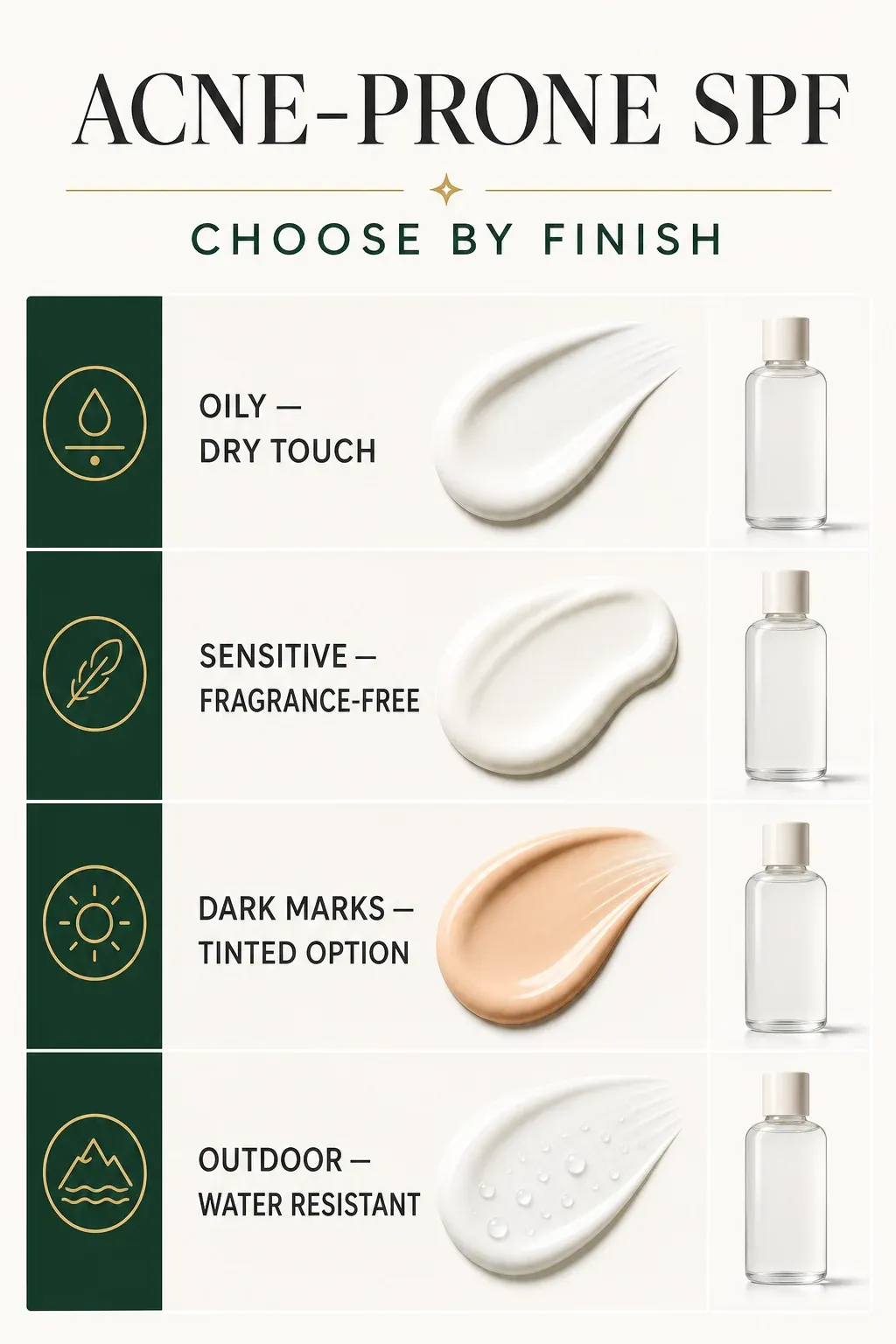
- Oily or shiny: prioritize a fluid, gel or dry-touch finish rather than assuming every oil-free formula will feel matte.
- Sensitive or treatment-dry: start with fragrance-free sunscreen and avoid stacking several drying acne products underneath it.
- Post-acne dark marks: daily broad-spectrum protection matters; a tinted formula may also fit readers who want visible coverage.
- Outdoor activity: select water resistance by the current Drug Facts label and reapply after the stated interval.
- Breakout troubleshooting: change one variable at a time and evaluate the entire routine, including sunscreen removal.
Best sunscreens for acne-prone skin lists often create a false rule: mineral is safe and chemical is risky, or oil-free means a product cannot cause a breakout. Real skin is less tidy. A mineral cream can feel too dense for an oily T-zone, while a well-formulated organic-filter fluid may disappear comfortably. A non-comedogenic claim is a useful screening signal, not a guarantee for every person.
I built this guide around the decisions that happen after the label is read. Does the product leave enough shine that you apply too little? Does your adapalene routine make a matte sunscreen feel tight? Do you need 80-minute water resistance, or are you shopping for an office day? Those variables determine whether a theoretically good sunscreen becomes one you actually wear.
The shortlist also separates acne from the marks left after acne. Flat brown or gray-brown areas are often post-inflammatory hyperpigmentation rather than scars. The American Academy of Dermatology explains the distinction in its guidance on post-acne marks and scars. Sunscreen does not treat acne, but consistent protection can support a routine designed to keep those marks from becoming a bigger concern.
How to Choose Sunscreen for Acne-Prone Skin
Start with protection: broad spectrum, SPF 30 or higher, and water resistance when the day requires it. The AAD specifically advises acne-prone shoppers to look for “non-comedogenic” or “won't clog pores” wording in its guide to choosing the right sunscreen.
Then choose the vehicle. Fluid and gel textures generally spread in thinner-feeling layers; lotions balance comfort and spread; richer mineral creams may suit treatment-dry skin but feel noticeable on an oily face. The best label is irrelevant if the finish causes you to use half the needed amount.
| Your main issue | Start with | Watch for |
|---|---|---|
| Midday shine | Fluid, gel or dry-touch lotion | Very matte formulas can catch on flaky treatment areas |
| Redness or stinging | Fragrance-free formula with fewer routine variables | “Mineral” alone does not guarantee comfort |
| Dark post-acne marks | Broad spectrum; consider a well-matched tint | A poor shade match can lead to under-application |
| Sweat or swimming | 40- or 80-minute water-resistant label | No sunscreen is waterproof |
Do not choose solely by mineral versus chemical
Both mineral and organic sunscreen filters work largely by absorbing UV energy; mineral particles also scatter and reflect a smaller portion. That makes the old “mineral sits on top while chemical absorbs” explanation too simplistic. Compare the finished product instead: protection, finish, tint, fragrance, eye comfort and water resistance.
Mineral zinc oxide can be a practical choice when fragrance or certain organic filters have irritated your skin before. Its limitation is cosmetic: some formulas feel dense or leave a cast. Organic-filter and hybrid formulas are often more transparent and fluid, but an individual formula can still sting the eyes or irritated skin.
Match water resistance to the day
“Waterproof” is not a valid sunscreen promise. U.S. labels can state water resistance for 40 or 80 minutes, which tells you how long the tested protection is retained during swimming or sweating. The FDA sunscreen guidance recommends reading the current label and reapplying according to its directions.
An elegant office sunscreen does not need to be your beach sunscreen. Owning one daily formula and one outdoor formula is often more rational than demanding that one bottle be ultra-light, invisible, moisturizing, matte and highly water resistant at the same time.
Best Sunscreens for Acne-Prone Skin: Comparison
This table is a decision map, not a laboratory ranking. “Best for” describes the clearest use case based on current label information and formula positioning. SkinOptimizer has not independently verified every finish claim on every skin tone.
| Product | Best for | Main limitation |
|---|---|---|
| EltaMD UV Clear SPF 46 | Balanced daily use; redness-prone acne | Not the outdoor water-resistant pick |
| Eucerin Clear Skin SPF 50 | Oily skin and a dry-touch finish | May feel too dry on irritated treatment areas |
| Hero Superlight SPF 30 | Mineral-first, redness-conscious routines | Green tint and SPF 30 will not suit every use case |
| Neutrogena Clear Face SPF 50 | Affordable lightweight face protection | Organic filters may sting some eyes |
| CeraVe Hydrating Sheer SPF 30 | Acne-prone skin made dry by treatment | More hydrating than truly matte |
| Paula's Choice CLEAR SPF 30 | Very fluid daily layering | Not the first choice for swimming |
| Supergoop Unseen SPF 50 | Invisible primer-like finish | Silicone-rich feel and premium price |
| Cetaphil Daily Facial Moisturizer SPF 35 | One-step moisture plus daily SPF | Can feel richer than a dedicated fluid |
The 8 Best Sunscreens for Acne-Prone Skin in 2026
1. EltaMD UV Clear Broad-Spectrum SPF 46
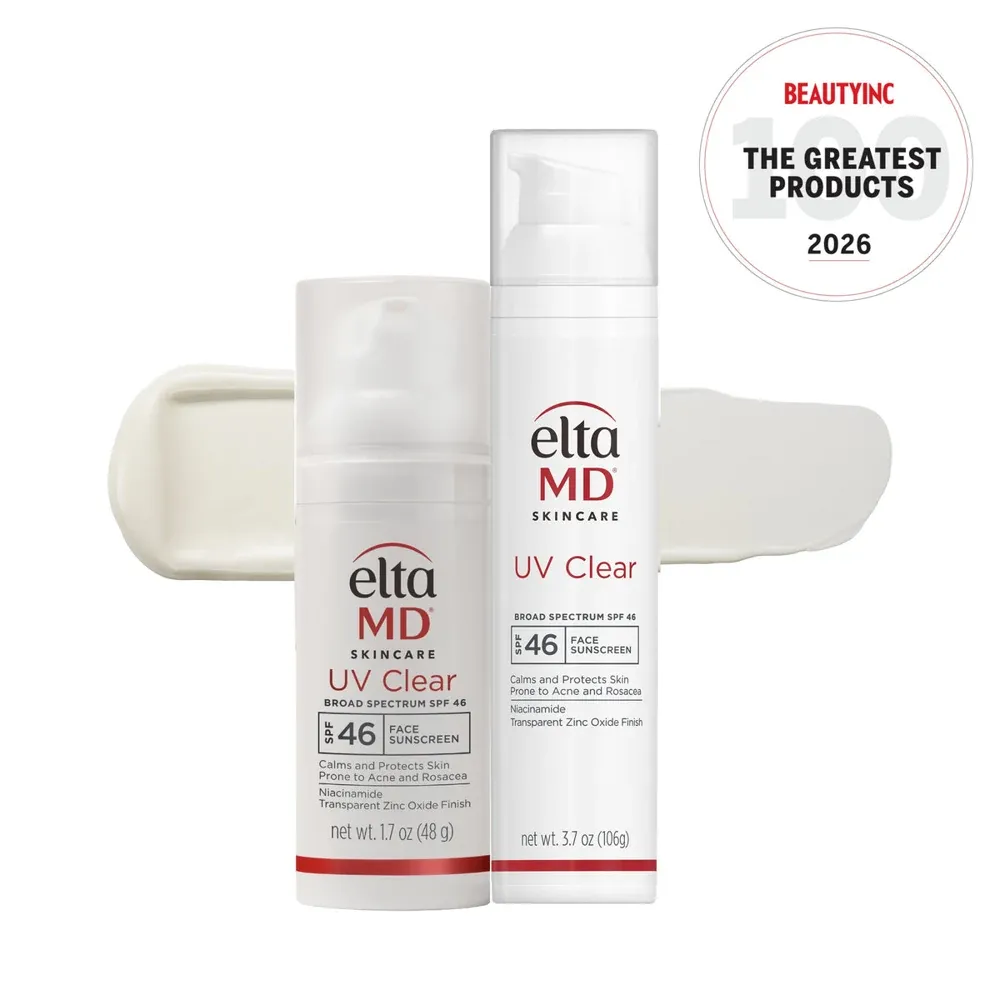
EltaMD UV Clear earns the first position because its current U.S. formula solves several common acne-routine constraints at once. It combines 9% zinc oxide with 7.5% octinoxate, includes 5% niacinamide, and is positioned by the brand as lightweight, fragrance-free and non-comedogenic. It layers more like a facial lotion than a traditional heavy mineral sunscreen.
The untinted formula is not equally invisible on every complexion, and niacinamide is not universally soothing. It also is not the product to choose when swimming or sweating because UV Clear does not carry the water-resistance use case that an outdoor formula needs. Choose it for ordinary daily wear; choose a separate sport sunscreen for active days.
- Best for: combination, oily, redness-prone or post-acne-mark routines.
- Skip if: you know niacinamide irritates you or need water resistance.
EltaMD UV Clear SPF 46
Why it fits: a lightweight hybrid formula with zinc oxide and niacinamide for readers balancing shine, redness and post-acne marks.
Watch-out: not water resistant; verify seller, shade and current ingredient list before ordering.
View EltaMD on AmazonAs an Amazon Associate, we earn from qualifying purchases.
2. Eucerin Clear Skin SPF 50 Face Sunscreen
Eucerin Clear Skin, previously positioned as the brand's Oil Control formula, uses avobenzone, homosalate, octisalate and octocrylene in the current U.S. version. The brand describes it as hypoallergenic, non-comedogenic, fragrance-free and made with oil-absorbing minerals for a dry-touch invisible finish. That combination makes it the most targeted option here for readers whose sunscreen becomes shiny before lunch.
Dry touch is not automatically better. If adapalene, benzoyl peroxide or over-cleansing has left flaky areas around the mouth and nose, a strongly matte finish can make the texture more obvious. Use a light moisturizer only where needed or move to the CeraVe option below until the barrier feels comfortable.
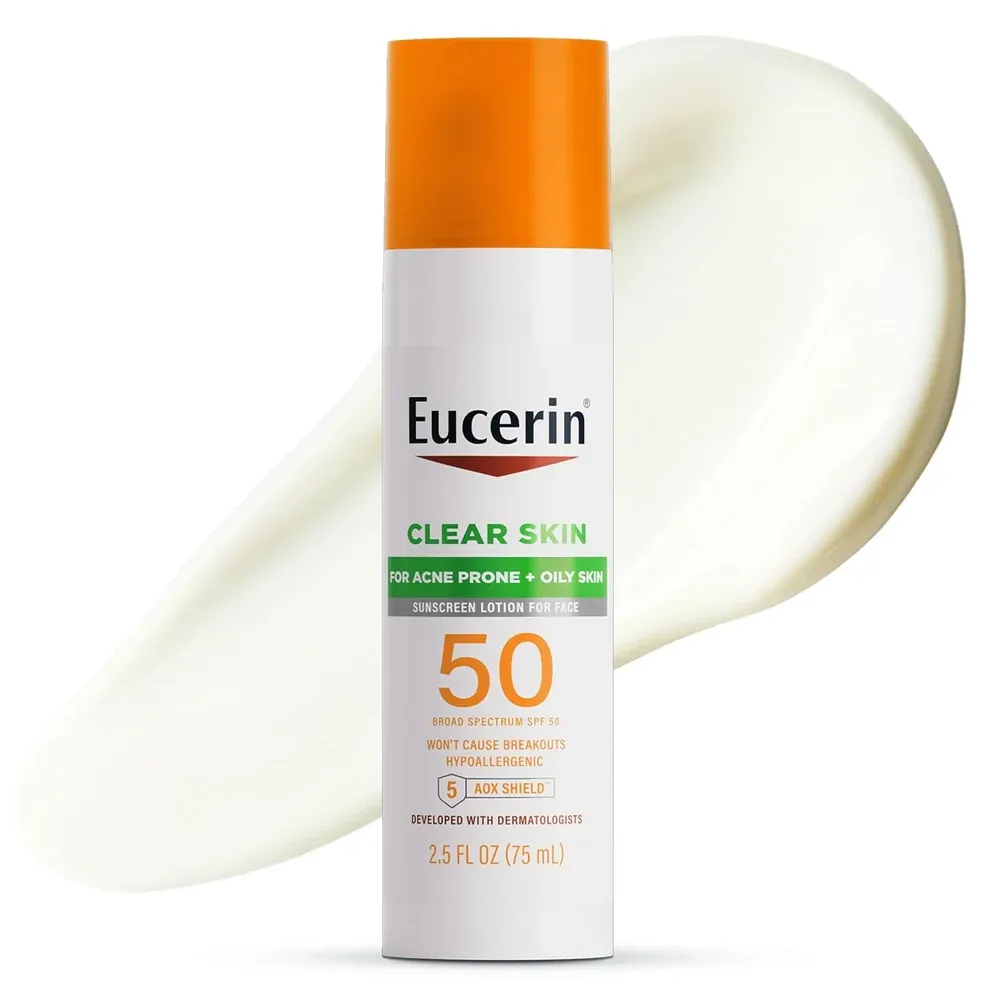
Eucerin Clear Skin SPF 50
Why it fits: a fragrance-free, non-comedogenic dry-touch lotion with oil-absorbing minerals for readers whose sunscreen quickly looks shiny.
Watch-out: not water resistant and potentially too matte for flaky areas caused by acne treatment.
View Eucerin on AmazonAs an Amazon Associate, we earn from qualifying purchases.
3. Hero Cosmetics Superlight Sunscreen SPF 30
Hero Superlight is a zinc-oxide mineral sunscreen with a lightweight gel-cream positioning and a sheer green tint intended to soften the appearance of redness. It is fragrance-free and designed specifically around blemish-prone skin, which makes it easier to understand than a generic face-and-body mineral lotion.
The tint is corrective, not a universal complexion match, and SPF 30 does not make it an inferior daily sunscreen when applied correctly. The real limitation is use case: check the current label before relying on it for long, sweaty outdoor exposure. This is a daily commute and indoor-outdoor transition pick, not our automatic beach choice.
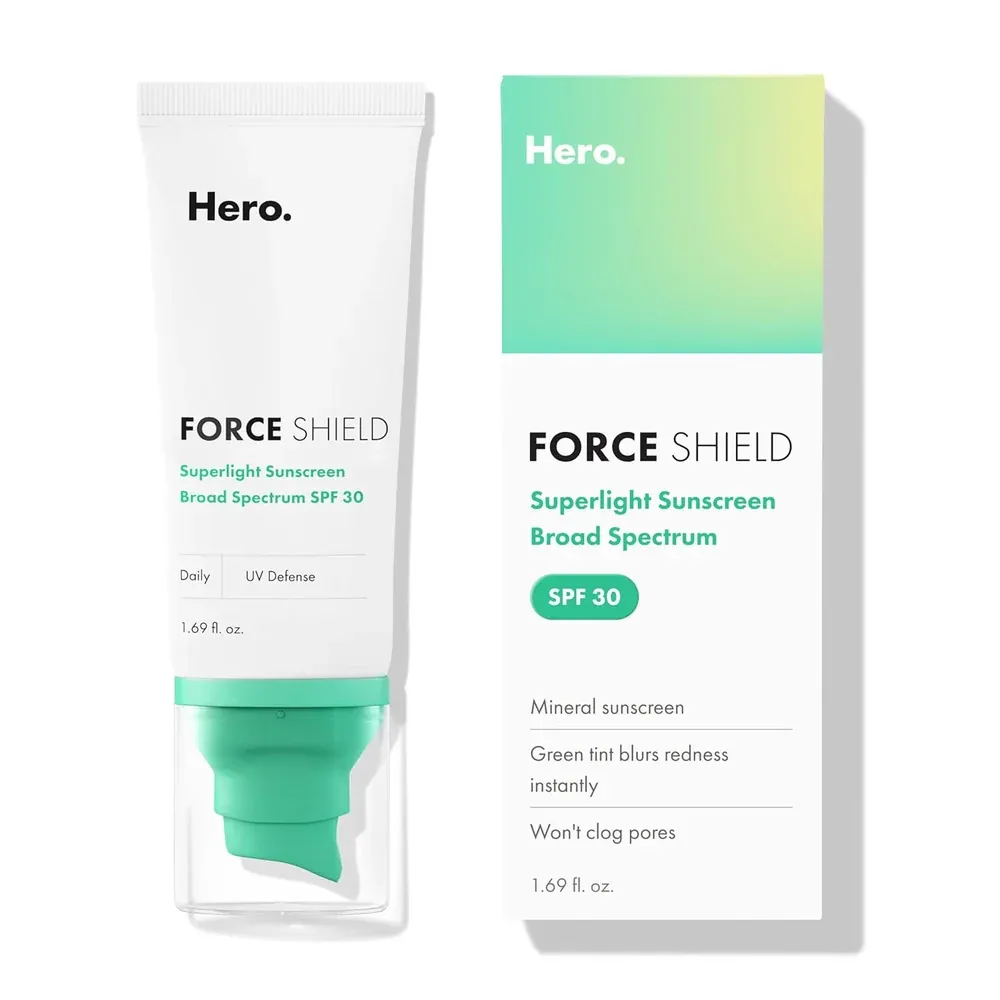
Hero Superlight Sunscreen SPF 30
Why it fits: a fragrance-free zinc-oxide gel cream with a sheer green tint designed around blemish-prone, redness-conscious routines.
Watch-out: the corrective tint is not universal; choose a water-resistant sunscreen for swimming or heavy sweating.
View Hero on AmazonAs an Amazon Associate, we earn from qualifying purchases.
4. Neutrogena Clear Face Liquid Lotion SPF 50
Neutrogena Clear Face SPF 50 is an oil-free, fragrance-free and oxybenzone-free organic-filter lotion marketed for oily and acne-prone skin. It offers a practical drugstore entry point for someone who wants a conventional lightweight face sunscreen without paying prestige pricing.
The tradeoff is eye and irritation tolerance. A product can be fragrance-free and still sting around the eyes or on a damaged barrier. Apply carefully, stop if burning persists, and compare current package directions because Neutrogena sells several Clear Face formats with different SPF levels and claims.
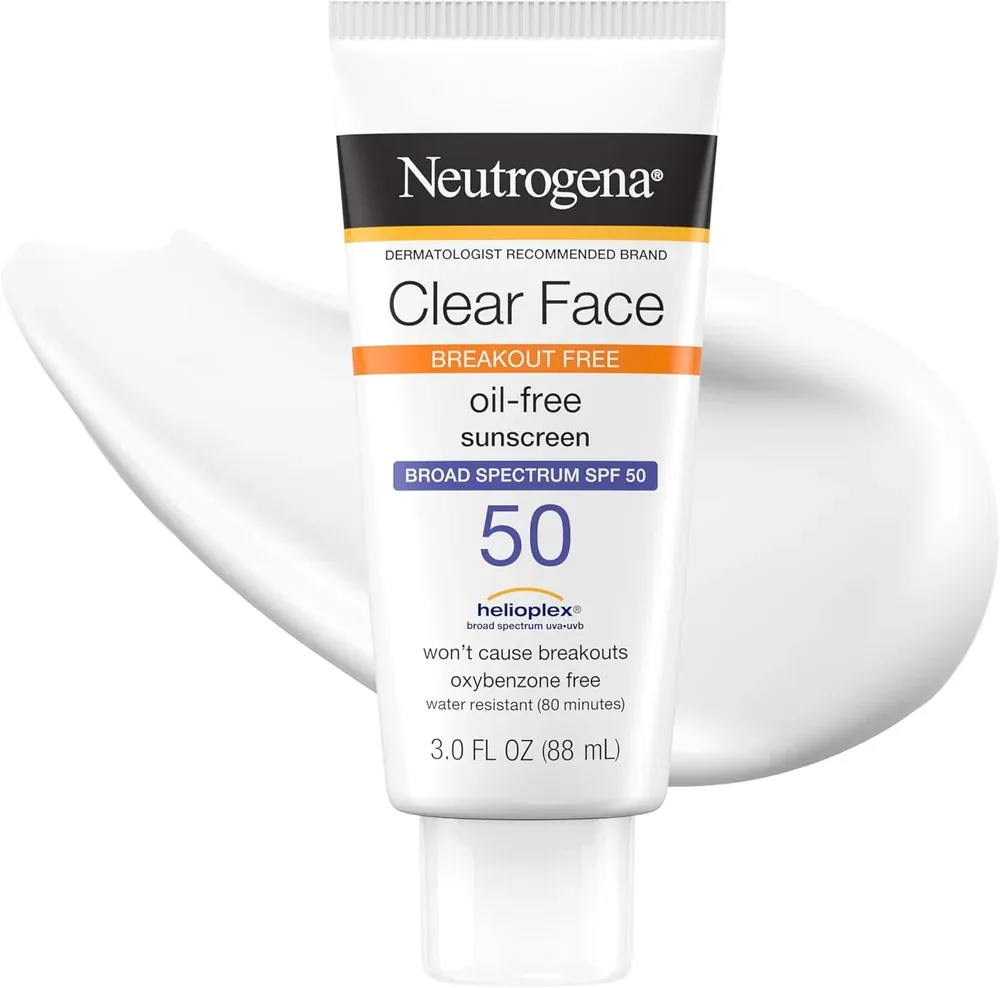
Neutrogena Clear Face SPF 50
Why it fits: an affordable, oil-free and fragrance-free SPF 50 lotion with an 80-minute water-resistance claim for active days.
Watch-out: organic filters can sting some eyes or compromised skin even when the formula is fragrance-free.
View Neutrogena on AmazonAs an Amazon Associate, we earn from qualifying purchases.
5. CeraVe Hydrating Sheer Sunscreen SPF 30
CeraVe Hydrating Sheer combines mineral and organic filters with ceramides, niacinamide and hyaluronic acid. The current formula is fragrance-free, non-comedogenic and water resistant for up to 80 minutes. It is the useful counterexample to the idea that every acne-prone buyer needs the driest possible finish.
Choose it when the acne is being treated but the skin now feels tight, flaky or easily irritated. Its hydration can make a separate morning moisturizer unnecessary, which may reduce pilling. Truly oily skin may prefer Eucerin or Paula's Choice because CeraVe prioritizes comfort over a hard matte effect.
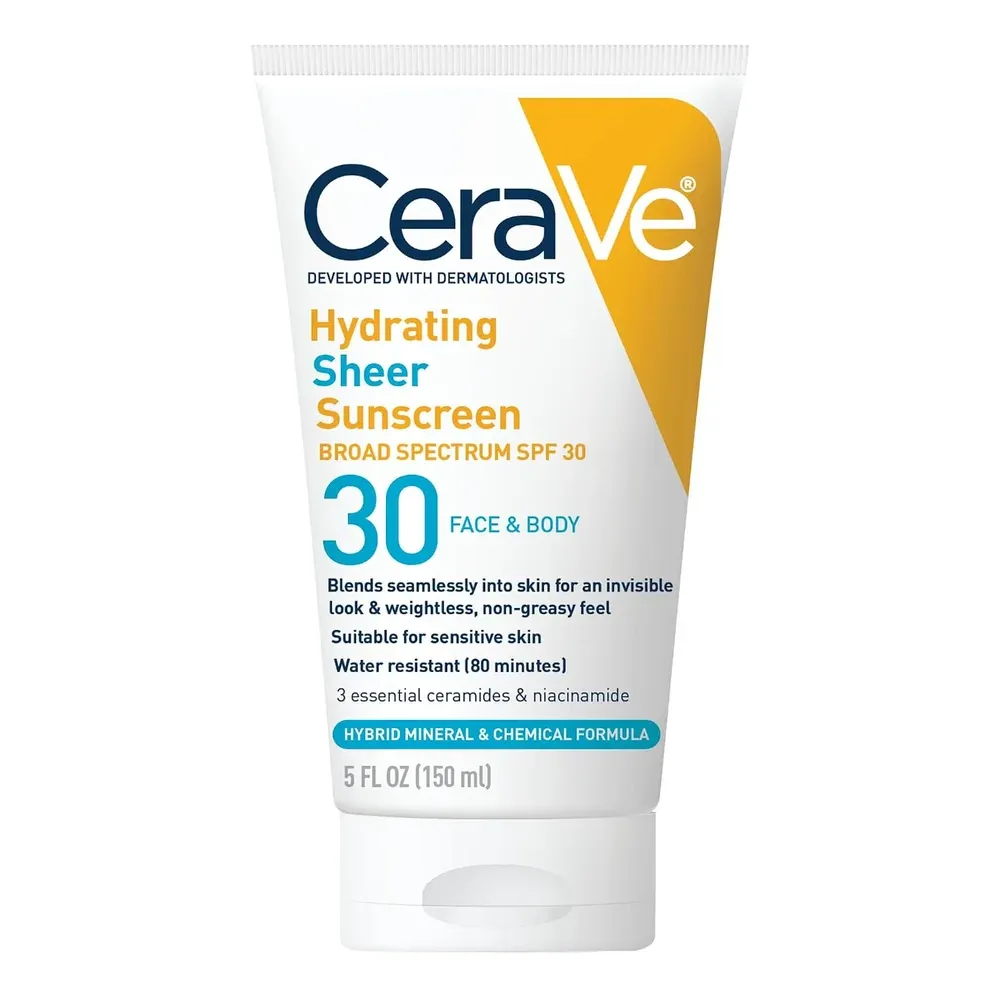
CeraVe Hydrating Sheer SPF 30
Why it fits: a fragrance-free hybrid sunscreen with ceramides, niacinamide and hyaluronic acid plus 80-minute water resistance.
Watch-out: the comfortable hydrating finish is less suitable for readers seeking a strongly matte sunscreen.
View CeraVe on AmazonAs an Amazon Associate, we earn from qualifying purchases.
6. Paula's Choice CLEAR Ultra-Light Daily Fluid SPF 30
Paula's Choice CLEAR SPF 30 is a thin daily moisturizing fluid designed for combination, oily and breakout-prone skin. Its strength is routine elegance: a runny texture can spread more easily over serum or acne treatment than a thick cream, and it can replace a separate moisturizer for some oily users.
This is not the obvious outdoor pick because the product is built around everyday hydration and finish rather than a sport claim. The fluid format also means you need to slow down and apply an adequate, even layer instead of treating it like a few drops of serum.
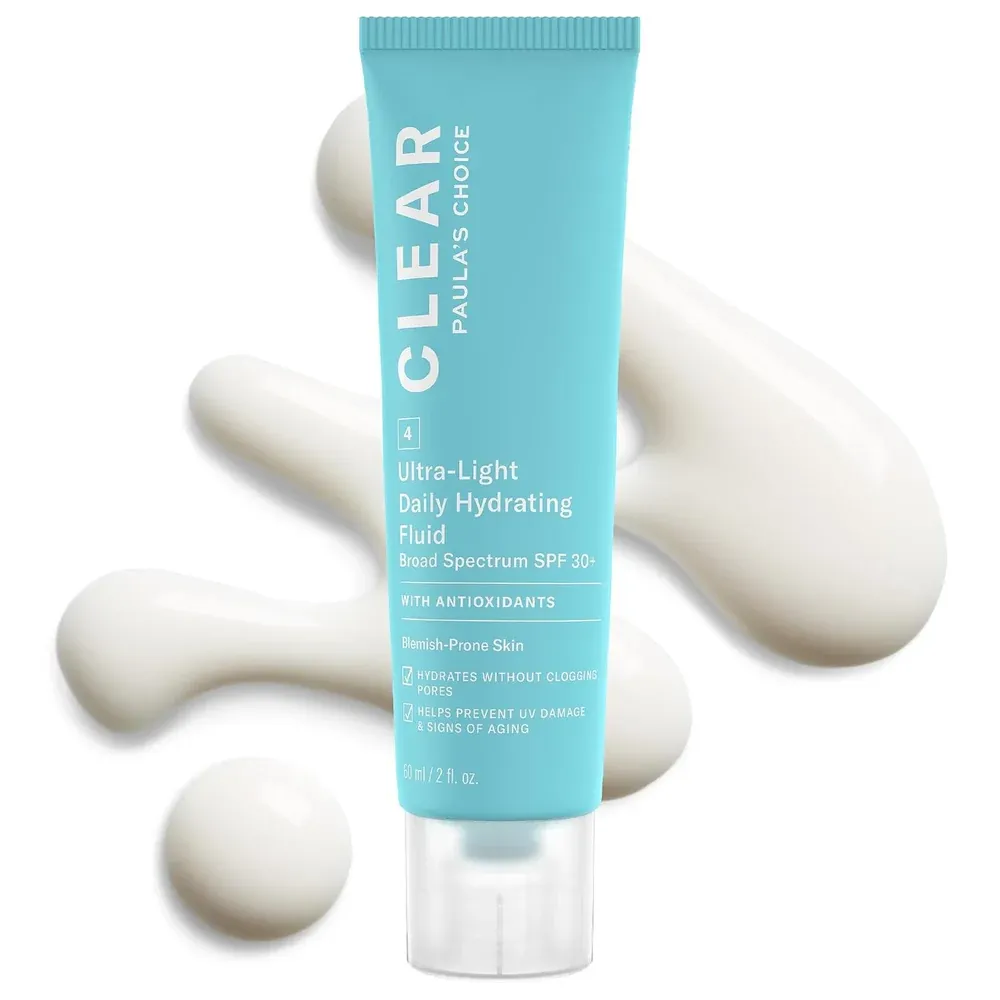
Paula's Choice CLEAR SPF 30
Why it fits: a thin oil-free moisturizing fluid that layers easily over acne treatment and can replace a separate moisturizer for some oily users.
Watch-out: this is an everyday finish-first option, not the primary pick for swimming or extended sweating.
View Paula's Choice on AmazonAs an Amazon Associate, we earn from qualifying purchases.
7. Supergoop Unseen Sunscreen SPF 50
Supergoop Unseen SPF 50 is a clear gel sunscreen with a velvety, primer-like finish and no mineral cast. The current U.S. version is positioned as scentless, water- and sweat-resistant, and free of pore-clogging oils. It is the most logical choice here when white cast and makeup grip matter more than a lotion-like skin feel.
The limitation is tactile. Silicone-rich clear gels can feel unusually smooth or occlusive to people who prefer watery fluids, and the price is high for a product that must be used generously. Breakout-prone does not mean it will break you out, but “invisible” is not a tolerance guarantee.
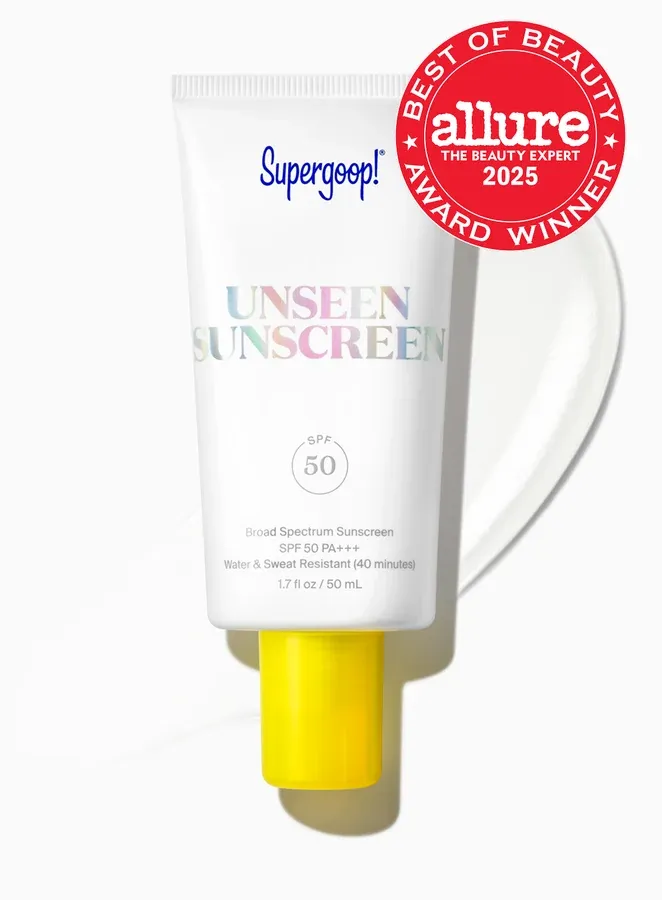
Supergoop Unseen Sunscreen SPF 50
Why it fits: clear primer-like gel for shoppers who reject white cast and want makeup grip with outdoor-ready labeling.
Watch-out: premium price and a silicone-rich feel that will not suit every texture preference.
View Supergoop on AmazonAs an Amazon Associate, we earn from qualifying purchases.
8. Cetaphil Daily Facial Moisturizer SPF 35
Cetaphil Daily Facial Moisturizer SPF 35 combines organic UV filters with glycerin, panthenol and niacinamide in an oil-free, fragrance-free, non-comedogenic formula. It is the simplest pick for combination skin that wants one morning moisturizer rather than separate hydration and sunscreen layers.
The current brand positioning promises a matte satin finish, but moisturizer-SPF products can still feel richer than a dedicated fluid. It also is not water resistant, so it belongs in a normal daily routine rather than a swim or high-sweat plan. If niacinamide or eye-area stinging is a known issue, patch test away from the eyes first.
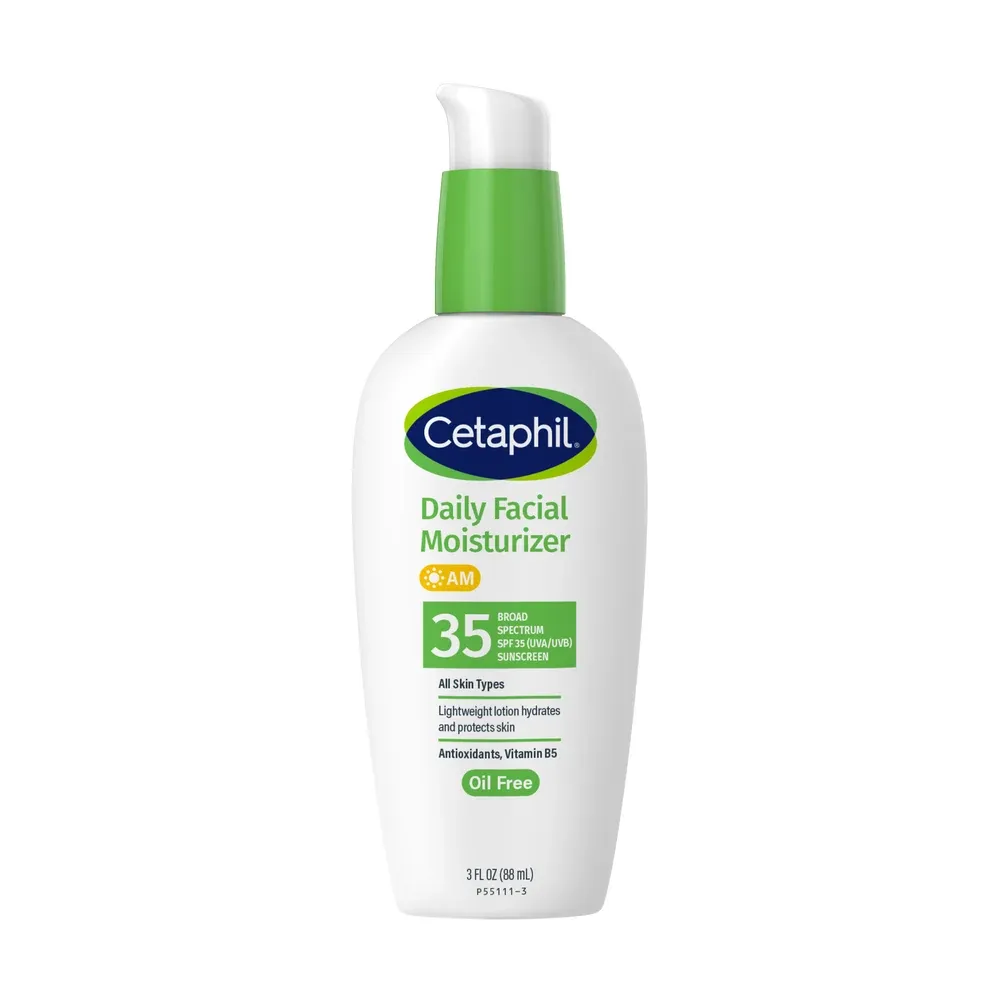
Cetaphil Daily Facial Moisturizer SPF 35
Why it fits: combines oil-free hydration and broad-spectrum SPF for combination skin that pills under multiple layers.
Watch-out: not water resistant and may feel richer than a stand-alone sunscreen fluid.
View Cetaphil on AmazonAs an Amazon Associate, we earn from qualifying purchases.
How to Pair Sunscreen With Acne Treatments
Sunscreen does not need to “match” the active ingredient chemically. It needs to make the total routine tolerable. Retinoids and benzoyl peroxide can irritate or dry the skin, while acids can sting when overused. That changes which sunscreen texture feels comfortable even if the SPF itself is not the cause.
| Current routine | SPF strategy | Watch for |
|---|---|---|
| Adapalene or retinoid | Comfortable lotion or fluid; moisturize dry zones | Flaking made obvious by very matte sunscreen |
| Benzoyl peroxide | Fragrance-free formula with simple morning layers | Dryness blamed on SPF when treatment frequency is too high |
| Salicylic or glycolic acid | Use acid purposefully, not in every step | Persistent sting on application |
| Azelaic acid | Let the treatment settle, then apply SPF evenly | Pilling from too much product or rapid layering |
For a routine that is already raw or painful, product shopping is not the first move. Reduce non-essential variables and use our guide to resetting a damaged skin barrier. Persistent swelling, crusting, pain or a spreading rash needs professional evaluation rather than another sunscreen experiment.
If retinoids are the main source of confusion, compare our retinoid acne treatment guide. For cleanser overlap, the acne-prone cleanser decision guide explains when salicylic acid or benzoyl peroxide in a wash is useful and when a gentle cleanser is the better base.
How to Layer and Remove Sunscreen Without Triggering More Problems
Morning order: treatment, moisturizer if needed, sunscreen
Follow the directions for your prescribed or over-the-counter treatment first. In a typical morning routine, apply a compatible treatment to clean skin, add moisturizer only if needed, then finish with sunscreen. Makeup comes after sunscreen has formed an even layer.
Do not rely on foundation SPF unless you apply the labeled sunscreen amount, which is usually incompatible with normal foundation coverage. Our SPF makeup guide explains why a thin cosmetic layer rarely replaces dedicated sunscreen.
Evening removal: dissolve the film without scrubbing
A water-resistant sunscreen, makeup and sebum can create a film that one quick splash does not remove. That does not mean everyone needs two aggressive cleansers. Start with a gentle cleansing oil, balm or micellar step when needed, then use a mild water-based cleanser.
If the face feels squeaky, tight or hot after cleansing, the routine is too aggressive. Compare makeup and sunscreen removers by format, or use our slow skincare introduction method to identify whether the sunscreen, cleanser or treatment is the real trigger.
What to Do if Sunscreen Seems to Cause Breakouts
First, separate immediate irritation from delayed acne. Burning, itching, swelling or a rash can appear quickly and may indicate irritation or allergy. Closed comedones and inflamed breakouts usually take longer and can also reflect hormonal changes, occlusive makeup, incomplete cleansing or a recently added treatment.
Step 1: stop the newest non-essential product if the reaction is uncomfortable or clearly worsening.
Step 2: keep cleanser, moisturizer and treatment frequency stable while the skin settles.
Step 3: retry only one sunscreen on a small facial area for several days when appropriate.
Step 4: record finish, sting, itching and breakout timing instead of relying on one end-of-day impression.
A systematic review found broad-spectrum sunscreen among the interventions supported by the strongest body of evidence for post-inflammatory hyperpigmentation, alongside treatments such as retinoids and hydroxy acids. That does not mean sunscreen erases dark marks. It means protection is part of preventing additional UV-driven darkening while the underlying inflammation is managed. See the review indexed on PubMed.
For readers with deeper skin tones, white cast and tint are not cosmetic side notes because they influence how much product gets used. Compare our no-white-cast sunscreen guide and tinted sunscreen comparison before forcing an unsuitable mineral formula to work.
Our Bottom Line
EltaMD UV Clear SPF 46 is the most balanced daily choice in this guide, Eucerin Clear Skin SPF 50 is the stronger starting point for visible shine, and Hero Superlight SPF 30 is the clearest mineral-first option. CeraVe Hydrating Sheer makes more sense when acne treatment has made the skin dry, while Supergoop Unseen prioritizes an invisible primer finish.
No product can guarantee that you will never break out. Choose one formula for one use case, apply enough, remove it gently and change one routine variable at a time. That process produces a more useful answer than chasing every bottle labeled oil-free.
Frequently Asked Questions About Sunscreen for Acne-Prone Skin
Can sunscreen actually cause acne?
A sunscreen can contribute to congestion or irritation for an individual, but a breakout after starting SPF does not prove that UV filters are the cause. The full formula, amount, sweat, makeup, cleanser and simultaneous treatment changes all matter. Test one product while keeping the rest of the routine stable.
Is mineral or chemical sunscreen better for acne-prone skin?
Neither type is universally better. Mineral formulas may suit people who react to certain organic filters, while organic-filter or hybrid fluids may feel lighter and leave less cast. Compare the finished formula, not only the filter category.
What SPF should acne-prone skin use every day?
Use broad-spectrum SPF 30 or higher. Choose a water-resistant product when swimming or sweating and reapply according to the current label. An SPF 50 product is not useful if its finish causes you to apply too little.
Should I use moisturizer under sunscreen if my skin is oily?
Not automatically. A moisturizing sunscreen may provide enough comfort by itself. If acne treatment creates dry zones, use a small amount of moisturizer only where needed and test whether that improves comfort without adding excess shine.
How do I know whether sunscreen or acne treatment is causing irritation?
Return to a simple cleanser, moisturizer and sunscreen routine when appropriate, then review when each symptom started. Persistent burning, itching, swelling or rash deserves professional guidance. Do not repeatedly challenge clearly irritated skin with the same product.
For younger acne-prone readers, start with the simple teen sunscreen routine. If a formula stings or breaks the routine, check filter, vehicle, fragrance, format and recall evidence separately.