Is SPF 30 Enough for Daily Protection? Evidence-Based Guide to Sunscreen Efficacy
Evidence-based guide to SPF 30 for daily sun protection. Learn the 2mg/cm² rule, SPF 30 vs 50 differences, and correct application.
In this guide
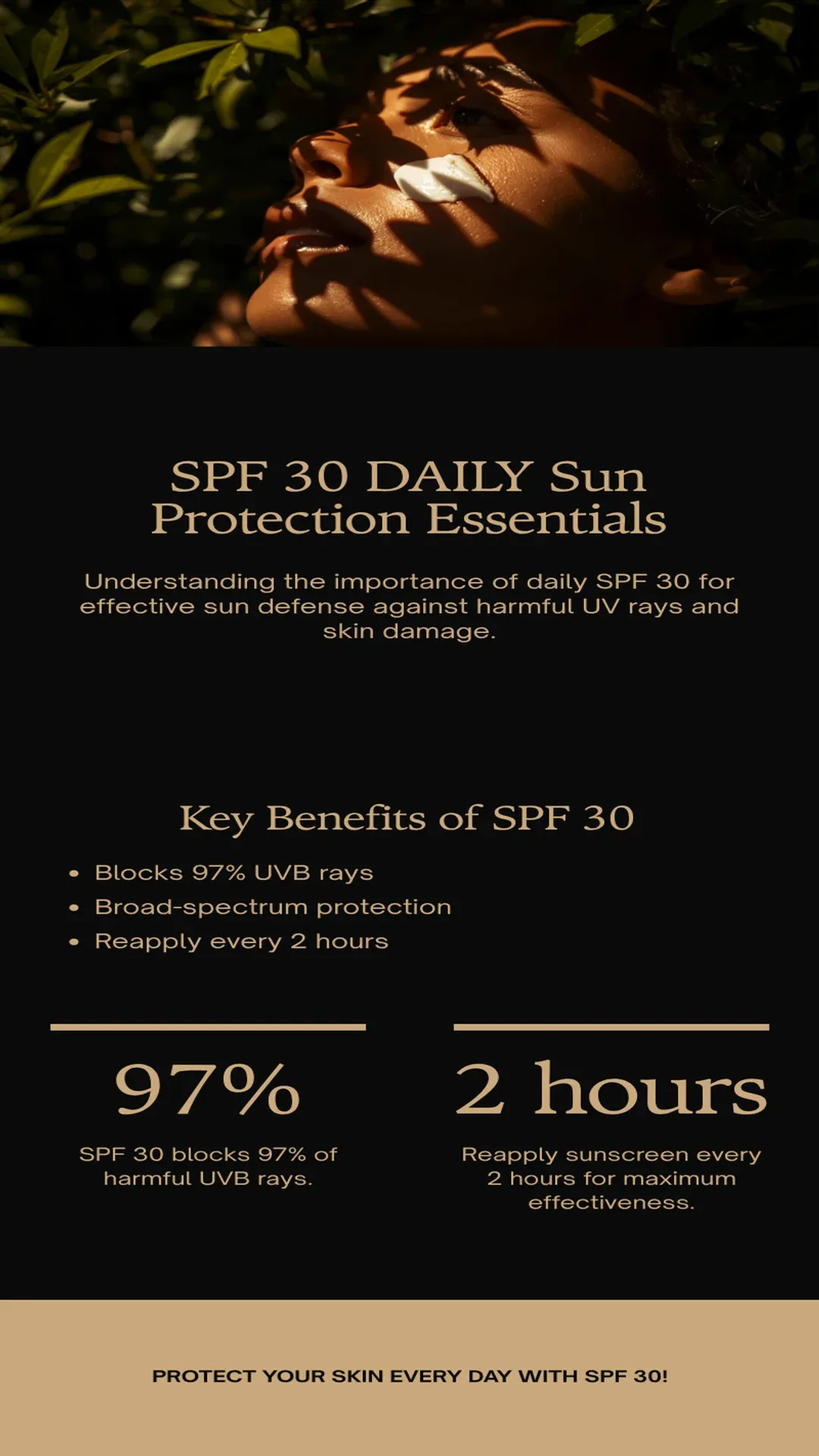
SPF 30 blocks approximately 96.7 percent of UVB radiation. SPF 50 blocks approximately 98 percent. The difference is 1.3 percentage points. Based on these numbers alone, SPF 30 appears sufficient for daily protection. But the science of sunscreen efficacy involves more variables than the SPF number on the bottle.
The critical factor that most sunscreen guides ignore is application density. The SPF rating is determined under laboratory conditions using 2 milligrams of product per square centimeter of skin. In real-world use, most people apply between 0.5 and 1 milligram per square centimeter. At half the required density, SPF 30 provides the equivalent of approximately SPF 7. This is the gap between what the label promises and what most people actually get.
This guide explains how SPF is measured, whether SPF 30 is sufficient for your specific lifestyle, and how to ensure you are getting the protection you expect.
⏹ TL;DR — Is SPF 30 Enough for Daily Protection?
- SPF 30 blocks 96.7% of UVB, SPF 50 blocks 98%. The 1.3% difference is minimal for daily use. The bigger variable is whether you apply enough.
- Most people apply half the required amount. The 2mg/cm² rule means 1/4 teaspoon for the face. Most people use half that, reducing SPF 30 to approximately SPF 7.
- SPF measures UVB only. UVA protection requires broad-spectrum labeling or a PA++++ rating. SPF 30 without broad-spectrum is insufficient.
- Reapplication matters more than the SPF number. SPF 30 applied correctly and reapplied every 2 hours outperforms SPF 50 applied once.
- SPF 30 is enough for daily indoor-outdoor use. For prolonged outdoor exposure, direct sun between 10am-4pm, or high-altitude activities, SPF 50 is recommended.
🧪 The Skin Insider
SPF is a logarithmic scale, not a linear one. The difference between SPF 15 and SPF 30 is significant (93.3% vs 96.7% UVB absorption). The difference between SPF 30 and SPF 50 is marginal (96.7% vs 98%). Paying double for SPF 50 over SPF 30 is rarely justified for daily use. What matters far more is choosing broad-spectrum protection and applying the correct amount. A 2024 review confirmed that SPF 30-50 sunscreens are generally adequate for daily photoprotection when applied correctly.
Understanding SPF: What the Numbers Actually Mean
SPF (Sun Protection Factor) measures protection against UVB rays only. It is calculated by comparing the time it takes for protected skin to burn versus unprotected skin. A person who burns in 10 minutes without sunscreen would theoretically burn in 300 minutes with SPF 30.
This calculation assumes perfect application at 2mg/cm². A 2012 comprehensive review of UV radiation published in PMC confirmed that SPF 30 absorbs 96.7 percent of UVB, while SPF 50 absorbs 98 percent (PMC, Comprehensive Review of UV Radiation).
A 2024 review in PMC on global perspectives of regional SPF found that SPF 30-50 sunscreens are considered adequate for daily photoprotection when applied correctly (PMC, Global Perspectives on Regional SPF).
| SPF Level | UVB Absorption | UVB Penetration | Real-World @ 1mg/cm² |
|---|---|---|---|
| SPF 15 | 93.3% | 6.7% | ~SPF 4 |
| SPF 30 | 96.7% | 3.3% | ~SPF 7 |
| SPF 50 | 98% | 2% | ~SPF 10 |
| SPF 100 | 99% | 1% | ~SPF 15 |
How to Apply Sunscreen Correctly
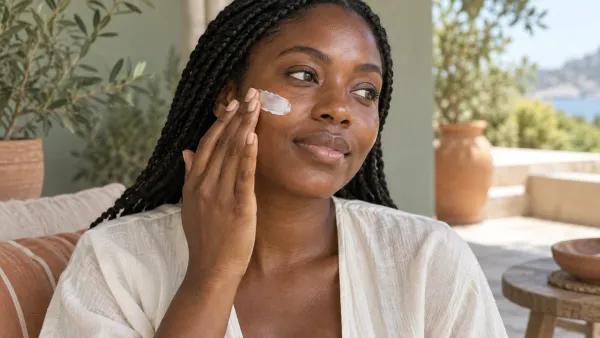
- 1/4 teaspoon for the face and neck. This is the correct amount to achieve the labeled SPF. Most people use half this amount.
- A full shot glass (30ml) for the body. For a day at the beach or pool, you need this much to cover all exposed skin.
- Apply 20 minutes before sun exposure. Chemical sunscreens need time to bind to the skin. Mineral sunscreens work immediately.
- Reapply every 2 hours when outdoors. Sunscreen degrades on the skin. Reapplication is not optional.
- Reapply every 4 hours when indoors near windows. UVA penetrates glass. If you work near a window, reapplication is necessary.
💡 The Optimizer's Edge
The most overlooked factor in sunscreen efficacy is not the SPF number. It is the application density. The FDA requires SPF testing at 2mg/cm². The average person applies 0.5-1mg/cm². This means an SPF 30 product in the bottle provides SPF 7-15 protection on most faces. The solution is not to buy SPF 100. It is to apply more of your SPF 30 and reapply on schedule. A 2024 review confirmed that SPF 30-50 sunscreens provide adequate daily protection when the application density is correct.
Best Sunscreens for Daily SPF 30 Protection
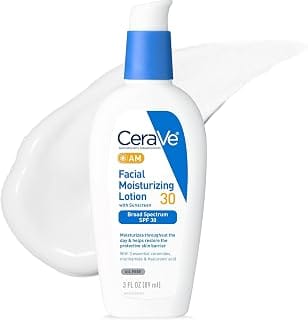
Daily Face Sunscreen SPF 30
A lightweight, broad-spectrum SPF 30 sunscreen designed for daily wear under makeup or alone.
SPF 30 vs SPF 50: When Each Is Appropriate
- SPF 30 is sufficient for: Daily indoor-outdoor activity, commuting, office work near windows, running errands, cloudy days, and winter months.
- SPF 50 is recommended for: Prolonged outdoor exposure, direct sun between 10am and 4pm, beach or pool days, high-altitude activities, snow sports (snow reflects up to 80% of UV), and if you have a history of skin cancer or extreme sun sensitivity.
- The American Academy of Dermatology recommends SPF 30 or higher for everyone, emphasizing that the best sunscreen is the one you will use consistently (PMC, AAD Sunscreen Recommendations).
For more on choosing the right SPF for your lifestyle, read our guide to how to choose the right SPF. For the difference between chemical and mineral formulations, see our chemical vs mineral sunscreen guide. For daily sunscreen habits, read our morning skincare routine.
✔ Your Clear Skin Checklist
- Step 1: Measure 1/4 teaspoon of sunscreen for your face. Use a measuring spoon once to calibrate your eye. Apply this amount every morning.
- Step 2: Choose a broad-spectrum SPF 30 with PA++++ if available. SPF is UVB only. Broad-spectrum ensures UVA protection too.
- Step 3: Apply sunscreen as the last step in your morning routine, after moisturizer and before makeup.
- Step 4: Keep a travel-sized sunscreen in your bag for reapplication. Set a phone alarm for 4 hours if working indoors.
- Step 5: On outdoor days, switch to SPF 50. Reapply every 2 hours and immediately after swimming or heavy sweating.
- Step 6: Do not rely on makeup SPF alone. Foundation with SPF 15 provides negligible protection unless applied very thickly.
Frequently Asked Questions About SPF 30
Is SPF 30 enough for daily protection?
What is the difference between SPF 30 and SPF 50?
Do I need SPF 30 on cloudy days?
How much sunscreen should I apply to my face?
Is SPF in makeup enough for daily protection?
This article is for informational purposes only and does not replace professional dermatological advice.