Teenage Skincare Mistakes to Avoid: Fix the Irritation Loop
The teen skincare mistakes that create irritation, hide product reactions and make acne routines harder to follow, plus practical fixes.

In this guide
Quick Answer
The biggest teenage skincare mistakes are over-cleansing, scrubbing active breakouts, adding several actives together, skipping moisturizer and expecting instant results. Fix the routine by simplifying, changing one variable and giving a suitable treatment enough time.
Quick Summary
- Harsh cleansing does not train skin to produce less oil.
- Scrubs can injure raised or inflamed pimples.
- Several new products make reactions impossible to trace.
- Skipping SPF can worsen visible post-acne marks.
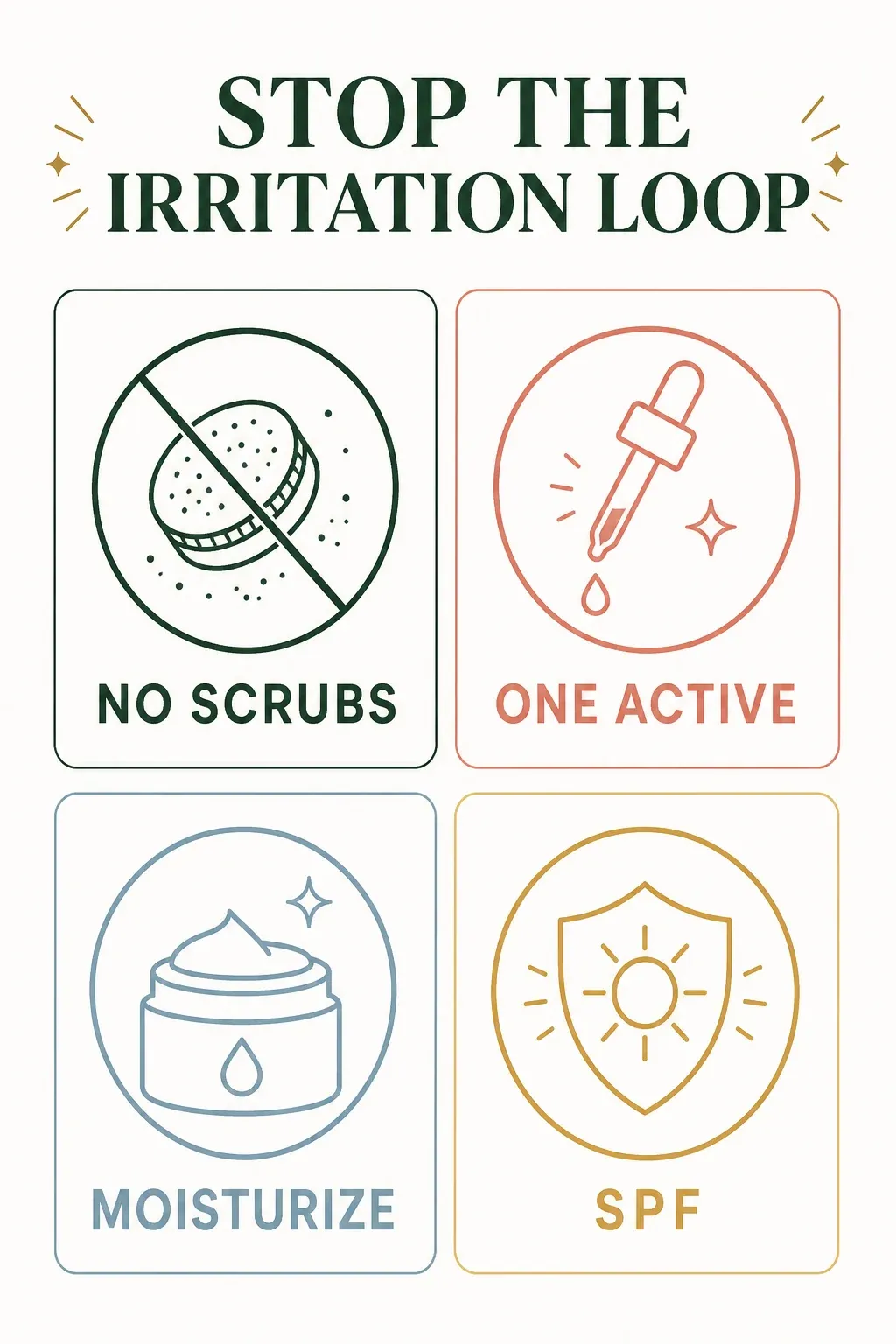
If you are a teenager dealing with acne, oily skin, or breakouts, you have probably been told to wash your face more, use stronger products, or scrub harder. Most of this advice is wrong. Here are the 9 teenage skincare mistakes to avoid and exactly what to do instead.
For teens who react quickly to new products, the safer baseline is a sensitive teen skincare routine built around cleanser, moisturizer, and sunscreen first.
- ? Over-cleansing ? Wash gently twice daily, not more. Harsh washing increases irritation and tightness.
- ? Skipping moisturizer ? Use a lightweight, oil-free moisturizer. It supports comfort and treatment tolerance.
- ? Popping pimples ? Use hydrocolloid patches instead. Picking raises the risk of inflammation, marks and scars.
- ? Over-exfoliating ? Exfoliate 2-3x per week max. Scrubbing damages the skin barrier.
- ? Skipping sunscreen ? SPF 30+ every day. Acne treatments make your skin sun-sensitive.
The Skin Insider
The most common teenage skincare mistake I see is treating acne like a hygiene problem. Acne is not caused by dirty skin.
It is caused by hormones, sebum production, and a bacteria called C. acnes that lives on everyone's skin.
Scrubbing harder will not remove it - it will only inflame the skin and make the acne worse. The goal of a teenage skincare routine is not to strip the skin.
It is to support the skin barrier while managing oil production gently.
Mistake 1: Over-Cleansing and Using Harsh Washes
Teenage skin produces more sebum because of elevated androgen levels during puberty. This can leave the skin looking shiny and feeling greasy by midday.
The logical response seems to be to wash more often or to use stronger cleansers. But this logic is backward.
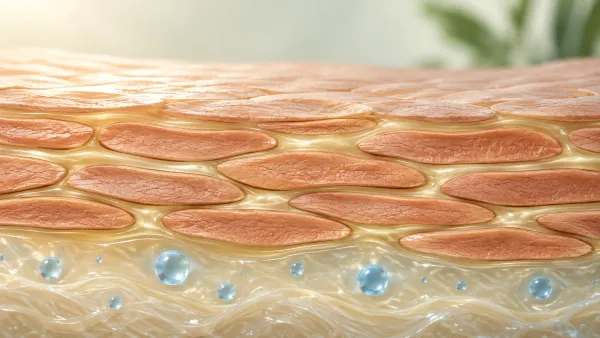
When you strip the skin of its natural oils with harsh cleansers or excessive washing, the skin can become tight, irritated and less tolerant of acne treatments. This creates a vicious cycle: wash more ?
skin gets drier ? glands produce more oil ?
skin gets oilier ? wash more.
The American Academy of Dermatology recommends washing the face no more than twice daily with a gentle, non-comedogenic cleanser.
- Limit washing to twice daily - morning and evening. Post-workout rinses are fine, but skip the cleanser for midday washes.
- Choose a gentle cleanser - look for words like "gentle," "hydrating," or "for sensitive skin." Avoid sodium lauryl sulfate (SLS) which is too stripping for teenage skin.
- Lukewarm water only - hot water strips the skin barrier. Cold water does not clean effectively.
- Pat dry, do not rub - friction irritates acne-prone skin. Use a soft towel and pat gently.
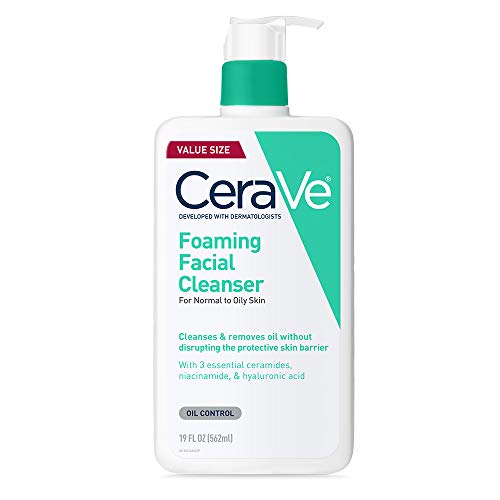
CeraVe Foaming Facial Cleanser
A gentle, non-comedogenic cleanser that removes excess oil without stripping the skin barrier. Contains ceramides and niacinamide to support healthy teenage skin.
Check Availability on Amazon →As an Amazon Associate, we earn from qualifying purchases.
Mistake 2: Skipping Moisturizer
Many teenagers skip moisturizer because they believe their skin is already oily enough. This is one of the most counterproductive teenage skincare mistakes.
When you apply a lightweight, oil-free moisturizer, you support barrier comfort without directly changing the hormonal signal that drives sebum. Skipping moisturizer can leave the skin less comfortable and reduce tolerance for acne treatments.
The American Academy of Dermatology confirms that even people with oily skin benefit from moisturizing. The key is to choose the right formula. Gel-based or water-based moisturizers with ingredients like glycerin, hyaluronic acid, and niacinamide provide hydration without clogging pores.
- Use a gel or water-based moisturizer - never heavy creams or balms for teenage oily skin.
- Apply to damp skin - this locks in more hydration and requires less product.
- Look for non-comedogenic - the label should clearly state it will not clog pores.
Mistake 3: Popping Pimples and Picking at Skin
Picking at pimples is the single fastest way to turn a small, temporary bump into a permanent mark. When you squeeze a pimple, you push bacteria, pus, and oil deeper into the follicle, causing more inflammation.
The surrounding tissue tears, which leads to scarring. The AAD emphasizes that picking at acne increases healing time and can cause permanent indentations or dark spots that take months to fade.
- Use spot treatments instead - benzoyl peroxide or salicylic acid spot treatments reduce inflammation without the damage of picking.
- Apply hydrocolloid patches - these absorb fluid from active pimples and create a physical barrier that prevents picking.
- Keep hands away - every time you touch your face, you transfer bacteria and oils onto your skin. This includes holding your phone against your cheek.
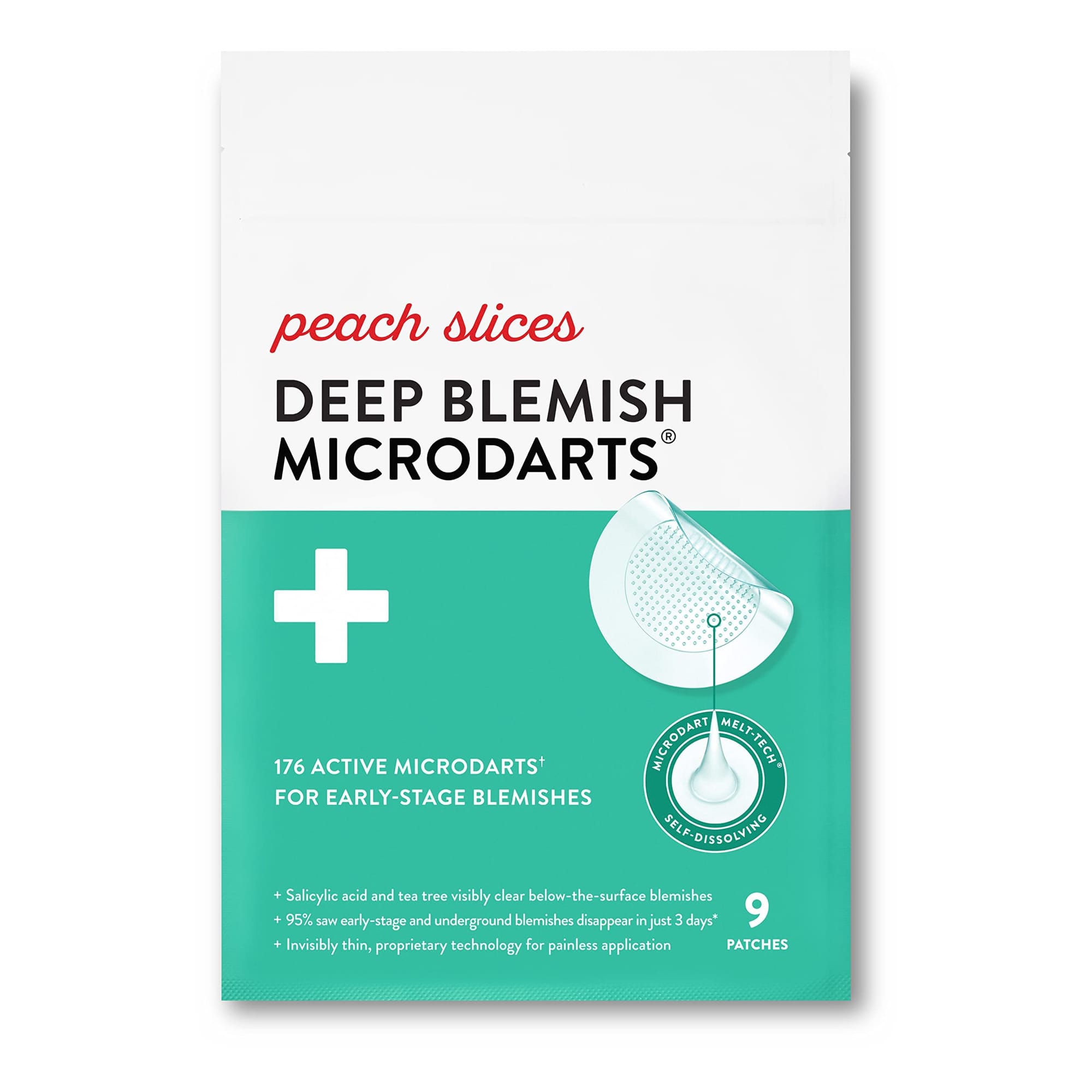
LivaClean Pimple Patches Variety Pack
Hydrocolloid patches that absorb fluid from active pimples overnight. Creates a physical barrier that prevents picking and speeds up healing.
Check Availability on Amazon →As an Amazon Associate, we earn from qualifying purchases.
Mistake 4: Over-Exfoliating
The idea that teenage skin needs regular scrubbing to stay clear is one of the most persistent myths. Physical scrubs with walnut shells, crushed apricot pits, or sugar crystals create micro-tears in the skin that inflame acne and damage the protective barrier. Chemical exfoliants are gentler, but even these should be used sparingly on teenage skin.
A 2024 report from University Hospitals in Cleveland warns that many pre-teens and teenagers are damaging their skin barrier by overusing active ingredients like salicylic acid, glycolic acid, and retinol. The skin barrier of adolescent skin is still developing, and over-exfoliating disrupts its function, leading to increased sensitivity, redness, and breakouts.
- Limit chemical exfoliation - 2-3 times per week maximum. Salicylic acid 2% is the best option for teenage acne-prone skin.
- Avoid physical scrubs - no granules, beads, or brushes on active acne. They spread bacteria and irritate the skin.
- Never combine multiple exfoliants - using salicylic acid and glycolic acid on the same day is too harsh for teenage skin.
Mistake 5: Using Too Many Active Ingredients
The skincare industry markets dozens of active ingredients to teenagers: retinol, vitamin C, niacinamide, salicylic acid, glycolic acid, benzoyl peroxide, and more. Using all of them at once does not make your skin clear faster - it makes it inflamed.
Each active ingredient increases cell turnover or alters the skin's pH. When you layer multiple actives, you create a chemical cocktail that irritates the barrier.
- Stick to one active at a time - salicylic acid cleanser in the morning and benzoyl peroxide spot treatment at night is a safe combination.
- Introduce actives slowly - start with once or twice per week and increase frequency only if the skin tolerates it well.
- Skip retinol in your teens - unless prescribed by a dermatologist for severe or cystic acne, retinol is unnecessary and can cause significant irritation for teenage skin.
Mistake 6: Skipping Sunscreen
This is arguably the most important teenage skincare mistake to avoid. The AAD states that sun exposure can darken acne spots and increase the risk of post-inflammatory hyperpigmentation, which can take months to fade on its own. Many acne treatments - including benzoyl peroxide, salicylic acid, and retinoids - increase photosensitivity, meaning your skin burns faster and more severely.
- SPF 30 minimum every day - even on cloudy days and even if you are indoors near windows.
- Choose oil-free, matte formulas - gel-based sunscreens or those labeled "matte finish" work well under makeup and do not trigger breakouts.
- Reapply after 2 hours if outdoors - sunscreen wears off over time, especially if you sweat or touch your face.
Mistake 7: Overloading the Routine
Social media has created the illusion that glowing skin requires a 10-step routine with serums, essences, toners, and masks. Teenage skin does not need this.
In fact, too many products increase the chance of irritation, clogged pores, and allergic reactions. The simplest routine that works for most teenagers is just three steps.
- Morning: Gentle cleanser + lightweight moisturizer + SPF 30+ sunscreen.
- Evening: Gentle cleanser + salicylic acid treatment (2-3x/week) + lightweight moisturizer.
- Spot treat: Benzoyl peroxide or hydrocolloid patches on active pimples only.
For more on building a basic routine, see our evidence-based skincare routine guide and best moisturizers for oily skin and sunscreens for acne-prone skin.
Mistake 8: Using Expired or Contaminated Products
Keeping skincare products past their expiration date or using dirty applicators introduces bacteria to the skin. This is especially problematic for acne-prone teenage skin. Pump dispensers are more hygienic than jars, where you dip your fingers into the product every day.
- Check expiration dates - products with active ingredients lose efficacy after 6-12 months.
- Use clean hands or spatulas - never dip dirty fingers into product jars.
- Replace makeup sponges regularly - they are breeding grounds for bacteria that cause breakouts.
Mistake 9: Expecting Immediate Results
Acne treatments take time. Salicylic acid needs 4-6 weeks to show improvement.
Benzoyl peroxide needs 6-8 weeks. Prescription retinoids need 8-12 weeks.
The most common teenage skincare mistake is quitting a treatment after two weeks because it has not worked yet - and then switching to something else, creating a cycle of ineffective half-use.
- Give each product 8 weeks - mark your calendar when you start a new product and do not judge results before then.
- Do not switch products weekly - every new product introduces another irritation or breakout variable. Switching too fast makes it impossible to know what is working.
- Track progress with photos - weekly photos in consistent lighting are more reliable than how your skin feels or looks in the mirror.
The Optimizer's Edge
Most teenage skincare advice online comes from influencers who are paid to sell products, not from dermatologists who understand skin biology. The single most evidence-backed change a teenager can make is to stop treating their skin like an enemy that needs to be conquered and start treating it like an organ that needs to be supported.
The skin barrier in adolescent skin is not fully mature. It is thinner, more reactive, and easier to damage than adult skin.
Everything that touches it - cleansers, exfoliants, treatments - should be chosen for gentleness first and efficacy second. If a product stings, burns, or leaves your skin feeling tight, it is damaging your barrier, and that damage will ultimately make acne worse, not better.
For more context, read the role of moisturizers in skin barrier function and our skin barrier restoration guide .
Your Clear Skin Checklist
- Step 1: Wash your face gently twice daily with a non-comedogenic cleanser. Stop if your skin feels tight after washing.
- Step 2: Apply a lightweight, oil-free moisturizer after every wash. Do not skip this even if your skin is oily.
- Step 3: Wear SPF 30+ every morning. Use spot treatments instead of picking. Give every product at least 8 weeks before judging results.
Fix the Process Before Replacing Every Product
Separate product failure from routine failure. A well-matched active can still cause problems when introduced daily, layered with exfoliants or used without moisturizer.
Use a change log with product, date, frequency and reaction. That small record is more useful than trying to remember which of four new products caused the sting.
- Tight after washing: reduce cleansing intensity.
- Burning after active nights: lower frequency and simplify.
- Pimples repeatedly picked: use protective patches and reduce touching.
- No improvement after a consistent trial: reassess diagnosis and treatment.
Compare the Options Before Changing the Routine
Use this table to match the intervention to the visible pattern and to identify the limit that should stop unnecessary escalation.
| Skin pattern or option | Best next step | Important limit |
|---|---|---|
| Over-cleansing | Tightness and reactive oiliness | Cleanse gently twice daily |
| Active stacking | Burning, peeling, unclear reactions | Introduce one treatment |
| Skipping moisturizer | Poor treatment tolerance | Use a suitable light moisturizer |
| Constant switching | No readable trend | Hold the stable variables |
Adjust the Plan to Real Teen Life
School mornings reward a short routine that works even when time is limited. Keep the required products visible and in order, and move optional steps out of the way until the base routine is automatic.
Sports, helmets and heavy sweating change the exposure, not the biology of the skin. Rinse or cleanse gently after activity, clean reusable contact surfaces, and avoid compensating with rough cloths or extra exfoliation.
Cold weather, indoor heating and air conditioning can lower tolerance even when the underlying concern has not changed. Reduce active frequency when tightness appears instead of assuming the treatment has stopped working.
Makeup and shaving should be treated as separate routine variables. Remove makeup completely without repeated rubbing, and review shaving technique before applying stronger acne products to irritated follicles.
Budget also affects treatment quality because an unaffordable routine will not be repeated. Prioritize cleanser, moisturizer, sunscreen and one evidence-based treatment before spending on masks, mists or overlapping serums.
Travel and weekends should not require a second routine. Use the same essentials in smaller containers and keep the treatment schedule unchanged unless the environment affects tolerance.
Stress about appearance can also drive picking and constant mirror checking. Use neutral weekly photos, reduce magnifying-mirror time and involve a trusted adult or professional when skin concerns affect school, sleep or confidence.
Finally, build a stop rule before starting. Persistent burning, swelling, rash, painful cracking or a rapid increase in deep lesions is a reason to pause the newest product and seek qualified advice when appropriate. Clear rules protect both skin and consistency.
How to Test the Routine Without Losing the Signal
Keep cleanser, moisturizer and sunscreen stable while testing one treatment variable. When several products change together, a breakout, sting or improvement cannot be assigned confidently.
Use the same amount and schedule unless the label or a qualified professional says otherwise. More product or more frequent application can increase irritation without shortening the biological treatment timeline.
Set the Baseline
Record the main concern, current products and two photos in consistent light.
Protect Tolerance
Track tightness, burning, peeling and whether the routine is easy enough to repeat.
Judge the Trend
Compare new lesions and comfort over weeks, not the appearance of one day.
| Check point | What to assess | Decision |
|---|---|---|
| First 48 hours | Burning, swelling, rash or painful cracking | Stop the newest product and get advice when symptoms are significant |
| Weeks 1-2 | Comfort, dryness and whether the schedule is realistic | Reduce frequency before adding another active |
| Weeks 6-8 | Fewer new lesions, calmer texture or a clearer pattern | Continue, adjust one variable or seek professional help |
| Any time | Deep pain, scars, rapid worsening or major distress | Escalate care rather than waiting for a retail product to solve it |
A routine is not successful merely because it feels active. The useful outcome is a gradual improvement that the skin can tolerate and the teenager can sustain.
Do not measure success by tingling, dryness or how many steps were completed. Those sensations can reflect irritation, while the meaningful measures are fewer new lesions, better comfort, less picking and a routine that remains consistent.
Use weekly rather than daily comparisons because acne and oil fluctuate. A single stressful day, sports session or menstrual-cycle shift should not trigger a complete product change.
Write the planned review date on a calendar before starting. That simple boundary reduces impulsive switching and makes the final decision more evidence-based.
Do not wait through deep pain, scarring, rapid worsening or significant emotional distress. Those are reasons to seek professional care even when the planned test period is not complete.
Frequently Asked Questions About Teenage Skincare Mistakes to Avoid
What is the most common teen skincare mistake?
Overcomplicating the routine is common because it leads to active stacking, inconsistent use and reactions that are hard to trace.
Is scrubbing good for teenage acne?
No. Physical scrubbing can irritate inflamed pimples and damage the barrier without treating the acne pathway.
Should oily teenage skin skip moisturizer?
No. A light non-comedogenic moisturizer can improve comfort and treatment tolerance.
How quickly should a teen change acne products?
Do not switch based on a few days of fluctuation. Many suitable treatments need six to eight weeks unless significant irritation requires an earlier stop.
What should a teen do when every product stings?
Pause non-essential actives, use a gentle cleanser and bland moisturizer, and seek advice for persistent burning, swelling, rash or pain.