Best Spot Treatments for Teenage Acne by Breakout Type
Choose a teen acne spot treatment by lesion type, ingredient and tolerance instead of applying the strongest product to every breakout.
In this guide
Quick Answer
The best spot treatment depends on the lesion. Hydrocolloid patches protect picked or draining surface pimples, benzoyl peroxide can fit inflamed bumps, and salicylic acid fits clogged pores; recurring acne needs area-wide prevention rather than endless spot treatment.
Quick Summary
- Whitehead at the surface: a hydrocolloid patch can protect it.
- Red inflamed pimple: consider low-strength benzoyl peroxide.
- Blackhead or clogged bump: salicylic acid is the closer match.
- Deep painful acne: spot products are support, not sufficient treatment.
Not all acne is the same, and not all spot treatments work on every type of pimple. A blackhead requires a different active ingredient than a cystic lesion.
A whitehead responds differently than an inflamed papule. Choosing the wrong spot treatment is not just ineffective.
It can worsen irritation and delay healing.
For a surface treatment that also discourages picking, compare our six acne patches for overnight use by pimple type, adhesion and skin sensitivity.
For blackheads and recurring clogged pores rather than one inflamed spot, use our Paula's Choice 2% BHA review to decide who benefits, how slowly to start, and when another active would be too much.
Teenage acne is primarily driven by hormonal changes that increase sebum production during adolescence. This excess oil combines with dead skin cells to clog pores, creating an environment where Cutibacterium acnes bacteria thrive.
The body’s inflammatory response to this bacterial overgrowth produces the redness, swelling, and pain associated with acne lesions. Spot treatments are designed to target one or more of these factors: excess oil, clogged pores, bacterial growth, or inflammation.
This guide breaks down the five most evidence-based spot treatment ingredients for teenage acne, explains which type of acne each one targets, and provides clear usage guidelines based on dermatological research. The goal is not to try every product. It is to find the right active ingredient for your specific acne type and use it correctly.
TL;DR — Best Spot Treatments for Teenage Acne
- Match the ingredient to the acne type. Salicylic acid for blackheads/whiteheads. Benzoyl peroxide for inflamed cysts. Sulfur for sensitive skin. Retinoids for prevention. Azelaic acid for post-acne marks.
- Start with the lowest effective concentration. 2% salicylic acid, 2.5% benzoyl peroxide, 0.1% adapalene. Higher concentrations cause more irritation without more benefit.
- Apply only to active spots, not the whole face. Spot treatments are concentrated. Overuse leads to dryness, flaking, and a compromised skin barrier.
- Give it 2–4 weeks before judging. Acne treatments do not work overnight. Consistent use for at least 4 weeks is required before visible improvement.
- Sunscreen is non-negotiable. Salicylic acid and retinoids increase photosensitivity. Daily SPF 30+ prevents post-inflammatory hyperpigmentation.
The Skin Insider
One of the most common mistakes I see in teenage acne treatment is using too many active ingredients at once. The reasoning is understandable: if one active ingredient is good, two or three must be better.
In practice, layering salicylic acid, benzoyl peroxide, and a retinoid in the same routine destroys the skin barrier within days, leading to redness, peeling, and often more breakouts than before. Pick one active ingredient.
Use it consistently for 4 weeks. Only then consider adding a second.
Salicylic Acid: For Blackheads and Whiteheads
Salicylic acid is a beta-hydroxy acid (BHA) that penetrates deep into pores to dissolve the debris and excess oil that cause comedonal acne (blackheads and whiteheads). Unlike alpha-hydroxy acids that work on the skin surface, salicylic acid is oil-soluble and can enter the pore lining directly.
A 2018 study comparing 2% salicylic acid to a benzoyl peroxide and adapalene combination found that salicylic acid alone produced comparable results for mild to moderate acne with significantly less irritation (PubMed, Efficacy of 2% Salicylic Acid).
- Best for: Blackheads, whiteheads, clogged pores
- Concentration: 1–2% in leave-on spot treatments
- Usage: Apply to affected areas once daily. Can be increased to twice daily if tolerated.
- Caution: Can cause dryness. Always follow with a moisturizer and morning SPF.
Products containing salicylic acid are widely available as spot treatments, toners, and cleansers. For spot treatment purposes, a leave-on gel or liquid applied directly to blackheads and whiteheads is most effective. Wash-off cleansers containing salicylic acid are less effective for spot treatment because the active ingredient does not remain on the skin long enough to penetrate the pore.
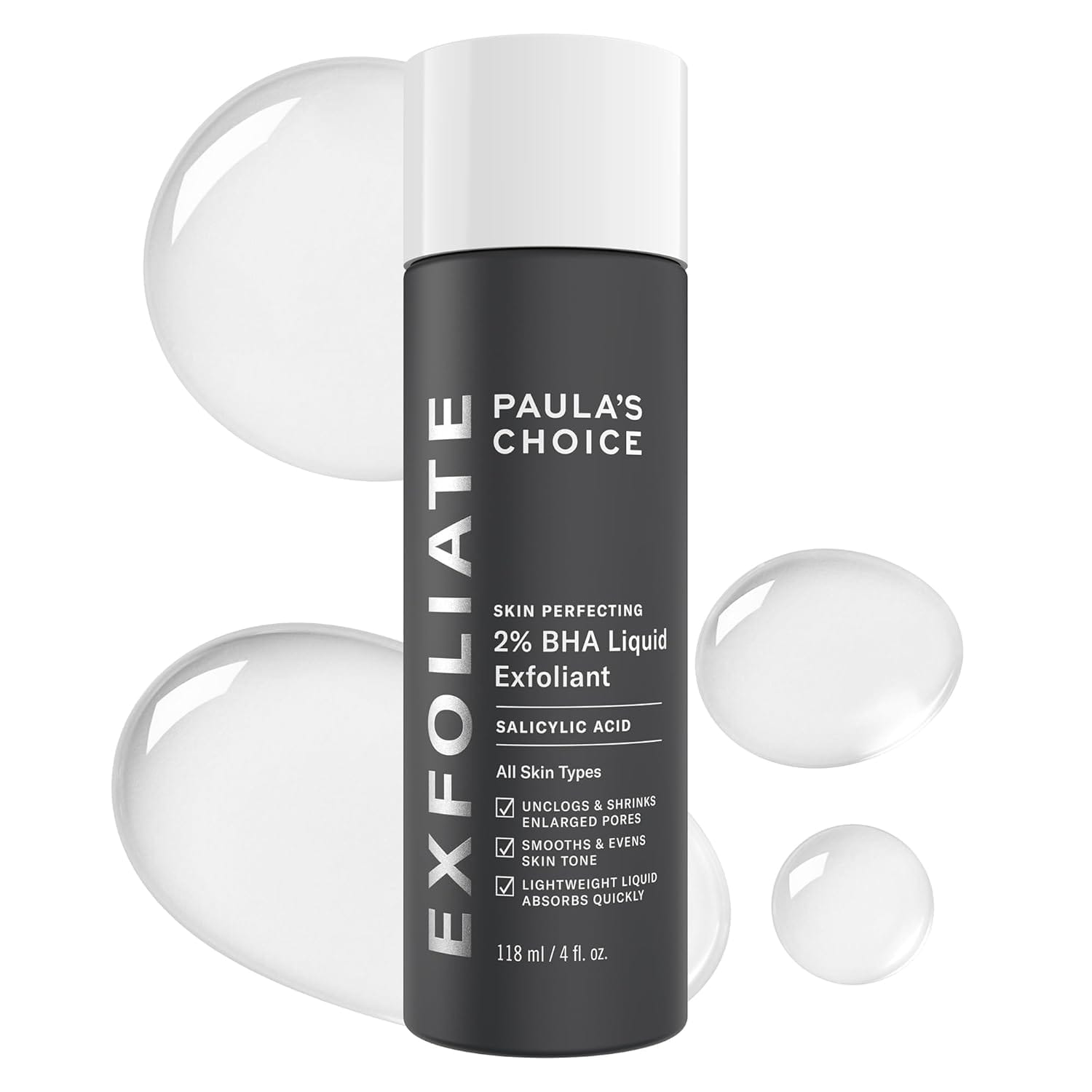
Paula’s Choice 2% BHA Liquid Exfoliant
Leave-on 2% salicylic acid (BHA) toner that penetrates oil-filled pores to dissolve blackheads and whiteheads. Non-abrasive, fragrance-free, and suitable for sensitive teenage skin when introduced gradually.
View Product on Amazon →As an Amazon Associate, we earn from qualifying purchases.
Benzoyl Peroxide: For Inflamed Cystic Acne
Benzoyl peroxide is the most effective over-the-counter ingredient for inflammatory acne (papules, pustules, cysts). It works by killing C. acnes bacteria and reducing the population of microorganisms that trigger inflammation in the pore.
A 2024 comprehensive review of acne treatments confirmed that benzoyl peroxide as monotherapy or add-on treatment is more effective than placebo for improving acne, particularly in adolescent populations (PMC, Benzoyl Peroxide in Adolescent Acne).
- Best for: Inflamed pimples, cysts, pustules
- Concentration: 2.5% is as effective as 10% with less irritation
- Usage: Apply a thin layer to active spots once daily
- Caution: Bleaches fabric. Use white towels and pillowcases.
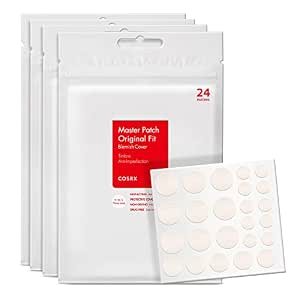
COSRX Acne Pimple Master Patch
Hydrocolloid patches that absorb fluid from whiteheads and protect active spots from bacteria and picking overnight. A barrier-based approach that pairs with benzoyl peroxide for daytime treatment.
Adults can use the full spot-treatment guide by breakout type to match benzoyl peroxide, hydrocolloid or prevention to the lesion.
View Product on Amazon →As an Amazon Associate, we earn from qualifying purchases.
Retinoids: For Prevention and Long-Term Control
Adapalene (Differin) is a retinoid that was available only by prescription until the FDA approved it for over-the-counter use. It works by regulating cell turnover in the pore lining, preventing microcomedones from forming in the first place. This makes it the only spot treatment ingredient that actually prevents acne rather than just treating existing pimples.
A 2024 comprehensive review of acne treatments confirmed that topical retinoids are foundational in acne management, particularly for maintenance therapy and preventing recurrence (PMC, Comprehensive Review of Acne Treatments).
- Best for: Prevention of new breakouts, overall acne management
- Concentration: 0.1% adapalene for OTC use
- Usage: Apply pea-sized amount to entire affected area every other night. Increase to nightly as tolerated.
- Caution: Initial purge and flaking are normal. Use sandwich method to reduce irritation.
For a complete foundation routine built around retinoid use, see our teenage acne treatment options guide.
Sulfur: The Gentle Alternative for Sensitive Skin
Sulfur is a keratolytic agent that helps dry out the surface of the skin and absorb excess oil. It also has mild antibacterial and anti-inflammatory properties. It is less potent than benzoyl peroxide but significantly less irritating, making it a good starting option for teens with sensitive skin or those new to acne treatments.
- Best for: Mild acne, sensitive skin, teens new to active ingredients
- Concentration: 3–10% sulfur in spot treatments
- Usage: Apply a thin layer to active spots. Can be used as a mask or leave-on treatment.
- Caution: Can have a noticeable sulfur smell. Avoid combining with benzoyl peroxide.
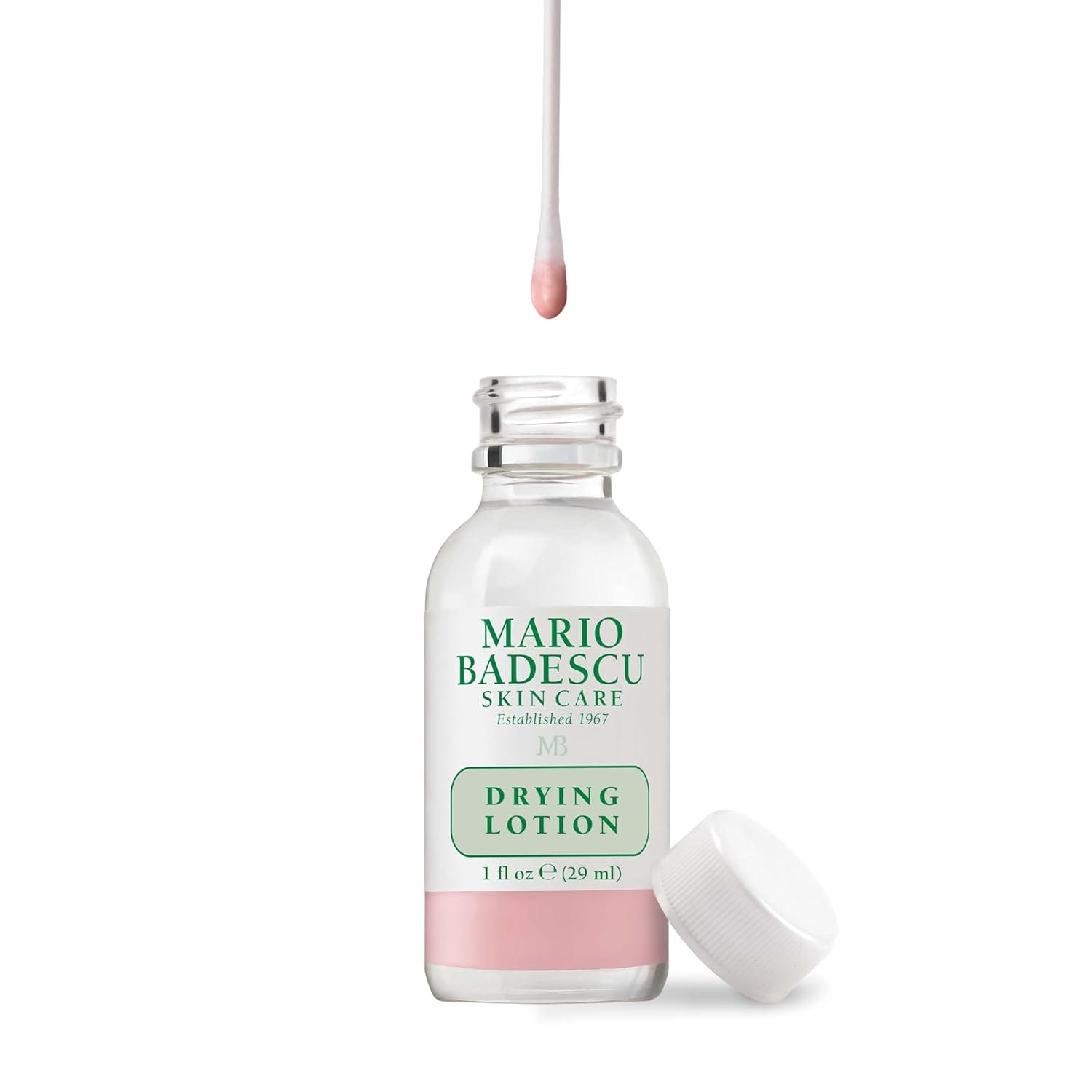
Mario Badescu Drying Lotion
Iconic pink sediment lotion with 10% sulfur and salicylic acid. Dip, do not shake, and apply with a cotton swab directly to whiteheads. Works overnight without the harshness of benzoyl peroxide.
View Product on Amazon →As an Amazon Associate, we earn from qualifying purchases.
Azelaic Acid: For Post-Acne Redness and Marks
Azelaic acid is a naturally occurring dicarboxylic acid that reduces inflammation, kills acne bacteria, and inhibits melanin production. It is particularly useful for teens who struggle with post-inflammatory erythema (red marks) or post-inflammatory hyperpigmentation (dark spots) after breakouts. It is often combined with salicylic acid or other BHAs for enhanced efficacy.
- Best for: Post-acne redness, dark spots, mild to moderate acne
- Concentration: 10% azelaic acid in OTC products
- Usage: Apply to affected areas once or twice daily
- Caution: May cause mild itching or tingling when first applied
For a deeper look at hormonal triggers that often drive this type of acne in teens, see our guide on effective hormonal acne solutions.
Which Spot Treatment for Which Pimple?
Different pimples need different ingredients. The decision tree below maps the most common acne types to the spot treatment ingredient best supported by evidence for that specific concern.
Educational skincare guide. Not medical advice.
Ingredient Selection Guide
💡 The Optimizer's Edge
Most teens apply spot treatments to the wrong area. A spot treatment should only cover the pimple itself, not a dime-sized area around it.
Applying active ingredients to healthy surrounding skin increases irritation without improving efficacy. Use a clean cotton swab to apply the product only to the visible lesion.
If you cannot feel the exact boundaries of the pimple, you are applying too much product. This single adjustment reduces irritation by approximately 50 percent while maintaining full efficacy on the target lesion.
What to Avoid When Treating Teenage Acne
- Harsh physical scrubs. Walnut shell, apricot kernel, and sugar scrubs create microtears that worsen inflammation and spread bacteria.
- Toothpaste. Applying toothpaste to pimples is a myth. It dries out the skin and can cause chemical burns without treating the underlying acne.
- Multiple active ingredients at once. Starting salicylic acid, benzoyl peroxide and a retinoid together can be too irritating. Introduce one treatment first.
- Over-washing. Washing more than twice daily can increase dryness and irritation without switching off oil glands.
- Picking or popping. Squeezing pimples can increase inflammation, skin injury and the risk of persistent marks or scars.
For more on the right cleanser to pair with a spot treatment, see our top cleansers for teenage skin guide. If you are over-treating active spots and noticing tightness or flaking, read our science-backed walkthrough on how to restore your skin barrier.
When to See a Dermatologist
If you have used OTC spot treatments consistently for 8 weeks without improvement, or if your acne is severe (deep cysts, widespread inflammation, or scarring), it is time to see a dermatologist. Prescription options like stronger retinoids, oral antibiotics, or hormonal treatments (for female teens) can treat acne that does not respond to over-the-counter products.
Morning
- Gentle cleanser (not a spot treatment) — look for non-stripping formulas with glycerin or ceramides
- Oil-free moisturizer — gel or lotion texture that will not clog pores
- SPF 30+ sunscreen — salicylic acid and retinoids increase photosensitivity significantly
Evening
- Gentle cleanser — if you wear sunscreen or makeup, consider double cleansing with an oil-based cleanser first
- Spot treatment — apply only to active lesions using a clean cotton swab. Use one active ingredient, not multiple.
- Oil-free moisturizer — even if you use a drying spot treatment, moisturizer helps maintain barrier function
Weekly
- Avoid physical scrubs. Harsh exfoliation worsens acne and can spread bacteria. Stick to gentle chemical exfoliants if needed.
- Do not pop pimples. Picking or squeezing spreads inflammation deeper into the skin and increases the risk of permanent scarring.
For guidance on treating post-acne dark spots, see our science-backed breakdown of skincare products to avoid for darker skin, which explains the post-inflammatory hyperpigmentation mechanism in detail. Since retinoids and salicylic acid both increase photosensitivity, daily sun protection is essential; our top sunscreens for dark skin guide covers mineral vs. chemical options for acne-prone skin.
✔ Your Clear Skin Checklist
- Step 1: Identify your acne type. Blackheads/whiteheads = salicylic acid. Inflamed cysts = benzoyl peroxide. Sensitive = sulfur.
- Step 2: Pick one active ingredient. Do not layer multiple spot treatments.
- Step 3: Apply only to the pimple itself using a clean cotton swab. No surrounding skin.
- Step 4: Use consistently for 4 weeks before evaluating. Take a photo on day 1 for comparison.
- Step 5: Add SPF 30+ every morning without exception. Acne treatments increase sun sensitivity.
- Step 6: If no improvement after 8 weeks, consult a dermatologist. Prescription options may be needed.
Treat the Lesion You Actually Have
A patch works through coverage and fluid absorption, not by dissolving every bump. Benzoyl peroxide targets acne-associated bacteria and inflammation, while salicylic acid is more aligned with clogged pores.
Layering sulfur, acid and benzoyl peroxide on the same spot can create a burn that lasts longer than the pimple. One active at a time makes the response readable.
- Surface whitehead: protect with a patch and avoid picking.
- Inflamed bump: use a small amount of low-strength benzoyl peroxide.
- Clogged pore: use salicylic acid according to the label.
- Deep or recurring acne: build prevention and seek help early.
Compare the Options Before Changing the Routine
Use this table to match the intervention to the visible pattern and to identify the limit that should stop unnecessary escalation.
| Skin pattern or option | Best next step | Important limit |
|---|---|---|
| Hydrocolloid patch | Surface whitehead or picked spot | Does not treat deep closed bumps |
| Benzoyl peroxide | Red inflamed pimple | Dryness and fabric bleaching |
| Salicylic acid | Blackhead or clogged texture | Over-exfoliation if stacked |
| Sulfur | Some inflamed or sensitive-skin cases | Odor and dryness |
Adjust the Plan to Real Teen Life
School mornings reward a short routine that works even when time is limited. Keep the required products visible and in order, and move optional steps out of the way until the base routine is automatic.
Sports, helmets and heavy sweating change the exposure, not the biology of the skin. Rinse or cleanse gently after activity, clean reusable contact surfaces, and avoid compensating with rough cloths or extra exfoliation.
Cold weather, indoor heating and air conditioning can lower tolerance even when the underlying concern has not changed. Reduce active frequency when tightness appears instead of assuming the treatment has stopped working.
Makeup and shaving should be treated as separate routine variables. Remove makeup completely without repeated rubbing, and review shaving technique before applying stronger acne products to irritated follicles.
Budget also affects treatment quality because an unaffordable routine will not be repeated. Prioritize cleanser, moisturizer, sunscreen and one evidence-based treatment before spending on masks, mists or overlapping serums.
Travel and weekends should not require a second routine. Use the same essentials in smaller containers and keep the treatment schedule unchanged unless the environment affects tolerance.
Stress about appearance can also drive picking and constant mirror checking. Use neutral weekly photos, reduce magnifying-mirror time and involve a trusted adult or professional when skin concerns affect school, sleep or confidence.
Finally, build a stop rule before starting. Persistent burning, swelling, rash, painful cracking or a rapid increase in deep lesions is a reason to pause the newest product and seek qualified advice when appropriate. Clear rules protect both skin and consistency.
How to Test the Routine Without Losing the Signal
Keep cleanser, moisturizer and sunscreen stable while testing one treatment variable. When several products change together, a breakout, sting or improvement cannot be assigned confidently.
Use the same amount and schedule unless the label or a qualified professional says otherwise. More product or more frequent application can increase irritation without shortening the biological treatment timeline.
Set the Baseline
Record the main concern, current products and two photos in consistent light.
Protect Tolerance
Track tightness, burning, peeling and whether the routine is easy enough to repeat.
Judge the Trend
Compare new lesions and comfort over weeks, not the appearance of one day.
| Check point | What to assess | Decision |
|---|---|---|
| First 48 hours | Burning, swelling, rash or painful cracking | Stop the newest product and get advice when symptoms are significant |
| Weeks 1-2 | Comfort, dryness and whether the schedule is realistic | Reduce frequency before adding another active |
| Weeks 6-8 | Fewer new lesions, calmer texture or a clearer pattern | Continue, adjust one variable or seek professional help |
| Any time | Deep pain, scars, rapid worsening or major distress | Escalate care rather than waiting for a retail product to solve it |
A routine is not successful merely because it feels active. The useful outcome is a gradual improvement that the skin can tolerate and the teenager can sustain.
Do not measure success by tingling, dryness or how many steps were completed. Those sensations can reflect irritation, while the meaningful measures are fewer new lesions, better comfort, less picking and a routine that remains consistent.
Use weekly rather than daily comparisons because acne and oil fluctuate. A single stressful day, sports session or menstrual-cycle shift should not trigger a complete product change.
Write the planned review date on a calendar before starting. That simple boundary reduces impulsive switching and makes the final decision more evidence-based.
Do not wait through deep pain, scarring, rapid worsening or significant emotional distress. Those are reasons to seek professional care even when the planned test period is not complete.
Frequently Asked Questions About Best Spot Treatments for Teenage Acne by Breakout Type
What is the best overnight spot treatment for teen acne?
A hydrocolloid patch can protect a surface whitehead overnight, while benzoyl peroxide may fit an inflamed pimple. The lesion type matters more than the overnight claim.
Can toothpaste dry out a pimple?
Toothpaste is not formulated for acne and can irritate or burn facial skin. Use a labeled acne product instead.
How often can a teen use benzoyl peroxide as a spot treatment?
Follow the label and begin conservatively. Reduce frequency if dryness, stinging or peeling develops.
Do acne patches work on cystic acne?
They can protect the surface but do not reach a deep nodule or cyst. Painful deep acne needs a broader treatment plan.
When should a teen stop spot treating?
Move beyond spot-only care when new lesions appear regularly, acne scars, or deep painful bumps develop.