Best Non-Comedogenic Products for Acne-Prone Skin: 6 Picks
Six verified non-comedogenic product picks and a simple acne-prone routine that separates cleanser, treatment, moisturizer and sunscreen roles.

In this guide
What are the best non-comedogenic products for acne-prone skin?
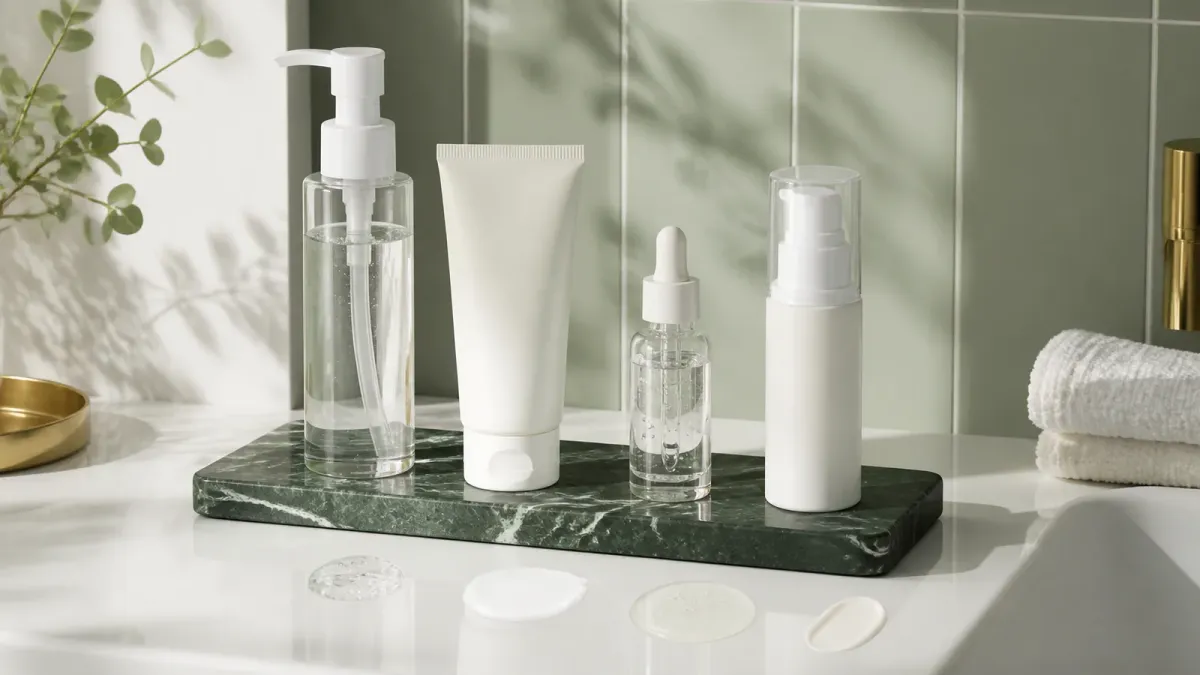
Start with Vanicream Gentle Facial Cleanser, Vanicream Daily Facial Moisturizer and a broad-spectrum SPF such as EltaMD UV Clear. Add one treatment only: CeraVe Acne Control Cleanser or Paula's Choice 2% BHA for clogged pores, or Differin 0.1% adapalene for recurring acne when appropriate. “Non-comedogenic” narrows the field, but it does not guarantee zero breakouts; routine overlap and individual tolerance still matter.
Build a routine, not a product pile
- Cleanse gently: a non-medicated base cleanser is enough for many mornings and treatment nights.
- Choose one active: BHA fits blackheads; adapalene fits recurring acne; do not start both together.
- Moisturize anyway: acne-prone skin still needs barrier support, especially around drying treatment.
- Protect daily: use broad-spectrum SPF 30+ and choose water resistance for outdoor activity.
- Read the label correctly: non-comedogenic reduces risk; it cannot predict every person's response.
- Escalate when needed: painful, scarring or persistent acne deserves professional care.
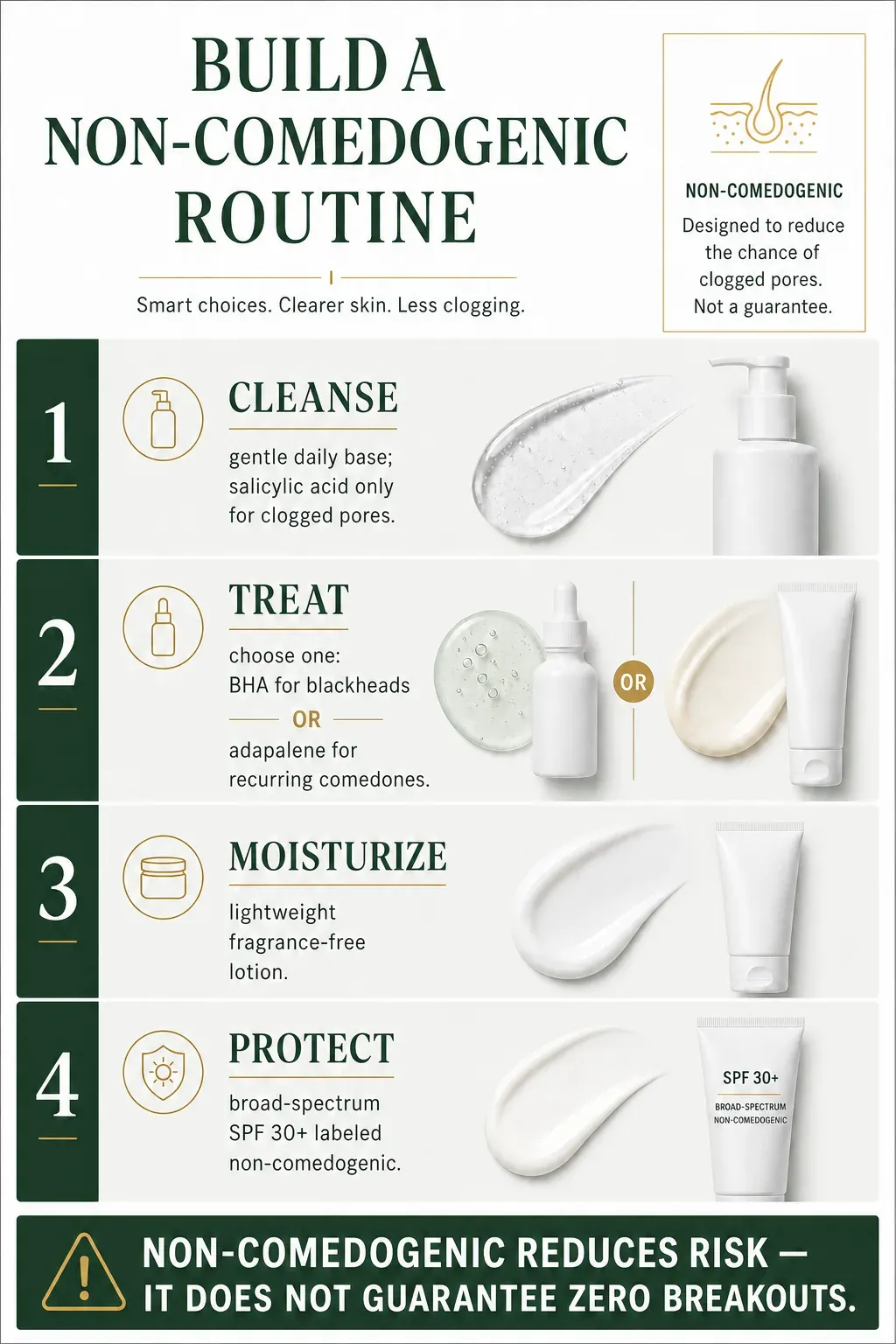
Non-comedogenic is one of the most useful and most misunderstood skincare labels. It can help acne-prone shoppers avoid obviously heavy or pore-focused mismatches, but it is not a universal certification that predicts every skin response.
The finished formula matters more than a single ingredient blacklist. Dose, layering, sweat, cleansing and the treatment underneath can change how a moisturizer or sunscreen behaves. A product may work on the cheeks and feel excessive on the forehead.
What Non-Comedogenic Actually Means
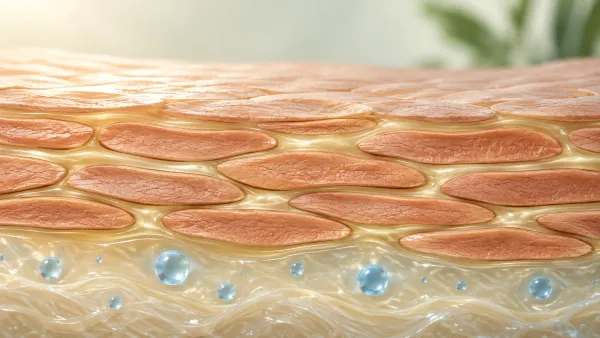
A comedone is a clogged follicle: an open comedone is commonly called a blackhead, and a closed comedone appears as a small flesh-colored or white bump. “Non-comedogenic” generally means a product is designed or tested to be less likely to contribute to this type of clogging.
That wording is not a promise that no breakout can happen. Acne is influenced by follicular plugging, sebum, inflammation and individual biology. Irritation can also create red bumps that users misread as ordinary clogging.
Non-comedogenic versus oil-free
Oil-free describes what is absent from the formula. Non-comedogenic describes the intended clogging profile of the finished product. Neither tells you whether the texture will feel matte, whether it will pill under sunscreen or whether it suits eczema-prone skin.
Do not build a rigid list of forbidden oils from internet ratings. Ingredient concentration and the complete vehicle matter. A small amount of squalane in a light lotion can behave differently from a thick facial oil layered over balm.
Why individual testing still matters
The American Academy of Dermatology recommends acne-friendly products labeled oil-free, non-comedogenic or won't clog pores. It also emphasizes gentle care and avoiding habits that irritate acne-prone skin.
Use that label guidance to narrow choices, then introduce only one new product. A two-week observation window can reveal ordinary tolerance, while active acne treatments require longer to judge for effectiveness.
Choose Each Product by Routine Role
| Step | Start with | Add only if needed | Common mistake |
|---|---|---|---|
| Cleanser | Gentle low-residue cleanser | Salicylic acid cleanser for clogged pores | Using two active cleansers every day |
| Treatment | One evidence-based active | Second active after tolerance is stable | Spot treating the entire shelf at once |
| Moisturizer | Light fragrance-free lotion | Cream only on flaky zones | Skipping moisture because skin is oily |
| Sunscreen | Broad-spectrum SPF 30+ | Water-resistant option for activity | Applying too little because the texture feels heavy |
| Makeup removal | Complete but gentle evening cleanse | First cleanse for resistant makeup or SPF | Scrubbing or sleeping in residue |
Cleanser is the base, not the entire treatment
Choose Vanicream Gentle Facial Cleanser when the routine already contains adapalene, benzoyl peroxide or another leave-on treatment. Choose CeraVe Acne Control Cleanser when blackheads and oily congestion are the main problem and a rinse-off salicylic acid step is easier to tolerate.
Our acne cleanser comparison separates salicylic acid, benzoyl peroxide and gentle base cleansers by breakout type. More foam and tighter skin do not mean the pores are cleaner.
Moisturizer supports treatment adherence
Acne-prone skin can be oily and dehydrated at the same time. A light moisturizer reduces the temptation to stop a useful treatment because every wash stings. Apply more to flaky treatment zones and less to a comfortable oily T-zone.
Use our barrier moisturizer guide when irritation is already widespread. If a basic moisturizer burns across most of the face, pause non-essential actives before buying another serum.
Sunscreen needs the right use case
The FDA advises broad-spectrum sunscreen and following the current label for application and reapplication. No sunscreen is waterproof; U.S. labels state 40 or 80 minutes of water resistance when tested for that use.
EltaMD UV Clear is a polished daily face option, not the water-resistant sport pick. Compare more finishes in our best sunscreens for acne-prone skin.
Best Non-Comedogenic Products at a Glance
| Product | Routine role | Best for | Main limitation |
|---|---|---|---|
| Vanicream Gentle Facial Cleanser | gentle daily cleanser | acne-prone skin that also feels sensitive, tight or treatment-dry | This is not an acne medication and will not unclog established comedones by itself. Heavy or water-resistant makeup may need a separate first cleanse. |
| CeraVe Acne Control Cleanser | cleanser for clogged pores | oily texture, blackheads and closed comedones when skin tolerates salicylic acid | Do not stack it automatically with a leave-on BHA and adapalene from day one. Reduce frequency if the skin becomes tight, shiny-raw or increasingly flaky. |
| Vanicream Daily Facial Moisturizer | lightweight moisturizer | combination, sensitive or acne-treatment routines that need light daily hydration | Non-comedogenic does not mean breakout-proof, and the finish may look dewy on an oily T-zone. Apply less centrally and more to dry treatment zones when needed. |
| EltaMD UV Clear SPF 46 | premium daily sunscreen | daily facial UV protection in acne-prone or redness-prone routines | This untinted version is not water resistant and may not disappear equally on every complexion. Use a separate water-resistant formula for sweat or swimming. |
| Paula's Choice Skin Perfecting 2% BHA Liquid | leave-on BHA for blackheads | persistent blackheads, visible clogged pores and uneven oily texture | A leave-on acid adds more irritation potential than a rinse-off cleanser. Start a few nights per week and do not combine immediately with every other exfoliant or retinoid. |
| Differin Gel 0.1% Adapalene | OTC retinoid treatment | recurring comedonal and inflammatory acne that needs a preventive leave-on treatment | Dryness and irritation are common during adjustment. Use a pea-size amount as directed, moisturize, wear sunscreen and ask a clinician about pregnancy, breastfeeding or prescription combinations. |
The 6 Best Non-Comedogenic Products in 2026
The six picks form a routine menu, not a required bundle. The links go to verified direct Amazon detail pages with SkinOptimizer affiliate tracking. Confirm the current seller, size, ingredients and directions before buying.
1. Vanicream Gentle Facial Cleanser
Why it fits: The current eight-ounce pump listing is pH-balanced, non-comedogenic and formulated without several common irritants. It is the most useful base product here because a cleanser should remove oil, sunscreen and debris without turning every routine step into acne treatment.
Watch-out: This is not an acne medication and will not unclog established comedones by itself. Heavy or water-resistant makeup may need a separate first cleanse.
- Best for: acne-prone skin that also feels sensitive, tight or treatment-dry.
- Role: Use it for one defined routine job rather than buying all six at once.
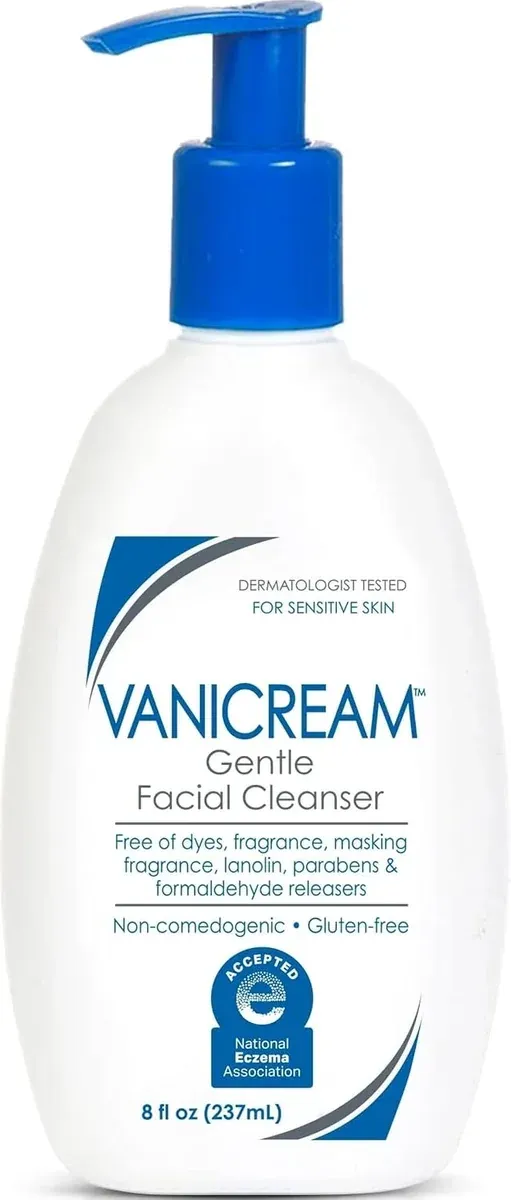
Vanicream Gentle Facial Cleanser
Best for: acne-prone skin that also feels sensitive, tight or treatment-dry.
Before you buy: This is not an acne medication and will not unclog established comedones by itself. Heavy or water-resistant makeup may need a separate first cleanse.
View Vanicream Cleanser on AmazonAs an Amazon Associate, SkinOptimizer may earn from qualifying purchases.
2. CeraVe Acne Control Cleanser
Why it fits: The verified 16-ounce listing combines 2% salicylic acid with ceramides, niacinamide and oil-absorbing clay. A rinse-off BHA step can be easier to control than adding another leave-on serum to an already busy routine.
Watch-out: Do not stack it automatically with a leave-on BHA and adapalene from day one. Reduce frequency if the skin becomes tight, shiny-raw or increasingly flaky.
- Best for: oily texture, blackheads and closed comedones when skin tolerates salicylic acid.
- Role: Use it for one defined routine job rather than buying all six at once.
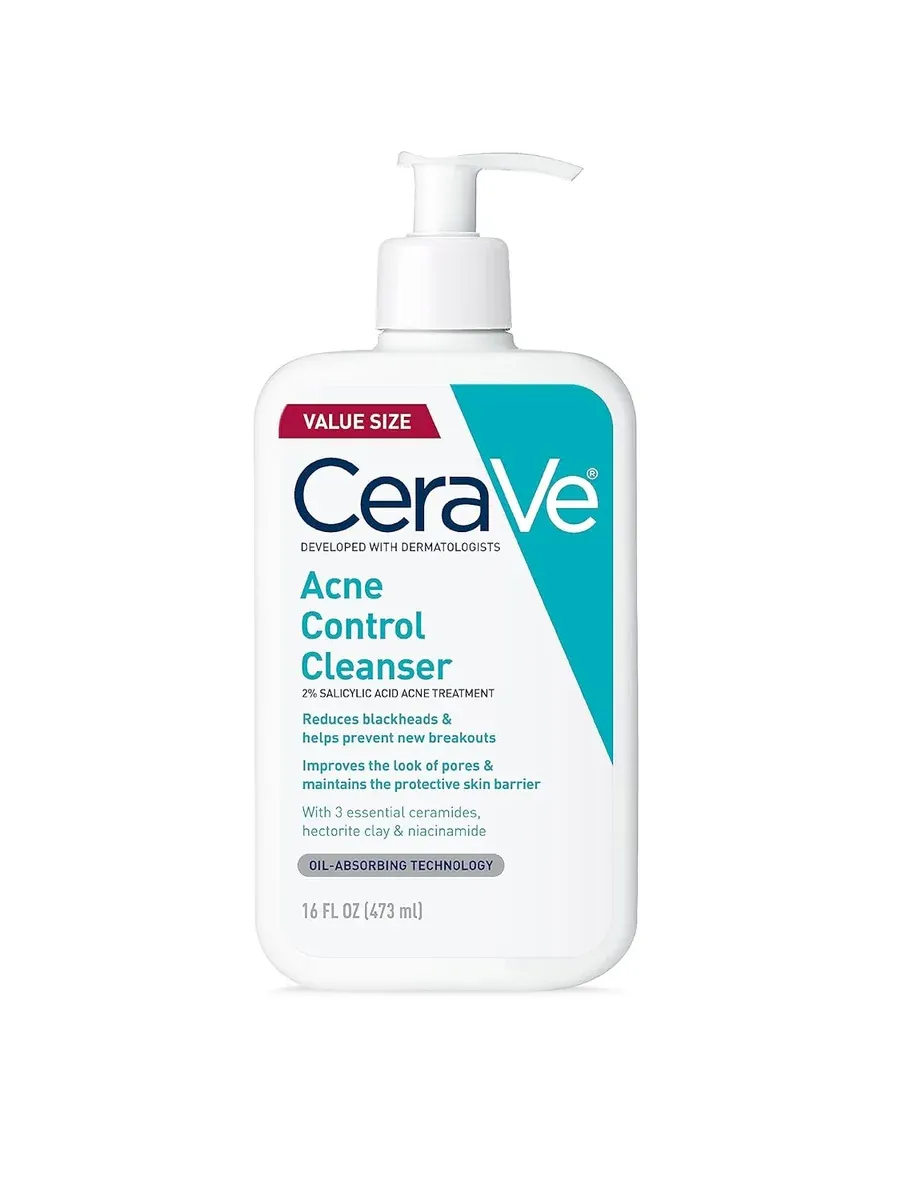
CeraVe Acne Control Cleanser
Best for: oily texture, blackheads and closed comedones when skin tolerates salicylic acid.
Before you buy: Do not stack it automatically with a leave-on BHA and adapalene from day one. Reduce frequency if the skin becomes tight, shiny-raw or increasingly flaky.
View CeraVe Acne Cleanser on AmazonAs an Amazon Associate, SkinOptimizer may earn from qualifying purchases.
3. Vanicream Daily Facial Moisturizer
Why it fits: The current three-ounce listing highlights five ceramides and hyaluronic acid in a lightweight non-greasy formula. It supports the routine without forcing a heavy cream over every facial zone.
Watch-out: Non-comedogenic does not mean breakout-proof, and the finish may look dewy on an oily T-zone. Apply less centrally and more to dry treatment zones when needed.
- Best for: combination, sensitive or acne-treatment routines that need light daily hydration.
- Role: Use it for one defined routine job rather than buying all six at once.
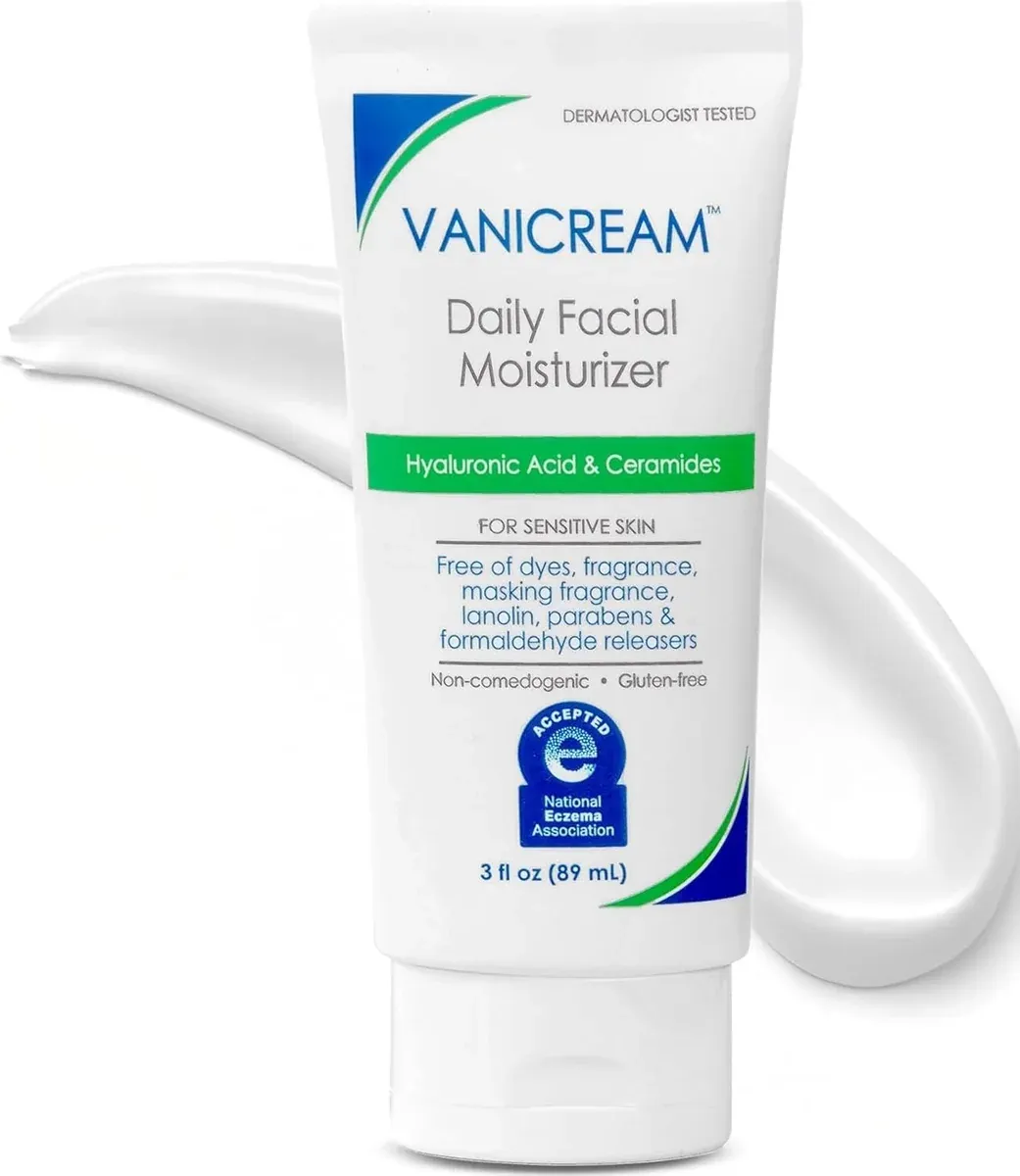
Vanicream Daily Facial Moisturizer
Best for: combination, sensitive or acne-treatment routines that need light daily hydration.
Before you buy: Non-comedogenic does not mean breakout-proof, and the finish may look dewy on an oily T-zone. Apply less centrally and more to dry treatment zones when needed.
View Vanicream Daily on AmazonAs an Amazon Associate, SkinOptimizer may earn from qualifying purchases.
4. EltaMD UV Clear SPF 46
Why it fits: The verified untinted listing is an oil-free SPF 46 face sunscreen with zinc oxide and organic filters. Its light lotion format is easier to use generously than a dense mineral paste for many acne-prone shoppers.
Watch-out: This untinted version is not water resistant and may not disappear equally on every complexion. Use a separate water-resistant formula for sweat or swimming.
- Best for: daily facial UV protection in acne-prone or redness-prone routines.
- Role: Use it for one defined routine job rather than buying all six at once.
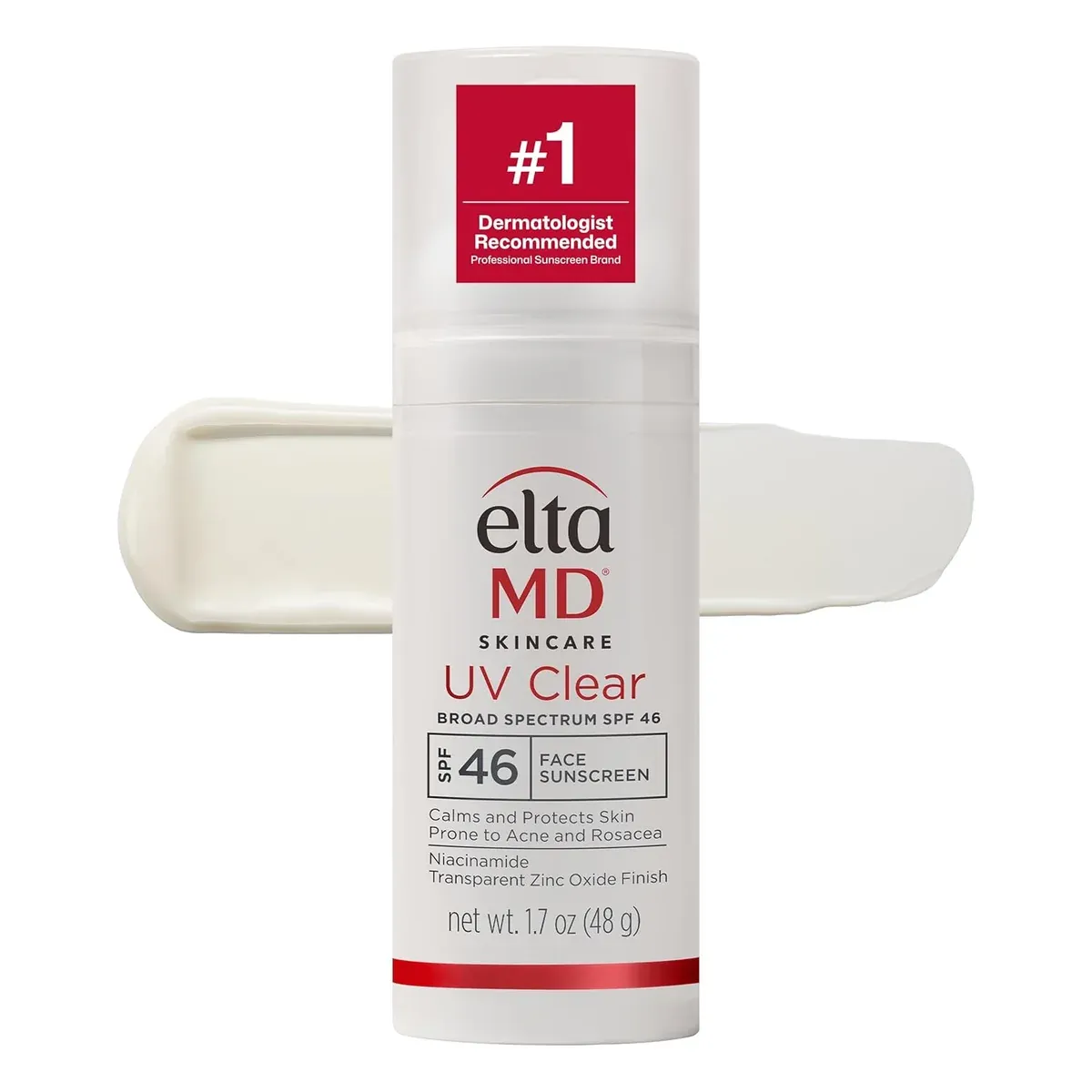
EltaMD UV Clear SPF 46
Best for: daily facial UV protection in acne-prone or redness-prone routines.
Before you buy: This untinted version is not water resistant and may not disappear equally on every complexion. Use a separate water-resistant formula for sweat or swimming.
View EltaMD UV Clear on AmazonAs an Amazon Associate, SkinOptimizer may earn from qualifying purchases.
5. Paula's Choice Skin Perfecting 2% BHA Liquid
Why it fits: The current four-ounce listing uses 2% salicylic acid in a leave-on liquid. It fills a clearer role than a vague 'pore serum': targeted exfoliation for comedonal texture when a gentle cleanser alone is not enough.
Watch-out: A leave-on acid adds more irritation potential than a rinse-off cleanser. Start a few nights per week and do not combine immediately with every other exfoliant or retinoid.
- Best for: persistent blackheads, visible clogged pores and uneven oily texture.
- Role: Use it for one defined routine job rather than buying all six at once.
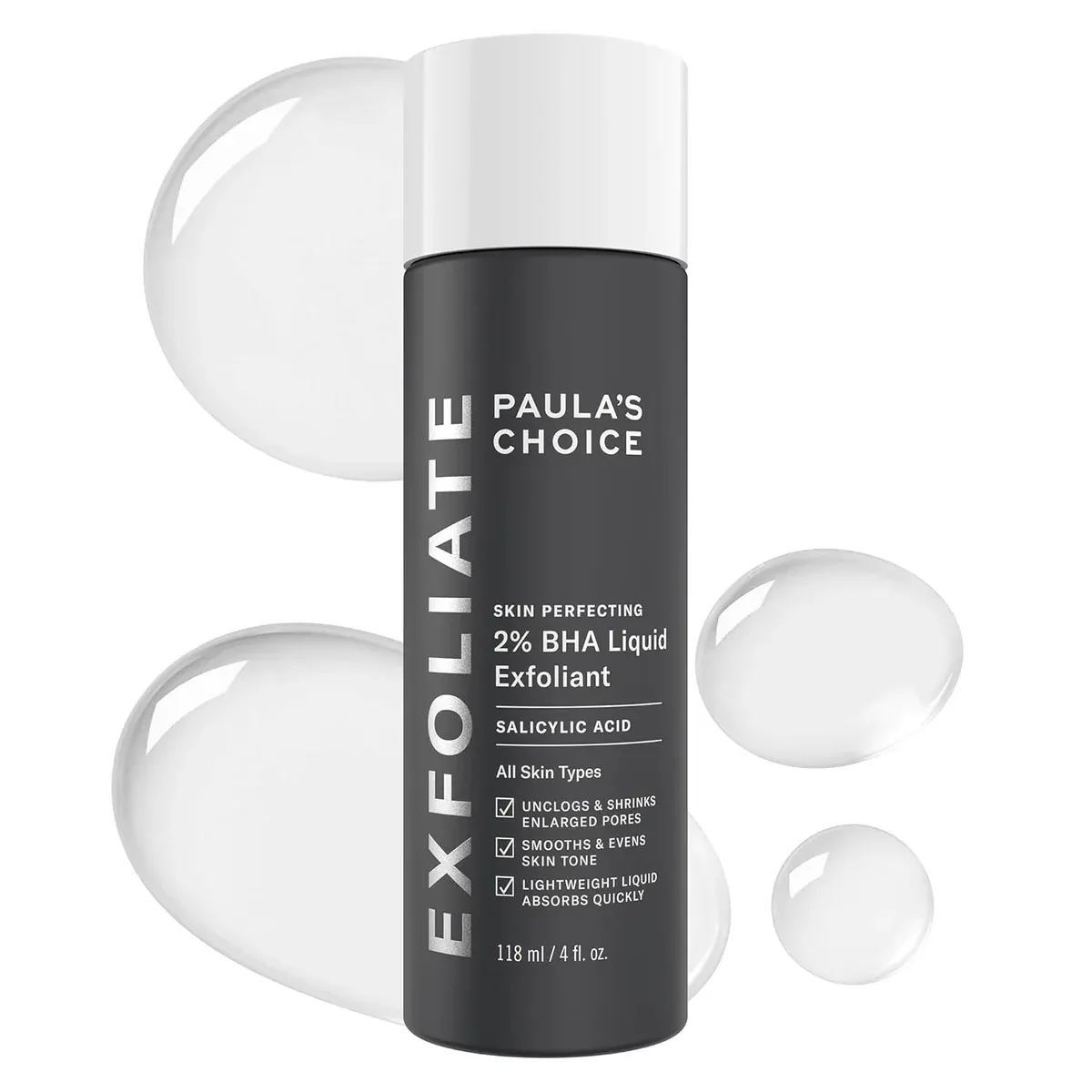
Paula's Choice Skin Perfecting 2% BHA Liquid
Best for: persistent blackheads, visible clogged pores and uneven oily texture.
Before you buy: A leave-on acid adds more irritation potential than a rinse-off cleanser. Start a few nights per week and do not combine immediately with every other exfoliant or retinoid.
View Paula's Choice BHA on AmazonAs an Amazon Associate, SkinOptimizer may earn from qualifying purchases.
6. Differin Gel 0.1% Adapalene
Why it fits: The verified 45-gram listing contains 0.1% adapalene, an over-the-counter topical retinoid. Unlike a spot-only cosmetic, it is used consistently across acne-prone areas to address recurring lesions.
Watch-out: Dryness and irritation are common during adjustment. Use a pea-size amount as directed, moisturize, wear sunscreen and ask a clinician about pregnancy, breastfeeding or prescription combinations.
- Best for: recurring comedonal and inflammatory acne that needs a preventive leave-on treatment.
- Role: Use it for one defined routine job rather than buying all six at once.
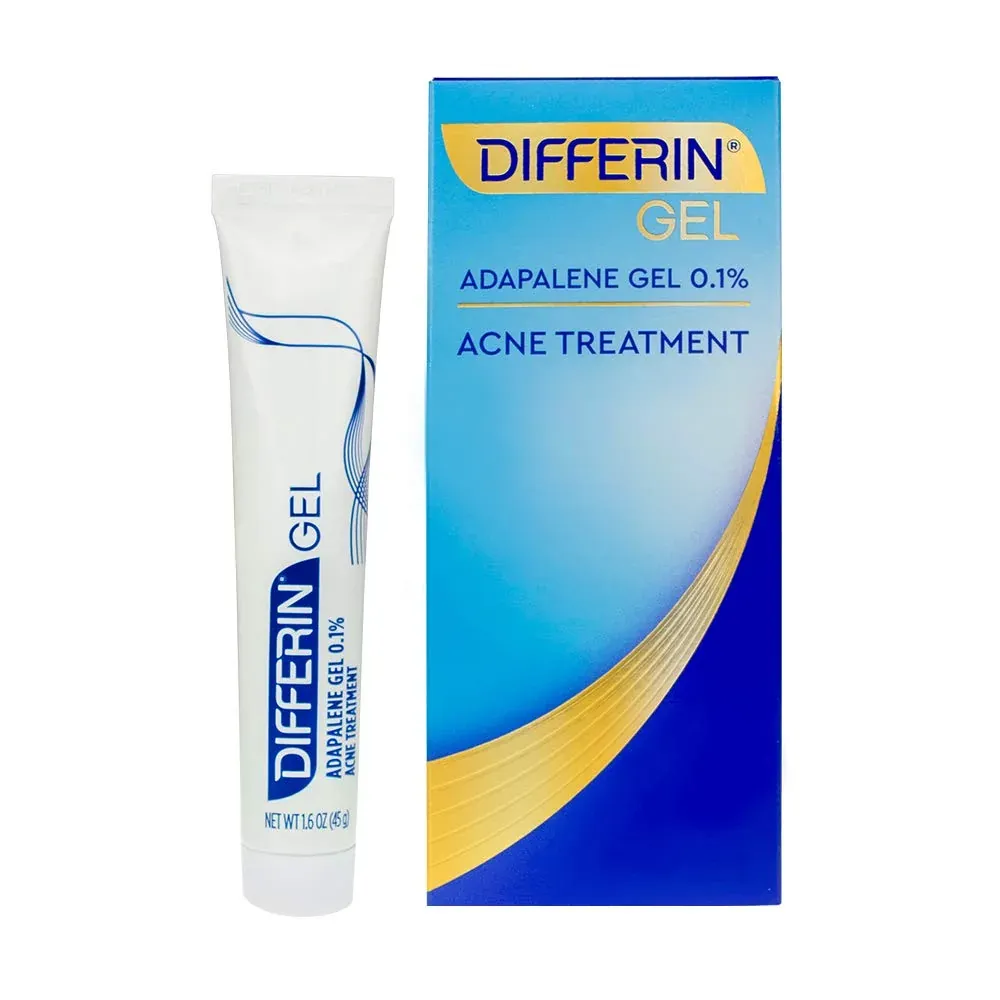
Differin Gel 0.1% Adapalene
Best for: recurring comedonal and inflammatory acne that needs a preventive leave-on treatment.
Before you buy: Dryness and irritation are common during adjustment. Use a pea-size amount as directed, moisturize, wear sunscreen and ask a clinician about pregnancy, breastfeeding or prescription combinations.
View Differin Gel on AmazonAs an Amazon Associate, SkinOptimizer may earn from qualifying purchases.
A Simple Non-Comedogenic Routine
Morning
- Cleanse gently or rinse. Use a full cleanser when oil, sweat or overnight product residue requires it.
- Moisturize by zone. Apply a light lotion to dry or treatment-sensitive areas rather than forcing one thick layer everywhere.
- Apply broad-spectrum SPF 30+. Use enough for exposed skin and follow the label for reapplication.
Evening
- Remove sunscreen and makeup completely. Add a first cleanse only when the base product needs it.
- Use one treatment. Choose a BHA night or an adapalene routine rather than stacking both immediately.
- Moisturize. Apply after treatment or use the moisturizer sandwich approach if retinoid irritation is a problem.
The 2024 American Academy of Dermatology acne guideline abstract strongly recommends topical retinoids and benzoyl peroxide, while salicylic acid receives a conditional recommendation. That supports selecting treatment by acne pattern rather than assuming every non-comedogenic cosmetic treats acne.
Where pimple patches fit
Hydrocolloid patches are optional surface tools for whiteheads or picked spots. They do not replace the preventive role of adapalene or the pore-focused role of salicylic acid. Compare formats in our overnight acne patch guide.
How to Test a Product Without Confusing the Result
- Change one product. Keep cleanser, treatment, moisturizer and sunscreen stable around the test.
- Patch test for irritation. Try a small area before broad use when the skin is reactive.
- Use the intended amount. A tiny sunscreen test cannot predict full-application texture.
- Track location and timing. Repeated bumps in the same zones are more informative than one random pimple.
- Stop for warning signs. Hives, swelling, blistering or severe burning are not a normal adjustment.
For retinoids, follow the current package directions. The DailyMed adapalene label provides official drug information and cautions that irritation can occur, especially with other irritating topical products.
Common Non-Comedogenic Shopping Mistakes
Buying six acne products instead of one treatment
A cleanser, toner, serum, pad and spot gel can all contain acids. The label on each may look acne-friendly, but the combined routine may be intolerable. Assign one job to each step.
Using ingredient ratings as certainty
Online comedogenicity scales are often treated as universal truths. They cannot fully predict a finished formula on an individual face. Product concentration, vehicle and use pattern matter.
Blaming moisturizer while ignoring hair and makeup products
Pomades, leave-in conditioner, foundation, brushes and phone contact can affect the same facial zones. Review everything touching the forehead, temples and cheeks before replacing a tolerated moisturizer.
Switching before acne treatment has time to work
Active acne treatment rarely produces a useful verdict in three days. Follow the label, protect the barrier and evaluate consistently. Seek help earlier for painful or scarring acne rather than continuing a failed routine indefinitely.
When to See a Dermatologist
Professional care is appropriate for deep painful lesions, scarring, widespread acne, sudden severe breakouts or acne that persists despite a consistent over-the-counter routine. The AAD's acne treatment overview explains that treatment depends on acne type and severity.
Our teen acne treatment guide provides age-specific context, while the cystic acne guide explains why deep nodules are not a cosmetic cleanser problem.
Before buying another acne product
- Identify the missing routine role: cleanse, treat, moisturize or protect.
- Use non-comedogenic as a filter, not a guarantee.
- Choose one primary active for the current acne pattern.
- Keep moisturizer and sunscreen in the routine.
- Introduce one product at a time.
- Stop for severe burning, swelling, hives or blistering.
- Get professional help for painful, scarring or persistent acne.
The Bottom Line
The best non-comedogenic routine is simple enough to evaluate. Vanicream Gentle Cleanser, Vanicream Daily Moisturizer and EltaMD UV Clear cover the base. Add CeraVe Acne Control Cleanser or Paula's Choice BHA for clogged pores, or Differin for recurring acne when appropriate.
Do not buy all six products because they share an acne-friendly label. Choose one treatment lane, support the barrier and watch the full routine rather than chasing a zero-breakout guarantee that no label can provide.
Frequently Asked Questions About Non-Comedogenic Products
What does non-comedogenic mean?
Non-comedogenic means a product is designed or tested with the goal of reducing the chance of clogged pores. It does not guarantee that no user will develop a whitehead, blackhead or breakout. Formula, amount, climate, skin type and the other products in the routine all affect tolerance.
Can a non-comedogenic product still cause acne?
Yes. A labeled product can still feel too occlusive, irritate the skin or conflict with another routine step. Acne can also change because of hormones, medication, hair products, makeup, friction and inconsistent treatment, so one new pimple does not automatically identify the moisturizer or sunscreen as the cause.
Is oil-free the same as non-comedogenic?
No. Oil-free describes the absence of certain oils, while non-comedogenic describes the intended pore-clogging risk of the finished formula. Some oil-free formulas can still feel heavy, and some products containing light emollients can work well for acne-prone skin.
Should acne-prone skin use salicylic acid and adapalene together?
They can exist in the same long-term routine, but starting both leave-on treatments at once raises irritation risk. Begin with one primary active, keep cleanser and moisturizer gentle, and add the second only after tolerance is clear. A clinician can help with persistent or scarring acne.
How long should I test a non-comedogenic product?
Stop immediately for swelling, hives, blistering or severe burning. For ordinary tolerance, introduce one product at a time and watch the same areas for roughly two weeks before making another change. Acne treatments need longer to judge for effectiveness, so follow the label and professional guidance rather than switching every few days.