Slow Skincare Routine: How to Start Without Irritation
Start skincare slowly with a calm base routine, safer active timeline, irritation reset plan, and clear rules for what to stop first.

In this guide

A slow skincare routine is the safest default if your skin is new to active ingredients, easily irritated, acne-prone, or already overwhelmed by too many products. The point is not to make skincare feel precious or complicated. The point is to reduce variables so you can tell what actually helps your skin.
For a specific tolerance technique, see what buffering means in skincare, including dose, frequency and stop signs.
Travel is another reason to keep variables low. Our carry-on skincare guide shows how to pack one familiar routine under current liquid and aerosol rules.
An ampoule counts as a new leave-on treatment, even when it is marketed as soothing. Our formula-first ampoule guide explains how to patch test it, choose a frequency, and avoid duplicating a serum.
If retinol is not tolerated, compare our five evidence-aware bakuchiol picks. Introduce the selected serum slowly and separately so fragrance, vehicle, or another active does not confuse the result.
Most routine problems start with speed. Someone buys a cleanser, toner, vitamin C serum, exfoliating acid, retinoid, moisturizer, face oil, and sunscreen in the same week. Then the skin stings, flakes, breaks out, or feels tight. At that point, it is hard to know whether the problem came from the cleanser, the active, the fragrance, the sunscreen, the layering, or the fact that the barrier never had time to adjust.
If your daily SPF still feels like the hardest step to keep consistent, read our EltaMD UV Clear SPF 46 review. It explains the acne-prone and sensitive-skin fit, hybrid filters, tint limits, and when the lack of water resistance matters.
This guide gives you a slower system. You will start with a core routine, test one change at a time, add actives on a timeline, and know when to pause. If you want the deeper minimalist version, our minimalist skincare routine pairs well with this guide. If your skin already burns or stings, read this as a reset plan before you shop again.
Need the practical part first?
Jump to the sections most readers use when they are starting, restarting, or trying to stop irritation.
See the slow routine sequence
Use this short visual guide as a reminder: build the base, test one product, then add stronger steps only when skin stays calm.
Short visual note: a slow routine is not about using fewer products forever. It is about adding each step in the right order.

The Slow Skincare Routine: Start With the Core Three
A slow skincare routine starts with three jobs: cleanse gently, moisturize enough, and protect from UV exposure during the day. These are boring steps, but boring is useful when your skin is unpredictable. The American Academy of Dermatology recommends broad-spectrum SPF 30 or higher for daily sun protection, and that step becomes even more important when you later add ingredients that can make skin more sun-sensitive.
The first 10 to 14 days are not about results. They are about baseline. You want to know how your skin feels when the routine is calm: does it still sting, does it get oily by noon, does it feel tight after cleansing, does moisturizer sit on top, does sunscreen break you out? Those answers tell you what to adjust before you add a treatment product.
Use cleanser, moisturizer, and SPF until your skin feels predictable.
Add one new product at night and keep every other step the same.
Increase frequency only if skin stays comfortable for 10 to 14 days.
If you are acne-prone, choose light textures and look for non-comedogenic language. If you are dry or sensitive, choose fragrance-free products and avoid foaming cleansers that leave skin squeaky. If you are oily, do not skip moisturizer just because your skin shines. Dehydrated oily skin can feel greasy and tight at the same time.
| Skin pattern | Best slow start | Watch out for |
|---|---|---|
| Dry or tight | Creamy cleanser, richer moisturizer, SPF that does not sting | Hot water, foaming cleanser, daily acids |
| Oily or shiny | Gentle gel cleanser, light moisturizer, non-greasy sunscreen | Skipping moisturizer, harsh toners, too much salicylic acid |
| Acne-prone | Simple non-comedogenic base before acne actives | Heavy oils, multiple spot treatments, new makeup at the same time |
| Sensitive or reactive | Fragrance-free base and one patch test at a time | Essential oils, scrubs, strong vitamin C, frequent retinoids |
Why Starting Skincare Slowly Works
Slow skincare works because skin does not react to your intentions. It reacts to ingredients, concentration, texture, frequency, weather, hormones, cleansing habits, and the order in which you layer products. When you add five products in a weekend, you erase the evidence. When you add one product at a time, your skin can give you a cleaner signal.
This is especially important for active ingredients. Retinoids can cause dryness and peeling during adjustment. Exfoliating acids can be useful, but too much exfoliation can make the skin feel raw. Benzoyl peroxide can help acne-prone routines, but it can also dry and irritate. The DermNet overview of irritant contact dermatitis is a useful reminder that irritation can come from repeated exposure, not only from a single dramatic allergic reaction.
A slower routine also protects your budget. You stop buying products to solve side effects created by the last product. You also avoid the common loop where skin gets irritated, you add a calming serum, the serum stings, you add a balm, the balm clogs, and then you buy an acne treatment to fix the new bumps.
The 14-Day Restart Plan for Overwhelmed Skin
If your current routine burns, pills, flakes, or breaks you out in a new pattern, do not keep adding products. Use a 14-day restart. This is not a cure for acne, rosacea, eczema, or allergic reactions. It is a practical way to remove routine noise so you can see whether your basic skin comfort improves.
For days 1 through 3, keep cleansing short and gentle. Use lukewarm water, not hot water. Apply moisturizer while skin is slightly damp. Use sunscreen in the morning if you will be exposed to daylight. Avoid exfoliation, scrubs, peels, new masks, strong vitamin C, retinoids, and fragrance-heavy products.
For days 4 through 10, keep the same products and track comfort. If your skin stops stinging, that is a good sign. If the same moisturizer still burns every time, even after you removed actives, the moisturizer itself may not suit you. If redness, swelling, oozing, or pain continues, stop self-experimenting and ask a qualified professional.
For days 11 through 14, choose one product to test only if your skin feels calmer. A single hydrating serum, acne treatment, retinoid, or exfoliant can be tested next, but not all together. If your main concern is a damaged barrier, use our skin barrier repair guide before returning to strong treatments.
| Days | What to use | What to learn |
|---|---|---|
| 1 to 3 | Gentle cleanser, moisturizer, morning SPF | Does skin sting less when actives stop? |
| 4 to 10 | Same base routine, no new products | Which basic product feels comfortable or uncomfortable? |
| 11 to 14 | Add one product only if skin feels calm | Does one change create a clear reaction? |
What to Stop First If Your Skin Feels Irritated
When skin is irritated, the first move is subtraction. This is where many routines go wrong. People treat irritation like a shopping problem when it is often a frequency problem. You may not need a new serum. You may need fewer exfoliating nights, a gentler cleanser, or a break from layering.
Do not stop prescription products without asking the clinician who prescribed them. If you use a prescription acne medication, rosacea treatment, steroid, or medication after a procedure, follow professional instructions first. A blog post can help you organize non-prescription skincare, but it cannot replace your medical plan.
When to Add Actives Back Into a Slow Skincare Routine
Actives should earn their place. Add them because they solve a clear problem, not because they are trending. A good slow skincare timeline gives each active a job, a starting frequency, and a pause rule.
Retinoids are often used for acne, texture, and visible aging support, but they need patience. The AAD explains that retinoids can irritate skin at first, which is why low frequency and moisturizer support matter. Exfoliating acids can help dullness or clogged texture, but they are not daily requirements for everyone. Vitamin C can be useful for tone and antioxidant support, but sensitive skin may prefer a gentler derivative or a delayed start.
| Ingredient | Slow starting point | Pause if |
|---|---|---|
| Retinoid | Night only, 1 to 2 times weekly, moisturizer before or after | Burning, raw peeling, swelling, or worsening irritation |
| Exfoliating acid | Once weekly at night, not on retinoid nights | Stinging lasts, skin looks shiny-raw, or flakes increase |
| Benzoyl peroxide | Short contact or thin layer a few nights weekly | Skin becomes painfully dry or cracked |
| Vitamin C | Morning, 2 to 3 times weekly under SPF | Persistent stinging, rash, or new sensitivity |
If you want a practical acne-focused version, read our acne-prone skincare routine. If your main issue is sensitivity, our sensitive skin routine gives a gentler starting point. For oily skin, the key is not punishment. Our daily routine for oily skin explains how to keep hydration without a greasy finish.
How to Patch Test Without Overthinking It
Patch testing cannot guarantee that a product will work on your whole face, but it can catch some obvious problems before they become full-face problems. For a basic skincare product, test a small amount near the jaw, behind the ear, or on a small cheek area for several days. For stronger actives, be more conservative and avoid testing near the eyes or on broken skin.
Look for a pattern. A tiny tingle that fades may be different from burning that persists. One random pimple may not mean much. A cluster of new bumps exactly where you tested the product is more useful information. Itching, swelling, hives, or a rash means stop and consider professional guidance, especially if the reaction spreads.
Do not patch test five products at the same time. That creates the same problem as starting a full routine too quickly. One product, one area, one observation window. If the product passes the small-area test, use it on the face at a low frequency while keeping the rest of the routine stable.
Common Slow Skincare Mistakes
The first mistake is confusing slow with inactive. A slow routine can still be strategic. It simply respects timing. You can use retinoids, acids, acne treatments, and brightening ingredients later. You just do not add them all at once.
The second mistake is changing your cleanser every few days. Cleansers can cause a surprising amount of trouble because they touch the whole face and can alter how tight the skin feels. If your cleanser leaves skin squeaky, dry, or shiny-tight, it may be too stripping. If it leaves makeup, sunscreen, or oil behind, your nighttime cleanse may be too weak. Make one adjustment and watch for 10 to 14 days.
The third mistake is assuming natural means gentle. Essential oils, citrus extracts, fragrant botanicals, scrubs, and DIY masks can still irritate skin. If you like natural-leaning products, use our natural skincare safety guide to separate useful simplicity from marketing.
The fourth mistake is skipping sunscreen while testing actives. This is especially common when people start retinoids or exfoliating acids at night and forget that the morning routine still matters. The FDA explains that UV radiation can damage skin, so daily protection is not optional if your routine is trying to support long-term skin health.
Slow Skincare Starter Kit: Product Types That Make Sense
You do not need these exact products to follow the guide. Use them as product-type examples if you are rebuilding from scratch and want fewer variables. Choose based on your skin pattern, budget, and tolerance.
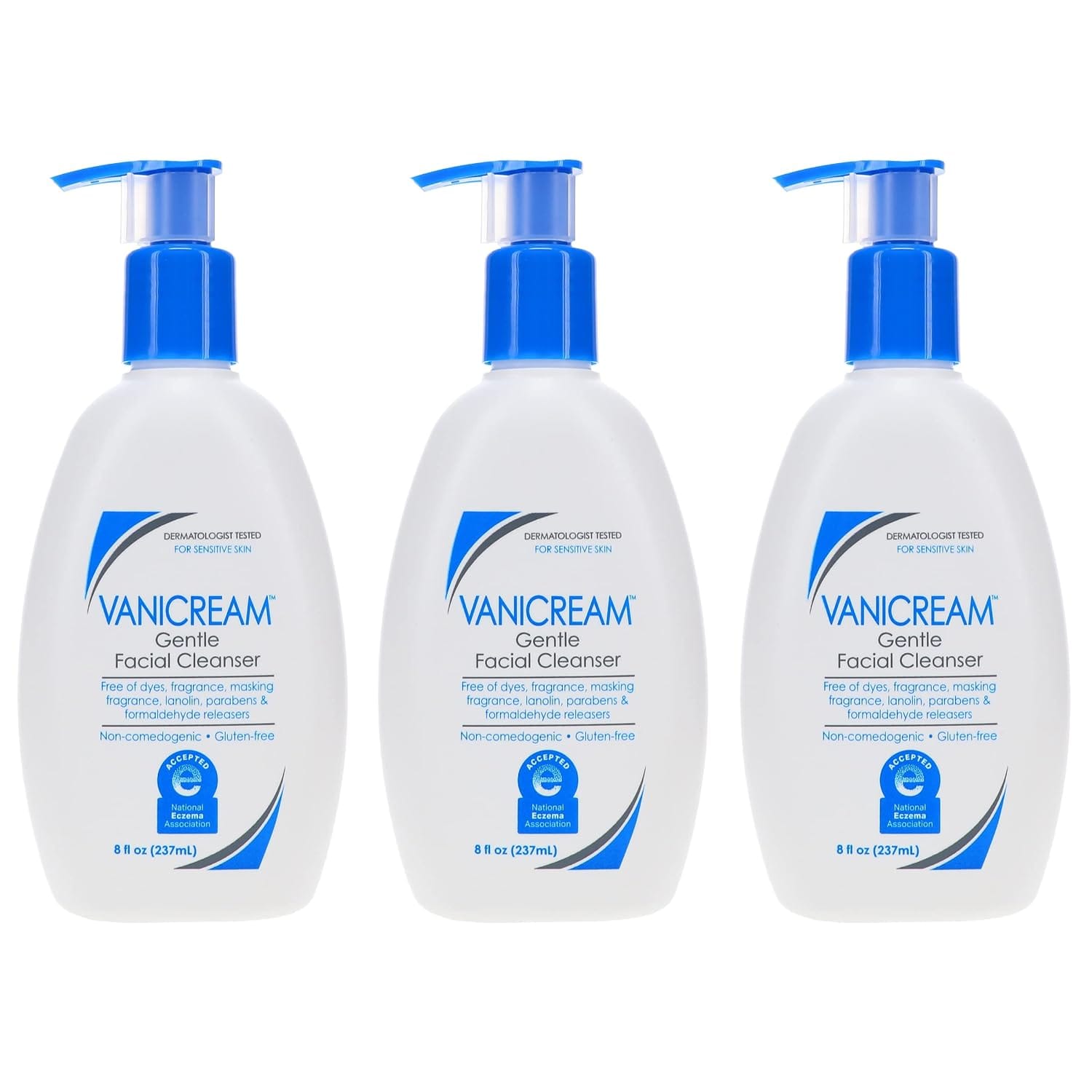
Vanicream Gentle Facial Cleanser
Best fit: sensitive, dry, or reactive skin that needs a low-drama cleanser during a reset.
Why it fits: it is a simple cleanser category choice when you want fewer fragrance and texture variables.
Watch-out: very oily skin may prefer a lighter gel feel.
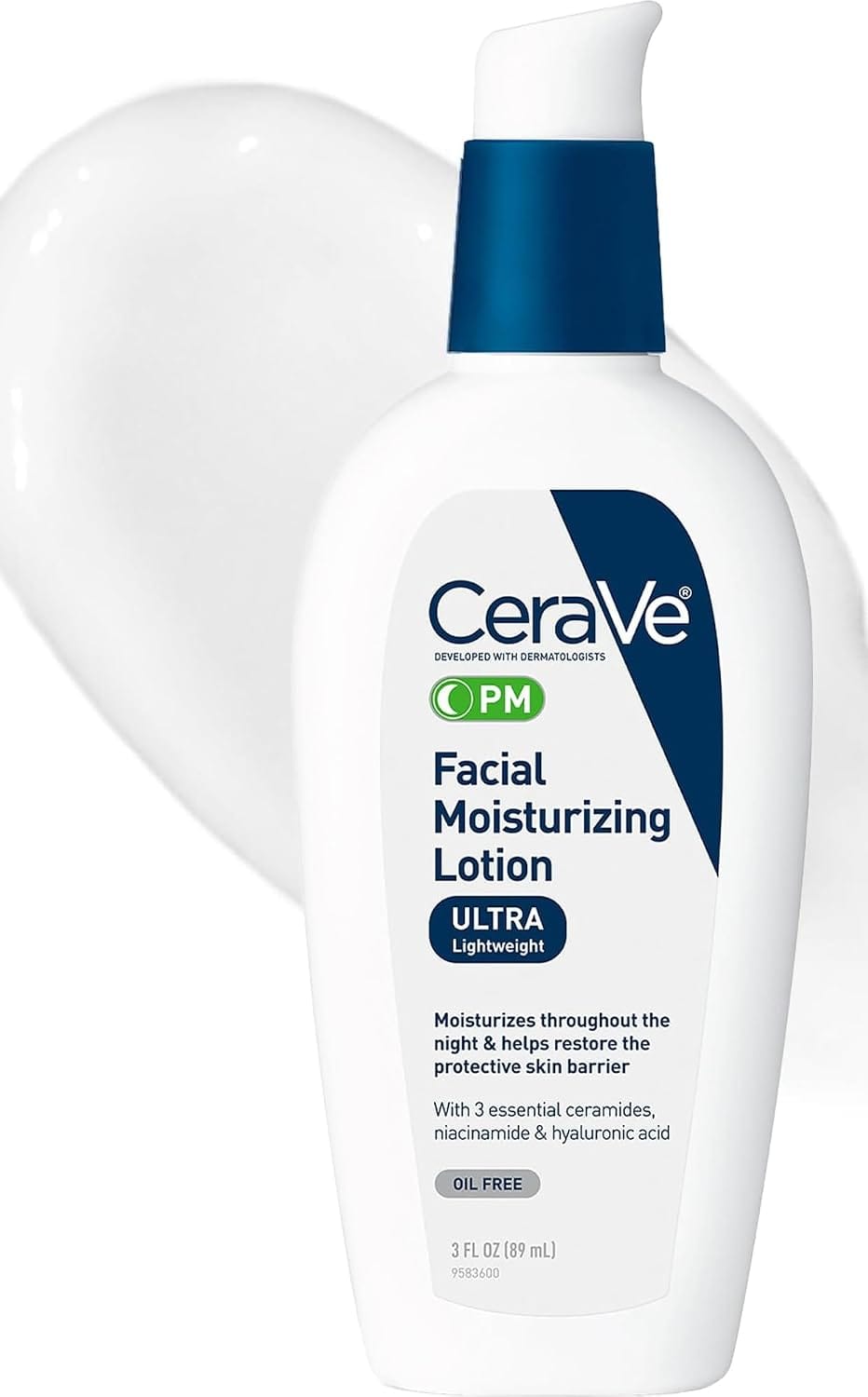
CeraVe PM Facial Moisturizing Lotion
Best fit: normal, combination, or acne-prone skin that needs a light moisturizer while testing actives.
Why it fits: a lightweight moisturizer can make slow retinoid or benzoyl peroxide starts more comfortable.
Watch-out: very dry skin may need a richer cream at night.
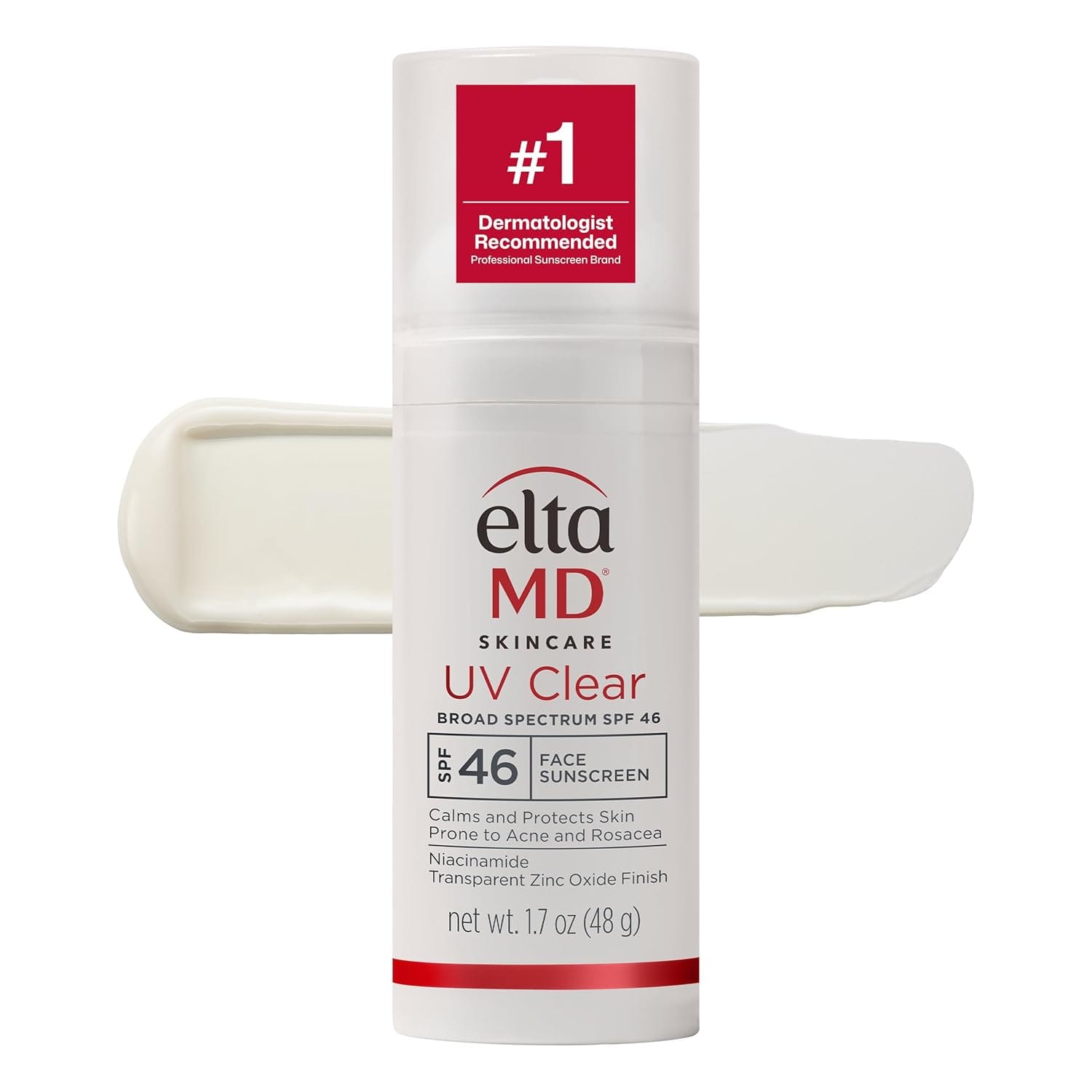
EltaMD UV Clear Broad-Spectrum SPF 46
Best fit: acne-prone or redness-prone routines that need daily SPF without a heavy finish.
Why it fits: sunscreen is the morning anchor when you later add actives that can increase irritation risk.
Watch-out: it is pricier than many drugstore sunscreens, so patch test before committing.
If you already have products that work, keep them. The better move is not always buying a new cleanser or sunscreen. It may be using what you own more consistently and removing the steps that keep causing confusion. If your moisturizer seems to work in the morning but feels too light at night, compare that pattern with our guide on whether you need a different moisturizer for day and night.
How Long Until a Slow Skincare Routine Shows Results?
Comfort can improve within days if your main problem was overuse. Dry tightness may improve within one to two weeks once you stop stripping and over-exfoliating. Acne, uneven tone, and texture usually take longer and may need targeted ingredients. The slow approach does not promise instant transformation. It gives you cleaner data so the next step is smarter.
Use a simple note on your phone. Track date, product, frequency, and reaction. You do not need a perfect diary. Four lines are enough: what you used, where you used it, how often, and what changed. Photos can help if you take them in the same light, but do not obsess over daily differences. Skin is not identical every morning.
Frequently Asked Questions About a Slow Skincare Routine
Is a slow skincare routine better for beginners?
Yes, a slow skincare routine is usually better for beginners because it limits irritation and makes reactions easier to trace. Start with cleanser, moisturizer, and sunscreen before adding serums, exfoliants, or retinoids.
If a stressful period also increases itch or picking, our stress and skin guide shows how to keep the routine stable while addressing the behavior loop and medical stop signs.
How long should I wait before adding a new skincare product?
Wait about 10 to 14 days between new products when possible. That gives you enough time to notice stinging, dryness, clogged texture, or a breakout pattern before another variable is added.
Can I use retinol in a slow skincare routine?
Yes, but add it after your basic routine feels stable. Start one or two nights per week, avoid using exfoliating acids on the same nights, and reduce frequency if skin becomes raw, painful, or very flaky.
What should I do if every product suddenly stings?
Pause non-essential actives and simplify to a gentle cleanser, bland moisturizer, and sunscreen. If even basic products sting for more than a short reset window, or if you see swelling, rash, or pain, ask a qualified professional.
Does slow skincare mean I should avoid all active ingredients?
No. Slow skincare means active ingredients are added with timing and purpose. You can still use retinoids, acids, vitamin C, or acne treatments, but each one should have a clear job and a gradual starting frequency.
Final Takeaway
Starting skincare with slowness is not about doing less forever. It is about building in the right order. A stable base routine gives your skin a calmer environment. A single-product testing rhythm gives you clearer feedback. A slower active timeline helps you get benefits without turning your face into a guessing game.
If your skin is currently irritated, start with the 14-day reset. If your skin is calm, build carefully. If your symptoms are painful, persistent, or tied to a diagnosed skin condition, get professional help instead of trying to troubleshoot everything with over-the-counter products.
This article is for informational purposes only and does not replace professional dermatological advice.