PRP Facial Rejuvenation: Benefits, Evidence and Risks
PRP may modestly improve texture or elasticity, but protocols and evidence vary. Compare injection, microneedling, realistic results and medical risks.

In this guide
PRP facial rejuvenation uses a platelet-concentrated fraction of your own blood, delivered by injection or around another procedure. It may produce modest gradual improvement in texture, elasticity or skin thickness, but evidence is heterogeneous and the ideal protocol is unknown. Autologous material does not remove infection, blood-handling, scarring or rare vascular and ocular risks.
Quick Summary
- PRP preparation, platelet concentration and delivery route vary between clinics.
- Evidence suggests possible modest texture and elasticity benefit, not a natural facelift.
- Injection and topical PRP after microneedling have different risks and regulatory context.
- Choose a medical clinic with traceable blood handling and an emergency plan.
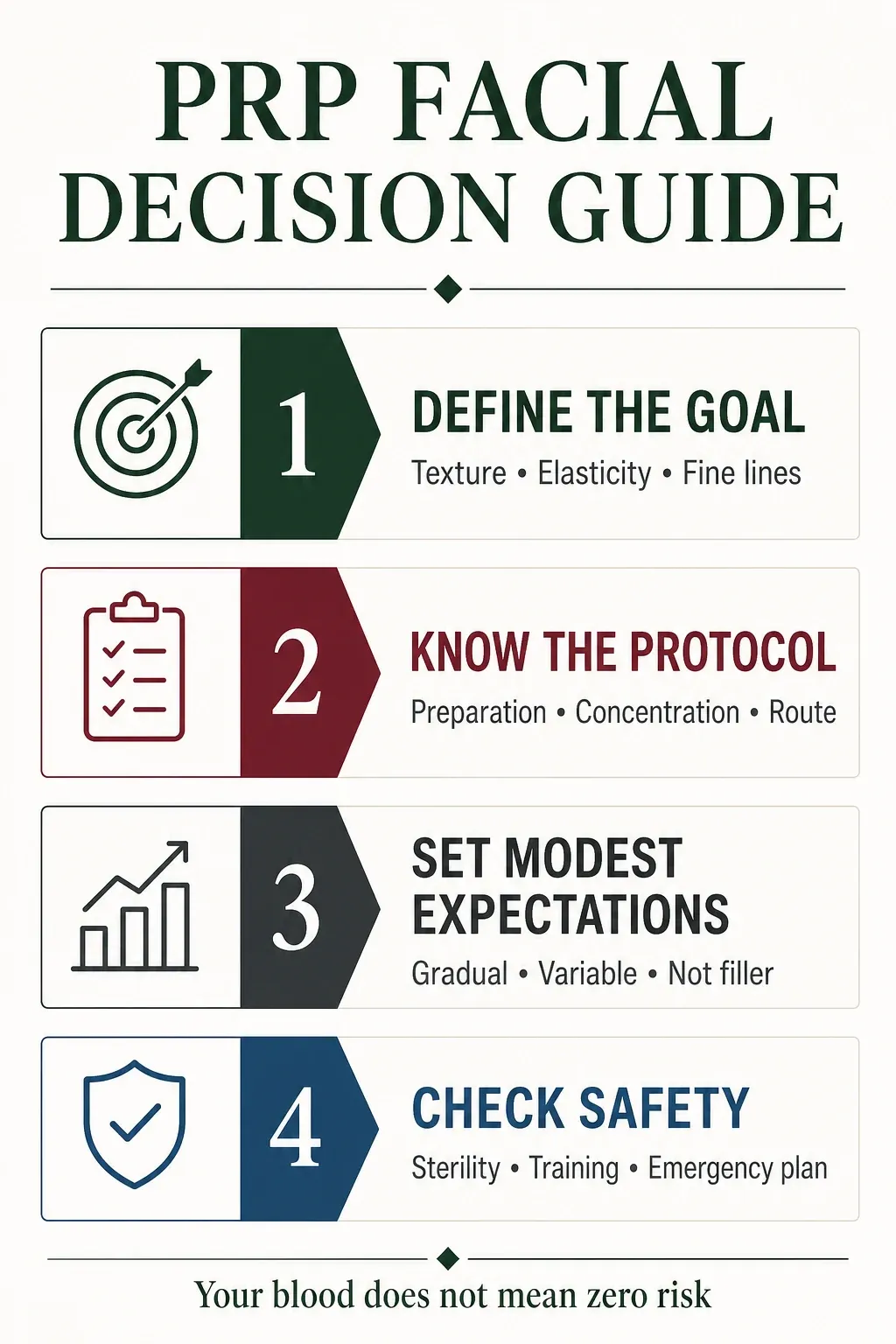
PRP facial rejuvenation is often marketed through biology: your own platelets, your own growth factors and therefore a natural result. That story skips the difficult questions about concentration, delivery, study quality and injection safety. This guide compares the evidence with the promise, distinguishes injection from microneedling combinations and shows what a transparent medical protocol should include.
What a PRP Facial Actually Is
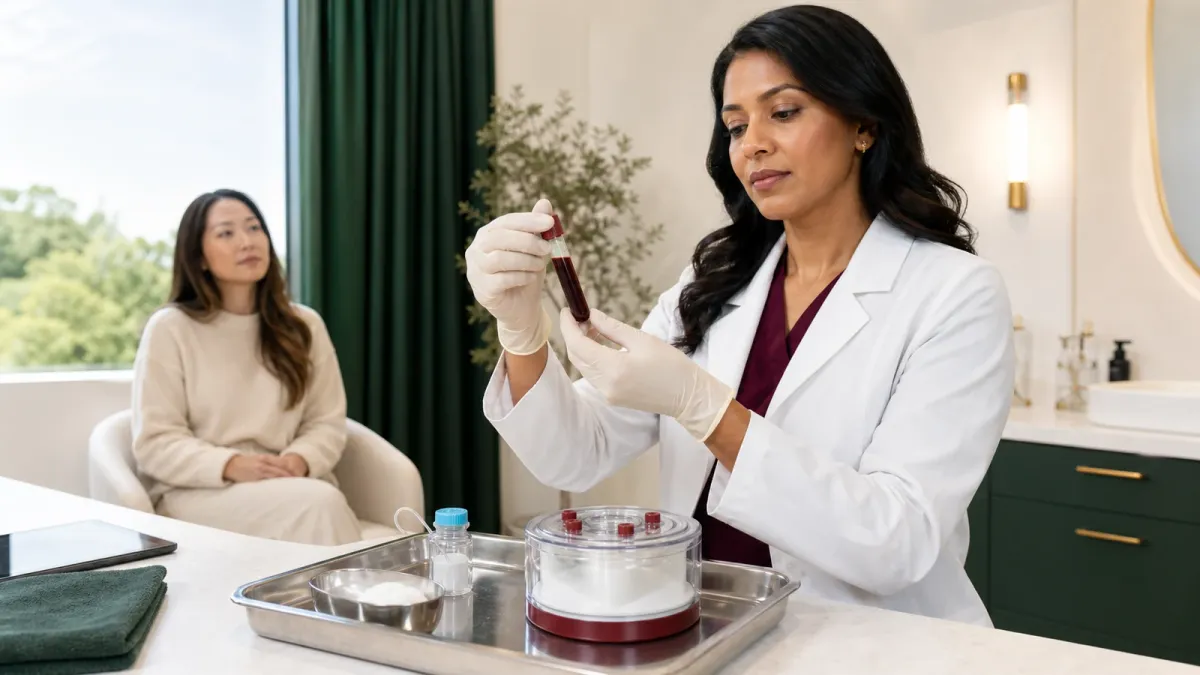
Platelet-rich plasma is prepared from a person's own blood. A clinician draws blood, spins it in a centrifuge and separates a plasma fraction with a higher platelet concentration. That preparation may be injected into the face or applied after a procedure that creates channels in the skin.
“Vampire facial” is a marketing name, not a protocol. Platelet concentration, white-cell content, activation method, volume, injection depth, number of sessions and combination treatment vary widely. Two clinics can advertise PRP while delivering materially different procedures.
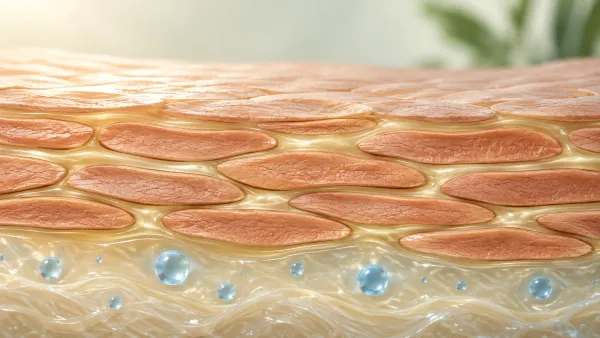
Platelets release signaling proteins involved in clotting and tissue repair. That biological rationale is plausible, but plausibility does not establish how much visible rejuvenation occurs, which preparation works best or how long results last. Human controlled evidence must answer those questions.
| PRP route | What happens | Key uncertainty |
|---|---|---|
| Direct injection | PRP is placed with needles or cannula | Dose, plane and facial vascular risk vary |
| Topical after microneedling | PRP is applied to newly created channels | FDA-authorized devices are not approved to deliver PRP |
| Combined with laser | PRP is used around resurfacing treatment | Benefits of each component are hard to separate |
| PRF injection | Fibrin-rich preparation is used | Not interchangeable with PRP evidence |
| PRP plus filler | Biologic and volumizing procedures are combined | Cost, risk and outcomes overlap |
What the Best Current Evidence Says
The evidence is mixed and methodologically weak. Small studies often report improvement in texture, elasticity or satisfaction, but preparations and outcomes differ. Uncontrolled before-and-after photographs cannot separate PRP from time, lighting, concurrent skincare or another procedure.
A 2024 umbrella review of thirteen systematic reviews found that twelve had low or critically low confidence. Most underlying studies were uncontrolled, and evidence was insufficient for firm conclusions about PRP alone or in combinations. Low-certainty satisfaction data should not be translated into guaranteed collagen renewal.
A 2025 systematic review of PRP and PRF evaluated six facial-aging parameters across twenty studies and 514 patients. Skin thickness and elasticity had the strongest signals, while hydration had the weakest. The authors still described mixed results and variable study quality.
An earlier systematic review of PRP for skin aging found temporary modest improvement, with the best support for texture. Typical improvement was less than 50%, protocols were heterogeneous and persistence was unknown. That is a more realistic basis for consent than “natural facelift.”
The fair conclusion is cautious: PRP may create modest improvement in selected texture, elasticity or fine-line outcomes, but magnitude and durability are uncertain. It does not replace a surgical lift, predictable volumizing filler or a proven daily prevention routine.
Potential Benefits by Skin Goal
Texture and overall skin quality are the most plausible reasons to consider PRP. Some studies report smoother appearance, increased dermal thickness or elasticity and patient satisfaction over several weeks. The result is gradual because PRP is not a physical filler that creates immediate volume.
Fine lines may soften modestly, especially when PRP is combined with microneedling or resurfacing. Combination research cannot tell whether PRP, controlled injury or both produced the change. Deep folds and facial volume loss should not be sold as reliable PRP outcomes.
Evidence for dyschromia, hydration and pores is less consistent. PRP is also studied for acne scars, often with microneedling or laser, but scar type determines the plan. The acne-scar treatment guide explains why rolling, boxcar and ice-pick scars need different strategies.
| Goal | Evidence signal | Expectation |
|---|---|---|
| Texture | Most consistent modest signal | Gradual improvement, not resurfacing-level change |
| Elasticity or thickness | Promising but variable | Protocol and measurement differ |
| Fine lines | Possible modest benefit | Deep folds need another strategy |
| Hydration | Weak and inconsistent | Moisturizer is more direct |
| Pigment | Mixed evidence | Diagnosis and sunscreen remain central |
| Acne scars | Often studied in combinations | Choose treatment by scar architecture |
Who May Be a Candidate?
A reasonable candidate is a healthy adult seeking subtle gradual improvement in skin quality, with realistic expectations and willingness to complete a series. The clinician should explain why PRP is preferable to simpler or better-studied options for that goal.
Bleeding disorders, platelet dysfunction, significant anemia, active infection, uncontrolled illness, anticoagulant use, pregnancy, immunosuppression and some cancers can affect candidacy or timing. A qualified clinician should review history, medicines, supplements and relevant laboratory issues. Do not stop prescribed anticoagulants or anti-inflammatory medicines independently.
Active acne, herpes, eczema, dermatitis or open skin may increase infection and flare risk. Stabilize the condition first. The skin-barrier restoration guide supports minor routine repair but does not provide procedural clearance.
People prone to keloids or post-inflammatory hyperpigmentation need a route-specific discussion, particularly when microneedling or laser is combined. The slow-start skincare method can keep the home routine stable while procedure response is assessed.
PRP Injection vs. PRP With Microneedling
Injection places PRP beneath the surface at selected depths. It introduces needle trauma, bruising and facial vascular considerations. The injector should explain the map, volume, needle or cannula choice and emergency response.
Microneedling creates controlled channels with a device, after which some clinics apply PRP topically. The FDA states that authorized microneedling devices are not approved for delivering cosmetics, drugs, vitamin solutions or blood products such as PRP into skin. The FDA microneedling guidance also says risks of these combinations are not known.
This does not mean every clinician is prohibited from off-label use, because medical practice and device regulation are distinct. It does mean the combination should not be described as FDA approved. Ask which device is used, its authorized indication and why PRP is added.
For a pure microneedling decision, compare it with the fractional laser guide and abrasion-depth comparison. Procedure depth and target matter more than trend labels.
Risks, Infection Control and Stop Signs
Expected effects include pain, pinpoint bleeding, redness, swelling, tenderness and bruising. Temporary dryness, flaking or darkening can follow combined microneedling or laser. Infection, herpes reactivation, prolonged inflammation, pigment change and scarring are less common.
Blood handling creates contamination and identification risks. Needles, tubes and collection components should be single use, and centrifuge-compatible preparation should follow a validated system. The clinician should maintain universal precautions and traceability from blood draw to application.
Rare vascular and ocular complications have been reported after facial PRP injections. A 2026 systematic review collected published cases of visual impairment, many after glabella or forehead injections. Case reports cannot establish incidence, but they show that autologous material does not eliminate anatomy-related injection risk.
Seek urgent care for visual change, severe headache, weakness, speech difficulty, blanching, dusky mottling or unusual escalating pain during or after injection. Call the clinic for fever, pus, spreading redness, severe swelling or worsening blisters. Do not cover a complication with acids, steroids or makeup without clinical advice.
What Happens During a Session?
The clinician reviews consent, photographs the skin and draws blood. The sample is centrifuged according to the preparation system, and the selected fraction is separated. Preparation can take minutes, but exact timing and spins vary.
The face is cleansed and may be numbed. PRP is then injected or applied with a combined procedure. A sterile technique should be maintained even when the setting looks like a spa.
Sessions may be planned several weeks apart, often as a series, but there is no single validated universal schedule. Ask which trial or protocol supports the recommendation. A package should not be sold before candidacy and route are clear.
Results, Sessions and Maintenance
Swelling can create a temporary plump look immediately after treatment, but that is not the final result. Gradual texture or elasticity change is usually assessed over weeks to months. Standardized photographs and validated scales are more useful than next-day selfies.
Many studies use one to three sessions, while others combine PRP with repeated laser or microneedling. Because evidence is heterogeneous, the ideal concentration, interval and maintenance schedule remain uncertain. More sessions are not automatically more effective.
Ask for a stop rule: if no meaningful change appears after the agreed series, what happens next? Continuing indefinitely can turn uncertain evidence into recurring expense. Define a target and measurement before the first blood draw.
PRP Compared With Fillers, Lasers and Topical Care
PRP aims to influence skin quality gradually. Dermal fillers provide physical volume, while lasers create controlled thermal injury for resurfacing and pigment or vascular targets. Daily skincare provides prevention and modest long-term support with less procedural risk.
For volume loss, read the dermal filler decision guide. For light-based options, compare the IPL guide and LED evidence guide.
For home prevention, the collagen-support routine and everyday sunscreen guide address repeatable daily decisions. PRP should be an optional layer, not a substitute for sun protection.
How to Compare PRP Clinics
- Clinical ownership: a qualified professional assesses candidacy and performs or directly supervises treatment.
- Protocol transparency: preparation system, concentration target and delivery route are explained.
- Blood safety: single-use materials, labeling and infection-control steps are visible.
- Device clarity: microneedling or laser model and regulatory indication are disclosed.
- Outcome realism: the clinic promises modest gradual change, not a facelift.
- Emergency plan: infection, vascular and ocular symptoms have a named pathway.
Ask whether the clinic reports adverse events and maintains treatment records with lot numbers. Verify the clinician's license and relevant training. A celebrity endorsement does not establish protocol quality.
Preparing and Recovering
Follow the responsible clinician's instructions and disclose every medication and supplement. Do not stop prescriptions or start a supplement-based “platelet boost.” Eat and hydrate normally unless the clinic gives medically justified instructions.
After treatment, use gentle cleansing, moisturizer and sunscreen as directed. Avoid picking, aggressive actives, saunas, swimming and intense exercise for the specified interval. Combined microneedling or laser can require a longer recovery than injection alone.
Use the anti-aging moisturizer guide to identify simple barrier-support options after the clinician permits products. New fragrance, acids or retinoids are poor experiments during early healing.
Cost and value questions
PRP pricing should identify the preparation system, delivery route, combined device, session count and follow-up. A lower price can reflect a smaller blood draw, different processing or less clinical oversight, while a higher price does not prove a better platelet product. Compare protocols rather than package names.
Define the outcome before paying for maintenance: texture score, standardized photographs or a specific fine-line area. If the agreed series produces no meaningful change, repeating it indefinitely is not evidence-based. Ask whether the clinic offers reassessment without pressure to add filler, laser or another upsell.
Common PRP Facial Mistakes
- Assuming natural means risk-free: needles, blood handling and anatomy still matter.
- Calling every protocol the same: concentration, cells, activation and route vary.
- Transferring hair-loss evidence to facial aging: indication and outcomes differ.
- Ignoring combination effects: laser or microneedling may explain part of the result.
- Expecting filler-like volume: early swelling is not durable structural correction.
- Buying endless maintenance: define a measurable stop rule first.
The Bottom Line
PRP facial rejuvenation may modestly improve texture, elasticity or skin thickness in selected people, but evidence quality is limited and protocols are not standardized. “Vampire facial” tells you almost nothing about concentration, delivery or combination treatment.
Choose a qualified medical professional who can explain the preparation, route, realistic result and complication pathway. Treat PRP as an optional gradual skin-quality procedure, not a risk-free natural facelift or replacement for daily sun protection.
Frequently Asked Questions About PRP Facial Rejuvenation
What does a PRP facial actually improve?
Current evidence suggests possible modest improvement in texture, elasticity, skin thickness and some fine lines. Hydration and pigment outcomes are less consistent, and PRP does not create filler-like volume or a surgical lift.
How many PRP facial sessions are needed?
Studies and clinics use different schedules, often one to three sessions several weeks apart. There is no universal validated protocol, so ask what evidence supports the proposed series and define a stop rule.
Is a PRP facial FDA approved?
PRP preparation devices can have specific regulatory clearances, but that does not mean every facial use or combination is FDA approved. The FDA states that authorized microneedling devices are not approved to deliver PRP into skin.
Is PRP safer because it comes from my own blood?
Autologous material can reduce some allergy concerns, but needles, infection, blood handling, scarring and facial vascular risks remain. Sterile preparation and qualified medical delivery are essential.
How long do PRP facial results last?
Gradual changes are often assessed over several weeks to months, but durability is uncertain because protocols and follow-up differ. Maintenance should follow a measured response rather than an automatic package.
This article is for informational purposes only and does not replace professional dermatological advice.