Retinol for Eyes: How to Use It Safely Without Irritation
A conservative, evidence-informed protocol for using retinol around the eyes without unnecessary irritation, including buffering, safe-zone application, and gentle alternatives.

In this guide
If you've ever wondered whether retinol for eyes is worth the hype - or more importantly, how to use it safely without irritation - you're in the right place. The skin around your eyes is approximately 40% thinner than the rest of your face, with fewer oil glands and less collagen support. That is why using your regular face retinol near your eyes can cause significant irritation. But when done correctly, retinol for the eye area is one of the most powerful tools for reducing fine lines and building long-term collagen.
Quick answer
Yes, you can use retinol around the eyes, but only with eye-specific, low-strength formulas, careful placement on the orbital bone, and a buffering moisturizer layer. Avoid eyelids, the lash line, and daily use at the beginning.
This guide covers the complete protocol for using retinol safely around the eyes, including the retinoid ladder for choosing the right strength, the moisture sandwich technique, and what to do if irritation occurs. For a comprehensive anti-aging strategy, explore our guide to anti-aging ingredients and retinol for anti-aging guide, plus our Complete Eye Care Encyclopedia.
Editorial note
This guide was researched by the SkinOptimizer Editorial Team using public dermatology resources, product labels, and scientific references. We are not medical professionals and this article is not medical advice. Some product links are affiliate links, which may earn us a commission at no extra cost to you.
TL;DR - Retinol for Eyes
- Concentration matters: Use 0.01-0.1% eye-specific retinol. Face retinol (0.3-1%) is too strong for the eye area
- Moisture sandwich: Apply moisturizer ? retinol ? moisturizer to buffer irritation. Wait 5-10 minutes between each layer
- Safe zone: Apply only to the orbital bone. Stay 5mm away from lash line. Never apply to eyelids
- Start slow: 1 night per week for 2 weeks ? 2 nights for 2 weeks ? 3 nights for maintenance
- Alternatives: Bakuchiol and peptides provide retinol-like benefits without irritation for sensitive eyes
- SPF is mandatory: Retinol increases photosensitivity. SPF 30+ every morning is non-negotiable
Where Exactly to Apply Retinol Eye Cream
Safe application map
- Apply to the orbital bone: tap product along the bony rim under the eye, not directly under the lashes.
- Use a rice-grain amount per eye: more product increases irritation without improving results.
- Avoid eyelids and lash line: retinol can migrate as it warms on the skin.
- Buffer first: apply moisturizer, wait a few minutes, then apply retinol and seal with another light moisturizer layer.
- Stop if burning persists: mild dryness can happen, but stinging, watery eyes, or swelling means pause and repair the barrier.
The Skin Insider
The most common mistake people make with retinol around the eyes is using too much, too often, too soon. The eye area has a fraction of the oil glands found on the rest of the face, meaning the barrier here is naturally weaker and more prone to irritation. The moisture sandwich technique - layering retinol between two coats of moisturizer - is not optional for the eye area. It is the only safe way to introduce retinoids to periorbital skin. Skip the sandwich, and you will almost certainly experience irritation that sets your progress back weeks.
Why Your Eyes Need a Different Retinol Strategy
The periorbital skin is anatomically distinct. It is thinner, has fewer sebaceous glands, less collagen and elastin, and experiences constant movement from blinking. The American Academy of Dermatology confirms that the eye area is more prone to moisture loss and environmental damage than facial skin.
This is why the "just use less of your face retinol" approach fails. The concentration that works on your forehead (0.3-1%) will leave your under-eyes red, flaky, and irritated. You need a product specifically formulated for this delicate zone with lower concentrations and built-in buffers.
The Retinoid Ladder for Eyes
| Retinoid Type | Strength | Best For | Conversion Steps |
|---|---|---|---|
| Retinyl Palmitate | Gentlest | First-timers, ultra-sensitive skin | 3 steps |
| Retinol | Moderate | Most people starting out | 2 steps |
| Retinaldehyde (Retinal) | Strong | Experienced users, faster results | 1 step |
| Granactive Retinoid (HPR) | Low-irritation | Sensitive skin that failed with retinol | Direct activity |

If you have never used retinol anywhere on your face, start with retinyl palmitate or a 0.01% retinol eye cream. If you already use retinol on your face successfully, you can start with 0.03-0.05% for the eye area. A clinical study on retinoid eye creams for periorbital wrinkles confirmed that nightly application of a targeted retinoid formulation produced significant improvements in fine line appearance over 8-12 weeks.
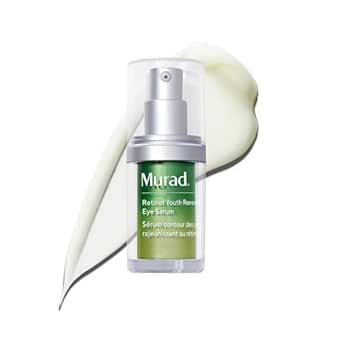
Product recommendations are included as examples of eye-area formulas. The safety protocol applies regardless of brand, and the gentlest product is usually the best starting point.
Retinoid Eye Protocol - Visual Guide
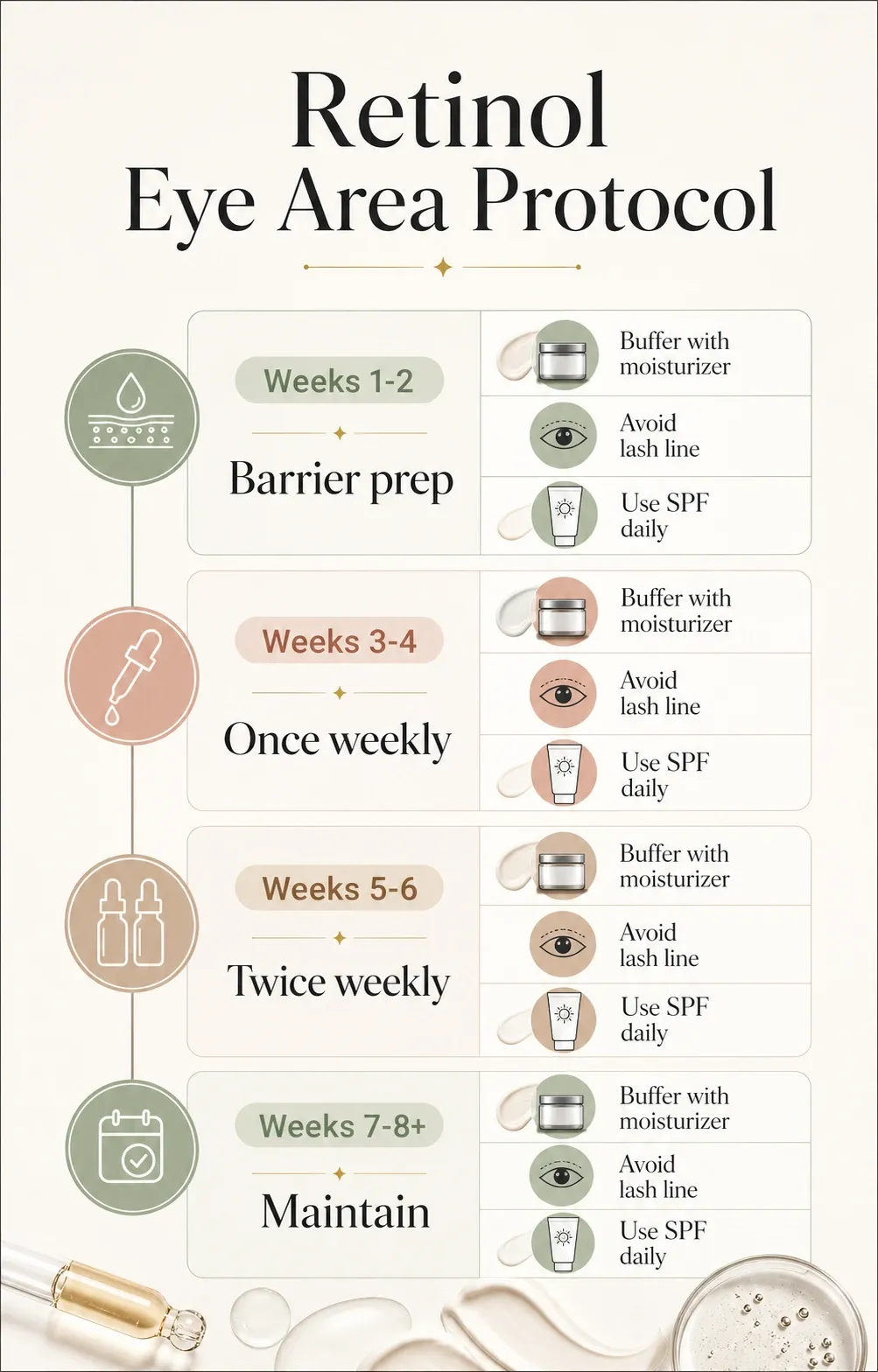
A visual 8-week retinol eye-area protocol: build the barrier first, start once weekly, increase slowly, and protect with daily SPF.
The 8-Week Protocol
Phase 1: Foundation (Weeks 1-2)
Goal: Strengthen the moisture barrier so it can handle retinol.
- Apply hydrating eye cream with ceramides and hyaluronic acid every night
- No active ingredients (no vitamin C, no AHAs, no retinoids)
- Use SPF 30+ every morning
Phase 2: Introduction (Weeks 3-4)
Frequency: Monday nights only. Use the moisture sandwich technique:
- Cleanse and pat dry
- Apply thin layer of barrier-supporting eye cream
- Wait 5-10 minutes until completely dry
- Apply pea-sized amount (for both eyes) of retinol to the orbital bone only
- Wait 5 minutes
- Seal with a final layer of moisturizing eye cream
Safe zone: Apply only to the orbital bone. Stay 5mm away from lash line. Never apply to eyelids.
Phase 3: Building Tolerance (Weeks 5-6)
Frequency: Monday and Thursday nights. Continue moisture sandwich. If redness or flaking occurs, drop back to once weekly.
Normal (retinization): Slight dryness, mild flaking, temporary tightness.
Red flags (barrier damage): Burning sensation, deep painful cracks, persistent redness, raw or weeping skin. If these occur, stop and focus on barrier repair for 1-2 weeks.
Phase 4: Maintenance (Weeks 7-8+)
Frequency: 3 nights per week (Mon/Wed/Fri). At 12 weeks, assess results. If plateaued, increase to nightly or move up the retinoid ladder to retinaldehyde.
Retinol Eye Product Example
Retinol vs Retinal vs Bakuchiol Around Eyes
| Ingredient | Best For | Irritation Risk | Starting Frequency |
|---|---|---|---|
| Retinol | Most beginners who want proven anti-aging support | Moderate | Once weekly |
| Retinal | Experienced users who already tolerate retinol | Moderate to high | Once weekly or less |
| Bakuchiol | Sensitive skin or people who cannot tolerate retinoids | Low | Every other night, if tolerated |
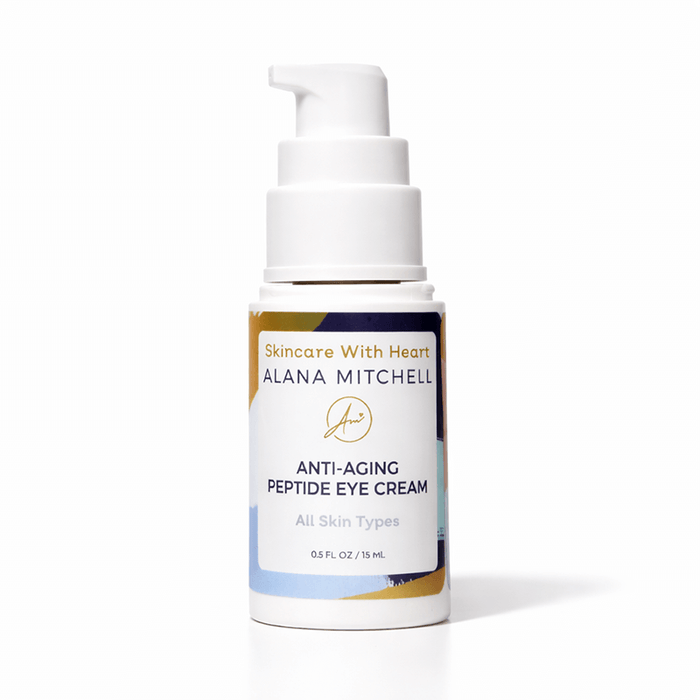
| Peptides | Barrier-friendly firming support | Low | Daily, depending on formula |
Gentle Alternatives to Retinol for Eyes
If your eyes cannot tolerate retinoids despite following the protocol, these alternatives provide similar collagen-boosting benefits without irritation.
- Bakuchiol: Plant-based retinol alternative. Clinical studies show comparable wrinkle reduction to retinol with significantly better tolerability
- Peptide Complexes: Matrixyl 3000, Argireline, and copper peptides signal collagen production without any irritation
- Vitamin C: L-ascorbic acid or THD ascorbate support collagen synthesis and brighten while protecting against UV damage
- Growth Factors: Signal skin cells to produce more collagen without the retinization process

Retinol Eye Irritation Troubleshooting
| Symptom | Likely Cause | What to Do |
|---|---|---|
| Dryness or flaking | Barrier is adjusting or frequency is too high | Pause 3-5 nights, use ceramide moisturizer, then restart once weekly |
| Burning or stinging | Product too close to lash line or formula too strong | Stop immediately, repair barrier, restart farther from the eye or switch to bakuchiol |
| Watery eyes | Retinol migrated into the eye area | Apply less product and keep it on the orbital bone only |
| Redness or swelling | Irritant reaction or compromised barrier | Discontinue and consult a dermatologist or eye doctor if symptoms persist |
| Wrinkles look worse | Temporary dehydration makes lines more visible | Increase hydration and reduce frequency until the area feels comfortable again |
What Not to Mix with Retinol Around Eyes
- AHAs/BHAs: Do not use glycolic acid or salicylic acid near the eyes on retinol nights
- Vitamin C: Use in the morning, retinol at night. Do not apply together
- Benzoyl Peroxide: Deactivates retinol. Keep them separate
- Multiple exfoliants: Never layer two exfoliating products around the eyes
For a complete AM/PM routine, see our professional anti-aging facials by age and evidence-based eye cream guide.
What to Expect: Retinol Eye Area Timeline
? What to Expect
Individual results vary. Consistency over months is required for visible outcomes.
The Optimizer's Edge
The difference between getting incredible results from retinol around the eyes and giving up in frustration comes down to three things: choosing the right concentration for your experience level, following the moisture sandwich protocol during the introduction phase, and giving it at least 12 weeks before judging results. Most people quit during the retinization phase (weeks 2-4) when their skin is adjusting. Push through with proper hydration and consistent SPF, and the cumulative collagen benefits at 12 weeks will be worth the patience. For a complete eye area strategy, explore our peptides guide and anti-aging devices guide.
Your Clear Skin Checklist
- Step 1: Choose the right retinol concentration for your experience level (0.01% for beginners, 0.03-0.05% for experienced).
- Step 2: Use the moisture sandwich technique every time. Apply to orbital bone only. Stay 5mm from lash line.
- Step 3: Wear SPF 30+ every morning - retinol increases photosensitivity. Be patient: results appear at 12 weeks, not 12 days.

Conclusion
Retinol for the eye area is one of the most powerful anti-aging tools available when used correctly. The key principles are: choose a low concentration (0.01-0.1%) specifically formulated for the eye area, use the moisture sandwich technique, apply only to the orbital bone, and be patient for 12 weeks. If retinoids are not tolerated, bakuchiol, peptides, and vitamin C provide excellent alternatives.
Explore our guides to anti-aging ingredients, retinol for anti-aging, and vitamin C for anti-aging for a complete anti-aging routine.
Sources and Editorial Notes
SkinOptimizer content is written for education and product research, not diagnosis or treatment. For retinol near the eyes, we prioritize conservative application, barrier support, and stopping if irritation persists.
- American Academy of Dermatology: Retinoid or retinol? - supports the core guidance that retinoids can improve visible aging concerns but may irritate sensitive skin if introduced too aggressively.
- American Academy of Dermatology: How to reduce premature skin aging - reinforces daily sunscreen as a non-negotiable part of any retinoid routine.
- PubMed: Retinoid eye cream study for periorbital wrinkles - informs the expected 8-12 week timeline for visible eye-area improvements with targeted retinoid formulas.
Frequently Asked Questions About Retinol for Eyes
Can I use my face retinol around my eyes?
How long before I see results from retinol eye cream?
What should I do if my eyes get irritated from retinol?
Can I use retinol for eyes if I have eczema or rosacea?
Should I use retinol eye cream in the morning or at night?
Can retinol make under-eye wrinkles look worse at first?
How close to the eye can I apply retinol?
Can I use retinol eye cream every night?
Is retinal safer than retinol around the eyes?
Should I apply moisturizer before or after retinol eye cream?
This article is for informational purposes only and does not replace professional dermatological advice. If you have persistent eye area concerns or vision changes, consult a board-certified dermatologist or ophthalmologist.