Best Gel Moisturizers in 2026: 5 Picks by Skin Type
Five real gel and gel-cream moisturizers matched to oily, combination, sensitive, acne-prone, and dry skin—with clear reasons to buy or skip.
In this guide
The best gel moisturizer is the lightest texture that still keeps your skin comfortable. CeraVe Oil Control Moisturizing Gel-Cream is our oily-skin pick because it combines a matte finish with ceramides and niacinamide; Neutrogena Hydro Boost Gel Cream Fragrance Free gives normal-to-dry skin more cushion; Aveeno Calm + Restore Oat Gel is the sensitive-skin option; BYOMA balances price and barrier lipids; and Dieux Air Angel is the premium acne-prone pick. If skin stays flaky or tight, stop forcing a gel and move to a cream.
- Oily or humid: choose a light gel or matte gel-cream labeled oil-free and non-comedogenic.
- Combination: use gel-cream all over or add a richer layer only to dry zones.
- Sensitive: prioritize fragrance-free formulas and patch-test botanicals as well as actives.
- Dry and flaky: a gel can add water, but you may need a cream to slow water loss.
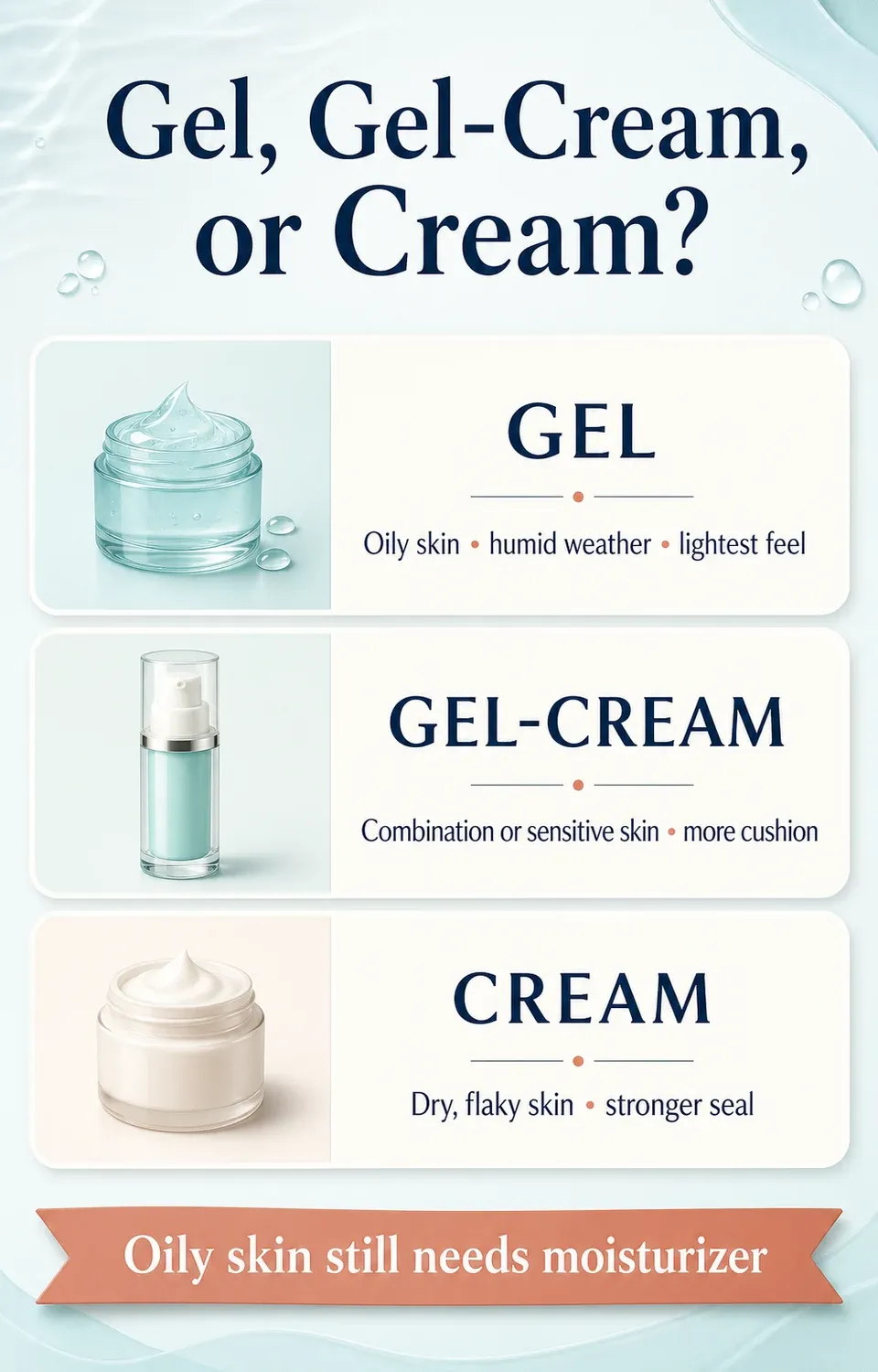
Gel moisturizers solve a real adherence problem: many people with oily or combination skin skip moisturizer because creams feel hot, shiny, or heavy. A water-rich gel can deliver humectants without a thick film, and a gel-cream can add enough emollient support to keep that hydration from vanishing immediately. The cooling slip feels especially appealing in humid weather or under sunscreen.
But “gel” is not automatically oil-free, non-comedogenic, fragrance-free, or suitable for acne. It describes the texture, not every ingredient inside. Some clear gels contain fragrance and drying alcohol; some gel-creams contain oils, fatty esters, or silicones; and a rich-looking jelly can still be inadequate for a damaged or very dry barrier. The front label is a starting signal, not the whole decision.
This refresh removes products that were creams, balms, or lotions masquerading in an old gel roundup. It focuses on five formulas with a genuine gel or gel-cream identity. If you need a broader texture decision first, use our guide to choosing the right moisturizer. If shine is the main concern, compare the wider field in our oily-skin moisturizer guide.
Best Gel Moisturizers: Quick Comparison
| Pick | Best fit | Finish | Main limitation |
|---|---|---|---|
| CeraVe Oil Control Gel-Cream | Oily and combination skin | Matte gel-cream | Oil-absorbing powders may feel too dry on flaky zones |
| Neutrogena Hydro Boost Gel Cream | Normal-to-dry skin wanting a gel feel | Dewy gel-cream | May not seal very dry skin enough on its own |
| Aveeno Calm + Restore Oat Gel | Sensitive, dehydrated-feeling skin | Milky lightweight gel | Oat and feverfew still require individual tolerance |
| BYOMA Moisturising Gel Cream | Budget combination and barrier support | Soft natural finish | Packaging and richer emollients will not suit everyone |
| Dieux Air Angel | Oily, blemish-prone, dehydrated skin | Satin gel-cream | Higher price; dry skin may still need a cream layer |
How We Chose These Gel Moisturizers
We required every pick to have a current gel or gel-cream identity and a distinct job. We checked official pages for fragrance claims, oil-free or non-comedogenic language, current skin-type guidance, texture, and full or highlighted ingredient information. We looked for humectants such as glycerin and hyaluronic acid, then asked whether the formula adds barrier lipids, emollients, or oil-control powders. More ingredients did not automatically earn a higher rank.
We also named a real reason to skip every formula. A matte product can emphasize flakes. A sensitive-skin gel can still contain a botanical that an individual cannot tolerate. A non-comedogenic test reduces risk but cannot predict every breakout. And no hydration claim changes the fact that a water-rich gel may need an occlusive layer in cold, dry weather. Readers with active dermatitis, swelling, persistent burning, or a spreading rash should stop product experiments and seek professional guidance.
Five Real Gel and Gel-Cream Picks
1. CeraVe Oil Control Moisturizing Gel-Cream
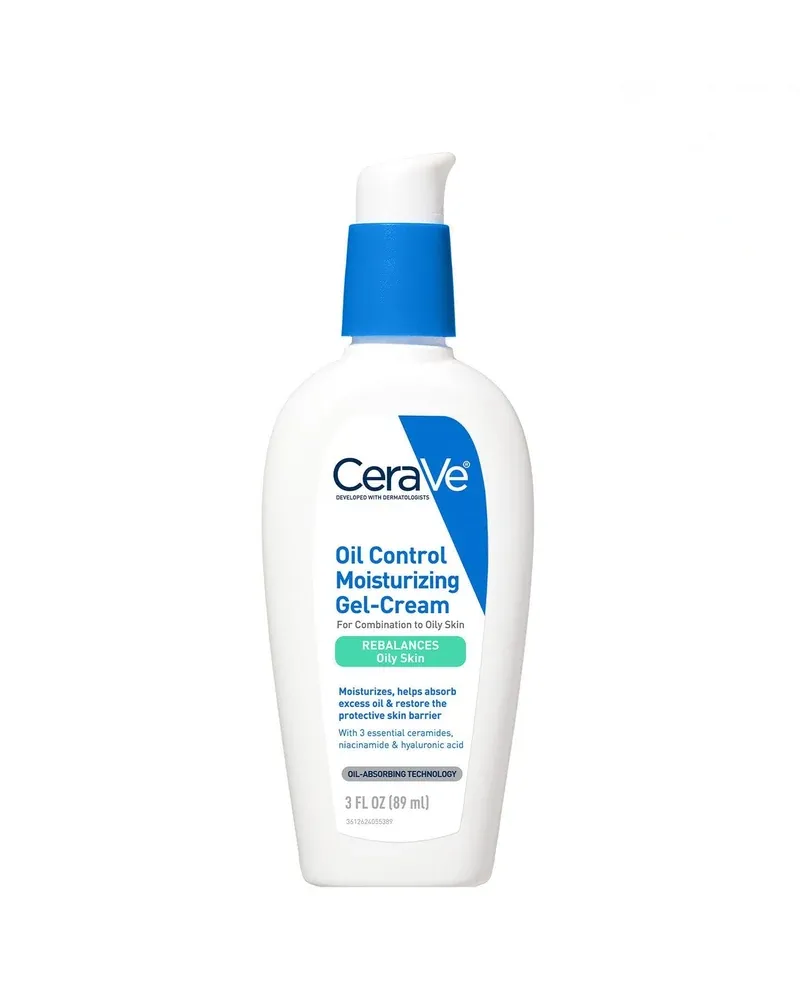
CeraVe Oil Control is the most targeted choice for a shiny T-zone or generally oily complexion. The fragrance-free gel-cream combines niacinamide, glycerin, three ceramides, cholesterol, and hyaluronic acid with corn starch and silica for oil absorption. The brand positions it for combination-to-oily skin with a matte, non-greasy finish.
That balance is the advantage: it does not treat oil control as a reason to remove all barrier support. It can, however, feel tight on retinoid-dry cheeks or during winter. Combination skin can use it through the center of the face and a richer moisturizer on dry zones. The current CeraVe product page lists it as fragrance-free and non-comedogenic.
Choose it if: matte finish and shine control are priorities. Skip it if: visible flaking or barrier damage needs more occlusion.
Check CeraVe Gel-Cream on AmazonAs an Amazon Associate, we earn from qualifying purchases.
2. Neutrogena Hydro Boost Hyaluronic Acid Gel Cream Fragrance Free
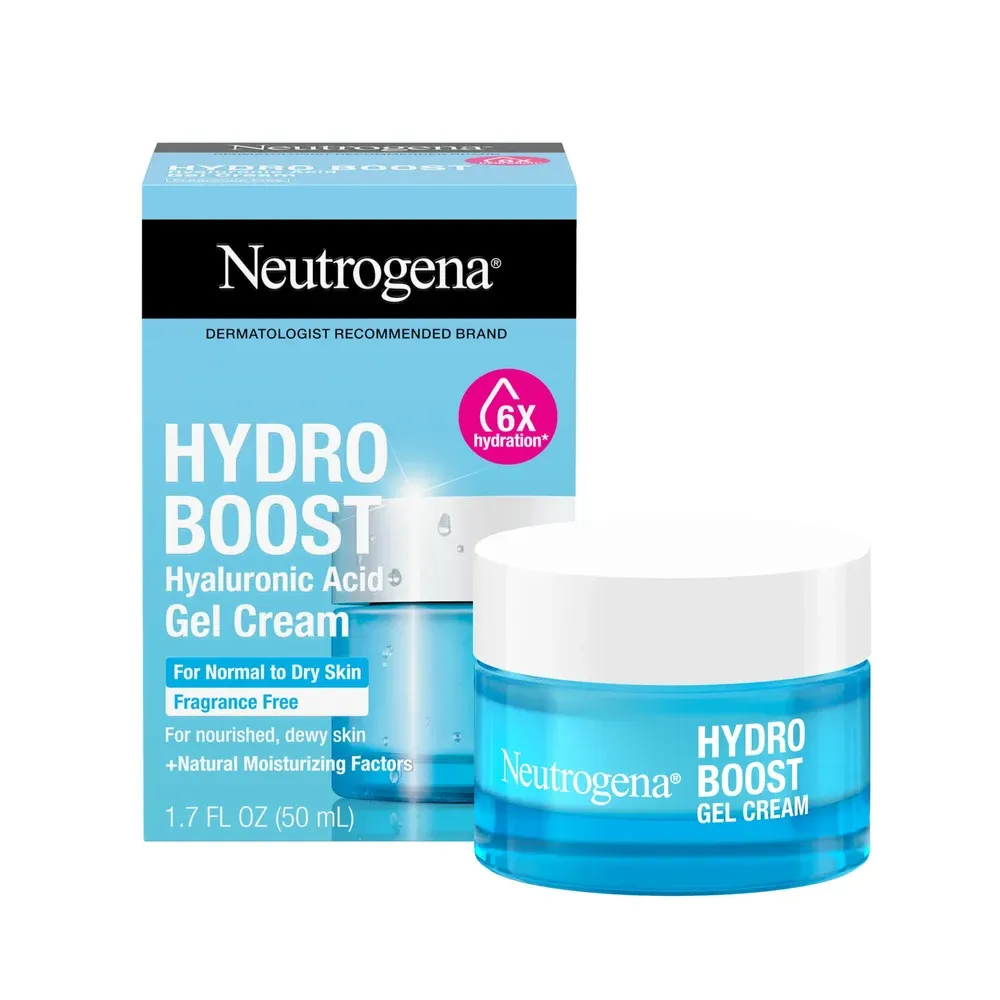
The current fragrance-free Hydro Boost Gel Cream is the important distinction from the fragranced Water Gel that appears in many older lists. Neutrogena now positions this gel-cream for normal-to-dry skin, using hyaluronic acid and natural moisturizing factors in a weightless but more nourishing texture. It absorbs quickly and leaves a dewier finish than the CeraVe pick.
This is the bridge for someone who likes the freshness of a gel but finds traditional water gels disappear too quickly. Very dry skin may still need a cream, especially around the mouth or during retinoid use. Check that the package says Gel Cream Fragrance Free, because the similarly colored Water Gel has a different formula and target. See the current Neutrogena label.
Choose it if: you want dewy gel texture without added fragrance. Skip it if: you need a strong occlusive seal.
Check Hydro Boost Gel Cream on Amazon3. Aveeno Calm + Restore Oat Gel Moisturizer
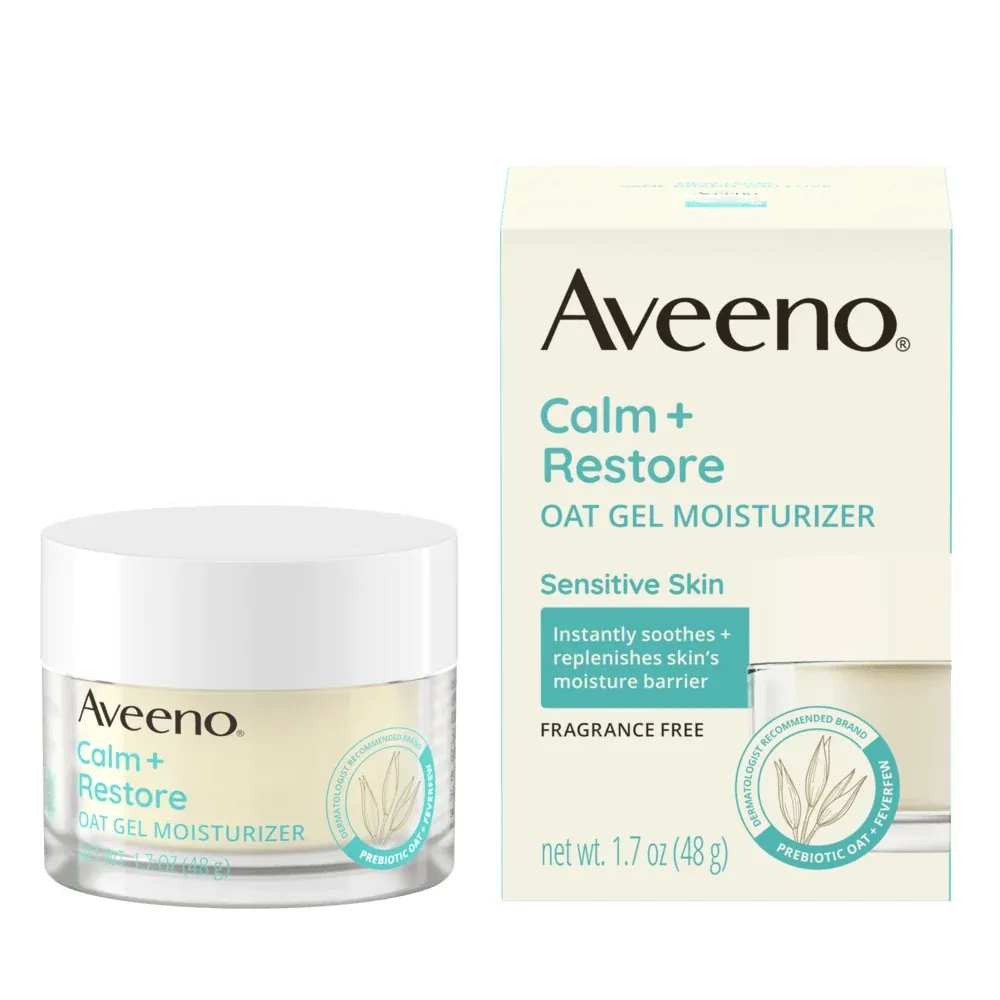
Aveeno Calm + Restore Oat Gel is the gentler-feeling option for sensitive skin that dislikes heavy creams. The fragrance-free, milky gel-cream highlights prebiotic oat and feverfew and is designed to absorb quickly without the dry-down of a pure clear gel. It offers more comfort than a matte oil-control product while remaining lighter than a balm.
Sensitive does not mean reaction-proof. Oat and feverfew are botanicals, and a known plant allergy deserves caution. Patch-test on the side of the face or jaw and keep the rest of the routine stable. The official Aveeno page currently lists it as fragrance-free and tested on sensitive skin.
A lightweight texture does not establish an ingredient exclusion. If that exclusion is niacinamide, compare our label-checked moisturizer options and verify the full formula separately.
Choose it if: you want a light, fragrance-free gel with oat-based comfort. Skip it if: your allergy history makes oat or feverfew unsuitable.
Check Aveeno Oat Gel on Amazon4. BYOMA Moisturising Gel Cream
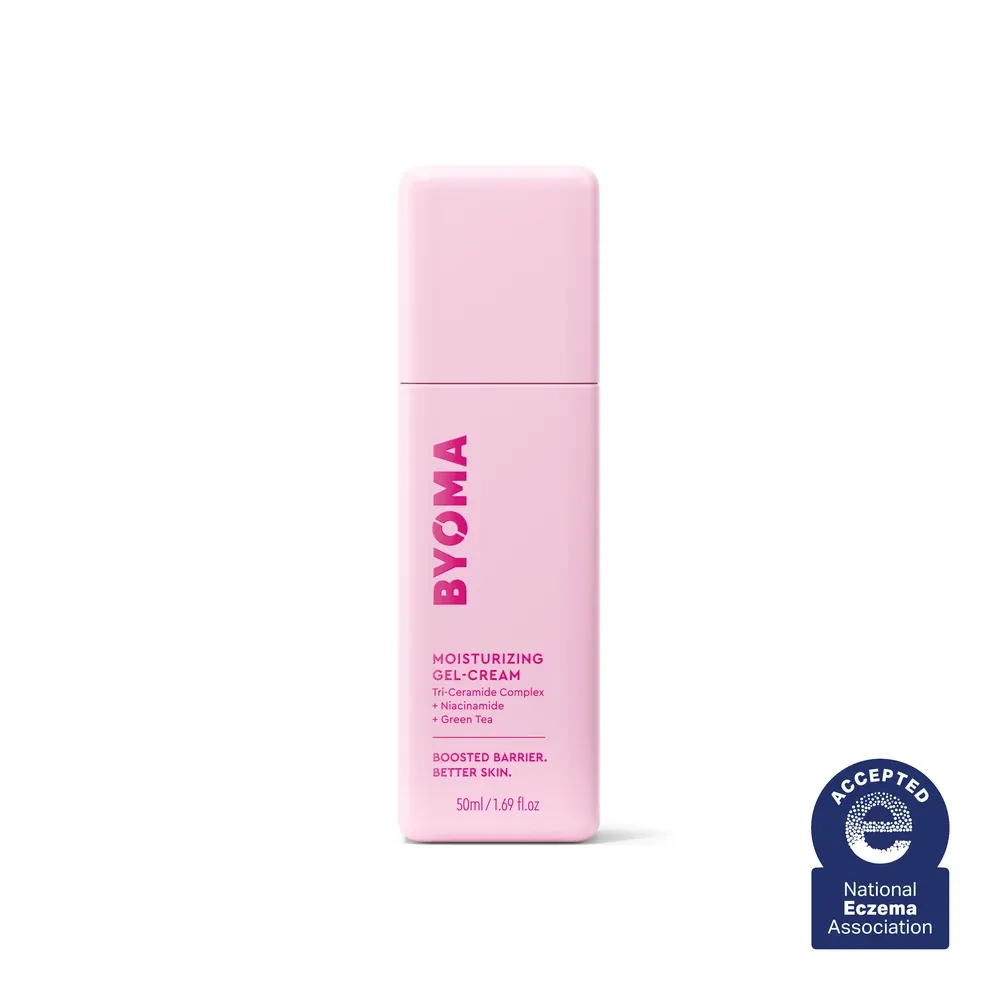
BYOMA is the value pick for combination skin that wants more barrier support than a basic water gel. The fragrance-free, oil-free gel-cream combines glycerin and niacinamide with ceramide NP, cholesterol, and fatty acids. That lipid mix is what separates a gel-cream from a formula built almost entirely around humectants and slip agents.
The official label calls it non-comedogenic, but the formula also contains richer emollients and oleic acid, so an individual can still dislike the feel or break out. The pump packaging has also changed across markets, which makes checking size and current label useful. Read the latest BYOMA ingredient list.
Choose it if: combination skin wants an affordable gel-cream with barrier lipids. Skip it if: you know richer fatty emollients are a recurring trigger.
5. Dieux Air Angel Peptide Plumping Gel Cream
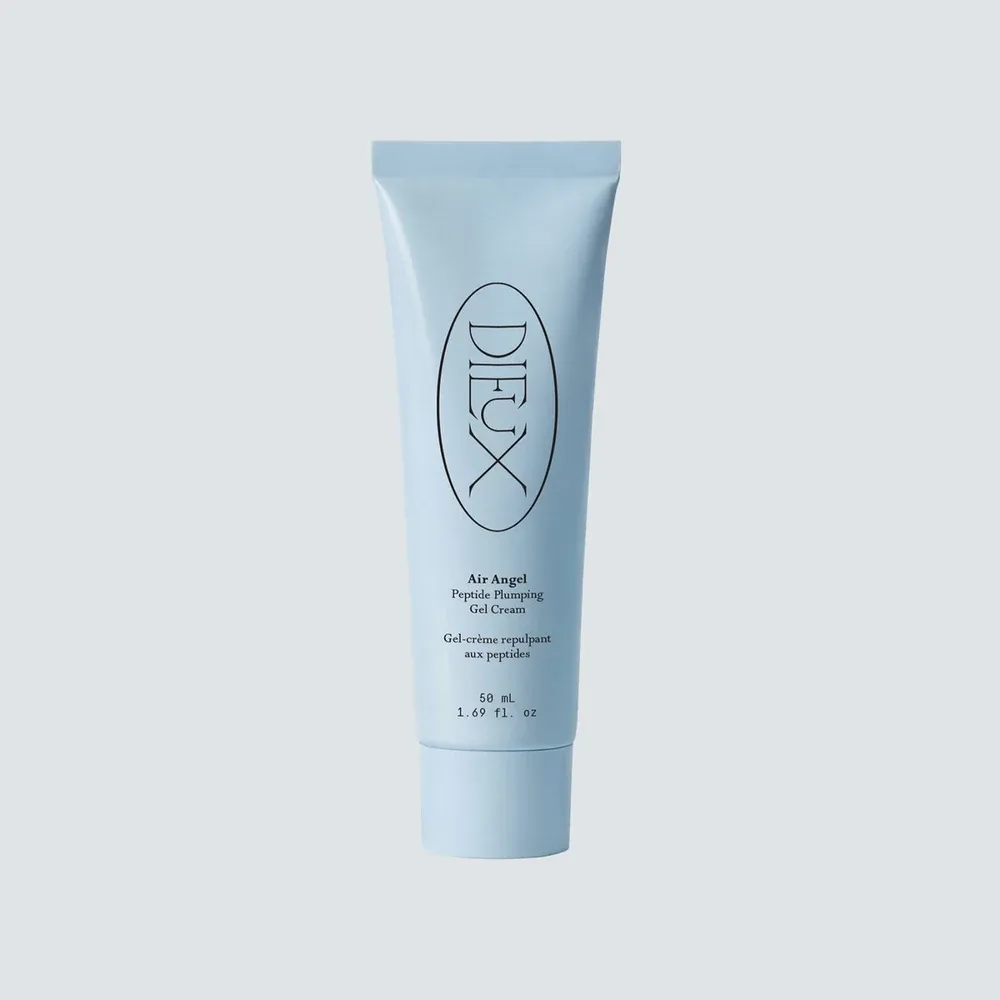
Air Angel is the premium pick for oily, blemish-prone skin that is also dehydrated. The current formula uses more than 10% glycerin plus urea, sodium PCA, trehalose, sodium hyaluronate, amino acids, and peptides. Dieux reports independent testing for hydration, non-comedogenicity, non-acnegenicity, irritation, and sensitization, and the finish is described as satin rather than matte.
The limitation is value and seasonal sufficiency. At its current price, it has to earn a place through feel and tolerance, not ingredient novelty alone. Dry skin may use it as a hydrating layer under a cream rather than the final seal. The brand is unusually clear that no formula can guarantee zero breakouts; see the current Air Angel testing and ingredient details.
Choose it if: you want a breathable, tested gel-cream and accept the premium. Skip it if: a simple drugstore gel already keeps skin comfortable.
Gel vs Gel-Cream vs Cream
| Your skin signal | Start with | Adjustment |
|---|---|---|
| Shiny, comfortable, humid-weather skin | Gel or matte gel-cream | Use one thin layer under sunscreen |
| Oily T-zone, dry cheeks | Gel-cream | Add cream only to cheeks or skip the oily center |
| Sensitive but not flaky | Fragrance-free gel-cream | Patch-test and keep actives stable |
| Tight, flaky, retinoid-irritated | Cream | Use gel only as a hydration layer if desired |
A gel is often water-based and lighter than a lotion, while a cream contains more oil and usually seals water in more effectively. The AAD's guide to moisturizer textures by skin type makes the same distinction. The goal is not to avoid all oils or silicones; it is to choose enough occlusion for comfort without a finish you will hate.
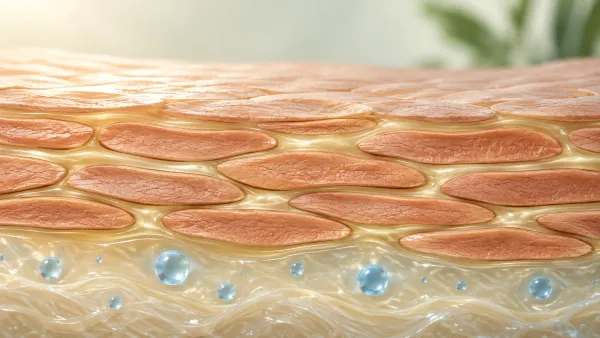
Humectants are only one part of the formula. Glycerin and hyaluronic acid help bind water at the skin surface. Ceramides, cholesterol, and fatty acids support the lipid matrix. Silicones can improve slip and reduce water loss without feeling like a plant oil. Oil-control powders absorb surface shine. Our guide to hydration versus moisturization explains why a very watery gel can hydrate yet still leave dry skin asking for a stronger seal.
How to Use Gel Moisturizer Without Pilling or Tightness
- Cleanse gently. Harsh foaming and hot water can create tightness that no lightweight gel fully fixes.
- Apply to slightly damp skin. Use a modest layer after serum, not a thick mask of gel.
- Wait before sunscreen. Let the film settle, then apply a broad-spectrum SPF rather than mixing the two in your palm.
- Zone combination skin. One texture does not have to cover every area equally.
- Escalate when needed. Add cream to flaky zones instead of stacking three hydrating serums under an inadequate gel.
For acne routines, moisturizer can improve tolerance to benzoyl peroxide, salicylic acid, and retinoids. The AAD's acne moisturizer guidance recommends oil-free, non-comedogenic options and application after washing. Use our acne-prone routine to avoid duplicating irritating actives, and our serum and moisturizer layering guide if product order is causing pilling.
Common Gel-Moisturizer Mistakes
Assuming oily skin needs no moisturizer: this can make active treatments harder to tolerate. Use a light formula rather than removing the step. Choosing only by “oil-free”: breakouts are individual and formula-level. Patch-test and watch the pattern over time instead of blaming one ingredient from a viral list.
Using gel on visibly flaky skin because it feels elegant: sensory preference cannot replace barrier need. Layer a cream or switch textures. Confusing cooling with treatment: evaporation feels refreshing, but it does not prove that redness, acne, or barrier damage is being treated. Rubbing layers together: let each film settle and reduce redundant serums when sunscreen pills.
Sensitive readers should compare the dedicated sensitive-skin moisturizer picks. Combination skin readers can also use the targeted combination-skin guide. A gel can be the correct answer for some seasons and the wrong answer during a retinoid adjustment or cold-weather flare.
Frequently Asked Questions About Gel Moisturizers
Are gel moisturizers good for oily skin?
Yes, when the formula is light enough to use consistently and does not leave unwanted shine. Look for oil-free and non-comedogenic language, then judge the full formula and your own response. Oily skin still needs hydration, especially when acne treatments cause dryness or irritation.
Can dry skin use a gel moisturizer?
Dry skin can use a fragrance-free gel-cream in humid weather or as a hydrating layer, but a pure water gel may not reduce water loss enough. If tightness or flakes return quickly, use a richer cream on top or replace the gel. Comfort over several hours is a better signal than the initial cooling feel.
What is the difference between gel and gel-cream moisturizer?
A gel is usually the lightest, most water-rich texture with minimal residue. A gel-cream adds more emollients or barrier-supporting ingredients while preserving a fresh feel. Formula names are not standardized, so compare the ingredient list, finish, and skin-type guidance rather than relying on the word alone.
Do gel moisturizers clog pores?
Texture alone cannot answer that. Many gels are oil-free and non-comedogenic, but any person can react to a complete formula. Non-comedogenic means designed or tested to be less likely to clog pores, not guaranteed breakout-free. Introduce one new product at a time and watch for a repeatable pattern.
Should gel moisturizer go before sunscreen?
Yes. Apply gel moisturizer after cleansing and water-based treatments, let it settle, then apply sunscreen as the final morning skincare step. Do not mix moisturizer and sunscreen together, because that can interfere with even sunscreen application. If the layers pill, reduce product amounts and rubbing.
The Bottom Line
CeraVe is the strongest starting point for oily shine, Neutrogena gives dry-leaning skin a fragrance-free gel feel, Aveeno serves sensitive skin, BYOMA offers affordable barrier lipids, and Dieux Air Angel is the premium acne-prone option. Choose texture by how skin feels hours later, not by how cold the gel feels on contact. When flakes and tightness persist, the correct optimization is often a cream.
This content is for educational purposes only and is not a substitute for professional medical advice, diagnosis, or treatment. Always seek the advice of a qualified healthcare provider with questions about a medical condition.