Best Moisturizers for Dry Skin: 3 Clear Choices
Choose the right moisturizer for facial dryness, sensitive skin or rough body skin without paying for overlapping products.

In this guide
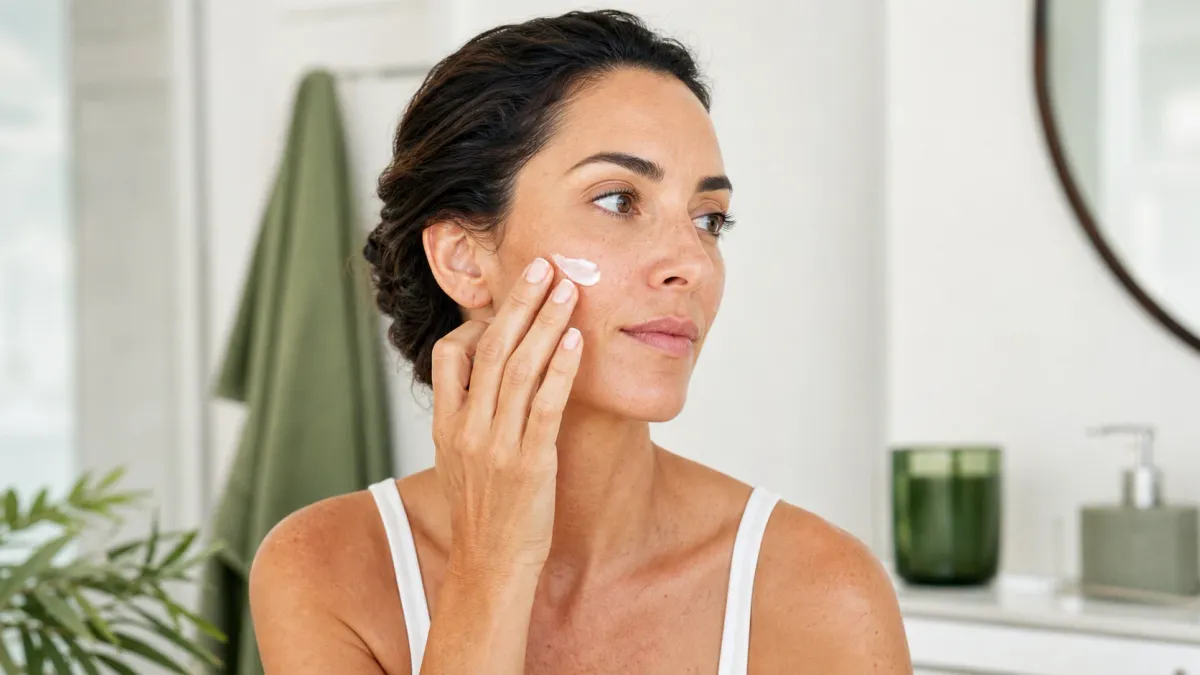
For most dry facial skin, start with a fragrance-free cream that combines humectants, emollients and occlusives. Choose an ointment for small cracked areas and a urea or lactic-acid body cream only for rough, intact body skin. Apply moisturizer to damp skin after washing. Persistent pain, bleeding, rash or widespread stinging needs dermatology advice.
Dry and dehydrated are not identical. Our dehydrated-skin guide explains humectant, emollient and occlusive roles and when a lighter texture is enough.
For occasional extra overnight occlusion, the sleeping mask texture guide explains when a gel, cream or balm adds value and when your existing moisturizer is already enough.
Quick Summary
- Creams suit most daily facial dryness better than lotions.
- Vanicream is the simplest sensitive-skin pick; CeraVe adds ceramides.
- Eucerin Advanced Repair is body-focused and can sting broken skin.
- Apply to damp skin and correct harsh cleansing before adding more products.
Choose a Moisturizer by Texture and Body Area
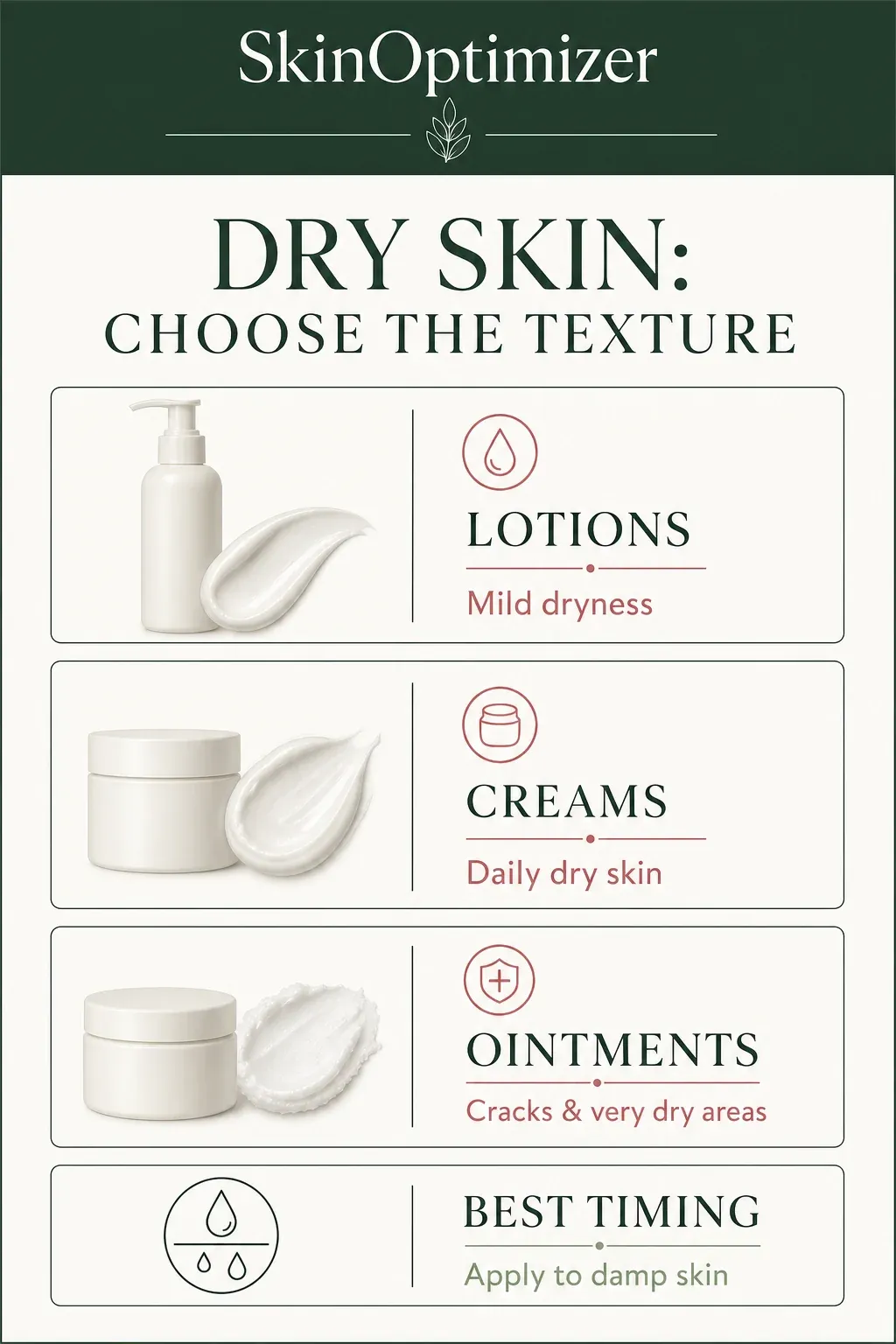
Dry skin does not always need the same product. A face that feels tight after cleansing usually needs a fragrance-free cream that layers comfortably under sunscreen. Rough legs, elbows or hands may tolerate a heavier body cream with urea or an alpha hydroxy acid. Painful cracks often need an ointment and a medical check when they persist.
The American Academy of Dermatology recommends a cream or ointment instead of a lotion for very dry skin. It also recommends applying moisturizer while the skin is still damp. Those two decisions usually matter more than buying the formula with the longest ingredient list.
| Skin situation | Best starting texture | Useful formula role | Main watch-out |
|---|---|---|---|
| Tight or flaky face | Fragrance-free cream | Humectants plus emollients and occlusives | Very heavy body creams may pill or feel greasy |
| Dry, sensitive face | Simple cream or richer facial lotion | Few fragrance or botanical variables | Hypoallergenic is not a guarantee |
| Rough arms, legs or feet | Body cream | Urea or lactic acid plus moisturizers | Acids can sting cracked or inflamed skin |
| Deep cracks or severe winter dryness | Ointment | Petrolatum-rich water-loss reduction | Persistent bleeding, pain or rash needs care |
A moisturizer works through several ingredient jobs. Humectants such as glycerin attract water into the outer skin. Emollients fill gaps between rough surface cells and improve slip. Occlusives such as petrolatum and dimethicone slow water loss. Ceramides can support the lipid structure of the barrier. A useful cream often combines more than one job.
Hyaluronic acid can improve surface hydration, but it does not make a thin serum equivalent to a cream. If a hyaluronic acid product leaves the face tight later, the missing step may be an adequate moisturizer. Our guide to hydration versus moisturization explains why water-binding and water-loss reduction are different.
Ingredients That Make Sense for Dry Skin
Glycerin and hyaluronic acid for water binding
Glycerin is a dependable humectant found in inexpensive and premium moisturizers. Hyaluronic acid is another humectant commonly used for a plumper surface feel. Neither ingredient is a permanent filler. Their practical value depends on the complete formula and the environment around the skin.
Apply humectant-rich products to slightly damp skin, then seal them with a cream when dryness is significant. In very dry indoor air, a watery serum without enough occlusion may evaporate quickly and leave little lasting comfort.
Ceramides, cholesterol and fatty emollients for barrier support
Ceramides are naturally present in the outer skin. A ceramide cream can be useful when dryness follows over-cleansing, weather or acne treatment. The label does not need to list every barrier lipid to be useful, and a ceramide-free cream can still moisturize well through petrolatum, glycerin and other emollients.
Do not assume that a moisturizer repairs eczema, psoriasis or another inflammatory condition by itself. It can support symptom management, but persistent redness, itch, weeping or thick scale deserves diagnosis and a treatment plan.
Petrolatum and dimethicone for reducing water loss
Petrolatum is one of the strongest practical occlusives. It is especially useful on lips, knuckles and small cracked areas. A thin facial layer can also help some people overnight, but acne-prone users may dislike the finish and should avoid trapping irritating actives underneath.
Dimethicone gives slip and reduces water loss with a lighter feel. It is not automatically pore-clogging. Whether a finished formula works for acne-prone skin depends on the whole product, the amount used and individual response.
Urea and lactic acid for rough body skin
Urea can act as a moisturizer and, at higher concentrations, a softening keratolytic. Lactic acid can loosen rough surface buildup. These ingredients make more sense on dry, thick body skin than on a face that already burns when bland moisturizer touches it.
For a facial urea purchase, our 5% urea face-cream comparison checks regional variants, fragrance and intended body area before comparing prices.
The current Eucerin Advanced Repair Cream formula is positioned for very dry body skin and includes urea, ceramide support and alpha hydroxy acid. Its AHA warning matters: use sunscreen on exposed treated skin and avoid applying it to broken, freshly shaved or actively inflamed areas.
How to Read a Dry-Skin Moisturizer Label
| Label language | What it may tell you | What still needs checking |
|---|---|---|
| Fragrance-free | No added fragrance or masking fragrance is intended | Botanical extracts and individual allergens |
| Non-comedogenic | Designed not to clog pores in testing | Your own acne response and application amount |
| For face and body | The formula is permitted for both areas | Whether the texture layers well on your face |
| 48-hour moisture | A manufacturer hydration claim | Comfort after cleansing, sunscreen and real daily use |
| Dermatologist tested | A test involved dermatology oversight | Study size, comparator and clinical relevance |
Ingredient lists can change, and marketplace images can lag behind the current package. Verify the exact size, seller, ingredient panel and directions when ordering. Avoid relying on star ratings as proof that a cream will suit eczema-prone, acne-prone or allergy-prone skin.
The AAD's moisturizer selection guidance emphasizes matching texture to skin type and avoiding fragrance when dryness or sensitivity is present. It also warns against exfoliating visibly dry, flaky skin. That is a useful correction to routines that add an acid every time the face looks rough.
Three Moisturizer Picks With Different Jobs
These examples are not ranked by popularity. Each fills a distinct need: an all-purpose ceramide cream, a simple sensitive-skin cream and a body-focused roughness cream. Choose one role instead of buying all three.
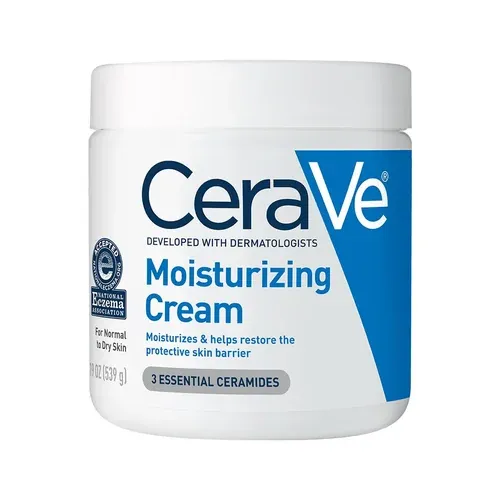
CeraVe Moisturizing Cream
Dry face or body skin that needs a fragrance-free cream with ceramides and a substantial but spreadable texture.
The formula combines glycerin, hyaluronic acid, ceramides and occlusive ingredients, so it covers several moisturizer jobs in one product.
Watch-out: The jar and rich finish may not suit every acne-prone face. Start with a smaller amount and verify the current seller and size.
View on AmazonAs an Amazon Associate, SkinOptimizer may earn from qualifying purchases. Prices, sellers and availability can change.
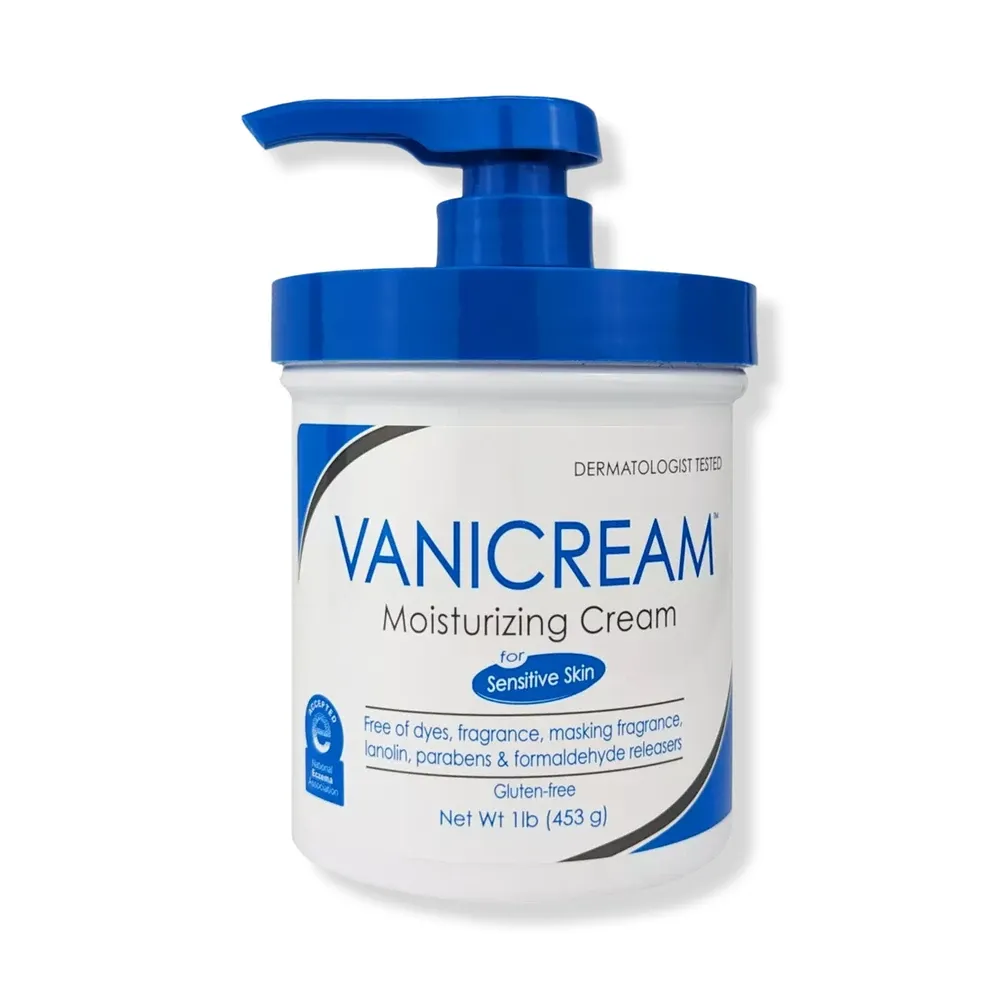
Vanicream Moisturizing Cream
Dry, reactive skin that benefits from a short ingredient list without fragrance, botanical extracts or essential oils.
The official formula uses petrolatum, sorbitol, fatty alcohols and dimethicone in an intentionally simple cream for face or body.
Watch-out: It does not contain ceramides, despite common assumptions. The rich petrolatum base can feel heavy under daytime sunscreen.
View on AmazonAs an Amazon Associate, SkinOptimizer may earn from qualifying purchases. Prices, sellers and availability can change.
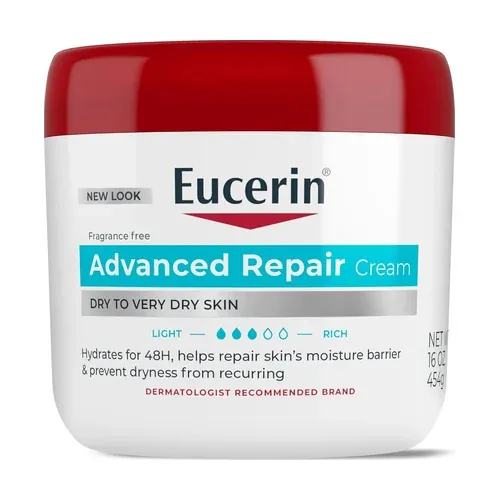
Eucerin Advanced Repair Cream
Rough arms, legs, hands or feet that need more than a basic lotion.
Urea, glycerin, ceramide support and an AHA-containing body formula target hydration and rough surface texture together.
Watch-out: This is body-focused and can sting cracks or inflamed skin. The AHA can increase sun sensitivity on exposed areas.
View on AmazonAs an Amazon Associate, SkinOptimizer may earn from qualifying purchases. Prices, sellers and availability can change.
Build a Dry-Skin Routine That Lets the Cream Work
Morning
Rinse with lukewarm water or use a gentle cleanser only where needed. Apply moisturizer to slightly damp skin, then use a broad-spectrum SPF 30 or higher. If sunscreen pills, reduce the number of layers or use less moisturizer rather than skipping protection.
A moisturizer with SPF can work when applied in a sufficient amount, but many people under-apply it. A separate sunscreen often makes the protection step easier to judge. Our day-versus-night moisturizer guide helps decide whether two products solve a real need.
Evening
Remove sunscreen and makeup without scrubbing. Apply cream while the skin retains a little water. Use a tiny amount of ointment only on persistent dry patches when needed. Do not layer an ointment over a strong retinoid or acid unless a clinician or product direction supports that combination.
If dryness started after retinol, benzoyl peroxide or exfoliating acids, reduce the active schedule before buying a stronger moisturizer. The slow skincare method shows how to stabilize cleanser, moisturizer and sunscreen before restarting one active.
Adjust the Plan by Skin Type and Climate
Dry and acne-prone
Use a non-scrubby cleanser, a moderate cream and one acne active at a time. Richness alone does not cause acne, but an uncomfortable finish can reduce consistency.
Dry and sensitive
Prefer fragrance-free formulas with fewer botanical variables. Patch test and stop when swelling, hives or persistent burning develops.
Dry in winter only
Switch from lotion to cream, shorten hot showers and add ointment to exposed cracks. Return to a lighter texture when humidity rises.
Indoor heating, low humidity, wind and frequent handwashing increase water loss. A bedside humidifier may improve room comfort, but it does not replace topical moisturization. Reapply after handwashing and carry a small tube instead of waiting until the skin becomes painful.
People using prescription retinoids, acne medication or eczema treatment may need a more individualized plan. The damaged-barrier signs guide separates ordinary tightness from widespread stinging and raw patches.
Face, Hands and Body Need Different Amounts
For the face, start with roughly a pea-size amount and add a second thin layer only where tightness remains. The goal is an even comfortable film, not a visible mask. Around the eyes and mouth, use less because product movement and friction can increase stinging.
Hands need reapplication after washing. Place cream beside the sink and use it while the skin is still slightly damp. At night, a richer cream followed by a small amount of ointment over cracked knuckles can reduce water loss. Cotton gloves may protect bedding, but they should not trap a product that already burns.
For arms and legs, apply enough cream that the skin no longer looks ashy or feels tight after it absorbs. A body-focused urea or AHA cream belongs on intact rough skin, while a plain cream is safer immediately after shaving or during a flare. The body moisturizer guide compares these broader-use textures.
Lips have almost no oil glands and often need an ointment rather than facial lotion. Use the dry-lip balm guide for fragrance-free options and stop flavored balms when licking or irritation keeps the cycle going.
Older skin can become drier as oil production changes. The AAD's dry-skin guidance for older adults reinforces short warm showers, fragrance-free moisturizer and regular application. Our moisturizer guide for aging skin covers texture and anti-aging expectations without pretending that every dry-skin cream rebuilds collagen.
Common Dry-Skin Moisturizer Mistakes
- Applying to completely dry skin: cream works better when it traps some water after washing.
- Choosing lotion for severe dryness: a cream or ointment usually reduces water loss more effectively.
- Exfoliating every flake: acids can worsen a compromised barrier.
- Using fragranced balm on reactive skin: a pleasant scent adds no barrier benefit.
- Using body AHA cream on a burning face: roughness and inflammation require different decisions.
- Buying three overlapping creams: one dependable product used adequately is usually enough.
- Ignoring the cleanser: hot water and harsh washing can undo the moisturizer twice daily.
When Dry Skin Needs a Dermatologist
See a dermatologist when dryness is painful, repeatedly cracks or bleeds, develops a spreading rash, interferes with sleep or fails to improve despite a gentle routine. The AAD notes that very dry skin can require prescription treatment or signal another condition. Sudden generalized dryness can also relate to medication or health changes.
Do not keep adding stronger exfoliants to a rash you cannot identify. Eczema, contact dermatitis, psoriasis, fungal infection and acne-treatment irritation can look similar in a mirror but need different management. A moisturizer is supportive care, not a diagnosis.
The Bottom Line
The best moisturizer for dry skin is not the richest product on the shelf. It is the texture and formula that match the body area, current barrier condition and climate. Choose a fragrance-free cream for daily facial dryness, a simple petrolatum-based cream when sensitivity is the priority, and a urea/AHA body cream only for rough, intact body skin. Apply to damp skin, fix harsh cleansing and seek care for persistent pain, rash or cracking.
Frequently Asked Questions
What is the best moisturizer for very dry skin?
A fragrance-free cream usually suits daily dry skin, while a petrolatum-rich ointment can better protect small cracked or severely dry areas. Match the texture to the body area and current severity.
Should I choose lotion or cream for dry skin?
Creams contain more oil and usually reduce water loss better than lotions. A lotion can work for mild dryness or warm weather, while a cream is a stronger starting point for tight or flaky skin.
Are ceramides or hyaluronic acid better for dry skin?
They do different jobs. Hyaluronic acid is a humectant that binds water, while ceramides support barrier lipids. A complete cream may combine both with emollients and occlusives.
Can dry acne-prone skin use a rich cream?
Yes, but start with a moderate amount and observe congestion and comfort. Non-comedogenic helps as a screening label, but the full formula and individual response still matter.
When should dry skin see a dermatologist?
Seek care for painful cracks, bleeding, persistent itch, spreading rash, sleep disruption or dryness that does not improve with gentle cleansing and regular cream or ointment use.