Best Anti-Aging Facials by Age: Professional Treatments for Every Decade
Evidence-based guide to professional anti-aging facials by age group. Learn which treatments target your specific aging concerns at every decade.

In this guide

Not all facials are created equal when it comes to anti-aging. A standard European facial with extractions and a mask will not change your skin structure. But the right professional facial - selected for your specific decade and skin concern - can make a measurable difference in collagen density, skin texture, and firmness. The key is matching the treatment to your age-related skin biology, not just your budget or preferences.
This evidence-based guide breaks down which professional facials work best for each decade, what ingredients and technologies they use, how to build a treatment schedule, and which home care products complement your in-clinic results.
TL;DR - Anti-Aging Facials by Decade
- 20s: Prevention with Hydrafacials and LED light therapy. Avoid aggressive treatments.
- 30s: Early intervention with microneedling + PRP or mild chemical peels. Start collagen stimulation.
- 40s: Collagen remodeling with radiofrequency microneedling or fractional laser. Target laxity.
- 50+: Structural lift with micro-focused ultrasound or deeper peels. Combine with home retinoid therapy.
- Key rule: One treatment session is never enough. Commit to a series of 3-6 sessions for measurable results.
Anti-Aging Facials in Your 20s: Prevention First
In your 20s, collagen production is still high and skin elasticity is at its peak. The goal at this stage is not correction but maintenance and protection. Aggressive treatments like deep chemical peels or fractional laser are unnecessary and can actually accelerate aging by causing unnecessary inflammation.
The best facials for this decade focus on hydration, gentle exfoliation, and antioxidant protection:
- Hydrafacial: Uses vortex technology to cleanse, exfoliate, and infuse the skin with hydrating serums without irritation. Ideal for maintaining skin barrier health.
- LED Light Therapy: Red light at 630 nm stimulates mitochondrial activity in fibroblasts, boosting collagen production at a maintenance level. One of the few treatments with clinical evidence for prevention.
- Gentle Enzyme Peels: Fruit enzymes (papaya, pineapple) provide mild exfoliation without disrupting the barrier - suitable even for sensitive skin in this age group.
Recommended frequency: One Hydrafacial or LED session per month, combined with a consistent home routine of vitamin C in the morning and a lightweight peptide moisturizer at night.
The Skin Insider
Most people in their 20s do not need aggressive treatments. What they actually need is consistent LED therapy and a well-formulated vitamin C serum. The real anti-aging secret in this decade is not what you do - it is what you avoid doing. Over-exfoliation and unnecessary lasers in your 20s can create chronic inflammation that accelerates aging later.
Anti-Aging Facials in Your 30s: Early Intervention
This is the decade when collagen decline accelerates from approximately 1% per year to 1.5% per year, and the first signs of fine lines and mild laxity become visible. The treatment focus shifts from prevention to early intervention with collagen-stimulating technologies.
Microneedling with growth factors or platelet-rich plasma (PRP) is the most evidence-backed facial for the 30s. The controlled micro-injuries trigger the wound healing cascade, stimulating collagen I and III production. A comprehensive review in PubMed confirms that microneedling induces rapid healing micropunctures with subsequent collagen and elastin fiber production, resulting in measurable skin remodeling.
Key benefits of microneedling in your 30s:
- Stimulates new collagen and elastin production where it declines most
- Improves delivery of topical growth factors and active ingredients by up to 80%
- Reduces the appearance of fine lines around the eyes and mouth
- Minimal downtime (2-3 days of redness) compared to more aggressive modalities
Moderate chemical peels (30-50% glycolic acid or Jessner solution) are also appropriate at this age for improving skin texture and addressing early pigmentation. Vitamin C and retinoid-infused peels offer the best results for anti-aging without excessive downtime.
Recommended frequency: One microneedling session every 4-6 weeks for a series of 3-4 treatments, then maintenance every 6 months. Add a mild chemical peel quarterly if pigmentation or texture is a concern.
Anti-Aging Facials in Your 40s: Collagen Remodeling
By the 40s, collagen loss becomes clinically significant. The skin thins, laxity becomes noticeable around the jawline and cheeks, and deeper wrinkles form. This decade requires treatments that penetrate deeper into the dermis and stimulate significant collagen remodeling.
Radiofrequency microneedling combines the collagen-stimulating effects of microneedling with the dermal heating of radiofrequency energy, targeting both the papillary and reticular dermis. Clinical research on radiofrequency technology demonstrates significant efficacy in improving facial skin wrinkles and laxity, with continued improvement over 6 months as new collagen forms.
What radiofrequency microneedling achieves in your 40s:
- Dermal heating at 65-75�C denatures existing collagen, triggering neocollagenesis
- Targets both superficial and deep dermal layers for comprehensive remodeling
- Improves jawline definition and cheek firmness
- Reduces pore size and overall skin texture
Fractional laser resurfacing (non-ablative or ablative) is another effective option for the 40s. Non-ablative fractional laser creates microscopic columns of thermal injury that stimulate collagen production without removing the epidermis, making it suitable for patients who cannot tolerate significant downtime.
Recommended frequency: 3-4 radiofrequency microneedling sessions spaced 4 weeks apart, with annual maintenance. Fractional laser can be done 1-2 times per year depending on severity.
Anti-Aging Facials in Your 50s and Beyond
In the 50s and beyond, skin laxity and volume loss become the primary concerns. The focus shifts to treatments that address both the skin structure and the underlying fat compartments. Combination approaches typically yield the best results at this stage.
Micro-focused ultrasound (MFUS) targets the SMAS layer - the same layer addressed in surgical facelifts - with focused ultrasound energy. A systematic review of MFUS clinical efficacy confirms significant improvements in overall aesthetics of sagging of the mid and lower face, with strong collagen remodeling and long-lasting clinical response.
Key considerations for the 50s and beyond:
- Micro-focused ultrasound: Best for mild to moderate laxity. Requires 1-2 sessions. Results develop over 3-6 months.
- Deep chemical peels: Phenol or high-concentration TCA for advanced photoaging. Requires significant downtime and medical supervision.
- Dermal fillers: Restore volume loss in the mid-face, temples, and nasolabial folds. Often combined with energy-based treatments.
- Combination therapy: MFUS followed by radiofrequency microneedling after 3 months for synergistic collagen stimulation.
Recommended frequency: 1-2 MFUS sessions per year. Deep peels every 12-18 months. Fillers as needed based on volume loss assessment.
Facial Treatment Comparison Table
| Treatment | Best Decade | Primary Mechanism | Downtime | Sessions Needed |
|---|---|---|---|---|
| Hydrafacial | 20s-30s | Cleansing + hydration + antioxidant infusion | None | Monthly maintenance |
| LED Light Therapy | 20s-50s | Mitochondrial stimulation, collagen production | None | 2-3x/week (home) or monthly (clinic) |
| Microneedling + PRP | 30s-40s | Collagen induction + growth factor delivery | 2-3 days | 3-4 sessions |
| Radiofrequency Microneedling | 40s-50s | Dermal heating + collagen remodeling | 3-5 days | 3-4 sessions |
| Micro-focused Ultrasound | 40s-60s | SMAS layer tightening + collagen neogenesis | Minimal | 1-2 sessions |
Anti-Aging Facials by Decade - Treatment Ladder
Combining Facials with Home Care
Professional facials produce better results when supported by a consistent home care routine. The two work synergistically: home care maintains daily collagen support and barrier health, while professional treatments provide periodic deep remodeling that home care cannot achieve alone.
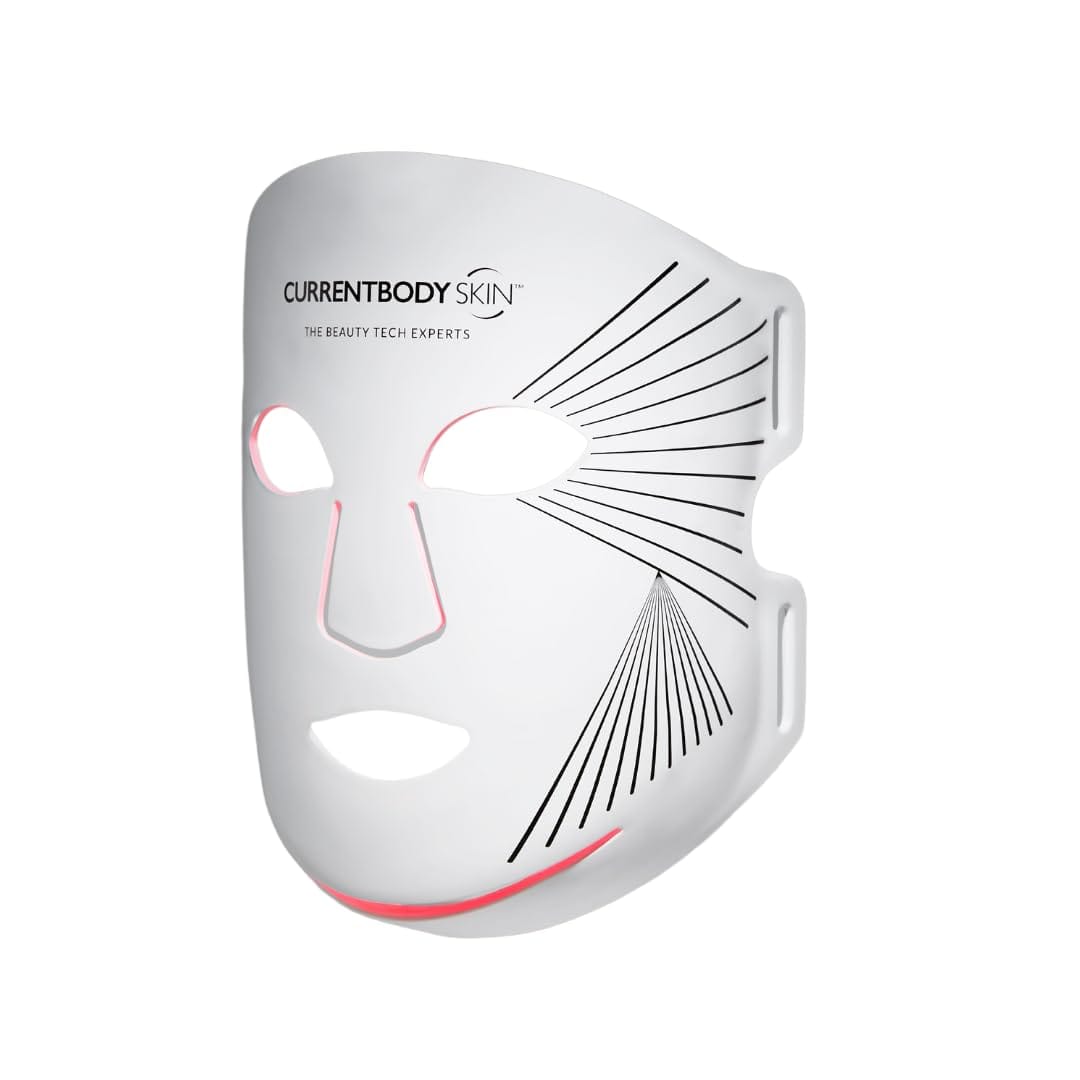
Considering an at-home mask as an optional adjunct? Our Omnilux Men and CurrentBody Series 2 comparison covers fit, instructions and seller support without equating home devices with professional treatment.
For most patients, the optimal approach includes:
- Daily retinoid therapy: A prescription retinoid or high-quality retinol maintains cell turnover and collagen production between treatments
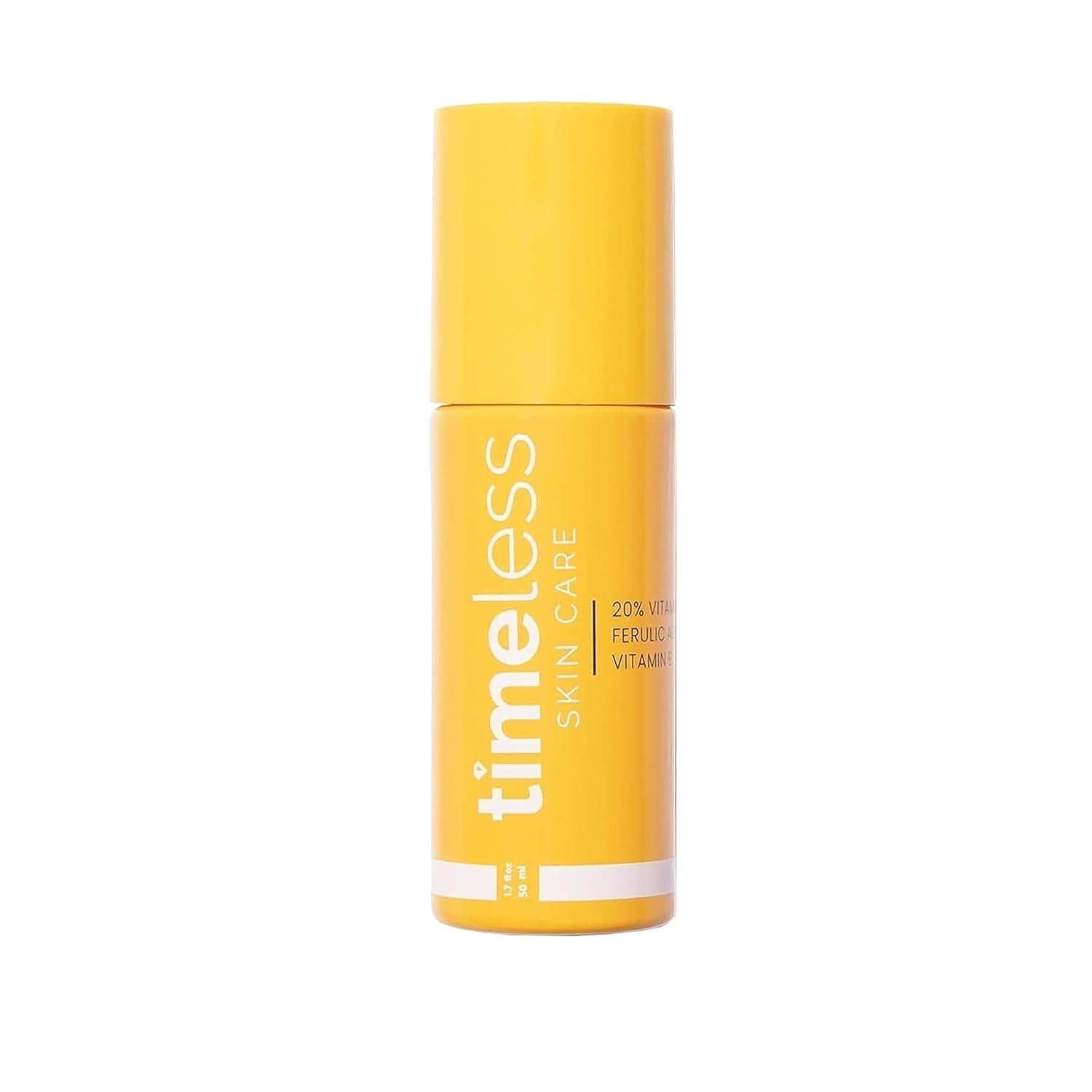
- Morning antioxidant protection: Vitamin C serum neutralizes free radicals and supports the results of LED therapy and chemical peels
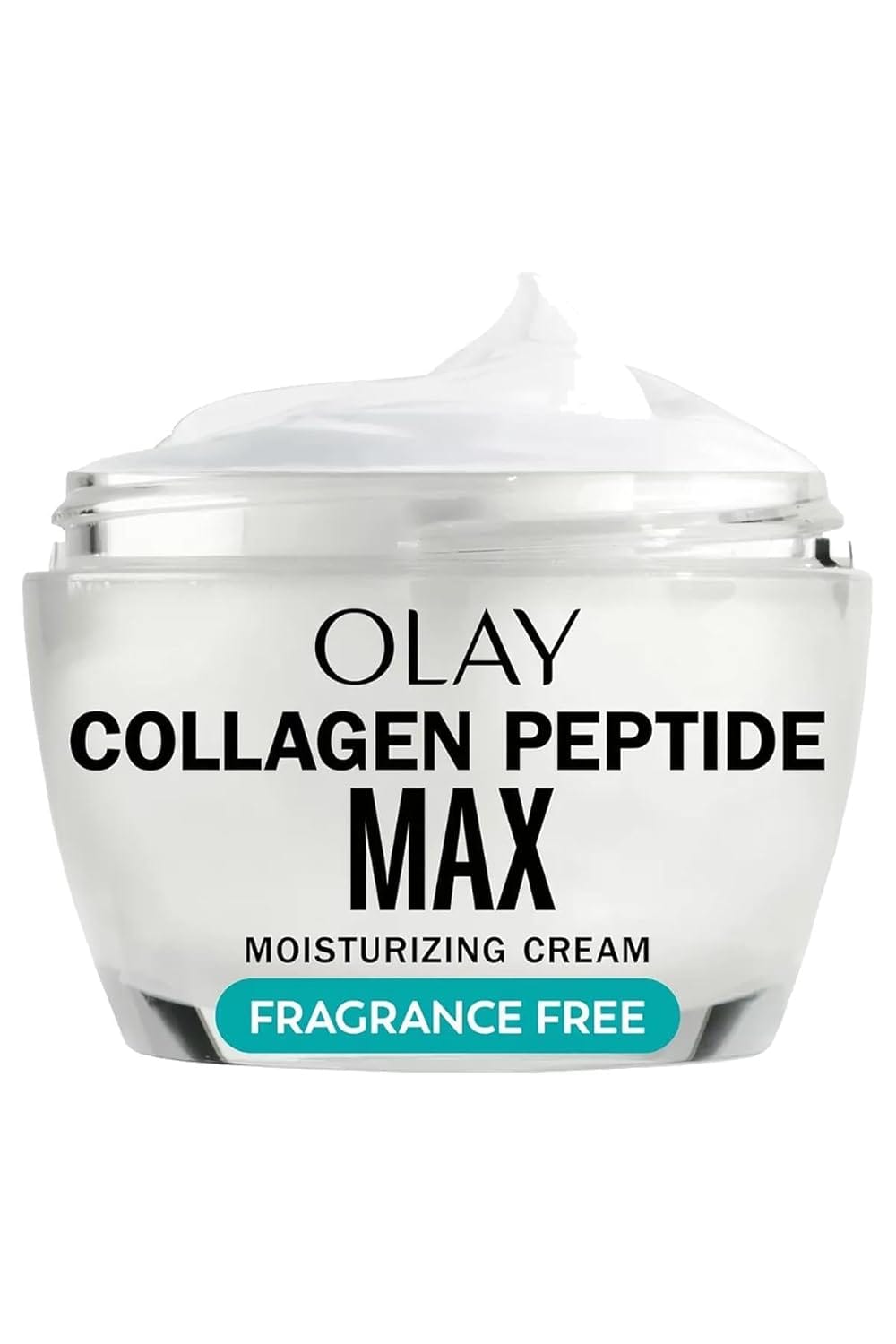
- Barrier-supporting moisturizer: Ceramides, niacinamide, and peptides keep the skin resilient enough to tolerate professional treatments
- Strict sun protection: Mineral SPF 30+ daily - post-treatment skin is particularly vulnerable to UV damage
This combination addresses both the daily accumulation of UV damage and the structural changes that require deeper intervention. Learn more about building a complete anti-aging strategy in our comprehensive guide to anti-aging skincare.
Your Clear Skin Checklist
- Step 1: Identify your decade and match your facial type - prevention in your 20s, early intervention in your 30s, remodeling in your 40s, structural lift beyond.
- Step 2: Commit to a treatment series (3-6 sessions) rather than expecting results from a single visit. Consistency matters more than intensity.
- Step 3: Support professional treatments with a daily home routine: vitamin C in the morning, retinoid at night, and mineral SPF every single day.
Conclusion
The best anti-aging facial for you depends primarily on your age and the specific skin concerns you are addressing. The evidence is clear: different decades require different technologies.
- In your 20s: Prevention through hydration and LED therapy. Avoid overtreatment.
- In your 30s: Microneedling with growth factors provides meaningful early intervention backed by clinical evidence.
- In your 40s: Energy-based devices like radiofrequency microneedling deliver the collagen remodeling needed to address early laxity.
- In your 50s and beyond: Micro-focused ultrasound and combination approaches address structural changes and volume loss.
For best results, choose a treatment that matches your decade and commit to a series of sessions rather than expecting results from a single treatment. Always pair professional facials with a consistent home care routine that includes daily sun protection, a retinoid, and antioxidant support. If you are dealing with sagging skin specifically, our targeted guide to skin firmness provides additional strategies. For those interested in at-home devices to complement professional treatments, explore our review of anti-aging skincare devices.
Frequently Asked Questions About Anti-Aging Facials
What is the best facial for anti-aging in your 20s?
How often should I get professional facials for anti-aging?
Can facials replace Botox or fillers?
Are anti-aging facials safe for sensitive skin?
What is the most effective facial for sagging skin?
This article is for informational purposes only and does not replace professional dermatological advice. If you have persistent skin concerns, consult a board-certified dermatologist.
Not every professional facial has the same evidence or risk. Read what oxygen facials can realistically do, compare the PRP facial protocol, and use the dermal filler guide only when the concern is true volume loss.