Best Eye Creams for Teenagers: When One Is Actually Useful
A practical guide to teen eye creams for dryness, puffiness and dark circles, including when regular moisturizer is the better choice.
In this guide
Quick Answer
Most teenagers do not need a separate eye cream. Use one only for a defined issue such as dry eyelid-area skin or temporary puffiness, and choose a bland fragrance-free formula; genetic shadows, allergies and sleep-related circles are not reliably erased by a cosmetic cream.
Quick Summary
- Dryness: a simple moisturizer may be enough.
- Puffiness: cooling and caffeine can give temporary cosmetic improvement.
- Dark circles: identify shadow, pigment, allergy or sleep factors first.
- Avoid retinoids, strong acids and fragranced formulas near young sensitive eyes.
The skin around your eyes is the thinnest on your entire body. It is approximately one-tenth the thickness of the skin on the rest of your face and contains almost no sebaceous glands. This means it loses moisture faster, shows signs of fatigue more readily, and requires different care than the rest of your face.
For teenagers, the most common under-eye concerns are dark circles (often from genetics or sleep deprivation), puffiness (from fluid retention or allergies), and dryness (from the lack of oil glands in the area). This guide explains which ingredients actually work for each concern and how to choose an eye cream that matches your specific needs.
If you are just starting a skincare routine, read our beginners skincare routine for teens first to understand the basics of layering and product selection.
⏹ TL;DR — Best Eye Creams for Teenagers
- Under-eye skin is 10x thinner than facial skin and has almost no oil glands. It needs separate care from your face moisturizer.
- Hyaluronic acid is the safest starting point for teenage eye creams. It hydrates without irritation and works for all skin types.
- Caffeine reduces puffiness, vitamin C brightens dark circles, and peptides support long-term skin health. Choose based on your primary concern.
- Use your ring finger to apply. It naturally applies the least pressure. Tap gently, do not rub or pull the skin.
- SPF is essential for the eye area. UV damage accelerates under-eye aging. Use a separate SPF or an eye cream with SPF 30.
Want the product picks first? Jump to the teen-safe hydration and puffiness options with direct Amazon links.
Jump to product picks🧪 The Skin Insider
The most common mistake I see with teenage eye care is using too much product. The skin under each eye has approximately 0.5 ml of absorption capacity.
Using more than a grain-of-rice-sized amount per eye does not increase results. It increases the risk of milia, the small white cysts that form when product traps dead skin cells under the surface.
A single grain of rice-sized amount per eye is sufficient for both hydration and active ingredient delivery.
Why Teenagers Need Separate Eye Care
The skin around the eyes has distinct anatomical differences from the rest of the face. It is thinner, has fewer oil glands, and is constantly exposed to mechanical stress from blinking and facial expressions. For teenagers, the combination of sleep deprivation, screen time, and hormonal changes makes this area particularly prone to showing signs of fatigue.
A 2024 review published in PMC examined the impact of cosmetics on the ocular surface and confirmed that products applied near the eyes require different formulation standards than general facial products. The review emphasized that ingredients must be non-irritating and ophthalmologically tested (PMC, Impact of Cosmetics on Ocular Surface).
- Thickness: Approximately 0.5 mm vs 2 mm on the rest of the face
- Oil glands: Nearly absent in the under-eye area, leading to faster moisture loss
- Blood flow: Higher density of blood vessels, making dark circles more visible
- Movement: Blinked approximately 10,000 times per day, causing constant micro-movement
Key Ingredients for Teenage Eye Creams
Hyaluronic Acid: Universal Hydration
Hyaluronic acid is the safest and most effective ingredient for teenage under-eye skin. It is a humectant that draws moisture into the stratum corneum without irritation. Unlike retinol or acids, it does not increase cell turnover or cause peeling.
- Best for: All teenage skin types, especially dry or dehydrated under-eyes
- How it works: Binds up to 1,000 times its weight in water, plumping the skin and reducing the appearance of fine lines
- Concentration: Look for multi-molecular-weight HA for deeper penetration
Caffeine: For Puffiness and Dark Circles
Caffeine is a vasoconstrictor, meaning it narrows blood vessels. When applied topically to the under-eye area, it reduces the appearance of blood vessels that contribute to dark circles and decreases fluid retention that causes puffiness.
- Best for: Puffy eyes, dark circles from sleep deprivation
- How it works: Constricts dilated blood vessels, reducing the bluish tint under the eyes
- Note: Caffeine works for temporary puffiness but does not treat genetic dark circles or hyperpigmentation
Vitamin C: Brightening and Protection
Vitamin C is an antioxidant that brightens the under-eye area and protects against environmental damage. It also supports collagen production, which is important for maintaining skin thickness in the delicate eye area.
- Best for: Dull-looking under-eyes, mild dark circles, sun damage prevention
- How it works: Inhibits melanin production and neutralizes free radicals from UV and pollution
- Note: Stable forms like ascorbyl glucoside or tetrahexyldecyl ascorbate are less irritating for the eye area
Peptides: Long-Term Support
Peptides signal the skin to produce collagen and elastin. While the effects are gradual, consistent use strengthens the under-eye area over months.
- Best for: Maintenance and prevention in all teenage skin types
- How it works: Matrixyl and copper peptides stimulate extracellular matrix production
- Note: Results require 8-12 weeks of consistent use
Ingredient Selection Guide
Recommended Eye Creams for Teenagers
Hydrating Eye Cream with Hyaluronic Acid
A lightweight gel-cream with hyaluronic acid provides essential hydration without heavy oils or clogging potential.
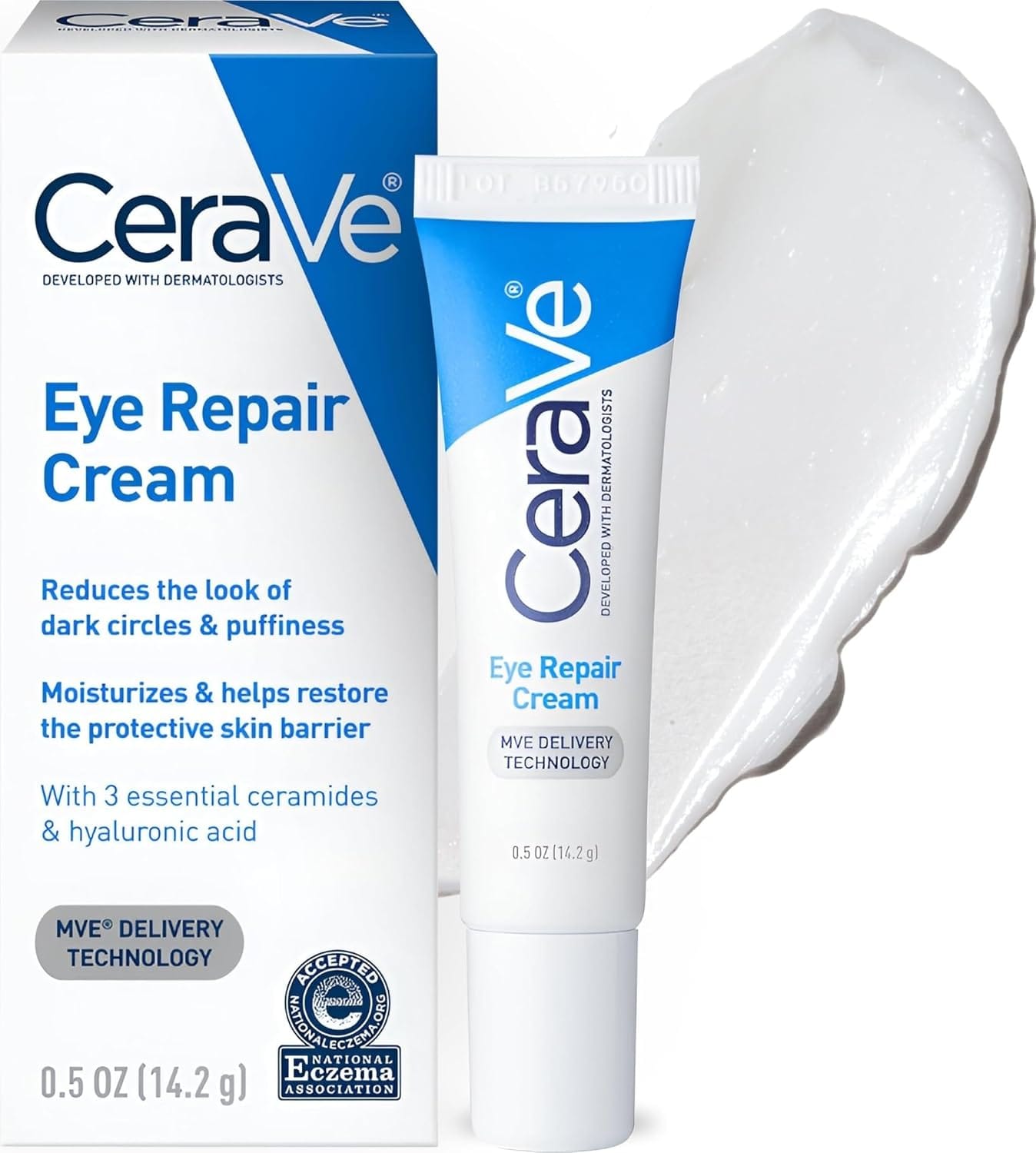
Best gentle hydration pick
CeraVe Eye Repair Cream
Why it fits: A fragrance-free eye cream with hyaluronic acid, niacinamide, and ceramides. It fits teens who want hydration without retinoids, exfoliating acids, or perfume around the eye area.
Watch-out: Use a tiny amount. If small white bumps or heaviness appear, pause it and switch to a lighter gel texture.
View Product on AmazonAs an Amazon Associate, we earn from qualifying purchases.
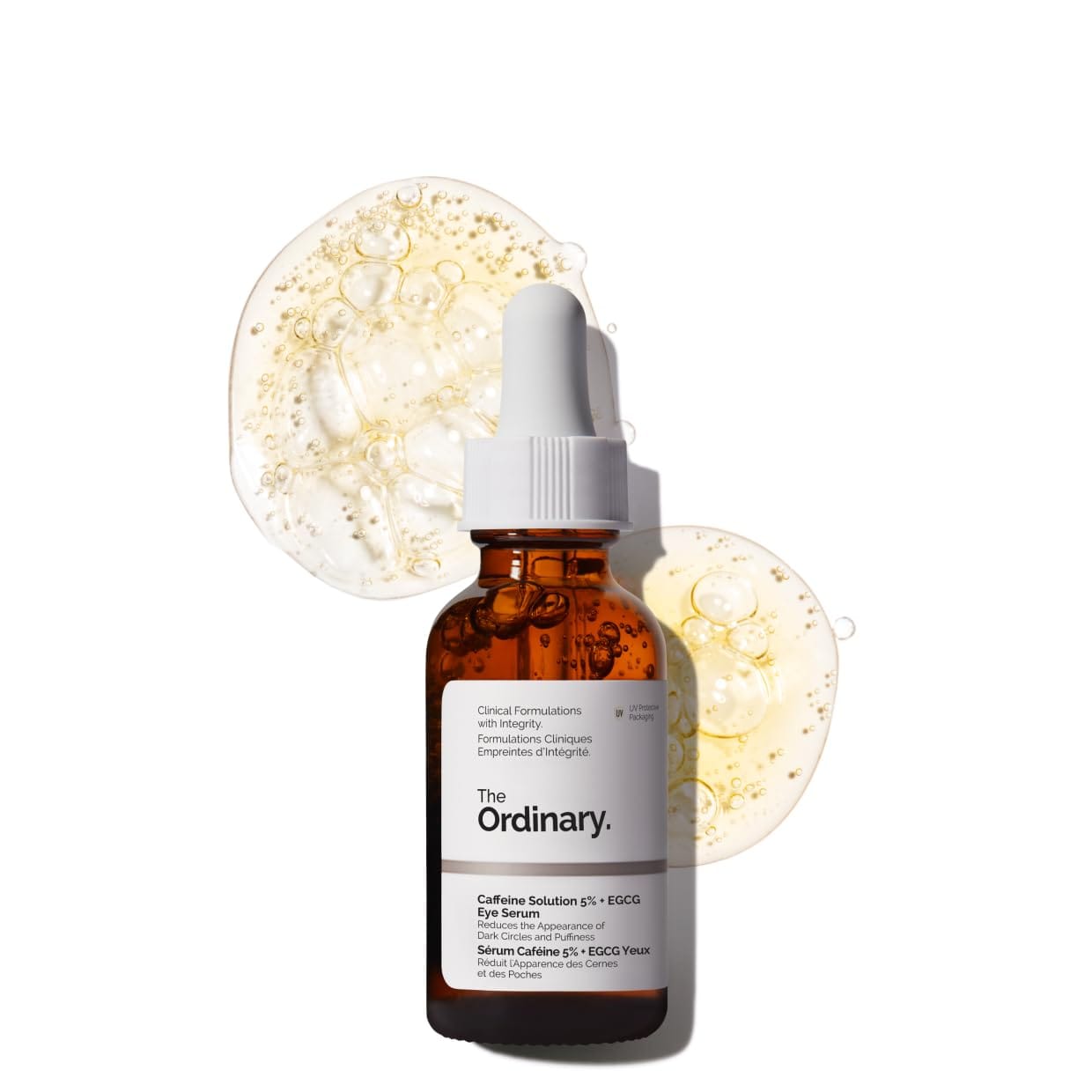
Caffeine Eye Cream for Puffiness
A caffeine-infused eye cream helps reduce morning puffiness and constricts visible blood vessels for a brighter appearance.
Best for temporary puffiness
The Ordinary Caffeine Solution 5% + EGCG
Why it fits: A lightweight caffeine serum for morning puffiness or tired-looking under-eyes. It is a targeted option, not a full moisturizer.
Watch-out: Caffeine helps the look of puffiness temporarily. It will not erase genetic dark circles, allergies, or deep tear troughs.
View Product on AmazonAs an Amazon Associate, we earn from qualifying purchases.
💡 The Optimizer's Edge
Most guides recommend using your regular face moisturizer under the eyes if you do not have an eye cream. This is not good advice.
Face moisturizers are formulated for thicker, oil-gland-rich skin. They often contain emollients that are too heavy for the under-eye area, leading to milia formation.
If you do not have an eye cream, a fragrance-free hyaluronic acid serum applied with a light hand is a better alternative than using your face cream around the eyes.
How to Apply Eye Cream Correctly
- Use a grain-of-rice amount per eye. More product does not mean better results. Excess cream can cause milia.
- Apply with your ring finger. It naturally has the lightest pressure. Never use your index finger.
- Tap gently, do not rub or pull. The skin is too thin for stretching motions. Pat the product in.
- Apply along the orbital bone, not directly under the lash line. Keep the product on the bone where it can absorb safely.
- Use twice daily. Morning to hydrate and protect, evening to support overnight repair.
For more details on building a complete teen skincare routine, see our guide on skincare for beginners and skincare tips for teenage girls.
✔ Your Clear Skin Checklist
- Step 1: Identify your primary concern. Dryness = HA. Puffiness = Caffeine. Dark circles = Vitamin C. Prevention = Peptides.
- Step 2: Choose a fragrance-free, ophthalmologist-tested formula. Avoid retinol and acids near the eyes.
- Step 3: Apply a grain-of-rice amount per eye using your ring finger. Tap gently along the orbital bone.
- Step 4: Use morning and night. In the morning, follow with SPF 30+ over or around the eye area.
- Step 5: Be patient with dark circles and prevention ingredients. Vitamin C takes 4-8 weeks; peptides take 8-12 weeks.
- Step 6: If you develop milia (small white bumps), stop the eye cream and switch to a lighter gel formula.
Match the Product to the Cause
Blue or purple circles may reflect visible vessels and thin skin, while brown circles can involve pigment. Hollow anatomy creates shadow, and nasal allergies can worsen rubbing and puffiness.
A cosmetic eye cream can hydrate and temporarily smooth the surface. It cannot change bone structure, cure allergies or guarantee permanent removal of inherited dark circles.
- Dry and comfortable: use a small amount of bland moisturizer.
- Morning puffiness: try cool compresses before buying another active.
- Persistent itchy eyes: address allergy or irritation triggers.
- Pain, swelling or sudden one-sided change: seek medical assessment.
Compare the Options Before Changing the Routine
Use this table to match the intervention to the visible pattern and to identify the limit that should stop unnecessary escalation.
| Skin pattern or option | Best next step | Important limit |
|---|---|---|
| Dryness or flaking | Ceramides, glycerin, hyaluronic acid | Fragrance and strong actives |
| Temporary puffiness | Cool compress; optional caffeine | Expecting permanent change |
| Brown or blue circles | Sun protection and cause assessment | Aggressive brightening near eyes |
| Milia-prone area | Light gel-cream texture | Heavy occlusive layers |
Adjust the Plan to Real Teen Life
School mornings reward a short routine that works even when time is limited. Keep the required products visible and in order, and move optional steps out of the way until the base routine is automatic.
Sports, helmets and heavy sweating change the exposure, not the biology of the skin. Rinse or cleanse gently after activity, clean reusable contact surfaces, and avoid compensating with rough cloths or extra exfoliation.
Cold weather, indoor heating and air conditioning can lower tolerance even when the underlying concern has not changed. Reduce active frequency when tightness appears instead of assuming the treatment has stopped working.
Makeup and shaving should be treated as separate routine variables. Remove makeup completely without repeated rubbing, and review shaving technique before applying stronger acne products to irritated follicles.
Budget also affects treatment quality because an unaffordable routine will not be repeated. Prioritize cleanser, moisturizer, sunscreen and one evidence-based treatment before spending on masks, mists or overlapping serums.
Travel and weekends should not require a second routine. Use the same essentials in smaller containers and keep the treatment schedule unchanged unless the environment affects tolerance.
Stress about appearance can also drive picking and constant mirror checking. Use neutral weekly photos, reduce magnifying-mirror time and involve a trusted adult or professional when skin concerns affect school, sleep or confidence.
Finally, build a stop rule before starting. Persistent burning, swelling, rash, painful cracking or a rapid increase in deep lesions is a reason to pause the newest product and seek qualified advice when appropriate. Clear rules protect both skin and consistency.
How to Test the Routine Without Losing the Signal
Keep cleanser, moisturizer and sunscreen stable while testing one treatment variable. When several products change together, a breakout, sting or improvement cannot be assigned confidently.
Use the same amount and schedule unless the label or a qualified professional says otherwise. More product or more frequent application can increase irritation without shortening the biological treatment timeline.
Set the Baseline
Record the main concern, current products and two photos in consistent light.
Protect Tolerance
Track tightness, burning, peeling and whether the routine is easy enough to repeat.
Judge the Trend
Compare new lesions and comfort over weeks, not the appearance of one day.
| Check point | What to assess | Decision |
|---|---|---|
| First 48 hours | Burning, swelling, rash or painful cracking | Stop the newest product and get advice when symptoms are significant |
| Weeks 1-2 | Comfort, dryness and whether the schedule is realistic | Reduce frequency before adding another active |
| Weeks 6-8 | Fewer new lesions, calmer texture or a clearer pattern | Continue, adjust one variable or seek professional help |
| Any time | Deep pain, scars, rapid worsening or major distress | Escalate care rather than waiting for a retail product to solve it |
A routine is not successful merely because it feels active. The useful outcome is a gradual improvement that the skin can tolerate and the teenager can sustain.
Do not measure success by tingling, dryness or how many steps were completed. Those sensations can reflect irritation, while the meaningful measures are fewer new lesions, better comfort, less picking and a routine that remains consistent.
Use weekly rather than daily comparisons because acne and oil fluctuate. A single stressful day, sports session or menstrual-cycle shift should not trigger a complete product change.
Write the planned review date on a calendar before starting. That simple boundary reduces impulsive switching and makes the final decision more evidence-based.
Do not wait through deep pain, scarring, rapid worsening or significant emotional distress. Those are reasons to seek professional care even when the planned test period is not complete.
Frequently Asked Questions About Best Eye Creams for Teenagers
Do teenagers need eye cream?
Usually not. A gentle face moisturizer and sunscreen cover most needs, while a separate product is optional for a specific texture or puffiness concern.
Can eye cream remove teenage dark circles?
It may hydrate or temporarily reduce puffiness, but inherited anatomy, pigment, allergies and sleep patterns often limit the result.
Is caffeine eye cream safe for teens?
A simple caffeine formula may be tolerated, but it should be patch tested and kept away from the eye itself. Stop if irritation occurs.
Can teens use retinol eye cream?
Anti-aging retinol eye creams are generally unnecessary for teenagers and can irritate the thin eye area.
When should dark circles be checked by a doctor?
Seek advice for sudden changes, swelling, pain, vision symptoms, persistent allergy signs or dark circles accompanied by broader health concerns.