The Complete Science-Backed Guide to Anti-Aging Skincare: Ingredients, Routines, and Treatments That Actually Work
Science-backed guide to anti-aging skincare. Discover evidence-based ingredients, routines for every decade, professional treatments, and common myths debunked by clinical research.
In this guide
The anti-aging skincare market is flooded with products that promise to erase wrinkles, restore collagen, and reverse decades of sun damage. Most of them do not deliver. The difference between effective and ineffective anti-aging skincare comes down to one thing: evidence.
Decades of dermatological research have identified a small set of ingredients that measurably improve skin structure, reduce fine lines, and slow the visible signs of aging. Sunscreen, retinoids, vitamin C, peptides, and niacinamide each have clinical studies supporting their efficacy. The challenge is knowing how to combine them into a routine that works for your skin type, your age, and your tolerance.
This evidence-based guide covers the science of skin aging, the ingredients that actually work, how to build a routine for your decade, and when professional treatments are worth considering. It connects to dedicated deep-dives on each topic so you can explore what matters most for your skin.
TL;DR - Anti-Aging Skincare at a Glance
- ✦ Sunscreen is the single most effective anti-aging product - daily SPF 30+ prevents up to 80% of visible skin aging
- ✦ Retinoids have the strongest clinical evidence for stimulating collagen and reducing wrinkles
- ✦ Vitamin C in the morning provides antioxidant protection and supports collagen synthesis
- ✦ Build gradually: start with SPF, add vitamin C, then introduce retinol 2-3 nights per week
- ✦ Give any new active ingredient 8-12 weeks to show measurable results
Want the product picks first? Jump to the vitamin C serum and retinol serum with direct Amazon links.
Jump to product picks🧪 The Skin Insider
After reviewing hundreds of anti-aging product formulations and speaking with dermatologists, the most common mistake we see is not using the wrong ingredients - it is using too many of them at once. Patients stack retinoids, acids, vitamin C, and peptides in the same routine, then wonder why their skin is red and peeling. The most effective anti-aging routine is not the one with the most products. It is the one with the right ingredients, used consistently, at the correct concentration, with adequate barrier support.
Understanding Skin Aging: Intrinsic vs. Extrinsic
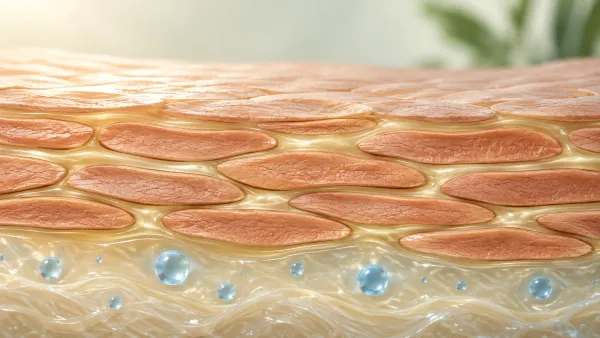
Skin aging occurs through two distinct mechanisms. Intrinsic aging is the natural, chronological decline in collagen production - about 1% per year starting in the mid-20s - combined with slower cell turnover and reduced oil production. Extrinsic aging is caused by external factors, primarily ultraviolet radiation, which accounts for up to 80% of visible facial aging according to research published in the Journal of the American Academy of Dermatology.
Understanding this distinction is important because it determines what you can influence. You cannot stop intrinsic aging, but you can significantly slow extrinsic aging through daily sun protection, antioxidant use, and targeted treatments that support collagen synthesis and cellular turnover.
The Five Essential Anti-Aging Ingredients
Clinical research consistently identifies a core group of ingredients with proven anti-aging benefits. The table below summarizes the evidence, ideal use, and expected timeline for each.
| Ingredient | Mechanism | Best Time | Timeline |
|---|---|---|---|
| Sunscreen (SPF 30+) | Blocks UV-induced collagen degradation | Morning, daily | Immediate protection |
| Retinoids (Retinol / Tretinoin) | Stimulate collagen, accelerate cell turnover | Night, 2-3�/week initially | 8-12 weeks |
| Vitamin C (L-Ascorbic Acid) | Antioxidant, collagen co-factor, brightening | Morning, before SPF | 4-8 weeks |
| Peptides | Signal collagen synthesis, support structure | AM or PM | 8-12 weeks |
| Niacinamide (Vitamin B3) | Barrier support, pigmentation, anti-inflammatory | AM or PM | 4-8 weeks |
For a deeper dive into these ingredients, our guide to the best anti-aging ingredients covers each one in detail with recommended concentrations, product forms, and pairing strategies.
Building an Evidence-Based Anti-Aging Routine
An effective anti-aging routine follows a simple two-phase structure: protect in the morning, repair at night. Each phase targets a different mechanism of aging.
The Morning Routine: Protection
- Cleanse: Use a gentle, pH-balanced cleanser. Avoid foaming cleansers that strip the barrier.
- Vitamin C serum: Apply 10-20% L-ascorbic acid to clean, dry skin. This neutralizes free radicals and supports collagen synthesis. Our guide to vitamin C for anti-aging explains how to choose and use it effectively.
- Moisturizer: A lightweight moisturizer with ceramides or niacinamide supports barrier function. The best moisturizers for anti-aging guide covers formulas for every skin type.
- Sunscreen: Broad-spectrum SPF 30+ every morning, rain or shine. This is the most important step in any anti-aging routine.
The Evening Routine: Repair
- Double cleanse (if wearing SPF or makeup): Oil-based cleanser followed by water-based cleanser.
- Retinoid (2-3 nights per week to start): Apply a pea-sized amount to clean, dry skin. Wait 20 minutes before moisturizer. Our guide to retinol for anti-aging explains how to introduce retinoids safely and effectively.
- Peptide serum (on non-retinoid nights): Supports collagen signaling without irritation. The peptides guide breaks down signal peptides, copper peptides, and how to layer them correctly.
- Moisturizer: A richer night cream supports overnight barrier repair.
For a complete step-by-step routine, our guide to anti-aging skincare routines covers AM and PM sequences in detail with product recommendations for every age group.
Anti-Aging by Decade
The right anti-aging strategy changes as your skin evolves. Here is what the evidence supports for each decade.
Your 20s: Prevention
Collagen production is still strong. The priority is protection, not repair. Daily SPF 30+ and a basic antioxidant serum (vitamin C) are sufficient. Retinol is optional at this stage. If acne is a concern, consider adapalene 0.1% which provides both acne control and early anti-aging benefits.
Your 30s: Early Intervention
Collagen decline becomes measurable. Fine lines appear around the eyes and forehead. Introduce a retinol serum at night (start with 0.25-0.3%, 2-3 times per week). Continue vitamin C in the morning. Consider adding a peptide serum.
Your 40s: Targeted Treatment
Cell turnover slows further. Perimenopausal hormone changes can affect skin density and hydration. Increase retinoid frequency as tolerated. Add a richer moisturizer with ceramides and niacinamide. Professional treatments like microneedling or laser become more impactful at this stage.
Your 50s and Beyond: Maximum Support
Skin becomes drier and more fragile. Prioritize barrier repair with ceramide-rich moisturizers and gentle cleansing. Continue retinoid use if tolerated, or switch to bakuchiol if irritation develops. Prescription tretinoin under dermatologist guidance provides the strongest evidence for collagen support in mature skin.
Professional Anti-Aging Treatments
Topical ingredients have limits. For deeper wrinkles, significant collagen loss, or stubborn pigmentation, in-office procedures can provide results that topical products cannot achieve alone.
- Chemical peels: Medium-depth peels (glycolic acid, TCA) improve texture and pigmentation. Our guide to anti-aging serums covers how to prepare and recover.
- Microneedling: Induces collagen through controlled micro-injuries. Best for texture, scars, and mild laxity.
- Laser resurfacing: Fractional CO2 and erbium lasers produce the most dramatic collagen remodeling. Downtime varies from days to weeks.
- Botox and fillers: Botox relaxes dynamic wrinkles (crow's feet, forehead lines). Fillers restore volume loss in cheeks and nasolabial folds.
Our guide to skincare for sagging skin explains how to combine topical treatments with professional procedures for optimal results.
💡 The Optimizer's Edge
Most anti-aging guides present ingredients as if all are equally suitable for everyone. The evidence tells a different story. Retinoids are the only topical ingredient class with strong, reproducible clinical data for stimulating collagen synthesis. Vitamin C is an excellent antioxidant and collagen co-factor, but its effects on existing wrinkles are modest compared to retinoids. Peptides are well-tolerated but produce smaller effect sizes in clinical trials. The hierarchy matters: sunscreen prevents 80% of photoaging, retinoids repair existing damage, and everything else plays a supporting role. Build your routine in that order.
Common Anti-Aging Myths
Misinformation about anti-aging skincare is widespread. Here are three myths that the evidence consistently refutes.
- Myth: Retinol thins the skin. The opposite is true. Retinoids increase collagen production in the dermis, which thickens the skin over time. The temporary peeling during the adjustment phase is surface-level exfoliation, not thinning.
- Myth: You do not need sunscreen indoors. UVA rays penetrate windows and contribute to photoaging. Daily SPF is recommended regardless of indoor or outdoor activity.
- Myth: Expensive products work better. Clinical efficacy depends on ingredient concentration, formulation, and stability - not price. Many drugstore retinoids and vitamin C serums perform as well as luxury alternatives.
Our skincare myths series covers more misconceptions about anti-aging and ingredient safety.
✅ Your Anti-Aging Checklist
- Step 1: Start daily SPF 30+ - this is non-negotiable at any age
- Step 2: Add a vitamin C serum (10-20%) in your morning routine
- Step 3: Introduce a retinoid at night - 2-3 times per week, build up gradually
- Step 4: Support your barrier with a ceramide-rich moisturizer
- Step 5: Add peptides or niacinamide as your skin tolerates
- Step 6: Be patient - give your routine 12 weeks before expecting visible results
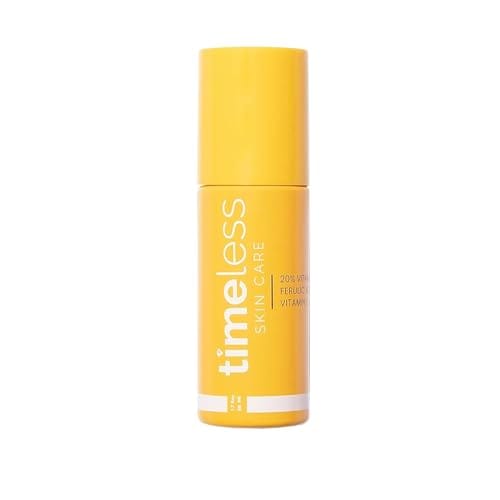
Best vitamin C serum
Timeless 20% Vitamin C + E Ferulic Acid Serum
Why it fits: A 20% vitamin C serum with vitamin E and ferulic acid for the morning antioxidant step in an anti-aging routine.
Watch-out: L-ascorbic acid can sting if your barrier is irritated. Start a few mornings weekly and store it carefully because vitamin C formulas can oxidize.
View Product on AmazonAs an Amazon Associate, we earn from qualifying purchases.
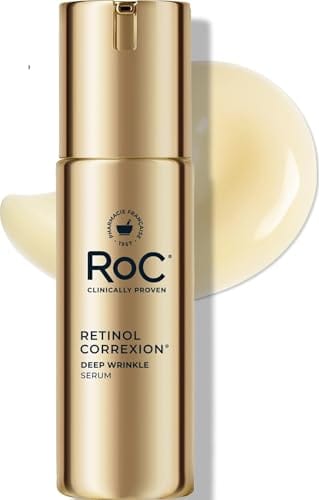
Best retinol serum
RoC Retinol Correxion Deep Wrinkle Serum
Why it fits: A drugstore retinol serum for the night repair step when fine lines, uneven texture, and visible photoaging are the main goals.
Watch-out: Retinol should be introduced slowly. Use sunscreen every morning and pause if peeling, burning, or rawness develops.
View Product on AmazonAs an Amazon Associate, we earn from qualifying purchases.
Frequently Asked Questions About Anti-Aging Skincare
At what age should I start an anti-aging skincare routine?
Can I use retinol and vitamin C together?
How long does it take for anti-aging products to work?
Is prescription tretinoin better than over-the-counter retinol?
Do anti-aging skincare products really work?
This article is for informational purposes only and does not replace professional dermatological advice.
This article is for informational purposes only and does not replace professional dermatological advice.
Professional treatments should follow a defined goal. Our filler decision guide covers structural volume, while the PRP evidence guide focuses on gradual skin-quality claims. Cryolipolysis is a separate body-contouring decision; see the fat-freezing safety guide.