Best Red Light Therapy Mask: A Spec-First Guide for 2026
A transparent, specification-first comparison of red light therapy face masks, with fit, eye comfort, schedule and safety tradeoffs.

In this guide
What is the best red light therapy mask?
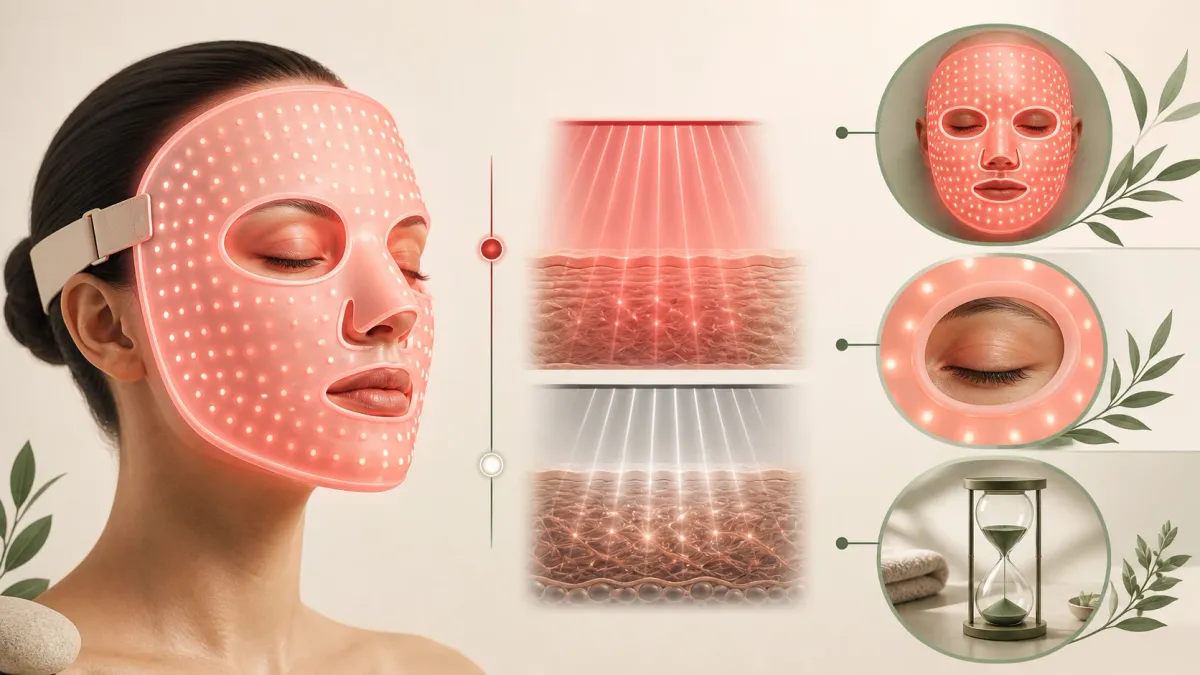
CurrentBody Skin LED Mask Series 2 is our best overall red light therapy mask for readers who want a flexible, face-focused device with disclosed red and near-infrared specifications. Shark CryoGlow is the stronger choice when a structured mask, multiple programmed modes, and under-eye cooling matter more than simplicity. Neither device is a substitute for sunscreen, acne treatment, or professional care, and results depend on consistent use over time.
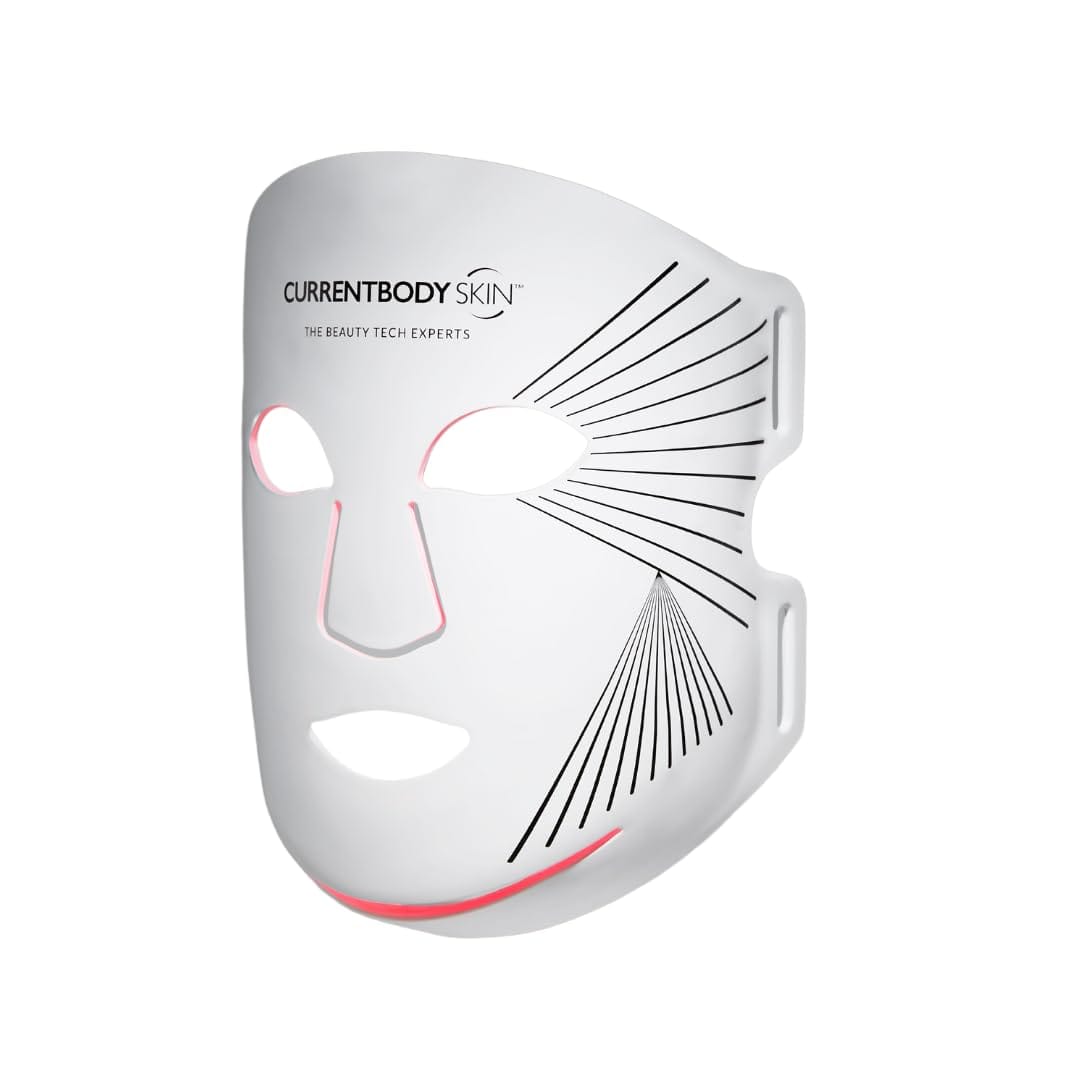
CurrentBody Skin LED Mask Series 2
Best for: a flexible mask and a straightforward red/near-infrared routine Why it leads: its face-focused design and disclosed wavelength positioning make the buying logic easier to evaluate. Watch-out: the premium cost only makes sense if the fit is comfortable enough for repeated use
Check current Amazon optionsAs an Amazon Associate, we earn from qualifying purchases. Price and availability can change.
LED masks are expensive enough that comfort and adherence deserve the same attention as wavelength claims. A mask that pinches the nose, lets distracting light reach the eyes, or requires an unrealistic schedule can become an unused gadget even when the specification sheet looks impressive.
Quick Summary
- Best overall: CurrentBody Skin LED Mask Series 2.
- Best multifunction mask: Shark CryoGlow.
- Compare wavelength disclosure, coverage, fit, eye comfort and session burden.
- Do not interpret FDA clearance language as a guarantee of a specific cosmetic result.
- Avoid use outside the label and ask a clinician about photosensitivity, eye disease or active treatment.
The best mask is the one you can use exactly as directed
A wavelength number is not a complete dose. Distance, irradiance, session time, face coverage and device geometry also matter. Because consumer brands do not always disclose these variables in comparable ways, we give extra weight to clear specifications and a realistic routine.
This guide was prepared by the SkinOptimizer Editorial Team. Rankings reflect current formulas, active levels where disclosed, skin-type fit, use case, value, and meaningful tradeoffs. SkinOptimizer did not conduct a controlled product trial, and we do not claim medical credentials or undocumented hands-on testing. Product claims remain manufacturer claims unless an independent source is cited.
Red light therapy masks compared
| Product | Best for | Main watch-out |
|---|---|---|
| CurrentBody Skin LED Mask Series 2 | a flexible mask and a straightforward red/near-infrared routine | the premium cost only makes sense if the fit is comfortable enough for repeated use |
| Shark CryoGlow LED Face Mask | readers who want programmed LED modes and under-eye cooling | a rigid fit and brighter, more complex experience may be less comfortable for some faces |
This is a two-product shortlist because adding loosely documented or poorly matched devices would create false choice. Verify the exact model and current instructions before purchase.
Our best red light therapy mask picks
CurrentBody Skin LED Mask Series 2
CurrentBody Skin LED Mask Series 2 earns the best overall position because its face-focused design and disclosed wavelength positioning make the buying logic easier to evaluate. This is a use-case judgment, not a claim that one product is universally superior.
Narrowed your shortlist to two models? Our Omnilux Men versus CurrentBody Series 2 comparison checks the exact wavelengths, fit questions and ownership terms without declaring a winner from LED count.
The current official product information identifies red and near-infrared LED positioning in a flexible silicone face mask. That information helps define texture, routine fit, and obvious exclusions; it does not prove every marketing outcome or predict an individual reaction.
Routine fit: Use only for the labeled session length on clean, dry skin, and avoid layering light-sensitive actives immediately beforehand unless the manufacturer and your clinician say otherwise. The main tradeoff is that the premium cost only makes sense if the fit is comfortable enough for repeated use Check the current package and Drug Facts or ingredient list when it arrives because formulas and sizes can change.
CurrentBody Skin LED Mask Series 2
Best for: a flexible mask and a straightforward red/near-infrared routine Why: its face-focused design and disclosed wavelength positioning make the buying logic easier to evaluate. Watch-out: the premium cost only makes sense if the fit is comfortable enough for repeated use
Check current Amazon optionsAs an Amazon Associate, we earn from qualifying purchases.
Product facts checked against the current manufacturer or official product information. Formulas, packaging, availability, and prices can change.
Shark CryoGlow LED Face Mask
Shark CryoGlow LED Face Mask earns the best multifunction experience position because it combines a structured mask format with multiple modes and a distinct cooling feature rather than selling only a single red-light routine. This is a use-case judgment, not a claim that one product is universally superior.
The current official product information identifies red, blue and infrared-light modes plus under-eye cooling in the current FW312 product family. That information helps define texture, routine fit, and obvious exclusions; it does not prove every marketing outcome or predict an individual reaction.
Routine fit: Follow the selected mode, use the supplied eye-comfort features correctly, and keep the device clean without improvising longer sessions. The main tradeoff is that a rigid fit and brighter, more complex experience may be less comfortable for some faces Check the current package and Drug Facts or ingredient list when it arrives because formulas and sizes can change.

Shark CryoGlow LED Face Mask
Best for: readers who want programmed LED modes and under-eye cooling Why: it combines a structured mask format with multiple modes and a distinct cooling feature rather than selling only a single red-light routine. Watch-out: a rigid fit and brighter, more complex experience may be less comfortable for some faces
Check current Amazon optionsAs an Amazon Associate, we earn from qualifying purchases.
Product facts checked against the current manufacturer or official product information. Formulas, packaging, availability, and prices can change.
Do not let the ranking replace the fit check
The top-ranked option is the most balanced starting point, not a universal winner. Re-check the main watch-out, current label and your actual routine before buying; a lower-ranked product can be the better decision when its format removes a barrier to consistent use.
How to choose a red light therapy mask
Look for disclosed wavelengths, modes, session time and model-specific instructions. A useful pick should make this tradeoff explicit rather than hiding it behind a single overall score.
Check whether the device follows the forehead, cheeks, nose and jaw without painful pressure. A useful pick should make this tradeoff explicit rather than hiding it behind a single overall score.
Built-in shields and a tolerable brightness experience matter for adherence. A useful pick should make this tradeoff explicit rather than hiding it behind a single overall score.
Session length, charging, cleaning and frequency must fit real life. A useful pick should make this tradeoff explicit rather than hiding it behind a single overall score.
Do not compare masks by LED count alone. More diodes do not automatically mean a more even or clinically meaningful dose. Coverage, output, distance and treatment time work together.
Treat model names carefully. A brand may sell several generations with different wavelengths or accessories, and marketplace listings may combine reviews for variants.
How to use an LED face mask responsibly
- Read the exact contraindications. Check the current manual for photosensitivity, medication and eye-related warnings.
- Start with clean, dry skin. Avoid using the device over fresh irritation, an open wound or an unapproved topical layer.
- Fit before timing. Adjust straps or supports so the mask is stable without painful pressure.
- Use the labeled session. Longer is not automatically better and should not be improvised.
- Track tolerance and consistency. Record sessions and stop for persistent pain, visual symptoms, swelling or a worsening rash.
Clean the device using the manufacturer's method; harsh solvent, submersion or aggressive scrubbing can damage electronics or the light surface.
Keep the rest of the routine simple. A gentle cleanser, moisturizer and daily sunscreen make it easier to distinguish device tolerance from irritation caused by a new acid or retinoid.
Before you keep the product
- The exact model and manual match the listing.
- The mask fits without pressure points.
- Brightness and eye protection feel tolerable.
- The session schedule is realistic.
- No medication or condition conflicts have been overlooked.
What “red light therapy mask” means
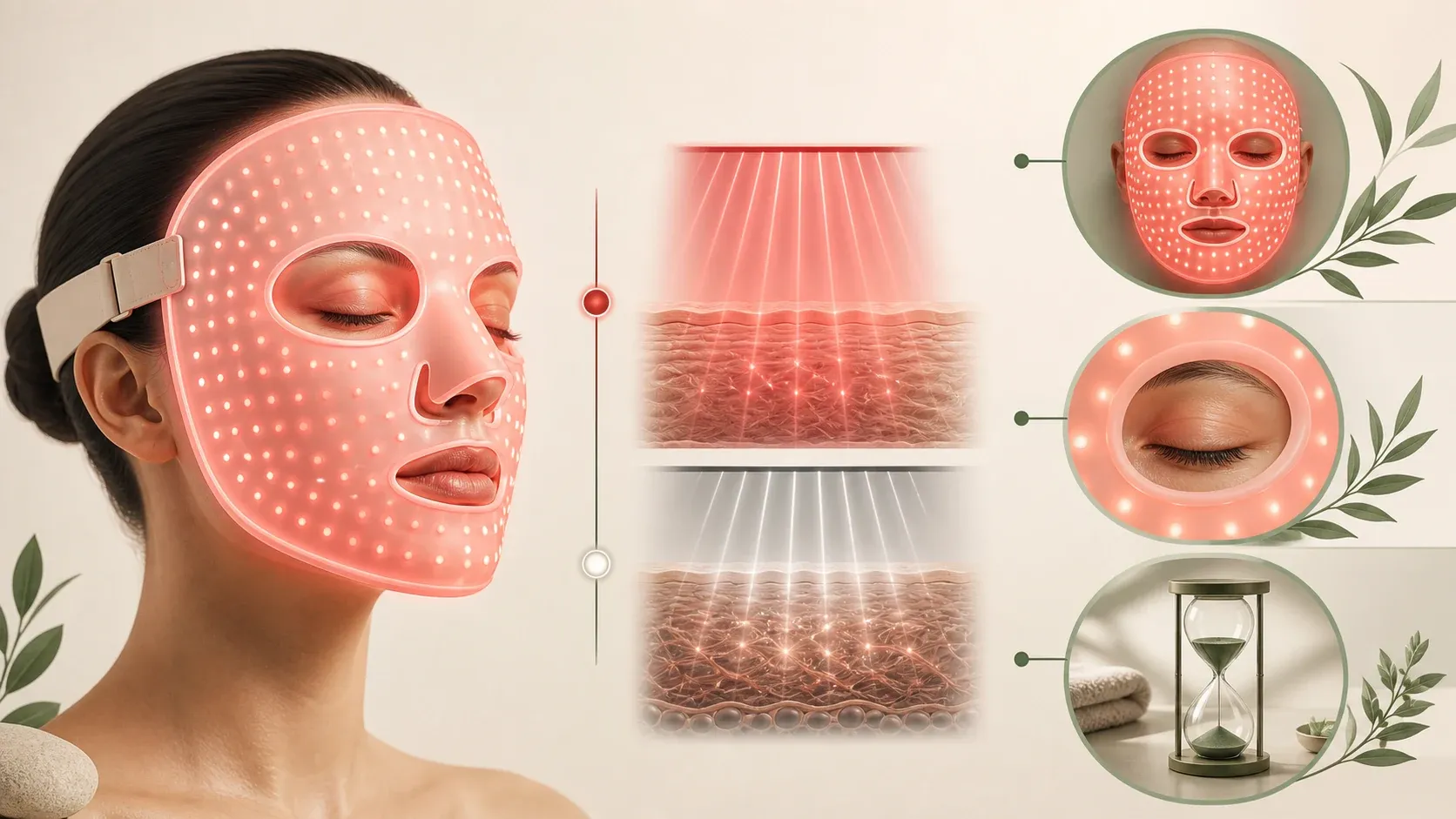
A red light therapy mask is a wearable photobiomodulation device that exposes facial skin to selected red and sometimes near-infrared wavelengths for a labeled time. It is not the same as ultraviolet tanning, and its cosmetic claims should be evaluated model by model.
Consumer masks sit between skincare and hardware. The formula cannot be changed, but device geometry, output, heat, eye design and treatment schedule can differ substantially.
The buying question is therefore not simply “Which is strongest?” It is “Which option fits your face shape, sensitivity, eye comfort and weekly schedule without adding a tradeoff that makes consistent use unlikely?” A technically impressive formula or device has little value when the finish, sensation, schedule, or application burden causes it to be abandoned.
How we evaluated the shortlist
We ranked the shortlist around four decision axes: specifications, coverage and fit, eye comfort, routine burden. Official product pages supplied current specifications and use directions. Independent editorial result pages were used to identify the questions shoppers repeatedly face, not as proof that a product works for every reader.
SkinOptimizer did not run a controlled head-to-head trial for this guide. We therefore do not award points for sensory observations we did not make, and we do not repeat retailer star ratings as efficacy evidence. Rankings can change when formulas, device specifications, packaging, or availability change.
We excluded options when the exact model was unclear, red-light specifications were not adequately identifiable, or the listing encouraged unsupported outcome claims. We also avoided hard-coded prices because a temporary promotion can make a weak match look artificially attractive. Value here means that the product's format and role justify its place in a realistic routine.
What the evidence can—and cannot—promise
Small clinical studies and reviews suggest that selected red or near-infrared light protocols may influence signs of photoaging, but the evidence does not make every home mask equivalent. One older controlled photobiomodulation study is indexed at PubMed; its protocol should not be generalized to an unstudied device.
Device clearance, registration and marketing language are easy to conflate. A regulatory status can relate to a defined intended use and device, while a beauty article may discuss broader outcomes. Read the exact indication and avoid treating a logo or clearance phrase as proof of superiority.
Our editorial threshold is practical: a claim must be traceable to current official labeling or an identified authority source, and the language must match the evidence. Expect gradual, variable cosmetic change rather than an immediate lift, and judge photographs under consistent lighting. This is why the ranking emphasizes adherence, formulation or device specifications, and predictable tradeoffs instead of dramatic before-and-after promises.
Common LED mask mistakes
Chasing LED count: Diode count without dose and coverage context is not a quality score. Extending sessions: Longer exposure can add burden or adverse effects without proving a better result. Stacking irritation: Starting strong acids, retinoids and a device together obscures the cause of redness. Ignoring the eyes: Persistent visual symptoms or discomfort are stop signals, not a normal adjustment phase.
Change one variable at a time and document the product, amount, frequency, and body or face area. A simple note after each use is more informative than trying to remember whether irritation began before or after several simultaneous changes.
Stop and reassess when pain, blistering, a worsening rash, headache, visual disturbance or persistent eye discomfort develops. A product that repeatedly causes a meaningful adverse reaction is not a better value because it was expensive or highly ranked.
How this decision fits the rest of your routine
A product decision works better inside a coherent routine. Start with our LED light therapy evidence guide and best anti-aging skincare devices when the surrounding cleanser or moisturizer is still unsettled. Those steps often determine tolerance more than switching between two similar products.
For the adjacent concern, use the focused guides to build an anti-aging routine, choose an everyday sunscreen, and repair a stressed skin barrier. Each solves a different decision; stacking every active or tool at once makes it impossible to identify what helped or irritated.
If you need to simplify further, compare our compare professional anti-aging facials, understand retinol, and choose a moisturizer. These internal references are deliberately specific so the guide remains useful after the purchase decision instead of ending at the checkout link.
When professional evaluation matters
Ask a dermatologist or appropriate clinician before use if you have a photosensitive disorder, take photosensitizing medication, have an active facial condition, recently had a procedure, or have an eye condition. Seek prompt care for visual changes, significant burns or swelling.
Bring the product packaging, a complete ingredient list, and a short timeline of symptoms to an appointment. That is more useful than describing a product only as “gentle” or “clean,” terms that do not identify the ingredient, exposure, or condition involved.
Pregnancy, breastfeeding, prescription treatment, a recent procedure, photosensitizing medication, or a diagnosed skin or eye condition can change the safest choice. Product-label directions and advice from your own clinician take priority over a general shopping guide.
Use a 30-day decision log instead of guessing
Before the first use, photograph or describe the baseline under ordinary consistent conditions and write down the exact product, variant, application amount, body or face zone, and every other active used that day. For this decision, the most useful context is your face shape, sensitivity, eye comfort and weekly schedule. That record prevents a familiar shopping error: attributing a change to the newest purchase when the weather, shaving, makeup, medication, menstrual or menopausal transition, outdoor exposure, or another product changed at the same time.
During the first month, record comfort immediately after use and again several hours later. Use simple observations—comfortable, tight, itchy, burning, watery, pilling, heavy, or difficult to reapply—rather than inventing a numerical clinical score. Note whether the product was used at the intended amount and whether you skipped it because of texture, taste, fit, brightness, migration, or time. Those adherence failures are product-performance data because a theoretically ideal option cannot help when its format repeatedly prevents correct use.
Review the log once weekly, not after every mirror check. Keep the product when the intended role is clear, use is repeatable, and adverse effects remain absent or minor and transient. Reduce frequency or simplify surrounding layers when irritation or application conflict accumulates. Stop when the defined warning signs appear. At day 30, decide among three actions: continue unchanged, adjust one variable, or discontinue. Do not add a second new treatment merely because the first product has not produced a dramatic cosmetic change in four weeks.
Authority source trail
For independent context beyond brand pages, review the primary clinical or regulatory guidance source and the supporting authority source used for this guide. These sources define the safety and evidence boundaries; they do not endorse the commercial ranking or individual products.
Frequently asked questions
Do red light therapy masks really work?
Selected red and near-infrared protocols have some evidence for cosmetic skin outcomes, but results vary and cannot be assumed for every device. Look for model-specific information, use it consistently as directed, and expect gradual rather than surgical change.
What wavelength should a red light therapy mask use?
Many facial devices use red light in roughly the 630–660 nm region and may add near-infrared light, but wavelength alone is not a dose. Output, distance, coverage and session time also matter.
How often should I use an LED face mask?
Use the exact schedule in the current manual. Do not combine instructions from another model or double sessions to catch up; a missed session is not a reason to improvise exposure.
Can I use retinol with a red light mask?
That depends on the device directions, the retinoid, and your tolerance. A conservative approach is to keep the device session on clean, dry skin and separate potentially irritating actives until you know both are tolerated.
Who should not use a red light therapy mask?
People with photosensitive conditions, relevant medications, active skin disease, recent procedures or eye concerns should check the manual and ask their clinician. Stop for pain, burns, a worsening rash or visual symptoms.
Final verdict
CurrentBody Series 2 is the clearer overall buy when a flexible mask and a focused routine are priorities. Shark CryoGlow is the better fit for a shopper who will genuinely use its additional modes and cooling feature. The best outcome starts with an exact model match, tolerable fit and disciplined expectations—not the most dramatic marketing claim.
This article is for informational purposes only and does not replace professional dermatological advice.