Best Anti-Aging Skincare Devices: LED, Microcurrent, and RF Compared
Evidence-based guide to at-home anti-aging devices. Compare LED therapy, microcurrent, RF, and more by clinical evidence for wrinkle reduction and skin firmness.

In this guide
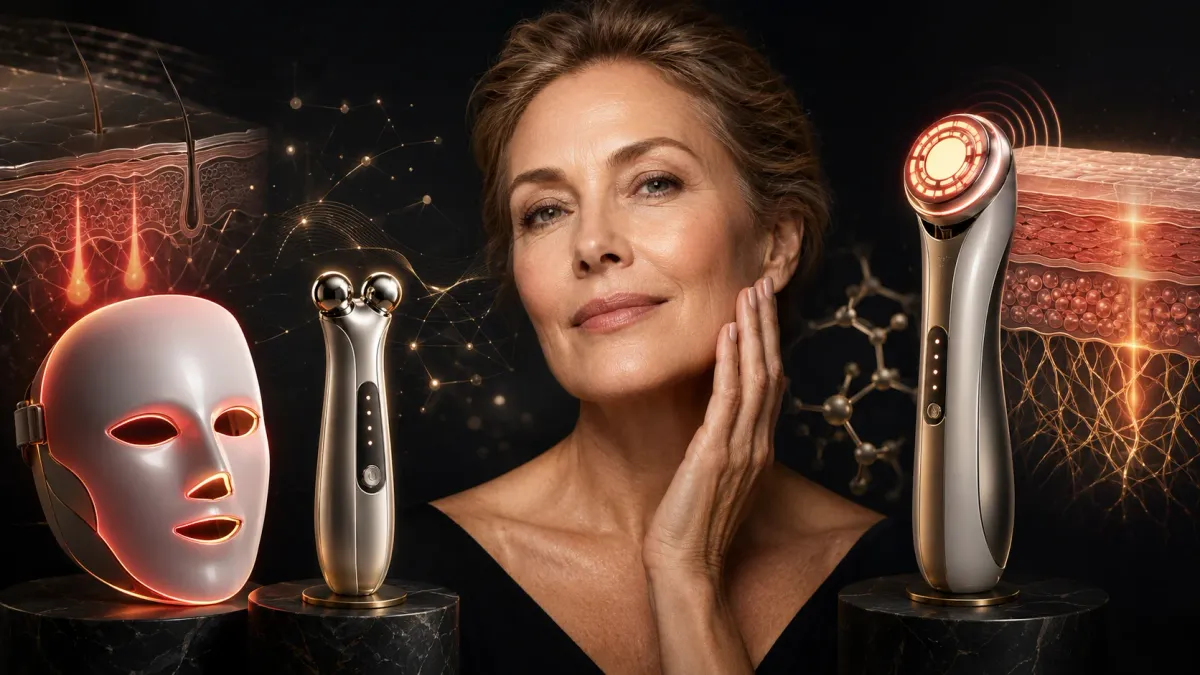
At-home anti-aging devices have become increasingly popular as consumers seek professional-quality results from home. The evidence base varies significantly by device type: LED light therapy has multiple clinical studies supporting its efficacy for collagen stimulation, while other technologies like microcurrent provide temporary cosmetic improvement without structural change. Understanding which devices have real clinical backing helps you make an informed purchase decision.
This evidence-based guide compares 8 types of at-home anti-aging devices, explains how each one works, what results you can realistically expect, and how to choose the right device for your specific skin concerns. For a complete anti-aging strategy combining devices with topical ingredients, explore our guide to anti-aging ingredients.
TL;DR - Best Anti-Aging Devices
- LED light therapy has the strongest clinical evidence - proven collagen stimulation and wrinkle reduction
- Microcurrent provides temporary lifting (24-48h) but no structural change
- Radiofrequency (RF) offers subtle collagen tightening with consistent use
- Derma rollers improve ingredient absorption but need strict hygiene
- High-frequency targets acne - limited anti-aging evidence
- Ice rollers / facial steamers provide temporary benefits only
- Multitasking devices combine technologies - convenient but often compromise on power
- Build in order: LED > RF > microcurrent > derma roller > others
The Skin Insider
The evidence hierarchy for at-home devices is clear: LED therapy has legitimate clinical backing for collagen stimulation. RF has moderate evidence. Microcurrent provides cosmetic lifting without structural change. Derma rollers, high-frequency, steamers, and ice rollers offer secondary benefits. No at-home device can replace a daily retinoid and SPF routine - they are adjuncts, not replacements.
1. LED Light Therapy: Strongest Clinical Evidence
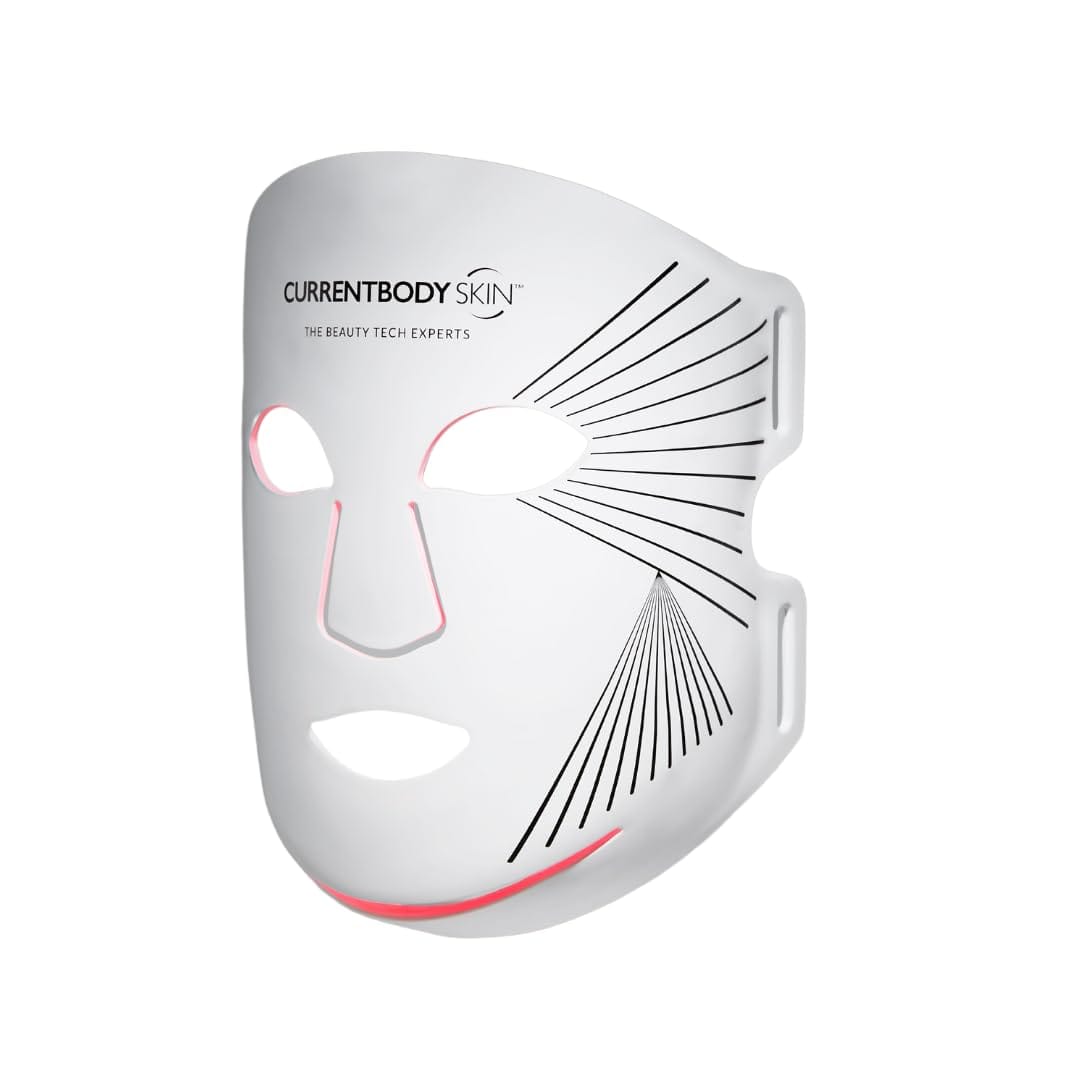
LED (light-emitting diode) therapy uses specific wavelengths of light to stimulate cellular activity. Red light (630-660 nm) penetrates the epidermis and is absorbed by mitochondria, increasing ATP production and collagen synthesis. Near-infrared light (810-880 nm) penetrates deeper for anti-inflammatory effects. A randomized, placebo-controlled clinical trial on LED phototherapy for skin rejuvenation demonstrated significant wrinkle reduction (up to 36%) and increased skin elasticity (up to 19%) with regular treatment.
For a specific mask decision, see Omnilux Men versus CurrentBody Series 2, including the distinction between model specifications, personal fit and clinical evidence.
What it treats: Fine lines, wrinkles, collagen loss, inflammation, acne (blue light kills C. acnes bacteria).
- Clinical evidence: Strongest among at-home devices. Multiple RCTs support efficacy
- Treatment schedule: 3-5 times per week, 10-20 minutes per session
- Results timeline: Visible improvement in 8-12 weeks with consistent use
- Safety: Non-invasive, no downtime, safe for all skin types
- At-home vs. professional: Home devices deliver lower energy density but produce meaningful results with consistency
2. Microcurrent: Temporary Lifting
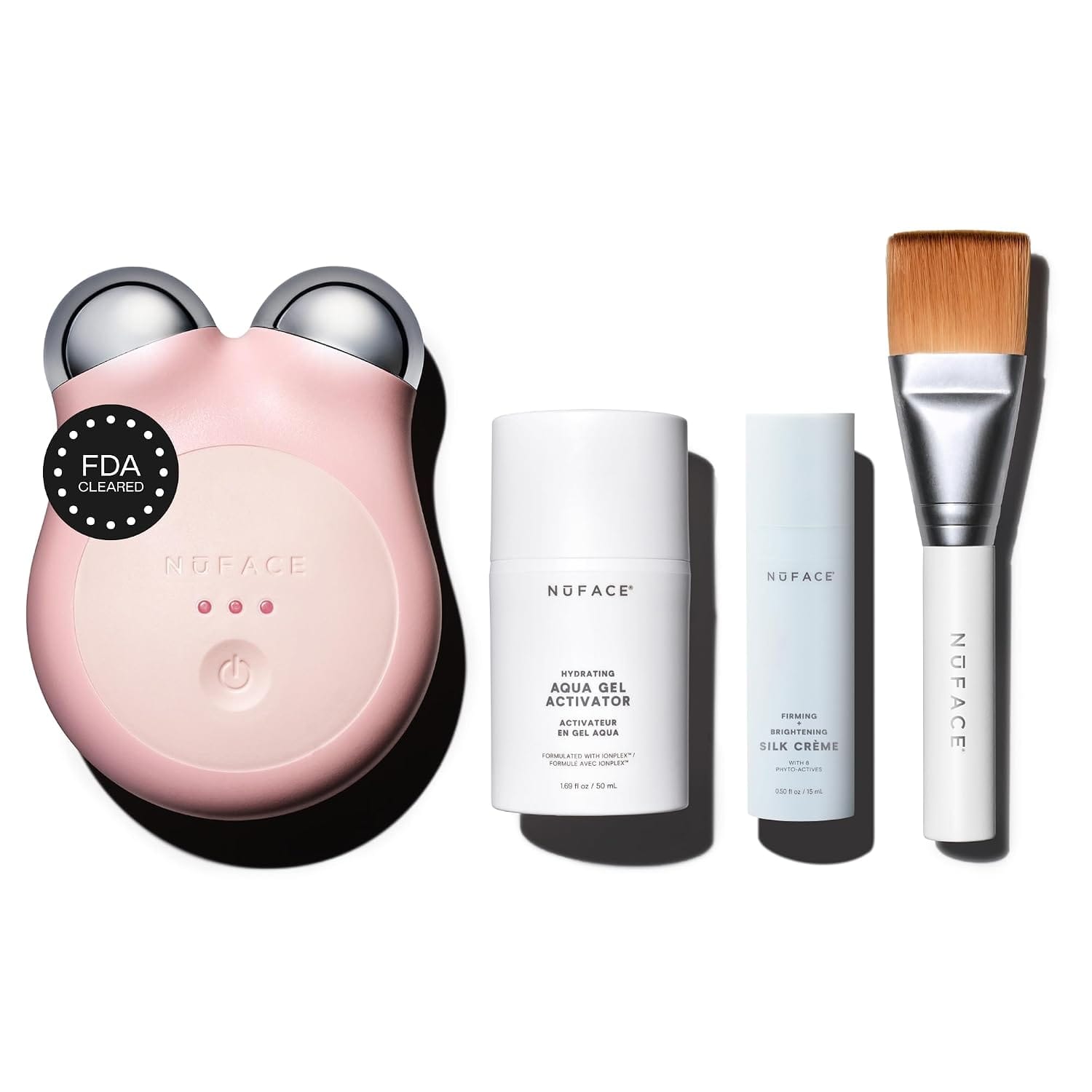
Microcurrent devices deliver low-level electrical currents that mimic the body's natural electrical signals, causing facial muscles to contract and temporarily lift. The effect is purely muscular and lasts 24-48 hours. Microcurrent does not stimulate collagen production or improve skin structure. It is best suited for special events when a temporary lift is desired, not as a long-term anti-aging strategy.
For a no-device comparison, our facial exercise guide separates possible muscle effects from unsupported wrinkle and lifting claims.
What it treats: Temporary facial drooping, sagging jowls, lack of muscle tone.
- Clinical evidence: Limited for anti-aging. Studies show temporary muscle contraction only
- Treatment schedule: 4-5 times per week for maintenance
- Results timeline: Immediate visible lift lasting 24-48 hours. No structural change
- Safety: Safe when used correctly. Requires conductive gel. Avoid with metal implants or pacemakers
- Best use: Pre-event prep. Morning routine for a more sculpted appearance
3. Radiofrequency (RF): Moderate Evidence
At-home radiofrequency (RF) devices deliver heat to the dermis, stimulating collagen contraction and new collagen formation. Professional RF devices produce clinically significant tightening, but at-home devices deliver lower energy levels and require more frequent use (2-3 times per week) for subtle results.
Before comparing devices, read what skincare can and cannot do for sagging skin; creams can improve skin quality but cannot reposition tissue.
What it treats: Mild skin laxity, fine lines, loss of firmness.
- Clinical evidence: Moderate. Professional RF has strong data; at-home RF has limited studies
- Treatment schedule: 2-3 times per week for 10-20 minutes
- Results timeline: Subtle tightening after 8-12 weeks of consistent use
- Safety: Generally safe. Lower energy than professional devices. Avoid on tattoos
4. Derma Rollers: Ingredient Absorption Aid
Derma rollers (microneedling devices with very short needles) create micro-channels in the skin that can improve absorption of topical ingredients. However, at-home derma rollers carry risks of infection, scarring, and inconsistent needle depth. For safe results, use needles of 0.25 mm or shorter and sterilize the device before and after each use.
What it treats: Enhanced product absorption, mild textural improvement.
- Needle length: Maximum 0.25 mm for home use. Longer needles increase risk significantly
- Hygiene: Sterilize before and after each use. Replace every 1-2 months
- Results: Indirect - improves penetration of vitamin C, peptides, and hyaluronic acid serums
- Risks: Infection, scarring, hyperpigmentation (especially in darker skin tones)
5. High-Frequency Wands: Acne Focus
High-frequency wands use alternating electrical current to produce oxygen molecules that kill acne-causing bacteria on contact. They also increase blood circulation and oxygenate the skin. While effective for active acne, their anti-aging benefits are limited to improved circulation and minor collagen stimulation from increased oxygenation.
What it treats: Active acne, minor inflammation, surface bacteria.
- Clinical evidence: Strong for acne bacteria reduction. Limited for anti-aging
- Treatment schedule: 2-3 times per week on clean, dry skin
- Results timeline: Immediate bacteria reduction. Anti-aging effects are indirect and subtle
- Safety: Avoid open wounds. Not for use over metal implants
6. Ice Rollers: De-Puffing + Circulation
Ice rollers reduce puffiness and inflammation through vasoconstriction - the cold temperature causes blood vessels to contract, temporarily reducing swelling. They also provide a soothing effect for irritated skin and can enhance product absorption when used after serums. Results are purely temporary and cosmetic.
What it treats: Morning puffiness, inflammation, redness, sinus tension.
- Evidence: Anecdotal. Minimal clinical studies on cosmetic ice rolling
- Best use: Morning routine, post-exfoliation soothing, tired eyes
- Technique: Roll upward and outward for 5-10 minutes. Keep in fridge for best results
- Limitations: No long-term anti-aging benefit. Temporary de-puffing only
7. Facial Steamers: Deep Cleansing Prep
Facial steamers open pores and soften debris, making extractions easier and improving product absorption. The warm steam increases blood flow and promotes temporary plumping. While steamers are excellent for deep cleansing, they provide no long-term anti-aging benefit and can actually damage the barrier if used too frequently or at too high a temperature.
What it treats: Clogged pores, dry skin texture, pre-treatment prep for extractions.
- Evidence: Anecdotal. No clinical studies for anti-aging
- Frequency: 1-2 times per week maximum. Over-steaming damages the barrier
- Technique: 6-12 inches from face for 5-10 minutes. Follow with serum + moisturizer
- Risk: Hot steam can cause telangiectasia (broken capillaries) and barrier damage
8. Multitasking All-in-One Devices
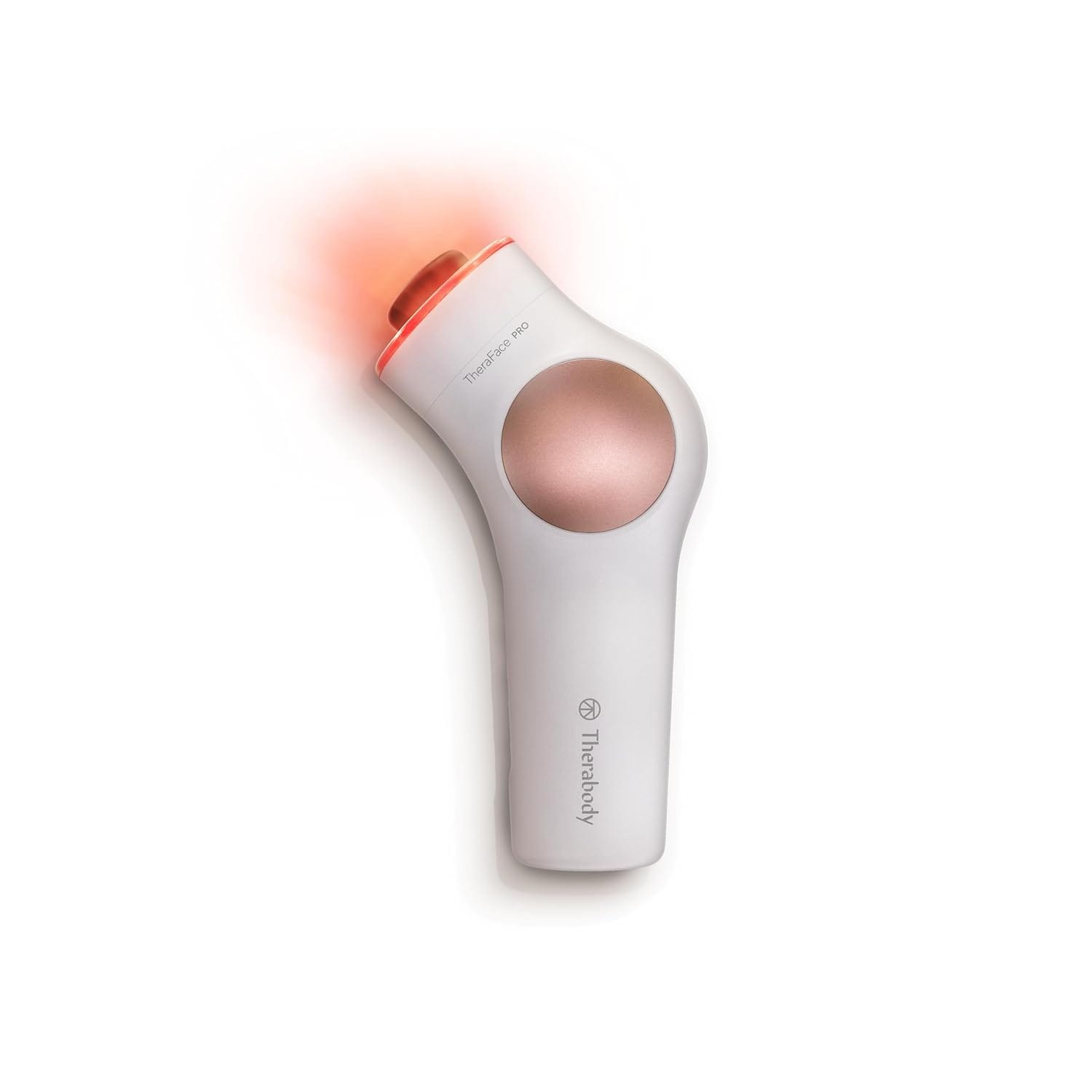
Multitasking devices combine multiple technologies - LED, microcurrent, RF, massage, and sometimes heat or cold therapy - into a single handheld unit. Examples include the TheraFace Pro, NuFACE Trinity+, and Solawave 4-in-1. The convenience is appealing, but combination devices often compromise on the power of each individual technology compared to dedicated devices.
What it treats: Multiple concerns simultaneously - lifting, collagen, texture.
- Convenience: Excellent for travel and minimalist routines
- Evidence: Varies by technology. Combined devices have not been studied as separate treatments
- Compromise: Lower energy density per technology compared to single-purpose devices
- Best for: Beginners who want to explore multiple technologies without buying 4 separate devices
Device Comparison Table
| Device | Evidence | Primary Benefit | Frequency | Results | Price Range |
|---|---|---|---|---|---|
| LED Mask | Strongest | Collagen, wrinkles | 3-5x/week | 8-12 weeks | $200-500 |
| Microcurrent | Limited | Temporary lift | 4-5x/week | Immediate (24h) | $150-450 |
| RF Device | Moderate | Tightening | 2-3x/week | 8-12 weeks | $200-500 |
| Derma Roller | Limited | Product absorption | 1-2x/week | Ongoing | $10-40 |
| High-Frequency | Limited | Acne bacteria | 2-3x/week | Immediate | $30-100 |
| Ice Roller | Anecdotal | De-puffing | Daily | Immediate (temp) | $10-85 |
| Facial Steamer | Anecdotal | Cleansing prep | 1-2x/week | Temporary | $30-200 |
| Multitasking | Varies | Multiple | Per component | Varies | $150-400 |
Anti-Aging Device Comparison - Visual Guide
How to Choose the Right Device
Choosing the right at-home anti-aging device depends on your primary concern, budget, and willingness to commit to a treatment schedule. Here is a step-by-step approach:
- Step 1: Identify your primary concern - collagen loss (LED), laxity (RF), or temporary lift (microcurrent)
- Step 2: Consider your commitment level - LED requires 3-5 sessions per week for 8-12 weeks before visible results
- Step 3: Set a budget - LED masks ($200-500) are the most evidence-backed investment
- Step 4: Start with one device. Adding multiple devices before establishing a routine leads to abandonment
- Step 5: Pair with a consistent topical routine - devices enhance but do not replace vitamin C, retinoids, and SPF
For a comprehensive anti-aging strategy that combines devices with professional treatments, explore our guides to professional anti-aging facials and complete anti-aging skincare.
Safety Considerations for At-Home Devices
The American Academy of Dermatology emphasizes that at-home devices must be used with care. While most at-home devices are FDA-cleared for safety, they are not risk-free. Follow these safety guidelines:
- Always read the manual: Each device has specific usage guidelines and contraindications
- Keep devices clean: Bacteria buildup on device heads can cause breakouts and infection
- Avoid active acne: Do not use microcurrent, RF, or derma rollers over active breakouts
- Watch for overheating: If a device feels too hot, stop immediately to avoid burns
- Consult a dermatologist: Before starting any device routine, especially if you have a skin condition
- Pace yourself: More is not better. Overusing devices can damage the skin barrier
The Optimizer's Edge
If you buy only one at-home anti-aging device, make it an LED mask. The clinical evidence for collagen stimulation is years ahead of other technologies. Add RF if your primary concern is skin laxity. Microcurrent is a pre-event tool, not an anti-aging strategy. Derma rollers, high-frequency, steamers, and ice rollers are complementary tools with secondary benefits. And remember: the best device in the world cannot replace daily SPF 30+ and a consistent retinoid routine.
⏱ What to Expect
Individual results vary. Consistency over months is required for visible outcomes.
Your Clear Skin Checklist
- Step 1: Start with one device only - LED mask is the most evidence-backed choice. Use 3-5 times per week for 10-20 minutes.
- Step 2: Continue daily SPF 30+, retinoid at night, and vitamin C in the morning. Devices enhance but cannot replace these essentials.
- Step 3: Track progress with monthly photos. Most at-home devices require 8-12 weeks of consistent use before visible results appear.
Conclusion
LED light therapy is the most evidence-backed at-home device for anti-aging, with multiple clinical studies supporting collagen stimulation and wrinkle reduction. Radiofrequency offers moderate evidence for subtle tightening. Microcurrent provides temporary cosmetic improvement but no structural change. Derma rollers, high-frequency wands, facial steamers, and ice rollers offer secondary benefits but should not be relied upon for anti-aging.
For all devices, consistent use over months, not weeks, is required for visible results. No at-home device can replace a daily retinoid, vitamin C serum, and broad-spectrum SPF 30+ routine. The best approach combines evidence-based topical ingredients with one well-chosen device used consistently.
Explore our anti-aging face masks, our guide to anti-aging facial oils, and our breakdown of anti-aging ingredients for complementary strategies that enhance your device routine.
Frequently Asked Questions About Anti-Aging Devices
Which anti-aging device has the strongest clinical evidence?
How long until I see results from an at-home device?
Are at-home devices as effective as professional treatments?
Can I use multiple devices on the same day?
What is the best anti-aging device for beginners?
This article is for informational purposes only and does not replace professional dermatological advice. If you have persistent skin concerns, consult a board-certified dermatologist.