Skincare Routine for Dehydrated Skin: A Barrier-First AM and PM Plan
A barrier-first AM and PM skincare routine for dehydrated skin, including what to use, what to stop, and how to choose moisturizer by skin type.

In this guide
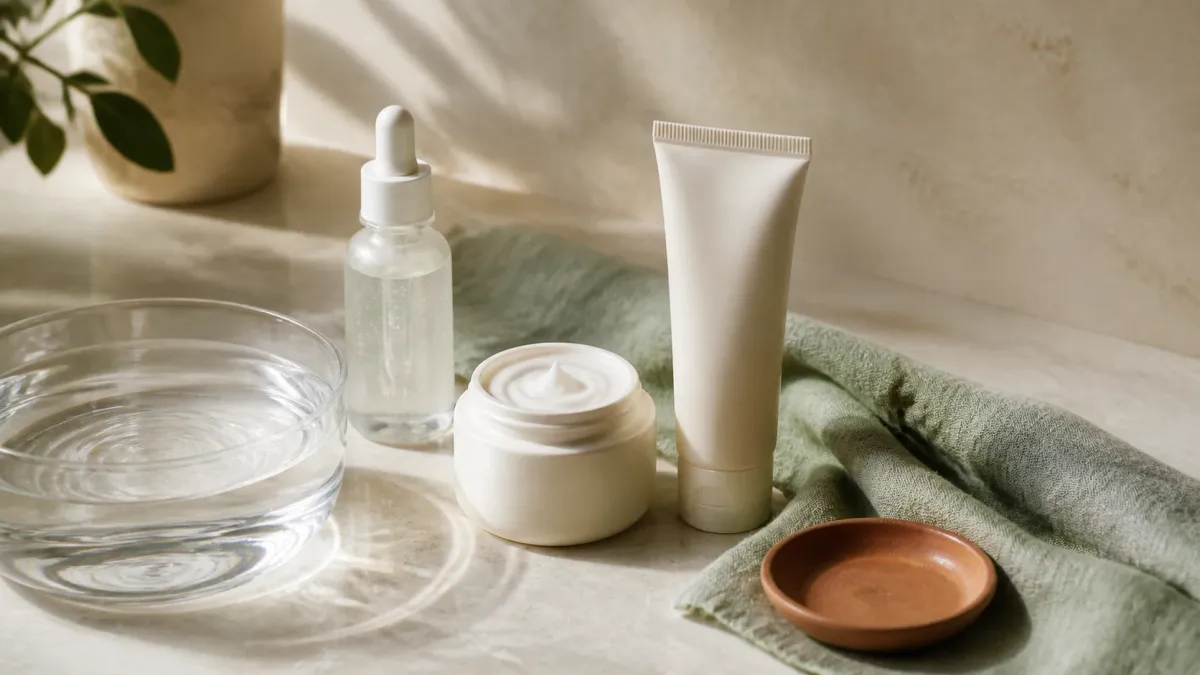
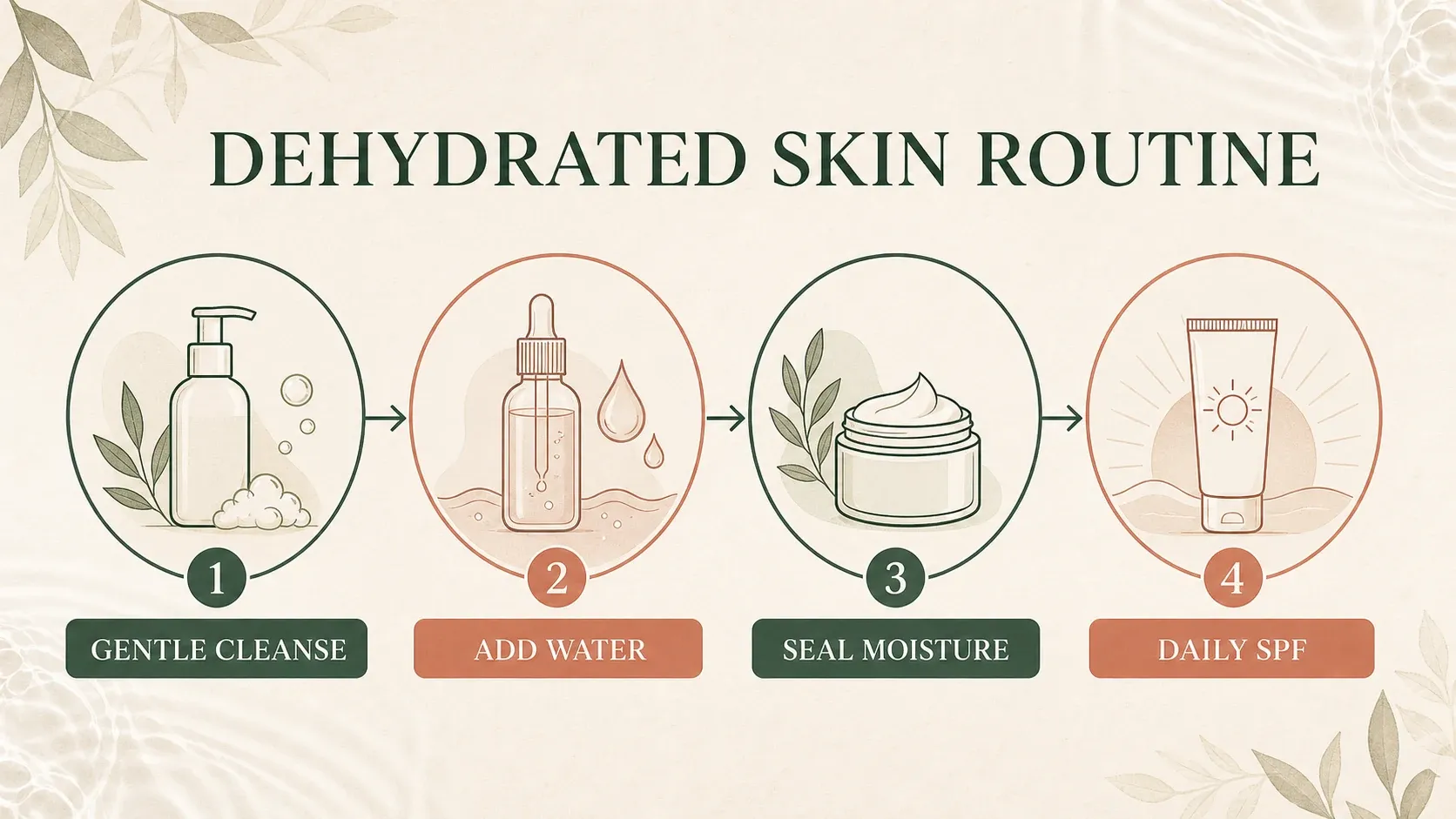
A skincare routine for dehydrated skin should do four things: cleanse without leaving tightness, add a water-binding layer only if needed, seal that water with a suitable moisturizer, and use sunscreen every morning. Dehydrated skin lacks water in its outer layer; it can still be oily, acne-prone, or naturally dry. If your face stings, peels, or feels shiny-tight, simplify before adding another serum. Use a gentle cleanser at night, moisturizer on slightly damp skin, and pause optional acids or scrubs until the skin feels comfortable again. Persistent redness, itching, cracking, swelling, or a rash needs professional assessment because “dehydration” can overlap with dermatitis, eczema, rosacea, or a product reaction.
SkinOptimizer is an educational skincare resource. We compare ingredient roles, product labels, routine logic, and reputable dermatology sources. We do not diagnose skin conditions, perform personal product testing, or present this guide as medical treatment.
A skincare routine for dehydrated skin works best when it is built around water retention, not the number of bottles on your shelf. At SkinOptimizer, we see the same pattern across many routines: skin feels tight, so another mist, essence, serum, mask, or exfoliating “glow” step gets added. The routine becomes more complicated while the burning, flaking, or midday oiliness continues.
The more useful question is not “Which hydrating product should I add?” It is “Where is water being lost, and which step is making that loss worse?” Sometimes the answer is a harsh cleanser. Sometimes it is hot water, daily exfoliation, dry indoor air, a retinoid schedule that increased too quickly, or a moisturizer that is too light for the current conditions.
This guide separates dehydrated skin from naturally dry skin, then builds a simple morning and evening routine. It also explains when humectants such as glycerin or hyaluronic acid help, when a cream or occlusive layer matters more, and when tightness is a warning sign rather than a cue to keep layering. The goal is comfortable, predictable skin—not a temporary wet-looking finish.
Two Product Examples for a Simple Dehydrated-Skin Base
You do not need a complete branded routine. These two examples fill separate jobs: one removes sunscreen and daily residue without an active acid; the other adds lightweight humectant and barrier-supporting ingredients. Check the current ingredient list and packaging before buying because formulas and listings can change.
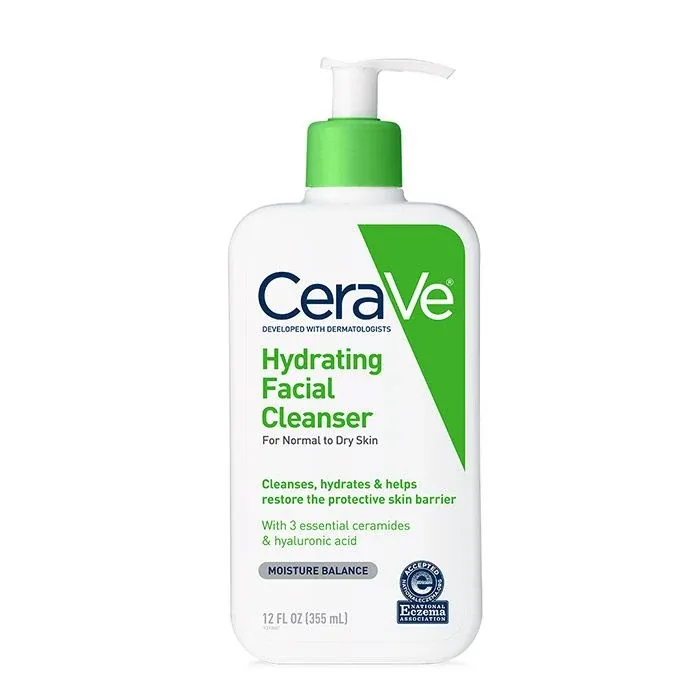 Gentle cleanser example
CeraVe Hydrating Facial Cleanser
Who it fits: normal-to-dry or treatment-sensitive skin that wants a fragrance-free, non-foaming cleanse.
Why it fits: it is a straightforward lotion-cleanser example for removing daily residue without building exfoliation into the cleansing step.
Watch-out: the conditioned finish may feel too lotion-like for oily skin and may not remove resistant makeup or water-resistant sunscreen alone.
Check current Amazon options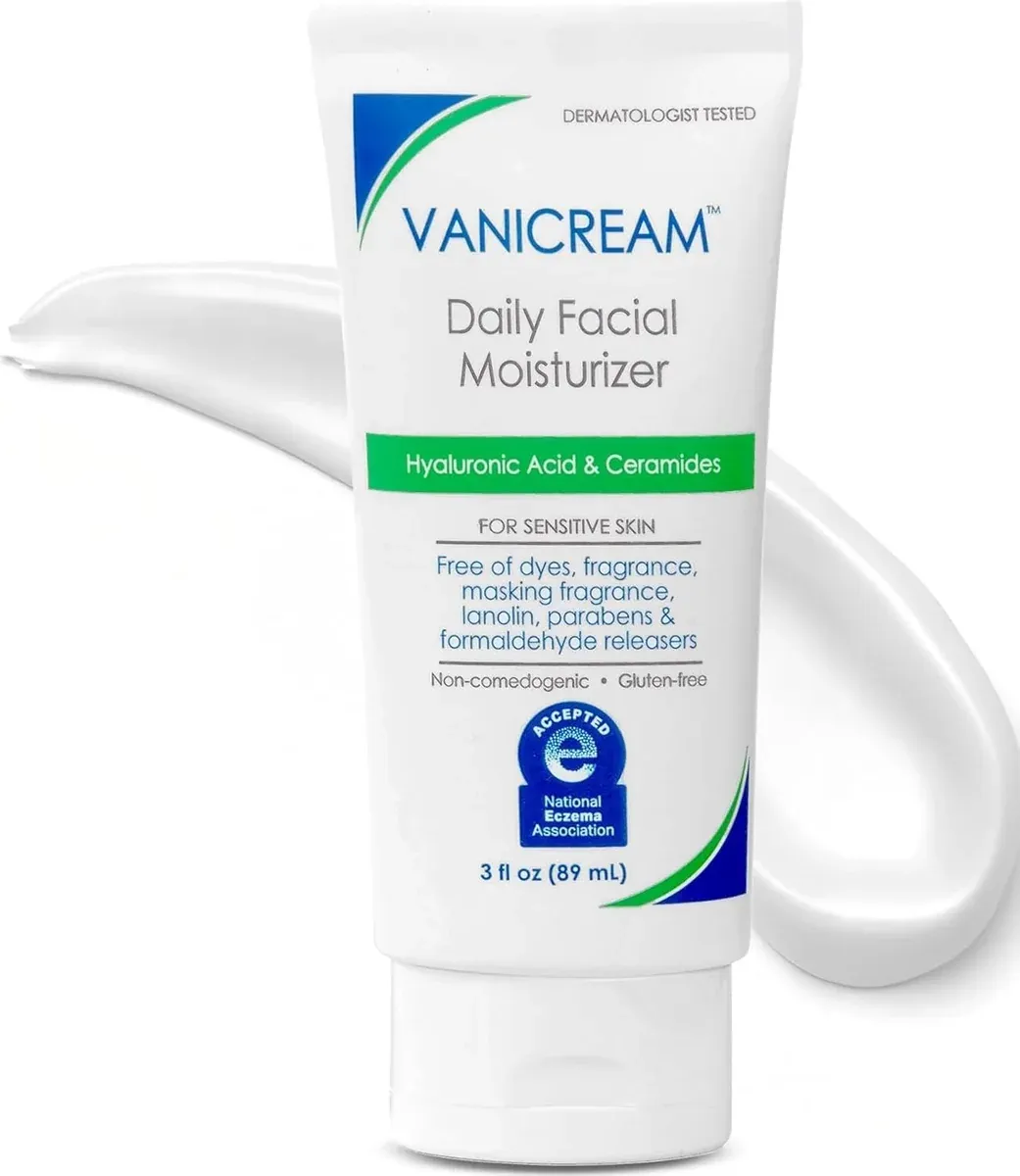 Light moisturizer example
Vanicream Daily Facial Moisturizer
Who it fits: sensitive, combination, or acne-prone skin that wants a lighter lotion rather than a dense cream.
Why it fits: the current formula uses hyaluronic acid and ceramides in a simple daily moisturizer that can sit under sunscreen.
Watch-out: very dry skin or winter-dry areas may need a richer cream on top or only on selected zones.
Check current Amazon optionsAs an Amazon Associate, we earn from qualifying purchases. Product availability, sellers, packaging, and ingredients can change.
For more options, compare the best cleansers for dry and sensitive skin and our guide to moisturizing dehydrated skin without overdoing it. Those comparisons help you choose texture without turning this routine into a long shopping list.
Dry Skin vs. Dehydrated Skin: Start With the Right Problem
Dry skin generally produces less oil and often prefers richer textures over time. Dehydrated skin describes low water content in the outer skin layer. It may look dull, show temporary fine lines, feel tight after washing, or swing between surface oil and uncomfortable tightness.
That distinction matters because a heavy cream is not automatically the right answer for every dehydrated face. An oily, acne-prone person may need a gentler cleanser and a lighter lotion. A naturally dry person may need the same gentle cleanse plus more emollient and occlusive support.
| What you notice | Likely starting point | Useful first adjustment |
|---|---|---|
| Little natural oil, roughness, frequent flaking | Dry skin, possibly dehydrated too | Use a creamier moisturizer and reduce stripping cleansers. |
| Oily shine with tightness or fine surface lines | Oily or combination skin with dehydration | Keep the moisturizer light, but simplify acids and harsh foaming. |
| Burning, redness, raw peeling, sudden sensitivity | Possible irritation or barrier disruption | Pause optional actives and assess for a product reaction or skin condition. |
| Persistent itch, cracks, rash, or inflamed patches | May be more than cosmetic dehydration | Seek qualified assessment instead of repeatedly changing products. |
If your main issue is persistent dryness rather than temporary tightness, compare our daily routine for dry skin. If stinging began after too many actives, use the more focused skin barrier repair guide.
Morning Skincare Routine for Dehydrated Skin
The morning goal is to keep overnight comfort, add only the hydration your skin needs, and create reliable sun protection. A full cleanse is optional. If your face feels comfortable and is not oily, sweaty, or covered in a heavy overnight product, a lukewarm-water rinse may be enough.
Step 1: Cleanse only as much as necessary
Use fingertips, lukewarm water, and a short rinse. The American Academy of Dermatology’s face-washing guidance recommends a gentle, non-abrasive cleanser and avoiding scrubbing. If your cheeks feel tight before you have dried them, the cleanser or technique deserves review.
Step 2: Add a hydrating layer only if it improves comfort
A hydrating serum or toner can be useful, especially under a light moisturizer. Look for glycerin, hyaluronic acid, panthenol, beta-glucan, or sodium PCA. Apply a thin layer rather than soaking the skin through repeated applications.
This step is optional. A well-formulated moisturizer already contains water and often includes humectants. If a separate serum pills under sunscreen, stings, or creates more product without more comfort, remove it.
Step 3: Seal with a moisturizer that matches your oil level
Apply moisturizer while skin is slightly damp, not dripping. Oily or humid-climate skin may prefer a gel-cream or light lotion. Dry skin, cold weather, or retinoid-treated areas may need a cream. The goal is a comfortable finish that lasts until the next cleanse.
Step 4: Finish with broad-spectrum sunscreen
Use a broad-spectrum SPF 30 or higher on exposed skin. Choose the finish you can apply generously and consistently. A moisturizing sunscreen may replace a separate morning moisturizer for oily skin, while dry skin may prefer both layers. Our sensitive-skin sunscreen guide compares gentle options and practical limitations.
| Morning step | Default choice | When to adjust |
|---|---|---|
| Cleanse | Water rinse or gentle cleanser | Use cleanser for oil, sweat, or heavy overnight residue. |
| Hydrating layer | Optional thin serum or toner | Skip if it stings, pills, or adds no comfort. |
| Moisturizer | Light lotion or cream by skin type | Use richer texture only on areas that stay tight. |
| Protection | Broad-spectrum SPF 30+ | Choose water resistance for sweat or outdoor exposure. |
Evening Routine for Dehydrated Skin
The evening routine removes what accumulated during the day, then creates a calm environment for the skin. It should not be the moment when cleanser, exfoliant, retinoid, treatment serum, and mask all compete for attention.
Step 1: Remove sunscreen and makeup completely
If you wear resistant sunscreen or makeup, use a dedicated first cleanse and follow with a mild second cleanser only when residue remains. If you wear little product, one gentle cleanse is enough. Two short cleanses can be less irritating than one aggressive foaming wash, but double cleansing is not mandatory.
Step 2: Decide whether tonight is an active night
If your skin feels calm, you may continue a tolerated retinoid, acne treatment, or exfoliant according to its directions. If your face stings, peels, or feels raw, make it a recovery night. The retinoid acne guide explains why frequency and irritation management matter more than forcing nightly use.
Step 3: Moisturize, then add targeted occlusion if needed
Use the same light moisturizer as morning or a slightly richer cream. Apply a thin occlusive layer only to persistently dry zones when that texture suits you. Covering an oily, acne-prone face in a heavy ointment is not required to “seal” hydration.
The Seven-Day Stop List for Shiny-Tight or Stinging Skin
A short reset is useful when every new “hydrating” product seems to sting. This is not a medical treatment or a promise to repair every barrier problem in seven days. It is a controlled way to remove common irritation variables and see whether a simple base feels better.
Keep necessary prescription treatment decisions with the clinician who prescribed them. If irritation began after a prescription, contact that clinician rather than changing the schedule blindly. For a broader damage pattern, compare our guide to avoiding skin barrier damage.
During the reset, use a gentle cleanser when needed, one tolerated moisturizer, and sunscreen in the morning. If skin becomes more swollen, itchy, painful, cracked, or rash-like, stop experimenting and seek professional care.
Humectants, Emollients, and Occlusives: What Each Layer Does
“Hydrating” is a marketing umbrella. The more useful categories are humectants, emollients, and occlusives. Many moisturizers combine all three, so you do not need one separate bottle for each role.
DermNet’s moisturizer overview explains that humectants attract and retain water, emollients soften the outer layer, and occlusives reduce evaporative water loss. A review indexed on PubMed similarly describes how these moisturizer components support different parts of barrier function.
| Ingredient role | Common examples | Best use and limitation |
|---|---|---|
| Humectant | Glycerin, hyaluronic acid, urea, sodium PCA | Adds water-binding support; may feel insufficient alone in very dry air. |
| Emollient | Squalane, fatty alcohols, plant oils, ceramide-containing blends | Smooths roughness and improves feel; richer formulas may feel heavy on oily zones. |
| Occlusive | Petrolatum, mineral oil, dimethicone | Reduces water loss; can feel greasy and works best where extra sealing is actually needed. |
When Hyaluronic Acid Is Optional
No single ingredient is mandatory. Hyaluronic acid can be useful, but glycerin is also an effective humectant and appears in many cleansers and moisturizers. If a hyaluronic acid serum leaves the face sticky or tight, apply less, follow with moisturizer, or remove the separate serum.
Ceramides: Helpful but Not a Guarantee
Ceramides are relevant barrier lipids, but the word on the label does not tell you whether the whole formula suits your skin. Texture, fragrance, other actives, climate, amount, and routine overlap still matter. Choose a product you can apply consistently without stinging or clogging concerns.
How to Adjust the Routine for Oily, Acne-Prone, or Sensitive Skin
Oily and dehydrated skin
Keep the moisturizer light and reduce stripping. Do not chase every patch of shine with a stronger cleanser. A gentle gel cleanser at night, light lotion, and comfortable sunscreen may work better than a mattifying wash plus several hydrating serums.
Acne-prone and dehydrated skin
Separate treatment from cleansing. Use a plain cleanser as the base, then add one acne active for a defined reason. Our simple acne-prone AM and PM routine shows how to keep moisturizer and sunscreen while reducing treatment overlap.
Sensitive or redness-prone skin
Prefer fragrance-free products and change one item at a time. Skin that flushes, burns, or develops acne-like red bumps may need a different assessment than “dehydration.” The rosacea cleanser decision guide explains why a calm, minimal cleanse is safer than escalating acne actives when the diagnosis is unclear.
Lifestyle Factors: Useful Support Without Hydration Myths
Drink enough fluid for your general health, but do not treat extra water as a substitute for a suitable topical routine. If you are already normally hydrated, forcing more water does not correct a cleanser that strips the surface or a treatment schedule that causes irritation.
Low indoor humidity can increase discomfort. A clean humidifier may help in a heated winter room, but it needs regular cleaning according to its instructions. Shorter lukewarm showers, gentle patting instead of rubbing, and applying moisturizer soon after washing are simple changes supported by the AAD’s dry-skin care guidance.
Sleep, balanced nutrition, and stress management support general health, but they should not be sold as a three-day skin cure. Track direct routine variables first: cleanser, water temperature, active frequency, moisturizer texture, sunscreen, weather, and new products.
When Dehydrated-Looking Skin Needs Professional Help
Dehydrated skin is a useful cosmetic description, not a diagnosis. Seek qualified care if the problem persists despite a simple routine or includes pain, marked itching, swelling, cracks, bleeding, widespread rash, oozing, eye-area involvement, or rapidly worsening redness.
Professional assessment also matters when you suspect eczema, contact dermatitis, rosacea, psoriasis, infection, or a medication reaction. A moisturizer can support comfort, but it cannot identify the cause of persistent inflammation.
Final Takeaway
The best skincare routine for dehydrated skin is usually a controlled routine, not a layered one. Cleanse only as much as necessary. Add a humectant layer if it improves comfort. Seal with a moisturizer that fits your natural oil level, and protect the skin every morning.
If the routine keeps causing burning or peeling, stop asking which hydrating product to add and identify the irritation source. A stable cleanser-moisturizer-sunscreen base gives you a clearer answer than a shelf of overlapping serums.
Frequently Asked Questions About Skincare Routine for Dehydrated Skin
How can I tell if my skin is dehydrated or naturally dry?
Naturally dry skin usually produces less oil and often prefers richer textures consistently. Dehydrated skin lacks water and may affect dry, normal, combination, or oily skin. Tightness after cleansing, dullness, and temporary fine surface lines can suggest dehydration, but persistent itching, rash, cracks, or inflammation deserves professional assessment.
How long does a dehydrated skin routine take to work?
Comfort after cleansing may improve within days when an obvious irritant is removed, but there is no universal recovery timeline. Give a simple tolerated routine enough time to evaluate while stopping sooner for swelling, rash, severe burning, or worsening symptoms. Persistent problems may not be cosmetic dehydration.
Should dehydrated skin use hyaluronic acid every day?
It can, but it does not have to. Hyaluronic acid is one humectant among several. Use a thin layer and follow with moisturizer if it improves comfort. If it feels sticky, tight, or irritating, a moisturizer containing glycerin or other humectants may be enough without a separate serum.
Can oily acne-prone skin be dehydrated?
Yes. Natural oil production and water content are different variables. Oily dehydrated skin often benefits from gentler cleansing, fewer overlapping acids, a light fragrance-free lotion, and sunscreen rather than a very rich cream across the whole face.
Should I stop retinol or exfoliating acids when my skin feels dehydrated?
Pause optional exfoliants when skin burns, peels, or feels raw. For prescription retinoids or acne medication, ask the prescribing clinician how to adjust frequency. Do not assume that pushing through worsening irritation will produce faster results.
This article is for informational purposes only and does not replace professional dermatological advice.
If tightness began after moving or traveling, use our hard water and skin troubleshooting guide to separate water hardness from hot water, cleanser strength, and low humidity.