How to Prevent Wrinkles: The Habits and Skincare That Matter
A practical, evidence-based wrinkle prevention plan built around UV protection, moisturizer, retinoids and habits that matter.

In this guide
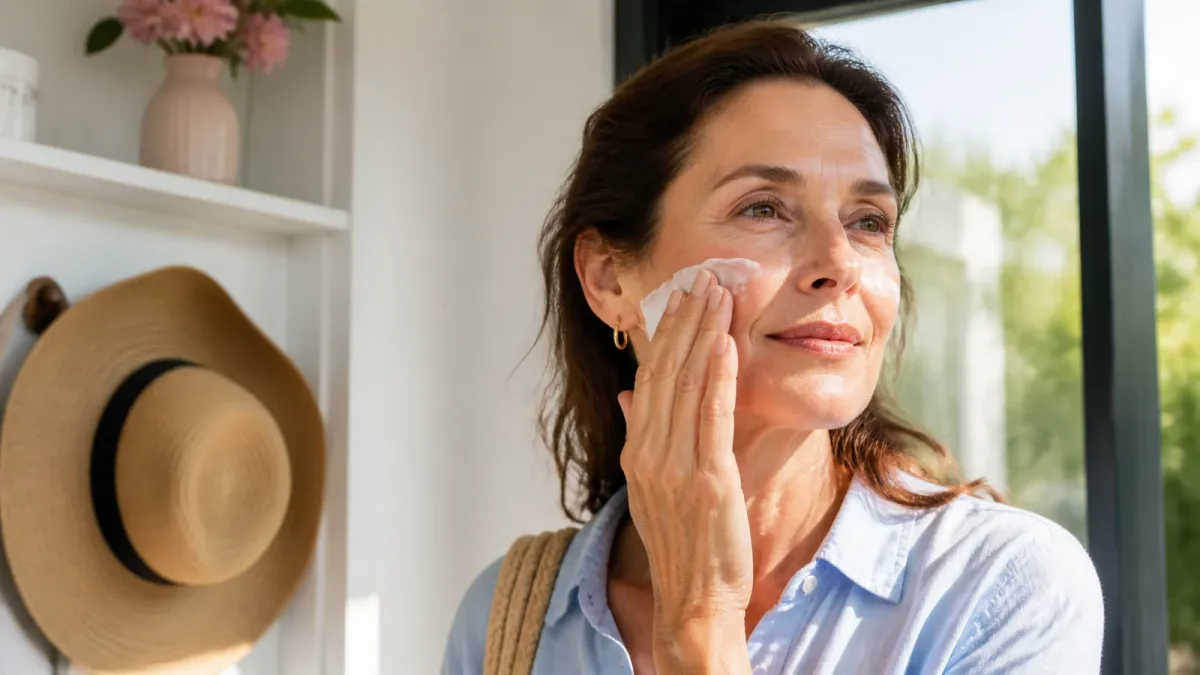
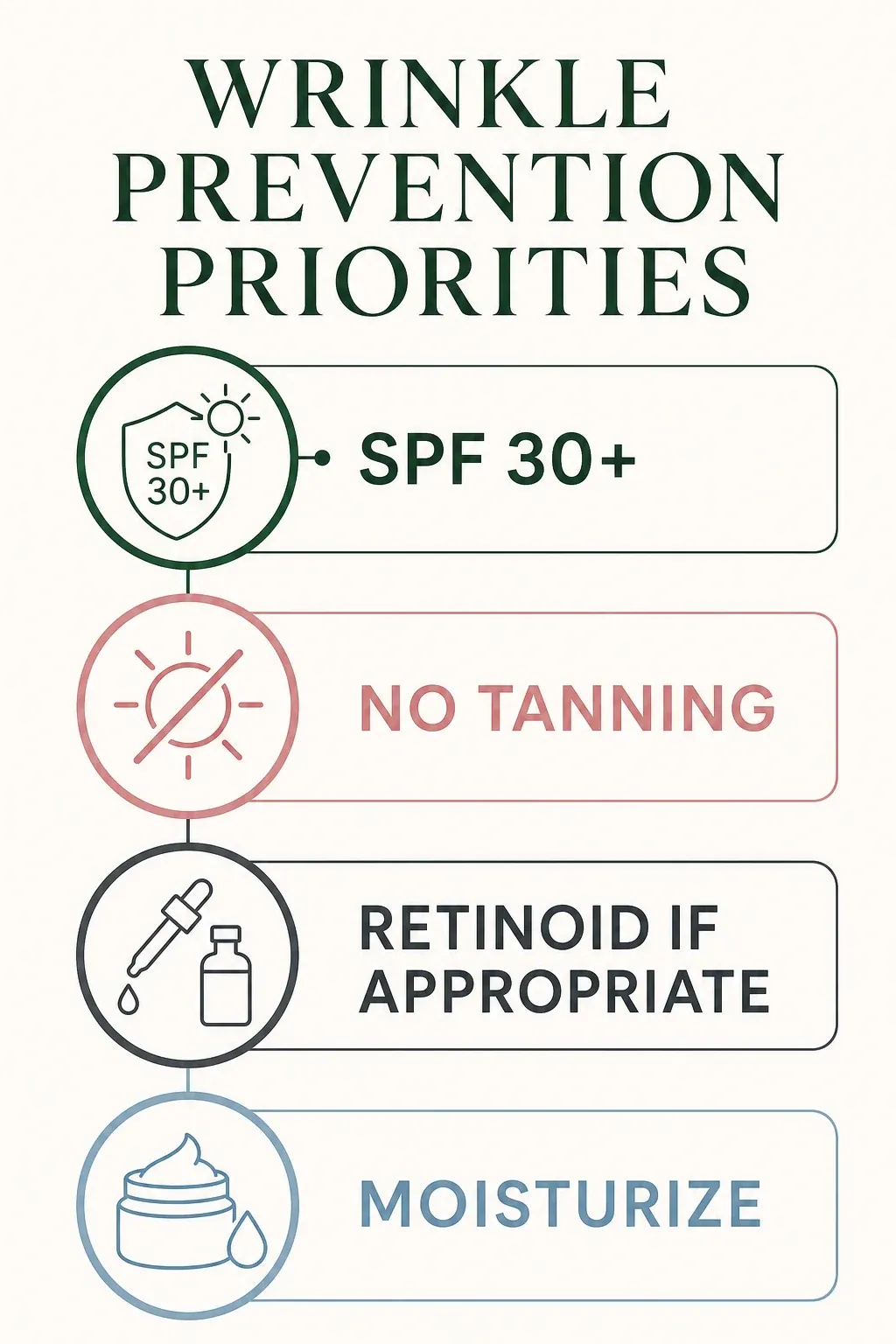
You cannot prevent every wrinkle because normal aging, genetics and facial movement continue throughout life. You can reduce premature photoaging by protecting skin from ultraviolet exposure every day, avoiding tanning, not smoking, moisturizing dry skin and using a retinoid slowly when it is appropriate for you. Start with broad-spectrum SPF 30+ plus shade and clothing; expensive anti-aging products cannot compensate for repeated unprotected sun exposure.
Sleep position is a smaller and less certain factor than UV exposure, but repeated pillow pressure can explain some morning creases. Our evidence review on side sleeping and wrinkles separates temporary marks from persistent sleep lines without asking you to sacrifice healthy rest.
Quick Summary
- UV protection is the highest-priority step because sunlight is a major driver of premature skin aging.
- Use broad-spectrum SPF 30+ correctly and combine it with shade, clothing, hats and sunglasses.
- Moisturizer softens dehydration lines; a retinoid can address mild photoaged texture over months.
- Avoid tanning and smoking, introduce one active at a time and do not chase complete wrinkle prevention.
What You Can and Cannot Prevent
Wrinkles form through a combination of intrinsic aging and external exposure. Intrinsic aging is the normal biological process influenced by time, genes, hormones and anatomy. Skin gradually becomes thinner and drier, and the deeper tissues of the face change. No cream, diet or habit can stop that process completely.
Extrinsic aging is the portion accelerated by outside factors, especially ultraviolet radiation. Smoking, tanning, chronic irritation and some environmental exposures also contribute. Prevention therefore means reducing avoidable acceleration, not preserving a frozen face or promising the same result to every person.
This realistic definition is useful. It moves the routine away from fear and toward controllable decisions: protect against UV, keep the barrier comfortable, choose one evidence-based treatment when appropriate and avoid habits that repeatedly injure the skin.
| Factor | How controllable is it? | Best response |
|---|---|---|
| Ultraviolet exposure | Highly modifiable | Shade, clothing and broad-spectrum SPF 30+ |
| Tanning beds | Avoidable | Do not use; choose sunless color if desired |
| Smoking | Modifiable with support | Seek an evidence-based quit plan |
| Dryness and irritation | Often manageable | Gentle cleansing and moisturizer |
| Genes and normal aging | Not preventable | Use realistic expectations |
| Facial movement | Partly modifiable but normal | Do not try to eliminate expression |
The American Academy of Dermatology separates normal aging from premature aging and places daily sun protection first. Its advice also includes avoiding tanning, not smoking, moisturizing, cleansing gently and stopping products that repeatedly sting or burn.
Priority One: Reduce UV Exposure
Broad-spectrum sunscreen protects against UVA and UVB. UVA contributes to photoaging and passes through some window glass, while UVB is a major cause of sunburn. The SPF number mainly describes tested UVB protection, so the broad-spectrum label matters when wrinkle prevention is the goal.
Choose SPF 30 or higher for exposed skin and a water-resistant formula for sweat or water. Apply it before exposure and follow the label for reapplication. Outdoor protection also includes shade, clothing, a broad-brimmed hat and UV-protective sunglasses. Sunscreen is not an invisible shield and should not be used to stay outside longer.
The AAD sunscreen guidance recommends broad-spectrum, water-resistant SPF 30 or higher and emphasizes that sunscreen cannot provide complete protection by itself. Our complete UV protection guide turns that advice into an exposure-based plan.
Apply enough to the places people miss
Cover the face, ears, front and back of the neck, chest and hands when exposed. Hairline, temples and the area around sunglasses are common gaps. If a facial bottle is too expensive to apply generously, choose a more practical format rather than rationing a luxury sunscreen.
Reapply during continued outdoor exposure and after swimming, sweating or towel drying according to the label. Makeup does not cancel this requirement. The sunscreen reapplication guide compares lotion, stick and powder strategies without pretending every method delivers the same amount.
Do not use weather as the risk test
Cool, cloudy or windy days can still involve meaningful UV exposure. Check the local UV Index and think about duration, time, altitude and reflected light from water, sand, snow or concrete. A short walk and an all-day outdoor event are different exposure problems.
Window exposure also varies. Someone who sits beside a bright window or drives for hours has a different pattern from someone working deep inside a building. Use context instead of an absolute internet rule. Shade and distance from the window can be as relevant as another layer.
Priority Two: Avoid Deliberate Tanning
A tan is a response to ultraviolet injury, not a healthy base coat. Tanning beds expose skin to UV radiation and accelerate the same processes that prevention is meant to reduce. A so-called base tan offers little protection and creates additional exposure before a holiday even begins.
Sunless tanning products can change skin color without deliberate UV exposure, but most do not provide meaningful sun protection unless the label separately states an SPF. Continue the full protection routine. Wash hands after application and use care around dry areas for a more even cosmetic result.
Priority Three: Stop Repeated Irritation
Harsh scrubs, strong acids, retinoids and fragranced products can all irritate when the routine exceeds tolerance. Irritation makes skin look red, dry and more lined. It also encourages frequent product switching, which makes the original problem harder to identify.
Use a gentle cleanser and lukewarm water. Wash after heavy sweating, but do not cleanse three or four times daily to control aging. Apply moisturizer while the skin is slightly damp. If every product suddenly stings, pause optional actives and use the sensitive-skin barrier repair plan.
A Simple Morning Wrinkle-Prevention Routine
1. Cleanse gently
Use water or a mild cleanser based on oil, sweat and residue. Tightness is not proof of a better cleanse.
2. Moisturize
Choose a lotion or cream that keeps skin comfortable under sunscreen. Hydration can soften shallow lines.
3. Protect
Apply broad-spectrum SPF 30+ to exposed skin and add shade, clothing, a hat and sunglasses.
Vitamin C is optional. A stable formula may support an antioxidant routine and uneven-tone goals, but it does not replace sunscreen. If it stings or pills under protection, remove it. A three-step routine used consistently is more preventive than six layers that make you skip sunscreen.
Use the anti-aging sunscreen guide to compare texture and use cases. Acne-prone readers can narrow the choice with our acne-prone sunscreen picks.
A Simple Evening Routine
Remove makeup and resistant sunscreen without aggressive rubbing. Double cleansing is optional. Follow with moisturizer, then reserve one controlled slot for a retinoid if it is suitable for you.
Retinoids have stronger evidence for mild fine lines and photoaged texture than most cosmetic anti-aging ingredients. Start with the lowest practical intensity once weekly. Increase only after several weeks without persistent burning, rawness or painful peeling. The goal is a repeatable routine, not maximum irritation.
The AAD retinoid guidance recommends slow introduction and daily sun protection. Retinoids are avoided during pregnancy. People with significant redness, eczema, rosacea-like symptoms or active irritation should seek guidance before forcing a retinoid into the routine.
Retinoid, Peptide or Acid: Which Belongs First?
| Option | Main role | Prevention value | Main caution |
|---|---|---|---|
| Retinoid | Mild lines, texture and pigment | Strongest treatment role | Irritation; avoid in pregnancy |
| Peptide | Formula-specific supportive care | Optional | Evidence varies widely |
| Vitamin C | Antioxidant and tone support | Optional companion | Stability and stinging vary |
| Exfoliating acid | Surface texture | Not a core prevention step | Overuse damages tolerance |
| Moisturizer | Hydration and barrier support | High practical value | Does not rebuild lost tissue |
Choose the retinoid when mild photoaging is the main target and your skin can tolerate it. Choose a peptide product only after the basics are stable and the complete formula fits another need such as moisture. Use an acid for a defined texture problem, not as a weekly ritual because the skin is aging.
Our anti-aging ingredient guide ranks common actives by evidence and job. The anti-wrinkle cream shortlist separates a retinol treatment from moisture-first options.
Smoking, Sleep, Diet and Facial Movement
Smoking is associated with premature facial wrinkling and affects health far beyond appearance. Quitting can be difficult, so treat it as a medical and behavioral health goal rather than a beauty resolution. A clinician or evidence-based quit service can help with medication and support options.
Sleep affects how rested and hydrated skin appears, but a perfect sleeping position is not a guaranteed anti-wrinkle intervention. Side sleeping may create temporary creases, yet forcing an uncomfortable position can damage sleep quality. Prioritize adequate sleep and manage conditions that interrupt it.
A balanced diet supplies protein, essential fats, vitamins and minerals needed for normal tissue function. No single food prevents wrinkles. Avoid high-dose supplement promises and do not use vitamin A supplements as a substitute for topical treatment; excess vitamin A can be harmful.
Normal expression is part of communication. Sunglasses can reduce squinting in bright light, but trying never to smile is neither realistic nor a health strategy. The facial exercise evidence guide explains why increasing or eliminating movement is not a simple wrinkle solution.
One Daily Sunscreen Example
You do not need this exact sunscreen to prevent photoaging. It is a concrete example for a reader who wants a lightweight daily facial product and understands that another water-resistant option is needed for swimming or heavy sweat.
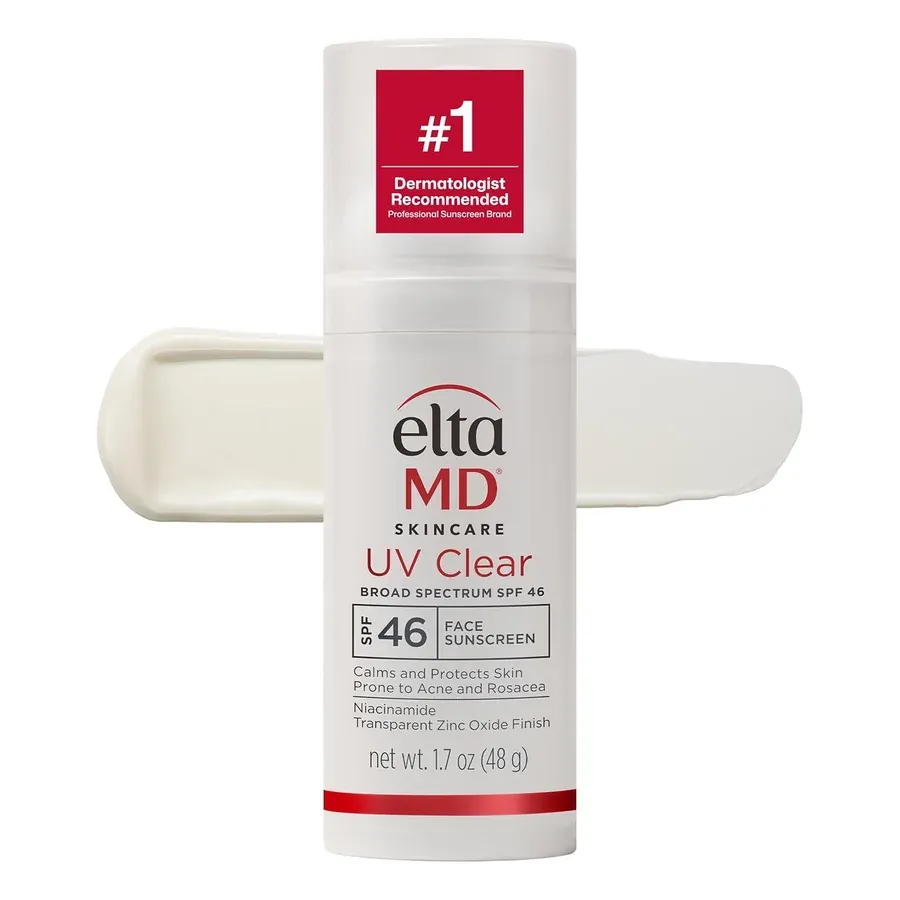
EltaMD UV Clear Broad-Spectrum SPF 46
Daily facial wear, acne-prone routines and readers who prefer a lightweight lotion.
It offers broad-spectrum SPF 46 in an oil-free facial format that can be easier to use consistently than a heavy body sunscreen.
Watch-out: It is not water resistant. Confirm the tint, size, seller and current ingredient list before ordering, and choose another formula for swimming or heavy sweat.
View on AmazonAs an Amazon Associate, SkinOptimizer may earn from qualifying purchases. Prices, sellers and availability can change.
How to Measure Prevention Without Becoming Obsessed
Prevention is difficult to photograph because the desired outcome is slower change. A good month does not make skin look ten years younger. Instead, track whether sunscreen is applied on exposure days, whether the skin remains comfortable and whether one treatment can be used without repeated resets.
If you take photographs, use the same camera, distance, light and neutral expression every two or three months. Avoid magnifying mirrors and daily comparison. Hydration, sleep and lighting can create larger short-term differences than the treatment.
Review the routine after twelve weeks. If it is too complex, simplify it. If sunscreen is skipped because it pills, remove the optional serum. If retinol causes repeated irritation, reduce frequency or ask a dermatologist about alternatives. Consistency is a design problem, not a character test.
Keep a simple monthly note with sunscreen comfort, treatment frequency and any irritation. This is more useful than counting lines every morning. Prevention succeeds when the routine remains protective and tolerable across ordinary workdays, travel and outdoor time.
Small systems matter.
When Prevention Advice Is Not Enough
A new rough or scaly patch, a changing mole, a sore that does not heal, unexplained bleeding or a rapidly changing lesion needs medical assessment. Anti-aging skincare cannot diagnose or treat skin cancer. Sun protection reduces risk but does not eliminate it.
See a qualified professional when pigmentation changes rapidly, a product causes swelling or blistering, or a rash persists after the newest product is stopped. Procedures can treat some visible photoaging, but they require a separate discussion of skin type, downtime, cost and risk.
The Bottom Line
The most effective wrinkle-prevention routine is not an expensive collection. It is a daily system that limits ultraviolet exposure, avoids tanning and smoking, supports the barrier and uses one appropriate treatment consistently. Sunscreen and moisturizer belong before specialty serums.
You cannot prevent normal aging or every expression line, and that is not failure. The realistic goal is healthier skin with less avoidable photoaging. Build the smallest routine you can repeat, adapt it to exposure and tolerance, and seek qualified care for concerning skin changes.
Frequently Asked Questions About How to Prevent Wrinkles
At what age should I start preventing wrinkles?
Daily sun protection is useful at every age. A retinoid is optional and should be chosen for a current concern and tolerance, not because of a birthday.
Can sunscreen really prevent wrinkles?
Regular broad-spectrum sunscreen use has randomized-trial evidence for reducing photoaging progression, but it cannot prevent normal aging or provide complete protection by itself.
Is moisturizer enough to prevent wrinkles?
Moisturizer reduces dryness and can soften dehydration lines. It does not replace sun protection or a retinoid when mild photoaged texture is the treatment target.
Should I use retinol every night for wrinkle prevention?
Not at first. Start once weekly, follow the product directions and increase only when skin remains comfortable. More frequent use is not useful if irritation forces you to stop.
Can sleeping on my back prevent wrinkles?
Sleep position may influence temporary creases, but evidence does not justify sacrificing sleep quality. Prioritize adequate sleep and proven UV protection.