Middle Eastern Skin Care: Build by Type, Tone and Climate
There is no single Middle Eastern skin type. Build a practical routine around oiliness, dryness, sensitivity, pigment concerns and climate.

In this guide
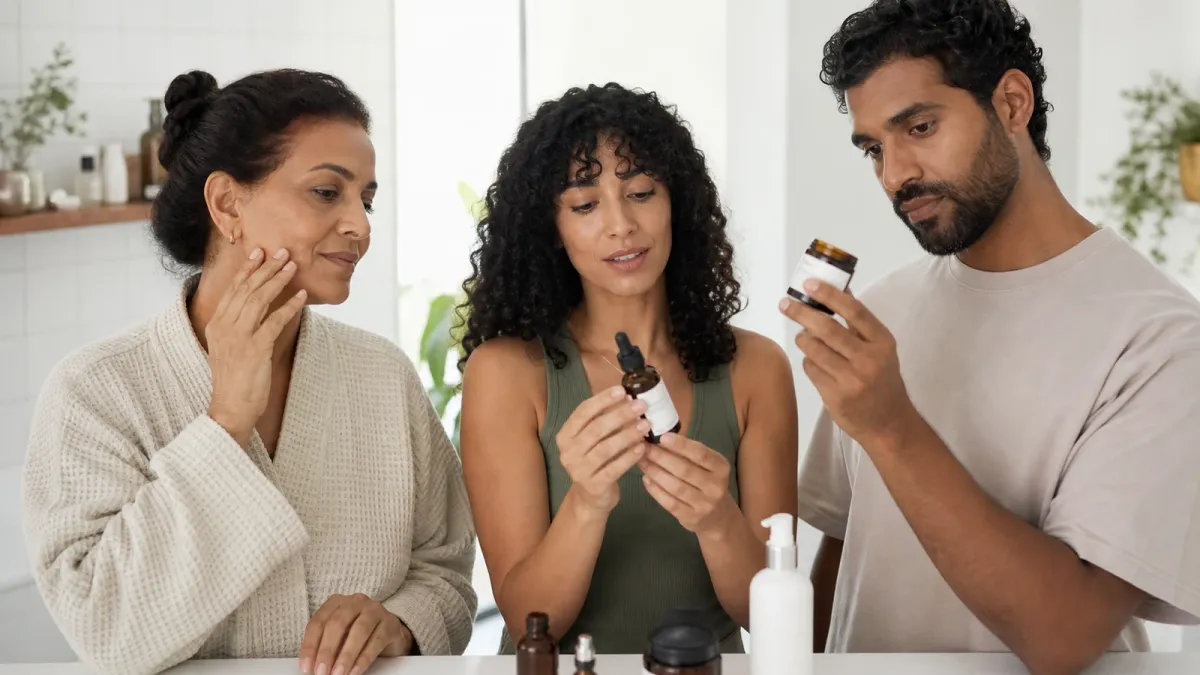
There is no single Middle Eastern skin type. Choose cleanser and moisturizer by oiliness, dryness and sensitivity; use broad-spectrum SPF 30+ every morning; and add one treatment for acne, dark marks or aging only after the base routine feels comfortable. Climate and skin tone refine the routine, while ancestry alone does not determine product strength or texture.
Quick Summary
- Separate regional identity, skin tone and skin type before choosing products.
- Use a three-step base: gentle cleanse, suitable moisturizer and SPF 30+.
- Treat acne gently so inflammation does not keep creating dark marks.
- Adjust texture for humidity, dry heat, wind and indoor air conditioning.
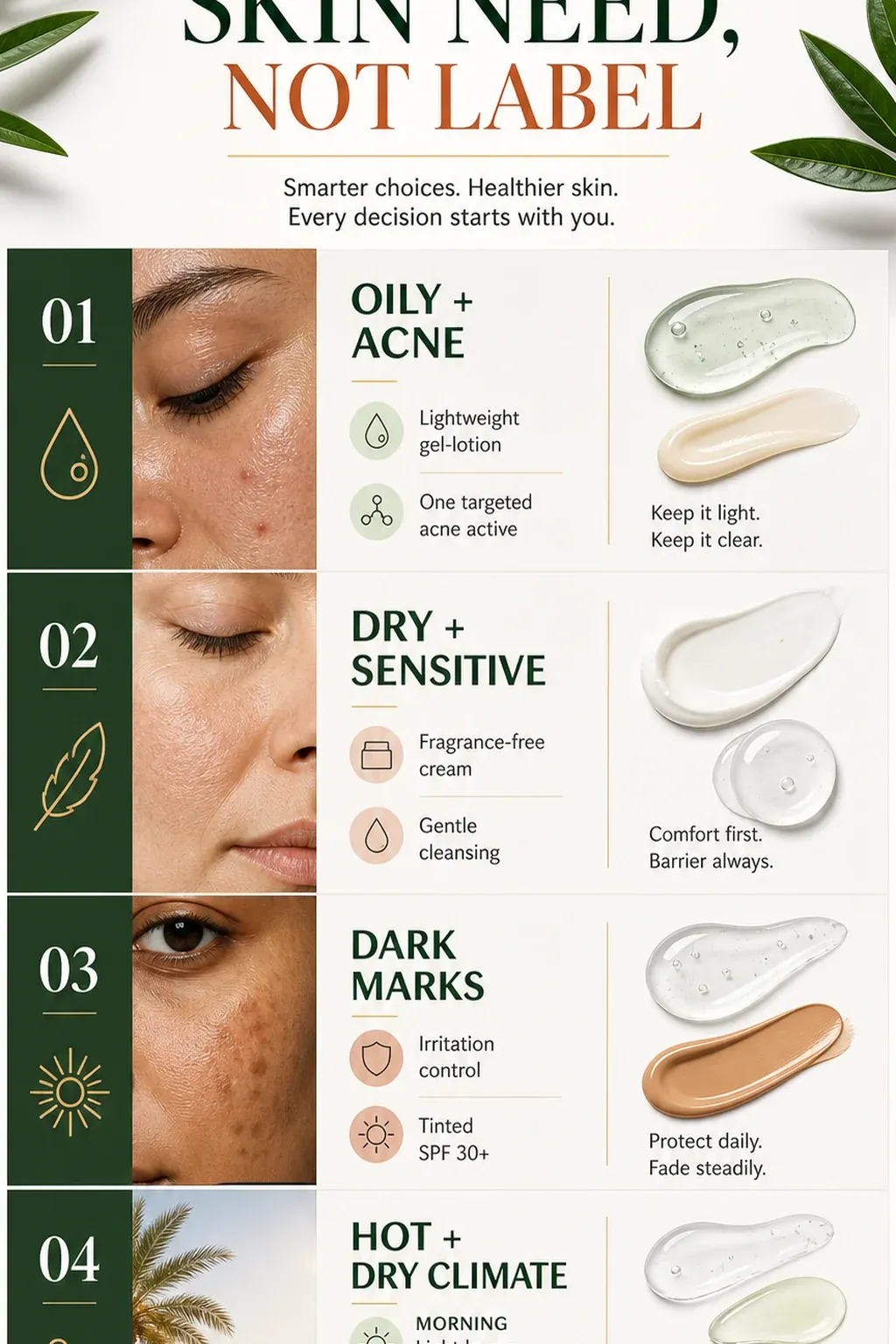
Middle Eastern skincare advice often compresses a vast region into one olive, oily or pigment-prone profile. That shortcut is inaccurate and not useful. This guide keeps the relevant concerns, including acne marks, melasma, climate and hair-removal irritation, while choosing every step from the reader's actual skin behavior.
Middle Eastern Is a Region, Not a Skin Type
People with roots in the Middle East and North Africa can have very light to very deep skin, freckles or no freckles, dry or oily skin, acne, eczema, rosacea-like redness, melasma or none of these. An identity label cannot select a cleanser or treatment strength for you.
Research categories also vary. A review of color and pigmentation in ethnic skin explains that ethnicity, inherent color, environmental exposure and treatment response are related but not interchangeable. This is why a useful routine starts with observable skin behavior.
Begin with four observable questions rather than an assumption about ancestry:
- Does your face feel tight after washing?
- Does it become shiny by midday?
- Do pimples leave marks?
- Does a new product sting or create a rash?
Those answers are more actionable than assuming that regional ancestry makes skin oily, thick or naturally sun-proof.
| What you notice | Likely routine need | First adjustment |
|---|---|---|
| Shine plus clogged pores | Oil control without stripping | Gentle gel cleanser and one acne active |
| Tightness or fine scale | More barrier support | Creamier cleanser and richer moisturizer |
| Pimples leave brown or gray marks | Inflammation and light control | Treat acne gently and use daily SPF |
| Burning with several products | Routine reset | Pause non-essential actives and simplify |
| Symmetrical facial patches | Possible melasma assessment | Tinted SPF and professional diagnosis |
| Itchy recurring patches | Possible dermatitis | Fragrance-free care and medical evaluation |
Skin tone still matters in selected decisions. Inflammation may look purple, gray, brown or subtly darker rather than bright red, and post-inflammatory marks can remain after a rash or pimple resolves. Tone affects how products blend and how irritation is recognized; it does not dictate one universal routine.
The Core Routine: Three Steps Before Any Trend
A reliable routine needs a cleanser, a moisturizer matched to the current skin state and broad-spectrum sunscreen. Treatment is the fourth step, added only when there is a defined concern. This structure works whether the bathroom shelf is in Beirut, Berlin, Dubai, Detroit or anywhere else.
Use the cleanser mainly to remove sunscreen, makeup, sweat and residue. Choose a formula that leaves skin comfortable rather than squeaky. The cleanser selection guide explains how surfactant strength, texture and washing frequency change the result.
Moisturizer should solve tightness without creating an unwearable film. Gels and light lotions often fit oily or humid-weather routines, while creams help dry cheeks, winter exposure or retinoid-related scale. The complete formula and your response matter more than a single fashionable ingredient.
Finish every morning with broad-spectrum, water-resistant SPF 30 or higher. A tinted option can improve blend and add iron-oxide protection against visible light when melasma or persistent dark marks are relevant. Use the tinted sunscreen guide to compare tint, finish and shade fit.
A practical morning routine
- Cleanse only as needed: water may be enough when skin is dry and the night routine was simple.
- Use one optional treatment: choose a stable vitamin C, niacinamide or azelaic-acid product only for a clear goal.
- Moisturize by zone: apply less to a shiny forehead and more to dry cheeks if necessary.
- Apply sunscreen generously: include ears, neck and exposed chest.
- Reapply with exposure: follow the label after sweating, swimming or extended outdoor time.
A practical evening routine
- Remove makeup and sunscreen gently: a second cleanse is optional, not a purity test.
- Apply one treatment: use the smallest routine that addresses the main concern.
- Moisturize: buffer drying treatments when the instructions allow it.
- Observe: persistent sting, swelling or raw scale is a reason to stop and reassess.
The slow-start skincare plan gives a two-week method for introducing products without changing several variables at once. This is particularly useful when past routines have triggered burning or dark marks.
Adapt Texture to Climate Without Changing Everything
The Middle East includes humid coasts, high-altitude cities, dry interiors and sharply seasonal regions. Air conditioning, indoor heating, wind, dust and occupational exposure can matter as much as outdoor temperature. A regional skincare label cannot capture those differences.
In hot, humid conditions, use lighter layers and a sunscreen that remains comfortable with sweat. In hot, dry conditions, a light morning lotion may still need a richer night cream. Cold weather and indoor heating often increase tightness around the mouth and cheeks.
Do not assume sweat equals hydration. Sweat on an oily forehead can coexist with a dry, irritated barrier. Wash after heavy sweating when needed, then replace moisture rather than scrubbing until the surface feels matte.
| Environment | Morning adjustment | Evening adjustment | Watch-out |
|---|---|---|---|
| Hot and humid | Light lotion; sweat-resistant SPF | Gentle cleanse; gel-cream | Over-cleansing because skin feels sticky |
| Hot and dry | Hydrating lotion under SPF | Cream on tight zones | Mist without moisturizer may evaporate quickly |
| Cold or windy | Cream where exposed | Richer barrier layer | Acids can sting weather-stressed skin |
| Air-conditioned indoors | Flexible light layers | Add cream only where dry | Room air can dry cheeks despite outdoor humidity |
| Dust or heavy pollution | Normal SPF | Thorough but gentle cleanse | Scrubs do not detox pores |
Change one variable at a time. Moving from lotion to cream is easier to evaluate than replacing cleanser, serum, moisturizer and sunscreen together. Keep a dependable base routine and adjust vehicle or frequency before adding more actives.
Acne and the Dark Marks It Leaves
Acne treatment and dark-mark prevention are the same project when inflammation creates post-inflammatory hyperpigmentation. Control new breakouts without repeatedly injuring the barrier. Scrubs, picking and high-frequency acids can keep the cycle active.
Choose one evidence-based acne ingredient based on lesion type and tolerance. Salicylic acid can help clogged pores, benzoyl peroxide targets inflammatory acne and adapalene supports comedonal and inflammatory acne over time. The acne cleanser guide explains when a rinse-off active is useful and when a gentle cleanser is the better base.
Introduce treatment two or three nights weekly unless the product or clinician directs otherwise. Apply moisturizer and reduce frequency if burning or raw peeling develops. Deep, painful or scarring acne needs professional care rather than a stronger home peel.
The American Academy of Dermatology advises treating the condition that creates the marks and using gentler products when irritation contributes to discoloration. Its dark-spot guidance for darker tones also places sunscreen before pigment treatments.
Once acne is controlled and the barrier is comfortable, azelaic acid, a retinoid or another targeted pigment active may help. Do not use several fading agents simply because they have different names. The dark-spot treatment guide separates trigger control, protection and active selection.
Melasma Needs a Different Plan
Melasma usually appears as symmetrical brown or gray-brown patches, often on the cheeks, forehead, upper lip or jaw. Sunlight, visible light, hormones, pregnancy and heat may contribute, but diagnosis matters because not every patch is melasma.
A broad-spectrum SPF 30+ is essential, and tint with iron oxides can add visible-light protection. A review of sunscreen for melasma and post-inflammatory hyperpigmentation found evidence that broader UV and visible-light protection can support treatment. Shade, hats and exposure habits remain useful because no sunscreen blocks every photon.
Melasma is chronic and can relapse. Professional treatment may involve prescription combinations or carefully selected procedures, but irritation can worsen pigment. The AAD melasma treatment guide explains why diagnosis, sun protection and realistic timelines belong together.
During pregnancy, do not self-select a retinoid or prescription lightener from an old routine. Discuss treatment with an obstetric clinician or dermatologist. Sunscreen, shade and gentle barrier care remain the safest foundation while the treatment plan is clarified.
Shaving, Threading, Waxing and Hair-Removal Irritation
Facial and body hair removal can trigger follicular inflammation, cuts or post-inflammatory marks. Technique and timing matter more than cultural assumptions. Do not place a strong acid or retinoid immediately before or after waxing unless a qualified professional has approved the combination.
For shaving, soften hair with warm water and use a lubricating gel or cream. Shave in the direction of growth with a clean sharp blade and avoid repeated passes. Apply a bland moisturizer afterward instead of a fragranced alcohol splash.
Threading and waxing should not leave prolonged burning, swelling or skin lifting. Pause exfoliants around the appointment and protect the area from sun.
Recurring painful ingrown hairs, pus or thick scars need assessment. Laser hair reduction may help selected people, but device wavelength and operator experience with the individual's skin tone are critical. This is not a decision to make from an ethnicity label alone.
Traditional Ingredients: Evaluate the Formula, Not the Story
Rose water, black seed oil, olive oil, argan oil, clay, hammam scrubs and botanical mixtures can have cultural familiarity. Familiarity does not guarantee that a product is fragrance-free, non-irritating or appropriate for acne. Judge the complete formula, application site and your response.
Plant oils can reduce friction and soften dry skin, but they are not universal moisturizers or acne treatments. A fragrant oil may irritate sensitive facial skin while working well on dry body areas. Patch testing cannot predict every reaction, but it can reduce the risk of applying an unsuitable product everywhere at once.
Avoid lemon juice, baking soda, undiluted essential oils and unverified bleaching creams. Acidic juice can irritate and interact with sunlight, while imported lightening products may contain undeclared steroids or mercury. “Natural” and “traditional” are not safety certifications.
How to Introduce Actives Without Creating a Second Problem
Start with one active and one goal. Use it at the lowest useful frequency, keep cleanser and moisturizer stable and wait long enough to judge tolerance. A routine that changes nightly cannot reveal the cause of a reaction.
Retinoids can support acne and photoaging, but irritation may create new dark marks in pigment-prone skin. Begin once or twice weekly and increase only when the skin remains comfortable. The retinol evidence guide explains strength, expectations and common mistakes.
Exfoliating acids are optional. Do not combine a glycolic peel, salicylic cleanser and retinoid at the start. Persistent shine that looks raw, tightness, burning with water or escalating flakes are signs to reduce treatment rather than add more moisturizer on top.
Vitamin C and niacinamide are also optional. Stability, concentration and the complete formula matter. If an antioxidant serum pills under sunscreen or repeatedly stings, it is not essential to a successful morning routine.
How to Recognize Irritation Across Skin Tones
Inflammation may be bright red, but it can also appear dusky, violaceous, gray, brown or simply darker than nearby skin. Touch and symptoms add useful information: warmth, swelling, itch, pain and rough texture can reveal a reaction that color alone misses.
Stop a new product for hives, facial swelling, blistering, skin lifting or painful burning. Seek urgent care for breathing difficulty or swelling of the lips, tongue or throat. Persistent rash, oozing, crusting or eye-area involvement deserves medical assessment.
For a mild reaction, simplify to gentle cleansing, a bland fragrance-free moisturizer and sunscreen that does not sting. Do not attempt to peel away the resulting pigment. The skin-barrier repair guide provides a staged reset.
A Four-Week Routine Test
Week one is for the base routine only. Record tightness after washing, midday shine and sunscreen comfort. If those steps are stable, add one treatment in week two or three at a conservative frequency.
Use weekly photographs in the same light and note new pimples, marks, burning and scale. Do not expect melasma or established hyperpigmentation to disappear in four weeks. The goal is to confirm that the routine is tolerable and moving in the right direction.
At week four, keep what works and remove steps without a clear job. Increase an active only when the current schedule causes no persistent irritation. A smaller routine is easier to maintain through climate changes, travel and busy weeks.
Common Mistakes to Avoid
- Buying for an ethnicity instead of a skin state: labels cannot measure oil, dryness or sensitivity.
- Assuming deeper tone prevents sun damage: everyone needs appropriate photoprotection.
- Using scrubs to erase pigment: friction can create more inflammation and marks.
- Stacking several brighteners: irritation can outweigh theoretical benefit.
- Ignoring climate and indoor air: texture needs can change without a new skin type.
- Treating every patch as melasma: correct diagnosis changes treatment.
- Trusting unlabeled lightening creams: undeclared drugs or metals can cause harm.
When to See a Dermatologist
Seek care for painful or scarring acne, a rapidly changing mole, a non-healing sore, recurrent eczema, sudden pigment change or a rash that spreads. Skin cancer can occur in every skin tone and may be diagnosed later in darker skin, so a concerning lesion should not be dismissed.
Professional assessment is also useful when melasma affects quality of life or over-the-counter products keep causing irritation. Ask whether the clinician has experience treating a range of skin tones. Procedures such as lasers and peels require careful parameter selection and realistic risk discussion.
Bring a list or photos of current products and describe what happened, when it started and how symptoms feel. This helps distinguish acne, dermatitis, folliculitis, melasma and post-inflammatory pigment. Clear history is more useful than a broad ethnic category.
The Bottom Line
There is no single Middle Eastern skin type and no secret regional routine. Build around the skin you have today: gentle cleansing, suitable moisture, daily photoprotection and one targeted treatment when needed. Climate, tone, sensitivity and current conditions refine those choices.
The most effective routine is not the strongest or most culturally marketed one. It is the smallest evidence-aware set of steps that stays comfortable and prevents new problems. Reassess when the season, environment, medication or skin condition changes.
Frequently Asked Questions About Middle Eastern Skin Care
Is Middle Eastern skin naturally oily?
No. People from the Middle East and North Africa can have oily, dry, combination, sensitive or condition-affected skin. Choose cleanser and moisturizer by current behavior rather than regional identity.
Do Middle Eastern skin tones need sunscreen every day?
Yes. Every skin tone can develop UV damage. Broad-spectrum SPF 30+ helps prevent photoaging and pigment worsening, and a tint with iron oxides may help when visible light contributes to melasma or dark marks.
What is the best treatment for acne marks on olive skin?
First control the acne and avoid picking or irritation. Add daily sunscreen, then introduce one pigment-support ingredient such as azelaic acid or a suitable retinoid based on tolerance and pregnancy status.
Can hot dry weather make oily skin dehydrated?
Yes. Surface oil and barrier dehydration can coexist. Use gentle cleansing, a light hydrating lotion and comfortable sunscreen, then add richer moisture only to tight areas.
Are traditional oils automatically safe for facial skin?
No. A plant oil may soften dry body skin but feel heavy or irritating on an acne-prone face. Fragrance, the complete formula, application site and individual response still determine suitability.
This article is for informational purposes only and does not replace professional dermatological advice.