Is Retinol Worth It for Anti-Aging? An Evidence-Based Answer
Is retinol really worth the hype? Our expert review breaks down the science, benefits, side effects, and what to expect from this gold-standard anti-aging ingredient.
In this guide
If you have spent any time researching anti-aging skincare, you have encountered retinol. It appears in every dermatologist recommendation list, every "best anti-aging ingredients" article, and nearly every celebrity skincare routine. But behind the hype, a legitimate question remains: is retinol actually worth the investment for reducing wrinkles, fine lines, and signs of aging?
For readers who cannot maintain a retinol routine comfortably, see the best bakuchiol serums for dry, sensitive, oily, and combination skin. The comparison keeps expectations proportional to the smaller human evidence base.
⚡ TL;DR
- Yes, retinol works: Decades of clinical research prove it reduces fine lines and wrinkles
- Realistic expectations: Noticeable results take 8-12 weeks of consistent use
- Side effects are real: Dryness, redness, and peeling are common (but temporary)
- Consistency beats intensity: Low concentration used regularly beats high concentration occasionally
- Alternative exists: Bakuchiol offers similar results with less irritation for sensitive skin
Want the beginner-friendly retinol pick first? Jump to the product card before reading the full evidence breakdown.
Jump to retinol pick🧪 The Skin Insider
Among over-the-counter anti-aging ingredients, retinol has comparatively strong evidence for improving the appearance of photoaging when used consistently and tolerated. This conclusion comes from the cited research, not a personal SkinOptimizer product trial.
What Retinol Actually Does
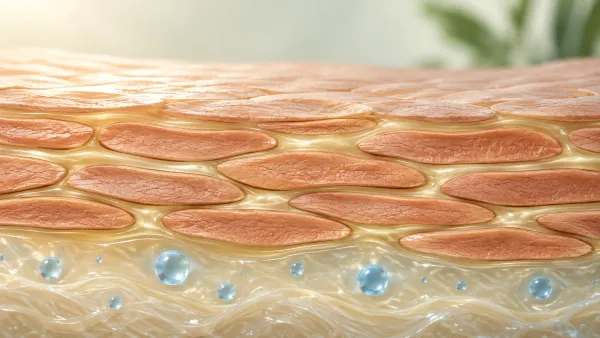
Retinol is a form of vitamin A that works at the cellular level. Unlike surface-level ingredients that sit on top of your skin, retinol penetrates into the deeper layers where it stimulates collagen production, accelerates cell turnover, and helps your skin function more youthfully.
When applied topically, retinol converts to retinoic acid, the active form that binds to specific receptors in your skin cells. This process triggers a cascade of beneficial changes: increased collagen and elastin production, faster shedding of old skin cells, and improved skin texture and tone.
💡 The Optimizer's Edge
Most "is retinol worth it" articles focus on the benefits while glossing over the adjustment period. The truth is: the first 2-4 weeks of retinol use can be rough. Redness, dryness, and flaking are not signs the product is not working-they are signs it IS working. Understanding this upfront is the difference between giving up and seeing results.
The Science: What Research Says About Retinol and Anti-Aging
Numerous clinical studies have evaluated retinol's effectiveness for anti-aging. A landmark study published in JAMA Dermatology found that participants using retinol for 12 weeks showed significant improvements in fine lines, skin texture, and photodamage compared to placebo.
Another study in the Journal of Cosmetic Science demonstrated that retinol increased collagen production in human skin after just 12 weeks of use. This is significant because collagen-the protein that gives skin its firmness-is what declines with age, leading to wrinkles and sagging.
The mechanism is well understood: retinol increases the expression of genes responsible for producing collagen and other structural proteins. It also helps normalize skin cell differentiation, which becomes disordered with age and sun exposure.
What Retinol Can (and Cannot) Do
Understanding what retinol can realistically accomplish helps set appropriate expectations:
| Concern | Retinol Effectiveness | Timeline |
|---|---|---|
| Fine lines | High - significant reduction | 8-12 weeks |
| Wrinkles | Moderate - improvement, not elimination | 12-24 weeks |
| Dark spots / hyperpigmentation | High - evens skin tone | 8-16 weeks |
| Skin texture | High - smoother, refined | 4-8 weeks |
| Sagging / loss of firmness | Moderate - limited effect | 24+ weeks |
| Large pores | Moderate - minimized appearance | 8-12 weeks |
It is crucial to note that retinol cannot reverse deep wrinkles, severe sun damage, or significant skin laxity. These concerns may require professional treatments like professional skincare treatments, laser therapy, or cosmetic procedures. Retinol works best as a preventive measure and for early signs of aging.
✨ Find Your Perfect Retinol Match
5 Questions - Your Personalized Recommendation
1. What's your skin type?
The Real Cost: Is Retinol Worth the Price?
Retinol products range widely in price—from budget-friendly options under $20 to luxury formulations exceeding $100. The question becomes: does more expensive mean better?
To examine a specific premium-versus-value decision, compare Medik8 and Geek & Gorgeous at 0.1% retinal, with cost-per-milliliter checks and clear limits on claims of superiority.
The short answer is no. The active ingredient (retinol or retinol derivatives) is relatively inexpensive to formulate. What you often pay for in expensive products is the delivery system, additional soothing ingredients, and packaging that protects retinol from degradation.
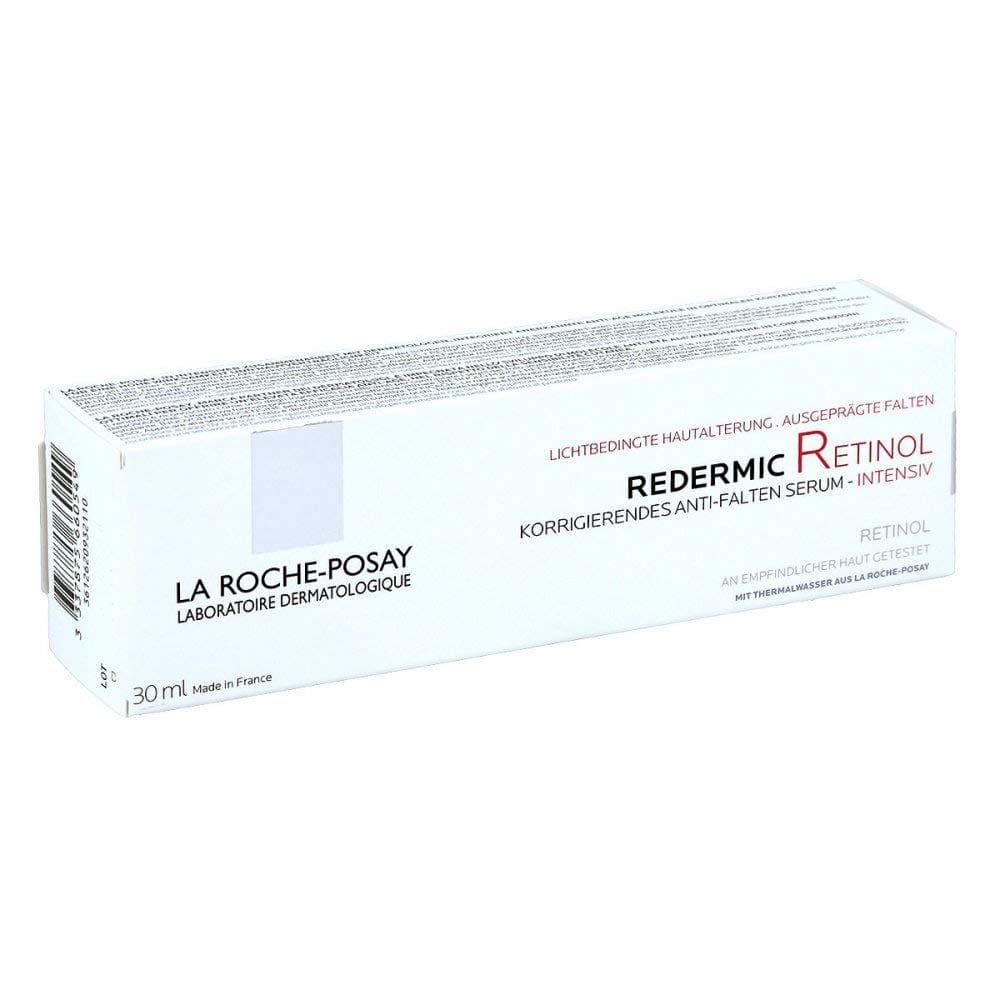
Beginner-friendly retinol pick
La Roche-Posay Redermic R Retinol Face Cream
Why it fits: This is a practical starter retinol because it pairs pure retinol positioning with a sensitive-skin brand context, making it more useful for readers who want anti-aging results without jumping straight to aggressive formulas.
Less peeling does not automatically mean lost activity. The product plateau guide separates retinoid tolerance from true treatment failure.
Watch-out: Start two or three nights weekly, moisturize well, and use daily sunscreen. Pause if burning, raw peeling, swelling, or persistent irritation develops.
View Product on AmazonAs an Amazon Associate, we earn from qualifying purchases.
Budget-Friendly Option
The best retinol serums do not have to break the bank. Many effective options cost under $30 and deliver real results. The key is looking for stable formulations in airtight packaging that protect the active ingredient from oxidizing.
The Downsides: What Nobody Tells You
Honest evaluation requires acknowledging that retinol is not for everyone. Here are the real challenges:
1. The Adjustment Period
The first 4-6 weeks of using retinol typically involve "retinization"-a period where your skin adapts to the increased cell turnover. During this time, expect redness, dryness, tightness, and possibly peeling. This is normal and usually subsides, but it can be uncomfortable.
2. Sun Sensitivity
Retinol increases your skin's sensitivity to the sun. This does not mean you cannot use retinol during the day, but it DOES mean you must be vigilant about sunscreen application. Daily SPF 30+ is non-negotiable when using retinol.
3. Not Compatible With All Ingredients
Retinol can conflict with certain active ingredients. Using it simultaneously with vitamin C, AHAs, BHAs, or benzoyl peroxide can cause excessive irritation. The best approach is to alternate these ingredients or use them at different times of day.
4. Pregnancy and Breastfeeding Contraindication
Retinol and its derivatives are not recommended during pregnancy or breastfeeding. If you are trying to conceive, pregnant, or nursing, consult your healthcare provider before using retinol products.
Alternatives to Retinol
For those who cannot tolerate retinol-or are looking for gentler options-several alternatives exist:
Bakuchiol
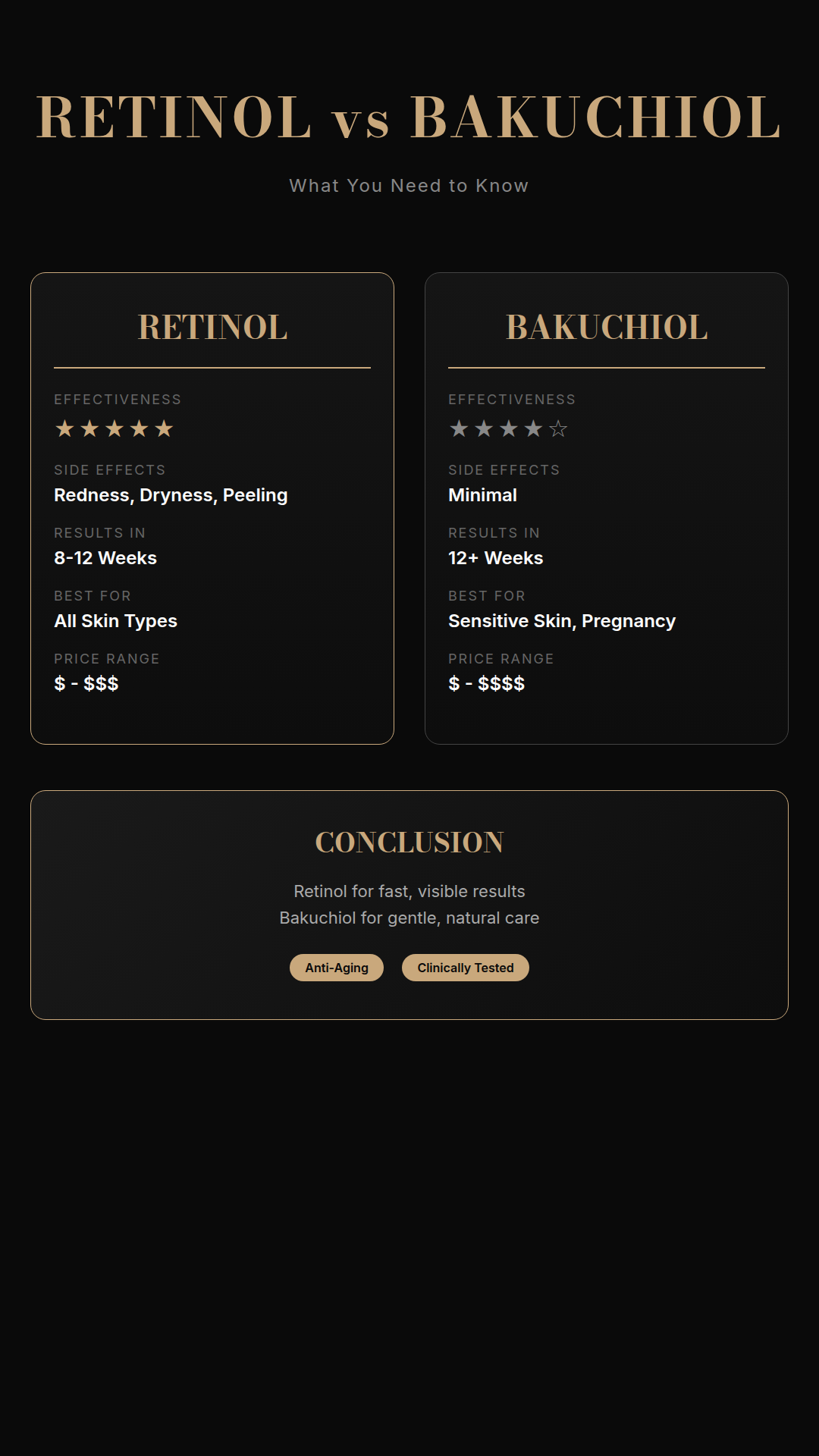
This plant-based alternative has gained significant attention in recent years. A comparative study found bakuchiol to be as effective as retinol in reducing fine lines and wrinkles, with less reported irritation. It is an excellent option for those with sensitive skin or those who have had adverse reactions to retinol. Check out our retinol vs bakuchiol comparison for a detailed breakdown.
If retinoid irritation limits consistency, use the skincare buffering guide to compare moisturizer-first, sandwich and frequency strategies.
Peptides
Signal peptides can help stimulate collagen production without the irritation potential of retinol. They work by sending messages to skin cells to produce more collagen. While generally gentler, the evidence for peptides is not as robust as for retinol.
✅ Your Clear Skin Checklist
- Step 1: Start with a low concentration (0.25%-0.5%) and use 2-3 times per week
- Step 2: Always apply sunscreen the next morning-retinol increases sun sensitivity
- Step 3: Be patient-give it at least 8 weeks before evaluating results
How to Use Retinol Correctly
Using retinol properly significantly impacts both results and tolerability. Here is the optimal approach:
Start Slow
Begin with the lowest concentration available (typically 0.25% retinol or 0.5% retinyl palmitate). Apply a thin layer to clean, dry skin every 2-3 nights for the first two weeks.
Wait 20 Minutes
Apply retinol to clean, dry skin and wait at least 20 minutes before applying other products. This allows proper absorption and reduces the risk of irritation from mixing with other ingredients.
Moisturize After
Follow retinol application with a good moisturizer to help reduce dryness and irritation. This is especially important during the adjustment period.
Increase Gradually
After 2-4 weeks of initial tolerance, increase to nightly use if your skin is handling it well. If irritation occurs, reduce frequency and stay at that level longer before attempting to increase.
Never Skip Sunscreen
Retinol makes your skin more susceptible to UV damage. Apply a broad-spectrum sunscreen with SPF 30 or higher every morning, regardless of weather or indoor exposure.
Is Retinol Worth It? The Final Verdict
After evaluating the evidence, consulting dermatological research, and considering real-world user experiences, here is my honest assessment:
Yes, retinol is worth it for most people seeking to address early signs of aging. The scientific evidence is robust, the results are measurable, and the accessibility (available without prescription in most formulations) makes it a practical option.
However, success with retinol requires:
- Realistic expectations - it takes weeks, not days
- Consistent use - occasional application yields minimal results
- Proper technique - starting low and building tolerance
- Sun protection - non-negotiable daily requirement
If you are looking for a proven anti-aging ingredient with decades of research behind it, retinol remains the gold standard. The key is finding the right formulation and routine that works for your specific skin.
Frequently Asked Questions About Retinol and Anti-Aging
What percentage of retinol is most effective?
For beginners, start with 0.25% to 0.5%. Most studies demonstrating anti-aging benefits use 0.5% to 1% retinol. Higher percentages (2%+) are available but increase irritation risk without proportional benefits.
How long does it take to see results?
Initial improvements in skin texture appear within 4-8 weeks. For fine lines and wrinkles, expect 8-12 weeks of consistent use before noticeable changes. Full results continue to develop for 6-12 months.
Can I use retinol with vitamin C?
Yes, but not at the same time. Vitamin C works best in the morning, while retinol is typically used at night. Using them together can cause irritation and reduce effectiveness.
What is the best retinol for beginners?
Look for formulations containing 0.25% to 0.5% retinol with added moisturizing ingredients like hyaluronic acid, ceramides, or niacinamide. These formulations are better tolerated by sensitive or first-time retinol users.
Is prescription retinol better than over-the-counter?
Prescription retinoids (tretinoin, tazarotene) are more potent and can yield faster results, but they also cause more irritation. For many people, consistent use of an OTC retinol delivers excellent results with better tolerability.
This article is for informational purposes only and does not replace professional dermatological advice.
How we research and correct content: Editorial Policy.