Best Sunscreen Under Makeup: 3 No-Pill Picks for 2026
A finish- and layering-led comparison of sunscreens that work under makeup without sacrificing labeled application.
In this guide
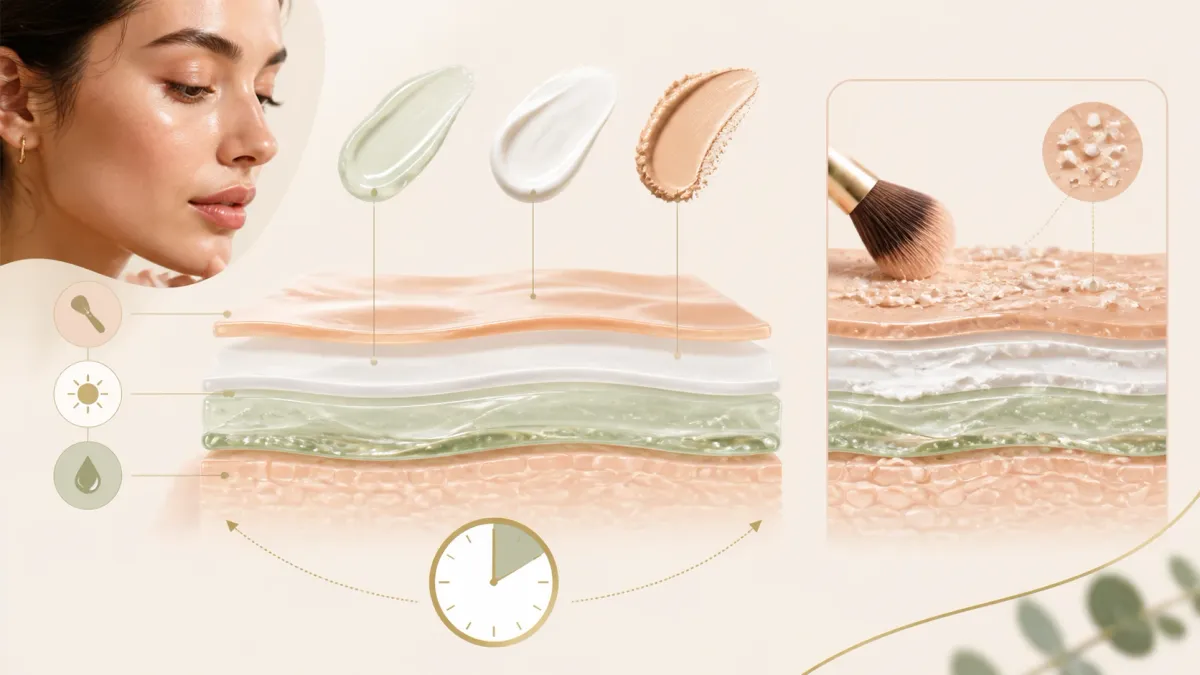
What is the best sunscreen under makeup?
Supergoop! Unseen Sunscreen SPF 40 is our best sunscreen under makeup for a clear, primer-like finish. e.l.f. Suntouchable Invisible SPF 35 is the budget alternative, while La Roche-Posay Anthelios UVAir SPF 50 is the lighter fluid choice for readers who prioritize a higher labeled SPF. The best formula is still one you can apply at the labeled amount; a perfect finish at a tiny cosmetic dose is not adequate sun protection.
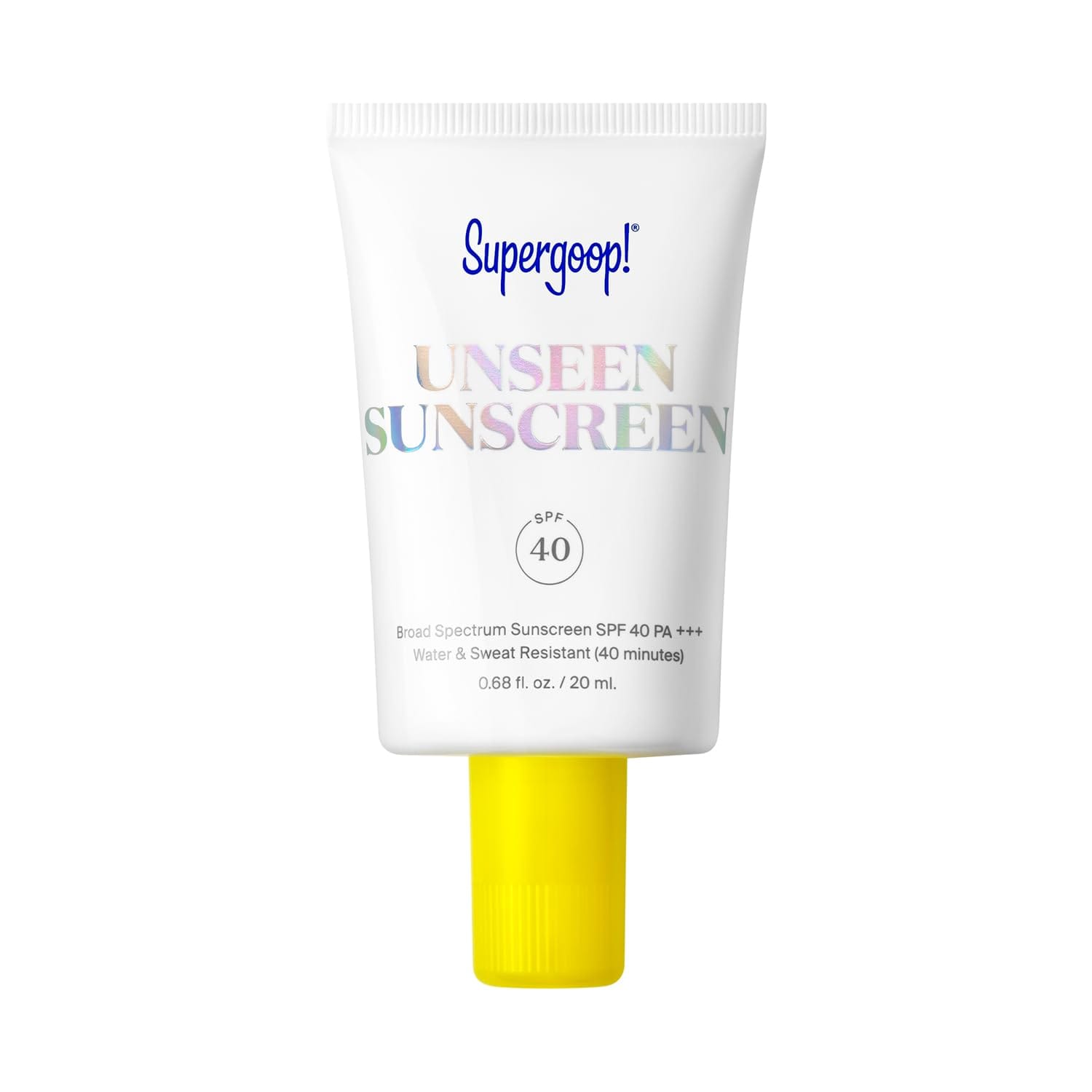
Supergoop! Unseen Sunscreen SPF 40
Best for: normal, combination or oily skin that wants a clear silicone-rich finish Why it leads: its transparent primer-like texture is designed to reduce visible cast and create cosmetic slip under makeup. Watch-out: the smoothing feel can tempt under-application, and some eyes dislike organic filters
Check current Amazon optionsAs an Amazon Associate, we earn from qualifying purchases. Price and availability can change.
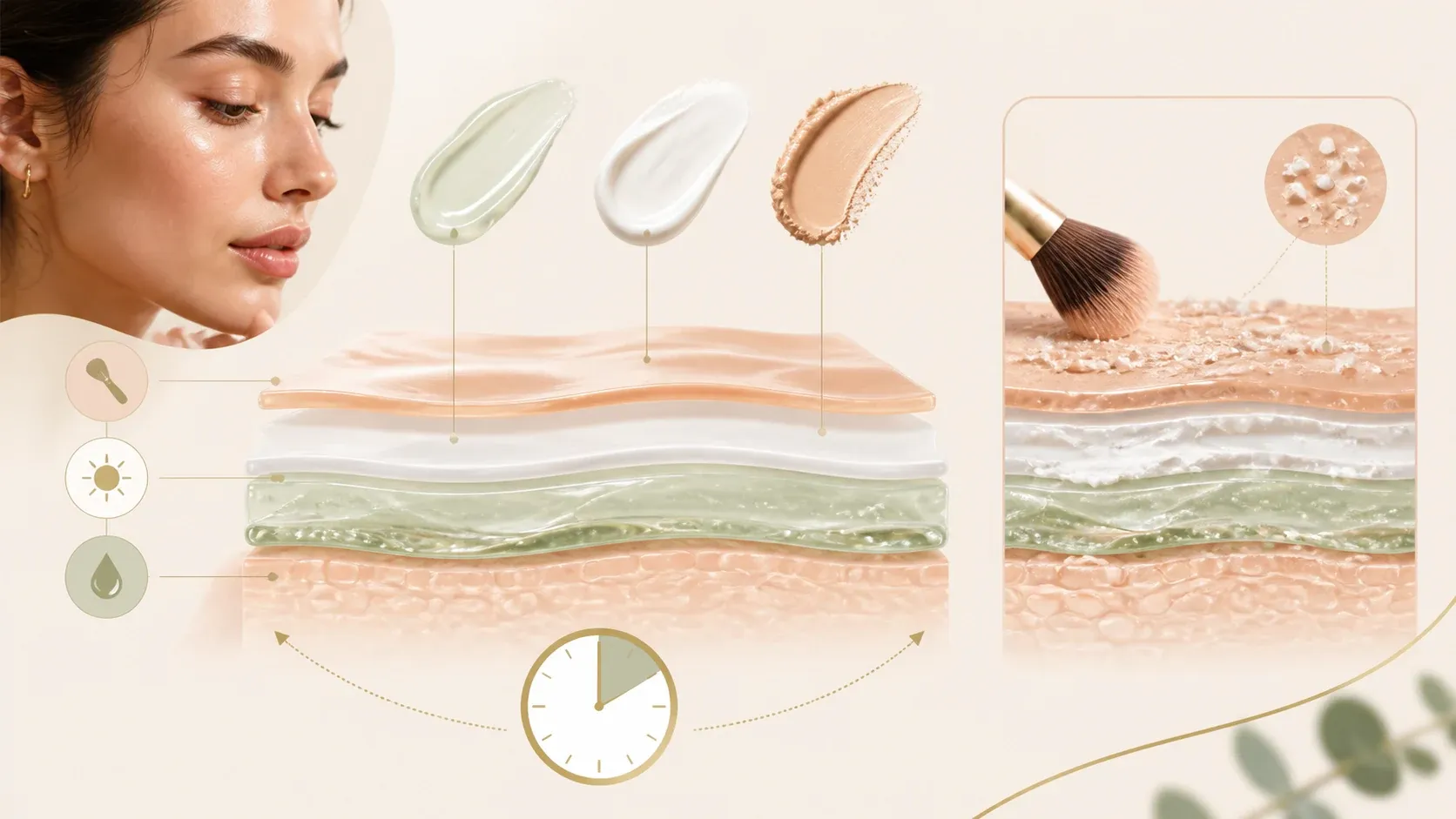
Pilling is a system problem, not always a bad-sunscreen problem. Too many layers, incompatible film formers, excessive rubbing, and insufficient dry-down can make even an elegant SPF roll up under foundation.
Quick Summary
- Supergoop Unseen leads for primer-like slip.
- e.l.f. is the budget invisible-gel route.
- La Roche-Posay UVAir is the fluid SPF 50 route.
- Apply sunscreen generously before judging the finish.
- Let each layer settle and press makeup on with minimal friction.
Evaluate sunscreen at the amount you actually need
Many cosmetics look elegant when applied like primer—a pea-sized amount—but sunscreen directions call for substantially more complete coverage. Test the finish at the labeled application, including hairline, ears and neck.
This guide was prepared by the SkinOptimizer Editorial Team. Rankings reflect current formulas, active levels where disclosed, skin-type fit, use case, value, and meaningful tradeoffs. SkinOptimizer did not conduct a controlled product trial, and we do not claim medical credentials or undocumented hands-on testing. Product claims remain manufacturer claims unless an independent source is cited.
Sunscreens under makeup compared
| Product | Best for | Main watch-out |
|---|---|---|
| Supergoop! Unseen Sunscreen SPF 40 | normal, combination or oily skin that wants a clear silicone-rich finish | the smoothing feel can tempt under-application, and some eyes dislike organic filters |
| e.l.f. SKIN Suntouchable Invisible SPF 35 | budget-conscious makeup wearers who prefer an invisible gel | SPF 35 and a small tube may be less practical for frequent full-face, neck and ear application |
| La Roche-Posay Anthelios UVAir Sunscreen Serum SPF 50 | readers who want higher labeled SPF in a fluid skincare-like texture | a fluid can migrate toward the eyes and still needs deliberate, even coverage |
Finish descriptions come from current product positioning and formulation format, not an undocumented SkinOptimizer wear test.
Our best sunscreen-under-makeup picks
Supergoop! Unseen Sunscreen SPF 40
Supergoop! Unseen Sunscreen SPF 40 earns the best primer-like finish position because its transparent primer-like texture is designed to reduce visible cast and create cosmetic slip under makeup. This is a use-case judgment, not a claim that one product is universally superior.
The current official product information identifies a broad-spectrum SPF 40 gel with a transparent, primer-style finish. That information helps define texture, routine fit, and obvious exclusions; it does not prove every marketing outcome or predict an individual reaction.
Routine fit: Apply the full labeled amount in sections, let it form an even film, then press rather than aggressively rub complexion makeup. The main tradeoff is that the smoothing feel can tempt under-application, and some eyes dislike organic filters Check the current package and Drug Facts or ingredient list when it arrives because formulas and sizes can change.
Supergoop! Unseen Sunscreen SPF 40
Best for: normal, combination or oily skin that wants a clear silicone-rich finish Why: its transparent primer-like texture is designed to reduce visible cast and create cosmetic slip under makeup. Watch-out: the smoothing feel can tempt under-application, and some eyes dislike organic filters
Check current Amazon optionsAs an Amazon Associate, we earn from qualifying purchases.
The SPF 40 version is documented in the SPF 40 product label on DailyMed. Check the exact SPF and ingredient list on the package because current versions may differ.
e.l.f. SKIN Suntouchable Invisible SPF 35
e.l.f. SKIN Suntouchable Invisible SPF 35 earns the best budget primer option position because it provides a lower-cost primer-style route with no mineral cast. This is a use-case judgment, not a claim that one product is universally superior.
The current official product information identifies a broad-spectrum SPF 35 invisible gel positioned for primer-like wear. That information helps define texture, routine fit, and obvious exclusions; it does not prove every marketing outcome or predict an individual reaction.
Routine fit: Let moisturizer settle first, apply sunscreen generously, and wait for dry-down before foundation. The main tradeoff is that SPF 35 and a small tube may be less practical for frequent full-face, neck and ear application Check the current package and Drug Facts or ingredient list when it arrives because formulas and sizes can change.
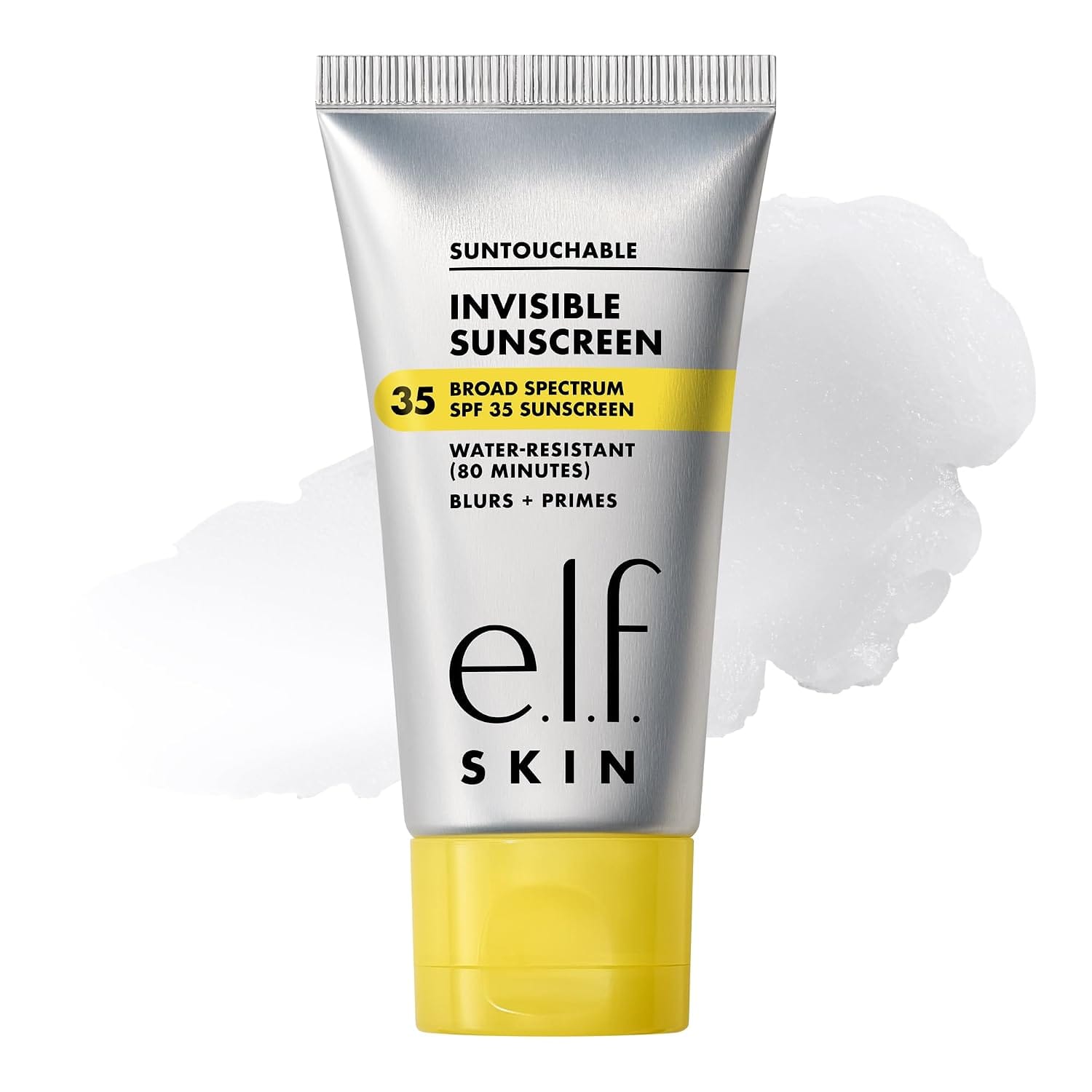
e.l.f. SKIN Suntouchable Invisible SPF 35
Best for: budget-conscious makeup wearers who prefer an invisible gel Why: it provides a lower-cost primer-style route with no mineral cast. Watch-out: SPF 35 and a small tube may be less practical for frequent full-face, neck and ear application
Check current Amazon optionsAs an Amazon Associate, we earn from qualifying purchases.
Product facts checked against the current manufacturer or official product information. Formulas, packaging, availability, and prices can change.
La Roche-Posay Anthelios UVAir Sunscreen Serum SPF 50
La Roche-Posay Anthelios UVAir Sunscreen Serum SPF 50 earns the best lightweight spf 50 fluid position because its serum-fluid positioning can fit lighter morning routines without a dense primer layer. This is a use-case judgment, not a claim that one product is universally superior.
The current official product information identifies a broad-spectrum SPF 50 sunscreen serum with niacinamide and hyaluronic-acid positioning. That information helps define texture, routine fit, and obvious exclusions; it does not prove every marketing outcome or predict an individual reaction.
Routine fit: Shake if directed, apply in two measured passes, and allow a complete dry-down before makeup. The main tradeoff is that a fluid can migrate toward the eyes and still needs deliberate, even coverage Check the current package and Drug Facts or ingredient list when it arrives because formulas and sizes can change.
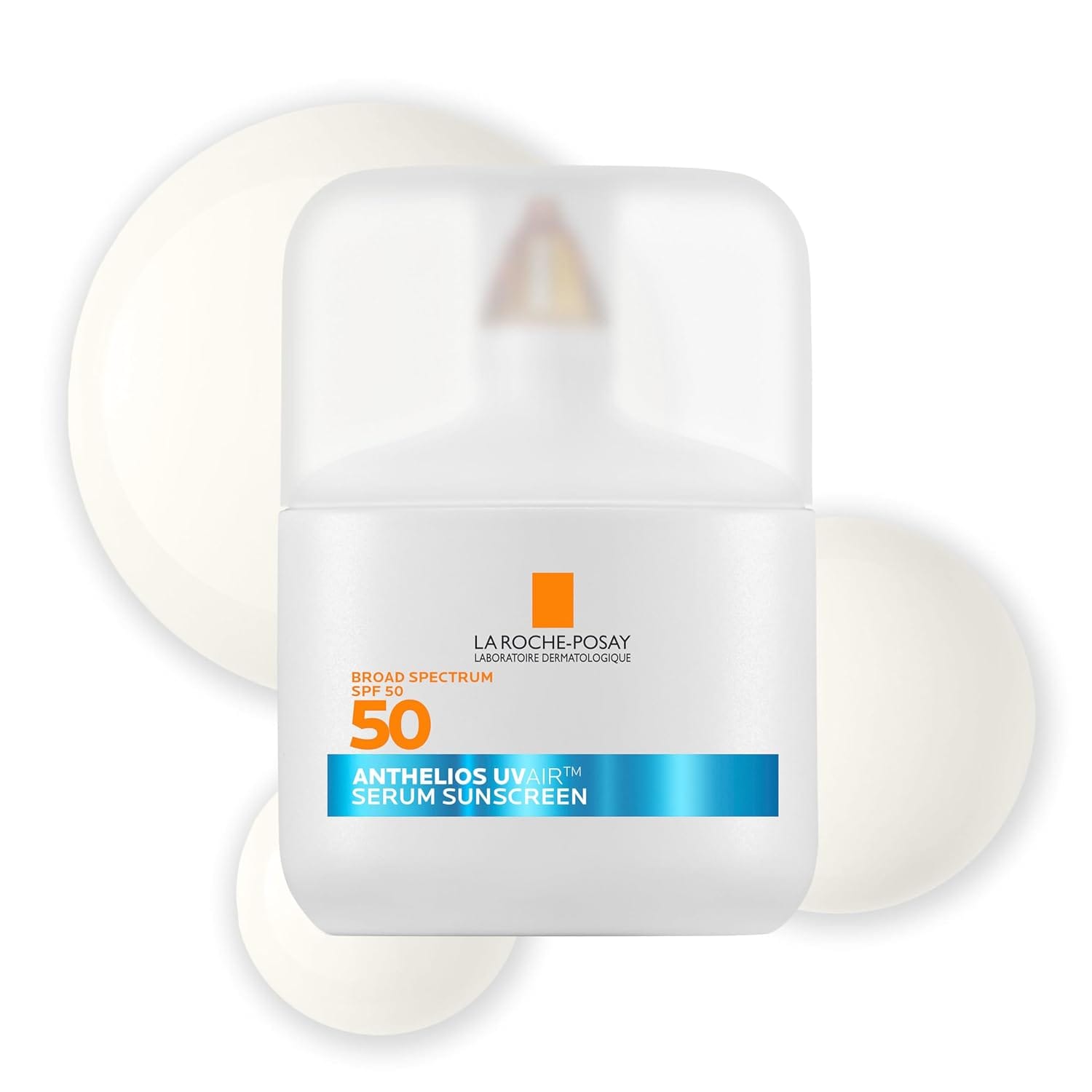
La Roche-Posay Anthelios UVAir Sunscreen Serum SPF 50
Best for: readers who want higher labeled SPF in a fluid skincare-like texture Why: its serum-fluid positioning can fit lighter morning routines without a dense primer layer. Watch-out: a fluid can migrate toward the eyes and still needs deliberate, even coverage
Check current Amazon optionsAs an Amazon Associate, we earn from qualifying purchases.
Product labeling checked against the manufacturer-submitted SPF 50 product label on DailyMed. Formulas, packaging, availability, and prices can change.
Do not let the ranking replace the fit check
The top-ranked option is the most balanced starting point, not a universal winner. Re-check the main watch-out, current label and your actual routine before buying; a lower-ranked product can be the better decision when its format removes a barrier to consistent use.
How to choose sunscreen for makeup days
Choose transparent primer, fluid or moisturizing lotion based on foundation and skin type. A useful pick should make this tradeoff explicit rather than hiding it behind a single overall score.
Fewer layers and less rubbing usually matter more than matching marketing language. A useful pick should make this tradeoff explicit rather than hiding it behind a single overall score.
Leave a careful buffer if a formula migrates or stings, without skipping exposed skin. A useful pick should make this tradeoff explicit rather than hiding it behind a single overall score.
The product must remain cosmetically acceptable at the labeled amount. A useful pick should make this tradeoff explicit rather than hiding it behind a single overall score.
Silicone-rich layers are not inherently incompatible with water-based products, but a thick stack can roll when brushed repeatedly. Change one layer or application technique at a time.
Tinted products can reduce visible cast, but the tint shade and applied amount must work for the complexion. Makeup with SPF is an adjunct, not a reliable replacement for a dedicated sunscreen layer.
How to layer sunscreen under makeup
- Simplify skincare. Use only the morning layers needed for comfort.
- Let moisturizer settle. Wait until the surface no longer feels wet or mobile.
- Apply sunscreen in two passes. Cover face, ears, hairline and neck evenly.
- Allow dry-down. Give the sunscreen several undisturbed minutes according to its behavior.
- Press makeup on. Use a sponge, fingers or brush with minimal repeated rubbing.
If pilling appears, test sunscreen over bare clean skin the next day. If it behaves well alone, the conflict is likely another layer or the application technique.
Reapplication over makeup is imperfect. Use shade, hats and a deliberate top-up method rather than assuming a mist or powder automatically supplies a full labeled dose.
Before you keep the product
- Full sunscreen amount remains wearable.
- No layer is still wet before the next one.
- Makeup is pressed on rather than scrubbed.
- Eye sting and migration are acceptable.
- Outdoor reapplication has a realistic plan.
What “sunscreen under makeup” means
A sunscreen under makeup is a dedicated broad-spectrum sunscreen whose finish remains acceptable after the labeled amount forms a continuous film and complexion products are applied. It is not simply a primer containing an SPF number.
The protection step and the cosmetic step have different jobs. Foundation can improve appearance, but rubbing it over a fresh sunscreen film can disturb coverage.
The buying question is therefore not simply “Which is strongest?” It is “Which option fits your moisturizer, foundation finish, eye sensitivity, skin type and application amount without adding a tradeoff that makes consistent use unlikely?” A technically impressive formula or device has little value when the finish, sensation, schedule, or application burden causes it to be abandoned.
How we evaluated the shortlist
We ranked the shortlist around four decision axes: finish, pilling risk, eye comfort, full-dose wear. Official product pages supplied current specifications and use directions. Independent editorial result pages were used to identify the questions shoppers repeatedly face, not as proof that a product works for every reader.
SkinOptimizer did not run a controlled head-to-head trial for this guide. We therefore do not award points for sensory observations we did not make, and we do not repeat retailer star ratings as efficacy evidence. Rankings can change when formulas, device specifications, packaging, or availability change.
We excluded options when the product was mainly makeup with incidental SPF, the current exact product could not be verified, or full-dose use was implausible. We also avoided hard-coded prices because a temporary promotion can make a weak match look artificially attractive. Value here means that the product's format and role justify its place in a realistic routine.
What the evidence can—and cannot—promise
The FDA sunscreen guidance explains broad-spectrum labeling and reapplication. The American Academy of Dermatology emphasizes complete, adequate application.
No-pilling claims are not universal because moisturizers, primers, foundations, amounts, tools and climate change the result. Protection should not be inferred from cosmetic smoothness alone.
Our editorial threshold is practical: a claim must be traceable to current official labeling or an identified authority source, and the language must match the evidence. Expect a repeatable layering process, not one formula that neutralizes every incompatible product. This is why the ranking emphasizes adherence, formulation or device specifications, and predictable tradeoffs instead of dramatic before-and-after promises.
Common sunscreen-under-makeup mistakes
Using primer amounts: A pea-sized veil may look good but underapply sunscreen. Rubbing every layer: Repeated friction disrupts films and creates rolls. Adding more primer: Another polymer layer can worsen the stack. Judging immediately: A wet film has not had time to settle.
Change one variable at a time and document the product, amount, frequency, and body or face area. A simple note after each use is more informative than trying to remember whether irritation began before or after several simultaneous changes.
Stop and reassess when persistent burning, swelling, hives or significant eye symptoms occurs A product that repeatedly causes a meaningful adverse reaction is not a better value because it was expensive or highly ranked.
How this decision fits the rest of your routine
A product decision works better inside a coherent routine. Start with our how to stop skincare pilling and how to layer skincare when the surrounding cleanser or moisturizer is still unsettled. Those steps often determine tolerance more than switching between two similar products.
For the adjacent concern, use the focused guides to best everyday sunscreen, chemical versus mineral sunscreen, and best sunscreen for oily skin. Each solves a different decision; stacking every active or tool at once makes it impossible to identify what helped or irritated.
If you need to simplify further, compare our best sunscreen for dry skin, SPF makeup explained, and morning skincare routine. These internal references are deliberately specific so the guide remains useful after the purchase decision instead of ending at the checkout link.
When professional evaluation matters
Seek professional advice for a sunscreen allergy concern, persistent eyelid reaction, severe photosensitivity or medication-related sun risk. Sunscreen does not make prolonged intense exposure risk-free.
Bring the product packaging, a complete ingredient list, and a short timeline of symptoms to an appointment. That is more useful than describing a product only as “gentle” or “clean,” terms that do not identify the ingredient, exposure, or condition involved.
Pregnancy, breastfeeding, prescription treatment, a recent procedure, photosensitizing medication, or a diagnosed skin or eye condition can change the safest choice. Product-label directions and advice from your own clinician take priority over a general shopping guide.
Use a 30-day decision log instead of guessing
Before the first use, photograph or describe the baseline under ordinary consistent conditions and write down the exact product, variant, application amount, body or face zone, and every other active used that day. For this decision, the most useful context is your moisturizer, foundation finish, eye sensitivity, skin type and application amount. That record prevents a familiar shopping error: attributing a change to the newest purchase when the weather, shaving, makeup, medication, menstrual or menopausal transition, outdoor exposure, or another product changed at the same time.
During the first month, record comfort immediately after use and again several hours later. Use simple observations—comfortable, tight, itchy, burning, watery, pilling, heavy, or difficult to reapply—rather than inventing a numerical clinical score. Note whether the product was used at the intended amount and whether you skipped it because of texture, taste, fit, brightness, migration, or time. Those adherence failures are product-performance data because a theoretically ideal option cannot help when its format repeatedly prevents correct use.
Review the log once weekly, not after every mirror check. Keep the product when the intended role is clear, use is repeatable, and adverse effects remain absent or minor and transient. Reduce frequency or simplify surrounding layers when irritation or application conflict accumulates. Stop when the defined warning signs appear. At day 30, decide among three actions: continue unchanged, adjust one variable, or discontinue. Do not add a second new treatment merely because the first product has not produced a dramatic cosmetic change in four weeks.
Authority source trail
For independent context beyond brand pages, review the primary clinical or regulatory guidance source and the supporting authority source used for this guide. These sources define the safety and evidence boundaries; they do not endorse the commercial ranking or individual products.
Frequently asked questions
How long should sunscreen dry before makeup?
There is no universal minute count, but the film should feel settled rather than wet or mobile. Several undisturbed minutes is a practical starting point; follow the product directions and adjust one layer at a time.
Why does sunscreen pill under foundation?
Common causes include too many layers, excess product in one pass, incompatible film formers, and repeated rubbing. Test the sunscreen alone, then add moisturizer and makeup back one at a time.
Can makeup with SPF replace sunscreen?
Usually not for dependable daily protection because people rarely apply foundation or powder at the tested sunscreen amount. Use dedicated sunscreen first and treat makeup SPF as supplementary.
Should primer go before or after sunscreen?
Sunscreen is the final skincare step; primer goes after the sunscreen film settles. If primer causes pilling, skip it or test a thinner amount without reducing sunscreen.
Is mineral sunscreen better under makeup?
Not universally. Mineral formulas may suit some sensitive skin but can feel heavier or leave cast; organic or hybrid fluids can be sheerer but may sting some eyes. Finish and tolerance decide.
Final verdict
Supergoop Unseen is the strongest primer-like choice, e.l.f. offers the budget version of that concept, and La Roche-Posay UVAir suits a fluid SPF 50 preference. Apply enough, wait, then minimize friction—those steps solve more pilling than a fourth cosmetic layer.
This article is for informational purposes only and does not replace professional dermatological advice.