How to Prevent Sun Damage: Science-Based Protection Guide | SkinOptimizer
Evidence-based guide to preventing sun damage. Learn the correct SPF amount, reapplication rules, visible light protection, and layered defense strategies dermatologists recommend.

In this guide
The 6 Facts About Preventing Sun Damage at a Glance
- ❌ UV damage happens every day - not just in summer. UVA rays penetrate clouds and windows year-round.
- SPF 15 is not enough - Dermatology guidelines recommend SPF 30+ for daily use, SPF 50+ for extended outdoor exposure.
- ❌ Most people apply 25-50% of the recommended amount - you need 2mg/cm� (about 1/4 teaspoon for the face) to get the labeled SPF.
- ❌ Sunscreen alone is not enough - clothing, shade, and timing matter as much as SPF.
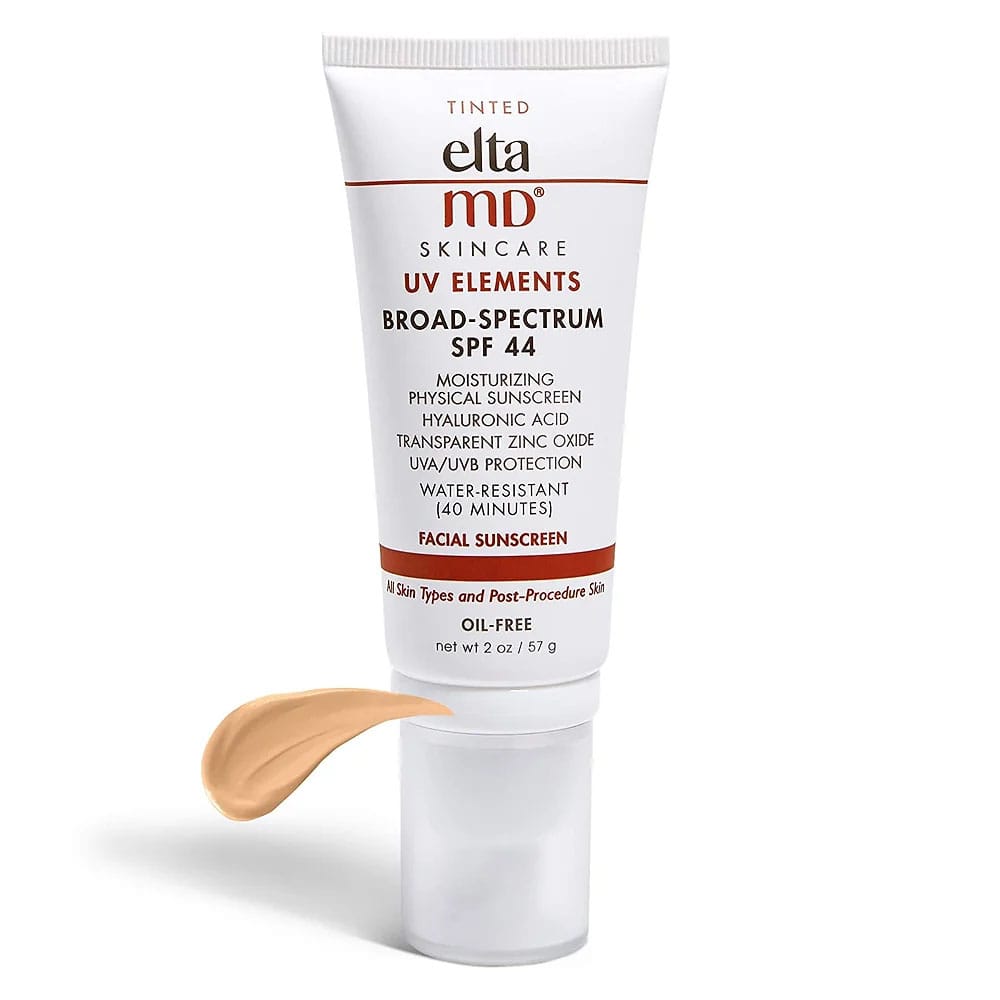
- ❌ Visible light causes hyperpigmentation - especially in darker skin types. Tinted sunscreens with iron oxides help.
- → Layer your defense - broad-spectrum SPF 30+ daily, reapply every 2 hours outdoors, wear UPF clothing, seek shade, add antioxidant serum.
Sun damage is the single most preventable cause of premature skin aging and skin cancer. Yet most people get it wrong - applying too little sunscreen, skipping it on cloudy days, or thinking one morning application lasts all day.
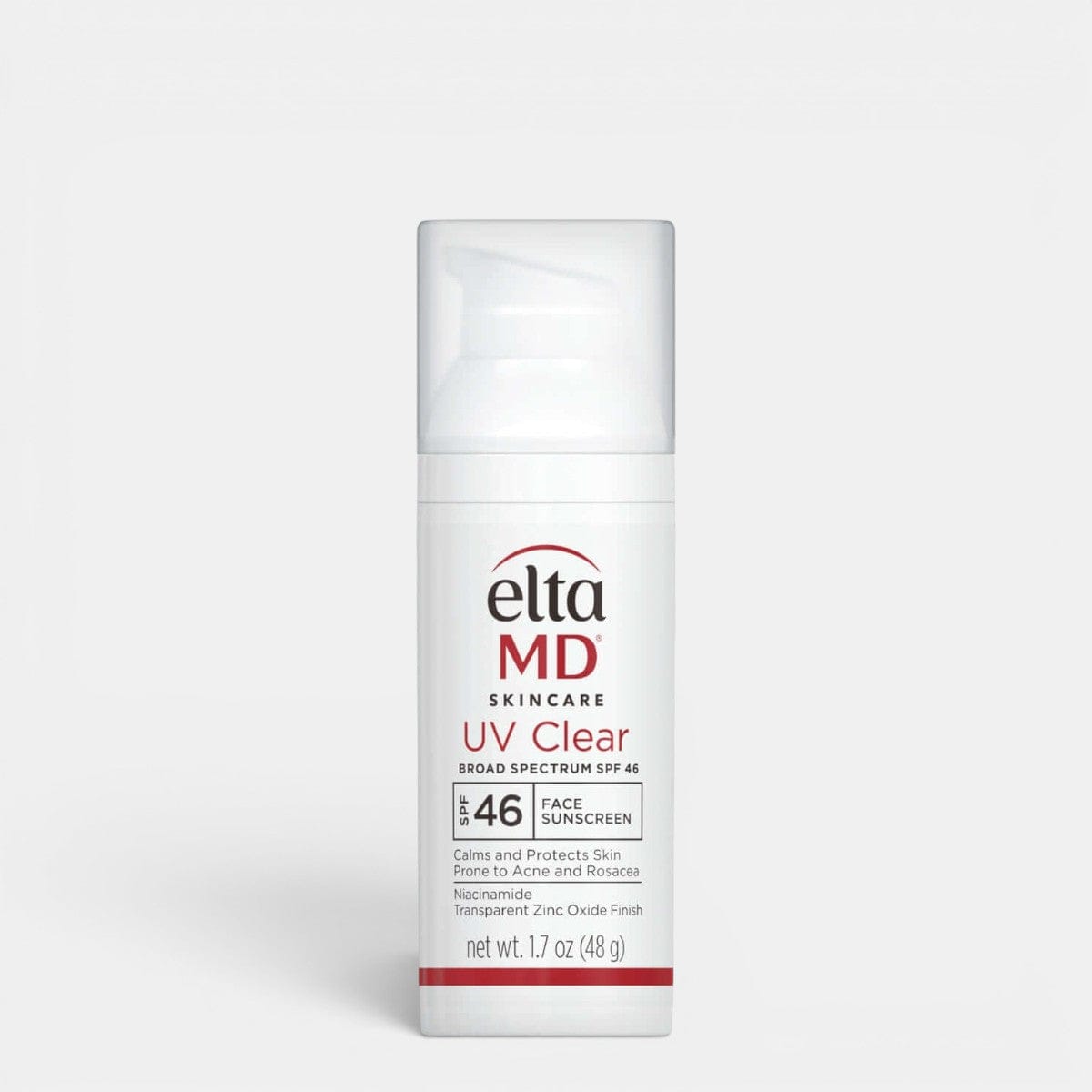
For an example of matching sunscreen to a real use case, see our EltaMD UV Clear review for acne-prone and sensitive skin. It is a strong daily-face option but not a water-resistant swim or sport sunscreen.
This guide gives you the evidence-based strategies that dermatologists actually recommend.
The Skin Insider
After years of reviewing sunscreen studies and talking to dermatologists, the pattern is clear: the people who prevent the most sun damage are not the ones buying the most expensive sunscreen. They're the ones who apply enough of it, reapply consistently, and combine it with physical protection. A $15 sunscreen used correctly beats a $60 sunscreen used incorrectly every time.
What Sun Damage Actually Does to Your Skin
Ultraviolet radiation is divided into two types that reach Earth's surface: UVA (320-400 nm) and UVB (290-320 nm). They damage skin through different mechanisms.
UVB causes sunburn and direct DNA damage. It is the primary driver of squamous cell carcinoma. UVB intensity peaks between 10 AM and 4 PM and is strongest in summer months.
UVA penetrates deeper into the dermis, generating free radicals that break down collagen and elastin. It is the primary driver of photoaging - wrinkles, loss of elasticity, and uneven pigmentation. UVA is present at roughly equal intensity year-round and penetrates glass windows.
Recent research has also identified visible light (400-700 nm) as a contributor to hyperpigmentation, especially in people with darker skin types. Visible light activates opsins in melanocytes, upregulating pigment production. This is why tinted sunscreens containing iron oxides are recommended for melasma-prone skin. A 2025 PMC review confirmed these findings.
The 5 Evidence-Based Ways to Prevent Sun Damage
1. Daily Broad-Spectrum SPF 30+
Apply a broad-spectrum sunscreen (protects against both UVA and UVB) with SPF 30 or higher every morning, regardless of weather. The Skin Cancer Foundation reports that regular daily use of SPF 15 sunscreen reduces squamous cell carcinoma risk by approximately 40% and melanoma risk by 50%.
For extended outdoor exposure, dermatologists recommend SPF 50+. Higher SPF values provide marginally more protection - SPF 30 blocks about 97% of UVB, SPF 50 blocks about 98%, and SPF 100 blocks about 99%.
2. Apply the Correct Amount
SPF ratings are based on an application density of 2 mg/cm�. In practice, most people apply only 0.5-1.0 mg/cm� - roughly 25-50% of what is needed. This means your SPF 50 sunscreen may perform more like SPF 15-25 in real use.
| Body Area | Recommended Amount | Practical Measure |
|---|---|---|
| Face + Neck | ~1.25 mL | 1/4 teaspoon or two-finger rule |
| Arms + Legs | ~6 mL each | 1 shot glass per limb |
| Full Body | ~30 mL | 1 full shot glass (1 oz) |
3. Reapply Every 2 Hours
Sunscreen degrades with UV exposure, sweat, and friction. Reapply every 2 hours during outdoor activity, and immediately after swimming or heavy sweating - even with water-resistant formulas. Water-resistant sunscreens maintain their SPF for 40 or 80 minutes in water, not indefinitely.
4. Combine with Physical Protection
Sunscreen is one layer of defense. The others matter equally:
- UPF clothing: Tightly woven fabrics with UPF 50+ block 98% of UV radiation. Regular cotton t-shirts provide only UPF 5-7.
- Wide-brimmed hats: A 3-inch brim protects the face, ears, and back of the neck.
- UV-blocking sunglasses: Protect the delicate skin around the eyes and reduce cataract risk.
- Shade: Seek shade when the UV index is 3 or higher. Check your local UV index via weather apps.
5. Add Antioxidant Serum Under Sunscreen
Vitamin C (L-ascorbic acid at 10-20%) applied under sunscreen provides additional photoprotection by neutralizing free radicals that UV filters do not block. Studies show that vitamin C + sunscreen together reduce UV-induced damage more than sunscreen alone. Stanford Medicine dermatologists confirm this layered approach.
Chemical vs Mineral Sunscreen: Which Prevents More Damage?
Both types are effective when used correctly. The choice depends on your skin type and concerns:
| Factor | Chemical (Organic) Filters | Mineral (Inorganic) Filters |
|---|---|---|
| Active Ingredients | Avobenzone, Octinoxate, Homosalate | Zinc oxide, Titanium dioxide |
| How They Work | Absorb UV radiation and convert to heat | Reflect and scatter UV radiation |
| Texture | Lightweight, invisible finish | Can leave white cast (micronized versions improve this) |
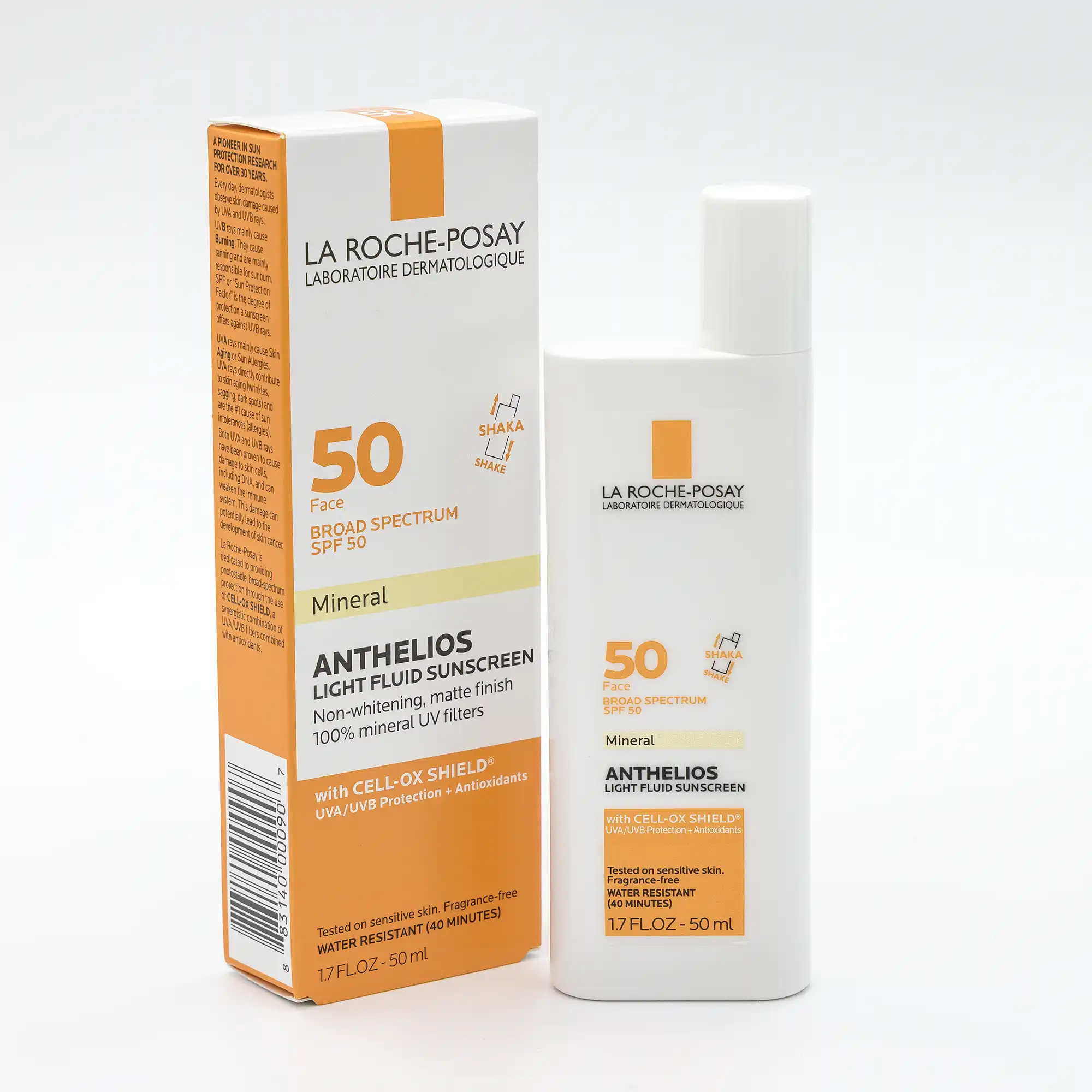
| Best For | Daily wear, darker skin tones, active lifestyles | Sensitive skin, rosacea, children, reef-safe needs |
| FDA Status | Some filters under additional safety review | GRASE (Generally Recognized As Safe and Effective) |
The best sunscreen is the one you will actually use every day. If a mineral sunscreen's white cast discourages you from wearing it, switch to a chemical formula. Consistency matters more than type.
The Optimizer's Edge
Most sunscreen articles tell you to "wear SPF daily." They stop there. What they don't tell you: the UV index matters more than the season. A cloudy winter day with a UV index of 4 delivers more UVA to your skin than a summer morning at 8 AM. Check your UV index app daily - if it's 3 or higher, your full protection protocol activates regardless of temperature or cloud cover. This single habit change prevents more cumulative damage than any product upgrade.
Sun Damage You Cannot See
Some of the most significant UV exposure happens without obvious warning signs:
- Through windows: Standard glass blocks UVB but transmits 75% of UVA. If you sit near a window at work or drive daily, you are accumulating UVA exposure. Consider UV-protective window film.
- On cloudy days: Up to 80% of UV radiation penetrates cloud cover. "Cloudy day burns" are common because people skip sunscreen.
- Snow reflection: Snow reflects up to 80% of UV radiation, effectively doubling your exposure. Winter sports enthusiasts are at high risk.
- Blue light from screens: While much weaker than solar UV, prolonged screen exposure may contribute to hyperpigmentation in susceptible individuals. Tinted sunscreen with iron oxides offers protection.
How to Reverse Existing Sun Damage
Prevention is always more effective than reversal, but several evidence-based ingredients can repair existing photodamage:
- Retinoids (tretinoin, retinol): Stimulate collagen production and accelerate cell turnover. Gold standard for reversing photoaging. See our retinoid guide.
- Vitamin C serum: Neutralizes free radicals, brightens hyperpigmentation, and boosts collagen synthesis. Use 10-20% L-ascorbic acid in the morning under sunscreen.
- Niacinamide (5%): Repairs the skin barrier, reduces hyperpigmentation, and decreases inflammation. Full guide on barrier-repair ingredients.
- Alpha hydroxy acids (glycolic, lactic): Exfoliate damaged surface cells and stimulate new collagen. Use 2-3 times weekly at night.
Sun Protection for Different Skin Types
| Skin Type | Primary Risk | Best Protection Strategy |
|---|---|---|
| Fair / Light | Sunburn, skin cancer, photoaging | SPF 50+, reapply frequently, UPF clothing |
| Medium / Olive | Hyperpigmentation, uneven tone | SPF 30-50, tinted sunscreen, vitamin C serum |
| Dark / Deep | Hyperpigmentation, melasma, visible light damage | Tinted SPF 30+ with iron oxides, niacinamide |
| Sensitive / Rosacea | Flare-ups, inflammation, barrier damage | Mineral SPF, fragrance-free, gentle routine |
| Acne-Prone | Post-inflammatory hyperpigmentation | Non-comedogenic SPF, niacinamide, lightweight formulas |
People with darker skin tones are not immune to sun damage. While melanin provides some natural UV protection (roughly equivalent to SPF 3-13), it is not sufficient to prevent photoaging, hyperpigmentation, or skin cancer. The 2025 PMC review emphasized that visible light protection is especially important for darker skin types.
Your Daily Sun Protection Checklist
- ✓ Apply SPF 30+ every morning - face, neck, ears, and any exposed skin. Use 1/4 teaspoon for face and neck.
- ✓ Check UV index daily - if 3 or higher, activate full protection protocol.
- ✓ Reapply every 2 hours outdoors - set a phone reminder if needed.
- ✓ Wear UPF clothing + hat - especially during peak UV hours (10 AM - 4 PM).
- ✓ Add vitamin C serum under sunscreen - extra antioxidant protection against free radicals.
Sun damage prevention is not complicated - but it requires consistency. The single most impactful change you can make is applying the correct amount of broad-spectrum SPF 30+ every single day, regardless of weather or season. Everything else - clothing, shade, timing, antioxidants - layers on top of that foundation.
Frequently Asked Questions About Preventing Sun Damage
Do I need sunscreen on cloudy or winter days?
Is SPF 50 significantly better than SPF 30?
Can I get sun damage through a window?
Do people with dark skin need sunscreen?
How much sunscreen should I apply to my face?
This article is for informational purposes only and does not replace professional dermatological advice. If you notice unusual changes in your skin - new moles, changing spots, or persistent lesions - consult a board-certified dermatologist.
How we research and correct content: Editorial Policy.