Best Anti-Aging Face Masks: Sheet, Cream, and Overnight Masks Compared
Science-backed guide to anti-aging face masks. Learn which mask formats deliver active ingredients effectively and how to use them in your weekly routine.
In this guide
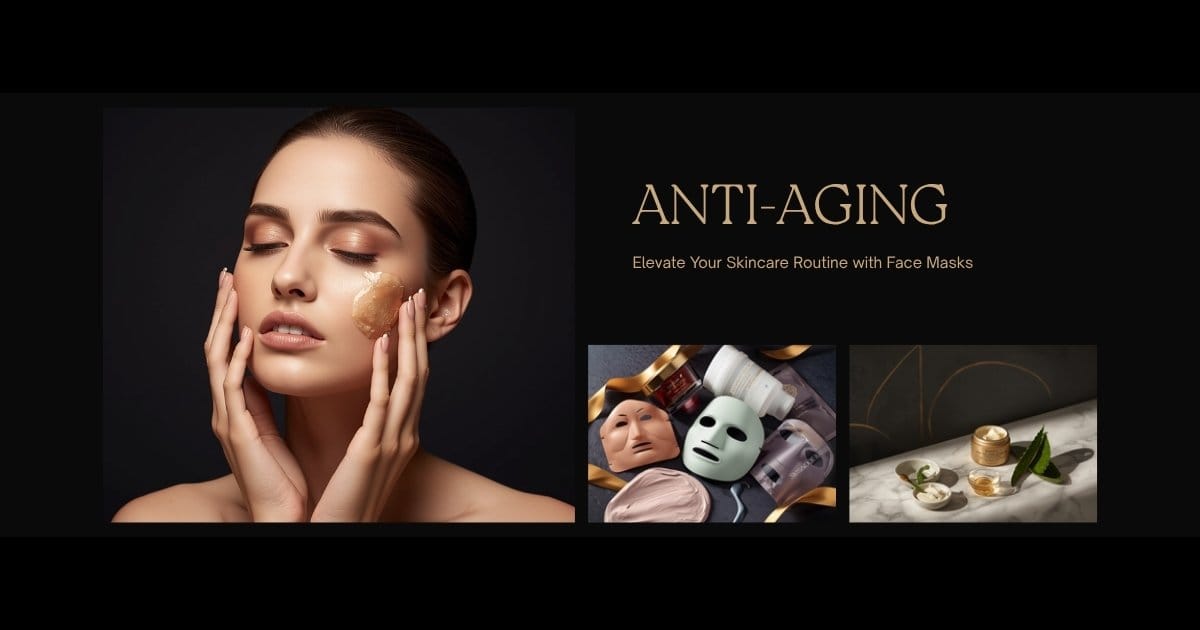
Anti-aging face masks can deliver a concentrated dose of active ingredients in a short time, but their effects depend entirely on the format and ingredients used. Sheet masks hydrate temporarily, cream masks provide longer-lasting moisture, and overnight masks with active ingredients like retinoids or peptides can support structural skin improvement with regular use. The key is matching the mask type to your specific anti-aging goal.
This evidence-based guide explains the differences between sheet, cream, and overnight masks, which ingredients to look for in each format, and how to build a weekly masking routine that complements your daily skincare regimen.
TL;DR - Anti-Aging Face Masks
- Sheet masks: Best for instant hydration and temporary plumping. Look for hyaluronic acid, niacinamide, peptides.
- Cream masks: Longer-lasting moisture and barrier support. Ideal for dry or mature skin types.
- Overnight masks: Sustained active delivery. Most effective for bakuchiol, peptides, and low-concentration retinoids.
- Key rule: Masks supplement - they do not replace - daily serums, retinoids, and sunscreen.
Sheet Masks: Hydration and Instant Glow
Sheet masks are fabric or hydrogel sheets soaked in a concentrated serum. They work by creating an occlusive barrier that drives the serum deeper into the skin over 15-20 minutes. A clinical study on hyaluronic acid-based skincare confirmed that regular use of hydrating formulations significantly improves skin hydration, elasticity, and wrinkle depth.
Key anti-aging ingredients in sheet masks:
- Hyaluronic Acid: Holds up to 1,000 times its weight in water. Temporarily plumps fine lines for a smoother appearance.
- Niacinamide (Vitamin B3): Improves skin barrier function, reduces transepidermal water loss, and supports collagen production.
- Peptides: Signal fibroblasts to produce collagen. Matrixyl and copper peptides are the most researched options.
Recommended use: 1-3 times per week, 15-20 minutes. Best applied in the morning before makeup or in the evening after cleansing. Avoid masks with denatured alcohol or synthetic fragrance.
Cream Masks: Longer-Lasting Moisture and Barrier Support
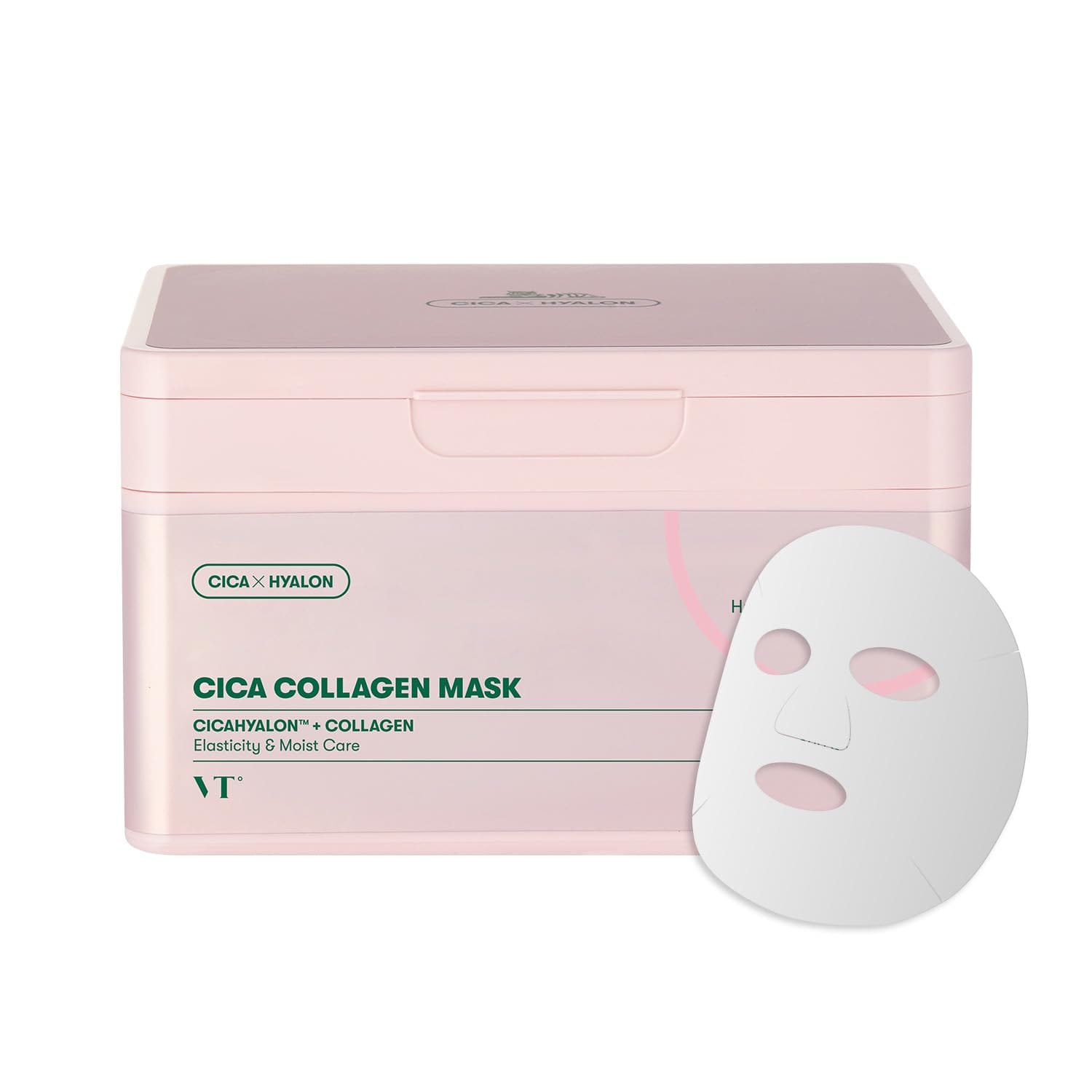
Cream masks are leave-on or rinse-off formulations that provide deeper moisturization than sheet masks. They are particularly beneficial for dry or mature skin types that need sustained barrier support. The thicker base allows for inclusion of lipid-rich ingredients like ceramides, shea butter, and plant oils that reinforce the skin barrier over time.
Key anti-aging ingredients in cream masks:
- Ceramides: Essential lipids that fill the gaps between skin cells. Restoring ceramide levels improves barrier function and reduces moisture loss.
- Peptides: Signal peptides like Matrixyl stimulate collagen production when left in contact with skin for extended periods.
- Vitamin C (Ascorbic Acid): Antioxidant protection and collagen synthesis support. Best used in rinse-off masks to limit irritation potential.
Cream masks with active ingredients like retinoids or vitamin C should be used as rinse-off treatments (applied for 10-20 minutes then removed) to avoid excessive exposure that could irritate sensitive skin. For best results, use a cream mask 1-2 times per week in place of your regular moisturizer.
Recommended use: 1-2 times per week. Apply a thick layer after cleansing, leave for 10-20 minutes, then rinse or tissue off. Follow with your regular serum and moisturizer.
The Skin Insider
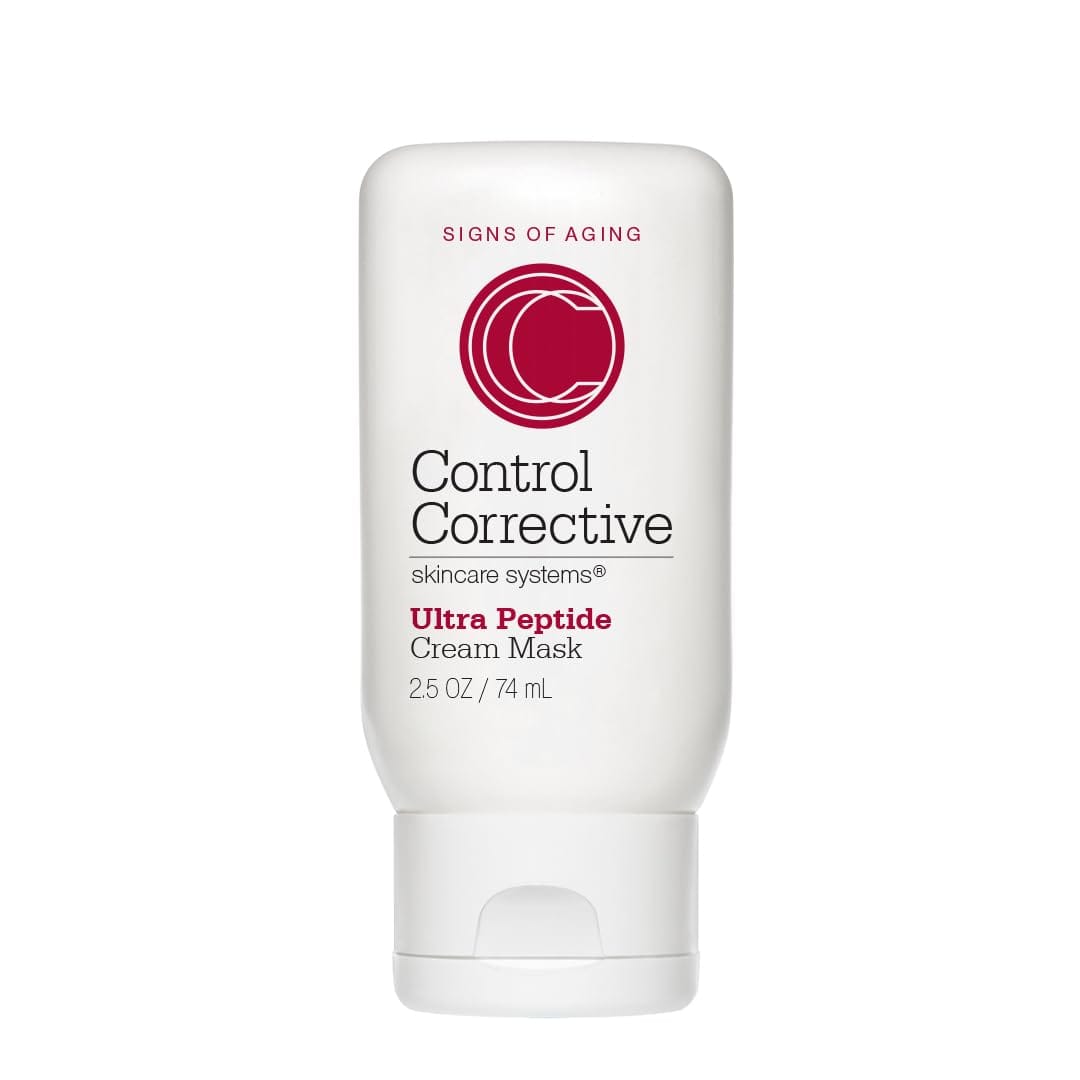
Most anti-aging face masks on the market rely on hydration alone - they plump temporarily but do not change skin structure. The exceptions are overnight masks with bakuchiol or signal peptides, which have clinical evidence for collagen support. If a mask claims anti-aging benefits, look past the marketing and check the ingredient list for actives at effective concentrations.
Overnight Masks: Active Ingredient Delivery
Overnight masks (also called sleeping masks) are designed to be left on the skin for several hours, providing sustained delivery of active ingredients. This format is particularly effective for ingredients that need prolonged contact time to work. A landmark study published in the British Journal of Dermatology demonstrated that bakuchiol is comparable to retinol in its ability to improve photoaging, with significantly better tolerability - making it ideal for overnight mask formulations.
Key anti-aging ingredients in overnight masks:
- Bakuchiol: Plant-derived retinoid alternative. Clinically shown to improve fine lines, pigmentation, and firmness without the irritation of retinol.
- Signal Peptides: Matrixyl and copper peptides stimulate collagen production over weeks of consistent overnight use.
- Niacinamide: Supports barrier repair and reduces inflammation. Effective even at low concentrations (2-5%).
Recommended use: 2-3 times per week as the final step in your evening routine. Apply after serum and moisturizer. Use on non-retinoid nights to avoid over-exfoliation.
Mask Type Comparison Table
| Type | Primary Benefit | Key Ingredients | Frequency | Best For |
|---|---|---|---|---|
| Sheet Mask | Instant hydration + plumping | Hyaluronic acid, niacinamide, peptides | 1-3x/week, 15-20 min | Pre-event glow, post-exfoliation |
| Cream Mask | Deep moisture + barrier support | Ceramides, peptides, vitamin C | 1-2x/week, 10-20 min | Dry, mature, or sensitive skin |
| Overnight Mask | Sustained active delivery | Bakuchiol, peptides, niacinamide | 2-3x/week, leave on | Anti-aging, collagen support |
Anti-Aging Mask Types - Visual Guide
Integrating Masks into Your Weekly Routine
Anti-aging face masks are most effective when used as a strategic supplement to your daily routine, not a replacement for it. Here is a sample weekly schedule:
- Monday: Sheet mask (hydration) - ideal before makeup for a smoother base
- Wednesday: Cream mask (barrier support) - use on a recovery night after exfoliation
- Friday or Saturday: Overnight mask (active delivery) - apply as final step, sleep with it on
Always apply masks to clean, dry skin. Follow the specific timing instructions for each product - leaving a mask on longer does not increase efficacy and may cause irritation, particularly with active ingredients.
Your Clear Skin Checklist
- Step 1: Choose your mask format based on your primary concern - hydration, barrier repair, or active delivery.
- Step 2: Use masks 1-3 times per week maximum. Over-masking can disrupt your skin barrier and cause irritation.
- Step 3: Pair masks with a consistent daily routine: vitamin C in the morning, retinoid at night, and mineral SPF every day.
Conclusion
Anti-aging face masks are a useful supplement to a daily skincare routine but cannot replace consistent use of serums, retinoids, and sunscreen. Each mask format serves a different purpose:
- Sheet masks: Provide temporary hydration and glow. Best used before events or after procedures.
- Cream masks: Deliver deeper moisture and barrier support. Ideal for dry or mature skin types.
- Overnight masks: Offer sustained active delivery for ingredients like bakuchiol and peptides. Most evidence-backed anti-aging option of the three.
For best results, choose one mask format based on your skin type and concern, use it 1-3 times per week consistently, and never skip your daily foundation of sunscreen, retinoids, and antioxidants. For a complete anti-aging strategy, explore our comprehensive guide to anti-aging skincare and our breakdown of professional anti-aging facials by age.
Frequently Asked Questions About Anti-Aging Face Masks
Are sheet masks effective for anti-aging?
How often should I use anti-aging face masks?
Can overnight masks replace my moisturizer?
What ingredients should I look for in an anti-aging face mask?
Are anti-aging masks safe for sensitive skin?
This article is for informational purposes only and does not replace professional dermatological advice. If you have persistent skin concerns, consult a board-certified dermatologist.