Best Anti-Aging Face Oils: Evidence-Based Guide to Botanical and Bio-Identical Oils
Science-backed guide to anti-aging face oils. Learn which oils penetrate, which complement retinoids, and how to choose the right oil for your skin type.

In this guide
Face oils can be valuable tools in an anti-aging skincare routine, but their effectiveness depends entirely on which oil you choose and how you use it. Unlike water-based serums that deliver active ingredients into the epidermis, oils work primarily by supporting the skin barrier, providing essential fatty acids, and delivering antioxidant protection. The right oil can complement retinoid therapy and improve overall skin health; the wrong oil can clog pores and cause breakouts.
If your skin is acne-prone or easily congested, choose anti-aging oils carefully. Our guide to whether facial oils cause breakouts explains which oils are lower risk and how to patch test them.
This evidence-based guide breaks down which face oils work best for anti-aging, how their fatty acid composition determines efficacy, and how to layer them correctly with your existing routine.
TL;DR - Anti-Aging Face Oils
- Squalane: Most versatile. Bio-identical, non-comedogenic, suits all skin types.
- Rosehip oil: High in linoleic acid and vitamin C. Best for normal to dry skin.
- Marula oil: Rich in antioxidants. Ideal for mature, dry skin needing oxidative protection.
- Jojoba oil: Mimics human sebum. Non-comedogenic, balancing for oily skin.
- Key rule: Apply oils AFTER water-based serums and retinoids - never before.
Want the product pick first? Jump to the lightweight squalane oil with a direct Amazon link.
Jump to squalane pickOil Chemistry: Why Fatty Acid Composition Matters
Not all oils penetrate the skin equally. The key factor is the oil's fatty acid composition and comedogenic rating. Oils high in linoleic acid (an omega-6 fatty acid) are generally more compatible with skin barrier function than oils high in oleic acid.
- Linoleic acid-rich oils: Absorb quickly, support barrier repair, less likely to clog pores. Examples: rosehip, grapeseed, hemp seed.
- Oleic acid-rich oils: More occlusive, better for very dry skin but more likely to clog pores. Examples: olive oil, avocado oil.
- Bio-identical oils: Squalane and jojoba mimic the skin's natural sebum, making them universally well-tolerated.
Which Oils Work for Anti-Aging
Squalane
Bio-identical to the skin's natural sebum. Absorbs quickly without clogging pores. Recent research on squalane confirms its protective effects against UV-induced oxidative stress and collagen degradation. Ideal for all skin types including oily and acne-prone.
Best for: All skin types. Comedogenic rating: 0. Use AM and PM.
Rosehip Oil
Rich in linoleic acid and vitamin C. Clinical studies have shown rosehip oil can improve skin elasticity and reduce fine lines with regular use. Best for normal to dry skin types.
For a purchase-focused comparison, see our six verified face-oil picks, including lightweight squalane, jojoba, rosehip and richer dry-zone options.
Best for: Normal to dry skin. Comedogenic rating: 1-2. Use PM.
Marula Oil
High in antioxidants (vitamin E and flavonoids). Provides excellent protection against oxidative stress. Suitable for dry and mature skin.
Best for: Dry and mature skin. Comedogenic rating: 2-3. Use PM as occlusive layer.
Jojoba Oil
Chemically similar to human sebum. Non-comedogenic and balancing for oily skin types. Provides hydration without greasiness.
Best for: Oily and combination skin. Comedogenic rating: 0-1. Use AM or PM.
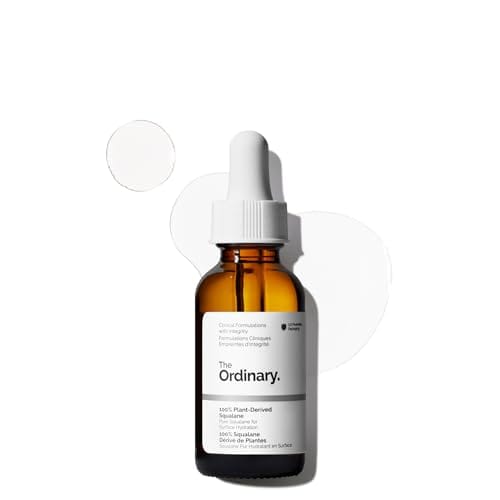
Best for all skin types
The Ordinary 100% Plant-Derived Squalane
Why it fits: A simple 100% plant-derived squalane fits readers who want a lightweight face oil that seals in moisture without the heavier feel of many botanical oils.
Watch-out: Use only two or three drops as the final step. More oil can feel greasy, pill under sunscreen, or make acne-prone skin harder to read.
View Product on AmazonAs an Amazon Associate, we earn from qualifying purchases.
The Skin Insider
The biggest mistake people make with face oils is applying them before water-based serums. Oils create an occlusive barrier that blocks anything applied on top. The correct order is always: cleanse → water-based serum → retinoid (PM) → moisturizer → face oil as the final seal. This ensures your active ingredients reach the skin while the oil locks everything in.
Face Oil Comparison Table
| Oil | Main Fatty Acid | Comedogenic Rating | Best Skin Type | Primary Benefit |
|---|---|---|---|---|
| Squalane | Bio-identical | 0 | All types | Barrier support, hydration |
| Rosehip | Linoleic acid | 1-2 | Normal to dry | Elasticity, fine lines |
| Marula | Oleic acid | 2-3 | Dry, mature | Antioxidant protection |
| Jojoba | Wax ester | 0-1 | Oily, combination | Sebum regulation |
Anti-Aging Face Oils - Visual Guide
How to Use Oils with Retinoids
Face oils and retinoids can be used together, but application order matters. Retinoids need to reach the skin cells to work, while oils create a protective barrier on the skin surface. If you apply oil before retinol, you may reduce the retinoid's penetration and efficacy.
For optimal results, follow this PM layering order:
- Step 1: Cleanse and dry skin completely
- Step 2: Apply water-based serum (e.g., hyaluronic acid or niacinamide)
- Step 3: Wait 2-3 minutes for absorption
- Step 4: Apply retinoid (retinol, retinal, or prescription)
- Step 5: Wait 20 minutes for retinoid absorption
- Step 6: Apply moisturizer
- Step 7: Seal with 2-3 drops of face oil
This approach minimizes retinoid-related dryness without interfering with its collagen-stimulating activity. Recent research on squalane confirms its protective role against UV-induced oxidative stress and collagen degradation, making it an ideal companion to retinoid therapy.
Your Clear Skin Checklist
- Step 1: Choose your oil based on skin type - squalane for all, rosehip for dry, jojoba for oily.
- Step 2: Always apply oils as the FINAL step in your routine, after water-based products and retinoids.
- Step 3: Start with 2-3 drops. More oil does not mean more benefits - excess oil sits on the surface and may clog pores.
Conclusion
Face oils are effective anti-aging tools when chosen for your skin type and used correctly. Squalane is the most versatile option for all skin types. Rosehip oil offers additional vitamin C and linoleic acid benefits for normal to dry skin. Always apply oils after water-based serums and retinoids to avoid blocking absorption, and choose non-comedogenic oils to prevent breakouts.
For a complete anti-aging skincare strategy, explore our comprehensive guide to anti-aging skincare and our breakdown of evidence-based anti-aging ingredients.
Frequently Asked Questions About Anti-Aging Face Oils
Can face oils replace my moisturizer?
Will face oils clog my pores?
Can I use face oils with retinol?
Which face oil is best for anti-aging?
How many drops of face oil should I use?
This article is for informational purposes only and does not replace professional dermatological advice. If you have persistent skin concerns, consult a board-certified dermatologist.