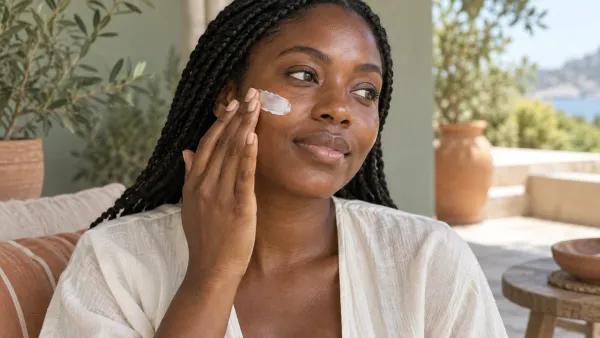
EltaMD UV Clear Review: Is It Worth It for Acne-Prone and Sensitive Skin?
An evidence-aware EltaMD UV Clear SPF 46 review for acne-prone and sensitive skin, including filters, tint, drawbacks, use, and value.
In this guide
Is EltaMD UV Clear worth it?
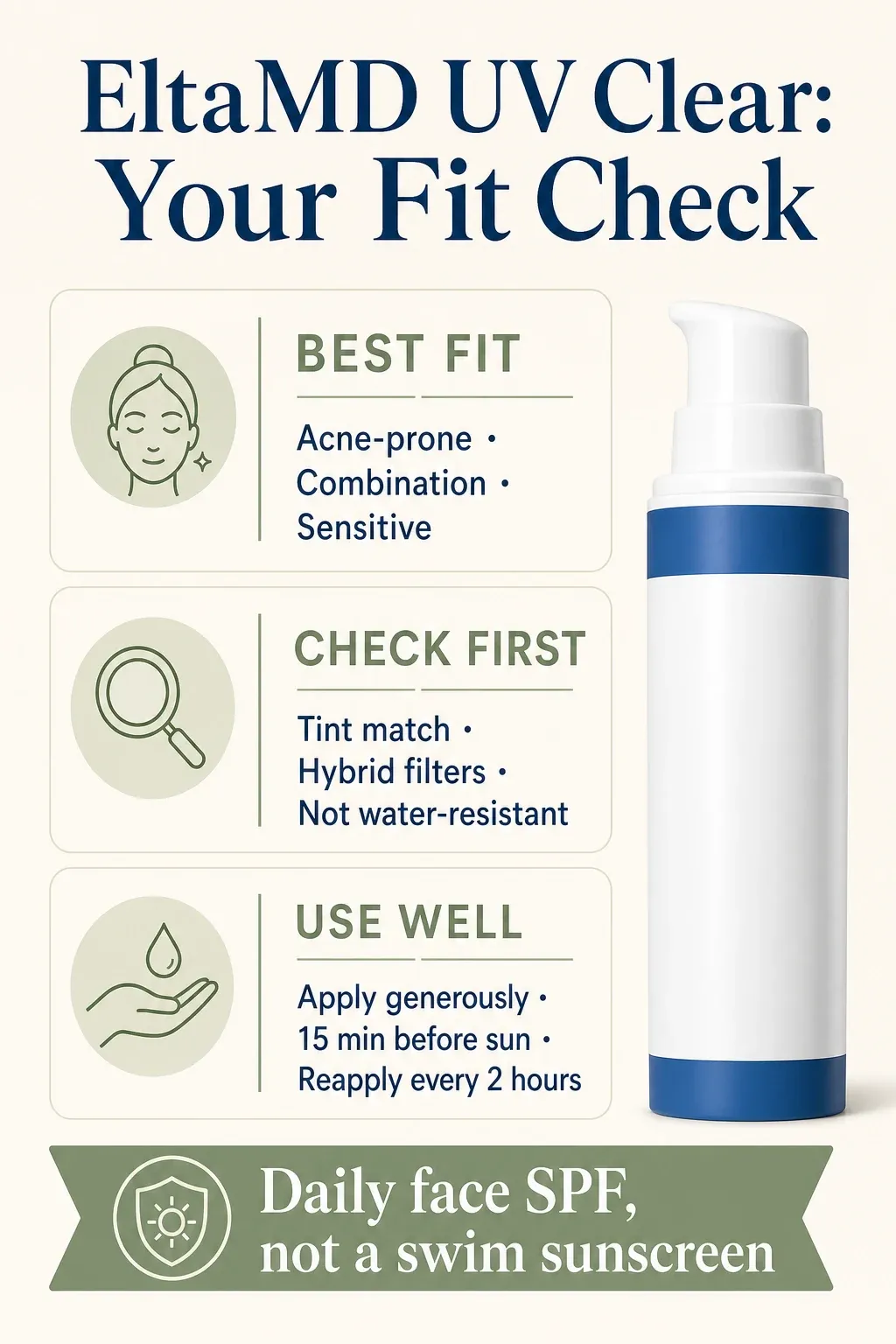
EltaMD UV Clear SPF 46 is worth considering if you want a fragrance-free daily facial sunscreen for acne-prone, combination, oily, or sensitive skin and you value a light lotion finish more than a low price. The current untinted U.S. formula uses 9% zinc oxide plus 7.5% octinoxate, includes 5% niacinamide, and is not labeled water resistant. Buy it for ordinary daily wear; skip it for swimming, heavy sweating, a strictly mineral-only routine, or when the untinted version leaves a visible cast on your skin tone.
EltaMD UV Clear review searches usually come from people who have already heard the sunscreen is a dermatologist-office favorite and now want to know whether the premium price is justified. The answer depends less on reputation than on four practical questions: Can you apply enough without disliking the finish? Does the tint or untinted cast work on your skin tone? Do niacinamide and a hybrid filter system suit your preferences? And are you buying a daily face sunscreen or one for sweat and water?
We assessed the current U.S. manufacturer label, active filters, texture positioning, shade guidance, use directions, and the tradeoffs that affect real routines. SkinOptimizer did not conduct a controlled product trial, and this article does not present personal wear-test claims as evidence. Manufacturer claims are identified as such; the verdict is an editorial fit assessment based on disclosed formula facts and established sunscreen-use guidance.
That distinction matters because a sunscreen can look excellent on paper and still fail if it pills, stings your eyes, clashes with makeup, or feels too expensive to reapply. Conversely, a comfortable formula that you use generously may be a better purchase than a technically impressive bottle you ration. This review therefore treats EltaMD UV Clear as a routine decision, not a status product.
Quick Summary
- Best for: daily wear on acne-prone, combination, oily, and sensitive skin.
- Current filters: 9% zinc oxide and 7.5% octinoxate in the untinted U.S. formula.
- Support ingredient: 5% niacinamide, plus sodium hyaluronate and vitamin E.
- Main strengths: fragrance-free, oil-free, non-comedogenic positioning and an easy facial-lotion format.
- Main limits: premium cost, no water-resistance claim, hybrid rather than mineral-only filters, and untinted shade limitations.
- Verdict: a strong daily face SPF for the right routine, not the universal best sunscreen.
The best sunscreen is the one you can apply at full strength
Sunscreen reviews often over-focus on a tiny first swatch. The more useful test is whether the finish remains acceptable at a generous, even application across face, ears, and neck. If the price makes you under-apply, the tint does not blend, or the formula is wrong for your activity, choose another sunscreen. Consistent coverage matters more than owning the most praised bottle.
This guide was prepared by the SkinOptimizer Editorial Team. Rankings reflect current formulas, active levels where disclosed, skin-type fit, use case, value, and meaningful tradeoffs. SkinOptimizer did not conduct a controlled product trial, and we do not claim medical credentials or undocumented hands-on testing. Product claims remain manufacturer claims unless an independent source is cited.
EltaMD UV Clear SPF 46 at a glance
| Product | Best for | Main watch-out |
|---|---|---|
| EltaMD UV Clear Broad-Spectrum SPF 46 | acne-prone, combination, oily, or sensitive skin needing an elegant everyday SPF. | it is not water resistant, is not mineral-only, and the untinted version is positioned mainly for fair through medium tones. |
If your main priority is breakout compatibility, compare our sunscreens for acne-prone skin. If cast is the deciding issue, use the tinted sunscreen guide before choosing between the untinted and tinted versions.
EltaMD UV Clear SPF 46: the product verdict
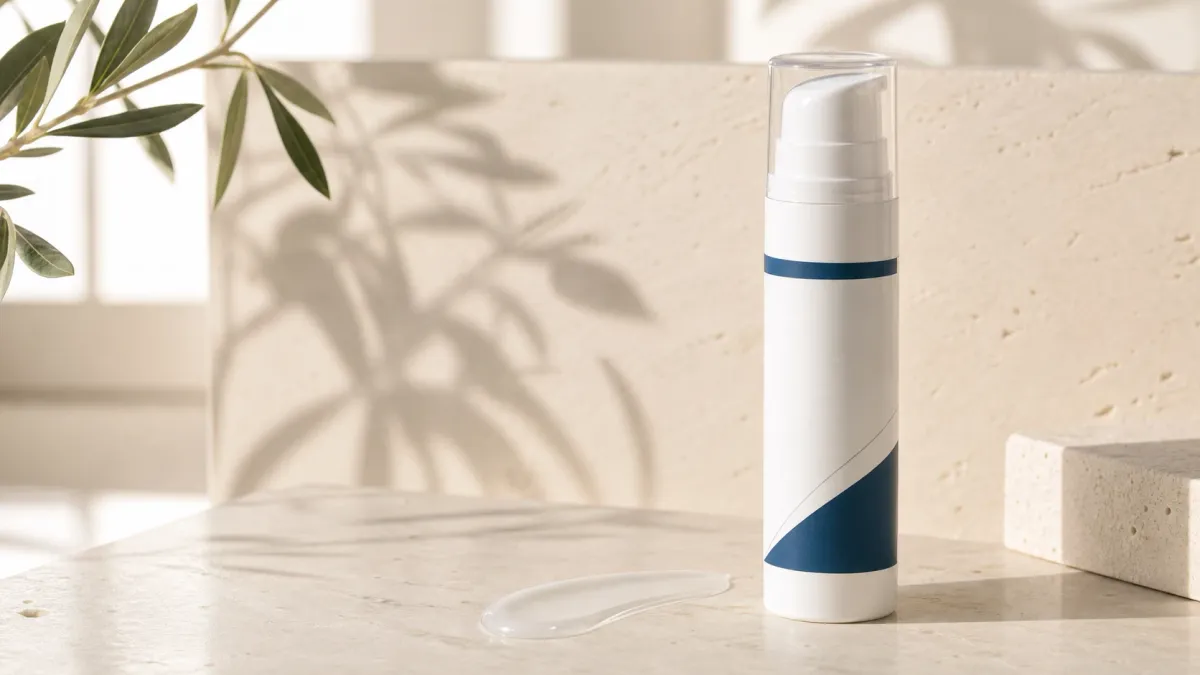
EltaMD UV Clear Broad-Spectrum SPF 46
EltaMD UV Clear earns its reputation through routine fit rather than an unusually high SPF number. SPF 46 is already within the high-protection range for daily facial use, while the light pump format is designed to be easier to spread than many thick zinc-heavy creams. The current untinted U.S. label lists 9% transparent zinc oxide and 7.5% octinoxate. That makes it a hybrid sunscreen: zinc oxide is the mineral filter, while octinoxate is an organic filter. Anyone seeking a mineral-only formula should not assume the word zinc tells the whole story.
The formula also includes 5% niacinamide. Niacinamide can support a calmer-looking, more even routine and is widely used in products for oily or blemish-prone skin, but its presence does not make UV Clear an acne treatment. It will not replace benzoyl peroxide, adapalene, azelaic acid, or a clinician-directed plan. Sodium hyaluronate and vitamin E add hydration and antioxidant support, yet the practical benefit remains simple: sunscreen protection in a lotion that aims to feel comfortable on the face.
The untinted shade guidance is a meaningful limitation. EltaMD currently says the untinted version works best on fair, light, medium-light, or medium tones. The tinted version can reduce white cast for some users, but one flexible tint will not match every undertone or depth. Treat tint choice as part of the sunscreen decision, not an afterthought. A visible film can lead to using too little, which defeats the purpose of paying for a premium formula.
Use it as the last skincare step, apply it generously to face and neck 15 minutes before sun exposure, and reapply at least every two hours when exposed. The current label tells users to choose a water-resistant sunscreen for swimming or sweating. That is not a minor footnote: it separates UV Clear from outdoor formulas intended for sport, beach, or humid high-sweat days. For those situations, see our sunscreen stick guide for portable reapplication ideas, while remembering that sticks also require multiple passes for adequate coverage.
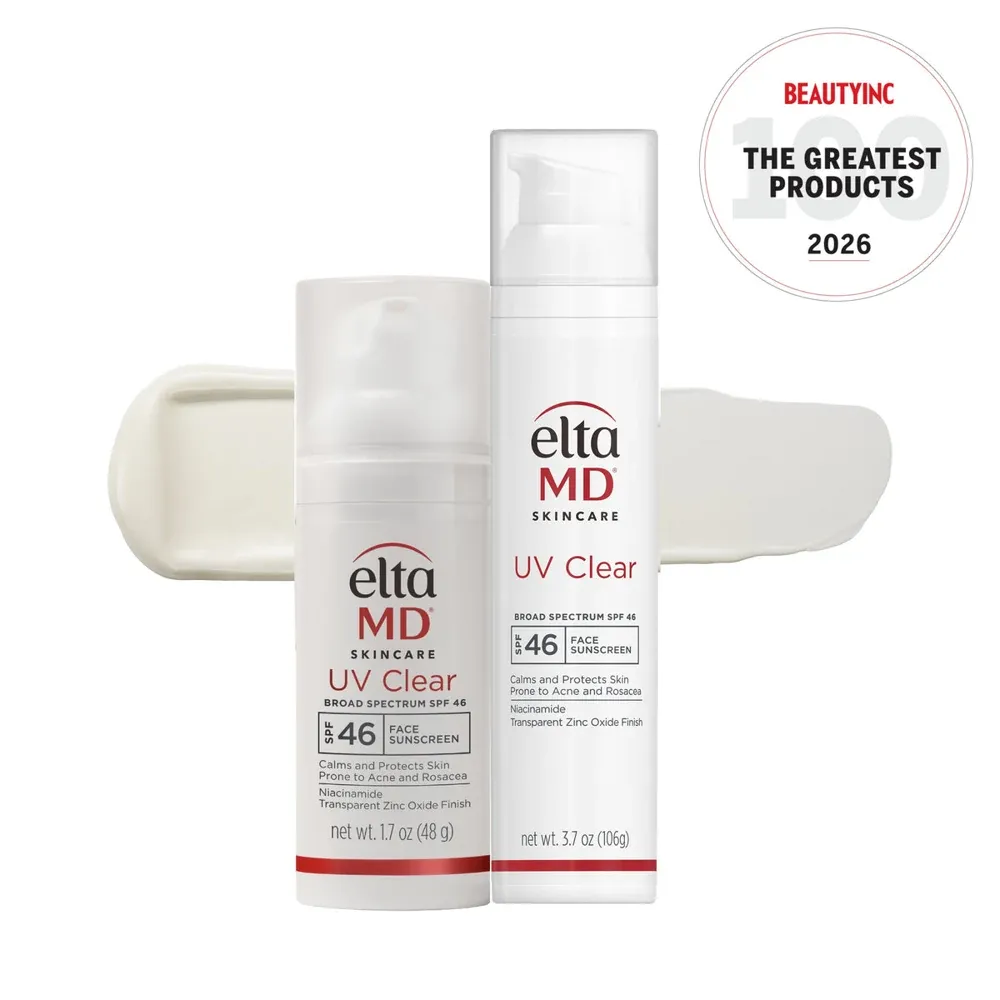
EltaMD UV Clear Broad-Spectrum SPF 46
Best for: acne-prone, combination, oily, or sensitive skin needing an elegant everyday SPF. Why: the current fragrance-free formula combines 9% zinc oxide, 7.5% octinoxate, and 5% niacinamide in a light facial lotion. Watch-out: it is not water resistant, is not mineral-only, and the untinted version is positioned mainly for fair through medium tones.
Check current Amazon optionsAs an Amazon Associate, we earn from qualifying purchases.
Product facts checked against the current manufacturer or official product information. Formulas, packaging, availability, and prices can change.
Do not confuse acne-friendly with acne treatment
UV Clear is positioned as oil free and non-comedogenic, but no label can guarantee zero breakouts for every person. Its 5% niacinamide may fit acne-prone routines, while the sunscreen itself prevents UV exposure from worsening the appearance of post-acne marks. Judge it as protection and routine support. Keep evidence-based acne treatment separate, add one new product at a time, and stop if a repeatable irritation or breakout pattern develops.
Who should buy EltaMD UV Clear—and who should skip it?
A strong fit when a light, oil-free facial lotion helps you apply sunscreen consistently. It supports the routine but does not treat acne.
Fragrance-free positioning and a zinc-containing formula may appeal, but niacinamide, octinoxate, and any sunscreen base can still sting individual skin.
Check the tinted option and a real full-amount application. The untinted version is not positioned by the brand for all deeper tones.
Skip UV Clear for the activity itself because the current product is not labeled water resistant. Choose a sunscreen with a stated resistance duration.
For acne-prone skin, the most useful benefit is that daily UV protection helps prevent existing red or brown post-acne marks from becoming more persistent. Pair it with a simple acne-prone skincare routine rather than adding multiple new actives at once. A sunscreen that does not feel greasy may also make consistency easier, but individual congestion is still possible with any leave-on product.
For sensitive skin, fragrance-free is a good filter but not a guarantee. Apply a small amount along the jaw for several days before committing to a full face if you have a history of reactions. Burning that continues, swelling, hives, or a spreading rash means stop; it is not an adjustment phase. If even basic moisturizer stings, first use our skin-barrier damage guide and simplify the routine.
For hyperpigmentation, sunscreen is foundational because UV exposure can deepen visible discoloration. The tinted version may also add visible-light protection when it contains iron oxides, but confirm the current label because formulas can change. Our hyperpigmentation routine explains how protection fits with treatment without turning the morning into a ten-step regimen.
For budget-focused shoppers, value is not the sticker price alone. Calculate whether you will use the recommended amount, repurchase on time, and reapply when needed. A cheaper sunscreen you enjoy can outperform an expensive product you ration. UV Clear earns its price only when its finish solves a real adherence problem for you.
How to use EltaMD UV Clear without pilling or under-applying
- Keep the morning base light. Use only the moisturizer you need and let it settle before sunscreen.
- Apply enough. Cover the entire face, ears, neck, hairline, and exposed chest rather than stretching one small pump too far.
- Use two thin passes. Dividing the amount can improve evenness and reduce rolling compared with aggressive rubbing.
- Let sunscreen set. Wait before makeup and press complexion products on rather than repeatedly buffing the sunscreen layer.
- Reapply for exposure. Follow the label at least every two hours outdoors and after toweling; use a water-resistant product for sweat or swimming.
- Cleanse gently. Remove sunscreen at night with a cleanser that works without leaving the skin squeaky or tight.
Pilling often comes from too many film-forming layers, excessive amounts of serum, or rubbing after products begin to set. It does not automatically mean the sunscreen is defective. Test UV Clear over a minimal base for several mornings before judging compatibility. Our morning routine guide provides a lean order that makes troubleshooting easier.
Do not mix sunscreen into moisturizer or foundation. Mixing makes coverage uneven and changes the film the product was designed to form. Layer sunscreen separately, allow it to set, and add makeup afterward. If the full amount never looks acceptable, the correct solution is a different sunscreen—not using less.
Before you keep the product
- The untinted or tinted version blends at a full, even application.
- The hybrid zinc oxide plus octinoxate system matches your filter preference.
- No water-resistance claim is acceptable for the way you plan to use it.
- The finish remains comfortable under your moisturizer and makeup.
- The cost will not make you ration the product or delay replacement.
- Persistent stinging, swelling, rash, or a repeatable breakout pattern leads to stopping.
What the ingredient list actually tells you
Zinc oxide provides broad-spectrum mineral UV filtering, while octinoxate primarily contributes UVB protection. The combination allows a thinner, more transparent daily formula than many high-zinc mineral creams, but it also means UV Clear is not the right product for shoppers avoiding organic filters. Filter ideology should not replace practical protection: choose a legally marketed broad-spectrum sunscreen you can use correctly and tolerate.
Niacinamide at 5% is a notable supporting ingredient because it sits within the range commonly used in facial skincare. It may help the formula feel more tailored to oily, redness-prone, or uneven-looking skin. Still, a sunscreen label cannot promise that niacinamide will treat rosacea, control acne, or erase dark spots. Those conditions have different causes and may require separate treatment.
The brand also highlights sodium hyaluronate and tocopheryl acetate. These help with hydration and antioxidant support, but they do not change the need for sufficient application or reapplication. Marketing often spotlights familiar skincare ingredients because they make sunscreen feel multifunctional. Protection remains the reason to buy the bottle.
Untinted vs tinted EltaMD UV Clear
Choose untinted when it disappears at the full amount on your skin and you do not want color transfer. Choose tinted when the tint reduces visible cast and blends with your undertone. Neither option is universally invisible. Test around the jaw, hairline, and eyebrows, where residue is easier to see, and check in daylight rather than only under bathroom lighting.
A tinted sunscreen can be useful for people focused on melasma or post-inflammatory hyperpigmentation because iron oxides may help with visible light. Confirm that the exact current tinted product lists iron oxides; do not assume every tinted formula provides the same pigments or coverage. Tint is also not foundation. Adding makeup is fine after the sunscreen sets, but makeup should not replace the sunscreen amount.
If neither version works, do not force brand loyalty. Our guide to everyday sunscreens helps compare finish, skin type, and use case across formulas.
How UV Clear fits with acne treatments
Adapalene, tretinoin, benzoyl peroxide, salicylic acid, and exfoliating acids can make a routine more irritating even when each product is useful. Sunscreen should be the stable protective step, not another place to chase treatment. Keep the morning simple: gentle cleanse or water rinse, moisturizer if needed, then UV Clear. Use treatment according to its directions, often at night, and introduce changes one at a time.
If sunscreen stings after starting an acne active, the active may have lowered your tolerance rather than the sunscreen suddenly becoming harmful. Pause optional exfoliation, use a plain moisturizer, and reassess once the skin is comfortable. Persistent irritation, crusting, swelling, or painful acne deserves professional evaluation.
For cleanser choices that support treatment without stripping, see our acne-prone cleanser comparison.
Is EltaMD UV Clear good value?
The formula is expensive compared with mass-market facial sunscreens, and the bottle is sized for the face rather than generous body use. Its value comes from cosmetic elegance, a pump format, and a formula designed around acne-prone and sensitive-skin preferences. Those benefits are meaningful only when they improve use. If you already apply a lower-cost sunscreen happily, UV Clear may be an unnecessary upgrade.
Buy from the brand, an authorized retailer, or a seller with a clear supply chain. Marketplace listings can mix sellers and packaging generations. Check the seal, expiration information, active ingredients, and exact product name when it arrives. Avoid stockpiling more than you can use before expiration, especially during sales.
Prices change, so this review does not use one fixed dollar threshold. Compare current cost per ounce, return policy, and whether a tinted match is available. The best purchase is the least expensive product that meets your skin, activity, and finish requirements—not automatically the cheapest bottle or the most premium one.
What competing reviews miss
Many current reviews repeat that UV Clear is a dermatologist favorite, describe a pleasant texture, and end with a broad recommendation for acne or rosacea. That creates a highly uniform result page but leaves important buying questions unresolved. The most useful gaps are the hybrid-filter distinction, the untinted tone limitation, the lack of water resistance, and the possibility that price encourages under-application.
A responsible review also separates brand claims from independent evidence and avoids implying that one sunscreen treats inflammatory skin disease. The product can be a strong supporting choice for someone with acne-prone or sensitive skin while still being wrong for their tint, budget, filter preference, or outdoor use. That conditional verdict is more useful than declaring a universal holy grail.
For broader prevention guidance, the American Academy of Dermatology recommends broad-spectrum, water-resistant SPF 30 or higher for outdoor use and emphasizes reapplication. Read the current AAD sunscreen selection guidance and our sun-damage prevention guide.
Frequently asked questions
Is EltaMD UV Clear mineral or chemical?
The current untinted U.S. formula is hybrid: it lists 9% zinc oxide, a mineral filter, and 7.5% octinoxate, an organic filter. Check the package because formulas can change by market and year.
Is EltaMD UV Clear good for acne-prone skin?
It is positioned as oil free and non-comedogenic and has a light facial-lotion format that can suit acne-prone skin. It is sunscreen, not acne treatment, and no product can guarantee zero breakouts.
Does EltaMD UV Clear leave a white cast?
The untinted version may leave a visible cast, especially outside the fair-to-medium tones the brand currently highlights. The tinted version can reduce cast for some users but will not match every depth or undertone.
Can I swim or exercise in EltaMD UV Clear?
The current label does not claim water resistance and directs users to a water-resistant sunscreen for swimming or sweating. Choose an outdoor formula with a stated resistance duration for those activities.
Can I use EltaMD UV Clear every day?
Yes, it is designed as a daily facial sunscreen. Apply generously as the last skincare step, let it set before makeup, and reapply according to the label when exposed to sunlight.
Final verdict
EltaMD UV Clear SPF 46 is worth it for the buyer who wants a premium, fragrance-free daily facial sunscreen for acne-prone, combination, oily, or sensitive skin and will apply it generously. Its current 9% zinc oxide plus 7.5% octinoxate filter system, 5% niacinamide, and light-lotion positioning make it a thoughtful everyday formula rather than a miracle treatment.
Skip it when you need water resistance, a purely mineral sunscreen, a deeper untinted match, or a lower-cost bottle that makes frequent reapplication easier. The product wins only when its full-amount finish, shade, activity fit, and ongoing cost work together in your real routine.
This article is for informational purposes only and does not replace professional dermatological advice.