Best Anti-Aging Eye Creams: Evidence-Based Guide to Treating Eye Area Aging
Evidence-based guide to anti-aging eye creams. Learn which ingredients target crow feet, dark circles, and puffiness effectively by clinical evidence.

In this guide
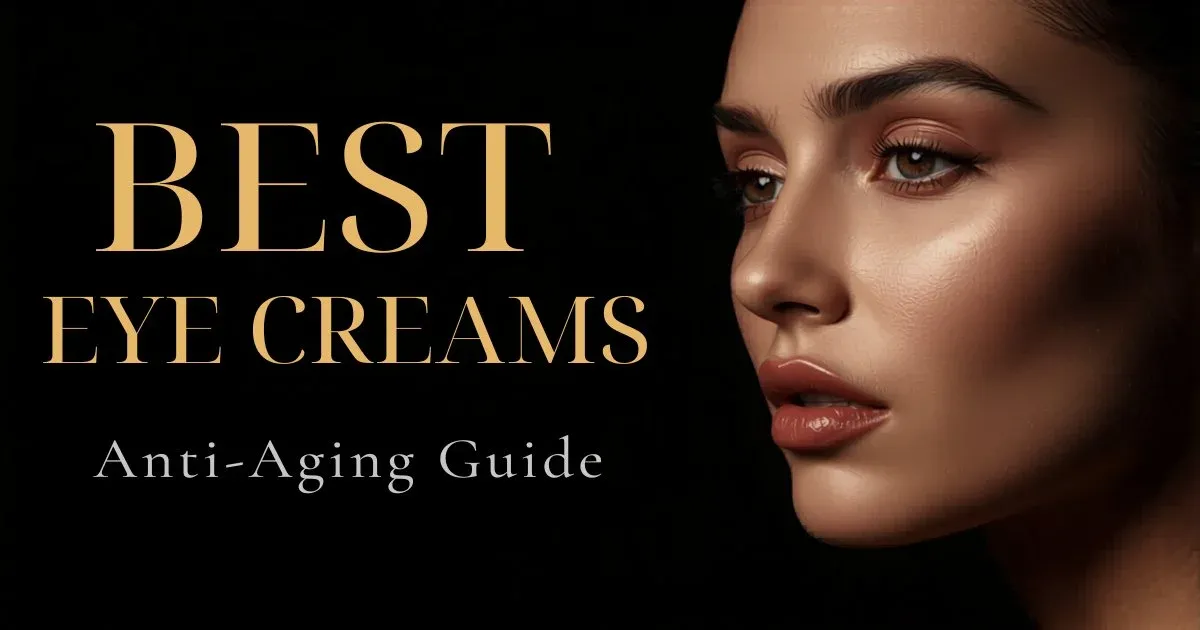
The skin around the eyes is anatomically distinct from the rest of the face. It is thinner (approximately 0.3 mm compared to 2 mm on the cheeks), has fewer sebaceous glands, and experiences constant movement from blinking and expression. These factors make the eye area particularly vulnerable to early signs of aging, but also more responsive to well-formulated topical treatments.
This evidence-based guide covers the six key categories of anti-aging eye creams, which ingredients target which concern, how to choose the right formulation for your specific eye area issues, and how to apply eye creams correctly for maximum benefit. For a complete anti-aging strategy, explore our guide to anti-aging ingredients.
TL;DR - Best Anti-Aging Eye Creams
- Crow's feet: Retinol (0.1-0.3%) or Argireline peptide - reduces wrinkle depth over 8-12 weeks
- Pigmented dark circles: Vitamin C, kojic acid, retinoids - inhibit melanin production
- Vascular dark circles: Caffeine, vitamin K - constrict vessels, improve circulation
- Puffiness: Caffeine is most evidence-backed - vasoconstriction reduces fluid retention
- Fine lines / dehydration: Hyaluronic acid, peptides - plump and hydrate temporarily
- Structural hollows: Cannot be corrected topically - may require filler or professional treatment
- Key rule: Match the ingredient to the specific concern, not to the price point
The Skin Insider
The eye area is the most common place where people use too many products at once, leading to irritation that makes dark circles and puffiness worse. A single well-chosen eye cream with the right active ingredient for your specific concern will outperform a three-step eye routine with mismatched ingredients. The thinnest skin on your body deserves the simplest, most targeted approach.
Why the Eye Area Ages Differently
The periorbital region has several unique characteristics that accelerate aging compared to the rest of the face. The dermis is approximately 0.3 mm thick - roughly six times thinner than facial skin. It contains fewer collagen and elastin fibers, fewer sebaceous glands (leading to dryness), and a dense network of lymphatic vessels that can easily become congested.
Additionally, the eye area undergoes approximately 10,000 blinks per day, plus constant squinting and expression movements. This repeated microtrauma contributes to the formation of periorbital wrinkles over time. A clinical study on retinoid eye creams for fine lines confirmed that nightly application of a targeted retinoid formulation produced significant improvements in periorbital wrinkle appearance over 8-12 weeks.
Three Distinct Eye Area Concerns
Different eye aging concerns require different treatment approaches. Using a single eye cream for all concerns is rarely effective.
Crow's feet (periorbital wrinkles): These fine lines form at the outer corners of the eyes due to repeated muscle contraction from squinting and smiling. The best topical ingredients are retinol (0.1-0.3% for the eye area), Argireline peptide which reduces muscle contraction intensity, and moisturizing ingredients that plump the skin.
Dark circles: Pigmented dark circles (brownish) respond to vitamin C, kojic acid, and retinoids. Vascular dark circles (bluish-purple) may benefit from caffeine and vitamin K. Structural dark circles caused by hollowness or tear trough deformity cannot be corrected with topical products and may require filler treatments.
Puffiness: Under-eye puffiness is primarily caused by fluid retention and weakened lymphatic drainage. Caffeine is the most evidence-backed topical ingredient for reducing puffiness through its vasoconstrictive effect. Cold application and sleeping with the head elevated also help.
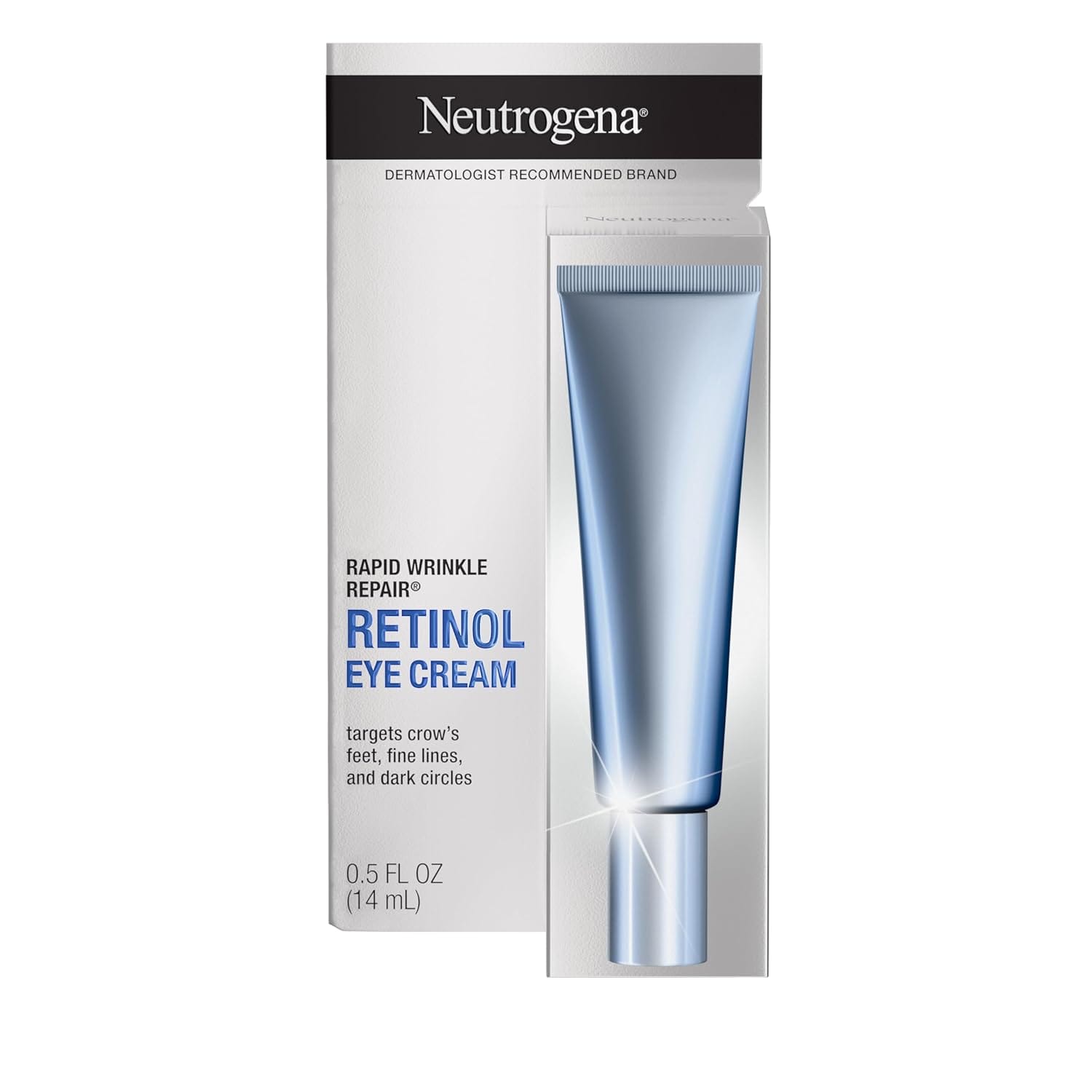
1. Retinol Eye Creams: Gold Standard for Wrinkles
Retinol is the most clinically proven anti-aging ingredient for the eye area. A review of cosmetic retinoid use in photoaged skin confirms that retinyl retinoate and retinol formulations significantly improve periorbital wrinkle depth, particularly in individuals over 30. The key is using an appropriate concentration - 0.1-0.3% for the delicate eye area versus 0.5-1% for the face.
Best for: Crow's feet, fine lines, overall texture improvement around the eyes.
- Concentration: 0.1-0.3% retinol. Higher concentrations risk severe irritation
- Schedule: Start 1-2 times per week. Gradually increase to every other night over 4-6 weeks
- Application: Apply to dry skin after moisturizer (buffering reduces irritation). Avoid lash line and inner corners
- Results: Visible improvement in wrinkle depth after 8-12 weeks of consistent use
- Alternative: Bakuchiol 0.5-1% provides comparable benefits without irritation for sensitive eyes
2. Peptide Eye Creams: Fine Lines + Firming
Peptides signal collagen production without the irritation of retinoids, making them ideal for the sensitive eye area. Argireline (acetyl hexapeptide-8) is particularly effective - it reduces muscle contraction intensity, similar to a topical Botox-mimetic effect. Matrixyl and copper peptides support collagen synthesis and improve skin firmness around the eyes.
Best for: Fine lines, loss of firmness, sensitive eyes that cannot tolerate retinol.
- Argireline: Reduces expression lines by relaxing muscle contractions. Visible improvement in 4-8 weeks
- Matrixyl: Stimulates collagen I, III, and IV. Improves skin thickness and firmness
- Copper peptides: Promote wound healing and collagen remodeling. Ideal for post-procedure recovery
- Compatibility: Can be used morning and evening. Pairs well with hyaluronic acid and vitamin C
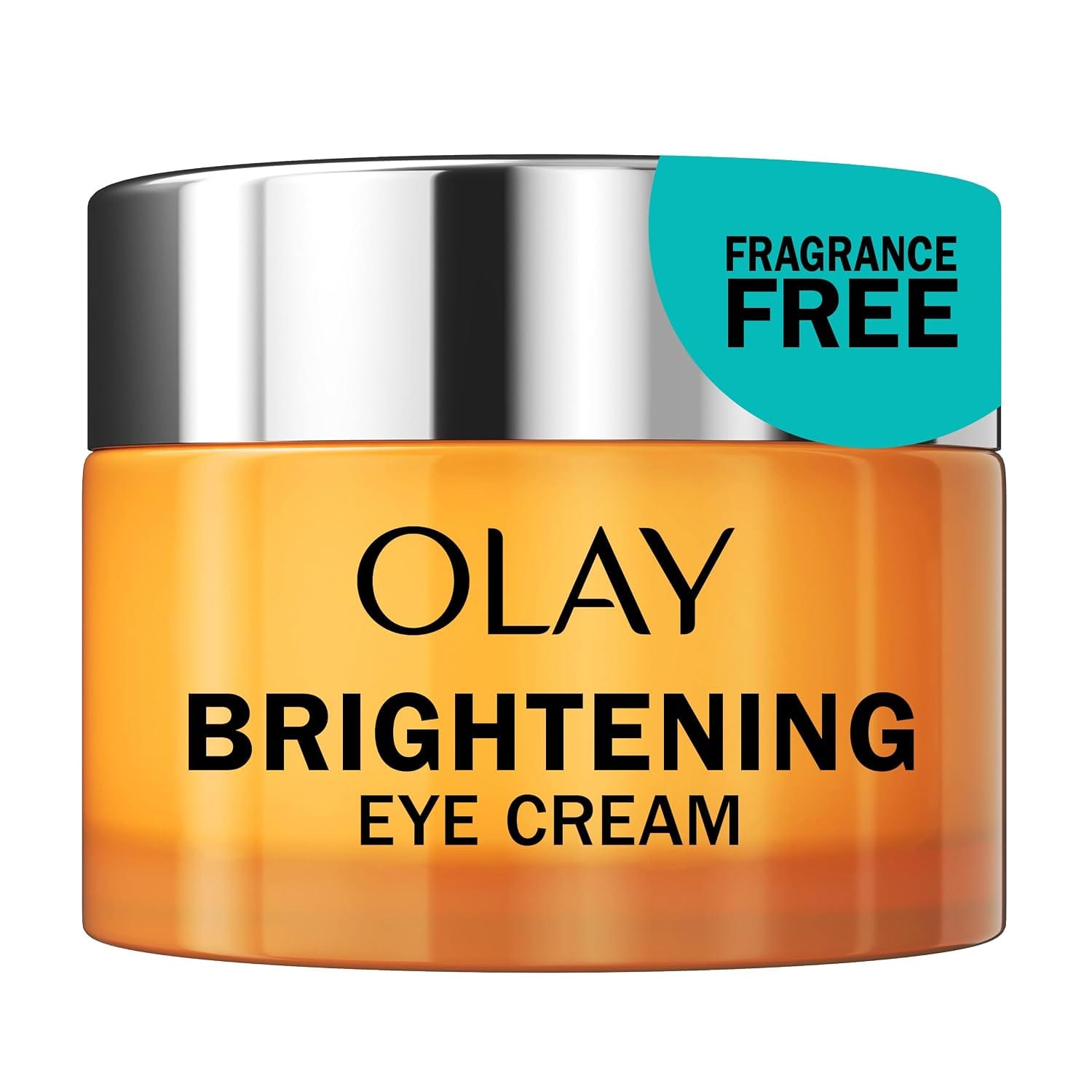
3. Vitamin C Eye Creams: Dark Circles + Brightening
Vitamin C targets pigmented dark circles by inhibiting melanin production and providing antioxidant protection. L-ascorbic acid at 5-10% is effective for the eye area. THD ascorbate (oil-soluble) is better tolerated for those with sensitive eyes. Vitamin C also supports collagen synthesis, improving skin thickness over time, which can reduce the appearance of hollows.
Best for: Brownish pigmented dark circles, overall brightness, collagen support.
- L-ascorbic acid (5-10%): Most potent but can irritate. Use lower concentration than facial serums
- THD ascorbate: Oil-soluble, stable, well-tolerated. Ideal for sensitive eye area
- Pairing: Vitamin C in the morning, retinol at night for 24-hour eye area treatment
- Results: Visible brightening in 4-8 weeks. Cumulative collagen improvement over 12+ weeks
4. Caffeine Eye Creams: Puffiness + Circulation
Caffeine is the most evidence-backed ingredient for reducing under-eye puffiness. It works through vasoconstriction - narrowing blood vessels reduces fluid accumulation and diminishes the appearance of bags. Caffeine also has antioxidant properties that protect against environmental damage. For vascular dark circles (bluish-purple), caffeine combined with vitamin K can improve circulation and reduce discoloration.
Best for: Morning puffiness, vascular dark circles, tired-looking eyes.
- Concentration: 2-5% caffeine is effective. Look for formulations that also contain vitamin K
- Best time: Morning application provides immediate de-puffing effects
- Results: Immediate temporary reduction in puffiness lasting 4-8 hours
- Limitations: No long-term structural change. Does not treat pigmented dark circles or wrinkles
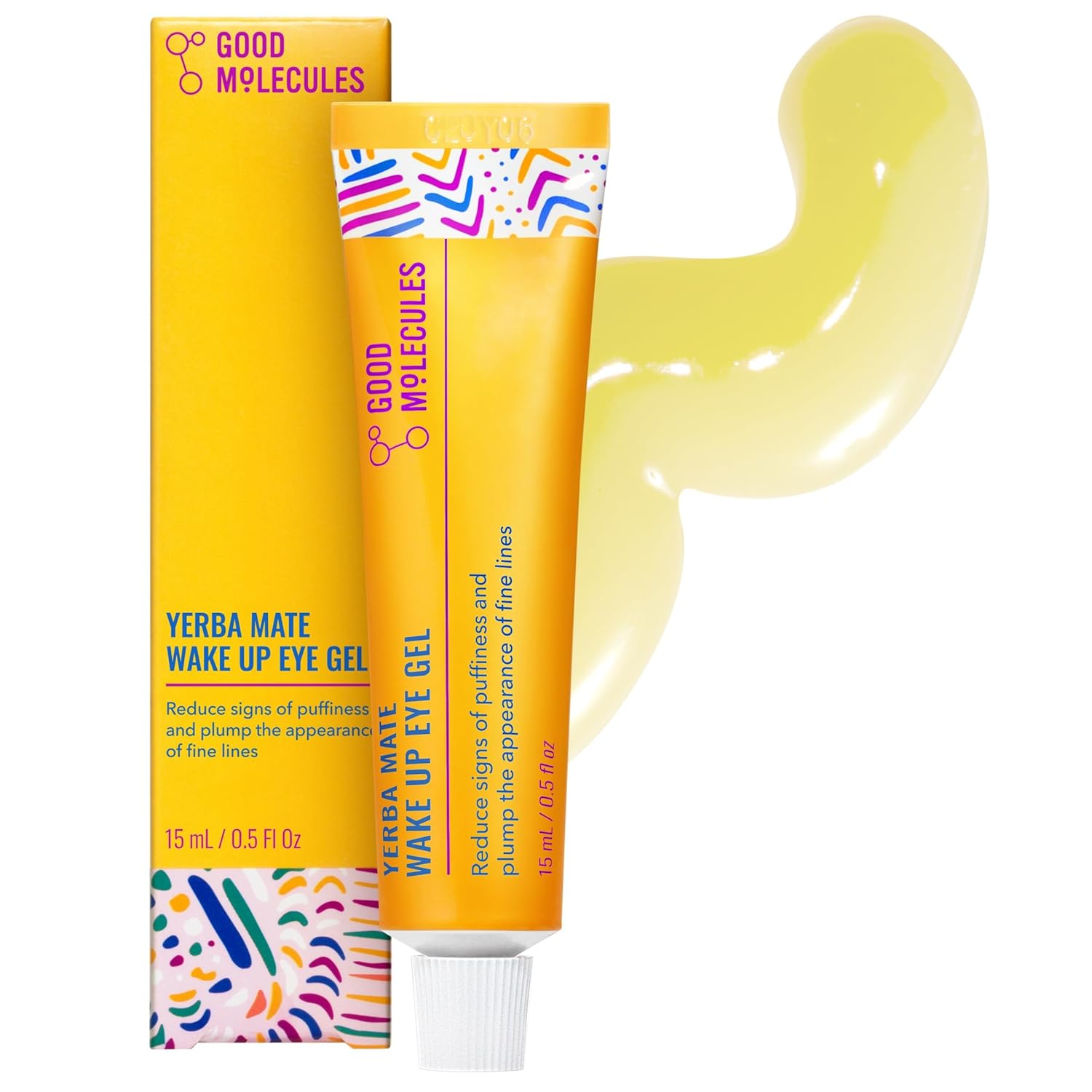
5. Hyaluronic Acid Eye Creams: Hydration + Plumping
Hyaluronic acid (HA) eye creams provide immediate hydration and temporary plumping of fine lines. While HA does not change skin structure, its ability to hold 1,000 times its weight in water makes fine lines less visible by filling them from within. Multi-weight HA formulations that contain high, medium, and low molecular weight HA provide hydration at multiple depths.
Best for: Dehydration lines, crepey texture, temporary plumping before makeup or events.
- Multi-weight HA: Look for formulations with high-molecular (surface), medium (mid-layer), and low-molecular (deep) HA
- Application: Apply to slightly damp skin for maximum absorption. Follow with moisturizer to seal
- Results: Immediate. Fine lines appear reduced for 12-24 hours. No long-term structural change
- Pairing: Works with all other eye care ingredients. No known negative interactions
6. Multi-Ingredient Eye Creams: All-in-One Solutions
Multi-ingredient eye creams combine several active ingredients to address multiple concerns simultaneously. Common combinations include retinol + peptides + caffeine, or vitamin C + HA + peptides. While convenient, multi-ingredient formulations may contain lower concentrations of each active than dedicated single-ingredient products.
Best for: Users with multiple eye concerns who want a simplified routine.
- Advantage: Single product addresses wrinkles, dark circles, and puffiness
- Compromise: Each ingredient at lower concentration than dedicated products
- Best choice: When your primary concern is maintenance rather than targeted treatment
- Application: Follow product instructions carefully - multi-ingredient formulations may have specific layering requirements
Best Ingredients by Eye Concern
| Concern | Best Ingredients | Evidence | Results Timeline |
|---|---|---|---|
| Crow's feet | Retinol, Argireline, Matrixyl | Strong | 8-12 weeks |
| Pigmented dark circles | Vitamin C, Kojic acid, Retinoids | Moderate | 4-8 weeks |
| Vascular dark circles | Caffeine, Vitamin K | Moderate | Immediate (temporary) |
| Puffiness | Caffeine, Cold therapy | Moderate | Immediate (temporary) |
| Fine lines / dehydration | Hyaluronic acid, Peptides | Moderate | Immediate (temporary) |
| Loss of firmness | Retinol, Peptides, Vitamin C | Moderate | 12+ weeks |
How to Apply Eye Cream Correctly
Application technique is just as important as the product itself. Incorrect application can cause irritation, milia (tiny white bumps), or reduced efficacy.
- Use the ring finger: It applies the least pressure. Never pull or tug the skin
- Dot, don't rub: Apply small dots along the orbital bone, not directly under the lash line
- Tap gently: Use a light tapping motion from inner to outer corner until absorbed
- Amount matters: A rice-grain sized amount per eye is sufficient. More product does not equal better results
- Order matters: Eye cream goes after serum but before moisturizer. If using retinol eye cream, apply after moisturizer (buffering)
- Stay clear of eyes: Keep products at least 5 mm away from the lash line and inner corners
Eye Cream Formats: Which One Is Right for You?
| Format | Best For | Texture | Active Delivery |
|---|---|---|---|
| Cream | Dry/mature skin, night use | Rich | Slow, sustained |
| Serum | Targeted treatment, AM use | Lightweight | Fast, concentrated |
| Gel | Oily skin, puffiness, AM | Cooling | Fast, light |
| Balm/Stick | Travel, targeted application | Solid | Slow, occlusive |
Safe Retinol Use Around Eyes
Retinol can be used around the eyes at lower concentrations than the rest of the face. Start with a 0.1% retinol eye cream applied once or twice per week, avoiding the lash line and inner corners. Increase frequency gradually over 4-6 weeks. If irritation occurs, reduce frequency or switch to a bakuchiol-based alternative, which provides similar benefits without the irritation risk.
- Always buffer: Apply moisturizer first, then retinol eye cream on top to reduce penetration and irritation
- Never mix: Do not use retinol eye cream at the same time as AHAs, BHAs, or benzoyl peroxide around the eyes
- SPF is mandatory: Retinol increases photosensitivity. Wear sunglasses and SPF around the eyes daily
- Pause if irritated: Redness, peeling, or stinging means reduce frequency or concentration
When to See a Dermatologist
Some eye area concerns cannot be addressed with topical products alone. Consider professional evaluation for:
- Tear trough deformity (structural hollows): Topical products cannot restore lost volume. Hyaluronic acid fillers are the standard treatment
- Severe dark circles: If topical vitamin C and caffeine show no improvement after 12 weeks, the cause may be structural rather than pigmented or vascular
- Persistent puffiness: May indicate allergies, thyroid issues, or sinus problems requiring medical evaluation
- Deep static wrinkles: Wrinkles that remain visible even when the face is at rest may require Botox or laser resurfacing
For a comprehensive anti-aging approach that combines topical treatments with professional procedures, explore our guides to professional anti-aging facials and evidence-based anti-aging ingredients.
Eye Concerns vs. Ingredients - Visual Guide
What to Expect
⏱ What to Expect
Individual results vary. Consistent use over months is required for visible outcomes.
The Optimizer's Edge
The most common mistake with eye creams is expecting one product to solve all three concerns. Crow's feet need retinol or Argireline. Pigmented circles need vitamin C. Puffiness needs caffeine. No single eye cream can do all three effectively. The best strategy is to identify your primary concern, buy the targeted product for that concern, and use it consistently for 12 weeks before evaluating results. And never forget: the eye area needs SPF just as much as the rest of your face - sunglasses and mineral sunscreen around the eyes are non-negotiable for preventing further damage. For more on building a complete routine, see our retinol guide and vitamin C guide.
Your Clear Skin Checklist
- Step 1: Identify your primary eye concern - crow's feet, dark circles, or puffiness. Buy a targeted product for that concern.
- Step 2: Apply with the ring finger using a gentle tapping motion. Use rice-grain sized amount per eye. Never tug or pull.
- Step 3: Be patient - retinol and peptides require 8-12 weeks of consistent use. Caffeine and HA provide immediate but temporary results. Wear SPF and sunglasses daily.
Conclusion
Effective eye area treatment requires matching the ingredient to the specific concern. Crow's feet respond best to retinol and Argireline peptide. Pigmented dark circles benefit from vitamin C and kojic acid. Vascular circles and puffiness respond to caffeine. Fine lines from dehydration improve with hyaluronic acid and peptides. Structural concerns like tear trough hollows require professional treatment.
For all eye area concerns, gentle application, consistent use, and daily sun protection are essential for maintaining results. No eye cream can replace a healthy lifestyle - adequate sleep, hydration, and a balanced diet all contribute to the appearance of the eye area.
For a complete anti-aging strategy, explore our complete anti-aging skincare guide, our anti-aging face masks guide, and our breakdown of anti-aging ingredients.
Frequently Asked Questions About Anti-Aging Eye Creams
Which ingredient works best for crow's feet?
Do eye creams really work for dark circles?
At what age should I start using eye cream?
Are retinol eye creams safe?
Is eye cream better than serum for the eye area?
This article is for informational purposes only and does not replace professional dermatological advice. If you have persistent eye area concerns or vision changes, consult a board-certified dermatologist or ophthalmologist.