Skincare Routine for Hyperpigmentation: Evidence-Based Guide to Fading Dark Spots | SkinOptimizer
Evidence-based skincare routine for hyperpigmentation. Learn which ingredients fade dark spots, the correct AM/PM routine, and how long treatment takes.

In this guide

Hyperpigmentation - whether from sun damage, acne scars, or hormonal changes - is one of the most common skin concerns. The right skincare routine for hyperpigmentation combines specific ingredients that inhibit melanin production, accelerate cell turnover, and protect against further darkening.
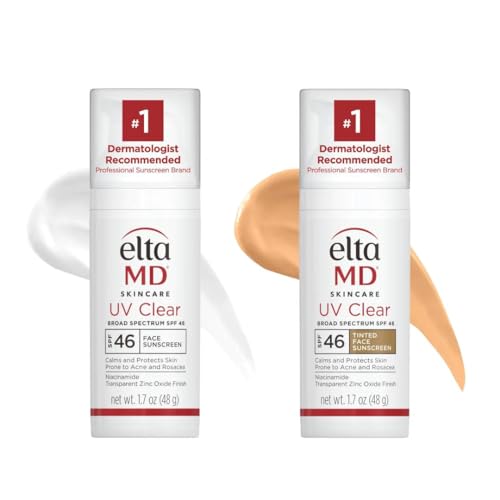
If EltaMD is on your shortlist, compare the untinted and tinted decision in our EltaMD UV Clear review. The guide covers cast, tint fit, hybrid filters, and why full application matters more than brand reputation.
- ✅ SPF is non-negotiable - Sunscreen prevents existing spots from darkening and new ones from forming. SPF 50+ daily.
- ✅ Vitamin C in the morning - A stable vitamin C serum brightens and protects against oxidative stress.
- ✅ Retinoids at night - Prescription or over-the-counter retinoids accelerate cell turnover and fade pigmentation over 8-12 weeks.
- ✅ Niacinamide for support - This gentle ingredient inhibits melanin transfer and strengthens the barrier.
- ✅ Patience is essential - Pigmentation treatments take 8-24 weeks to show visible results. Consistency matters more than intensity.
What Causes Hyperpigmentation?
Hyperpigmentation occurs when excess melanin is produced and deposited in specific areas of the skin. The three most common types are post-inflammatory hyperpigmentation (PIH) from acne or injury, melasma from hormonal changes, and solar lentigines (sun spots) from cumulative UV exposure. All three share the same underlying mechanism: melanocytes are triggered to overproduce pigment, and the excess melanin becomes visible as dark patches or spots.
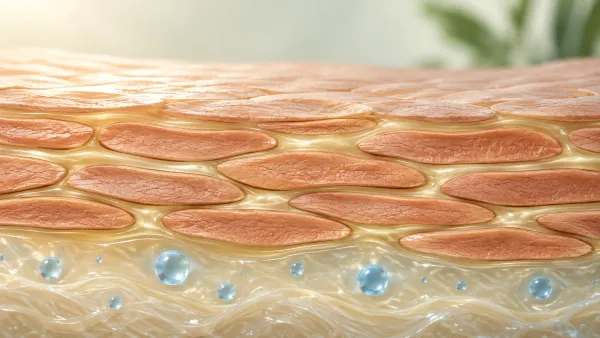
Research on moisturizers and barrier function confirms that a compromised skin barrier can worsen pigmentation by increasing inflammation. Supporting the barrier with ceramides and niacinamide is therefore an essential part of any pigmentation treatment plan.
The Morning Routine: Protect and Brighten
The morning routine focuses on two goals: antioxidant protection to prevent pigmentation triggers and SPF to block UV-induced melanin production.
Step 1: Gentle cleanser. Avoid stripping cleansers that compromise the barrier.
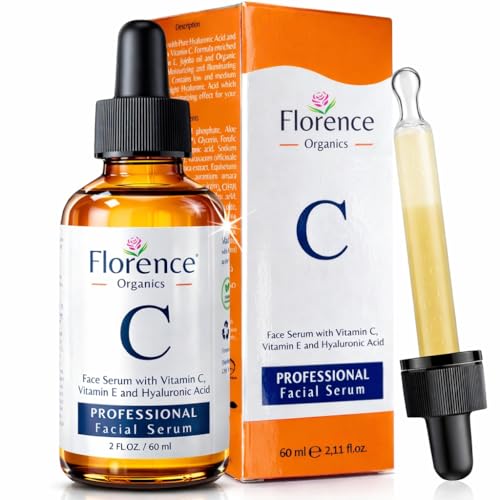
Step 2: Vitamin C serum. L-ascorbic acid (10-20%) inhibits tyrosinase, the enzyme responsible for melanin production. Apply to dry skin before any other product.
Step 3: Niacinamide moisturizer. Niacinamide at 4-5% has been shown to reduce pigmentation by inhibiting melanosome transfer.
Step 4: SPF 50+ sunscreen. This is the most important step. UV exposure darkens existing spots and triggers new ones.
The Evening Routine: Treat and Renew
The evening routine targets existing pigmentation with ingredients that accelerate cell turnover and inhibit melanin production.
Step 1: Double cleanse to remove sunscreen and impurities.
Step 2: Retinoid treatment. Retinol or prescription tretinoin increases cell turnover, which helps fade pigmented cells faster. Start with 2-3 times per week.
Step 3: Azelaic acid or kojic acid. These melanin-inhibiting ingredients complement retinoids well.
Step 4: Barrier-supporting moisturizer with ceramides.
Key Ingredients That Work
Not all brightening ingredients are equally effective. Here are the ones with the strongest clinical evidence:
- Vitamin C (L-ascorbic acid): Inhibits tyrosinase, the key enzyme in melanin production. Requires pH below 3.5 for stability.
- Retinoids: Accelerate cell turnover, reducing the visibility of pigmented cells at the surface.
- Niacinamide: Blocks melanosome transfer from melanocytes to skin cells.
- Azelaic acid: Inhibits melanin production and reduces inflammation, making it ideal for post-acne marks.
- Kojic acid: A gentler melanin inhibitor derived from mushrooms. Best for maintenance rather than initial treatment.
For more on these ingredients, see our anti-aging ingredients guide and hyaluronic acid guide.
Professional Treatments for Persistent Pigmentation
If topical treatments are not producing results after 12-16 weeks of consistent use, professional options can accelerate progress. Chemical peels with glycolic acid or TCA target surface pigmentation. Microneedling with depigmenting serums delivers ingredients deeper into the skin. Laser treatments like IPL or Q-switched Nd:YAG target deeper pigmentation.
For melasma specifically, a dermatologist may recommend a combination approach: prescription hydroquinone (limited to 3-month cycles), chemical peels, and strict sun protection. The anti-aging facials guide provides more detail on professional treatment options.
The Optimizer's Edge
The most overlooked factor in hyperpigmentation treatment is skin barrier health. If your barrier is compromised - from over-exfoliation, retinoid irritation, or environmental damage - the inflammation will actively trigger more melanin production, making your pigmentation worse even while you are treating it. This is why every hyperpigmentation routine should start with barrier assessment. If your skin feels tight, stings on application, or looks red, pause all active treatments for 1-2 weeks and focus exclusively on barrier repair with ceramides, niacinamide, and panthenol. Once the barrier is healthy, restart actives one at a time. A compromised barrier will sabotage even the most expensive pigmentation protocol.
Your Clear Skin Checklist
- Step 1: Check your barrier health before starting actives. If irritated, repair with ceramides and niacinamide for 1-2 weeks.
- Step 2: Build a consistent AM/PM routine: vitamin C + SPF in the morning, retinoid + azelaic acid at night.
- Step 3: Be patient - visible improvement takes 8-16 weeks. Take monthly photos to track progress. Never skip SPF.
Frequently Asked Questions About Hyperpigmentation
How long does it take for hyperpigmentation to fade?
Can vitamin C alone fade hyperpigmentation?
Is it safe to use multiple brightening ingredients together?
Do dark spots get darker before they fade?
What is the best treatment for post-acne marks?
This article is for informational purposes only and does not replace professional dermatological advice. If you have persistent or severe hyperpigmentation, consult a board-certified dermatologist.
More exfoliation is not automatically faster pigment care. Follow the safer exfoliation guide for darker skin to reduce irritation-driven darkening.