Best Body Moisturizers for Soft Skin in 2026
Five body moisturizers compared by texture and concern, with clear picks for everyday dryness, sensitive skin, and rough or bumpy areas.

In this guide
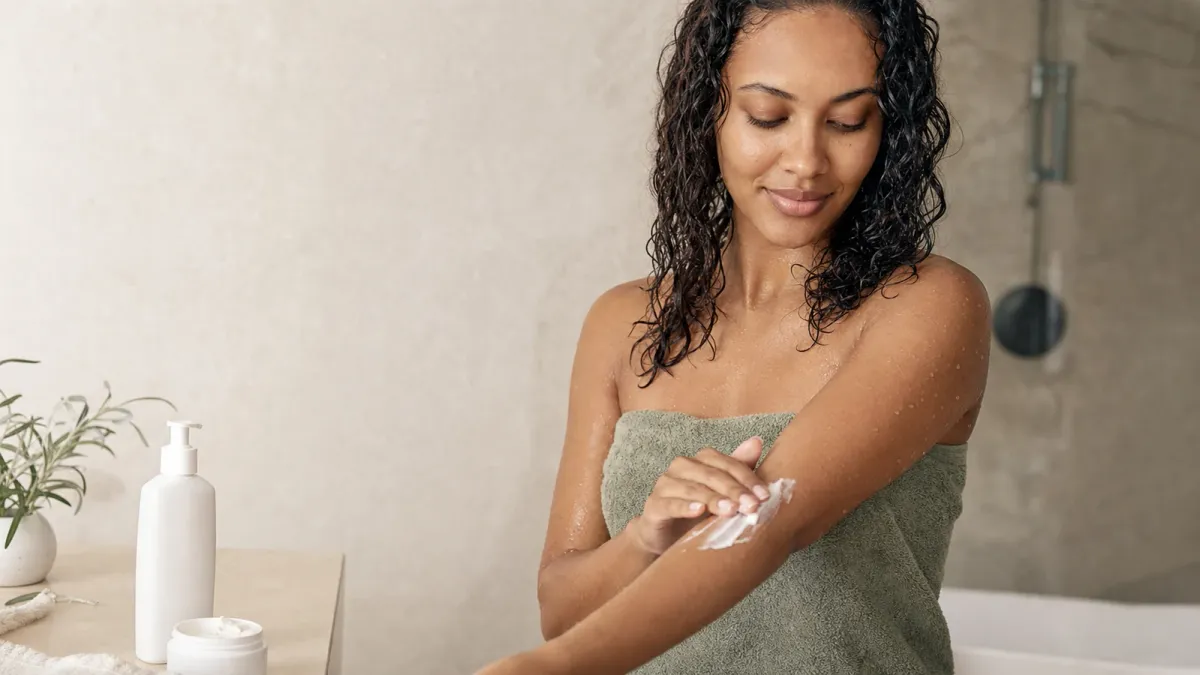
The best body moisturizer depends on what keeps your skin from feeling soft. CeraVe Daily Moisturizing Lotion is the easiest lightweight everyday pick; La Roche-Posay Lipikar AP+MAX is the richer choice for very dry or sensitive skin; and AmLactin Daily Nourish 12% Lactic Acid is the targeted option for rough, bumpy texture. Apply a plain lotion or cream to slightly damp skin after bathing. Use an exfoliating lotion only where texture needs it, not as the automatic answer for every dry patch.
If facial dryness is the priority, compare the separate best moisturizers for dry skin, including face-versus-body texture limits.
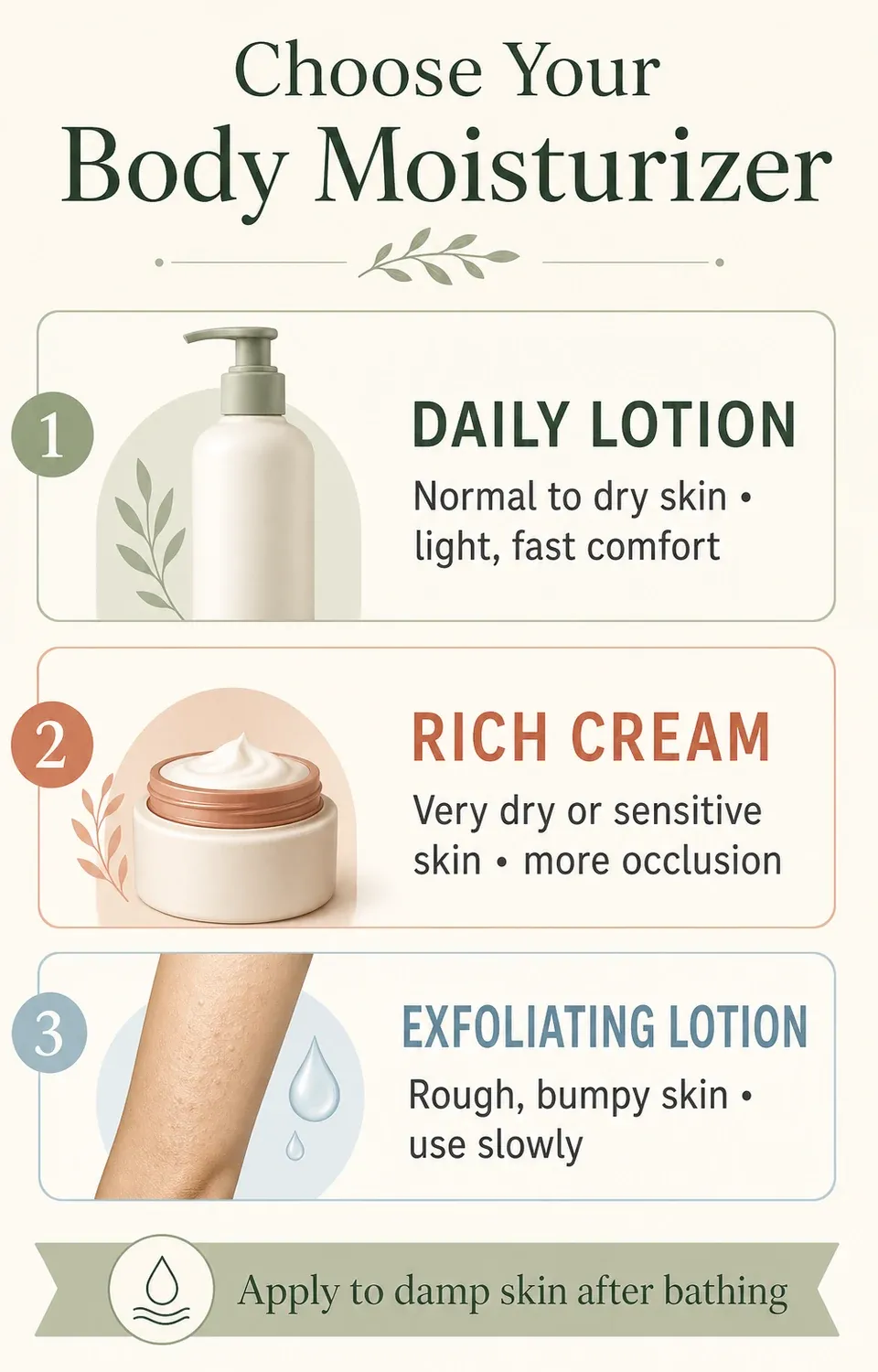
- Normal to dry: choose a fragrance-free lotion with humectants and barrier lipids.
- Very dry or sensitive: move up to a richer cream and avoid unnecessary fragrance or acids.
- Rough and bumpy: consider lactic acid, but introduce it gradually and respect its sun warning.
- Best timing: moisturize within a few minutes of bathing while skin is still slightly damp.
Soft skin is not created by the most expensive jar or the longest ingredient list. It usually comes from reducing water loss, replacing some of the lipids around skin cells, and using the product often enough to matter. The difficult part is choosing a formula that fits both your skin and your tolerance for residue. A thick cream that stays unused because it feels sticky is not a practical winner; a silky lotion that cannot control severe winter scaling is not enough.
The body also has different needs by area. Shins and elbows may be dry while the chest or back is breakout-prone. Upper arms may feel bumpy from keratin buildup rather than simple dehydration. Hands may need repeated protection after washing. That is why this guide ranks five products by job rather than pretending one lotion is universally best from shoulders to heels. If dryness extends to your face, use the step order in our daily dry-skin routine rather than copying a body routine above the neck.
If your main issue is the difference between water content and oil-based sealing, start with our guide to hydration versus moisturization. Readers managing a reactive face should use the separate sensitive-skin moisturizer comparison; a body product is not automatically a good facial product.
Best Body Moisturizers: Quick Comparison
| Pick | Best for | Texture | Main limitation |
|---|---|---|---|
| CeraVe Daily Moisturizing Lotion | Everyday normal-to-dry skin | Light lotion | May be too light for severe scaling |
| La Roche-Posay Lipikar AP+MAX | Very dry, sensitive, itchy-feeling skin | Rich cream | More noticeable residue than a lotion |
| Aveeno Skin Relief Lotion | Fragrance-free oat-based comfort | Nourishing lotion | Oat does not suit every individual allergy profile |
| AmLactin Daily Nourish 12% | Rough, bumpy body texture | Exfoliating lotion | Can sting and increases sun sensitivity |
| Naturium Bio-Lipid Lotion | Fast-absorbing, soft non-greasy finish | Silky lotion | More complex formula than a minimalist basic |
How We Chose Without Pretending We Tested Everything
Our shortlist starts with five different jobs, not five versions of the same promise. We checked the current brand label for moisturizer type, fragrance status, highlighted ingredients, directions, and warnings. We then considered whether the formula combines humectants that attract water, emollients that smooth the spaces between skin cells, and occlusives that reduce water loss. An exfoliating active was treated as a separate category because removing excess surface keratin is not the same task as sealing dry skin.
We also looked for an honest reason to skip each product. “Dermatologist tested,” “non-comedogenic,” and long-hour hydration claims do not guarantee that a texture will feel good to you or that a formula cannot irritate. The best body moisturizer is therefore the most appropriate starting point, not a promise of identical results. Persistent cracking, bleeding, intense itch, a spreading rash, or signs of infection deserve professional assessment rather than another round of product switching.
Five Body Moisturizers Worth Matching to the Right Job
1. CeraVe Daily Moisturizing Lotion
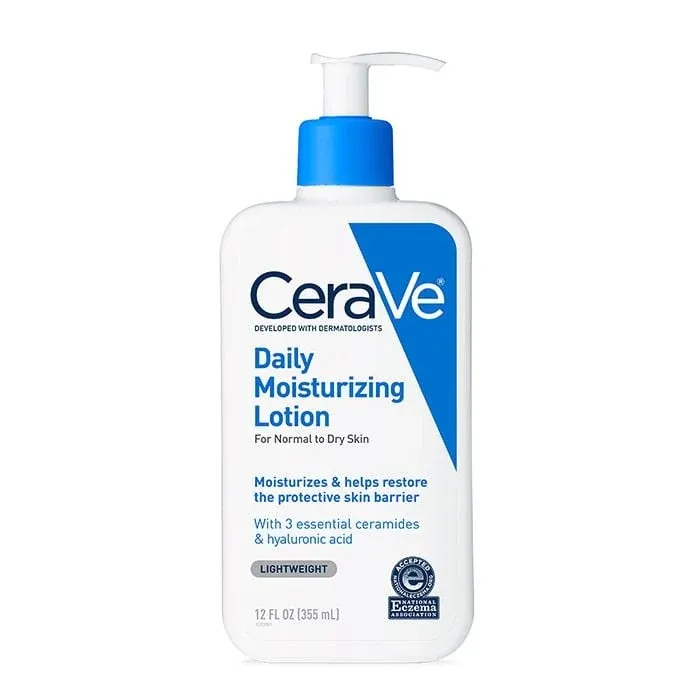
CeraVe Daily Moisturizing Lotion is the most straightforward pick for someone who wants one fragrance-free pump bottle for normal-to-dry body skin. The formula uses glycerin and hyaluronic acid as humectants, three ceramides for barrier-lipid support, and dimethicone for a smoother, less tacky seal. Its strength is spreadability: it is easier to cover arms and legs quickly than with a dense balm.
The tradeoff is exactly what makes it pleasant. A light lotion may not be enough for ashiness, flaking, or winter-dry shins. In that case, apply it to damp skin and seal stubborn patches with a richer cream or ointment instead of repeatedly adding thin layers. The current official CeraVe page lists it for normal-to-dry skin and face or body use.
Choose it if: you value quick absorption and daily consistency. Skip it if: your skin needs heavy occlusion or you dislike dimethicone slip.
Check CeraVe Lotion on AmazonAs an Amazon Associate, we earn from qualifying purchases.
2. La Roche-Posay Lipikar AP+MAX Triple Repair Cream
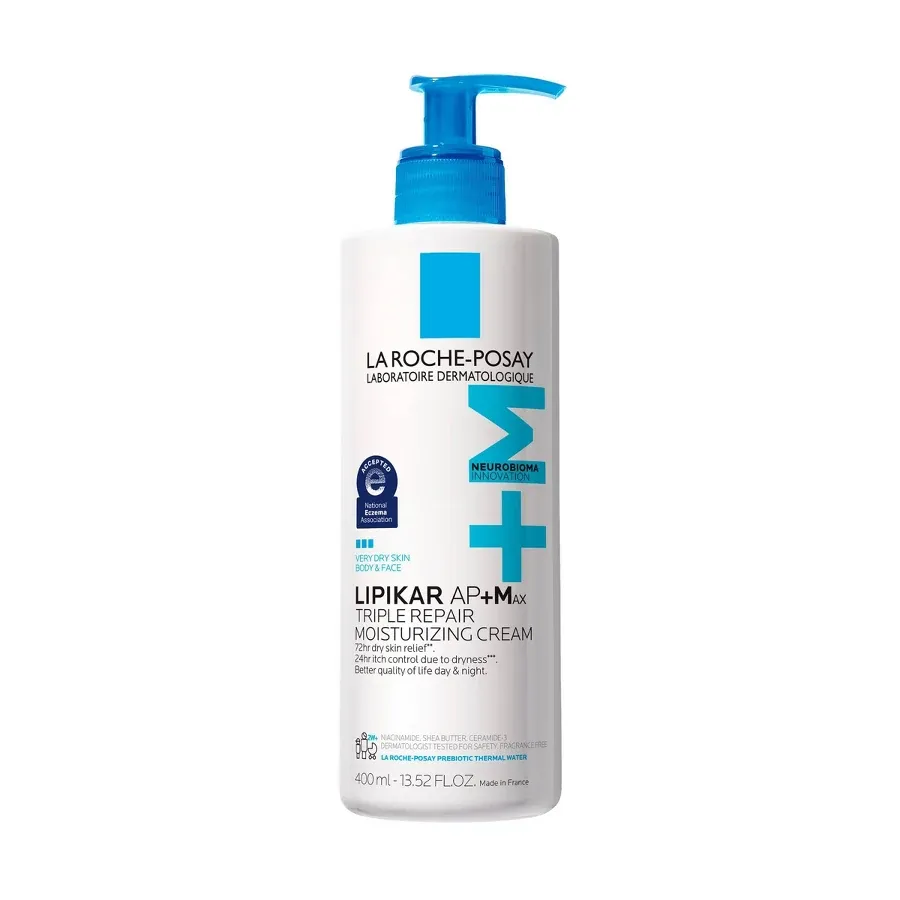
Lipikar AP+MAX is the step up when a basic lotion disappears but tightness returns quickly. The current fragrance-free formula combines shea butter, niacinamide, glycerin, dimethicone, and ceramide-3 in a cream positioned for very dry and sensitive skin. The brand says it can be used on face and body and highlights 48-hour hydration plus longer dry-skin relief claims.
We would choose it for dry legs, elbows, or a compromised-feeling barrier—not because every marketing claim applies to every person, but because the richer base offers more occlusion than the lightweight picks. It can still feel too substantial in humid weather or on body-acne-prone areas. See the current La Roche-Posay label.
Choose it if: very dry or sensitive skin needs a richer fragrance-free cream. Skip it if: you want a nearly weightless finish.
Check Lipikar AP+MAX on Amazon3. Aveeno Skin Relief Fragrance-Free Moisturizing Lotion
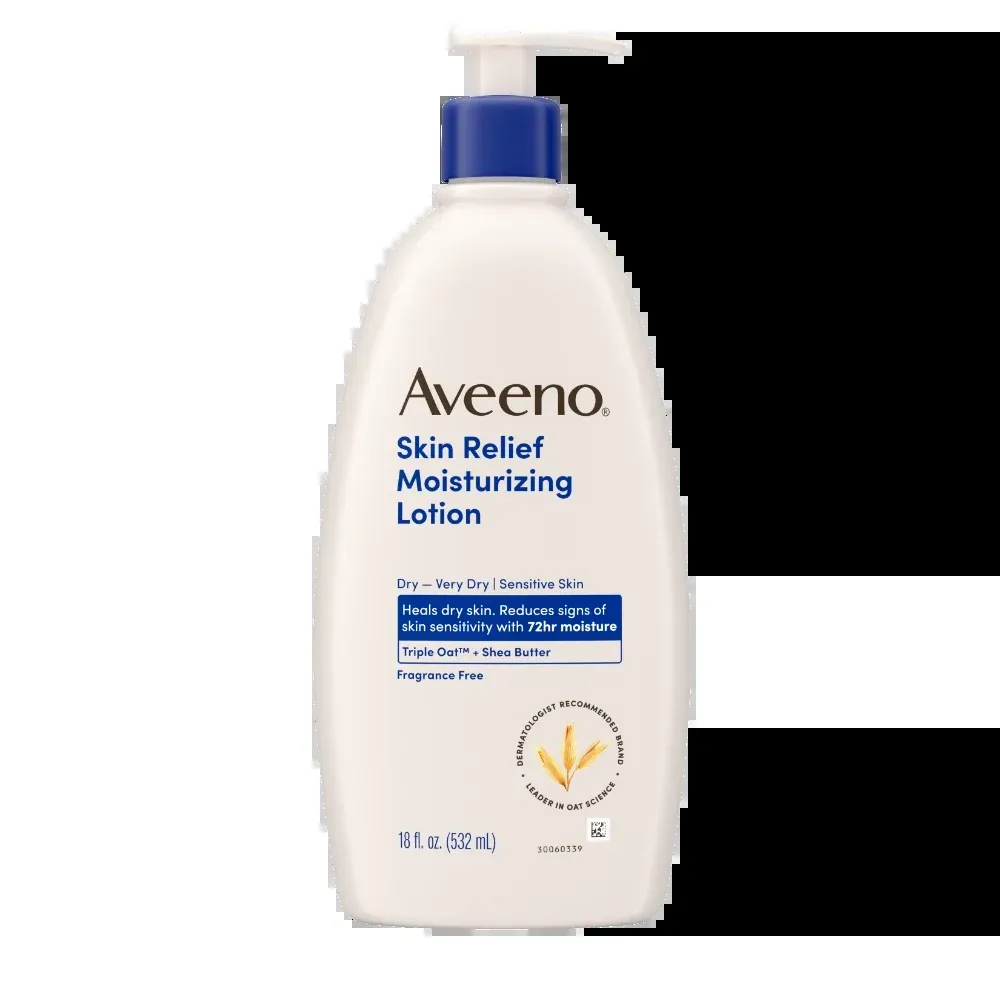
Aveeno Skin Relief is a useful middle ground between a thin daily lotion and a dense cream. The current label highlights a fragrance-free Triple Oat blend plus shea butter for very dry, sensitive skin. It spreads over large areas more easily than an ointment while leaving more cushion than many fast-vanishing lotions.
Oat-based skincare can be soothing for many people, but “natural” does not mean allergy-proof. Anyone with a known oat sensitivity should check the full ingredient list and ask a clinician when appropriate. Patch-test on a small body area if your skin is reactive. The official Aveeno page lists it as fragrance-, paraben-, and dye-free and suitable for daily use.
Choose it if: you want a nourishing, fragrance-free lotion with an oat focus. Skip it if: your known allergy history makes oat an unsuitable experiment.
4. AmLactin Daily Nourish Lotion with 12% Lactic Acid
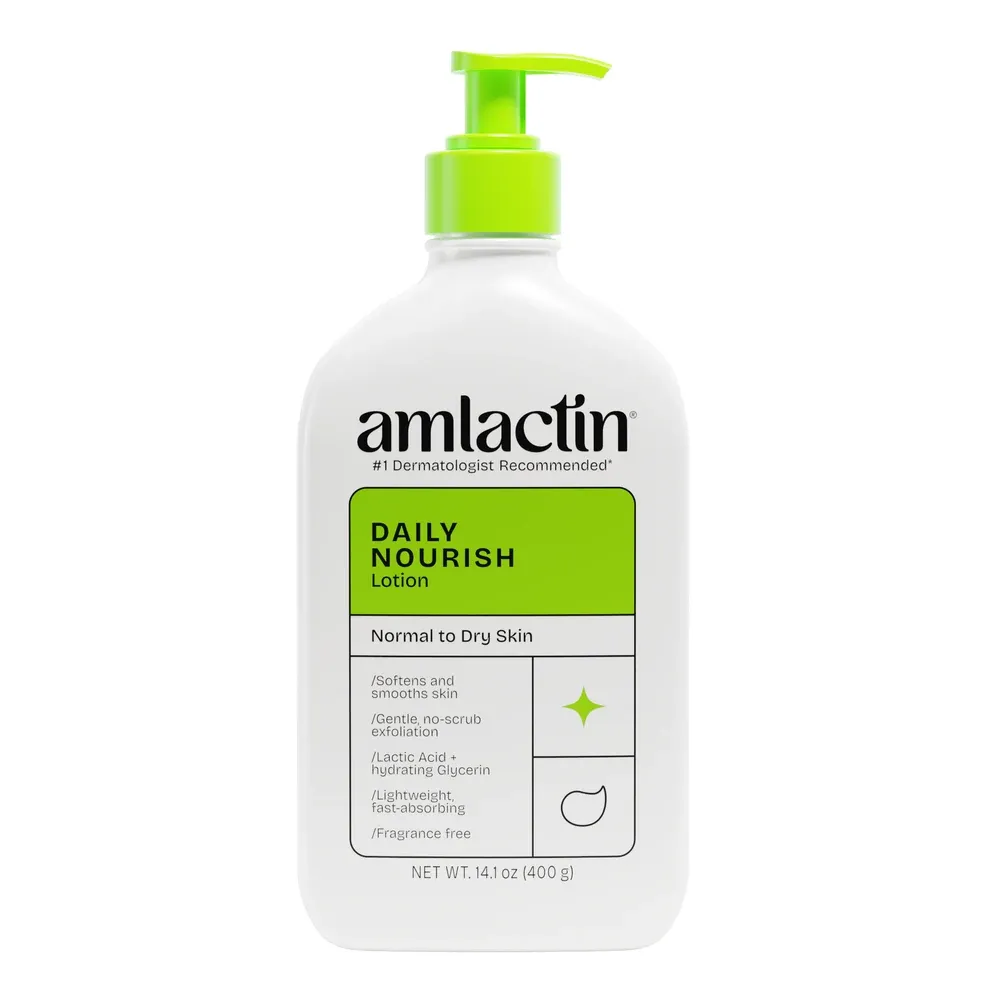
AmLactin is not the default dry-skin lotion in this list; it is the targeted texture treatment. Its 12% lactic acid provides chemical exfoliation while glycerin, mineral oil, and dimethicone support hydration and smoothing. That combination can help upper arms, thighs, or other rough areas feel less coarse when simple moisturization is not enough.
The label matters here. Lactic acid can sting on broken or freshly shaved skin, and the product carries an AHA sunburn alert. Start a few nights per week on a limited area, do not combine it immediately with several other exfoliants, and protect exposed skin from sun. The current AmLactin directions and warnings should guide use.
Choose it if: rough, bumpy texture is the main problem. Skip it if: the area is irritated, cracked, freshly shaved, or already over-exfoliated.
Check AmLactin Daily Nourish on Amazon5. Naturium Bio-Lipid Restoring Body Lotion
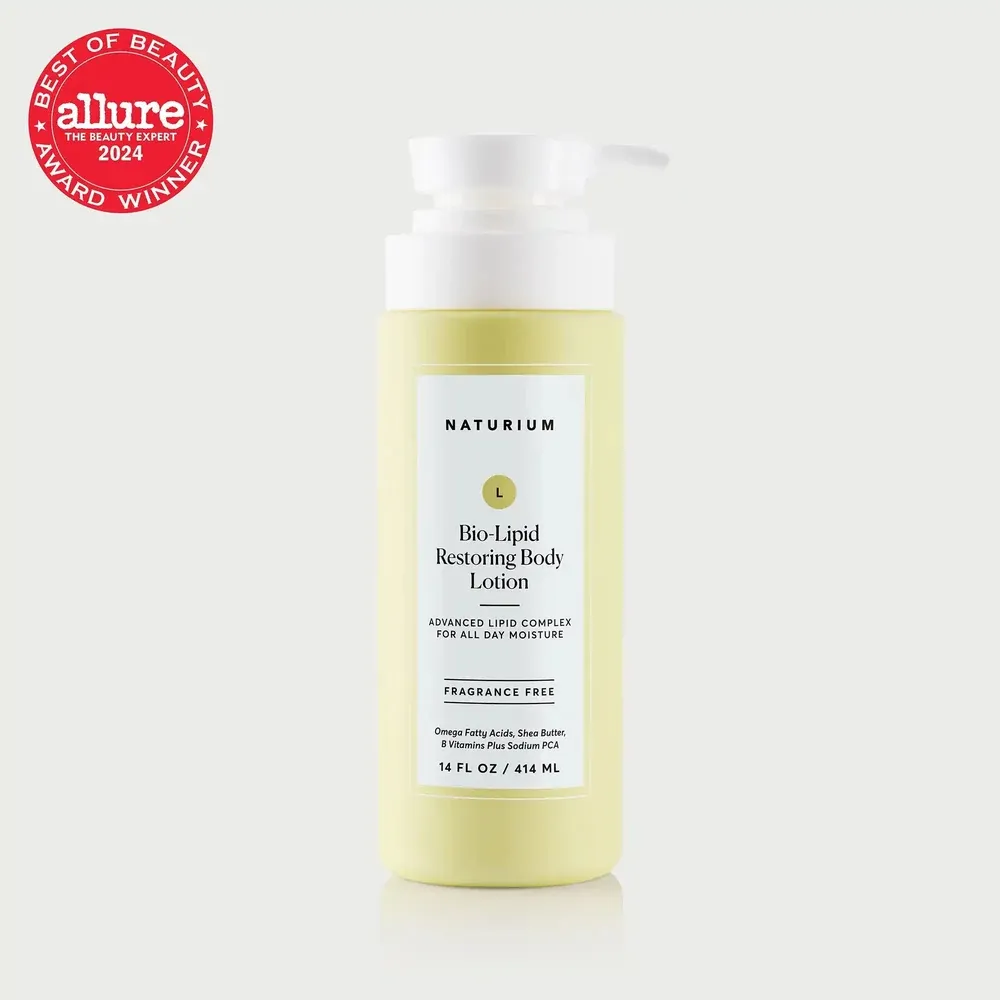
Naturium Bio-Lipid Restoring Body Lotion is the finish-focused alternative for someone who wants more nourishment than a basic light lotion without the drag of a heavy balm. The fragrance-free formula includes glycerin, shea butter, dimethicone, triglycerides, niacinamide, panthenol, sodium PCA, squalane, and several plant oils. The brand positions it as fast-absorbing with a soft, non-greasy after-feel.
That longer ingredient list is a feature only if your skin tolerates it. People with highly reactive skin may prefer a simpler baseline before experimenting with multiple botanical extracts and oils. For normal-to-dry skin that values a cosmetically elegant finish, however, it fills a clear gap. See the current Naturium ingredient list.
Choose it if: you want a silky lotion with lipids and humectants. Skip it if: you prefer the shortest possible ingredient list.
Choose Lotion, Cream, or Exfoliating Lotion
| If your skin looks or feels like this | Start here | What to look for |
|---|---|---|
| Comfortable after showering but dry by evening | Daily lotion | Glycerin, hyaluronic acid, ceramides, dimethicone |
| Flaky, tight, ashy, or itchy from dryness | Rich cream | Shea butter, petrolatum, ceramides, richer emollients |
| Rough bumps without active irritation | Exfoliating lotion | Lactic acid or another carefully introduced keratolytic |
| Cracked localized spots | Cream plus ointment | Simple occlusion; seek care if painful, bleeding, or infected |
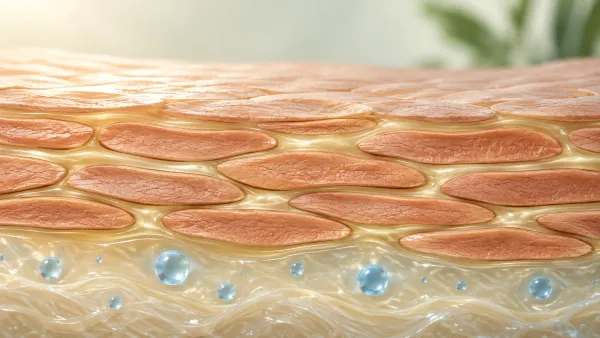
A moisturizer works through a blend of roles. Humectants such as glycerin and sodium PCA bind water in the upper skin layers. Emollients such as fatty alcohols, oils, and shea butter make the surface feel smoother. Occlusives such as petrolatum and dimethicone slow water loss. Ceramides are barrier lipids, but a product does not need every fashionable ingredient to work. Our ceramide guide explains where they fit without treating them as magic; the guide to moisturizing dehydrated skin explains why adding water and sealing it are related but distinct steps.
Fragrance is another decision, not a moral category. Scent can make a body-care routine more enjoyable, yet fragrance is an avoidable variable for reactive, eczema-prone, or currently irritated skin. “Unscented” can still include masking ingredients, so choose “fragrance-free” and read the label when sensitivity is the priority. For a deeper barrier-focused routine, see our guide to skin barrier repair.
The Body-Moisturizing Routine That Makes Products Work Harder
- Shorten hot showers. Long, very hot water exposure and harsh cleansing can worsen tightness. Use warm water and cleanse only where needed.
- Pat, do not scrub, dry. Leave a light film of water instead of polishing skin completely dry with a towel.
- Apply within minutes. Spread lotion or cream while skin is still slightly damp. This is the highest-value technique in the routine.
- Layer only where needed. Add a richer cream or plain ointment to shins, elbows, heels, and hands rather than coating breakout-prone areas unnecessarily.
- Treat texture separately. Use an AHA lotion on rough areas on a controlled schedule, not over every sensitive or freshly shaved surface.
The AAD's dry-skin guidance supports applying moisturizer while skin is damp and choosing cream or ointment when skin is very dry. Its guide to picking a moisturizer also emphasizes matching texture to severity. Technique will not rescue every poorly matched formula, but it often determines whether a good one feels adequate.
Common Reasons Skin Still Feels Rough
Using more acid instead of more barrier support: Over-exfoliation can create the exact stinging and roughness you are trying to remove. If water or bland lotion stings, pause acids and focus on a simple moisturizer. Our guide to whether exfoliating too much can trigger problems explains the warning pattern.
Moisturizing only when skin looks visibly dry: Consistency prevents the cycle better than emergency application. Keep a pump near the shower or bedside so the behavior is easier. Applying oil alone to very dry skin: oils can reduce water loss and improve slip, but they do not replace the water phase of a lotion. Apply oil over damp skin or over lotion if you enjoy it.
If you prefer an oil as an optional sealing step for dry body areas, our avocado oil guide separates realistic emollient benefits from acne, allergy, and sunscreen claims.
Treating every bump as dryness: keratosis pilaris, folliculitis, acne, eczema, and irritation can look or feel rough for different reasons. A rich occlusive may help one and worsen another. Stop guessing when bumps are painful, inflamed, rapidly spreading, or leaving scars.
Frequently Asked Questions About Body Moisturizers
What is the best body moisturizer for soft skin?
For normal-to-dry skin, start with a fragrance-free daily lotion containing humectants and barrier-supporting ingredients; CeraVe Daily Moisturizing Lotion is our simplest pick. Very dry or sensitive skin usually needs a richer cream such as Lipikar AP+MAX. Rough, bumpy skin may benefit from a lactic-acid lotion, but only when the surface is not irritated or broken.
Is body lotion or body cream better?
Lotion is lighter and easier to spread over large areas, so it works well for daily maintenance. Cream contains more oil and provides more occlusion, making it a better starting point for very dry, flaky, or tight skin. You can use both: lotion over the body and cream only on the driest zones.
When should I apply body moisturizer?
Apply it within a few minutes of bathing, after gently patting skin so it remains slightly damp. Reapply to dry areas whenever they feel tight, especially after handwashing or exposure to cold, dry air. Consistent timing usually matters more than adding another trendy ingredient.
Can I use an exfoliating body lotion every day?
Not automatically. Some labels allow daily or twice-daily use, but tolerance varies. Start a lactic-acid lotion a few times per week on rough areas, avoid broken or freshly shaved skin, and increase only if there is no persistent stinging, redness, or peeling. Follow the product's AHA sun warning.
Why is my skin still dry after using lotion?
The lotion may be too light, applied to fully dry skin, washed off by frequent bathing, or undermined by harsh cleansers and low humidity. Move to a cream, apply while damp, and seal localized patches with ointment. If severe itch, rash, cracking, or dryness persists despite consistent care, ask a dermatologist to assess the cause.
The Bottom Line
The best body moisturizer is the one that solves the right problem at a texture you will use. Choose CeraVe for easy daily maintenance, Lipikar AP+MAX when very dry skin needs more cushion, Aveeno for a fragrance-free oat option, AmLactin when rough texture needs controlled exfoliation, and Naturium when a silky, lipid-rich finish keeps you consistent. Apply it to damp skin, treat roughness separately from irritation, and give a well-matched routine time to work.
This content is for educational purposes only and is not a substitute for professional medical advice, diagnosis, or treatment. Always seek the advice of a qualified healthcare provider with questions about a medical condition.
Body moisturizer can improve surface comfort and scaling, but it does not remove subcutaneous fat. For a separate procedure decision, the CoolSculpting body-contouring guide explains realistic local reduction, contraindications and PAH.