Overnight Hydration Masks: How to Choose and Use Them
A practical guide to overnight hydration masks by texture, skin need and routine fit, with three direct product picks and clear limits.
In this guide
An overnight hydration mask is an optional leave-on moisturizer, not a separate repair mechanism. Choose a light gel for mild dehydration, a cream for balanced moisture or a balm for dry flaky skin. Follow the product's directions because some masks replace night cream while others go on top, and avoid sealing strong actives under a heavy layer.
Quick Summary
- Buy only when your current moisturizer leaves a real overnight comfort gap.
- Choose gel, cream or balm by dryness, finish and fragrance tolerance.
- Laneige, Kiehl's and COSRX require different layering decisions.
- Stop for persistent burning, swelling, rash, pain or new uniform clogged bumps.
What an Overnight Hydration Mask Actually Does
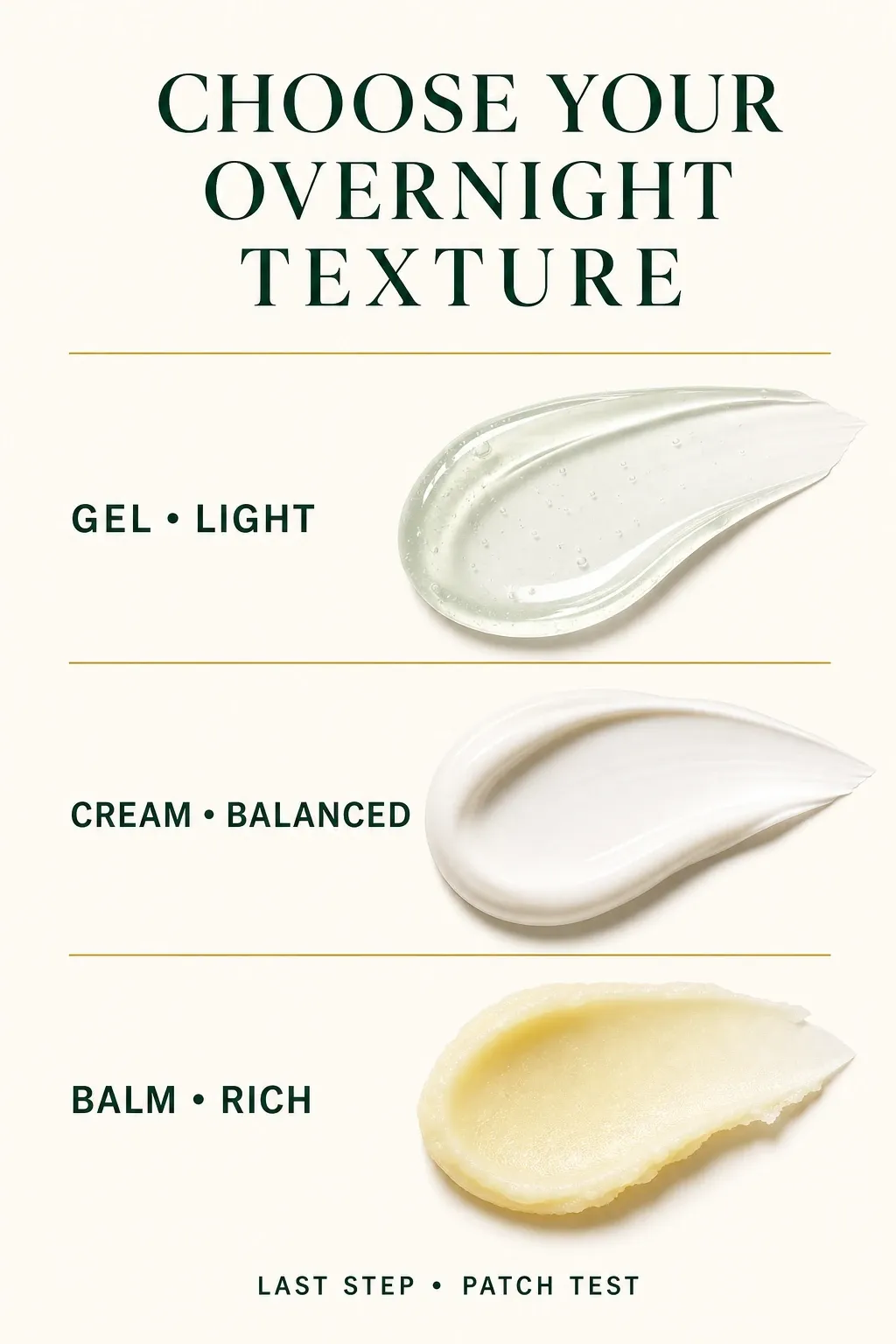
An overnight hydration mask is usually a leave-on moisturizer with a gel, cream or balm texture. It can reduce the tight, rough feeling that follows water loss, but the word mask does not create a separate biological category. The complete formula and how it fits your routine matter more than the label.
Moisturizers combine ingredients that attract water, smooth gaps between surface cells and slow evaporation. The American Academy of Dermatology recommends creams or ointments for very dry skin and advises applying moisturizer while skin is still damp. A sleeping mask can fill that role when its texture is richer or more comfortable than your daytime product.
| Skin signal | Best texture | Routine decision |
|---|---|---|
| Tight but not flaky | Light gel or gel-cream | Use after a simple moisturizer only if needed |
| Dry patches or winter flaking | Cream or balm | Use as the final step or replace night cream |
| Oily center, dry edges | Light cream | Apply only where dryness appears |
| Burning with basic products | No new mask | Simplify and let the barrier settle |
| Fragrance-reactive skin | Fragrance-free cream | Check the full ingredient list first |
A small randomized study found that a moisturizer and facial mask improved short-term barrier measurements after prolonged medical-mask wear. The study did not test consumer overnight sleeping masks, used a specific formula and included L'Oreal-affiliated researchers. It supports the value of moisturization, not a claim that every sleeping mask outperforms a good cream.
The useful question is therefore not “Do I need a mask?” It is “Does my current moisturizer keep my skin comfortable until morning?” If the answer is yes, an extra product may add cost and texture without solving a real gap.
Humectants, Emollients and Occlusives: Read the Whole Formula
Humectants help the surface hold water
Glycerin, hyaluronic acid, beta-glucan, trehalose and panthenol are common humectants. They help bind water in the outer skin, but a watery humectant serum alone may still leave very dry skin tight. It often works better under a cream that slows evaporation.
Do not buy by the longest humectant list. Concentration, vehicle and climate affect feel, and ingredient lists do not reveal exact performance. Our hyaluronic acid hydration guide explains when a separate serum adds value and when moisturizer is enough.
Emollients change rough texture
Squalane, fatty alcohols, plant oils and esters can make a formula spread smoothly and soften dry surface cells. That immediate softness is useful, but it should not be described as permanent repair or wrinkle reversal. It is a surface effect that supports comfort and appearance.
Acne-prone skin does not have one universal list of forbidden emollients. A richer formula can feel congesting for one reader and work well for another. Introduce it on a few calm nights before using it across the whole face.
Occlusives slow overnight water loss
Dimethicone, petrolatum, waxes and heavier oils can reduce evaporation. They are especially useful on dry cheeks, lip corners and flaky patches, but full-face occlusion may feel excessive on very oily skin. Apply by area instead of forcing one amount everywhere.
Occlusion can also intensify the feel of products underneath. Do not seal a strong retinoid, peel or benzoyl peroxide under a heavy mask simply to make the active “work harder.” That approach can increase irritation without improving the decision quality of the routine.
How to Use an Overnight Mask Without Overbuilding the Routine
Follow the specific product directions
Laneige tells users to apply its Water Sleeping Mask after face cream, while Kiehl's says its squalane mask can replace moisturizer. COSRX positions its rice mask as the last step. Those are different routines, so a universal layering rule would be inaccurate.
Use a thin layer first. More product does not guarantee more hydration, and excess can transfer to bedding, pill over other layers or make the face feel hot. Increase only if the formula absorbs comfortably and the skin still feels dry by morning.
Start one to three nights weekly
A sleeping mask does not need a rigid cycle, but low-frequency introduction makes reactions easier to interpret. Begin on a night without a new active, then check for itching, swelling, persistent heat, clogged texture or morning redness. If the mask works, use it when the skin needs it rather than chasing nightly use.
Season and environment change the need. Heated winter air, air conditioning, travel and retinoid adjustment can increase dryness. A humid summer may make the same balm unnecessary, so treat frequency as a response to the skin rather than a permanent schedule.
Use it on the areas that need it
Combination skin often benefits from targeted application. A balm can go on cheeks and around the mouth while the oily center receives a lighter moisturizer. This is usually more comfortable than spreading the richest product over every pore.
For a broader comparison of water-binding and water-loss control, read hydration versus moisturization. The day and night moisturizer guide also helps decide whether a second evening texture is justified.
Three Overnight Masks for Different Texture Needs
These are not a ranking of universal winners. Laneige is the lightest, fragrance-containing option; Kiehl's is the richest squalane balm; COSRX is a cream-style middle ground with rice extract and niacinamide. Choose by texture and tolerance before price or trend visibility.
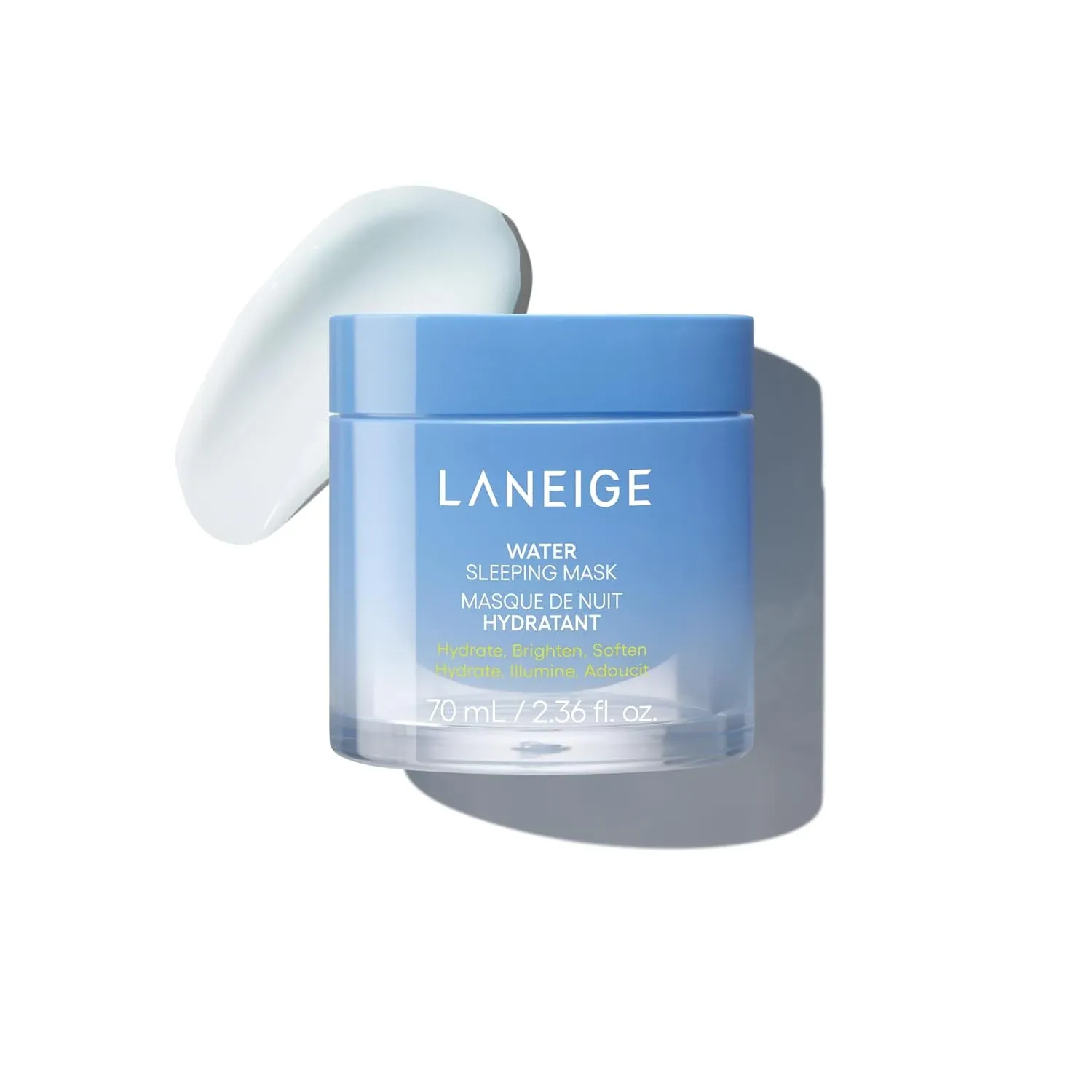
Laneige Water Sleeping Mask
Normal, combination or mildly dehydrated skin that wants a cooling gel finish after moisturizer.
The current formula combines glycerin, squalane, niacinamide, ceramide NP and three hyaluronic-acid forms in a lightweight gel vehicle.
Watch-out: It contains fragrance, limonene and linalool. Fragrance-reactive skin should choose a simpler cream instead.
View on AmazonAs an Amazon Associate, SkinOptimizer may earn from qualifying purchases. Prices, sellers and availability can change.
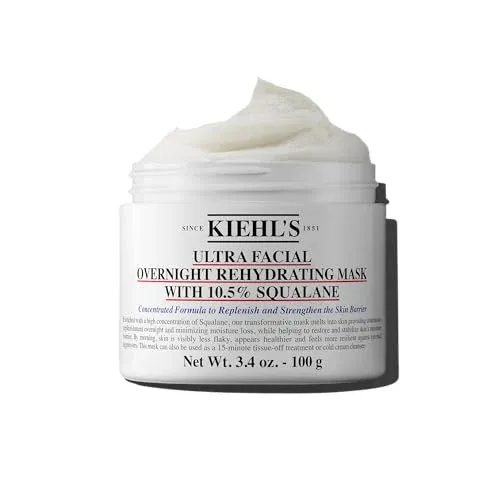
Kiehl's Ultra Facial Overnight Hydrating Mask
Dry, tight or flaky skin that wants a balm-to-oil texture instead of a separate night cream.
Kiehl's identifies 10.5% squalane and positions the mask to reduce overnight moisture loss without requiring moisturizer underneath.
Watch-out: The rich finish may be too heavy for oily or congestion-prone areas. Start on dry zones rather than the whole face.
View on AmazonAs an Amazon Associate, SkinOptimizer may earn from qualifying purchases. Prices, sellers and availability can change.
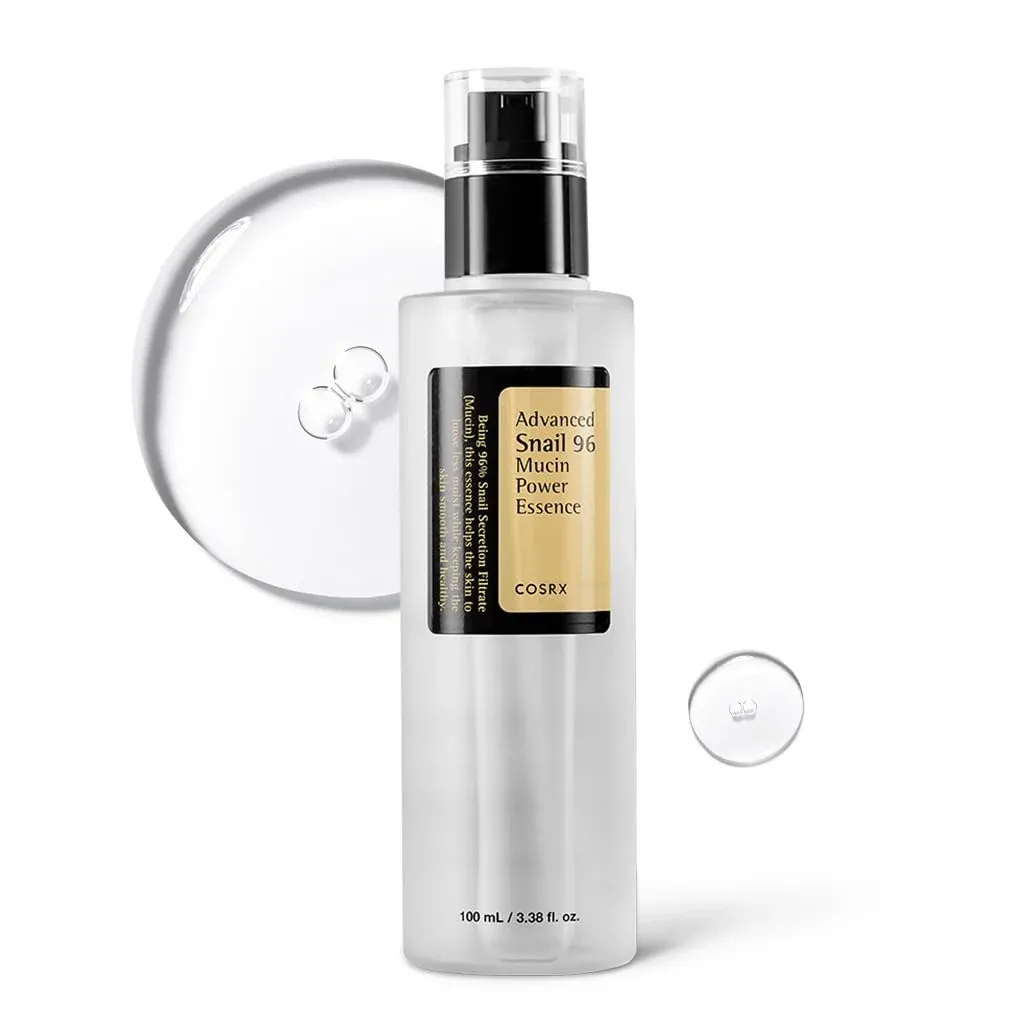
COSRX Ultimate Nourishing Rice Overnight Spa Mask
Normal to dry skin that prefers a cream texture and wants niacinamide without a separate treatment serum.
The current formula combines 68.9% rice extract with glycerin, niacinamide, oils, dimethicone and allantoin as a final moisturizing step.
Watch-out: Rice extract does not make it a treatment for pigmentation. Patch test if niacinamide or richer plant-oil formulas have irritated you before.
View on AmazonAs an Amazon Associate, SkinOptimizer may earn from qualifying purchases. Prices, sellers and availability can change.
The Laneige, Kiehl's and COSRX official pages were used to verify current ingredients and use directions. Check the package and seller because formulas and marketplace listings can change.
When an Overnight Mask Is the Wrong Next Purchase
Do not add a sleeping mask when every basic product suddenly stings. Widespread burning, shiny-raw patches, painful peeling or swelling suggest that the routine needs fewer variables. Return to a gentle cleanser, familiar moisturizer and sunscreen until the skin is comfortable.
Our damaged skin barrier guide explains stop signs, while starting skincare slowly gives a one-change-at-a-time reset. A rich mask cannot neutralize daily scrubbing, several exfoliants or an aggressive retinoid schedule.
Sleeping Mask Mistakes That Reduce Comfort
- Layering every hydrating product: five watery layers can pill without improving the final result.
- Using it to force an active: heavy occlusion can increase irritation from retinoids or acids.
- Ignoring fragrance: a relaxing scent can still be a trigger for reactive skin.
- Applying too much: excess transfers to bedding and can make the face feel hot.
- Buying by “glow” claims: morning surface smoothness is not permanent brightening.
- Using one texture everywhere: combination skin often needs targeted application.
How to Tell Whether It Is Working
| Check | Useful sign | Reason to adjust |
|---|---|---|
| Morning feel | Less tight, smoother, comfortable | Greasy film, heat or itch |
| After cleansing | Less rebound flaking | Basic products still sting |
| Pore texture | No meaningful change | New uniform clogged bumps |
| Makeup or SPF | Applies evenly the next day | Persistent pilling or residue |
| Three-week value | Used when dryness appears | No benefit over current cream |
Hydration can change quickly, so a softer morning surface is a reasonable outcome. Do not use that immediate effect as proof of collagen growth, pore reduction or long-term barrier repair. Track comfort and flaking, not dramatic before-and-after language.
If dry skin persists despite a gentle routine, consider the underlying cause. Weather, eczema, contact allergy, medication and over-cleansing can all matter. The dry-skin moisturizer guide compares simpler cream and ointment options before another specialty mask.
Before packing a sleeping mask, check the 2026 plane skincare rules for 100 ml containers, clear-bag limits, leak prevention and a simpler in-flight routine.
Try a Lower-Cost Overnight Hydration Test First
Before buying a sleeping mask, test whether technique solves the problem. Cleanse with lukewarm water, leave the face slightly damp and apply a familiar cream within a minute. On the driest patches, add a rice-grain amount of petrolatum or a bland balm as the final step.
This simple routine uses the same broad jobs as many masks: water binding, surface smoothing and reduced evaporation. It is not identical to a branded formula, but it shows whether richer occlusion improves morning comfort. If the face feels greasy or develops uniform bumps, reserve the method for small dry areas.
A facial oil can soften texture but does not supply water on its own. Use the face oil guide to decide whether an oil belongs over moisturizer and whether squalane, jojoba or another emollient fits the finish you want.
Compare the low-cost test and the specialty mask on separate weeks. Keep cleanser, active frequency and room conditions as similar as possible. Record morning tightness, flaking, redness and residue instead of relying on one unusually good night.
If both approaches work equally well, choose the simpler and more affordable one. If a specific gel or cream texture feels substantially better and improves consistency, the mask has earned a role. Product value comes from solving a repeated problem, not from being labeled an intensive treatment.
Also compare cost per use instead of jar price alone. A concentrated balm used only on dry zones may last longer than a light gel spread generously every night. Replace a product when its practical benefit justifies the repeat purchase, not because the routine feels incomplete without a weekly mask.
The Bottom Line
An overnight hydration mask can be a useful richer moisturizer, but it is optional. Choose the texture that solves a real comfort gap, follow the product-specific layering directions and avoid sealing strong actives underneath a heavy formula. If your current cream already keeps skin comfortable until morning, you may not need another jar.
Frequently Asked Questions
Do overnight hydration masks work better than moisturizer?
Not automatically. Most sleeping masks perform moisturizer-like jobs through humectants, emollients and occlusives. A mask is useful when its texture solves a comfort gap that your current cream does not.
Should I apply moisturizer before an overnight mask?
Follow the specific product directions. Laneige positions its mask after cream, Kiehl's says its mask can replace moisturizer, and COSRX uses its rice mask as the final routine step.
Can I use an overnight mask every night?
Some formulas can be used nightly, but start one to three calm nights weekly. Increase only if the skin remains comfortable and the product provides a benefit without congestion, heat or irritation.
Can acne-prone skin use a sleeping mask?
Yes, when the texture suits the skin and the full formula is tolerated. Start with a light layer or apply only to dry areas, and stop if uniform clogged bumps or irritation develops.
Can I use an overnight mask with retinol?
A familiar gentle mask may improve comfort after retinol, but do not use heavy occlusion to force retinol penetration. Introduce the products separately and reduce frequency if burning or peeling develops.