Myth Check Hub
Skincare Myths & Facts
A clear guide to common skincare claims: expensive products, natural ingredients, pore myths, sunscreen, water, sugar, exfoliation, facial oils, and product overload.
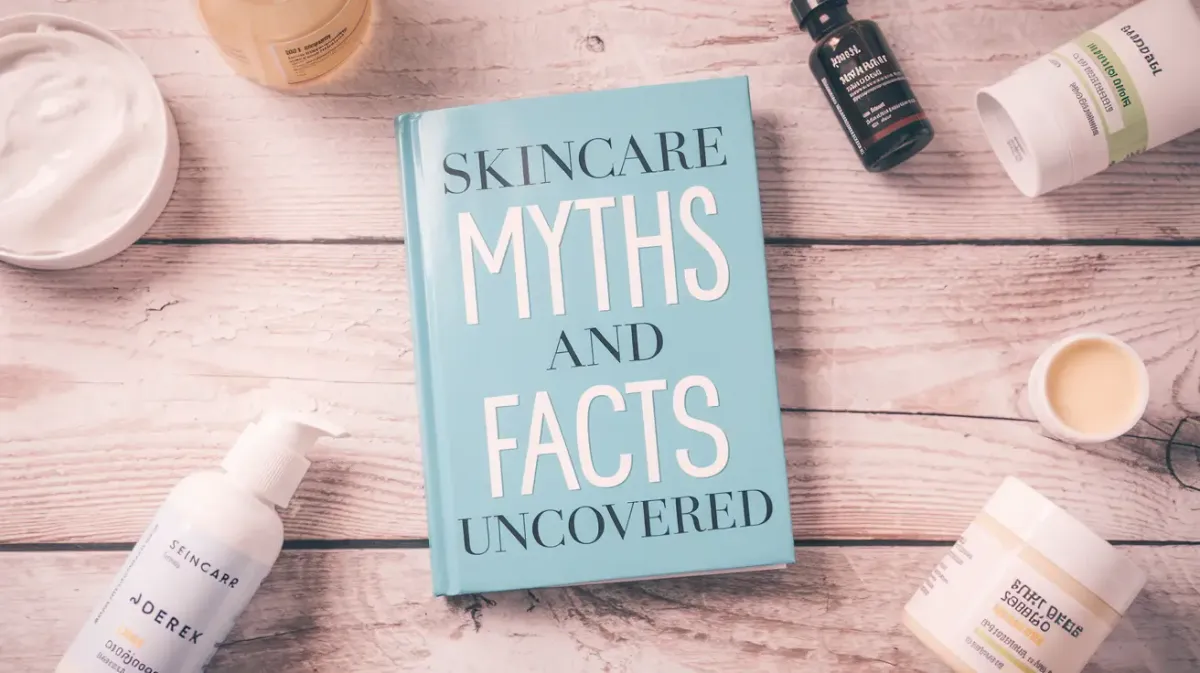
Separate useful skincare advice from noise
A myth hub should not just debunk. It should help you decide what to do next: keep, stop, simplify, or research more before spending money.
Basics
Skincare myths usually start with half-truths
Many skincare myths contain a small truth that gets stretched too far. Water matters for health, but drinking more water will not replace moisturizer. Natural ingredients can be useful, but natural does not automatically mean gentle.
The goal is not to be cynical. It is to make claims testable: what problem does this solve, who is it for, what are the risks, and what result is realistic?
What this hub helps you decide
- Check whether a claim applies to your skin type.
- Separate ingredient evidence from marketing language.
- Watch for routines that create irritation while promising faster results.
- Spend on formula fit, not only price or trend status.
Claims
Use fact checks before changing your routine
If a claim makes you want to buy, stop, or combine products, run it through a simple filter: problem, evidence, skin type, risk, and fallback plan.
Product paths
High-impact myth checks
Start with claims that often change what people buy or stop using.
High-impact myth checks
Start with claims that often change what people buy or stop using.
Decision rules
Claims that affect daily choices
These myths often affect routine comfort, acne risk, or sunscreen behavior, so they are worth checking before changing products.
Claims that affect daily choices
These myths often affect routine comfort, acne risk, or sunscreen behavior, so they are worth checking before changing products.
Facial oilsDo facial oils cause breakouts?Use oils more carefully if skin clogs.
MoisturizerCan body lotion go on the face?Understand formula and clogging risks.
PoresThe pore-closing mythLearn what pores can and cannot do.
ExfoliationCan over-exfoliation cause acne?Avoid irritation-driven breakouts.
FAQ
Skincare Myths & Facts questions
Short answers for choosing the next step without overcomplicating the routine.
Are expensive skincare products always better?
No. Price can reflect packaging, brand, or texture, but effectiveness depends on formula, ingredient fit, and consistent use.
Is natural skincare always safer?
No. Natural ingredients can irritate or trigger allergies, and synthetic ingredients can be gentle and effective.
Can pores open and close?
Pores do not open and close like doors. Their appearance can change with oil, congestion, irritation, and skin texture.
Does drinking water replace moisturizer?
No. Hydration matters for health, but moisturizer helps the outer skin layers retain comfort and reduce water loss.
Can too much skincare damage skin?
Yes. Too many actives, exfoliants, and strong products can irritate the barrier.
How should I judge a skincare claim?
Ask who it is for, what evidence supports it, what risks exist, and how long a fair test would take.
Latest skincare myth articles
Browse claim checks, routine myths, ingredient debates, and product decision guides.
Skincare Myths and Facts Uncovered
Natural Skincare vs Synthetic: What Actually Works for Your Skin | SkinOptimizer
Natural isn't always better, and synthetic isn't always worse. Evidence-based guide to choosing skincare ingredients by their clinical track record, not the label.
Skincare Myths and Facts Uncovered
Can You Use Body Lotion on Your Face? Evidence-Based Guide to Facial vs Body Moisturizers
Evidence-based guide to using body lotion on your face. Learn the comedogenic scale, ingredient risks, and when it is safe to use body lotion on facial skin.
Skincare Myths and Facts Uncovered
Is SPF 30 Enough for Daily Protection? Evidence-Based Guide to Sunscreen Efficacy
Evidence-based guide to SPF 30 for daily sun protection. Learn the 2mg/cm² rule, SPF 30 vs 50 differences, and correct application.

Skincare Myths and Facts Uncovered
Does Drinking Water Clear Skin? Evidence and Safe Intake
Adequate hydration supports health, but extra water is not an acne treatment. See what skin hydration studies show and how to drink safely.

Skincare Myths and Facts Uncovered
Does Chocolate Cause Acne? What the Evidence Really Says
Chocolate may worsen acne for some acne-prone people, but it is not a universal cause. Learn what studies found and how to test your own pattern.
Skincare Myths and Facts Uncovered
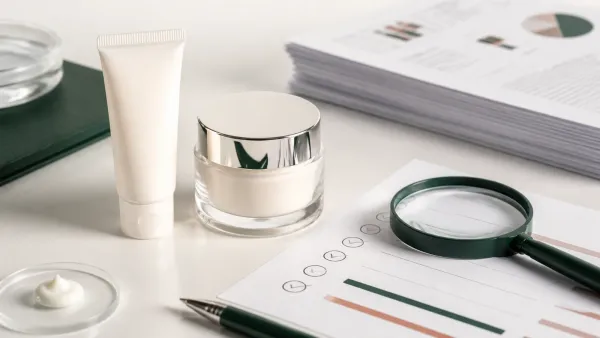
Does Expensive Skincare Work Better? Price vs. Evidence
Expensive skincare is not automatically more effective. Learn what a premium can buy and how to compare evidence, formula, tolerance and cost per use.

Skincare Myths and Facts Uncovered
Does Skin Get Used to Products? Why Results Can Plateau
A skincare plateau is usually not immunity. Check goals, timeline, consistency, skin changes, product condition and diagnosis before switching.
Skincare Myths and Facts Uncovered
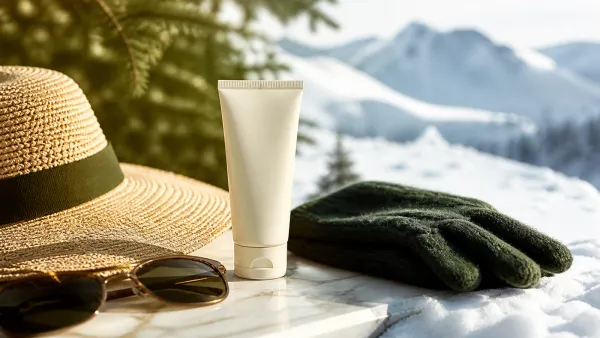
Is Sunscreen Only for Summer? A Year-Round UV Guide
Sunscreen is not only for summer. Match protection to year-round UV exposure, clouds, windows, altitude and outdoor behavior rather than temperature.