Cystic Acne Treatment: Evidence-Based Guide to Clear Skin | SkinOptimizer
Evidence-based guide to cystic acne treatment. Learn about retinoids, spironolactone, isotretinoin, and when OTC treatments are not enough. Includes dermatologist-reviewed protocols.
In this guide
The 5 Facts About Treating Cystic Acne at a Glance
- ❌ Over-the-counter treatments rarely work alone - Cystic acne forms deep in the dermis. Topical benzoyl peroxide and salicylic acid cannot penetrate deeply enough. Most cases require prescription medication.
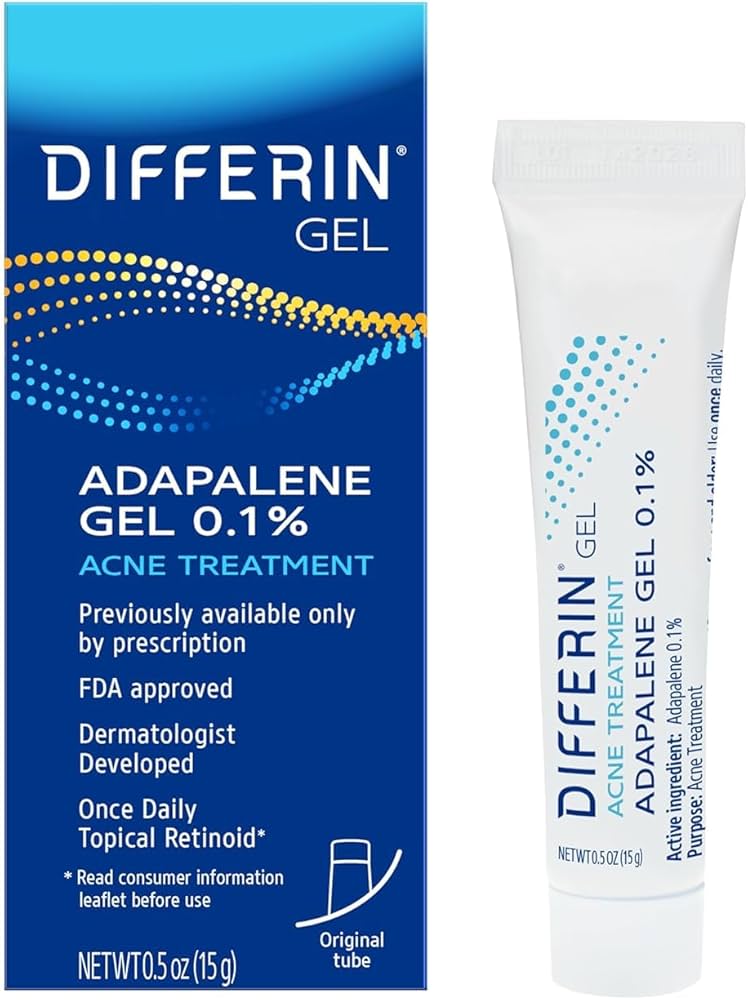
- Retinoids are first-line therapy - Adapalene (available OTC at 0.1%) and tretinoin (prescription) normalize cell turnover and prevent microcomedone formation. Consistent use for 12+ weeks is required.
- ❌ Hormones are often the root cause - In women, cystic acne along the jawline and chin is typically hormonal. Spironolactone and oral contraceptives are evidence-based treatments that address the underlying cause.
- ❌ Natural remedies are not sufficient - Tea tree oil, honey, and aloe vera may soothe surface inflammation but cannot treat deep cystic lesions. Relying on them delays effective medical treatment.
- → Isotretinoin is the most effective option - For severe, treatment-resistant cystic acne, isotretinoin (Accutane) produces lasting remission in approximately 85% of patients after one course. It requires dermatologist supervision.
Cystic acne is not regular acne. It is an inflammatory condition that forms deep within the dermis, caused by a combination of excess sebum, Cutibacterium acnes colonization, follicular hyperkeratinization, and immune-mediated inflammation. Unlike surface-level breakouts, cystic lesions are painful, take weeks to resolve, and carry a high risk of permanent scarring.
For the cleanser step, compare the best benzoyl peroxide washes by strength and treatment area. A wash can support an acne plan, but painful cysts and scarring still need clinician-led treatment.
This guide covers the evidence-based treatments that dermatologists actually prescribe.
The Skin Insider
The most common mistake I see with cystic acne patients is waiting too long before seeing a dermatologist. A cyst that lasts 8 weeks will very likely scar. Early intervention - ideally within the first 1-2 weeks of a lesion forming - dramatically reduces scarring risk. If you have had cystic breakouts for more than 3 months without seeing a dermatologist, you are past due. Over-the-counter treatments are not designed for this condition.
What Makes Cystic Acne Different
Cystic acne differs from comedonal or inflammatory acne in depth and mechanism. The cyst forms when the follicular wall ruptures deep in the dermis, triggering a foreign-body immune response. This causes the characteristic painful, swollen nodules that can persist for weeks.
Key differences:
- Depth: Cysts form in the reticular dermis, not the epidermis. Topical treatments have limited penetration.
- Inflammatory cascade: The immune response involves TLR-2 activation, IL-1β release, and neutrophil recruitment — far more aggressive than surface acne.
- Scarring risk: Each cyst that persists for 4+ weeks can cause permanent dermal scarring. Early treatment is essential.
- Hormonal drivers: In women, 80% of cystic acne is linked to androgen sensitivity or PCOS. A 2021 PubMed review confirmed that elevated DHEA-S and free testosterone are common in female cystic acne patients.
Evidence-Based Treatment Tiers
| Tier | Treatment | Mechanism | Evidence |
|---|---|---|---|
| First-Line | Topical retinoid (adapalene 0.1-0.3% or tretinoin 0.025-0.1%) | Normalizes keratinization, prevents microcomedones | Strong (multiple RCTs) |
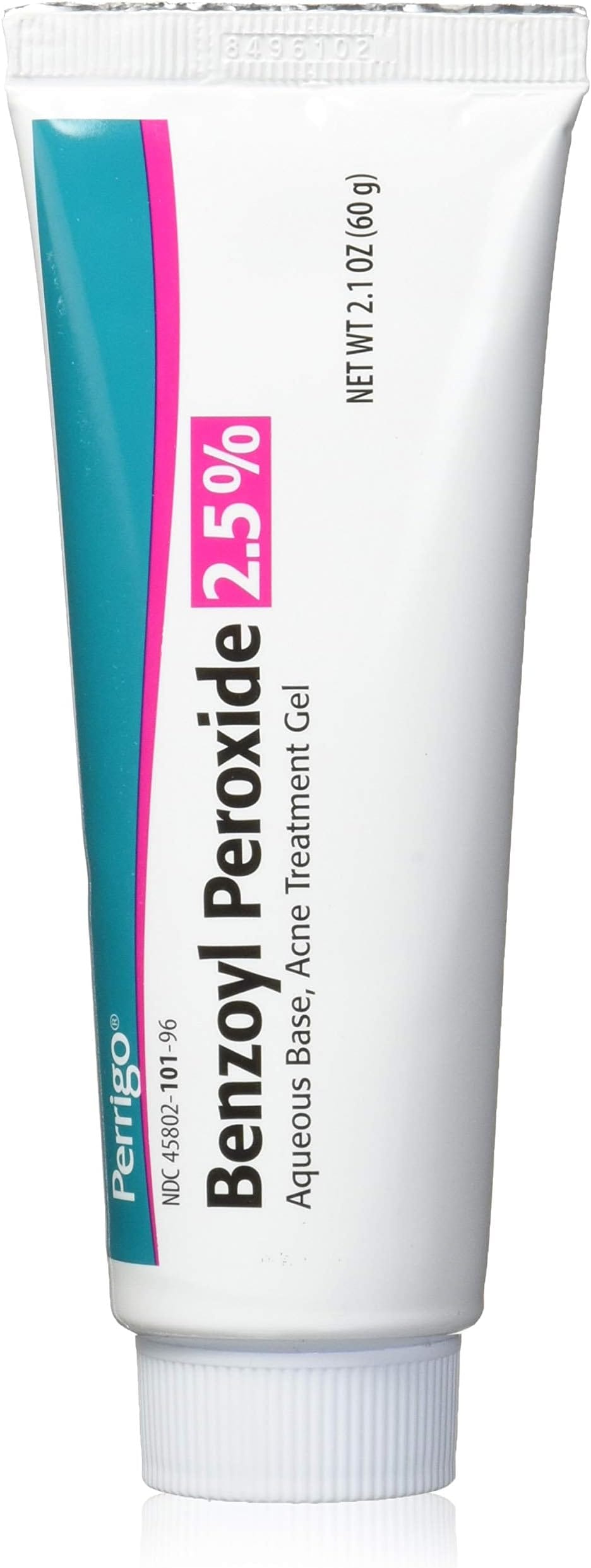
| First-Line | Benzoyl peroxide 2.5-5% | Antimicrobial against C. acnes, no resistance | Strong (40+ years clinical use) |
| Women Only | Spironolactone 50-200mg/day | Androgen receptor blocker, reduces sebum | Strong (JAAD guidelines) |
| Severe | Isotretinoin 0.5-1mg/kg/day | Reduces all four pathogenic factors | Strong (85% remission rate) |
| Adjunct | Oral antibiotics (doxycycline, minocycline) | Anti-inflammatory, antimicrobial | Moderate (short-term only) |
When Over-the-Counter Treatments Are Not Enough
Most cystic acne requires prescription treatment. If you have been using OTC products consistently for 8-12 weeks without improvement, see a dermatologist. Self-treating cystic acne with natural remedies or surface-level products delays effective care and increases scarring risk.
Signs you need prescription treatment:
- Deep, painful nodules that do not come to a head.
- Lesions lasting longer than 2 weeks without improvement.
- Scarring or hyperpigmentation after lesions resolve.
- Cystic breakouts exclusively along the jawline and chin (suggesting hormonal cause).
- Previous oral antibiotic courses that failed to prevent recurrence.
Hormonal Cystic Acne: What to Know
In adult women, cystic acne is most commonly hormonal. The distribution pattern is distinctive: painful cysts along the jawline, chin, and lower cheeks, often flaring 5-7 days before menstruation.
Evidence-based hormonal treatments include:
- Spironolactone: An aldosterone antagonist with anti-androgen effects. Typical dosing starts at 50mg/day, titrated to 100-200mg/day based on response. Improvement is typically seen within 8-12 weeks. A 2021 review confirmed spironolactone significantly reduces cystic acne in women.
- Combined oral contraceptives: Estrogen-progestin pills containing drospirenone, norgestimate, or norethindrone reduce ovarian androgen production. Improvement typically takes 3-6 months.
- Hormonal testing: A dermatologist may order DHEA-S, free testosterone, SHBG, and LH/FSH to identify underlying PCOS or adrenal hyperandrogenism.
Isotretinoin: The Gold Standard for Severe Cases
For patients with severe, treatment-resistant cystic acne, isotretinoin (formerly branded as Accutane) remains the most effective option. It is the only medication that addresses all four pathogenic factors: sebum production, follicular hyperkeratinization, C. acnes colonization, and inflammation.
Clinical outcomes:
- Remission rate: Approximately 85% of patients achieve long-term remission after a single 16-24 week course.
- Retreatment rate: 10-20% of patients require a second course, typically those with hormonal drivers.
- Monitoring: Monthly blood tests for liver function and triglycerides are required. iPledge program mandatory in the US.
The Optimizer's Edge
Most cystic acne articles give you generic skincare advice. Here is what the dermatology literature actually shows: a combined approach - adapalene every night + benzoyl peroxide every morning + spironolactone (if hormonal) or isotretinoin (if severe) - produces significantly better outcomes than any single treatment. Topical retinoids alone are insufficient for cystic acne. The barrier to clear skin is not finding the right cleanser; it is getting a prescription. If you have had cystic lesions for more than 3 months, the most evidence-based decision is to book a dermatology appointment today.
Daily Skincare During Cystic Acne Treatment
While prescription medication addresses the underlying cause, a gentle supporting routine prevents additional irritation and barrier damage:
- Cleanser: Use a gentle, non-medicated cleanser. Avoid harsh scrubs or rough physical exfoliation, which can rupture cysts and worsen scarring.
- Moisturizer: A non-comedogenic, fragrance-free moisturizer is essential, especially when using retinoids or isotretinoin, which cause dryness.
- Sunscreen: SPF 30+ daily. Retinoids and isotretinoin increase photosensitivity. Sun exposure during treatment can cause hyperpigmentation over healing cysts.
- Do not pick or squeeze: Manipulating cystic lesions forces inflammation deeper into the dermis, dramatically increasing scarring risk.
Your Cystic Acne Action Plan
- ✓ Book a dermatologist appointment - if cystic lesions have persisted for 3+ months, self-treatment is not appropriate.
- ✓ Start adapalene 0.1% nightly - available OTC. Apply pea-sized amount to entire face, not just spots. Expect 8-12 weeks for improvement.
- ✓ Use benzoyl peroxide 2.5% in the morning - leave on for 2-3 minutes then rinse. Avoid combining with retinoids at the same time.
- ✓ Track your pattern - photograph your skin every 7 days. Note menstrual cycle timing if applicable. This helps your dermatologist choose the right medication.
- ✓ Be patient - treatment takes 12-16 weeks - Cystic acne does not respond quickly. The most common reason for treatment failure is stopping too early.
Cystic acne is a medical condition, not a skincare concern. The most effective treatments require a prescription because they address the biological mechanisms that OTC products cannot reach. If you are dealing with deep, painful cysts, the evidence-based path is clear: see a dermatologist, use prescription retinoids or spironolactone or isotretinoin, and maintain a gentle supporting routine. Cystic acne can be treated effectively - but not with natural remedies or surface-level products alone.
Frequently Asked Questions About Cystic Acne Treatment
Can I treat cystic acne without seeing a dermatologist?
How long does it take for cystic acne to clear with treatment?
Is cystic acne always hormonal in women?
Can diet cause cystic acne?
Does isotretinoin permanently cure cystic acne?
This article is for informational purposes only and does not replace professional medical advice. Cystic acne is a medical condition that requires diagnosis and treatment by a licensed dermatologist. If you have painful, deep, or persistent acne lesions, consult a board-certified dermatologist.