Best Anti-Aging Night Creams: Choose by Skin Need
Find a night cream that solves the right problem: retinol treatment, barrier-focused moisture or a richer supportive formula without exaggerated overnight claims.

In this guide
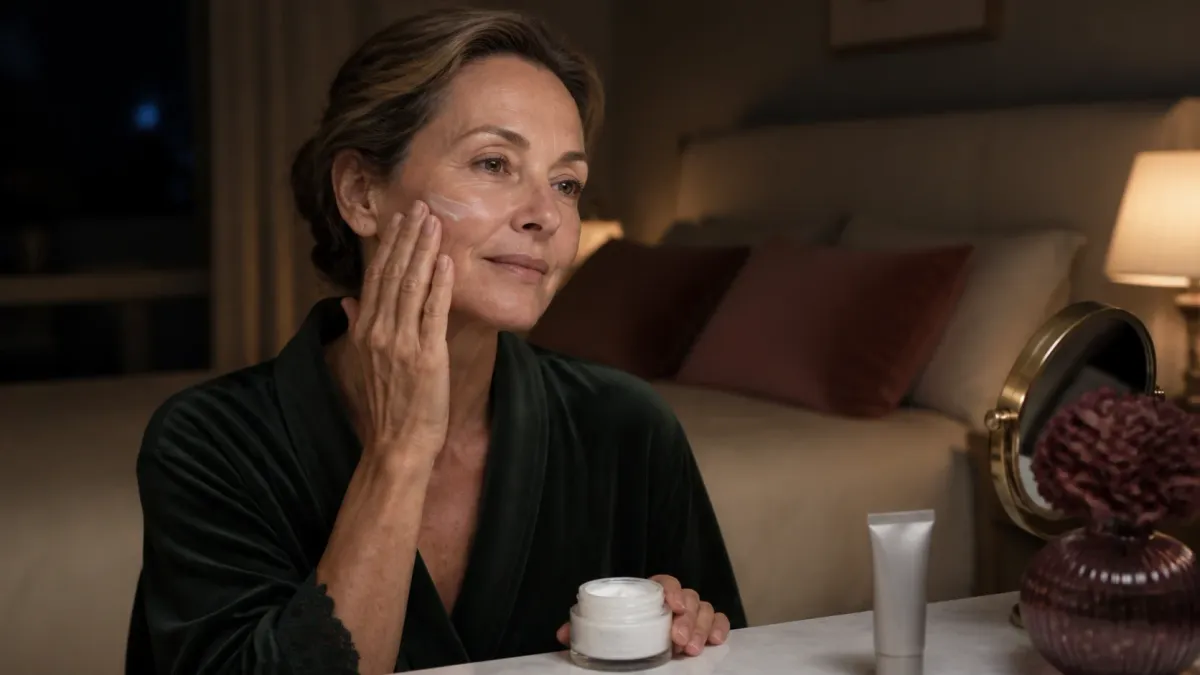
Choose an anti-aging night cream by job. Use a retinol cream only when your skin is stable and start once or twice weekly; choose a ceramide-rich, fragrance-free moisturizer when dryness or sensitivity is the priority. Night creams can improve hydration and mild photoaged texture over time, but they cannot lift sagging tissue or rebuild collagen overnight. Daily SPF 30+ remains essential.
Quick Summary
- Decide whether the product should moisturize or actively treat fine lines.
- Retinol night creams require a gradual schedule and daytime sunscreen.
- Ceramides, glycerin and emollients make more sense during a barrier flare.
- A richer texture is not automatically better for oily or acne-prone skin.
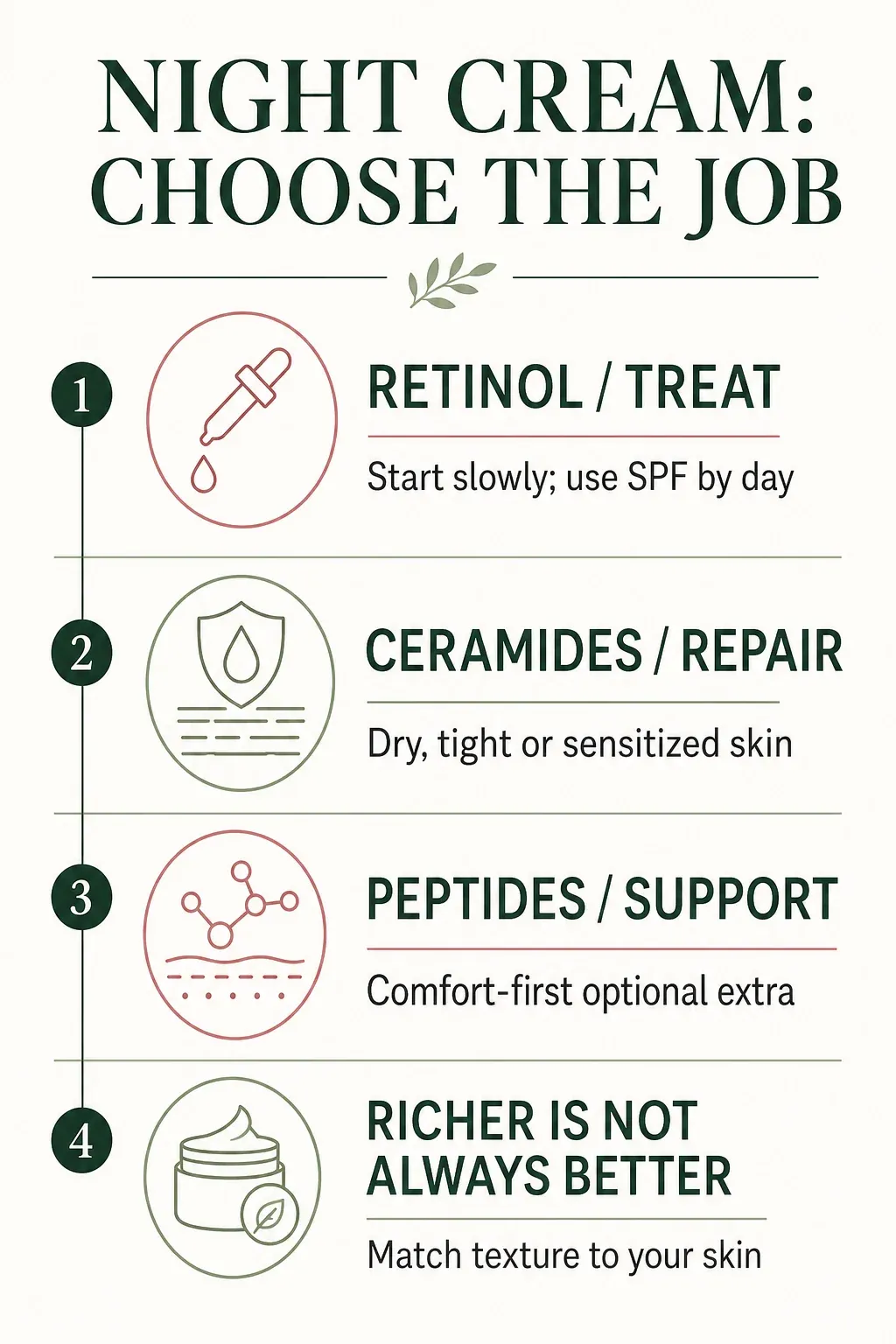
A Night Cream Should Do One of Two Jobs
The phrase “night cream” describes when a product is used, not what it contains. Some night creams are plain moisturizers in richer textures. Others contain a treatment active such as retinol. The safest way to choose is to decide whether your routine needs overnight moisture or an active treatment.
If your face feels tight, flakes around the mouth or stings after cleansing, choose moisture first. If the barrier is comfortable and your main concern is fine lines or rough photoaged texture, a retinol night cream may fit. Combining the strongest retinol cream with multiple acids is rarely the most efficient starting point.
| Your current situation | Night-cream route | Look for | Avoid at first |
|---|---|---|---|
| Dry, tight or sensitized | Repair-focused | Glycerin, ceramides, fatty emollients | Retinol and exfoliating acids |
| Fine lines with stable skin | Treatment-focused | Retinol in a moisturizing base | Nightly use from day one |
| Normal skin wanting a simple cream | Supportive | Niacinamide, peptides, fragrance-free base | Paying for vague lifting claims |
| Oily or congestion-prone | Lightweight | Non-comedogenic lotion or gel-cream | Assuming thicker means stronger |
AAD guidance puts sunscreen and moisturizer at the foundation of an anti-aging routine and recommends treating one concern at a time. A night cream can support that plan, but it cannot replace daytime photoprotection. For the morning side of the routine, use the anti-aging sunscreen guide.
Night-Cream Ingredients: What Each One Actually Does
Humectants such as glycerin and hyaluronic acid attract and hold water in the upper skin layers. Emollients smooth rough spaces between surface cells. Occlusive ingredients reduce water loss. A well-designed cream often combines all three rather than relying on one headline ingredient.
Ceramides are lipids found naturally in the skin barrier. In a finished moisturizer, they can support a barrier-focused formula, especially when paired with cholesterol and fatty components. They do not rebuild all age-related structural change, but they can improve comfort and help the surface look smoother.
Niacinamide is a versatile supporting ingredient used in moisturizers and serums. It may help barrier function and uneven tone, but very high percentages are not required for a cream to be useful. Peptides are optional supportive ingredients. A recent systematic review found modest pooled wrinkle effects across peptide interventions but inconsistent effects on elasticity and density, so formula-specific claims deserve caution.
Retinol changes the job of the product. It is no longer just a moisturizer; it becomes a treatment that can irritate. A systematic review of topical tretinoin supports retinoid treatment for photoaging, but over-the-counter retinol creams vary and should not be described as equivalent to prescription tretinoin.
What “overnight repair” can realistically mean
Skin performs normal biological processes around the clock. A night cream does not switch repair on at bedtime. What night use offers is practical: no sunscreen or makeup needs to layer over the product, and a richer texture can remain on the skin for several hours.
Moisture can make fine dehydration lines look softer by morning. That is a useful cosmetic effect, but it is not overnight collagen remodeling. Retinoid-related change is judged over months. Product language that promises dramatic firming after one sleep cycle should be read as a temporary hydration or film-forming claim unless stronger evidence is provided.
Night Cream vs Moisturizer vs Sleeping Mask
| Product type | Typical role | Best for | Main caution |
|---|---|---|---|
| Night cream | Moisture, sometimes treatment | A dedicated evening texture | Check whether it contains retinol or acids |
| Daily moisturizer | Barrier support morning or night | A simple repeatable routine | May be too light for very dry nights |
| Sleeping mask | More occlusive temporary layer | Occasional dryness | Not automatically more effective |
| Retinol serum plus moisturizer | Separates treatment from moisture | Flexible dosing | Two products create more complexity |
A separate night cream is optional. If your daytime moisturizer is comfortable and contains no sunscreen, it can often be used at night. A dedicated product earns its place when you need a richer texture, a specific active or a simpler one-step treatment.
For a broader comparison of treatment creams versus moisture-first formulas, see the anti-wrinkle cream guide. The aging-skin moisturizer guide is the better route when dryness, not treatment, is the main problem.
Sleeping masks are not required for mature skin. They can reduce water loss and feel pleasant, but a well-formulated cream can do the same core job. Avoid treating occlusion as a cure for irritation caused by too many actives.
Three Night Creams for Three Different Routine Jobs
These products are not ranked as universal winners. Each represents a distinct use case: retinol treatment, barrier-focused moisture, or a richer niacinamide-and-peptide moisturizer. Verify the exact variant because fragrance-free, retinol and SPF versions can have similar packaging.
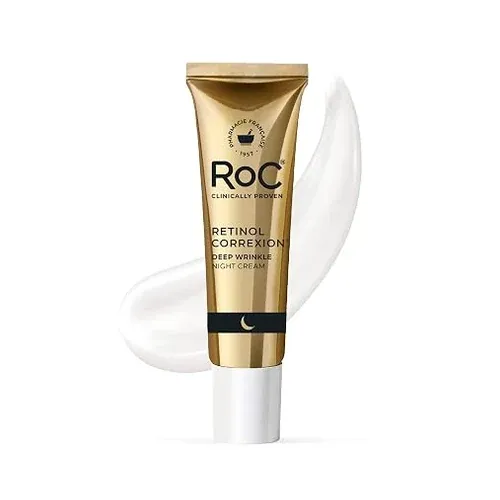
RoC Retinol Correxion Max Hydration Cream Fragrance Free
Normal-to-dry skin that already tolerates retinoids and wants treatment plus moisture in one step.
The current fragrance-free formula pairs retinol with glycerin and sodium hyaluronate in a cream vehicle.
Watch-out: Retinol can irritate. Start every other night or less often, confirm the current variant and avoid retinoids during pregnancy.
View on AmazonAs an Amazon Associate, SkinOptimizer may earn from qualifying purchases. Prices, sellers and availability can change.
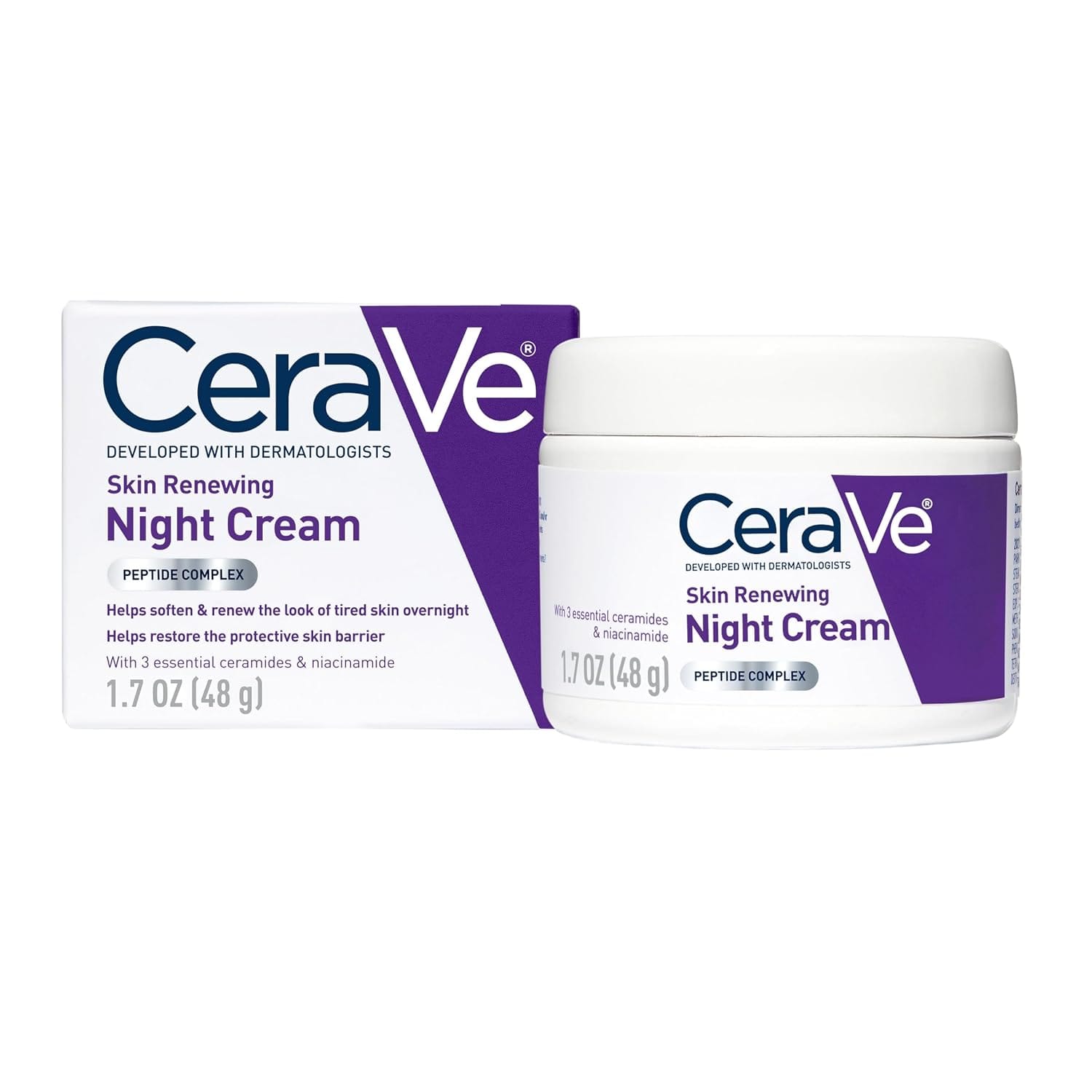
CeraVe Skin Renewing Night Cream
Dry or sensitive-leaning skin wanting a fragrance-free cream without retinol.
The official formula lists glycerin, ceramides, niacinamide, hyaluronic acid and peptides in a rich night moisturizer.
Watch-out: Shea butter and a rich texture may feel heavy on oily skin. It is supportive skincare, not a retinoid treatment.
View on AmazonAs an Amazon Associate, SkinOptimizer may earn from qualifying purchases. Prices, sellers and availability can change.
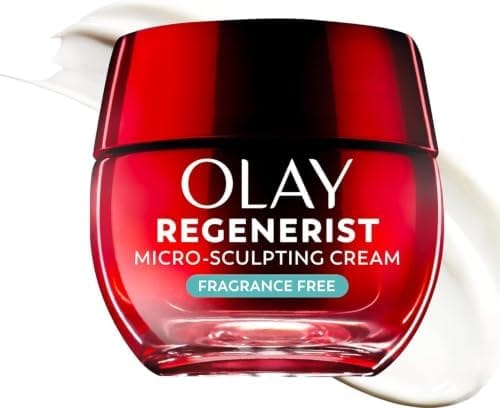
Olay Regenerist Micro-Sculpting Cream Fragrance-Free
Normal-to-dry skin wanting a plush moisturizer with niacinamide and peptides but no retinol step.
It offers a distinct moisture-and-support route for readers who do not want a retinoid cream.
Watch-out: Choose the fragrance-free variant and verify the current ingredient list. Richness may not suit very oily skin.
View on AmazonAs an Amazon Associate, SkinOptimizer may earn from qualifying purchases. Prices, sellers and availability can change.
How We Chose These Night Creams
We began with routine jobs, not review counts. A useful shortlist needed one active treatment cream, one retinoid-free barrier cream and one supportive rich moisturizer. Each product also needed a direct Amazon product page, a usable product image, official ingredient information and a limitation we could explain without hiding it.
RoC represents the retinol route. Its current manufacturer page lists retinol, glycerin and sodium hyaluronate and advises a gradual start. CeraVe represents the moisture-first route; its official page lists ceramides, hyaluronic acid, niacinamide and peptides and describes the product as fragrance-free and non-comedogenic. Olay represents a richer peptide-and-niacinamide moisturizer.
SkinOptimizer has not personally tested every cream on every skin type. We do not use price or star rating as proof of effectiveness because prices change and reviews combine different expectations, variants and tolerance levels. The shortlist is a decision aid, not a substitute for reading the current label.
How to Introduce a Retinol Night Cream
Weeks 1-2
Use once weekly on fully dry skin. Keep acids and scrubs out of the same evening.
Weeks 3-6
Move to two non-consecutive nights only when there is no persistent burning or raw peeling.
Weeks 8-12
Compare tolerance, texture and mild lines in similar lighting. Do not chase daily use.
A pea-sized amount is commonly adequate for the face when product directions support it. More cream does not produce proportionally faster results. Apply moisturizer before or after the retinol cream if needed, but recognize when two rich layers become uncomfortable or congesting.
Use the slow skincare method to keep cleanser, moisturizer and sunscreen stable while the new cream is introduced. Readers who cannot use or tolerate retinoids can compare the trade-offs in the retinol versus bakuchiol guide.
The AAD advises starting retinoids slowly, using them at night and maintaining sun protection. Its retinoid and retinol guidance also notes that people with substantial dryness, allergies, redness or inflammation may not be good candidates without professional advice.
Retinoids are avoided during pregnancy. Anyone who is pregnant, trying to conceive or breastfeeding should discuss treatment products with a clinician. Stop the newest product for swelling, blistering, severe pain or a persistent rash.
Match the Night Cream to Your Skin Type
Dry or mature skin
Choose a cream with glycerin plus emollient and occlusive ingredients. CeraVe or Olay may be easier than retinol when the skin is currently flaky or reactive. Apply after a gentle cleanse while the skin retains a little moisture. The dry-skin routine shows how to avoid over-cleansing.
If a retinol cream repeatedly worsens mouth and nose dryness, reduce frequency rather than adding an exfoliating toner to remove flakes. Persistent dryness can make lines look more obvious and make consistent use impossible.
Oily or acne-prone skin
Texture matters. A rich cream may be unnecessary even if the ingredient list looks impressive. Choose a lightweight lotion or retinol serum and a separate gel-cream moisturizer when that combination is easier to dose. Do not combine an acne retinoid with a cosmetic retinol cream without professional guidance.
Sensitive or redness-prone skin
Start with the retinoid-free route and patch test. Fragrance-free labeling reduces one common source of exposure but does not guarantee zero reaction. Use the barrier repair guide if bland products sting or the skin remains shiny-raw.
Combination skin
Use a moderate layer over the whole face and add a richer cream only to dry zones. Two complete routines are rarely necessary. If the T-zone becomes greasy by morning, reduce the amount or switch vehicle before abandoning the ingredient strategy.
What Results Can a Night Cream Deliver?
A plain moisturizer can improve tightness and make shallow dehydration lines look softer quickly. These effects are meaningful but temporary; they depend on continued hydration. Retinol treatment takes longer. Compare texture and mild lines after eight to twelve weeks, then again after several months.
A night cream cannot restore lost bone or fat volume, reposition sagging tissue or erase deep expression folds. If those are the main concerns, the honest next step is a consultation about procedures and their risks, not a more expensive jar.
Take photographs in the same room, at the same time and from the same distance. Bathroom magnifying mirrors and changing overhead light create false differences. Evaluate comfort as an outcome too: a product that produces slightly smoother skin but constant burning is not a successful long-term routine.
Common Night-Cream Mistakes
- Assuming every night cream contains retinol: many are moisturizers only.
- Using retinol nightly immediately: irritation can make the routine unsustainable.
- Stacking acids under retinol: more exfoliation often means more barrier disruption.
- Choosing the richest jar for oily skin: texture should match the person, not the age label.
- Believing “overnight repair” means collagen change by morning: fast plumping is usually hydration.
- Buying the wrong variant: fragrance, SPF and active versions may share a product family.
- Skipping daytime sunscreen: a night product cannot compensate for ongoing UV exposure.
Evidence and Limits
The AAD wrinkle guidance explains that moisturizer traps water and can reduce the appearance of some fine lines, while also recommending daily broad-spectrum SPF 30+ and limiting the number of potentially irritating products.
A randomized sunscreen trial reported less measured skin aging with regular daily use than discretionary use. That prevention evidence is why every night-cream plan on this page leads back to morning sunscreen. A cream used at bedtime is only one part of the full routine.
The Bottom Line
Choose a night cream by job. Use a retinol cream for treatment only when the skin is stable and you can start slowly. Use a ceramide-rich or peptide-and-niacinamide moisturizer when comfort and dryness are the priority. Richer is not automatically better, and “overnight” does not mean structural change after one night. The best product is one that fits the rest of the routine and remains comfortable enough to use consistently.
Frequently Asked Questions
What is the best ingredient in an anti-aging night cream?
Retinol has the strongest treatment role for mild fine lines and photoaged texture, while glycerin, ceramides and emollients are more useful when dryness and barrier comfort are the main concerns.
Should I use a night cream every night?
A plain moisturizer can usually be used nightly. Start a retinol night cream once weekly or every other night according to the directions, then increase only when skin remains comfortable.
Is night cream different from moisturizer?
Sometimes only in texture and marketing. A night cream may be richer or contain retinol, but a suitable fragrance-free daily moisturizer can often be used at night too.
Can sensitive skin use retinol night cream?
Some sensitive skin can tolerate a low-frequency retinol formula, but active redness, eczema, rosacea or barrier damage may make it unsuitable. Stabilize the routine and seek professional advice when reactions persist.
How long does a night cream take to reduce wrinkles?
Moisture can soften dehydration lines quickly. Retinol-related changes in mild fine lines and texture generally require eight to twelve weeks or several months, and deep folds will not disappear with a cream.