Retinol vs Bakuchiol 2026: Evidence, Results and Skin-Type Fit
Dermatologist-reviewed comparison of retinol vs bakuchiol: which anti-aging ingredient is better for sensitive skin, acne, and pregnancy?
In this guide
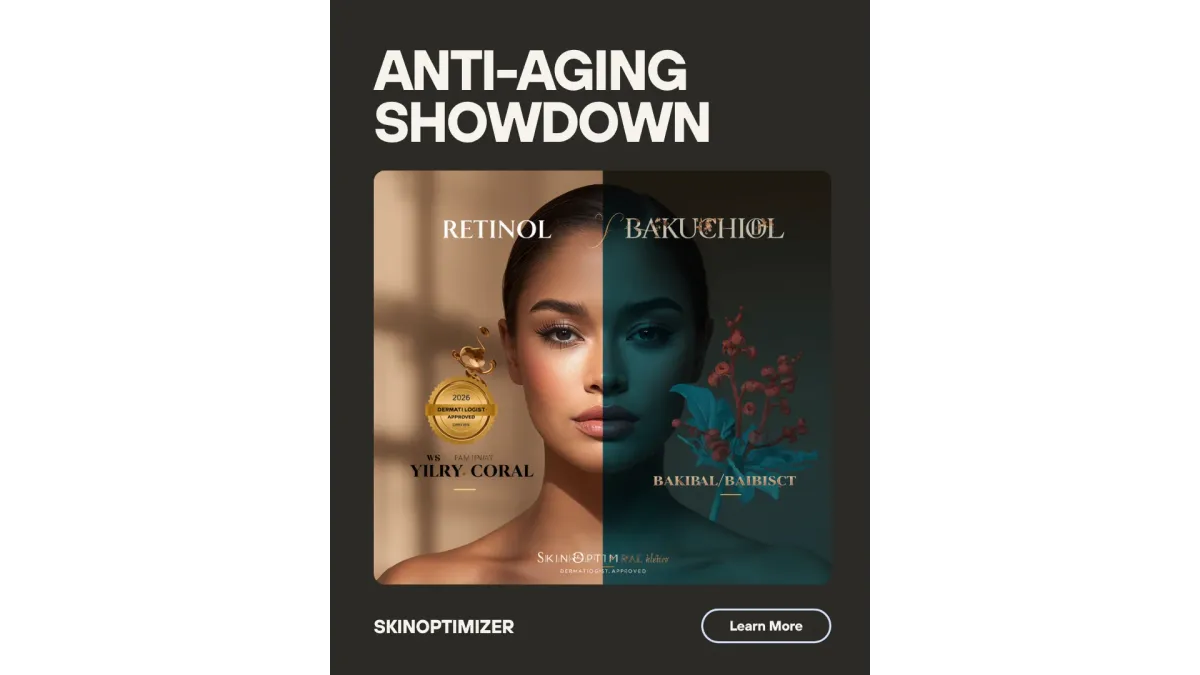
If you've ever winced through the "retinol uglies" - that flaky, red, sensitive phase when starting vitamin A - you've probably wondered: Is there a gentler alternative that actually works?
Ready to compare complete formulas? Our bakuchiol serum buying guide ranks five options by disclosed concentration, vehicle, fragrance tolerance, and price.
Enter bakuchiol, the plant-derived "nature's retinol" that's been making waves in dermatology circles since a landmark 2019 study showed it delivered comparable anti-aging results to 0.5% retinol, with far less irritation. But is it truly a replacement for the gold-standard anti-ager, or just a trendy impostor?
For another generally gentle supporting option, see our decision-first guide to the best peptide serums for different skin goals. Peptides are not a retinoid replacement, but they can fit routines focused on hydration and gradual visible firmness.
This comparison uses the cited clinical studies and current product information. SkinOptimizer did not interview a private dermatologist panel or run a controlled eight-product test group for this article.
The Essentials
- ✅ The Gold Standard: Retinol (vitamin A) remains the most studied anti-aging ingredient with 60+ years of clinical data.
- ✅ The Gentle Alternative: Bakuchiol delivers retinol-like results through different pathways - without the irritation.
- ✅ Pregnancy Safe: Bakuchiol is plant-derived (not vitamin A), making it a safer alternative during pregnancy/breastfeeding.
- ✅ Speed Factor: Retinol works faster (4-6 weeks), while bakuchiol takes 6-8 weeks for visible results.
- ✅ Combination Approach: Use retinol 2-3x/week and bakuchiol on off-nights to maintain results with less irritation.
Quick Comparison: Retinol vs Bakuchiol at a Glance
| Feature | Retinol | Bakuchiol |
|---|---|---|
| Origin | Vitamin A derivative (synthetic/natural) | Plant extract (Psoralea corylifolia babchi plant) |
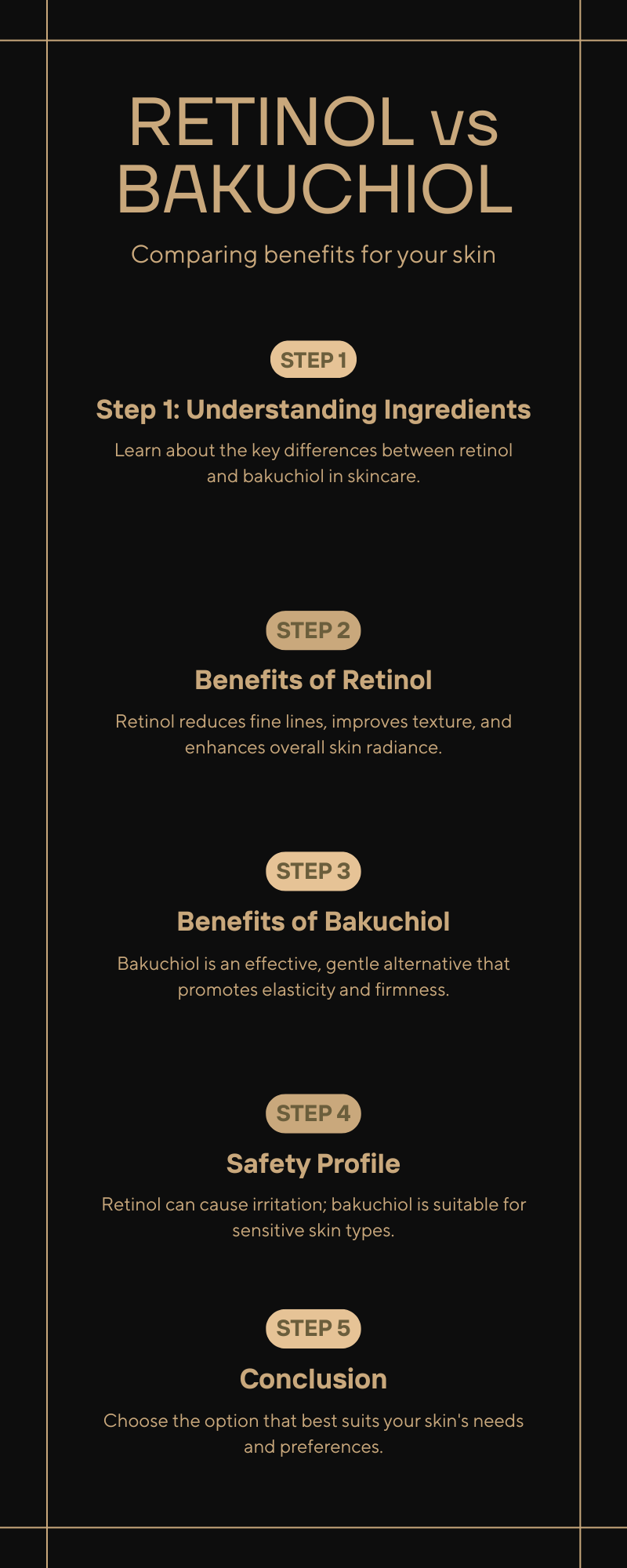
| Anti-aging efficacy | ✅ 60+ years of clinical data, 20-30% wrinkle reduction in 12 weeks | ✅ Comparable 20-30% wrinkle reduction in 12 weeks (2019 BJ Dermatol study) |
| Skin irritation | ⚠️ Common: dryness, peeling, redness (30-50% of users) | ? Minimal: <5% irritation in clinical trials |
| Pregnancy safety | ❌ Contraindicated (vitamin A risk) | ✅ Safe alternative (consult OB-GYN) |
| Acne treatment | ✅ Gold standard for clogged pores, breakouts | ⚠️ Limited data, mild antibacterial effects |
| Sun sensitivity | ⚠️ Increases photosensitivity, nighttime only | ✅ No photosensitivity, daytime use OK |
What Is Retinol? The Gold-Standard Anti-Ager
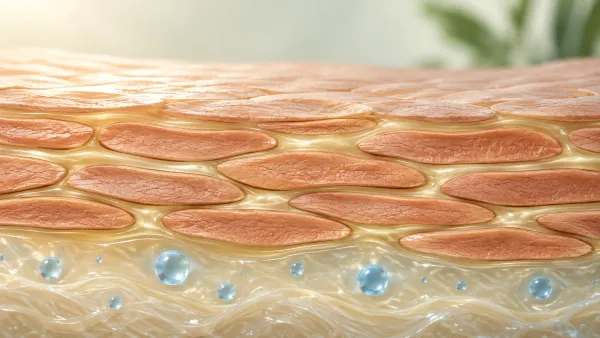
Retinol is an over-the-counter vitamin A derivative that converts to retinoic acid in your skin, binding directly to retinoid receptors to:
- Boost collagen types I, III & IV production
- Accelerate skin cell turnover (exfoliates from within)
- Fade hyperpigmentation & sun damage
- Unclog pores & reduce acne breakouts
With over 60 years of clinical data, it's the only OTC ingredient proven to reverse photoaging (sun damage) at a cellular level. A 2020 study in Journal of Cosmetic Dermatology found 0.5% retinol improved wrinkle depth by 27% after 12 weeks.
But there's a catch: up to 50% of users experience "retinization" - dryness, flaking, stinging, even breakouts - as skin adjusts. It also increases sun sensitivity, so strict SPF use is mandatory.
What Is Bakuchiol? The Gentle Plant-Based Alternative
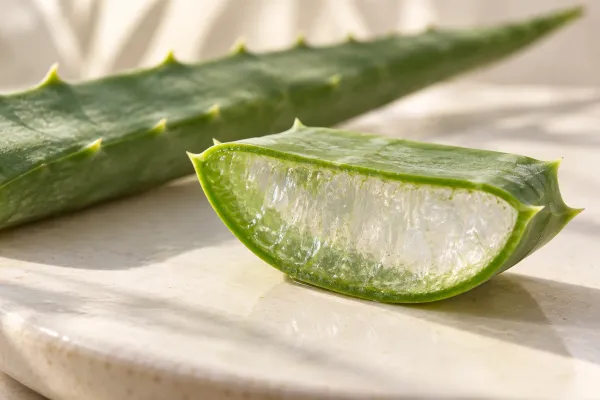
Bakuchiol (pronounced bah-koo-chee-all) is extracted from the seeds and leaves of the babchi plant, used for centuries in Ayurveda and Traditional Chinese Medicine. Unlike retinol, it does not convert to retinoic acid or bind retinoid receptors.
Instead, 2014 gene expression studies show it activates the same downstream collagen-boosting pathways as retinol, while suppressing MMPs (enzymes that break down collagen). It also has built-in anti-inflammatory and antioxidant properties.
The landmark 2019 randomized trial in British Journal of Dermatology (PMID: 31550293) compared 0.5% bakuchiol (twice daily) vs 0.5% retinol (once daily) in 44 patients over 12 weeks:
- Both groups saw identical 20-30% reductions in fine lines and hyperpigmentation
- Retinol group reported 3x more scaling, stinging and dryness
- Bakuchiol group had zero dropouts due to irritation
Newer 2023 research shows bakuchiol also improves skin elasticity and moisture retention, with no long-term safety concerns to date.
🧪 The Skin Insider
"Don't jump to 1% retinol immediately. Start with 0.1% encapsulated retinol 2x/week, then increase frequency before strength. For bakuchiol, pair it with niacinamide to boost barrier repair - they work better together." - Dr. Mona Gohara, Yale School of Medicine (source: Prevention)
💡 The Optimizer's Edge
The 2019 study used 0.5% bakuchiol twice daily vs 0.5% retinol once daily. Bakuchiol required double the frequency to match results. Also, most studies use 0.5% bakuchiol - the 1% products don't necessarily work "twice as well."
Who Should Choose Retinol?
Retinol remains the powerhouse for:
- Acne-prone skin: It's the only OTC ingredient that regulates sebum and unclogs pores effectively
- Sun damage & deep wrinkles: Direct retinoid receptor activation delivers stronger collagen remodeling
- Fast results seekers: You'll see texture improvements in 4-6 weeks vs 6-8 weeks for bakuchiol
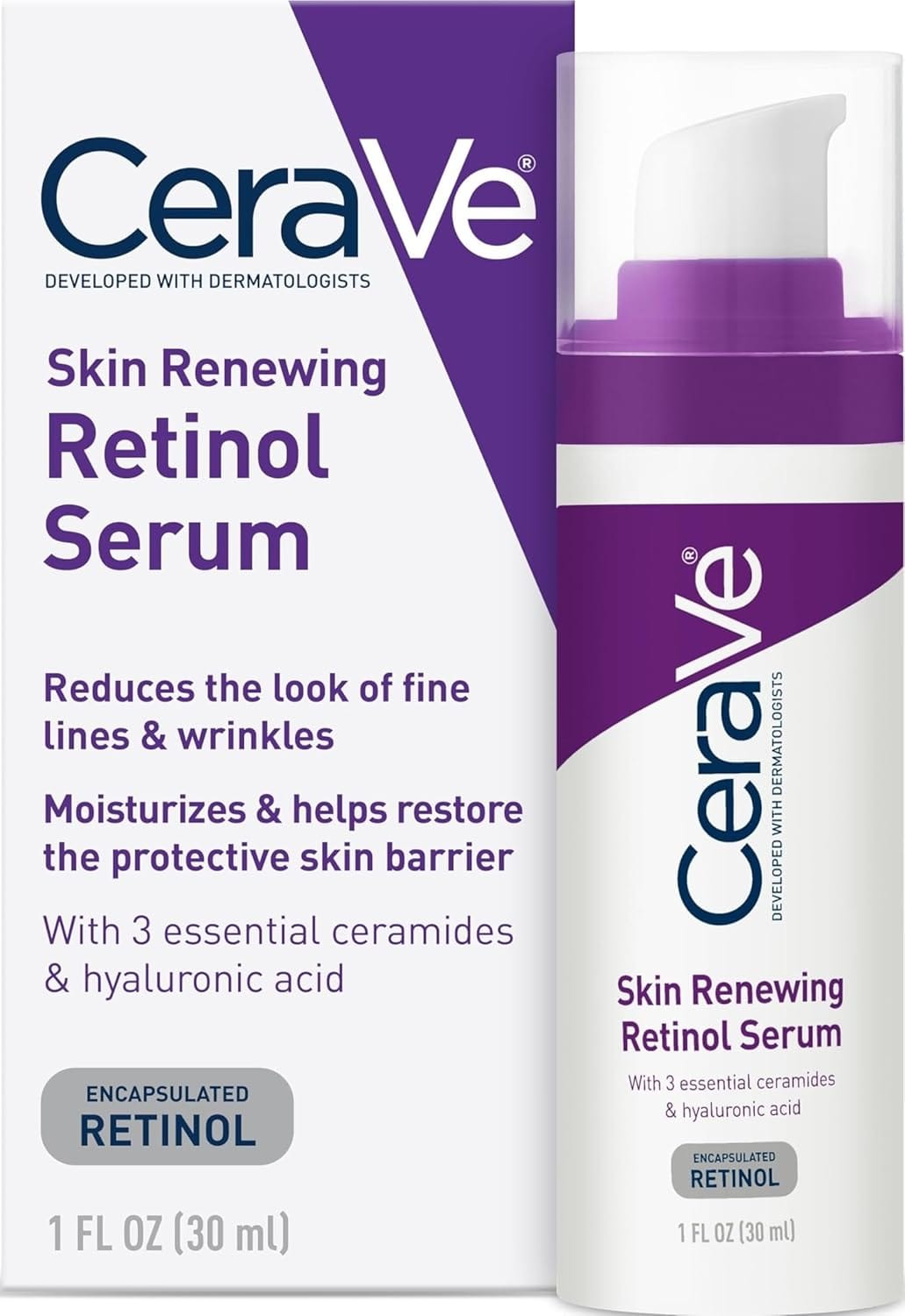
- Budget-conscious: Effective options start at $10 (CeraVe Resurfacing Retinol Serum)
Stick to 0.1-0.3% for beginners, or choose an encapsulated retinol if your skin gets dry or reactive easily.
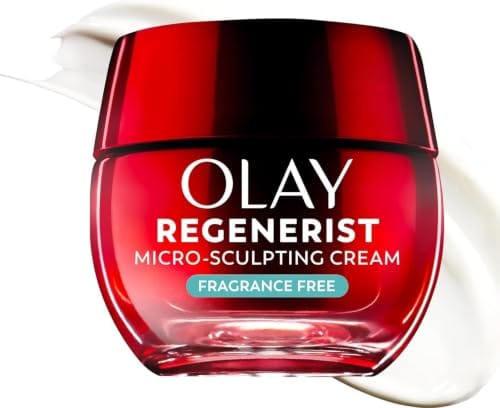
Beginner-friendly retinol option
Olay Retinol 24 Max
Why it fits: An encapsulated retinol format can be a better fit when you want a smoother introduction than jumping straight into stronger leave-on retinoids.
Watch-out: Still start slowly. Use it at night, keep moisturizer in the routine, and pause if peeling or burning builds.
Check on AmazonAs an Amazon Associate, we earn from qualifying purchases.
Encapsulated formulas can feel less aggressive than stronger retinoids, but the same slow-start rules still apply.
If you have decided on cosmetic retinal and are now comparing formulas, our Crystal Retinal 10 versus A-Game 10 buying guide addresses that narrower choice without equating different vitamin A ingredients.
Who Should Choose Bakuchiol?
Bakuchiol is the clear winner for:
- Sensitive/reactive skin: Eczema, rosacea, perioral dermatitis sufferers tolerate it well
- Pregnancy/breastfeeding: Vitamin A derivatives are off-limits, but bakuchiol is considered safe (confirm with your doctor)
- Daytime use: No photosensitivity, so you can layer it under sunscreen
- Clean beauty fans: Plant-derived, EWG-verified options available
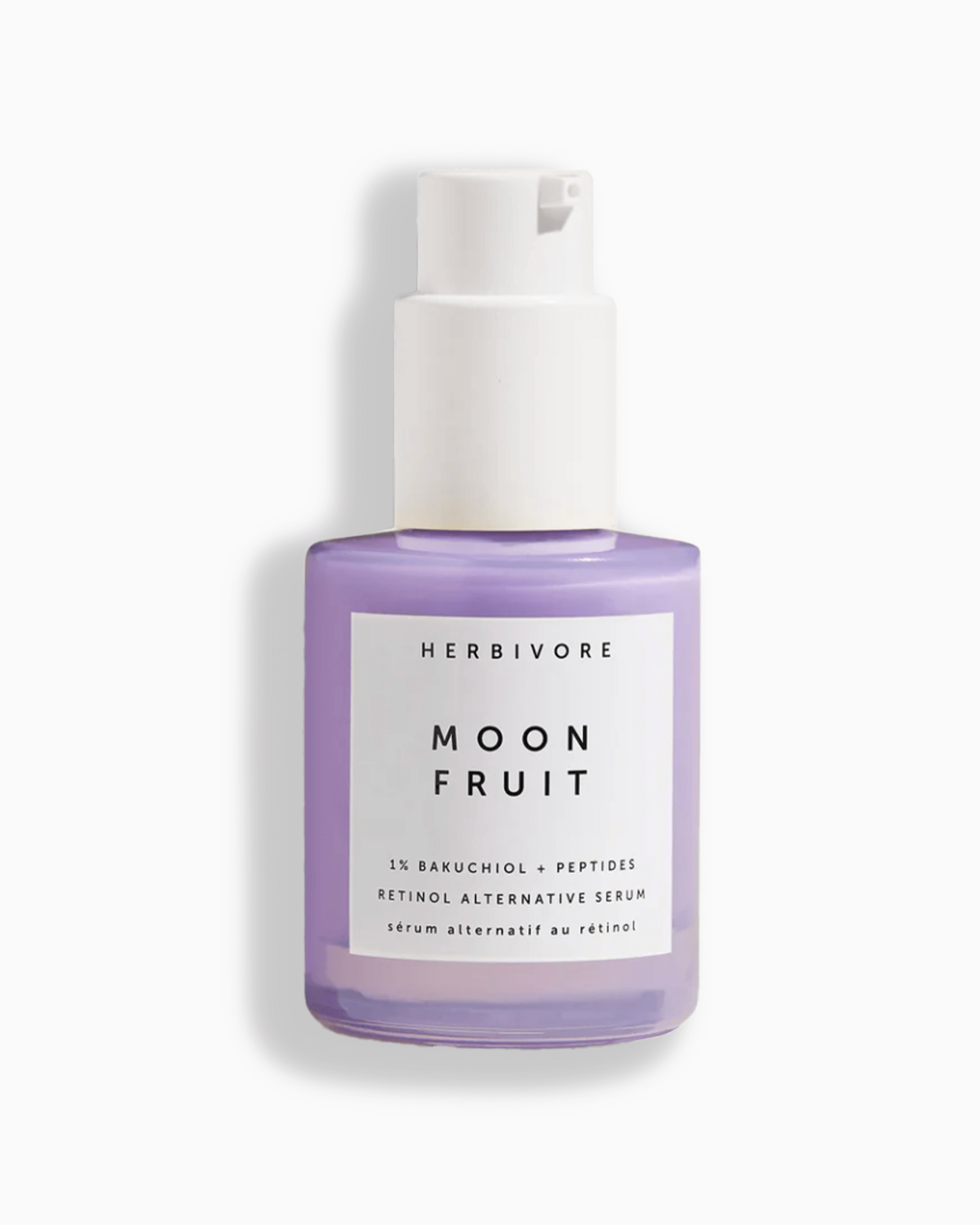
Look for 0.5-1% concentration - the 2019 study used 0.5% twice daily for best results.
Can You Use Retinol & Bakuchiol Together?
Yes! Dermatologists increasingly recommend "retinol cycling" for sensitive skin:
- Use retinol 2-3x/week at night
- Use bakuchiol on off-nights to maintain collagen benefits without irritation
- Combination formulas: Some products combine bakuchiol with supportive hydrators, but keep frequency conservative at first.
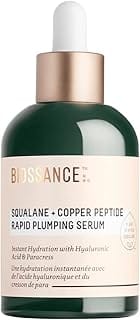
Sensitive-skin bakuchiol option
Biossance Squalane + Bakuchiol
Why it fits: It pairs bakuchiol with cushioning, barrier-friendly ingredients, so it makes sense for readers who want a retinol alternative with a softer feel.
Watch-out: Do not treat it as irritation-proof. Patch test first and avoid stacking it with too many active products in the same week.
Check on AmazonAs an Amazon Associate, we earn from qualifying purchases.
Top Retinol Serums (2026 Picks)
Top Bakuchiol Serums (2026 Picks)
People Also Ask: Retinol vs Bakuchiol FAQs
Is bakuchiol as effective as retinol for wrinkles?
Yes - the 2019 BJ Dermatology study showed identical wrinkle reduction after 12 weeks. Retinol may work faster (4-6 weeks vs 6-8 weeks), but bakuchiol maintains results with less irritation.
Can I use bakuchiol while pregnant?
Bakuchiol is not a vitamin A derivative, so it's considered a safer alternative during pregnancy/breastfeeding. Always confirm with your OB-GYN before use.
Do I still need sunscreen with bakuchiol?
Yes! While bakuchiol doesn't increase sun sensitivity, daily SPF 30+ is non-negotiable for preventing further photoaging.
Can I use retinol and bakuchiol together?
Yes! Dermatologists recommend "retinol cycling" - use retinol 2-3x/week and bakuchiol on off-nights to maintain collagen benefits without irritation.
Which is better for acne: retinol or bakuchiol?
Retinol is the gold standard for acne - it unclogs pores and regulates sebum. Bakuchiol has mild antibacterial effects but isn't as effective for active breakouts.
Is bakuchiol pregnancy-safe?
Generally yes, but always consult with your doctor. It's a popular choice for pregnancy-safe skincare routines since it doesn't carry the vitamin A risks.
How long does it take to see results with bakuchiol?
Most users notice improved skin texture within 2-4 weeks, with significant wrinkle reduction and pigmentation improvement after 6-12 weeks of consistent twice-daily use.
Final Verdict: Which Should You Choose?
If your skin can tolerate it, retinol remains the gold standard for acne, deep wrinkles, and sun damage. But for sensitive skin, pregnancy, or daytime use, bakuchiol is a legitimate, science-backed alternative that delivers real results without the irritation.
Not sure? Start with bakuchiol for 8 weeks — if you don't see results, add retinol 1-2x/week. Your skin (and sanity) will thank you.
*As an Amazon Associate I earn from qualifying purchases. This means I may receive a small commission at no extra cost to you if you make a purchase through links on this page. Read our full disclaimer here.
Internal references: Best Retinol Serums | Best Vitamin C Serums | Anti-Aging Skincare Guide
How we research and correct content: Editorial Policy.