Skincare for Indian Skin: Build by Skin Type, Not Stereotype
A signal-first skincare guide for Indian skin that replaces ethnic stereotypes with practical routines for acne, sensitivity, pigment, climate and sunscreen shade fit.

In this guide
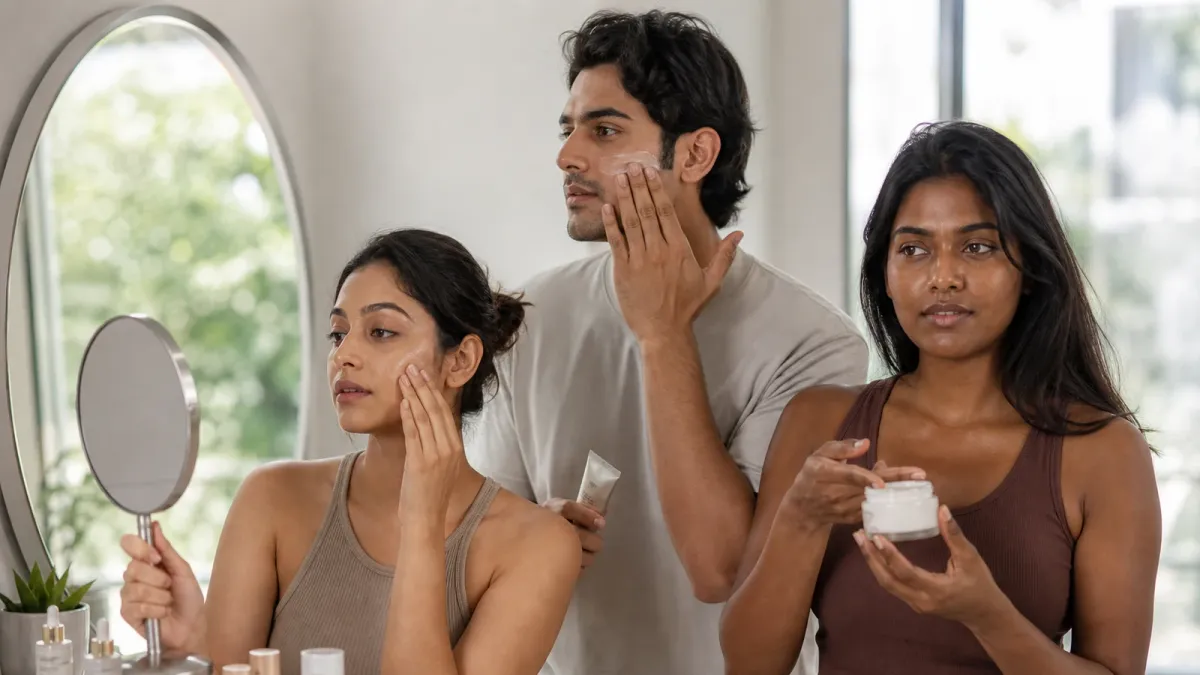
Indian skin is not one skin type. Build a three-step base around your actual oil level, sensitivity, climate and pigment tendency: gentle cleanser, suitable moisturizer and a shade-compatible broad-spectrum SPF 30+. Treat active acne or irritation before chasing dark marks, introduce one active at a time and choose a skin-tone-aware dermatologist for persistent pigment or procedures.
Quick Summary
- Separate skin tone, skin type, sensitivity and pigment tendency.
- Use a simple cleanser-moisturizer-sunscreen base before adding treatments.
- Test tinted sunscreen at the full amount in daylight because shade fit is individual.
- Prevent irritation and treat the cause of dark marks before adding more brighteners.
Indian Skin Is Not One Skin Type
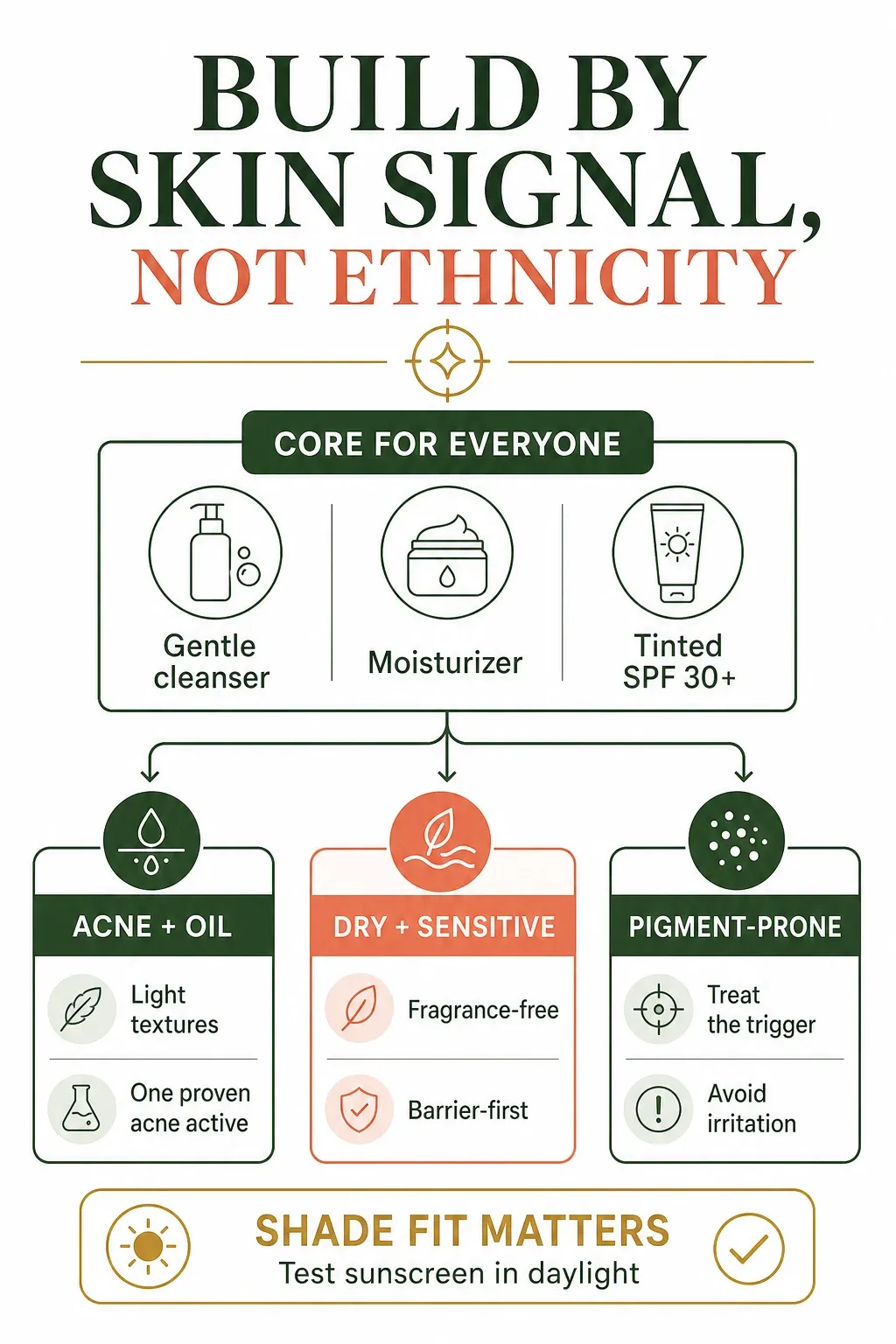
There is no single routine for “Indian skin.” India includes enormous variation in skin tone, oil production, sensitivity, climate, genetics, work environment and access to care. A useful routine starts with what your skin is doing now, not an ethnic label.
Melanin-rich skin may show inflammation as brown, gray or purple rather than bright red, and a pimple or rash can leave a dark mark after it heals. That pigment tendency changes how carefully irritation should be managed, but it does not mean every Indian person has oily, acne-prone or “tough” skin.
| Signal to assess | What it changes | Better first decision |
|---|---|---|
| Oil and shine | Cleanser and moisturizer texture | Choose a light lotion before adding stronger exfoliation |
| Tightness or stinging | Barrier tolerance | Simplify and use fragrance-free products |
| Inflamed acne | Risk of lingering dark marks | Treat acne early without picking or scrubbing |
| Uneven pigment | Need for trigger control and photoprotection | Use shade-compatible sunscreen and one targeted active |
| Hot or humid climate | Comfort and adherence | Use lighter layers and a water-resistant SPF when needed |
| Dry or air-conditioned climate | Water loss and flaking | Use a creamier moisturizer by zone |
Start by separating skin tone from skin type. Skin tone describes visible pigmentation, while skin type is a practical shorthand for oiliness, dryness or combination behavior. Sensitivity, acne and pigment tendency can occur alongside any skin type.
Then identify the dominant problem you want to solve. A routine for painful acne should not be designed around “glow,” and a routine for burning cheeks should not begin with a peel. The slow skincare framework is useful when several concerns overlap.
Build the Three-Step Base Before Treating Anything
A basic morning routine needs a gentle cleanse or rinse, moisturizer when needed and broad-spectrum sunscreen. At night, cleanse off sunscreen and makeup, then moisturize. This base is deliberately simple because every treatment is easier to judge on stable skin.
A cleanser should remove soil, sweat and sunscreen without leaving the face squeaky or tight. People with oily skin may prefer a gel, while dry or sensitive skin may do better with a cream or low-foam formula. The acne-prone cleanser guide explains when salicylic acid or benzoyl peroxide belongs in a wash.
Moisturizer is not only for dry complexions. Acne treatments, pollution exposure, shaving and frequent washing can all increase discomfort. Choose a lotion for humid weather or oily zones and a cream for dry areas rather than forcing one texture over the entire face.
Sunscreen is the treatment-support step that many pigment routines miss. It reduces additional ultraviolet exposure, while a tinted formula containing iron oxides can also help reduce visible-light exposure relevant to melasma and post-inflammatory hyperpigmentation. Shade fit matters because a product that looks gray, pink or orange is unlikely to be applied generously.
Why Dark Marks Need a Cause-First Plan
Post-inflammatory hyperpigmentation is pigment left after inflammation such as acne, eczema, a burn or irritation. Melasma tends to create broader, often symmetrical facial patches and has different triggers. A changing isolated spot can be another lesion entirely and should not be treated from a photo-based guess.
The American Academy of Dermatology recommends treating the cause of dark spots first and choosing products that do not irritate. A 2024 systematic review of PIH treatment in skin of color found a limited and heterogeneous evidence base, so dramatic universal promises are not justified.
If acne keeps creating new marks, the first pigment intervention is better acne control. If a harsh acid created the marks, the first intervention is stopping the irritation. Our guide to dark spots on darker skin explains the difference between fading a mark and preventing the next one.
Do not scrub pigment with walnut shells, cleansing brushes or home microdermabrasion tools. Friction can prolong inflammation and deepen discoloration. Lemon juice, undiluted vinegar and toothpaste add chemical irritation without delivering a controlled treatment dose.
Choose Sunscreen by Protection, Shade and Context
Look for broad-spectrum SPF 30 or higher and apply it as the final morning skincare step. The label must separately state water resistance if you need protection during sweating or swimming. The AAD sunscreen label guide explains why SPF alone does not answer every use case.
Tinted sunscreens are not automatically inclusive. One “universal” tint may work for medium skin and look ashy or orange on lighter, deeper or differently undertoned complexions. Test the full amount along the cheek and jaw in daylight, then check the finish again after it dries.
A peer-reviewed guide to tinted sunscreens describes the role of iron oxides and visible-light protection. Use that evidence to choose the feature, not to assume that every tinted formula matches every Indian skin tone.
For long outdoor days, use shade, a hat and protective clothing alongside sunscreen. Reapply during ongoing exposure and after swimming, sweating or towel drying according to the label. The sunscreen reapplication guide gives practical timing examples.
Two Products With Specific Routine Jobs
These are examples, not a universal “Indian skincare kit.” The sunscreen illustrates an iron-oxide tint in one medium shade, while azelaic acid offers one gradual option for uneven tone and blemish-prone skin. Shade mismatch, irritation or a different diagnosis are valid reasons to choose another product.
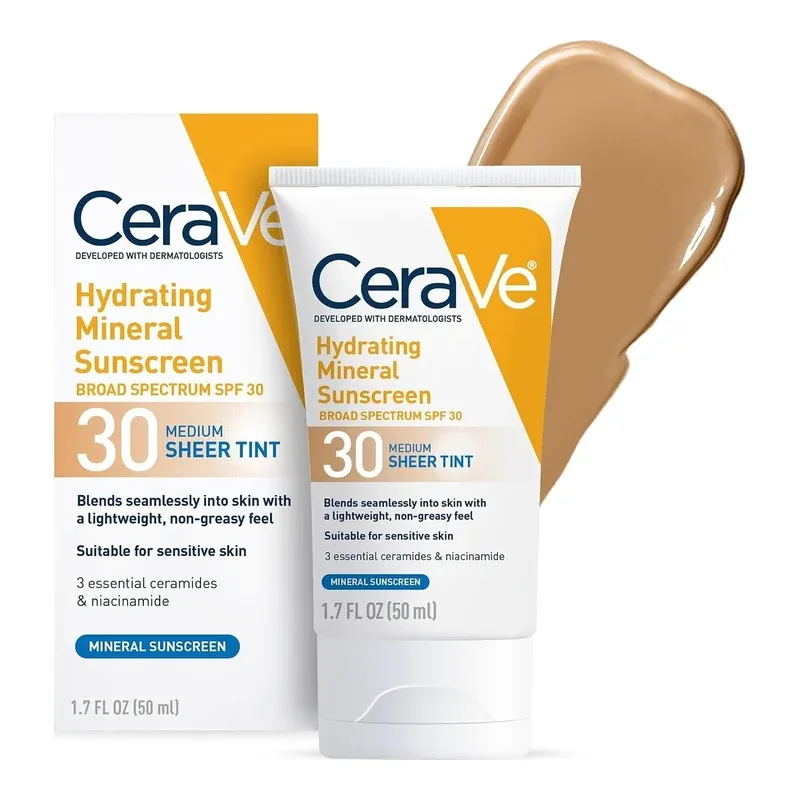
CeraVe Hydrating Mineral Sunscreen SPF 30 Sheer Tint, Medium
Normal-to-dry or sensitive skin that matches the medium tint and wants mineral UV filters plus iron oxides.
The current formula uses zinc oxide, titanium dioxide and iron oxides and is available in light, medium and deep shades.
Watch-out: The medium shade is not universal and the product is not water resistant. Test the full amount in daylight and choose another SPF for swimming or heavy sweating.
View on AmazonAs an Amazon Associate, SkinOptimizer may earn from qualifying purchases. Prices, sellers and availability can change.
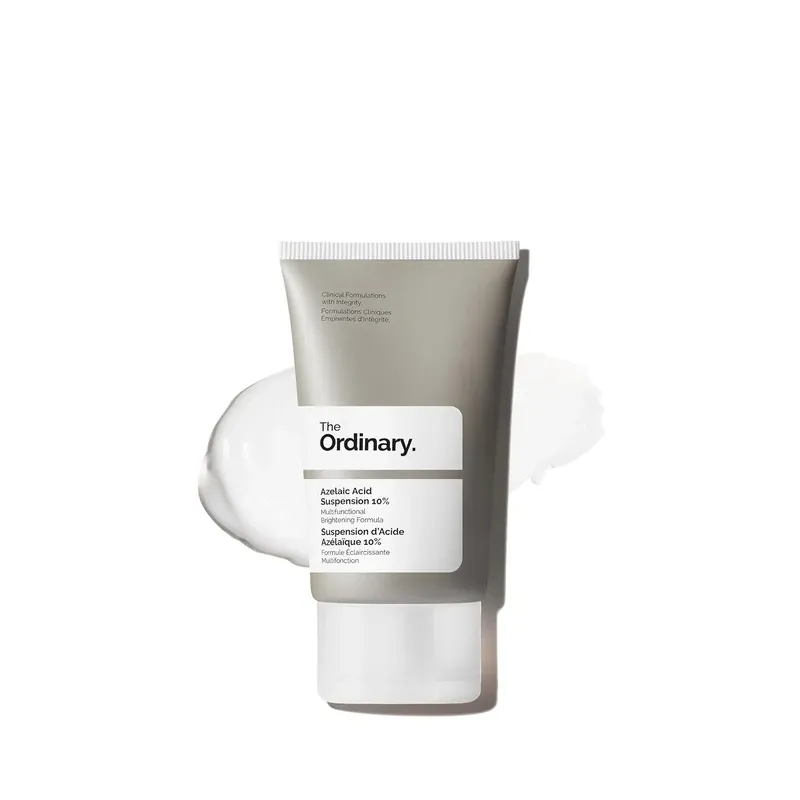
The Ordinary Azelaic Acid Suspension 10%
Uneven tone or blemish-prone skin that tolerates a leave-on azelaic-acid product.
Azelaic acid can support acne and uneven pigment while avoiding the pressure to stack several exfoliating acids.
Watch-out: The silicone-rich texture can pill and the active can sting. Introduce it a few nights weekly, avoid irritated skin and stop for persistent burning.
View on AmazonAs an Amazon Associate, SkinOptimizer may earn from qualifying purchases. Prices, sellers and availability can change.
The CeraVe product page confirms the current filters, shades and water-resistance limitation. The The Ordinary directions describe its role and use. Marketplace sellers and formulas can change, so compare the listing with the package.
Routine Paths for Common Skin Signals
For oily, congestion-prone skin
Use a gentle gel cleanser once or twice daily and a light non-comedogenic moisturizer. Add either salicylic acid, benzoyl peroxide or adapalene according to the lesion type and your tolerance; do not start all three together. The daily routine for oily skin gives a complete AM and PM structure.
Shine does not prove the skin needs stronger cleansing. A tight, glossy surface after washing can reflect irritation, and additional scrubbing can trigger more pigment. Reduce the cleanser strength before removing moisturizer.
For dry, sensitive or barrier-stressed skin
Choose fragrance-free cleanser and moisturizer, then pause nonessential exfoliation. Apply moisturizer to slightly damp skin and add a richer layer only to dry zones. Our damaged skin barrier guide covers the difference between ordinary dryness and persistent burning.
Botanical ingredients are not automatically gentler. Essential oils, fragranced Ayurvedic blends and kitchen remedies can cause irritant or allergic reactions. Tradition can coexist with safety, but every leave-on mixture still needs a clear purpose and tolerability.
For acne marks and uneven tone
Keep sunscreen stable, treat active acne and use one pigment-support ingredient. Azelaic acid, a retinoid, vitamin C or another option may fit, but the best choice depends on acne, sensitivity, pregnancy status and other treatments. Adding several brighteners raises irritation without proving faster fading.
Photograph the same area monthly in consistent light rather than checking after every wash. Pigment commonly fades over months, and deeper discoloration can take longer. New pain, scaling, bleeding or change in an isolated spot deserves assessment rather than a stronger serum.
How Climate Changes Texture, Not the Core Logic
| Environment | Routine adjustment | What stays the same |
|---|---|---|
| Hot and humid | Lighter lotion, breathable layers, water-resistant SPF for sweating | Gentle cleansing and adequate sunscreen amount |
| Dry winter | Creamier moisturizer and less frequent active use | Broad-spectrum sunscreen |
| Air conditioning | Moisturizer on dry zones and shorter cleansing | One treatment at a time |
| High pollution or dust | Thorough but gentle evening cleanse | No abrasive scrubbing |
| Travel between climates | Pack one light and one richer texture | Keep the active schedule stable initially |
Humidity can make a rich cream feel heavy, while air conditioning can dry the same skin by the end of the day. Adjust texture and quantity rather than replacing the entire routine every season. A lotion in the morning and cream on dry evening zones can be enough.
Pollution is not a reason to cleanse four times daily. Remove sunscreen and particulate residue at night with a cleanser that rinses clean, and avoid aggressive brushes. Antioxidant claims can be secondary to the more reliable benefits of cleansing, moisturizing and photoprotection.
What About Ayurveda and DIY Ingredients?
Ayurvedic practices are culturally important, but a traditional label does not establish concentration, purity, stability or suitability for facial skin. Turmeric, sandalwood, neem and herbal oils can stain, irritate or trigger allergy, especially in homemade mixtures. Patch testing reduces surprise but cannot guarantee safety.
Do not use lemon juice, baking soda or undiluted essential oils for pigment or acne. Their pH and concentration are not designed as controlled facial treatments. A chemical burn can create the very dark marks the routine was meant to fade.
If you value a traditional product, choose one with a complete ingredient list, clear manufacturer, directions and packaging. Introduce it as the only new variable and stop when itching, swelling, persistent burning or a spreading rash develops. “Natural” and “chemical-free” are not safety categories.
Common Mistakes in Routines Marketed for Indian Skin
- Assuming everyone is oily: dry, sensitive and combination skin are common across every ethnicity.
- Using fairness products: skin lightening is not the same as treating a diagnosed pigment condition.
- Scrubbing tan or marks: friction can create inflammation and darker pigment.
- Buying one universal tint: shade, undertone and protective application amount must work together.
- Stacking brighteners: irritation can overpower any pigment benefit.
- Ignoring active acne: fading old marks while new lesions form is an inefficient loop.
Another mistake is using the Fitzpatrick scale as an identity label. It was designed around sun response and has limitations, especially when used casually. A clinician should assess actual skin history and pigment response rather than assigning risk from appearance alone.
When to See a Dermatologist
Seek qualified care for painful or scarring acne, persistent melasma, sudden pigment change, widespread rash, severe itching or products that repeatedly burn. A clinician can distinguish PIH, melasma, dermatitis, fungal conditions and other causes that need different treatment.
Choose a dermatologist experienced with your skin tone, particularly for lasers, peels or other procedures. Ask how they prevent and manage post-inflammatory pigment change and whether they can show outcomes in similar complexions. The age spot guide explains why isolated changing lesions require diagnosis before fading.
How to Evaluate a Routine Over Twelve Weeks
Choose one primary outcome: fewer inflamed pimples, less stinging, better sunscreen adherence or gradual fading of a defined area. Keep cleanser, moisturizer and sunscreen stable while one treatment changes. Record the result weekly rather than interpreting each morning.
At four weeks, judge tolerability and routine consistency. At eight to twelve weeks, assess acne trend or pigment direction if the skin has remained calm. Stop earlier when irritation is persistent, and do not wait twelve weeks on painful scarring acne or a changing lesion.
A useful routine is repeatable in your climate, budget and schedule. It does not need ten steps or a shelf of imported products. Replace an item only when it fails a defined job, not because a trend claims that all Indian skin needs a new ingredient.
The Bottom Line
The best skincare for Indian skin is not an ethnic formula. Build a gentle cleanser, suitable moisturizer and shade-compatible broad-spectrum sunscreen around your actual skin signals, then add one treatment for acne, sensitivity or pigment. Protect melanin-rich skin from unnecessary irritation, reject fairness marketing and seek skin-tone-aware care when the diagnosis or procedure risk is uncertain.
Frequently Asked Questions
Is Indian skin always oily or acne-prone?
No. Indian people can have dry, oily, combination, sensitive or resilient skin. Choose cleanser and moisturizer by current skin behavior rather than ethnicity.
What sunscreen is best for Indian skin tones?
Use broad-spectrum SPF 30 or higher in a shade and texture you can apply generously. Tinted formulas with iron oxides may support pigment care, but test the full amount in daylight for white cast and undertone mismatch.
Why do acne marks look darker on some Indian skin?
Melanin-rich skin can develop persistent post-inflammatory hyperpigmentation after acne or irritation. Control new inflammation, avoid picking and use consistent photoprotection before adding a gradual fading treatment.
Can I use turmeric, neem or other Ayurvedic ingredients?
A traditional ingredient is not automatically safe or effective in every formula. Use products with complete labels, introduce one at a time and stop for persistent burning, itching or swelling.
Do I need a ten-step routine for glowing Indian skin?
No. A gentle cleanser, suitable moisturizer and sunscreen form the useful base. Add one treatment only when it has a defined job such as acne or pigment control.