Best Cleansers for Combination Skin: Choose by Zone and Sensitivity
A zone-aware cleanser guide for an oily T-zone, drier cheeks, sensitivity and acne risk.

In this guide

- Choose for the drier or more sensitive part of your face first, then adjust the oily T-zone with technique or frequency.
- A gentle daily cleanser and a separate targeted acne step are often easier to control than an aggressive all-in-one wash.
- Use more removal power at night only when makeup or water-resistant sunscreen creates a real need.
- Judge the result ten minutes after rinsing: clean is useful; tight, hot, squeaky, or stingy is not.
Want the useful part first?
The product shortlist and comparison are near the top, so you do not have to scroll through the full guide before making a decision.
Finding the best cleansers for combination skin is a balancing problem, not a search for a product that can somehow make every facial zone identical. Combination skin commonly means an oilier forehead, nose, or chin with cheeks that feel normal, dry, or sensitive. The pattern can also change with season, humidity, hormones, acne treatments, retinoids, or an overly aggressive routine.
We built this guide around a practical rule: solve the daily removal job with the lowest cleansing intensity that leaves every zone comfortable. That means looking past labels such as “deep clean,” “balancing,” or “for all skin types.” Formula texture, fragrance, active ingredients, cleansing frequency, water temperature, and what you wear during the day usually matter more. If you are still unsure about the label itself, our cleanser versus face wash comparison explains why the terms are not strict scientific categories.
Best Cleansers for Combination Skin: Three Early Picks
These are restrained editorial examples for three different combination-skin patterns. They are not based on first-person testing. Check the current label because formulas, packaging, availability, and prices can change. The first buying options appear here—within the opening decision section—rather than being buried near the conclusion.
| Combination-skin pattern | Practical starting point | Main watch-out |
|---|---|---|
| Oily T-zone, comfortable cheeks | CeraVe Foaming Facial Cleanser | May feel too cleansing when cheeks are dry or retinoid-irritated |
| Dry-leaning combination skin | CeraVe Hydrating Facial Cleanser | Lotion-like finish may feel heavy on a very oily T-zone |
| Sensitive or unpredictable zones | Vanicream Gentle Facial Cleanser | Even a simple cleanser can feel drying if overused |

Who it fits: combination skin with a consistently oily T-zone and cheeks that tolerate foam. Why it fits: it provides a straightforward fragrance-free foaming option without adding an exfoliating acid to every cleanse. Watch-out: dry, over-exfoliated, or retinoid-irritated areas may prefer a lower-foam formula.
Check CeraVe Foaming options on Amazon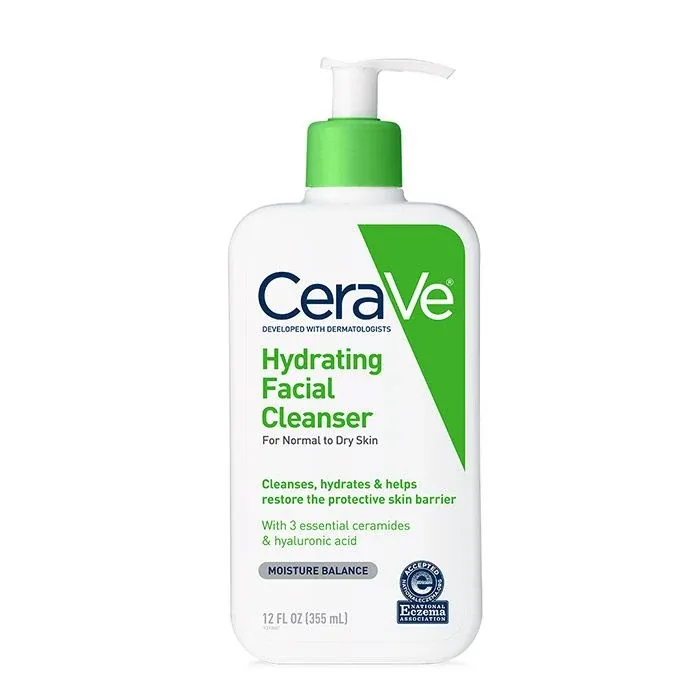
Who it fits: dry-leaning combination skin that dislikes abundant foam. Why it fits: the non-foaming lotion format is a useful baseline when cheek comfort is the limiting factor. Watch-out: it may not give very oily zones the crisp rinse they prefer and may need help with resistant makeup.
Check CeraVe Hydrating options on Amazon
Who it fits: sensitive combination skin wanting a fragrance-free daily cleanser with a relatively clean rinse. Why it fits: it keeps the formula role simple when active ingredients are not the cleansing goal. Watch-out: no product is allergy-proof, and twice-daily cleansing can still be excessive for dry cheeks.
Check Vanicream options on AmazonAs an Amazon Associate, we earn from qualifying purchases. Product availability, formulas, packaging, and prices can change.
The Skin Insider
Do not try to make the dry cheeks feel as “clean” as the oily nose. The goal is comfortable removal across the whole face. If the T-zone needs more help, change massage time or use a targeted leave-on step before escalating the cleanser everywhere.
How to Choose a Cleanser for Combination Skin
The American Academy of Dermatology's face-washing guidance recommends a gentle, non-abrasive cleanser, lukewarm water, fingertips instead of scrubbing tools, and limiting washing to twice daily and after sweating. Those rules are especially useful for combination skin because friction and over-cleansing can make dry zones more reactive without solving oil production.
| Cleanser type | When it makes sense | When to reconsider |
|---|---|---|
| Low-foam gel | Balanced or oily-leaning combination skin wanting a clean rinse | Cheeks feel tight, hot, flaky, or sting after use |
| Cream-to-foam | You want makeup-removal help with less foam than a classic wash | The formula still leaves dry zones uncomfortable |
| Cream or lotion | Dry-leaning combination skin, winter routines, or retinoid dryness | Persistent film or insufficient sunscreen removal bothers you |
| Oil or balm | First cleanse for makeup or resistant sunscreen | You add a harsh second wash automatically even when residue is gone |
| Salicylic acid wash | A defined clogged-pore or acne goal on tolerant skin | Stinging, peeling, or overlapping leave-on acne treatments develop |
Gel, foaming, or cream cleanser?
Texture is a useful clue but not a guarantee. Gel cleansers often rinse clean and can suit oilier zones, while cream and lotion cleansers often feel more conditioned. Foaming formulas can range from mild to aggressive. The complete surfactant system, fragrance, active ingredients, pH, contact time, and your technique determine the result. DermNet's overview of soaps and cleansers explains how cleansing agents remove oils and why irritation can come from more than one part of a formula.
Use the ten-minute comfort test. After rinsing and gently patting dry, wait before applying the next step. If the cheeks feel tight while the nose feels merely less oily, the cleanser is probably too strong for daily full-face use. If the face feels comfortable but a heavy layer of sunscreen remains, the problem is removal strategy rather than skin type.
What about salicylic acid for acne-prone combination skin?
Salicylic acid can be useful for clogged pores and oily areas, but it should solve a defined problem. It is not required simply because your T-zone shines. If you already use adapalene, retinol, benzoyl peroxide, or a leave-on exfoliant, an active cleanser can increase the total irritation load. Our salicylic acid cleanser guide compares strengths and use cases, while the acne-prone cleanser guide separates daily cleansing from acne treatment.
Choose the gentler base when:
- Your cheeks sting when moisturizer is applied.
- You are starting or increasing a retinoid.
- Cold weather or indoor heating makes the dry zones worse.
- You already use a leave-on acne or exfoliating product.
Do You Need Two Cleansers for Different Facial Zones?
Usually, no. Applying separate water-based cleansers to the T-zone and cheeks adds complexity, time, and more opportunities for irritation. Start with one cleanser that keeps the drier zone comfortable. Massage it over the oily T-zone for a few extra seconds, then rinse the entire face. This small technique change is easier to evaluate than buying two full routines.
Two products can make sense when their jobs are different. An oil or balm can dissolve makeup and water-resistant sunscreen, followed by a mild water-based cleanser only if residue remains. Another example is a salicylic acid wash used occasionally on an oily, clogged T-zone while a gentle cleanser remains the daily base. Avoid treating normal oil production as a defect that requires constant stripping.
If your oily and dry areas change by season, rotate frequency rather than rebuilding the routine. A low-foam cleanser might work nightly in summer but only several nights per week in winter. On calm mornings, a lukewarm water rinse may be enough. The daily routine for combination skin shows how to adjust moisturizer and treatment placement by zone.
How weather, retinoids, and stress change the decision
Combination skin is not a permanent formula prescription. Humid weather can make the T-zone feel oilier, while wind, indoor heating, travel, and low humidity can make the cheeks less tolerant. A cleanser that works in August may feel excessive in January. Keep a gentle baseline available and change frequency before assuming you need a completely different product family.
Retinoids, benzoyl peroxide, exfoliating acids, and prescription acne treatments can also move the comfort limit. During a period of peeling or stinging, pause optional active cleansers and use the mild base while you reassess the total routine. Our skin barrier repair guide explains what to stop and how to restart actives after the skin feels calm.
Stress, menstrual-cycle changes, and sleep disruption may coincide with more oil or breakouts, but extra washing is not a reliable way to correct those shifts. Keep the cleansing technique stable long enough to see the pattern. If a sudden or persistent change comes with painful acne, rash, swelling, or other symptoms, ask a qualified professional rather than rotating through stronger face washes.
A Simple Combination-Skin Cleansing Routine
| Routine moment | Practical method | Adjustment rule |
|---|---|---|
| Morning | Water rinse or a small amount of gentle cleanser | Use cleanser when overnight products, sweat, or oil create a need |
| Evening, light layers | One gentle water-based cleanser | Stop after one comfortable, complete rinse |
| Evening, makeup or resistant SPF | Targeted first cleanse, then reassess | Add a second cleanser only if residue remains |
| After exercise | Rinse or gently cleanse soon after sweating | Do not scrub or add an extra exfoliant automatically |
- Wet with lukewarm water. Hot water can make dry areas feel worse.
- Use a modest amount. More product does not guarantee a better cleanse.
- Massage with fingertips. Give the nose, forehead, and chin slightly more attention without scrubbing the cheeks.
- Rinse completely. Residue around the hairline and jaw can be mistaken for product intolerance.
- Pat rather than rub. Apply moisturizer while the skin still feels comfortable.
After cleansing, use a lightweight moisturizer across the face or apply a little more to dry zones. Our combination-skin moisturizer guide organizes textures by zone and climate. In the morning, finish with sunscreen rather than trying to make the cleanser control shine for the entire day.
The Optimizer's Edge
Change one variable at a time. If you switch cleanser, moisturizer, and acne treatment together, you cannot tell which change improved comfort or caused irritation. Test the cleanser once nightly for a week before deciding whether morning use is necessary.
Should Combination Skin Use an Oil Cleanser or Double Cleanse?
Oil cleansers and balms can suit combination skin when the evening job includes long-wear makeup, mineral sunscreen, or water-resistant SPF. They dissolve oil-soluble layers so you do not have to scrub. The important distinction is that double cleansing is a removal method, not a requirement for a serious skincare routine.
If the first cleanser emulsifies and rinses cleanly, stop. If a noticeable film remains or the label directs a follow-up cleanse, use a small amount of your gentle water-based cleanser. Our comparisons of cleansing oils and cleansing balms explain the texture and removal tradeoffs.
Daily double cleansing may be excessive when you wear no makeup and a light sunscreen. It can also compound dryness from retinoids, acids, acne medication, or cold weather. Use the minimum number of steps that removes the actual layers on your face.
Common Mistakes With Combination-Skin Cleansers
Chasing a squeaky finish
A tight after-feel is not proof that pores are cleaner. It often means the dry zone paid the price.Using acne actives everywhere
A clogged nose does not mean the cheeks need salicylic acid twice daily.Changing by the hour
Oil naturally returns. Do not add extra washes every time the T-zone shines.Ignoring sunscreen removal
Persistent residue calls for a better removal method, not harder scrubbing.
Cleansing brushes, rough washcloths, and grainy scrubs can add friction without improving the formula choice. Strong fragrance or essential oils may also create unnecessary variables for sensitive combination skin. If a product causes persistent burning, swelling, hives, cracking, or worsening rash, stop using it and seek qualified care rather than trying to “push through” an adjustment period.
How to Tell Whether the Cleanser Is Working
A suitable cleanser removes the day's layers, rinses without repeated scrubbing, and leaves both oily and dry zones comfortable enough for the next step. It does not need to prevent all shine, shrink pores, or treat every breakout. Those promises ask a rinse-off product to do too many jobs.
Your Clear Skin Checklist
- The cheeks do not feel tight, hot, or sting after rinsing.
- The T-zone feels clean without needing a second harsh wash.
- Makeup and sunscreen are removed with minimal rubbing.
- The routine remains stable enough to judge for at least one week.
- Persistent acne, rash, or irritation is not being treated as a cleanser-only problem.
If the dry zone remains uncomfortable, move toward the choices in our dry and sensitive skin cleanser guide. If the entire face stays very oily and tolerant, compare the oily-skin cleanser options. Skin type labels are starting points; the post-rinse result should make the final decision.
Frequently Asked Questions About Cleansers for Combination Skin
What type of cleanser is best for combination skin?
A gentle low-foam gel, cream-to-foam cleanser, or light lotion cleanser is a practical starting point. Choose according to the drier or more sensitive zone, then adjust massage time and frequency for the oily T-zone.
Are foaming cleansers good for combination skin?
They can be when the cheeks remain comfortable. Foam itself does not prove that a cleanser is harsh or gentle. Stop or reduce use if dry zones feel tight, sting, flake, or become more reactive.
Should combination skin use an oil cleanser?
An oil cleanser can help remove makeup and water-resistant sunscreen. It is optional, and a second cleanse is needed only when residue remains or the product directions call for it.
Can combination skin use a hydrating cleanser?
Yes. A hydrating or lotion cleanser can be especially useful for dry-leaning combination skin, winter routines, or retinoid-related dryness. Very oily zones may prefer a cleaner-rinsing low-foam formula.
Which cleanser is best for acne-prone combination skin?
Start with a gentle daily cleanser. Add salicylic acid or benzoyl peroxide only for a defined acne goal and with attention to other active products. Persistent, painful, or scarring acne deserves professional care.
This article is for informational purposes only and does not replace professional dermatological advice.