Biossance Squalane + Marine Algae Eye Cream: Is It Worth It?
Is Biossance Squalane + Marine Algae Eye Cream worth it? Compare the current formula, exact Amazon option and two alternatives before choosing your next jar.

In this guide
Quick answer
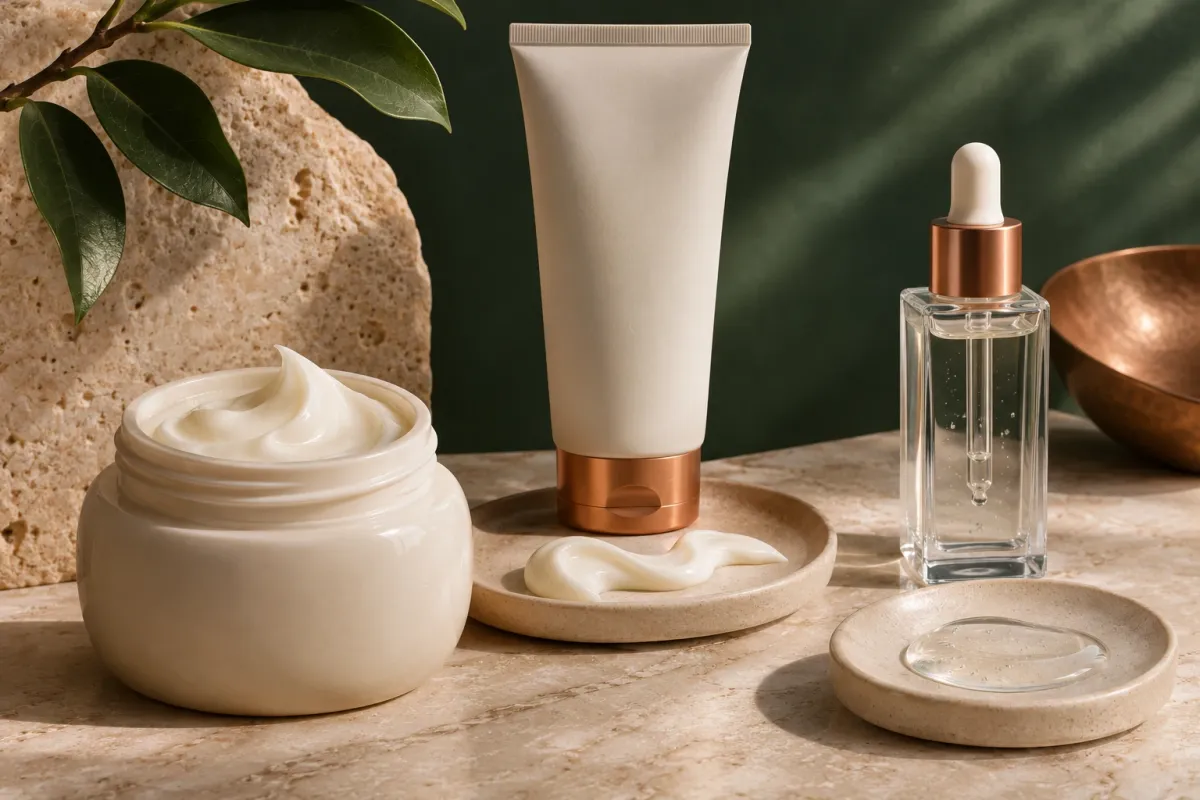
Biossance Squalane + Marine Algae Eye Cream belongs on your shortlist if you want a jar and the brand's rich cream format fits your budget. The current US product is 15 mL, with a $56 manufacturer reference price on November 15, 2026 (current product details).
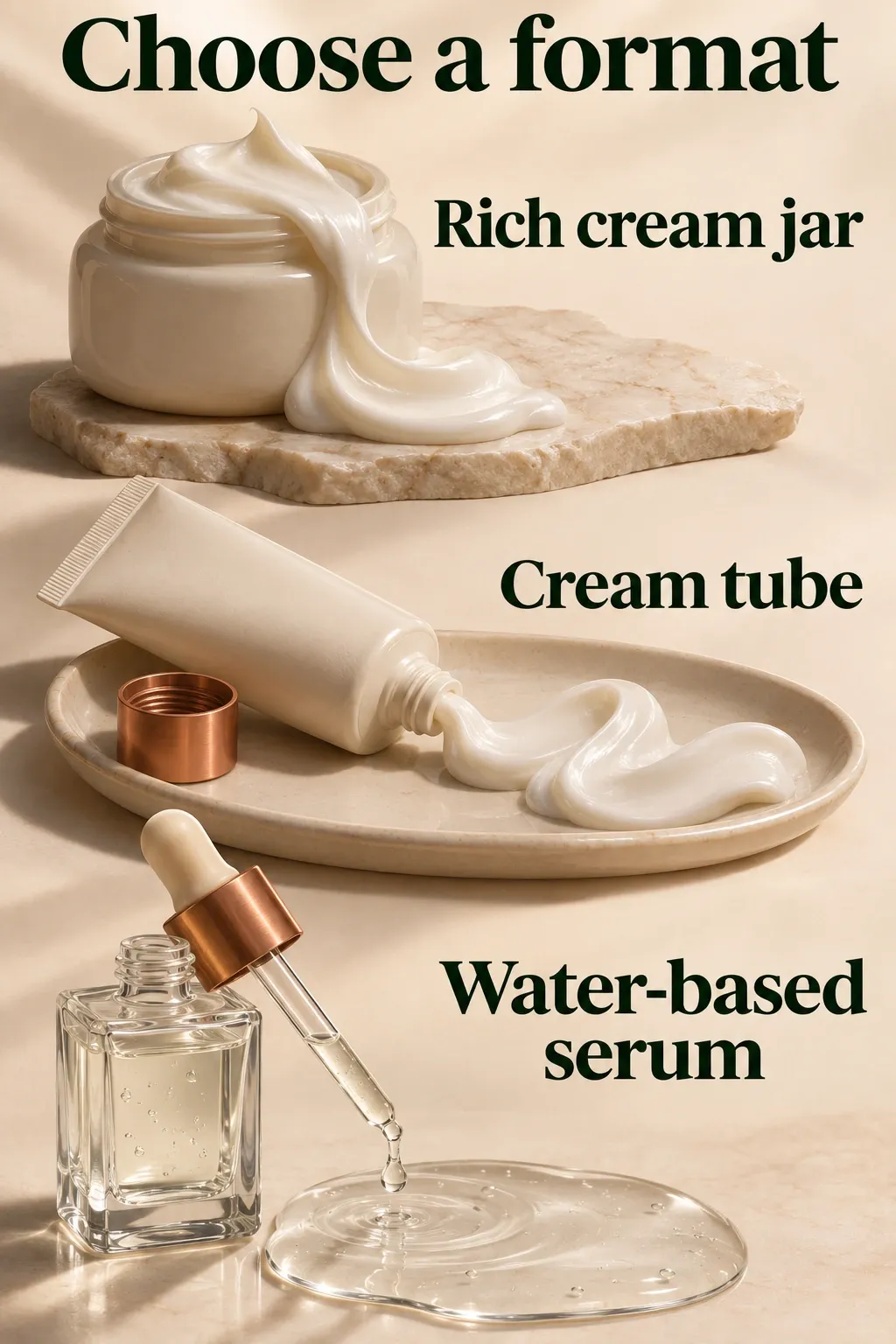
For a lower-priced cream tube, compare CeraVe Eye Repair Cream; for a water-based dropper serum, compare The Ordinary Multi-Peptide Eye Serum. Choose the format you want to use, then check the whole formula and amount in the buying table.
Quick summary
- Match the current Biossance 15 mL label to the selected buying option, then confirm the quantity before checkout.
- Two alternatives offer different packaging and upfront spending, without a claim that they deliver equivalent results.
- Use the current ingredient panel and the label on the item you receive when checking a formula you already avoid.
- Reference prices come from manufacturers, dated November 15, 2026. Amazon prices and purchase options can differ.
A premium eye cream is easier to judge when you separate the purchase into concrete questions. Do you want to open a jar each time, does its ingredient panel fit your exclusions, and would you still choose it after seeing a less expensive tube?
This guide keeps those questions attached to the exact Biossance product. If your first decision is whether to add an eye-specific step at all, our eye cream versus face cream guide covers that broader discussion.
Biossance eye cream and two alternatives: compare the purchase
These are three distinct products with different formats. Manufacturer links in the first column support the specifications; buying buttons in the last column open the selected purchase route.
As an Amazon Associate, SkinOptimizer earns from qualifying purchases through the marked Amazon buttons.
| Product and amount | Choose or skip | Buying route |
|---|---|---|
| Biossance Squalane + Marine Algae Eye Cream15 mL jar; manufacturer-described rich cream | Choose it if: A rich cream in a jar is your preferred format.Skip it if: You want a tube, dropper or lower upfront spend. | Check Biossance 15 mL on AmazonAffiliate link. Confirm selected quantity. |
| CeraVe Eye Repair Cream14.2 g / 0.5 oz cream tube, pack of 1 | Choose it if: You prefer a cream tube and its current formula.Skip it if: You specifically want the Biossance jar or a serum. | Check CeraVe 14.2 g on AmazonAffiliate link. |
| The Ordinary Multi-Peptide Eye Serum15 mL water-based serum, dropper bottle | Choose it if: You want the water-based serum format.Skip it if: You prefer a cream or dislike using a dropper. | Shop the 15 mL serum at The OrdinaryManufacturer route for the current formula. |
We matched Biossance's current product record, UPC 859049007842, to the Amazon listing and compared the displayed ingredient panels. The Amazon page did not expose a numeric item-count field in our check; confirm the quantity and final order details on the selected offer.
For The Ordinary, the button opens the manufacturer page so you can check its current formula and buying options together.
Biossance and alternatives: read the three product choices
Choose one candidate to evaluate first. Buying all three would make it harder to decide whether the jar, tube or serum was the format you wanted in the first place.
Biossance Squalane + Marine Algae Eye Cream: the jar choice
Read the complete Biossance ingredient panel before choosing this jar. Keep the exact product name with your order details so you can check the received item.
Buy it if: You prefer a cream jar, have checked the whole ingredient panel and are comfortable with the reference price.
Skip it if: The jar or budget is a compromise you do not want to make, or you are buying for a promised lift.
The Amazon button identifies ASIN B07YS9SY4R. Check the selected quantity and the current seller's order terms before paying.
Check Biossance 15 mL on Amazon
Affiliate link.
CeraVe Eye Repair Cream: the lower-priced tube
The 14.2 g Eye Repair Cream was $19.99 at CeraVe. Its panel includes niacinamide, ceramides and sweet almond oil; read the whole list if you have a known exclusion.
Buy it if: You prefer squeezing out cream from a tube and want to compare a lower-priced item.
Skip it if: You want a dropper serum or have an ingredient exclusion in this exact formula.
This route is for Eye Repair Cream, not CeraVe Skin Renewing Eye Cream. Our drugstore eye cream guide provides a broader budget shortlist.
Affiliate link.
The Ordinary Multi-Peptide Eye Serum: the dropper choice
The 15 mL Multi-Peptide Eye Serum was $25 at the manufacturer, which identifies it as water-based. It offers a different format from the two creams.
Buy it if: You prefer a dropper serum and can fit its manufacturer instructions into your routine.
Skip it if: You want a cream or its listed regimen restrictions conflict with products you intend to keep.
The brand regimen guide says not to combine it with direct acids or direct vitamin C, among other listed conflicts. Check that full guide before ordering.
Read the full formula without turning ingredients into a score
The current Biossance ingredient panel includes squalane, glycerin, panthenol, Palmitoyl Tripeptide-5 and Dunaliella Salina extract. Their presence identifies components; it does not tell you their percentages or establish a comparison with another finished formula.
For shopping, begin with ingredients you already know you need to avoid. Compare the exact spelling on the full panel, then check the package you receive; a short highlighted-ingredients box is an incomplete record.
A long list of appealing names can distract from a simple packaging preference. If you dislike reaching into a jar, an additional featured ingredient is unlikely to resolve that practical objection.
Keep your shortlist specific enough to revisit: save the full product name, market, amount and current manufacturer page. A screenshot of a promotional headline will be less useful if you later need to compare ingredient information.
Our sensitive-eye buying guide offers another selection framework. For a previous reaction, the AAD describes when a dermatologist can help identify a cause.
What the brand's study and NEA listing can tell you
Biossance publishes clinical and consumer-study footnotes describing 33 women aged 35–60. Its product page does not provide a full public study protocol or a head-to-head comparison with these alternatives.
That leaves several purchase questions unanswered: whether you will enjoy its texture, whether its finish suits your makeup, and whether you prefer it enough to pay more. We therefore have no evidence-based reason to rank these three by lifting performance.
The exact cream appears in the National Eczema Association product directory. The NEA explains that its Seal involves voluntary evaluation and is not an endorsement or a guarantee that every person will respond well (Seal program FAQ).
Use that listing as one piece of product information. It does not settle whether a particular ingredient suits you, and it should not replace your own clinician's advice when you need it.
Compare upfront cost using the amounts actually sold
The table uses the brands' one-time US reference prices observed on November 15, 2026. Read the item amounts as labeled; no dose or months-of-use estimate is assumed.
| Manufacturer reference | Labeled amount | Upfront item price |
|---|---|---|
| Biossance | 15 mL / 0.5 oz | $56 |
| CeraVe Eye Repair | 14.2 g / 0.5 oz, by mass | $19.99 |
| The Ordinary | 15 mL | $25 |
Biossance's reference price is $31 higher than The Ordinary's for the same labeled 15 mL volume. CeraVe's amount is expressed in grams, so it does not belong in a milliliter-based unit-price ranking without a supported conversion.
For a first purchase, compare the total you would actually pay after shipping, tax and any terms you understand. A larger pack can lower an advertised unit price while increasing the amount of money committed to an unfamiliar product.
If you already own a cream you like, use it as your comparison point: what exactly would this purchase change? A gift recipient may care more about a familiar format than a marketing ingredient; our men's eye cream guide also organizes choices around dispensing preferences.
Choose a format, then match the item
Check the current Biossance jar against the offer
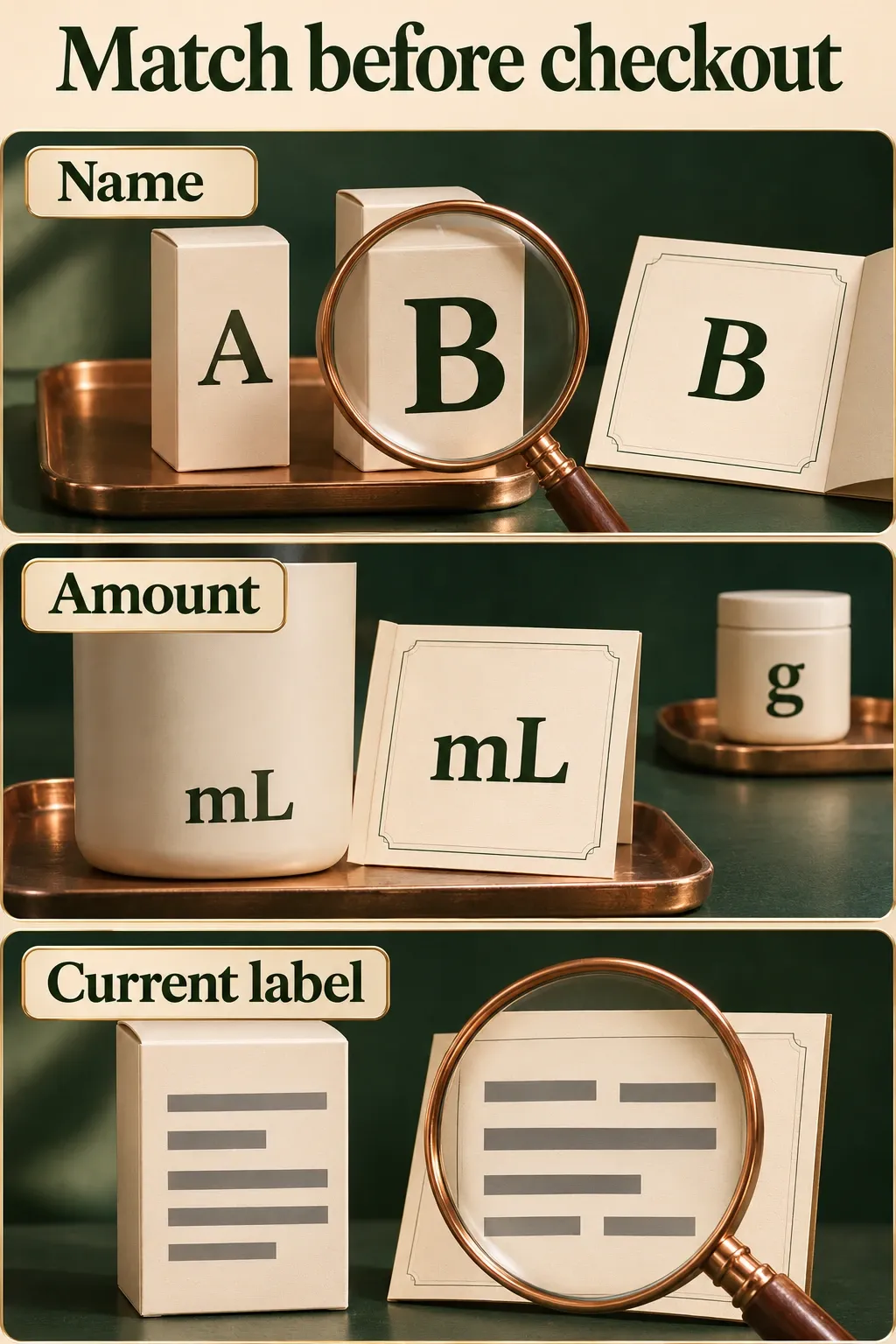
Start with the full product name, the US manufacturer label and the item amount. Use the manufacturer record as your starting point, then compare it with the selected offer.
Then inspect the selected offer rather than stopping at the search-result title. Confirm the amount, quantity and final total, and read the purchase and return terms before placing the order.
An older review can still raise a useful question about texture or makeup. It cannot confirm the label on the item in your cart, so keep it separate from the current manufacturer record and received package.
Keep a saved copy of the current manufacturer panel with your order details. When you revisit a review later, you can compare its information with the record you used to buy, instead of trying to reconstruct the purchase from memory.
If a retailer panel differs from the brand's current list, ask for clarification or use the current manufacturer route. An unexplained difference is a reason to pause that purchase decision, without making an accusation about a seller or product.
Fit the chosen product around the routine you already use
Biossance's directions describe gentle eye-area application day and night, with its FAQ favoring the ocular-bone area. Follow the received label and seek clarification if the online warning and package directions conflict.
The Ordinary supplies its own eye-contour directions and regimen restrictions on the serum page. Review those with the products you plan to keep; instructions for one cream do not transfer to another serum.
Biossance describes the cream as a smooth makeup base, but that does not verify compatibility with your whole routine (brand FAQ). On a day without time pressure, observe the finish with your usual products before relying on it for an important occasion.
Write down what you dislike if the combination disappoints: visible product movement, unwanted shine or a finish you would rather change. Avoid buying another serum simply because you cannot yet identify which part of the combination you wanted to improve.
Our tinted eye cream versus concealer guide covers the separate makeup decision. For a broader age-oriented shortlist, use the eye cream by decade guide without treating an age bracket as proof that this particular jar is required.
Handle a new jar and an unexpected reaction carefully
Wash your hands and keep applicators clean, avoid using eye cosmetics on inflamed or infected eye-area skin, and stop a product that causes irritation. The FDA advises seeking medical attention if irritation persists (eye cosmetic safety).
The AAD describes a small-area home-use check on the arm or elbow over seven to ten days, following normal directions. It is not diagnostic patch testing or proof that your eyelids will tolerate a product (AAD instructions).
Keep the original label and purchase details so you can describe the exact item if you need help. Do not use an online photo to diagnose an unusual jar.
Biossance's FAQ describes slight color differences between batches. If a cosmetic's color or smell changes, the FDA advises throwing it away; ask the manufacturer about other unexpected condition issues rather than assuming they are normal (brand FAQ; FDA safe-use guidance).
If your main concern is persistent bags rather than choosing this format, the puffiness guide addresses that different decision. Keep that question separate from whether you enjoy a particular cream.
Questions below were identified while reading discussions about Biossance value, makeup preparation and unusual texture. Community reports informed the questions; the linked product and authority sources support the answers.
Frequently Asked Questions About Biossance Squalane + Marine Algae Eye Cream
Is Biossance Squalane + Marine Algae Eye Cream worth the price?
Consider it if you prefer the jar enough to pay the final order total. Compare the manufacturer price and the alternatives above with your budget before buying.
Can I wear it under concealer without pilling?
Biossance markets it as a smooth makeup base, but that does not establish no-pilling compatibility with your concealer and routine. Use the brand's directions and evaluate the finish with the products you actually wear.
How can I check whether an older review matches my jar?
Compare the exact name, market, amount and received ingredient label with the current manufacturer panel. A matching displayed list helps identify the formula information, while a review date alone does not establish what was in a historical batch.
What should I do if it irritates my eyes or looks unusual?
Stop using it if it causes irritation, and seek medical advice if irritation persists, as the FDA advises. If its color or smell has changed, throw it away; ask the manufacturer about other unexpected condition issues (FDA product-condition guidance).
What should I compare if I want a cheaper alternative?
Compare the exact formula, labeled amount and format you prefer: CeraVe Eye Repair is a cream tube, while The Ordinary Multi-Peptide Eye Serum is water-based in a dropper bottle. Their lower reference item prices do not establish equivalent results.
Choose the format you want to use
Keep Biossance on your shortlist if its jar and cream format are what you want to buy. Use the tube or serum comparison when packaging or upfront cost would otherwise make you hesitate, then choose the exact offer whose details you can confirm.
This article is for informational purposes only and does not replace professional dermatological advice.