Essential Skincare Routine for Redness and Rosacea: Tips for Soothing Sensitive Skin
Discover tips for a soothing skincare routine to manage redness and rosacea effectively.
In this guide

A practical morning and evening routine
Keep the routine repeatable. If every step is new, a reaction gives you little information about which product caused it.
| Time | Core steps | Decision point |
|---|---|---|
| Morning | Gentle cleanse, prescribed treatment if scheduled, moisturizer, sunscreen. | Follow medication directions and let products settle without rubbing. |
| Evening | Remove sunscreen and makeup gently; cleanse, prescribed treatment if scheduled, moisturize. | Do not add a scrub to make skin feel cleaner. |
| During a flare | Keep tolerated basics and contact your clinician about treatment. | Pause new optional cosmetics rather than repeatedly testing painful products. |
This is an organizing template, not a new medication schedule. Your prescription label and clinician’s instructions determine where treatment belongs, how often it is used and when it should be reviewed.
If you struggle with redness and rosacea, you know how challenging it can be to find the right skincare routine.
This guide will help you understand rosacea, identify triggers, and create a soothing regimen tailored for sensitive skin.
With the right approach, you can manage your symptoms effectively and feel more comfortable in your own skin.
Key Takeaways
- Rosacea is a common skin condition that causes redness and sensitivity.
- Identifying triggers like stress and certain foods can help reduce flare-ups.
- Use gentle cleansers and avoid scrubbing to protect sensitive skin.
- Moisturizing daily with the right ingredients is crucial for skin health.
- Always apply sunscreen to protect against UV rays that can worsen rosacea.
Understanding Rosacea and Redness

What is Rosacea?
DermNet describes rosacea as a chronic inflammatory condition, not a hygiene failure. It can affect all skin tones; facial redness and small vessels may be less obvious on darker skin.
Burning, sensitivity, recurrent flushing and bumps deserve assessment even when redness is hard to see. Similar-looking conditions need different treatment, so do not diagnose rosacea from a photograph alone.
Rosacea is a common skin condition that makes our face look red and flushed. It can feel a bit embarrassing, but we're not alone—many people deal with it!
This condition often shows up as redness on the cheeks, nose, and forehead. It can also cause tiny bumps that look like acne.
Common Symptoms of Rosacea
When we think about rosacea, we should keep an eye out for these symptoms:
- Redness on the face
- Sensitive or burning skin
- Flushing or blushing easily
- Visible blood vessels
- Dry patches on the nose and cheeks
How Redness Manifests in Rosacea
The redness we see can vary from person to person. For some, it might be a light blush, while for others, it can be a deep, persistent red. This redness can be triggered by different factors, like stress, heat, or certain foods.
Managing rosacea can be tricky, but a gentle skincare routine is crucial for those with rosacea because it helps to minimize irritation, protect the skin barrier, prevent dryness, and reduce redness.
Understanding rosacea is the first step in finding ways to soothe our sensitive skin. By knowing what it is and how it affects us, we can better manage our skincare routine and feel more comfortable in our own skin!
Identifying Triggers for Rosacea Flare-Ups

Common Triggers to Avoid
When it comes to rosacea, knowing what sets off our flare-ups is super important. Some common triggers include:
- Hot drinks like coffee or tea
- Spicy foods
- Stress
- Extreme temperatures (both hot and cold)
- Alcohol
- Sunlight
How to Track Your Triggers
Track temperature, exercise, products and symptoms alongside meals. A single flare does not prove that one food caused it; look for repeat patterns before making restrictive changes.
Tracking our triggers can help us manage rosacea better. Here’s how we can do it:
- Keep a diary: Write down what you eat, drink, and any activities you do.
- Note your symptoms: Record when you notice flare-ups and what you think caused them.
- Look for patterns: After a few weeks, see if you can spot any common triggers.
Managing Stress and Its Impact on Rosacea
Stress can really mess with our skin. To help manage it, we can:
- Practice relaxation techniques like deep breathing or yoga.
- Make time for hobbies that we enjoy.
- Get enough sleep to help our bodies recover.
Remember, avoiding triggers is a great start, but it might not be the only solution. If we find that our rosacea is still acting up, it might be time to consult a dermatologist for more tailored advice!
Gentle Cleansing for Sensitive Skin
When it comes to caring for our skin, especially if we have rosacea, gentle cleansing is key. We want to keep our skin calm and happy! Here are some tips to help us choose the right cleanser and cleanse effectively:
Choosing the Right Cleanser
The AAD rosacea skincare guidance prioritizes a mild cleanser, gentle washing, moisturizer and sun protection. A sensitive-skin label is a starting point, not a guarantee that your face will tolerate the formula.
- Look for a gentle formula: Cleansers labeled as suitable for sensitive skin are our best friends. Brands like Cetaphil or CeraVe are great options.
- Consider your tolerance of niacinamide: It is optional, not a required cleanser ingredient. Skip a formula that burns or stings.
- Consider synthetic ingredients: Sometimes, cleansers made with synthetic detergents can be less irritating than traditional soaps.
How Often Should You Cleanse?
- We should aim to cleanse our face twice a day—once in the morning and once before bed. This helps remove dirt and oil that can irritate our skin.
- If our skin feels extra sensitive, we might want to adjust how often we cleanse. Listening to our skin is important!
Cleansing Techniques for Rosacea-Prone Skin
- Use lukewarm water: Hot water can make redness worse, so lukewarm is the way to go.
- Apply gently: Use our fingertips to apply the cleanser in a circular motion. No scrubbing!
- Rinse thoroughly: Make sure to rinse off all the cleanser to avoid irritation.
- Pat dry: Use a clean, soft towel to gently pat our face dry.
Remember, cleansing is just one part of our skincare routine. Following up with a good moisturizer is essential to keep our skin hydrated and protected!
Moisturizing to Repair and Protect
When it comes to caring for our skin, especially if we’re dealing with rosacea, moisturizing is key. A good moisturizer can make a world of difference! It helps to lock in hydration and protect our skin from irritants.
Here’s what we need to know:
If an HOCl mist is on your shopping list, compare our three identified skincare sprays and discuss an extra step with the clinician managing your rosacea; a cosmetic spray is not a substitute for that care.
Importance of Hydration
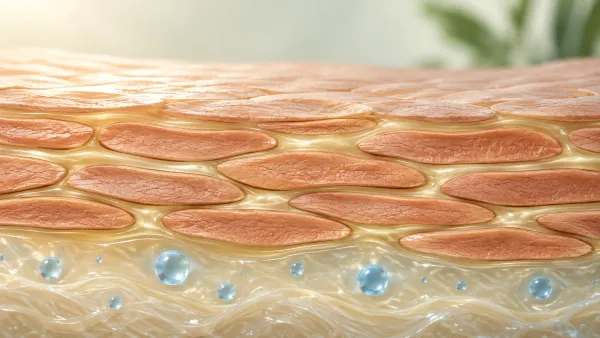
- Hydration keeps our skin barrier strong.
- It helps reduce redness and irritation.
- Well-hydrated skin looks healthier and feels better.
Best Ingredients for Rosacea-Friendly Moisturizers
We should look for moisturizers that contain:
- Ceramides: They help restore the skin barrier.
- Hyaluronic Acid: This ingredient draws moisture into the skin.
- Glycerin: It’s a great humectant that keeps our skin hydrated.
How to Apply Moisturizer Effectively
Let the face dry before moisturizing if damp-skin application stings. Follow your prescriber’s directions for medication order rather than changing a prescribed routine to match a general layering rule.
- Cleanse: Always start with a gentle cleanser.
- Pat Dry: Gently pat your skin dry with a soft towel.
- Apply: Use a small amount of moisturizer and spread it evenly.
- Spread gently: Spread it gently without rubbing or massaging sensitive areas.
Remember, moisturizing is not just about comfort; it’s about protecting our skin from further irritation and damage.
By keeping our skin hydrated, we can help manage redness and keep our skin looking its best!
Sun Protection is a Must

When it comes to taking care of our skin, sun protection is super important, especially for those of us dealing with rosacea. UV rays can really trigger flare-ups and make our skin feel even more irritated.
So, let’s dive into why we need to be extra careful and how we can do it right!
Why SPF is Crucial for Rosacea
We all know that the sun can be harsh, but for those of us with rosacea, it can be a major culprit behind flare-ups.
Here’s why we should never skip sunscreen:
- Limits a common trigger: Sunscreen helps keep our skin calm and reduces the chances of redness.
- Protects against skin damage: Regular use can help prevent long-term damage from UV rays.
- Complements gentle skincare: Sunscreen does not replace moisturizer or prescribed rosacea treatment.
Choosing the Right Sunscreen
Not all sunscreens are created equal! Here are some tips to find the best one for our sensitive skin:
- Look for SPF 30 or higher: This is the minimum we should aim for to keep our skin protected.
- Opt for mineral formulas: Sunscreens with zinc oxide or titanium dioxide are usually gentler on our skin.
- Avoid fragrances: Fragrance-free options are less likely to irritate our skin.
Sunscreen Type | SPF Level | Key Ingredients |
|---|---|---|
Mineral Sunscreen | 30+ | Zinc Oxide, Titanium Dioxide |
Chemical Sunscreen | 30+ | Avobenzone, Octisalate |
How to Apply and Reapply Sunscreen
Use the amount and reapplication instructions on the sunscreen label. Reapply at least every two hours outdoors and after swimming, sweating or towel drying; water resistance is time-limited, not waterproof protection.
Applying sunscreen correctly is just as important as choosing the right one. Here’s how we can do it:
- Apply generously: Use about a shot glass full for our entire body.
- Reapply every two hours: Especially if we’re sweating or swimming.
- Don’t forget the areas: Make sure to cover our ears, neck, and any exposed skin.
Remember, even on cloudy days, UV rays can still reach our skin. So, let’s make it a habit to wear sunscreen every day!
By following these tips, we can help keep our skin protected and reduce the chances of rosacea flare-ups. Let’s embrace the sun safely!
Makeup Tips for Rosacea-Prone Skin
When it comes to makeup for sensitive and rosacea-prone skin, we all want to look our best without causing irritation. Here are some tips to keep in mind:
Choosing Rosacea-Friendly Makeup
- Opt for water-based or powder formulas: These are less likely to irritate your skin.
- Use yellow or green-tinted concealers: Yellow can help mask discoloration, while green is great for camouflaging redness.
- Avoid heavy foundations: Instead, go for lightweight options that let your skin breathe.
Application Tips to Avoid Irritation
- Start with a clean face: Always cleanse gently before applying makeup.
- Use clean brushes and sponges: This helps prevent bacteria from irritating your skin.
- Apply in thin layers: Less is more! Build up coverage gradually to avoid a cakey look.
Removing Makeup Gently
- Use a gentle makeup remover: Look for products that are fragrance-free and designed for sensitive skin.
- Avoid scrubbing: Instead, gently wipe away makeup with a soft cloth or cotton pad.
- Follow up with a soothing cleanser: This helps remove any leftover makeup and calms your skin.
Remember, taking care of our skin is just as important as looking good. By following these tips, we can enjoy makeup without compromising our skin's health. Makeup can be fun, but our skin comes first!
When to Consult a Dermatologist

Signs You Need Professional Help
If we notice any persistent redness, flushing, or other symptoms that seem like rosacea, it’s time to reach out to a dermatologist. Getting a professional opinion can make a big difference! Here are some signs that we should consult a dermatologist:
- Symptoms that don’t improve with over-the-counter treatments
- New or worsening skin changes
- Uncertainty about whether it’s rosacea or something else
What to Expect During a Dermatology Visit
When we finally make that appointment, it’s good to know what to expect. Here’s a quick rundown:
- A thorough skin examination
- Discussion of our symptoms and medical history
- Possible tests to rule out other conditions
Treatment Options for Rosacea
The AAD treatment overview separates care for persistent color changes, bumps and eye involvement. A cleanser cannot do the job of prescribed medicine or a carefully selected procedure.
Bring your product list and photographs of intermittent symptoms to the appointment. Ask what improvement to expect, when to return, and which changes mean you should contact the clinic sooner.
After our visit, the dermatologist might suggest various treatment options. These can include:
- Topical medications
- Oral medications
- Lifestyle changes to manage triggers
Remember, consulting a dermatologist is key to getting the right treatment for our skin. They can help us find the best routine tailored just for us!
For the cleansing step, use our rosacea cleanser decision guide to choose by flare state, dryness, oil level, and sunscreen-removal needs.
Wrapping It Up: Your Path to Calm Skin
So, there you have it!
Taking care of skin that gets red and irritated doesn’t have to be a hassle. By sticking to gentle products, keeping your routine simple, and knowing what triggers your flare-ups, you can help your skin feel a lot better.
Remember, it’s all about being kind to your skin. If you ever feel stuck, don’t hesitate to reach out to a dermatologist for advice.
When persistent visible vessels remain after the routine is stable, the IPL treatment decision guide explains realistic vascular benefits, skin-tone risks and the provider questions to ask before a photofacial.
Frequently Asked Questions About a Rosacea Skincare Routine
Questions were informed by community discussions about keeping a routine simple and sunscreen feel and introducing products. These discussions identify questions, not evidence of safety or effectiveness; the medical guidance above uses authoritative sources.
What is the simplest skincare routine for rosacea?
Use a mild cleanser, a tolerated moisturizer and sunscreen, plus any prescribed treatment. You do not need a toner, scrub or several serums to make the routine complete.
Build around products you can use comfortably and consistently. If a basic step repeatedly burns, ask your clinician to help identify an alternative instead of adding more soothing layers.
Should I apply moisturizer to damp skin if it stings?
For rosacea-prone skin, letting the face dry before moisturizing can reduce stinging. Spread moisturizer gently rather than massaging it in.
Follow individualized medication instructions. A cosmetic layering tip should not override the directions for a prescribed treatment.
How do I choose sunscreen when mineral formulas feel heavy?
Compare the finished formula, tint and texture rather than assuming every mineral sunscreen feels the same. Choose broad-spectrum SPF 30 or higher and follow the label for outdoor reapplication.
A tint may help with white cast, but the shade still needs to suit you. If sunscreen repeatedly irritates your face, ask your clinician about alternatives and use shade and protective clothing too.
How can I tell whether a new product is a trigger?
Introduce only one new cosmetic at a time and record the date and symptoms. Use a small-area tolerance test before widespread application; do not keep applying a product that causes a reaction.
A diary can suggest patterns but cannot establish an allergy diagnosis. Take recurring or persistent reactions to a clinician rather than building an ever-growing list of assumed allergies.
When is a skincare routine not enough?
Arrange medical assessment for persistent flushing, bumps, burning or uncertainty about the diagnosis. Different rosacea symptoms can require different treatments.
Eye pain, blurred vision, light sensitivity, a red eye or a gritty eye feeling warrant urgent advice. Do not wait for a new moisturizer to solve an eye problem.
This article is for informational purposes only and does not replace professional dermatological advice.